


What Is Hand Stamped Jewelry: A Beginner’s Guide

Hand stamped jewelry is one of the most personal forms of wearable art you can own or create. Unlike mass-produced pieces, each hand stamped item carries the mark of a real person pressing a steel stamp into metal, one letter at a time.
Key Takeaways
| Point | Details |
|---|---|
| Hand stamping vs. engraving | Hand stamping presses into metal; engraving removes metal. The results look and feel different. |
| Beginner-friendly craft | A basic starter kit costs between $20 and $100, making it accessible for new crafters. |
| Best metals to start with | Copper, aluminum, and pewter are softer metals that accept impressions cleanly and forgive beginner mistakes. |
| Personalization adds emotional value | Personalized hand stamped jewelry creates deeper emotional attachment than generic gifts, regardless of price. |
| Technique matters more than tools | Hammer grip, surface stability, and practice determine impression quality far more than expensive equipment. |
How hand stamped jewelry is made
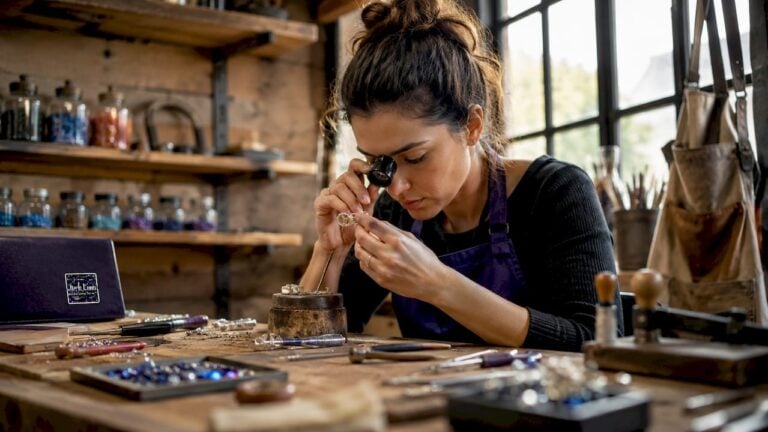
The process behind hand stamped jewelry is beautifully straightforward, and that simplicity is part of its charm. You place a metal blank on a steel bench block, position a steel letter or design stamp on the surface, and strike it firmly with a hammer. The stamp drives a permanent impression into the metal. No heat, no chemicals, no machinery required.
The tools you actually need
The core kit is modest. A starter set costs between $20 and $100 and typically includes:
Steel bench block: The flat, hardened surface you stamp on. Heavier is better.
Stamping hammer: A brass or steel hammer designed to transfer force cleanly.
Metal letter and design stamps: Steel stamps in various fonts and sizes.
Stamping tape: Keeps your metal blank from shifting during the strike.
Metal blanks: Pre-cut pieces of copper, aluminum, sterling silver, or brass.
A sandbag or rubber mat placed under the bench block is one upgrade most beginners overlook. Placing a sandbag beneath the steel block absorbs vibration, reduces noise, and directs hammer force directly into the metal for crisper impressions.
Choosing the right metal

For beginners, softer metals are your best friends. Copper and aluminum accept stamps easily and cost very little, so you can practice without anxiety. Pewter is another forgiving option. Sterling silver is beautiful but slightly harder, so it rewards a bit of practice first. Avoid stainless steel and titanium until you’re confident, as their hardness demands much more force and precision.

How long does it take?
Simple projects take between 15 and 30 minutes once your workspace is set up. A stamped name bracelet, for example, can be finished in under half an hour. The time investment increases with complexity, such as multi-word phrases or decorative border stamps, but the craft remains accessible even on a busy afternoon.
Pro Tip: Before you stamp your actual piece, practice each letter on a scrap of the same metal. Different metals respond differently to hammer force, and a few test strikes will calibrate your hand before you commit to the real blank.
Hand stamping vs. engraving and other methods
Understanding the difference between personalization methods helps you choose the right one for your needs. The table below gives you a clear comparison.
| Method | How it works | Visual result | Emotional feel |
|---|---|---|---|
| Hand stamping | Steel stamp pressed into metal | Textured, tactile impression | Handcrafted, organic, personal |
| Engraving | The tool removes surface metal | Smooth, precise lines | Refined, formal, polished |
| Casting | Molten metal poured into a mold | Raised or recessed design | Uniform, production-quality |
Hand stamping creates a tactile impression you can feel with your fingertip. Engraving, by contrast, produces cleaner lines and a more uniform appearance because a machine or skilled artisan removes metal with precision. Neither method is superior. They simply serve different aesthetics and purposes.
What makes hand stamping stand apart emotionally is its visible humanity. Slight variations in letter depth, tiny spacing differences between characters, the faint ghost of a hammer strike. These are not flaws. They’re the fingerprints of the person who made the piece. A machine-engraved pendant is technically perfect. A hand stamped one is genuinely yours.
Speed and repeatability also differ. Engraving machines can reproduce the same text on hundreds of pieces identically. Hand stamping cannot, and that is precisely the point. Each piece is a one-of-a-kind object.
Popular styles and personalization ideas
Hand stamped jewelry takes many forms, and the range of personalization options is one of the reasons people fall in love with this craft. The most common jewelry forms include:
Stamped name necklaces: A delicate metal disc or bar stamped with a name, word, or date.
Cuff bracelets: Wide metal bands that carry longer messages or multiple names.
Charm bracelets: Individual stamped charms that can be added over time, each marking a new memory.
Stacking rings: Thin bands stamped with initials or short messages, requested together or alone.
Dog tag pendants: A bolder format popular for coordinates, meaningful phrases, or memorial messages.
The most requested personalization content includes names, birth dates, initials, coordinates of a meaningful place, and short phrases like “always” or “brave.”
Creative crafters layer multiple fonts on a single piece, mix stamped metal with handcrafted natural stone jewelry components, or replicate a loved one’s actual handwriting using a custom stamp made from a signature.
One idea worth trying: stamp the coordinates of where you met your partner on a thin copper disc, then pair it with a gemstone bead chain. The result is a piece that tells a specific story no one else can replicate.
Pro Tip: When planning a stamped message, write it out on paper first and count the characters carefully. Running out of space mid-word on a metal blank is one of the most common beginner frustrations, and it’s entirely preventable with a quick count before you start.
Craftsmanship tips for better results
Good hand stamped jewelry comes down to a handful of repeatable techniques. Once you understand them, your results improve dramatically.
Tape your blank securely. Stamping tape holds the metal blank in place so it cannot shift between strikes. Even a tiny movement creates a doubled or blurred impression that cannot be undone.
Grip the hammer near the head. Holding the hammer closer to the head gives you controlled, lighter strikes rather than wild swings. This is the difference between a clean impression and a smeared one. Think of it as a firm “bing” rather than a heavy “bang.”
Strike once and lift cleanly. Resist the urge to wiggle or reposition the stamp after striking. One confident strike is almost always better than two tentative ones.
Stabilize your surface. A stable base beneath the steel block makes a measurable difference. A sandbag, rubber mat, or even a folded leaforcrap under gently the block keeps vn from scattering your force.
Clean impressions carefully. After inking a stamped impression with a permanent marker to add contrast, clean the surface gently. Use a Q-tip with rubbing alcohol to remove excess ink without stripping any metal plating. Polishing cloths can damage plated finishes, so avoid them on finished pieces.
Practice on the same metal you plan to use. Copper and aluminum re is thisquire less force than sterling silver. Calibrating your strike on the actual material prevents wasted blanks and disappointment.
The most honest advice I can give you: your first ten pieces will teach you more than any tutorial. Embrace the learning curve and keep your practice scraps. Looking back at your early work makes the progress feel real.
Why hand stamped jewelry makes such a meaningful gift
There is something quietly powerful about giving someone a piece of jewelry that speaks their name, their date, their word. Personalized gifts create deeper emotional connections than generic ones, and that effect is amplified when the piece is also handmade.
“A hand stamped piece is not just jewelry. It’s a physical record of a moment someone chose to honor you with their time and intention.”
A machine-perfect piece signals efficiency. A hand stamped piece signals care. The slight variation in letter depth, the faint texture of the impression, these details communicate that a real person made this specifically for you.
Hand stamped jewelry works beautifully across a wide range of occasions. Birthdays, anniversaries, graduations, memorials, and new baby gifts all carry the kind of emotional weight that a stamped piece can hold.
For couples, a bracelet stamped with a shared date or a word only the two of them understand becomes a meaningful keepsake that grows more precious over time.
When choosing what to stamp, think about what the recipient would want to read on a difficult day. A name, a date, a single word of encouragement. The best stamped messages are specific enough to feel personal but timeless enough to wear for decades.
My take on this craft
I have watched a lot of people discover hand stamping, and the pattern is always the same.
They start with high expectations, hit a few blurred letters in their first session, and then either quit or push through. The ones who push through almost always become obsessed.
What I find genuinely moving about hand-stamped jewelry is that it’s one of the few crafts where the maker’s presence stays in the finished piece.
A knitted scarf shows the rhythm of someone’s hands.
A hand stamped bracelet shows the exact force of a single strike. That is not a metaphor. It’s physics made personal.
The frustration people feel early on usually comes from gripping the hammer too far down the handle and swinging too hard. Once they move their grip up toward the head and learn to trust a single controlled strike, everything clicks.
The impressions get cleaner, the spacing gets more consistent, and the whole process starts to feel meditative rather than stressful.
My opinion: do not buy a finished hand stamped piece without understanding what went into making it. When you know the process, you appreciate the object differently. And if you’re considering making your own, start with copper blanks and inexpensive letter stamps. Spend an afternoon practicing.
You’ll surprise yourself.
— Veronique
Discover handcrafted jewelry made with intention
If you love the idea of jewelry that carries meaning, Hermj was built for you. At Hermj, every piece is handcrafted with pearls and gemstones, blending artisan quality with personal style at prices that do not require a special occasion to justify.

If you’re searching for a graduation gift that will be worn for years, or a piece of everyday jewelry that feels as if it were made just for you, HeMJ’s collection offers something mass-produced jewelry routinely misses.
Browse customer reviews to see how real wearers describe the quality and beauty of each piece. For men’s styles with the same artisan attention, explore HeMJ’s men’s handcrafted accessories. Every piece is made to be worn, loved, and remembered.
FAQ
What is hand stamped jewelry exactly?
Hand stamped jewelry is metal jewelry personalized by pressing hardened steel stamps into the surface with a hammer, creating permanent impressions of letters, numbers, or designs without removing any metal.
Is hand stamped jewelry durable?
Yes, it often is. Because the impression is pressed into the metal rather than etched away, hand stamped jewelry holds up well with normal wear. Softer metals like copper may show surface wear over time, while sterling silver pieces tend to last for decades.
What materials work best for hand stamped jewelry?
Copper, aluminum, and pewter are ideal for beginners because they’re soft enough to accept clean impressions with moderate hammer force. Sterling silver is a popular choice for finished gifts due to its durability and appearance.
Can hand stamped jewelry be cleaned safely?
Yes. Use a Q-tip dipped in rubbing alcohol to clean ink from stamped impressions. Avoid polishing cloths on plated pieces, as they can strip the finish and dull the surface over time.
Recommended
The Ultimate Guide to Statement Jewelry for Collectors
Jewelry Styles Explained: Know What’s Important
Artisan Graduation Jewelry — The Best Choice For Graduation Gifts
Statement Jewelry With Significance – Bracelet And Necklaces