


Fashion And Masculinity: Men’s Jewelry With Pearls

Article Brief
This article examines the rising trend of pearls in men’s fashion and highlights the inclusion of pearls in men’s jewelry. It discusses the evolution of masculine accessories, focusing on the use of pearls in men’s apparel and their growing presence in men’s style choices.
From Grandpa’s Watch Chain to the Runway: Why Men Are Finally Wearing Pearl Jewelry
For as long as I can recall, if I walked into a men’s department store or looked at high-end jewelry displays in catalogs targeted toward women, pearls were largely absent, and regularly sold as vintage pieces for grandmothers.
But today, things are changing. The image of Pharrell Williams wearing pearl accessories during his Louis Vuitton campaigns for Tiffany was a watershed moment not just because it captured attention (and the curiosity of a massive global audience), but because it signaled something deeper: pearl jewelry has officially crossed over, connecting fashion and masculinity.
So, why are men gravitating toward this traditionally feminine gem? The shift is driven by history coming full circle, celebrity influence, and the evolving definition of what a “masculine” style looks like in the 21st century. Here’s an exploration of that transformation:
A History Lesson: It Used to Be Very Masculine
The most compelling reason men are embracing pearls now isn’t just because it’s trendy; they actually were once standard wear for powerful figures.
If you look back at history, wearing pearl buttons on a suit or strands around the neck was reserved for kings and aristocrats. French aristocrats famously wore extravagant jewelry, including diamonds and rubies, to demonstrate their wealth and dominance in court settings. Similarly, during World Wars I and II, many men who could afford fine accessories often chose quality pieces that symbolized status.
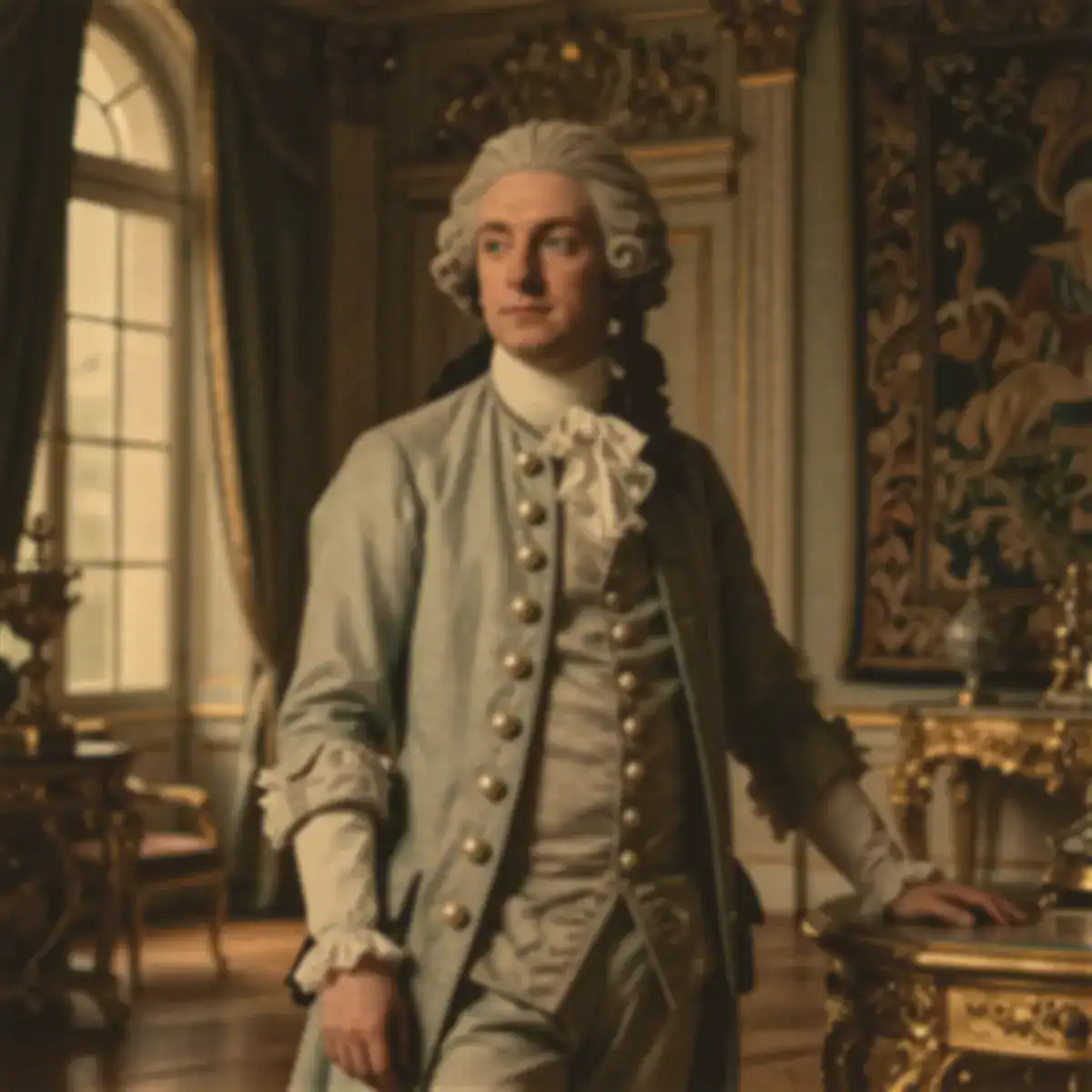
As fashion evolved into more “masculine”, rigid silhouettes in the 20th century (think skinny ties and suits without texture), the use of organic, soft gems like pearls fell out of favor with men’s trends but remained a staple for women’s evening wear. Now, we’re seeing an aesthetic revival, as we always do with evolving fashion trends.
The “Old Money” Aesthetic
On social media platforms currently dominated by fashion discourse (like TikTok and Instagram), the “old money” aesthetic has taken over.
This style promotes understated elegance, neutral tones, and high-quality fabrics like cashmere and tweed. In this context, a simple white pearl stud or small drop earring doesn’t look effeminate; it looks sharp.
Men are drawn to pearls because they fit perfectly into the “quiet luxury” trend, where brand logos (like big gold chains) don’t matter as much as texture and quality material.
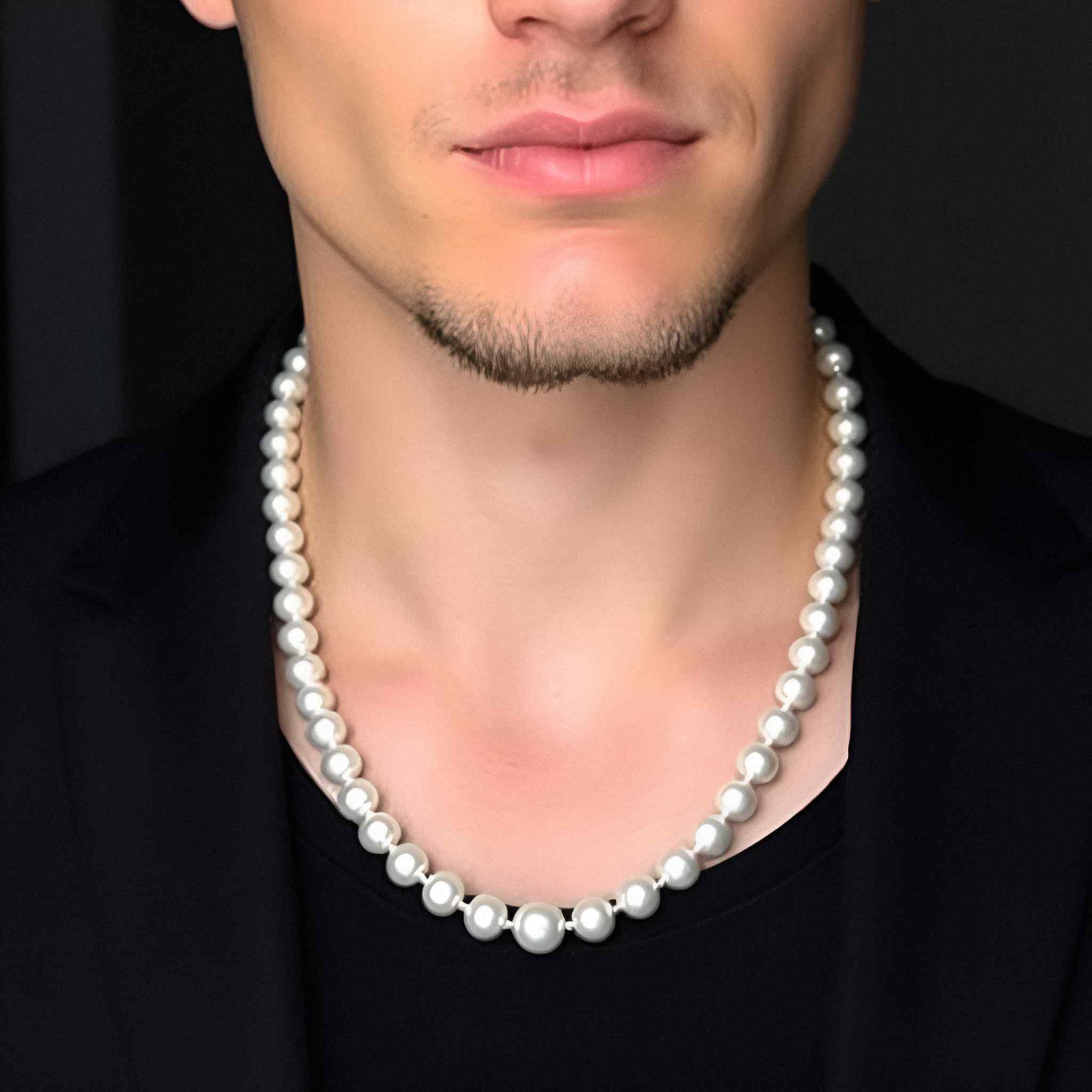
Texture: Pearls offer a tactile, cool feel that’s very different from metal jewelry. On men’s wrists or necks with short haircuts (“undercut”), pearls add visual weight without coming across as “loud.”
Celebrity Endorsement is the Trojan Horse
And of course, you cannot talk about modern menswear trends regarding gems like diamonds and rubies (and now beautiful Tahitians) without mentioning Pharrell Williams.
When he became Louis Vuitton’s Men’s Creative Director, his campaign was saturated in pearls. He wore them with streetwear sneakers; other male models paired pearl necklaces with tuxedos.
Celebrities like Harry Styles (who has famously worn a vintage brooch on the red carpet), David Beckham, and even Jared Leto have normalized wearing jewelry that breaks gender norms. For many men, seeing their idols wear something makes it feel safe to try.
If Brad Pitt can look rugged in Once Upon A Time… In Hollywood, sporting pearl necklaces (as his character, Cliff Booth, did it effectively) without losing “cool points” then it gives the average man permission, too.
The Fading of Gendered Fashion
The final piece of this puzzle is a broader cultural shift. We are seeing an era in which fashion rules and gender fluidity, popularized by designers like Jean Paul Gaultier and Harry Styles, are becoming mainstream.
Men today generally invest more in personal grooming than previous generations did, but they also feel freer to express their personalities.
Wearing pearls signals confidence rather than insecurity; it says you aren’t afraid of what others think. It suggests that a man is complex and capable of being firm, aggressive, and refined all at the same time.
In an era where men are moving away from generic “mass market” jewelry (like standard gold ropes) in favor of unique pieces, pearls offer the welcome opportunity to stand out as an individual rather than a conformist.
The Consideration
The acceptance of pearl wear for men is a return to sophistication. It acknowledges that style is not gender-bound and that history often repeats itself.
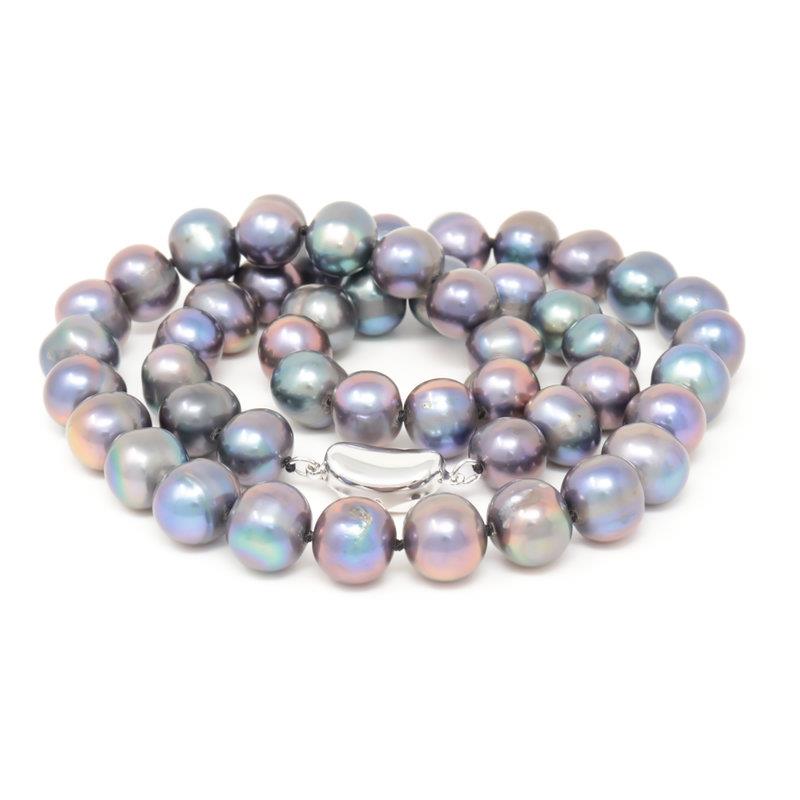
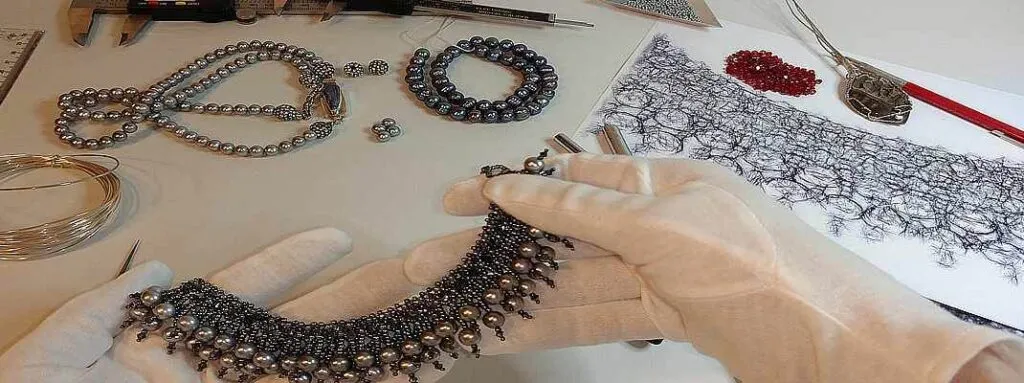
Whether it’s a single Tahitian black lustered pendant worn with denim or small stud earrings paired with business-casual attire, pearls are proving they’re the ultimate statement piece in today’s modern menswear, and they can be included in masculine fashion without hesitation.