

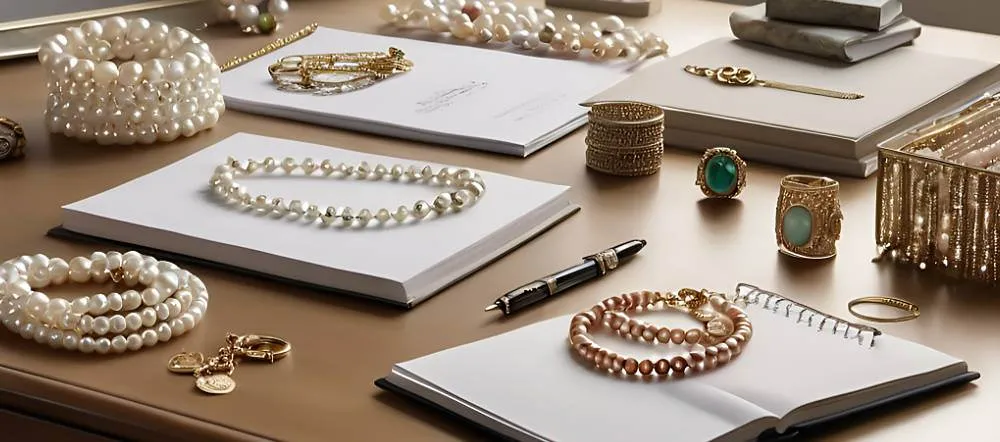

The Truth About Pearl Durability: A Designer’s Guide to Care
The Edit
- Understanding the nature of a pearl, its durability, and the ways to extend its beauty and its life, means knowing how it’s made, the best ways to manage it, and how to keep it looking like the first day you added it to your collection.
I’ve seen this question a few times: “Are pearls too delicate for everyday wear?” There’s a common misconception that pearls are too fragile to be anything more than a once-a-year accessory.
It’s true that pearls benefit from a bit more respect than a diamond or a sapphire, but I don’t believe they’re inherently “weak.” If you understand their nature, pearls can easily become a go-to staple in your daily jewelry rotation for as long as you own them.
Why Pearls Are Unique: The Organic Nature
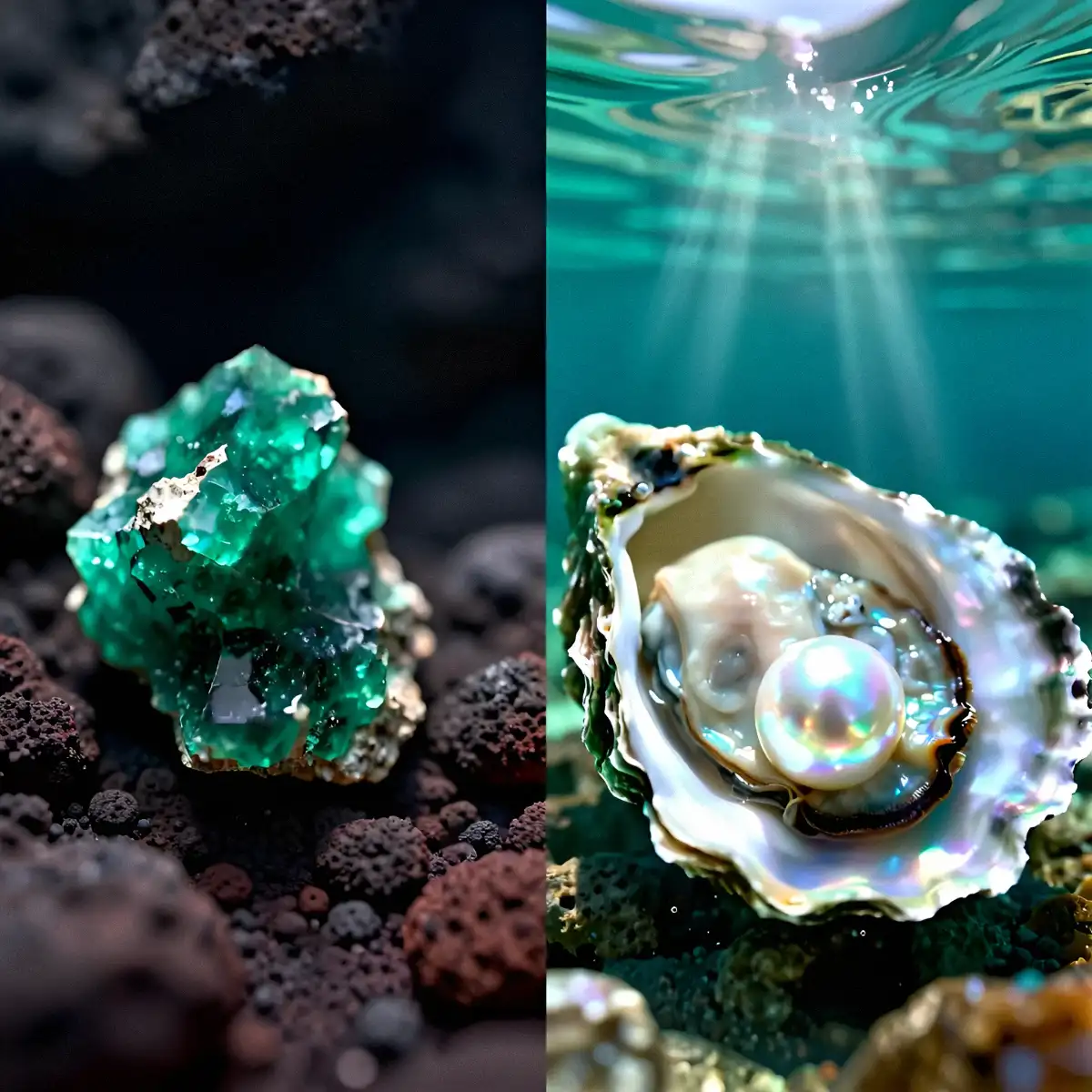
To understand how to care for them, you’ve got to first understand what they actually are. Unlike gemstones like emeralds or rubies, which are minerals formed deep within the earth, pearls are organic. They’re created by living organisms. This means they’re composed of calcium carbonate and conchiolin, a natural protein.
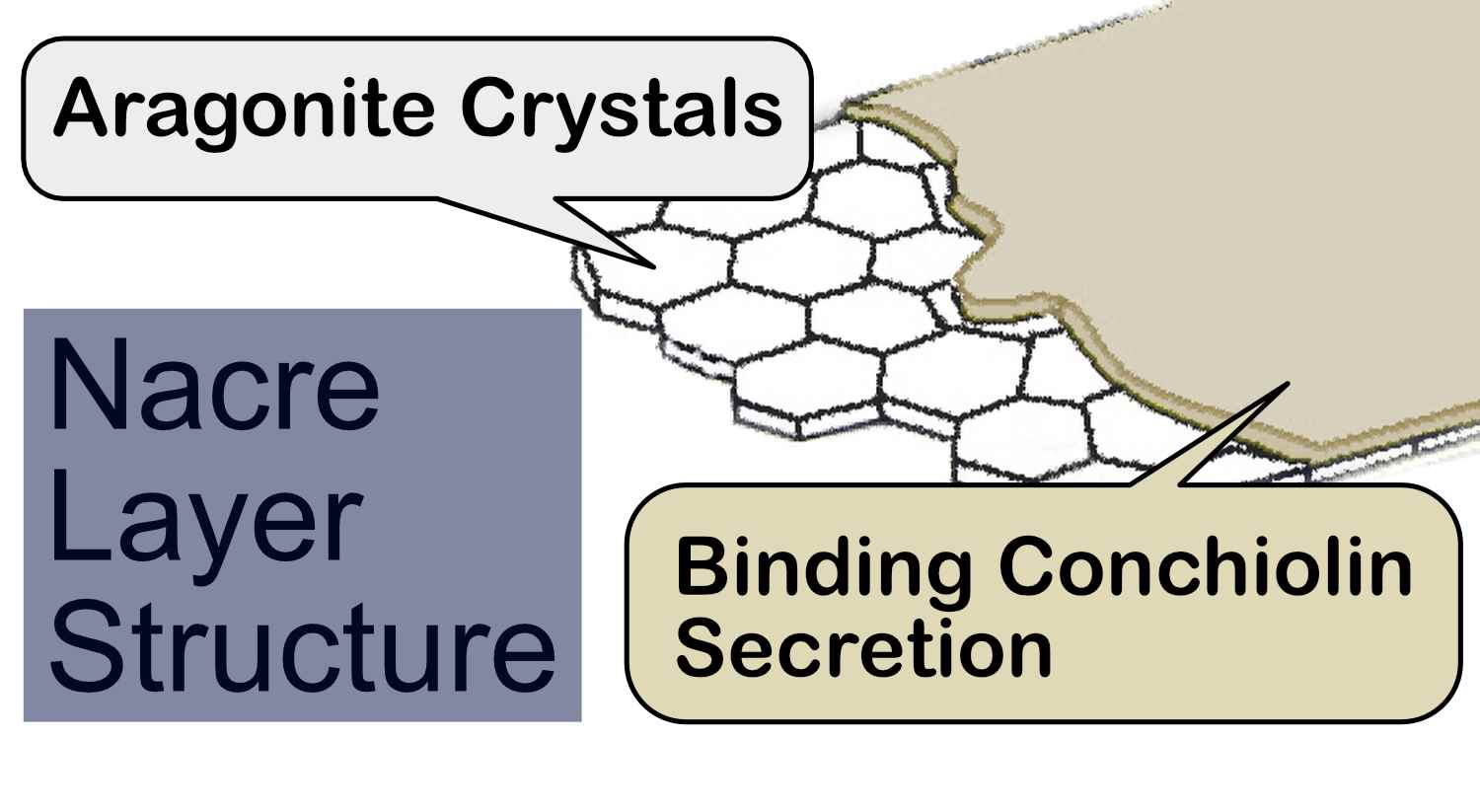
Because they’re organic, they’re a bit more sensitive to their environment. I always tell my clients that pearls are essentially “living” gems. They can react to the world around them. This is exactly what gives them that soft, ethereal glow, but it also means they’re susceptible to changes in chemistry and temperature.
The Real Threats To Your Luster
When I see pearls that have lost their brilliance, it’s usually not due to age. It’s almost always due to environmental factors. There are a few specific culprits that I watch out for in my own collection.
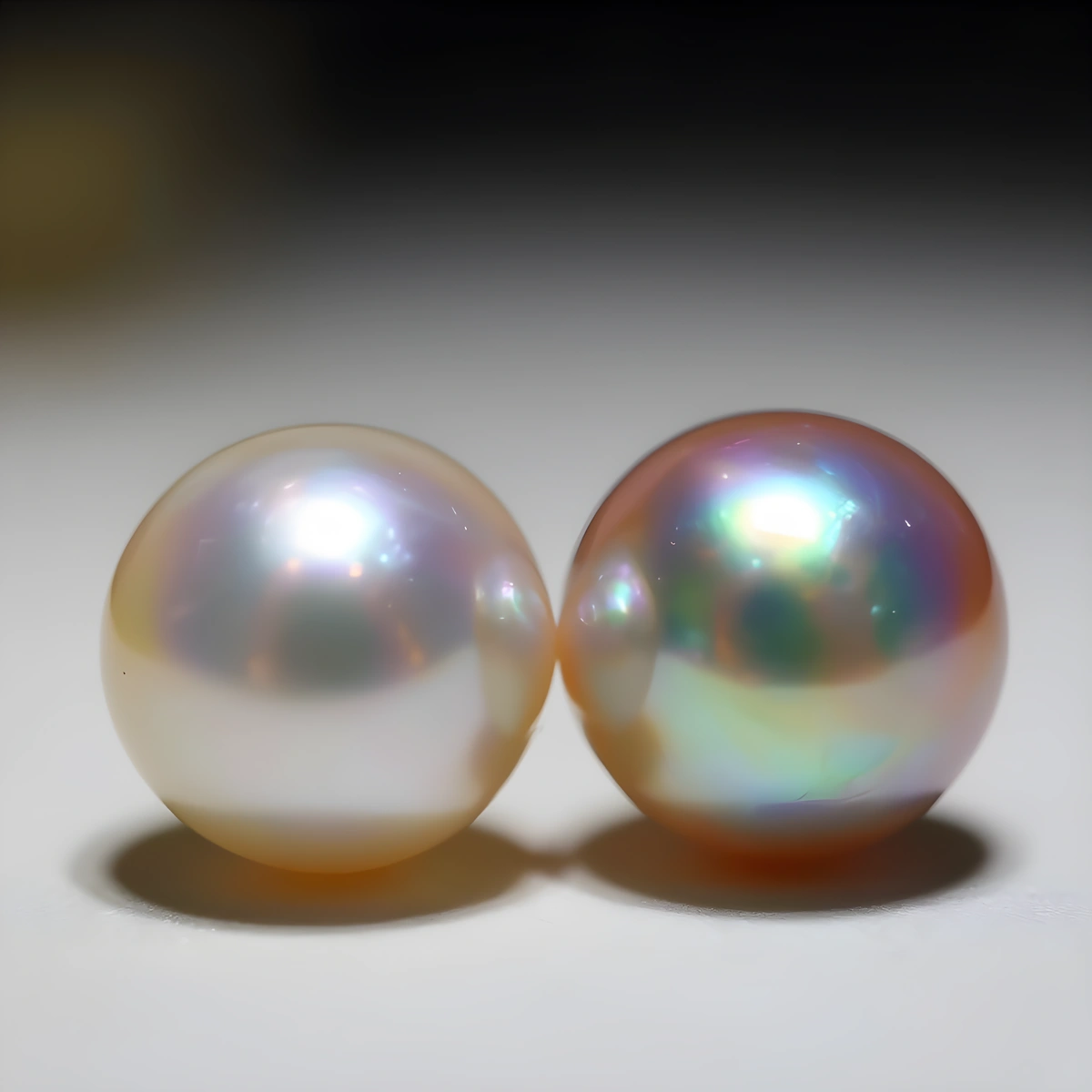
The Impact of Chemistry
The biggest threat to a pearl is acidity. This includes everything from the natural oils on your skin to the chemicals found in common beauty products. I’ve seen beautiful strands become dull over time after exposure to harsh substances. But this doesn’t have to happen.
Perfumes, hairsprays, and even certain lotions are highly acidic. If you spray your perfume and then immediately put on your pearl necklace, you’re inviting damage. The chemicals can seep into the microscopic layers of the pearl, causing a loss of luster or even permanent discoloration.
Physical Friction and Scratches
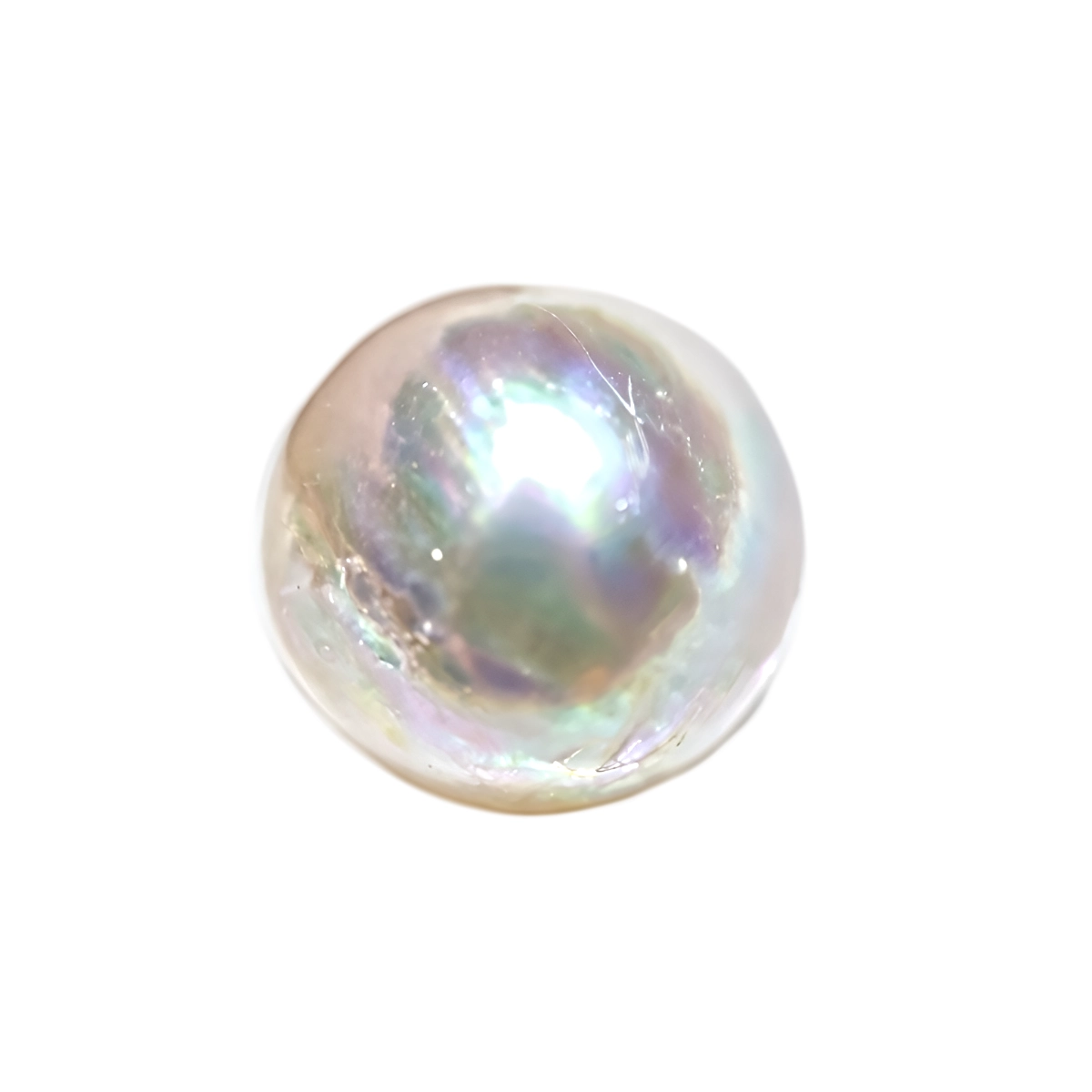
While pearls are harder than many people realize, they’re still susceptible to scratches. I advise against storing pearls in the same jewelry box as your harder gemstones like diamonds.
A diamond is significantly harder than a pearl; if it rubs against your strand during the night, it can leave tiny, permanent marks on the surface. This ruins the smooth reflection of light that makes pearls so beautiful.
My Golden Rule: Last On, First Off
If you want to ensure your pearls remain a part of your collection for a lifetime, I follow one simple rule in my daily routine: Last on, first off.
This means that your pearl jewelry should be the very last thing you put on after you’ve finished applying your makeup, hairspray, and perfume (or cologne). Once you’re fully ready and your products have dried, then you can put on your pearl necklace or bracelet.
When you come home at the end of the day, take them off first to minimize their exposure to sweat, lotions, and environmental pollutants.
How I Store and Clean My Collection
Proper maintenance doesn’t require expensive tools or complicated steps. In my studio, I keep things simple.
Cleaning with Care
After wearing your pearls, I recommend wiping them gently with a soft, damp cloth. This removes any traces of skin oils or dust. You should avoid using any cleaning chemicals or even harsh soaps; a little plain distilled water is usually all you need.
Individual Storage
I never toss my pearl strands into a pile. I prefer to store each piece in its own soft pouch or a separate compartment of a jewelry roll. This prevents them from tangling and protects them from being scratched by other metals or stones.
Pearls don’t have to be precious, untouchable objects. They simply require a thoughtful approach. If you treat them with the same care you’d give any fine piece of art, they’ll reward you with a lifetime of luster.