


Gemstone Jewelry Outfit Pairing: Style It Right
Most people approach gemstone jewelry outfit pairing the same way they approach mixing paint colors. They reach for complementary hues, expecting harmony, and end up with a look that somehow feels off.
The truth is that color theory for gemstones works differently than it does for clothing, and applying standard fashion rules to your jewelry collection is one of the most common styling mistakes you can make. This guide covers the expert-backed frameworks, practical occasion tips, and personal coloring insights that will help you wear your gemstones with confidence, every single time.
Table of Contents
- Key takeaways
- Gemstone color theory and temperature sets
- Styling by outfit tone, fabric, and silhouette
- Practical outfit pairing for every occasion
- Matching gemstones to your personal coloring
- My honest take on gemstone styling mistakes
- Discover handcrafted gemstone jewelry at Hermj
- FAQ
Key takeaways
| Point | Details |
|---|---|
| Use temperature sets, not complements | Group gemstones into warm and cool sets for harmonious pairings rather than forcing complementary colors. |
| Match scale to silhouette | Bold stones pair best with structured outfits; delicate stones suit flowing or casual fabrics. |
| Layer necklaces with length gaps | Use at least a 2-inch difference between chain lengths with one gemstone focal point to avoid clutter. |
| Tailor gemstones to your coloring | Choose stones that complement your hair color and skin tone for the most natural, flattering look. |
| Occasion shapes your stone choice | Casual days call for subtle accents; formal events invite saturated, statement-worthy pieces. |
Gemstone color theory and temperature sets
Here is the insight that changes everything for gemstone jewelry styling: the rules you use to mix colors in your wardrobe do not transfer cleanly to gemstones.
Collectors who try to force complementary colors into their jewelry collections often end up with pieces that visually clash, even when each stone is beautiful on its own.
The framework that actually works is built around color temperature. Gemstones fall naturally into two groups. Cool stones include Paraiba tourmaline, sapphire, and aquamarine.
Warm stones include spessartine garnet, mandarin garnet, and fire opal. Wearing pieces from the same temperature set creates an effortless sense of coherence that no amount of color-wheel math can replicate.
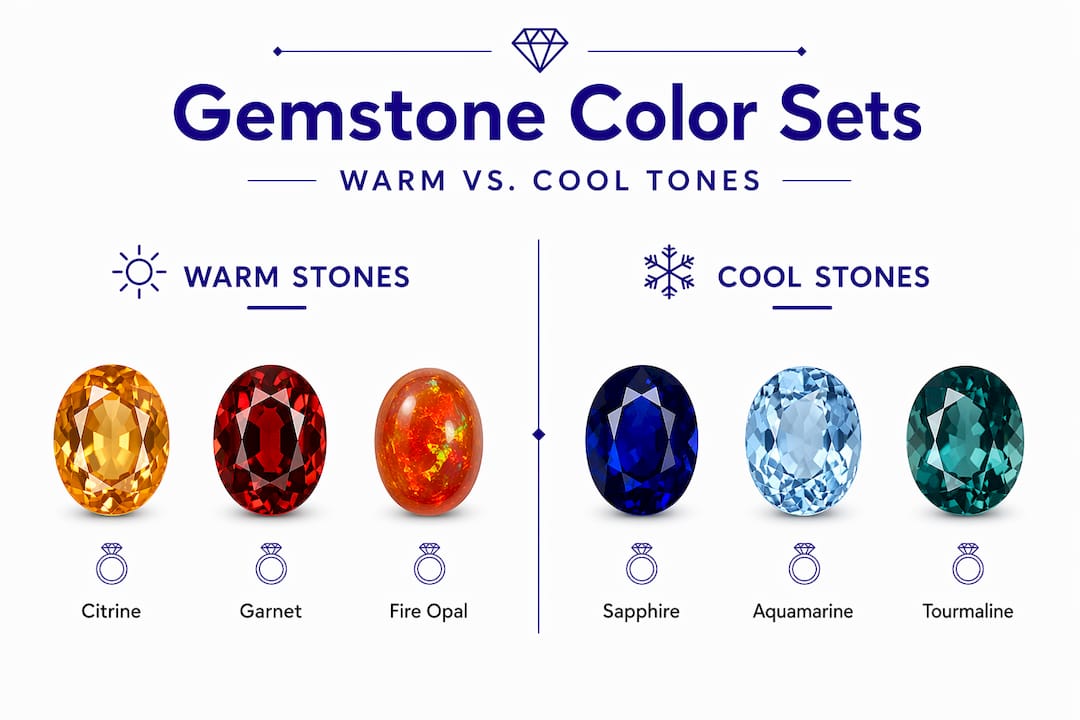
| Temperature | Example Gemstones | Best Outfit Tones |
|---|---|---|
| Cool | Sapphire, aquamarine, Paraiba tourmaline | Navy, charcoal, ivory, soft gray |
| Warm | Spessartine garnet, mandarin garnet, fire opal | Camel, rust, cream, olive, warm white |
Think of your jewelry collection the way a painter thinks about a palette. A versatile gemstone wardrobe built around these two temperature sets gives you maximum mix-and-match flexibility without color clashes. You do not need dozens of pieces. You need the right ones, organized thoughtfully.
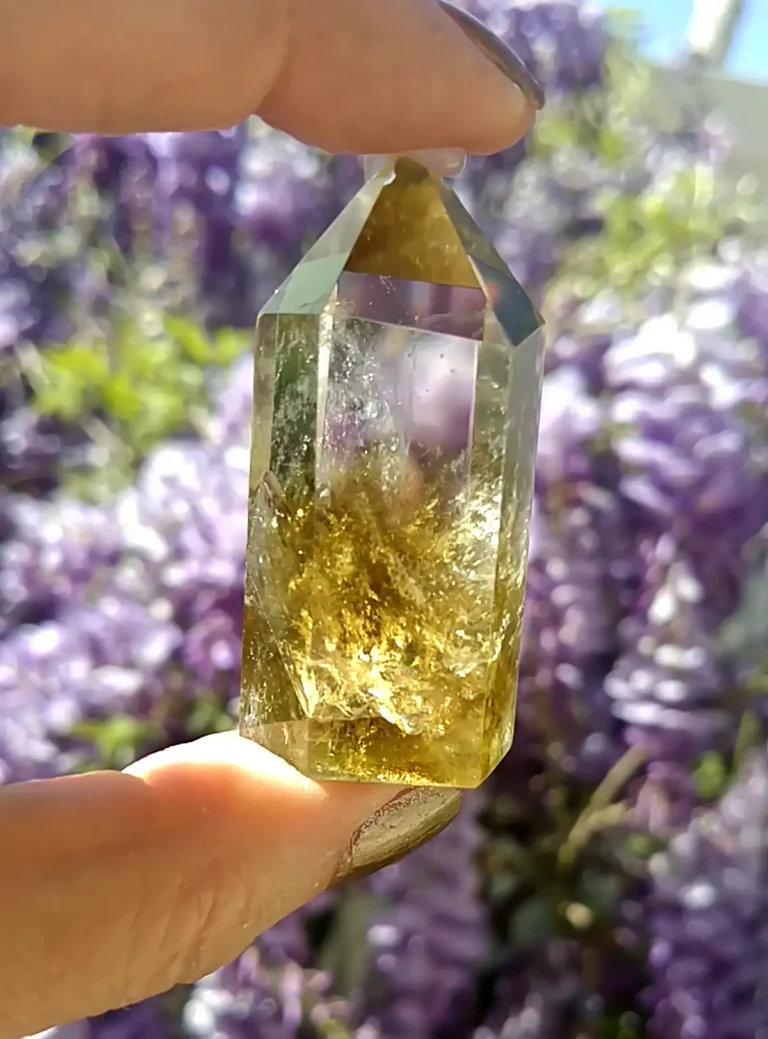
Pro Tip: If you’re just starting out, invest in one anchor piece from each temperature group. A deep sapphire pendant and a warm citrine ring will cover more outfit combinations than ten stones chosen randomly.
Where most people go wrong is mixing a cool tanzanite necklace with warm golden topaz earrings in the same look.
Each stone may be gorgeous on its own, but the temperature conflict creates visual noise. Keeping your jewelry selection within one temperature set per outfit pulls the look together instantly.
Styling by outfit tone, fabric, and silhouette
Gemstone jewelry styling is not just about color. The weight, texture, and structure of what you’re wearing shape which stones feel balanced and which feel out of place.
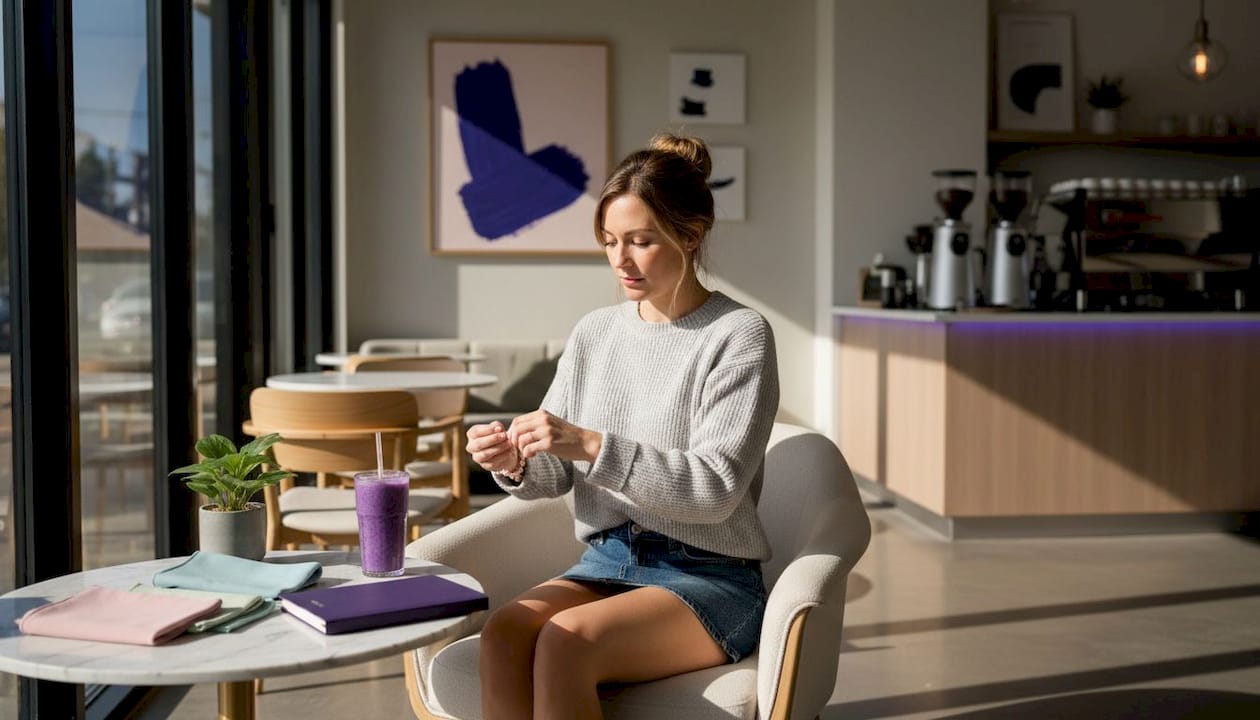
Soft, pastel-colored gemstones like rose quartz, light amethyst, and pale aquamarine pair beautifully with light fabrics such as linen, chiffon, and silk.
These combinations feel airy and effortless, particularly with flowing silhouettes like wrap dresses, wide-leg trousers, and open blazers. The stones complement rather than compete, which is exactly the point.
Bold, highly saturated stones work differently. A deep emerald drop earring or a rich ruby pendant carries visual weight. That weight needs a structured outfit to anchor it.
Tailored blazers, fitted column dresses, and crisp button-downs give bold stones the context they need. Without that structure, a saturated stone can look like it wandered in from a different outfit entirely.
Scale and proportion matter more than most people realize. Jewelry that is larger than the scale of the outfit can appear disproportionate and undermine the overall look, regardless of the piece’s cost.
A chunky misplaced piece of jewelry with a delicate floral midi dress overwhelms everything soft about the outfit. The same ring on a sharply tailored pantsuit looks intentional and chic.
- Casual fabrics (jersey, linen, cotton): Choose small sculptural pieces, studs, or thin gemstone bangles. The goal is accent, not statement.
- Structured fabrics (wool, crepe, leather): Bold pendants, drop earrings, and cuff bracelets read as intentional and polished.
- Sheer or delicate fabrics (chiffon, silk, organza): Delicate settings with smaller stones preserve the fabric’s lightness. Avoid heavy, chunky designs that drag the look down visually.
- Knitwear and casual layering: Minimalist gemstone accents, like an aquamarine pendant with navy knitwear, create quiet elegance without effort.
Pro Tip: Before putting on your jewelry, hold the piece against the fabric you’re wearing. If the stone looks heavier than the cloth feels, it’s probably too much for that outfit.
Practical outfit pairing for every occasion
Knowing the theory is one thing. Knowing what to actually put on for a Tuesday morning or a Saturday night wedding is another. Here is how to think through gemstone accessory combinations for each type of occasion.
Everyday casual wear is where many people either overdo it or ignore gemstones altogether. The sweet spot is one or two pieces with small to medium stones in your cool or warm set.
Gemstone earrings outfit ideas for casual days include small turquoise hoops, tiny garnet studs, or a single gemstone ring. These pieces add color and personality without announcing themselves.
Work and professional settings reward subtlety. A single gemstone pendant at the collar of a structured blouse, or a thin bracelet with a small accent stone, signals style without distraction.
Emerald studs with an olive blazer are perfect examples of how minimalist gemstone accents create polish without flash. The goal is for colleagues to notice you look put together, not your jewelry.
Weekend and social outings give you room to experiment with layering. This is where necklace stacking becomes particularly rewarding.
Necklace layering works best with at least a 2-inch difference between chain lengths and a single gemstone pendant as the focal point. Use lengths of 16, 18, and 20 inches to prevent chains from tangling and give each piece its own visual space.
Formal events open up the full range of dress styles for gemstone jewelry. This is the occasion for a sapphire or emerald statement piece, deep-colored drop earrings, or a layered pearl-and-gemstone combination that draws the eye.
The key rule for formal gemstone jewelry is contrast. A bold stone against a simple, elegant dress makes both the jewel and the garment look intentional.
| Occasion | Recommended Gemstones | Setting Style |
|---|---|---|
| Casual daily wear | Turquoise, small garnet, rose quartz | Simple stud or thin band |
| Work or professional | Emerald, aquamarine, light amethyst | Pendant or minimal drop |
| Weekend or social | Citrine, opal, mixed layering | Layered necklaces or hoops |
| Formal events | Sapphire, ruby, emerald | Statement pendant or drop earrings |
One detail many people miss when it comes to gemstone settings and lifestyle is that durability matters as much as aesthetics. Softer stones like opals benefit from bezel settings that protect the edges, making them more practical for everyday outfits.
Hard stones like sapphires can use prong settings that maximize light and brilliance, ideal for formal occasions where the stone needs to shine.
Matching gemstones to your personal coloring
Color coordination with gemstones goes beyond your outfit. Your hair color and skin tone are the canvas that everything else sits against, and choosing stones that harmonize with your natural coloring makes every outfit look more intentional.
Gemstone colors can enhance natural coloring in ways that feel almost effortless when you get it right. Here is how to approach it by hair color:
- Brunettes: Rich, saturated stones like rubies and turquoise contrast beautifully against dark hair, creating depth and warmth. Deep garnets and amethysts also work well.
- Black hair: The contrast of cooler, darker stones like tanzanite creates a dramatic, sophisticated effect that reads as intentional elegance.
- Red and auburn hair: Emeralds and sapphires are your allies. Cool stones balance the warmth of red tones and keep the overall palette from feeling too heavy.
- Blondes: Aquamarines, rubies, and lighter citrines bring out the warmth or coolness in blonde hair depending on which direction your tone runs.
- Gray or silver hair: This is one of the most versatile hair colors for pairing with gemstones. Cool stones like labradorite and moonstone echo the silver beautifully, while warm amber and topaz create an arresting contrast.
Skin tone follows a similar logic. If your skin has warm (golden, peachy, or olive) undertones, warm gemstones like citrine, carnelian, and warm topaz will feel harmonious.
If your skin has cool undertones (pink, rosy, or bluish), cool stones like sapphire, aquamarine, and amethyst will complement rather than clash. For deeper guidance on this, Hermj’s resource on cool skin tone jewelry and their guide on olive skin accessories offer a thorough breakdown by undertone.
Understanding how matching gemstones to hair color enhances harmony across your entire outfit is the kind of knowledge most style guides skip entirely. Once you see it, you cannot unsee it.
My honest take on gemstone styling mistakes
I have seen many jewelry collections, and I can confidently say that the most common mistake is choosing the wrong stone. It’s trying to wear too many stories at once.
When someone stacks three bold gemstone pieces in different colors from different temperature sets, the result is visual chaos, no matter how beautiful each individual piece is.
I’ve learned that the most striking looks almost always involve restraint. One statement piece, supported by smaller companions in the same temperature family, communicates style in a way that a full arsenal of stones never does.
There is also a widely held belief that bigger and bolder automatically means more impressive. That simply is not true. Even expensive jewelry can look cheap if it’s oversized for the outfit or worn in excess.
The pieces I return to most consistently are the ones with quiet confidence, a beautifully cut stone in a well-made setting at the right scale for what I’m wearing.
My strong advice is to build slowly and deliberately. Choose stones you genuinely love, keep them organized by temperature, and let the outfit lead the conversation about scale.
Trends in gemstone jewelry come and go, but a gemstone pendant that you wear right will look as good in twenty years as it does today.
— Veronique
Discover handcrafted gemstone jewelry at Hermj
If this guide has sparked ideas for building a more intentional gemstone jewelry collection, Hermj is a wonderful place to start exploring.
Every piece is handcrafted from genuine gemstones and pearls, and the range spans everything from subtle daily-wear accents to statement pieces for formal occasions.
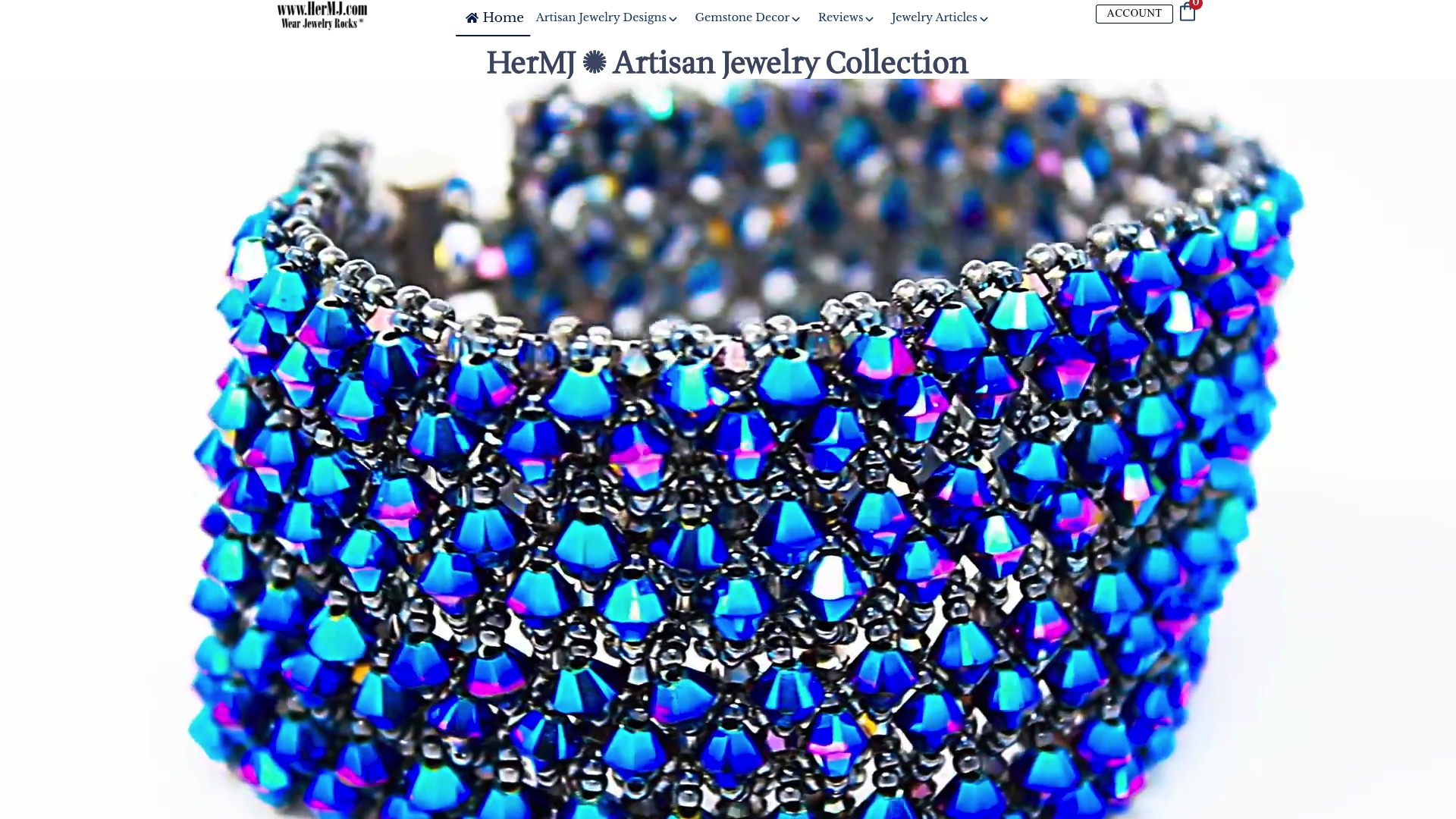
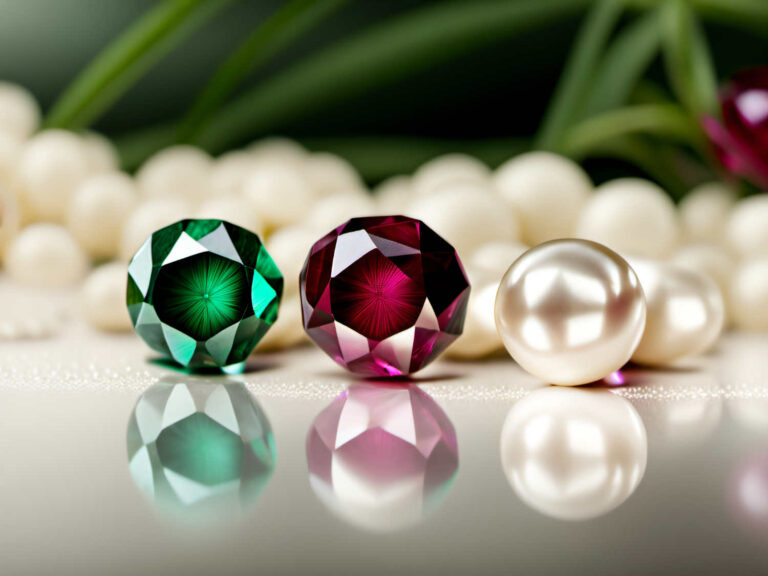
If you’re drawn to the cool elegance of a pearl-and-aquamarine combination or the warmth of a garnet accent, Hermj’s artisan gemstone collection has pieces designed for versatile outfit pairing.
The craftsmanship is designed to last, the pricing is accessible, and every piece can be customized to your personal style. You can also explore top-rated pieces selected by customers who wear them across every occasion.
FAQ
What is gemstone color temperature and why does it matter?
Gemstone color temperature refers to grouping stones into warm (garnet, fire opal, citrine) and cool (sapphire, aquamarine, amethyst) sets.
Wearing stones from the same temperature set in one look creates natural harmony and avoids color clashes that occur when temperature groups are mixed.
How do I choose gemstone earrings for a casual outfit?
For casual outfits, small stud or hoop earrings with subtle stones like turquoise, rose quartz, or garnet work best. Keep scale modest so the jewelry accents rather than dominates the relaxed feel of the look.
Can I layer gemstone necklaces without them looking cluttered?
Yes, as long as you use at least a 2-inch gap between chain lengths and anchor the stack with a single gemstone focal piece. Chains at 16, 18, and 20 inches layer cleanly and give each piece visual breathing room.
What gemstones work best for formal wear?
Deep, saturated stones like sapphire, ruby, and emerald read as polished and intentional in formal settings. Pair them with simple, elegant dress styles so the stone has room to make an impression without competing with a busy garment.
How do gemstone colors interact with skin tone?
Warm-toned skin (golden or olive undertones) is flattered by warm gemstones such as citrine and topaz, while cool-toned skin (pink or rosy undertones) pairs beautifully with cool gemstones such as sapphire and aquamarine. Matching your jewelry to skin tone is one of the simplest ways to make any outfit look more cohesive.
Recommended
- Jewelry Choices: What colors look best on cool skin tones
- The Artful Balance Of Gemstone Pearl Pairing ✺ HerMJ
- Combining Freshwater Pearl and Gems For A Stunning Contrast
- Gemstone Colors And Names — How Do They Get Their Color?