


Add 1–6 Inches Safely: Extenders for Handcrafted Necklaces
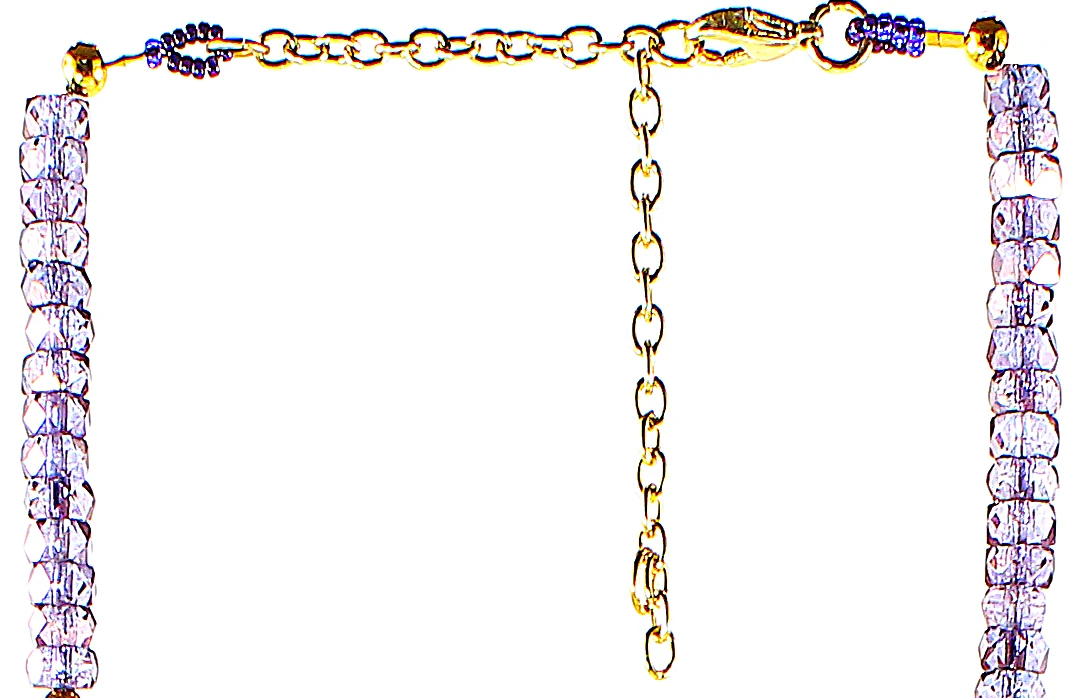
A necklace extender is a short length of chain, usually with its own clasp, that attaches to your necklace’s existing clasp to add extra inches.
They’re ideal to have when a favorite piece sits too tight, when you want to layer several strands at different lengths, or when you’re gifting a necklace to someone whose size you don’t know.
Extenders work with most standard chain clasps, though fixed-length or threaded necklaces (think permanent-set beaded strands) usually need a jeweler’s help instead.
TL;DR:
- Most extenders range from one to six inches, with three inches or more typically used for layering or changing neckline styles.
- Matching the metal tone and finish of the extender to the necklace ensures a seamless look and prevents it from appearing as an afterthought.
- Proper attachment involves hooking the extender’s jump ring to the necklace’s clasp and then fastening the extender’s clasp to the remaining jump ring, with careful handling.
- Extenders handle more wear and tear than the rest of the jewelry and require regular cleaning and inspection to maintain their appearance and functionality.
- Using extenders as a default styling tool offers versatile looks and better fit adjustments, especially when selecting the right length, metal, and clasp compatibility.
Types of Necklace Extenders and What They’re Made Of
Not every extender does the same job, and knowing the differences saves you from buying the wrong one twice. The most common styles are:
- Chain add-ons: a simple length of matching chain with a clasp on one end, the workhorse of the bunch.
- Lobster or spring-ring extenders: small clasp-style links that hook directly onto an existing jump ring for a quick, low-profile fix.
- Slider or slide-style extenders: adjustable pieces that let you customize the length within a small range without swapping clasps.
- Decorative extenders: chains finished with a charm, tassel, or gemstone drop, meant to be seen rather than hidden.
Length ranges do most of the heavy lifting here. Extenders typically run from about one to six inches, and the shortest versions, generally one to three inches, function more as a fine-tuning tool than for a dramatic length change. If you need three inches or more, you’re usually chasing a layering effect or a completely different neckline, not a minor tweak.
Material matters just as much as length. Sterling silver and gold-fill extenders hold up well and resist tarnish, while plated base metals cost less but wear faster at contact points.
If your necklace carries a heavier pendant, like a chunky gemstone drop, choose a thicker-gauge chain so the extender doesn’t become the weak link, literally.
How to Choose the Right Extender for Fit and Look
Picking an extender isn’t complicated, but a few small mismatches cause most of the regret I hear about. Work through these in order:
- Match the metal and finish. An extender that’s a shade off in tone stands out under any light, so hold it against the necklace before buying.
- Decide your target length by neckline. A choker sitting at 14 to 16 inches might need just an inch to loosen; a piece meant to become an opera-length layering strand needs several.
- Check clasp compatibility. The extender’s jump ring should match the gauge of your necklace’s own rings, not overpower or underpower it.
- Choose visible or invisible on purpose. A decorative extender with a small charm reads as intentional. An extender in the wrong finish reads as an accident.
- Watch for red flags: clasps that feel flimsy, plating that looks thin or flaky, or link sizes that clearly don’t match the original chain.
Matching the extender’s metal and finish to the necklace is the standard advice among jewelry professionals precisely because a mismatched extender is the fastest way to make a beautiful necklace look unfinished.
Pro Tip: Bring the necklace itself when shopping for an extender in person, or photograph the clasp and first two links in bright, natural light before ordering online. Metal tone shifts more than people expect under indoor lighting.
How to Attach and Wear a Necklace Extender
Attaching an extender takes little effort, and the benefit is a necklace you can tailor to your ideal length. The extender means you’ll have a necklace you can wear at many lengths, as there are points in the chain to fasten it.
If you’re layering multiple strands, position the shortest necklace’s extender junction slightly offset from the longer ones. This keeps clasps from bunching up in the same spot on your neck and reduces tangling.
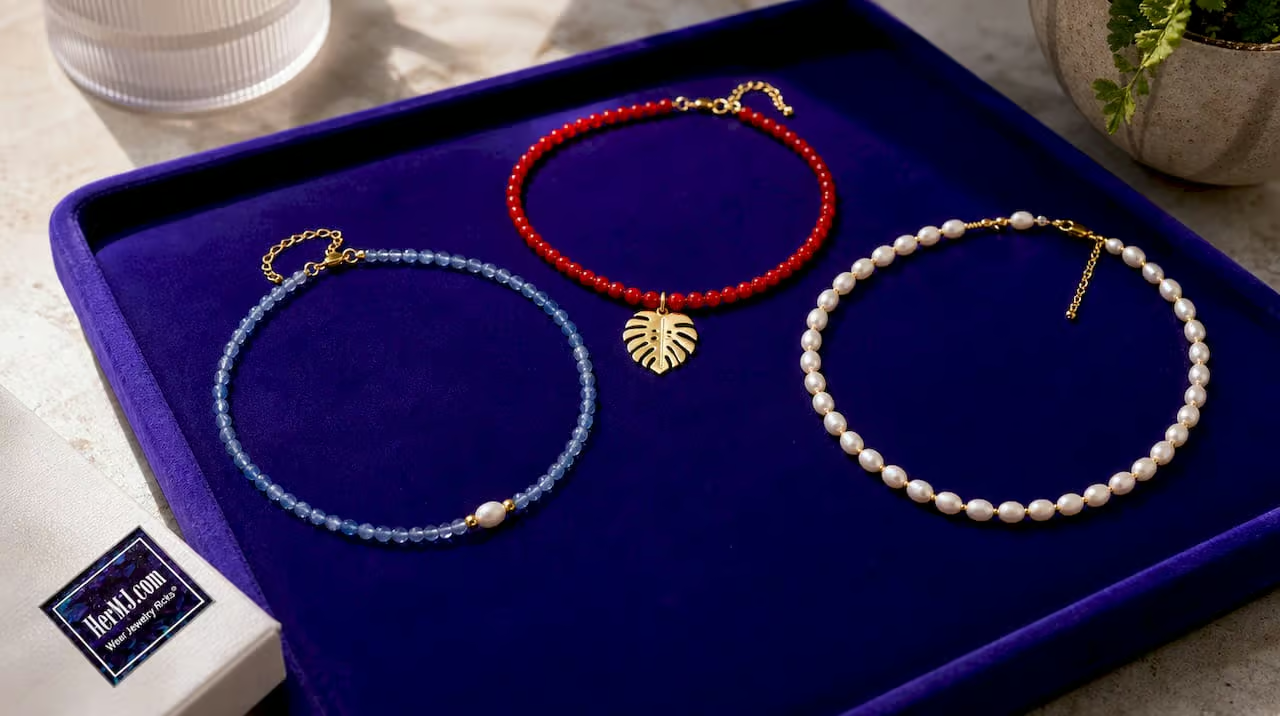
Pro Tip: If a pendant keeps flipping to face backward after you add an extender, the chain likely needs a slightly heavier link near the clasp to balance the weight. A jeweler can swap just that section without touching the rest of the necklace.
Styling With Extenders: Layering, Necklines, and Gifts
Extenders turn one necklace into several looks, which is why they’re worth keeping in a jewelry box even when nothing currently needs fixing.
- For layering, stagger lengths by at least two inches between strands so pendants don’t collide, and offset the clasp positions to avoid a knot forming at the back of your neck.
- For neckline matching, a choker length (14 to 16 inches) pairs with crew and boat necks; princess length (17 to 19 inches) works with most V-necks; matinee (20 to 24 inches) suits button-down collars; opera length (28 inches and up) drapes best over higher necklines that need visual breathing room.
- Consider whether you want the extender to disappear or to be part of the outfit. A decorative extender with a small charm can add personality on purpose, while an invisible one keeps the focus entirely on the original design.
- When gifting a necklace to someone whose neck size you’re not certain about, tucking in an extender is a common and practical move, since it lets the recipient adjust fit themselves rather than returning or exchanging the piece.
If you’re building a layered look from scratch, our guide to layering pearl necklaces walks through spacing and pendant placement in more detail.
Caring for Extenders and Knowing When to Call a Jeweler
Extenders take more wear than the rest of the necklace because they’re handled every time you get dressed, so a little upkeep goes a long way.
- Wipe plated extenders with a soft microfiber cloth after each wear; harsh cleaners strip the plating faster than normal use ever would.
- Clean sterling silver and gold-fill pieces occasionally with mild soap and water, then dry them fully before storing.
- Check clasps, jump rings, and any soldered points every few months for looseness or thinning metal, especially on extenders you use daily.
Why I Think Extenders Are Underused, Not Overused
Most people treat a necklace extender as a last resort, something you dig out only when a piece feels too tight. I’d argue that’s backward. The smartest jewelry wardrobes I’ve seen use extenders as a default tool, not an emergency fix, because one necklace with a good extender can cover three or four style roles that would otherwise require buying separate lengths.
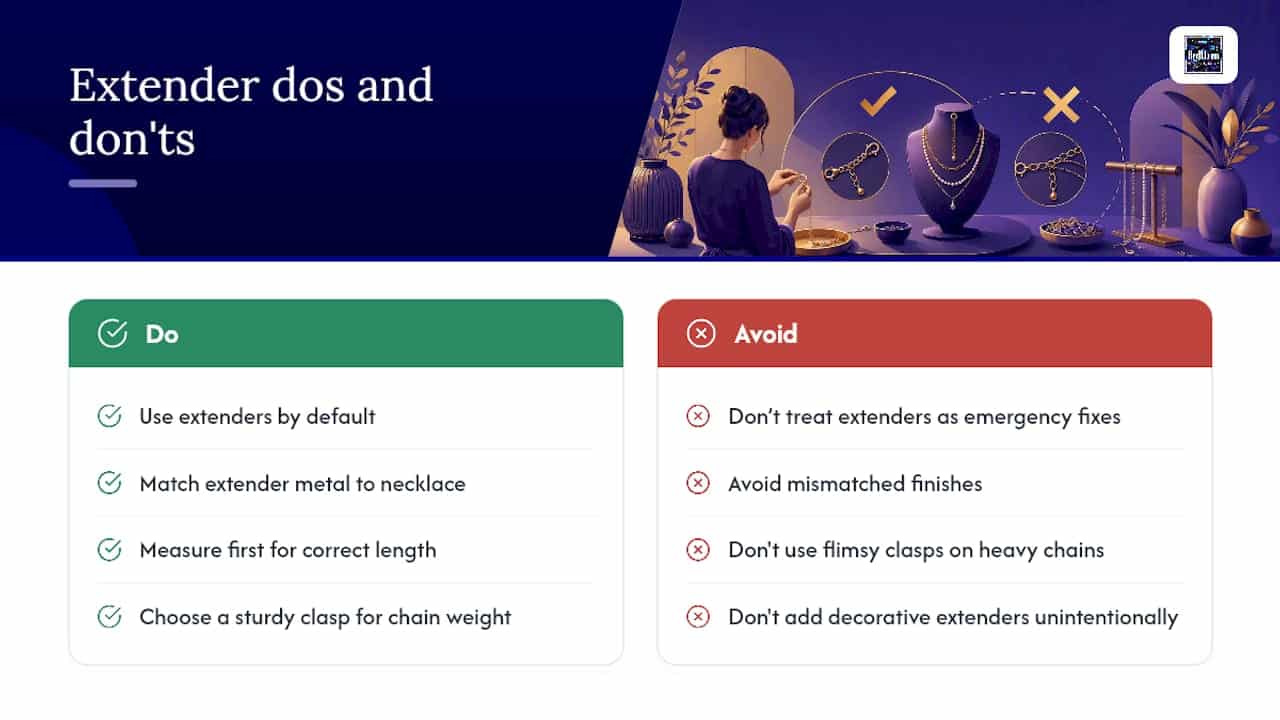
My guidance to anyone I talk to about necklace length is simple: treat the extender as part of the design, not a patch on top of it. Measure first, match the metal, and only go decorative if you’re doing it on purpose.
For handcrafted pieces especially, where a chain has been paired deliberately with a clasp and pendant weight, an extender that doesn’t respect that balance undoes the maker’s work. Our necklace length guide exists precisely because fit decisions shouldn’t be an afterthought, and neither should the extender you choose to get there.
— Veronique
Find the Right Piece and use the extender to customize the Fit
Buying an extender separately is one option, but HerMJ builds fit into the piece from the start, so you’re never stuck guessing at metal tone or clasp gauge on your own.
If you’re shopping for a piece that already plays well with layering and length changes, look at our Elegant Freshwater Pearl Necklace for a versatile everyday base, the Pearl And Aquamarine Necklace for color contrast, or the Faceted Garnet Gemstone Necklace if you want a heavier pendant paired with a properly gauged chain.
On the bracelet side, the Lustrous Freshwater Pearl Bracelet, Strawberry Quartz Gemstone Bracelet, Incredible Seraphinite Bracelet, and Lapis Lazuli Bracelet With Tahitian Pearl Accent all pair well with matching extensions for the same fit flexibility on your wrist.
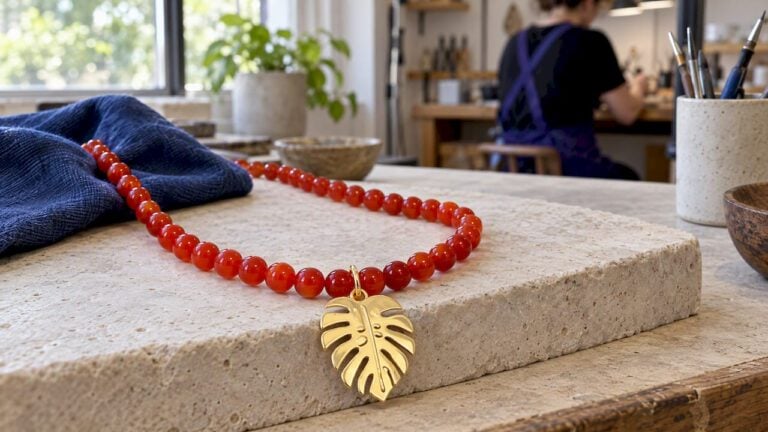
The Carnelian Necklace is another solid option if you’re weighing chain gauge against pendant weight.
US orders ship free with no minimum, and international orders ship free on orders of $150 or more. Browse the full pearl and gemstone jewelry collection and message us about a custom extender the next time you order.
Sources
- What Is an Extender Chain and When Should You Use One? The Ultimate Gu – Robinson’s Jewelers
- What Is A Necklace Extender? – The Chic Tribe
- Necklace Extender–A Quick Guide (with Pics) | Jewelry Guide
Recommended
- The Necklace Length Guide That Actually Makes Sense
- The Best Necklace Length Guide For Perfect Looks
- Measuring Jewelry for your body type
- The Best Necklaces for V-Neck Tops and Dresses