



Know Before You Buy: Micron Gold Plating, FTC Thresholds and Questions
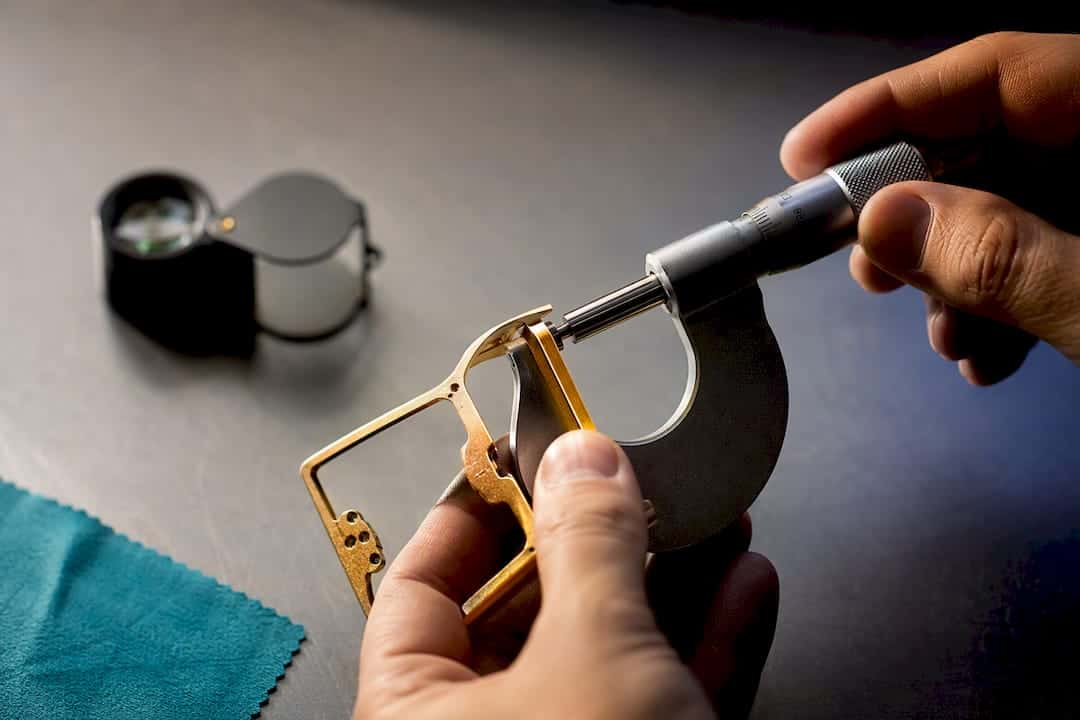
Micron gold plating refers to a layer of gold, measured in micrometers, deposited onto a base metal through electroplating.
The number tells you how much gold sits on the surface, but it doesn’t tell the whole story: FTC guidance and ASTM B488 treat thickness as one factor among several, since adhesion, substrate quality, and finish all shape how a piece wears over time.
The Edit
- A thickness of 1 to 3 microns is suitable for jewelry worn regularly, but actual lifespan depends heavily on wear and care habits.
- The FTC defines “gold electroplate” as at least 0.175 microns of gold, with thicker coatings like 2.5 microns aligning with vermeil standards.
- Measurement techniques like XRF and beta backscatter can produce varying micron readings, so verification of actual coating quality is crucial.
- Thinner layers beneath high-wear areas can wear through faster, making coverage and material quality more significant than the nominal micron count.
- For daily wear, higher-micron plating, gold-filled, or vermeil options provide more durability, while thinner plating suits occasional use and requires regular reapplication.
Understanding Microns and How Thickness Shows Up on Labels
A micron is one micrometer, a unit so small that it takes about 25,400 of them to make an inch.
In the plating world, you’ll sometimes see thickness converted to microinches, where one micron equals roughly 39.37 microinches, a conversion that matters when comparing listings from sellers who use different units.
Retail labels can be confusing because they mix thickness with karat fineness or marketing language instead of spelling both out clearly.
- Gold flashed usually means a very thin layer, often below what most buyers would consider durable for daily wear.
- Gold electroplating carries more specific meaning under FTC guidance, which sets a minimum of 0.175 microns of fine gold for that term.
- A proper label might include thickness and fineness together, such as stating the thickness in microns followed by the karat quality, reflecting an example the FTC has illustrated as acceptable.
Why Thickness Matters, but Isn’t the Whole Picture
A thicker gold layer simply means there’s more material to wear through before the base metal shows, which is why heavier plating tends to last longer under normal conditions.
But lifespan swings widely depending on how a piece gets treated day to day, not just what number appears on the listing.
Several everyday factors drive how fast plating wears:
- Friction from clothing, other jewelry, or constant handling gradually thins the surface.
- Moisture from sweat, showering, or swimming accelerates wear and can affect adhesion over time.
- Cosmetics and lotions contain chemicals that react with plated surfaces and speed up fading.
- Cleaning frequency and method matter, since harsh scrubbing removes more gold than gentle wiping.
- Mechanical contact, like a bracelet knocking against a desk all day, wears specific spots faster than the rest of the piece.
There’s also a distinction worth knowing: the micron number on a listing often describes an average, but what matters is coverage on what the industry calls “significant surfaces.” The parts of the piece you see and touch most.
A listing might advertise a healthy average thickness, but high-wear spots, like the inside of a ring band or the clasp of a bracelet, often have a thinner coat.
The metal underneath counts too. A well-prepared substrate with the right underplate, often nickel or copper, helps gold adhere properly and resist corrosion, while a poorly prepped base can cause even thick plating to flake or discolor early.
Plating Types You’ll Encounter While Shopping
Sellers use several processes to apply gold, and each has its own durability profile. Knowing the differences helps you compare listings that might otherwise look identical on the surface.
Flash plating applies an extremely thin layer, often in seconds, which keeps costs low but wears through quickly with regular use.
Micron electroplating deposits a measured layer of gold through an electrolytic process, giving manufacturers control over thickness and allowing them to state a specific micron value.
PVD (physical vapor deposition) creates a vapor-deposited film with different mechanical properties than electroplating; notably, ASTM B488 excludes vapor deposition from its specification, so PVD coatings aren’t measured or classified the same way as electroplated ones.
Vermeil starts with a sterling silver base and requires a substantial gold layer, commonly cited at a minimum of 2.5 microns, making it a sturdier middle ground between flash plating and solid gold.
Translating Standards into Real Buying Thresholds
Standards bodies set the language sellers are supposed to follow, and knowing the thresholds helps you read between the lines of a product description.
The FTC sets specific minimums: 0.175 microns qualifies as “gold electroplate,” while 2.5 microns or more earns the “heavy gold electroplate” designation, a threshold that also lines up with common vermeil requirements.
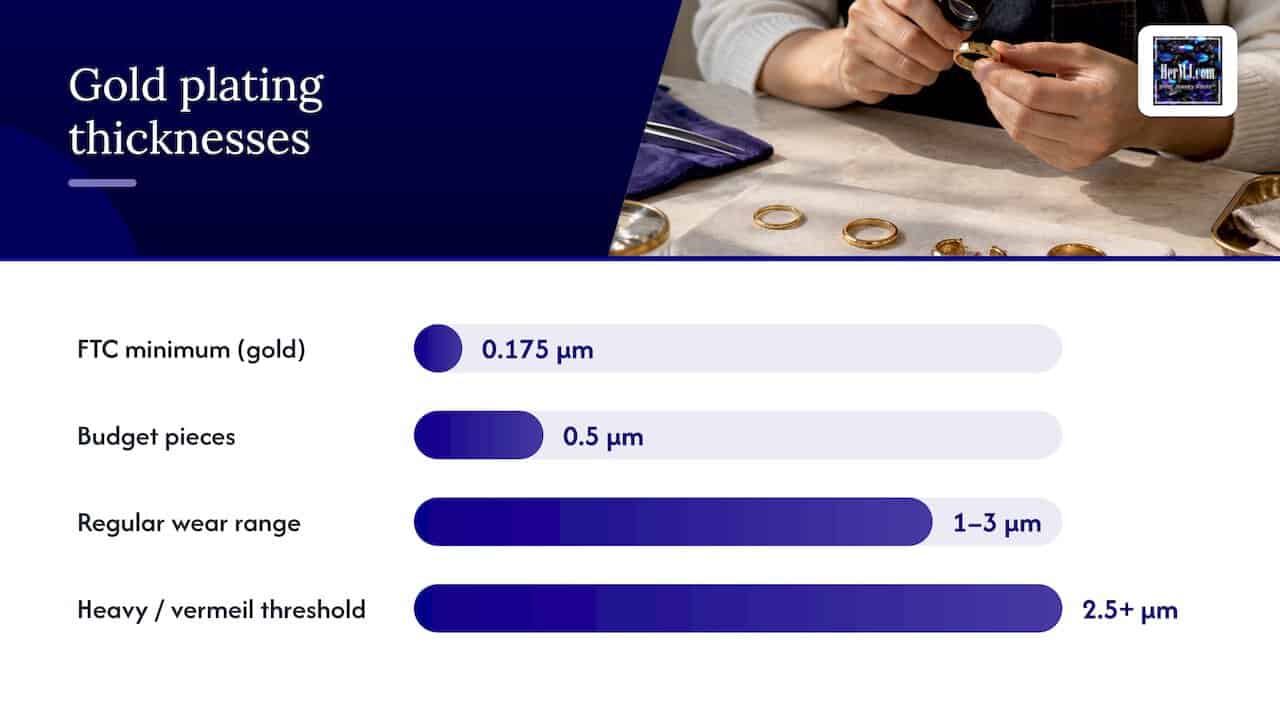
The FTC specifies a minimum of 0.175 microns of fine gold for the term “gold electroplate,” a threshold often cited in listings using that description, according to the FTC’s jewelry guidance.
In practice, buyers tend to see a few thickness ranges repeated across the market:
- 0.5 microns shows up on budget pieces meant for occasional wear rather than daily use.
- 1 to 3 microns covers a broad middle ground suited to regular wear with reasonable care.
- 2.5 microns and above aligns with heavy electroplate and vermeil standards, built for more frequent handling.
None of these numbers promise a specific service life. A standard sets a minimum, not a guarantee, and plating life still depends on the factors we covered earlier: friction, moisture, and the quality of what’s underneath.
How Sellers Actually Measure That Micron Number
Three methods dominate thickness measurement, and each has trade-offs worth understanding before you take a listed number at face value.
- XRF (X-ray fluorescence) is the most common non-destructive method and can measure multilayer stacks, typically detecting gold layers from about 0.01 microns upward, according to an industry summary on plating measurement. Its accuracy depends heavily on correct density assumptions and proper calibration, so a mismatch between assumed and actual gold alloy composition can throw off the reading.
- Beta backscatter offers a portable alternative that works well when there’s a clear density difference between the coating and the base metal, though it involves a radioactive source and carries handling constraints that limit where it’s practical.
- Cross-sectioning is destructive, meaning it can’t be done on a finished piece you intend to keep, but it delivers precise thickness readings and reveals adhesion quality or voids that other methods might miss.
Because a listed micron value depends on the measurement method, two sellers using different equipment or calibration standards can report different numbers for similar coatings.
Choosing Plated Jewelry and What to Ask Before You Buy
A short checklist helps narrow decisions before you commit to a purchase: how often you’ll wear the piece, what base metal sits underneath, what thickness is reported, what finish it carries, and whether the seller offers returns or replating if the coating wears prematurely.
Asking the right questions gets you answers you can actually verify, rather than marketing language you have to take on faith.
| Question to ask | Why it matters |
|---|---|
| What’s the minimum micron thickness on significant surfaces? | Reveals whether the number is an average or a true minimum |
| What karat fineness is the gold? | Confirms purity alongside thickness |
| What underplate material is used? | Affects adhesion and corrosion resistance |
| What measurement method was used, and is a certificate available? | Confirms the thickness claim is verifiable |
| Is a sealing or anti-tarnish coating applied? | Indicates extra protection beyond the gold layer itself |
Pro Tip: Ask whether the stated micron figure applies across the whole piece or just an average, since thin spots on high-wear areas often wear through long before the rest.
Simple Habits That Keep Plating Looking Its Best
Plated jewelry rewards a little care, and the habits that protect it are simple enough to fold into your routine without much thought.
Treat it gently, like a delicate piece of art rather than everyday costume jewelry, and it will shine longer.
- Remove plated pieces before showering, exercising, or applying lotions and perfumes.
- Wipe the surface with a soft cloth after wearing to remove oils and residue.
- Skip abrasive cleaners and ultrasonic cleaning machines, both of which strip plating faster than expected.
- Consider a protective clear lacquer or professional sealing if you wear a piece often.
- Explore replating once you notice thinning, a service that can restore an aging piece rather than retiring it.
Finish choice matters, too.
A polished finish shows wear more visibly as it thins, while an antique or matte finish tends to age more gracefully, hiding minor surface changes longer.
For more on protecting metal finishes day to day, our guide on preventing jewelry tarnish covers habits that apply beyond plated pieces alone.
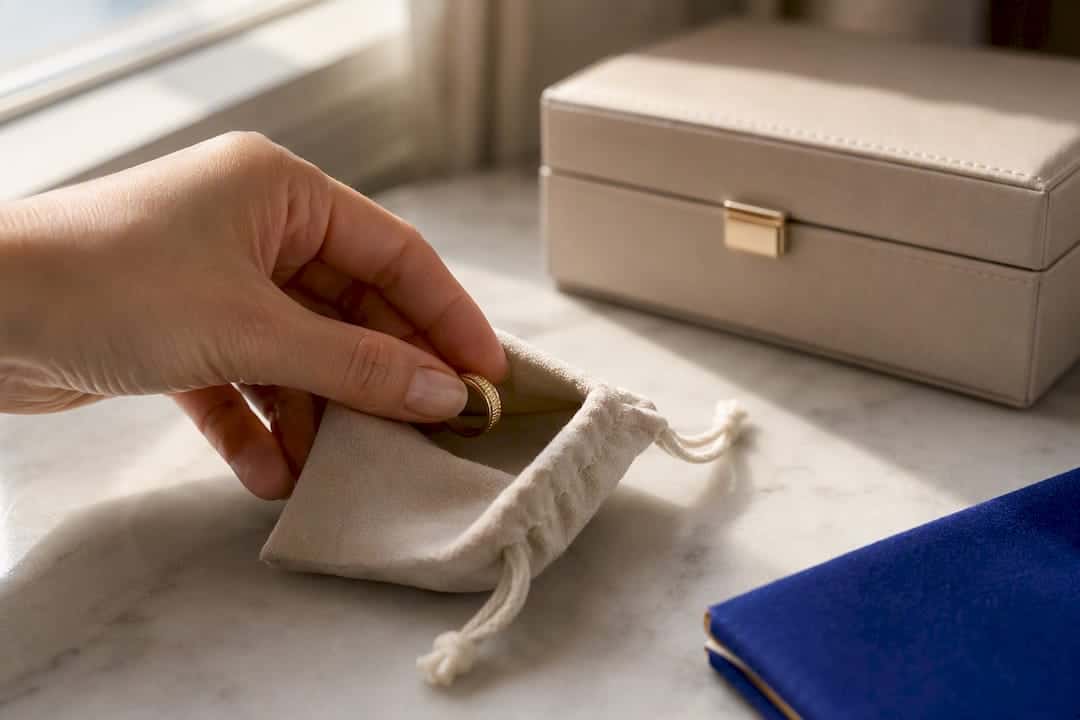
Pro Tip: Store plated jewelry in a soft pouch away from other pieces, since metal-on-metal contact in a jewelry box is one of the most common causes of surface scratching.
HerMJ’s Approach to Materials and Disclosure
We built our educational resources, including our gold-filled versus gold-plated comparison, because we believe buyers deserve clear answers about what a piece is made of before they buy it.
Attention to what matters is part of how we work at HerMJ, and we encourage questions about materials on any piece you’re considering.
Craftsmanship shows in the details, and our guide on identifying handcrafted jewelry walks readers through what to look for in surface preparation and construction quality.
Setting Realistic Expectations for Plated Pieces
Plated jewelry earns its place as a value choice, but only when you match it to the right use case.
I’d steer anyone shopping for a daily-wear piece toward higher-micron plating, gold-filled construction, or vermeil, simply because the math favors more gold over less when a piece touches your skin every day.
Save thinner plating for occasional-wear pieces, and treat replating as a normal part of ownership rather than a sign something went wrong.
— Veronique
Explore HerMJ’s Gemstone and Pearl Collection
Choosing a piece you’ll actually love starts with materials you understand, and that’s the philosophy behind every HerMJ design.
I focus on genuine pearls and gemstones rather than plated basics, so the pieces in our collection are built around natural materials, not a thin surface coating alone.
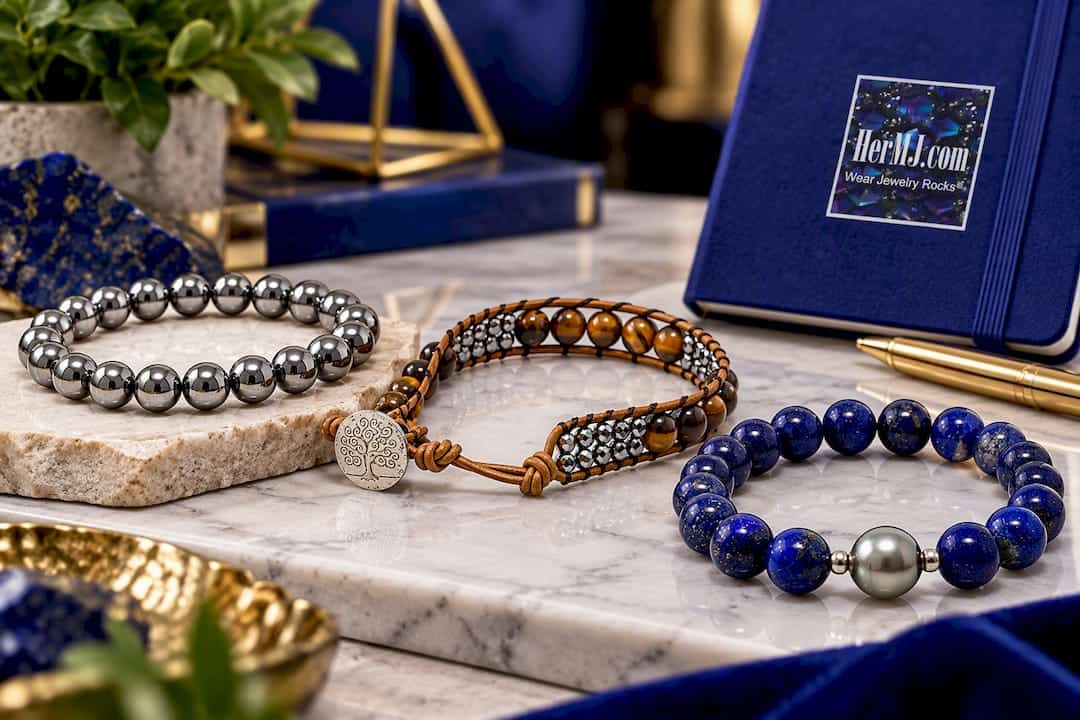
A few pieces worth browsing if you’re drawn to natural stone and handcrafted detail:
- The Terahertz Bracelet pairs a modern gemstone with clean, wearable styling.
- The Tiger Eye Bracelet brings warm, banded color that suits everyday wear.
- The Lapis Lazuli Bracelet With Tahitian Pearl Accent combines deep blue stone with the luster only a genuine pearl provides.
US orders ship free with no minimum, and international orders ship free on orders of $150 or more.
Browse our full bracelets or necklaces collections, or reach out with questions about materials on any piece before you buy.
Sources
- Buying Platinum, Gold, and Silver Jewelry | Consumer Advice
- B488 Standard Specification for Electrodeposited Coatings of Gold for Engineering Uses
- Gold plating thickness measurement (industry blog summary)
FAQ
How long will 1 micron gold plating last?
Lifespan depends more on wear conditions than the number alone, since friction, moisture, and cleaning habits all affect how fast a layer thins. A well-applied 1-micron coating on a piece worn occasionally can last years, while daily wear in high-friction areas will expose the base metal much sooner.
What is micron gold plating?
Micron gold plating is a layer of gold deposited onto a base metal through electroplating, with thickness measured in micrometers. The FTC sets minimum thresholds for terms like “gold electroplate” and “heavy gold electroplate” based on this measurement.
How many microns for gold plating?
Common thickness ranges include 0.5 microns for occasional-wear pieces, 1 to 3 microns for regular use, and 2.5 microns or more for heavy electroplate and vermeil, a threshold the FTC uses to define “heavy gold electroplate.” Higher thickness generally supports longer wear, though adhesion and base metal quality still matter.
What is the difference between gold plating and gold-filled jewelry?
Gold plating applies a thin gold layer through electroplating, measured in microns, while gold-filled jewelry uses a mechanically bonded layer measured as a weight fraction and is typically much thicker. Gold-filled pieces generally outlast plated ones at similar price points, a distinction explained further in our gold-filled versus gold-plated guide.
Recommended
- Gold-Filled vs Gold-Plated: Key Differences Explained
- 5 Key Checks for Ethical Pearl Farming Before Your Purchase
- Pearl Grading: What Every Buyer Needs to Know