


Store Necklaces Without Tangling, Then Test Your Case in 60 Seconds
Stop loose-chain movement: fasten the clasp and give each necklace its own anchor. That’s the single rule behind every tangle-free method we recommend.
From there, three quick fixes solve most storage headaches: the straw trick for thin chains, a simple card wrap for a necklace or two, and a structured jewelry roll when you’re packing more.
We’ll walk through each, plus the special care pearls and gemstone pieces need.
The Edit
- For several necklaces or pendants, choose a firm case with closed hooks and a lower pocket, then shake it closed and repack anything that shifts.
- Wrap one or two necklaces around a small card; thread thin chains through a drinking straw, but avoid straws for heavy pendants or layered pieces.
- At home, hang sturdy everyday chains an inch or two apart, but store heavy pendants flat in individual compartments away from delicate chains.
- Store pearls flat in a breathable pouch, not plastic; protect them from perfume, hairspray, and harder jewelry, and have silk strands restrung periodically.
Travel packing methods that prevent tangles
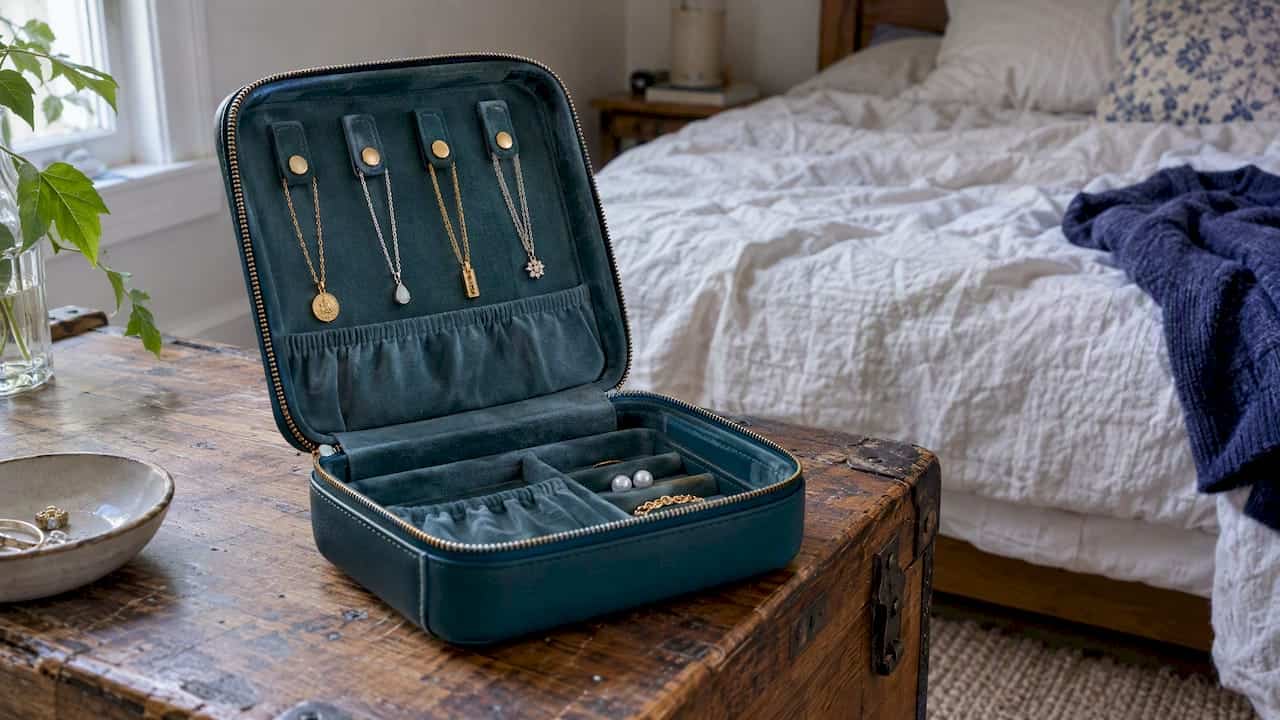
A good travel jewelry roll or structured case does one job well: it keeps every chain anchored so nothing slides, swings, or wraps around its neighbor.
Look for closed hooks (not open loops), a lower pocket to pin down pendants, and a firm shell that won’t collapse and let pieces shift against each other.
Leatherology’s travel guide notes that a case with individual hooks and lower pockets holds each chain in place far more reliably than a soft pouch alone.
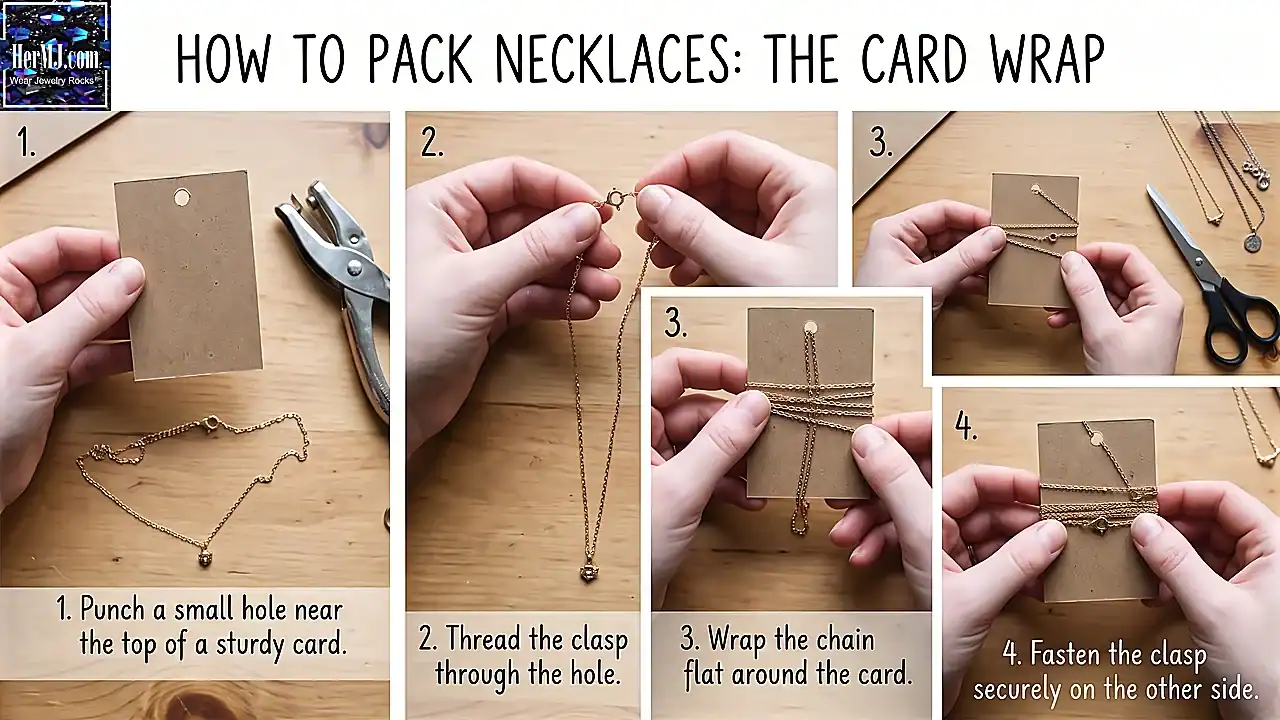
If you’re packing light, the card wrap handles one or two necklaces beautifully. Thread the clasp through a buttonhole punched in a small card, wrap the chain around the card, and fasten the clasp on the other side. The card keeps the chain flat and separated, and it’s sturdy enough to survive a suitcase.
For thinner chains, the straw method works wonders. Thread the necklace through a drinking straw, then close the clasp outside the straw’s ends so the chain can’t slip free. This is a proven budget hack for delicate chains, though it’s not ideal for heavier pendants or multi-strand pieces, which need more structure.
- Choose a hard or semi-hard case for trips with several necklaces or any pendant jewelry.
- Reach for a soft roll only when you’re carrying one or two lightweight chains.
Before you zip your bag, run the 60-second retention test: load your case, close it, flip it upside down, and give it a firm shake. If anything shifts or you hear movement, start again and repack with a tighter anchor. Thankfully, this single check catches most tangle failures before they happen.
Pro Tip: Keep your delicate, valuable pieces in your carry-on rather than checked luggage, both for security and because overhead bins see gentler handling than cargo holds.
At-home storage options to keep necklaces visible and tangle-free
For everyday wear, visibility matters as much as protection. A hanging organizer or a row of decorative hooks makes it easy to grab your necklace without digging, as long as you space chains an inch or two apart so pendants don’t knock into each other.
Hanging is best for sturdy chains you wear often, but it’s not ideal for delicate silk-strung pearls, which can stretch over time under their own weight.
For pieces you store longer term, trays, compartmentalized drawers, and velvet boards give you more control. Size each compartment to fit one necklace, and give heavier pendants their own slot away from thinner chains that could tangle around them.
- Use one soft pouch per necklace when you’re storing fine chains or anything with delicate clasps.
- A drawer organizer with individual slots works fine for sturdier everyday pieces.
- Don’t combine necklaces with rings or bracelets. Smaller pieces can slide into chain links and create knots.
- Avoid stacking multiple chains in one open pocket, even briefly, since that’s where most tangles start.
- Never seal real pearls in plastic bags. They need to breathe.
Pro Tip: If you’re redesigning a closet or jewelry nook, a custom organization system with built-in dividers can be worth the investment. One Day Doors & Closets builds fitted storage that separates jewelry by type, which solves the tangling problem before it starts.
Special care for pearls and fragile gemstone necklaces
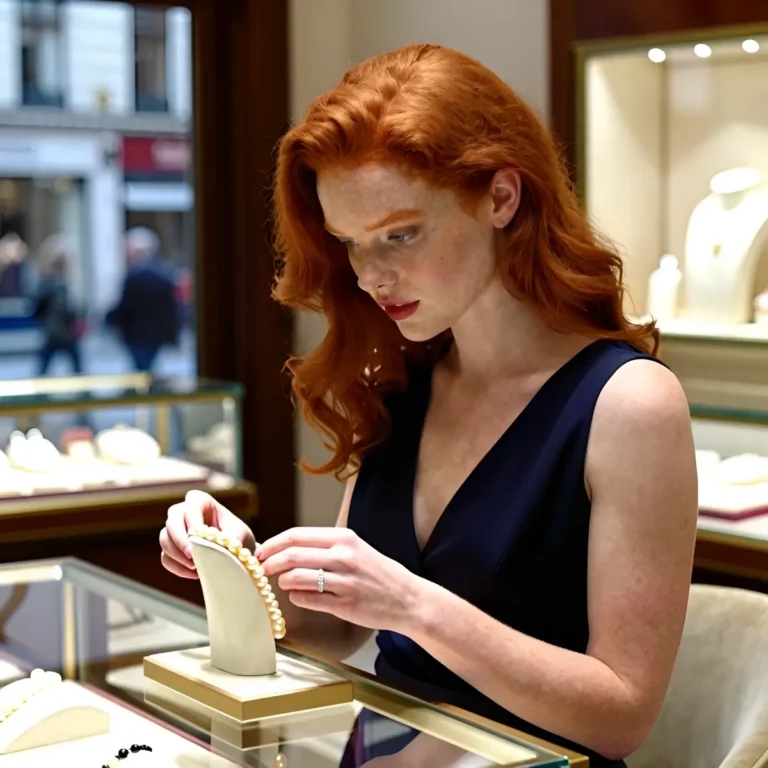
Pearls are organic gems, and they ask for gentler handling than a metal chain. GIA notes that pearls measure only around 2.5 on the Mohs scale, making them sensitive to chemicals, humidity, and rough contact.
Protect them by storing them flat in a breathable pouch rather than a sealed plastic bag, and keep them away from perfume and hairspray, both of which can dull their luster over time.
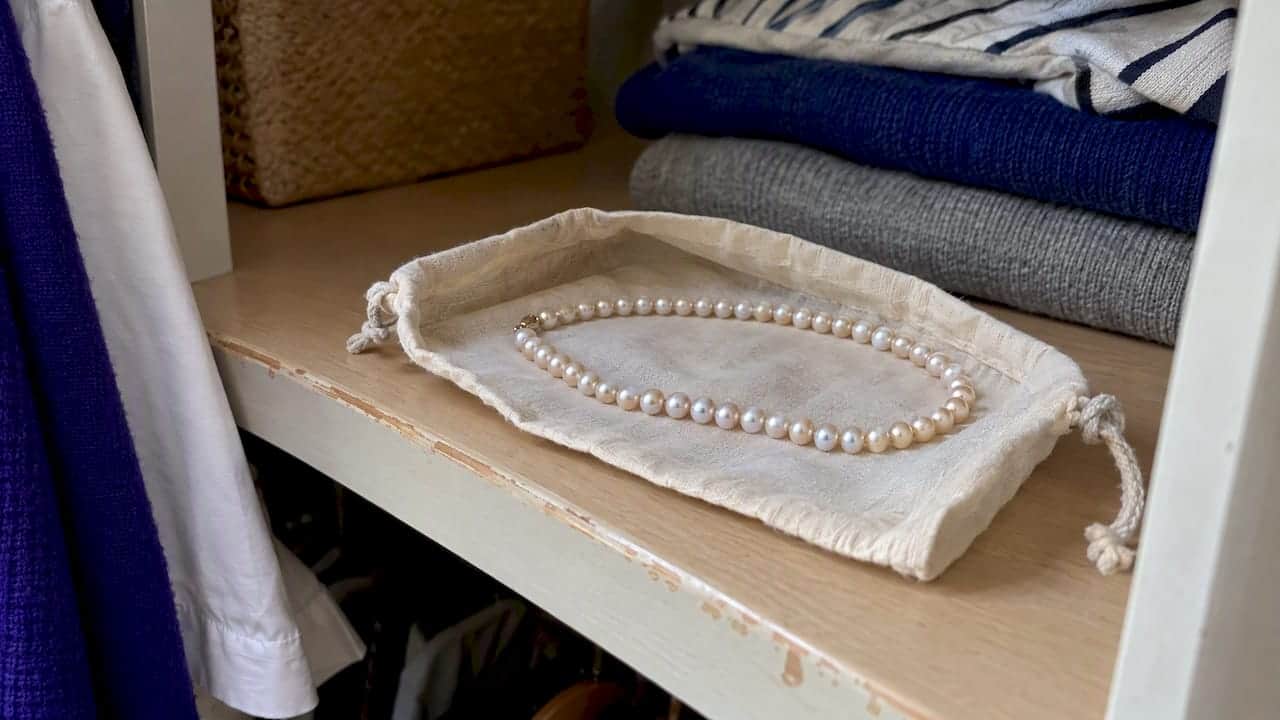
Many pearl strands are hand-knotted between each pearl. That’s not decoration. It’s protection: if the strand breaks, the knots stop every pearl from scattering across the floor.
Over years of wear, the silk thread can stretch or weaken, so a jeweler can re-string the strand periodically to keep it secure.
When you travel with pearls, keep them in a soft pouch inside your carry-on, away from harder gemstones or metal clasps that could scratch them. Skip hanging them on a hook, since the thin, often silk-sprung strings weren’t built to bear weight indefinitely.
Pearls are a living gem. They ask for the kind of care you’d give a fine piece of art, not a hard stone.
— Veronique
A quick routine for storing or packing necklaces
Before any necklace goes into a drawer or a suitcase, run through this four-step routine.
- Fasten every clasp and check for weak or bent links before you store anything.
- Pick one containment method per necklace: a card, a straw, a pouch, or a hook.
- Tuck pendants into a pocket or sleeve, and keep heavy pieces separated from delicate chains.
- Run the 60-second shake test and repack anything that moves.
This routine takes less time than untangling a knot.
Why artisan necklaces deserve a little extra thought
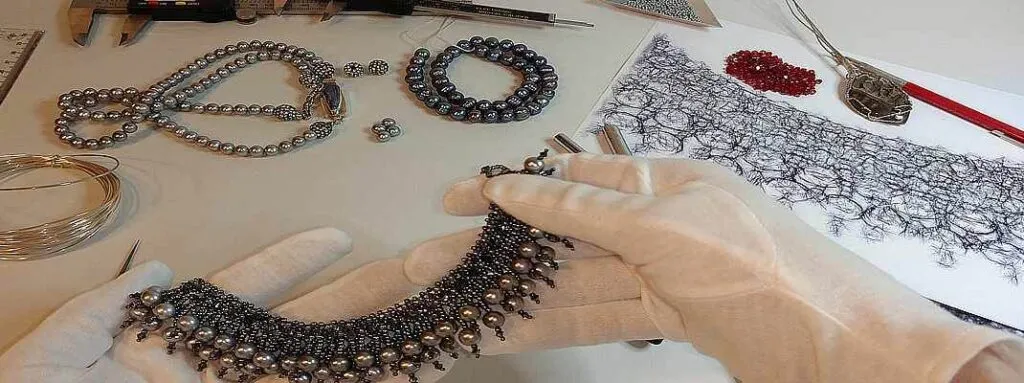
I’ve spent years watching customers fall in love with a pearl or gemstone piece, only to toss it in a drawer with everything else and wonder why the clasp jammed or the strand frayed.
The mistake is almost always the same: no anchor, no separation, no second thought. A soft pouch and five extra seconds of care prevent most damage and protect your investment.
If a chain does knot up despite your best efforts, our guide to untangling a necklace safely walks through the gentlest way to work it loose.
For pearls specifically, our pearl storage guide goes deeper into keeping that luster intact for decades.
Caring for your HerMJ necklaces while you store them
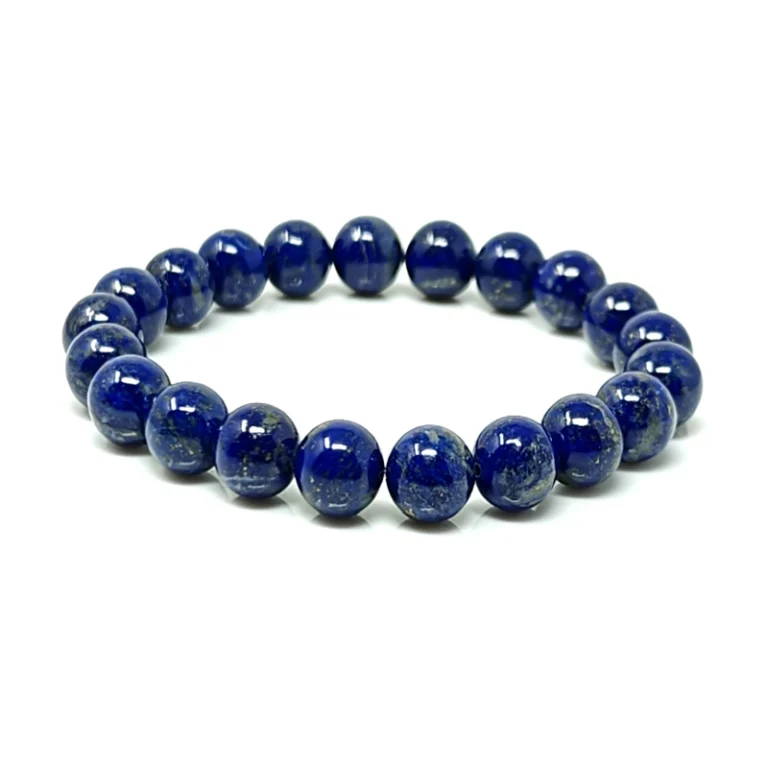
Our handmade jewelry featuring freshwater pearls and natural gemstones benefits from the same care habits we’ve covered here: a breathable pouch, a fastened clasp, and some separation from harder stones or metal chains.
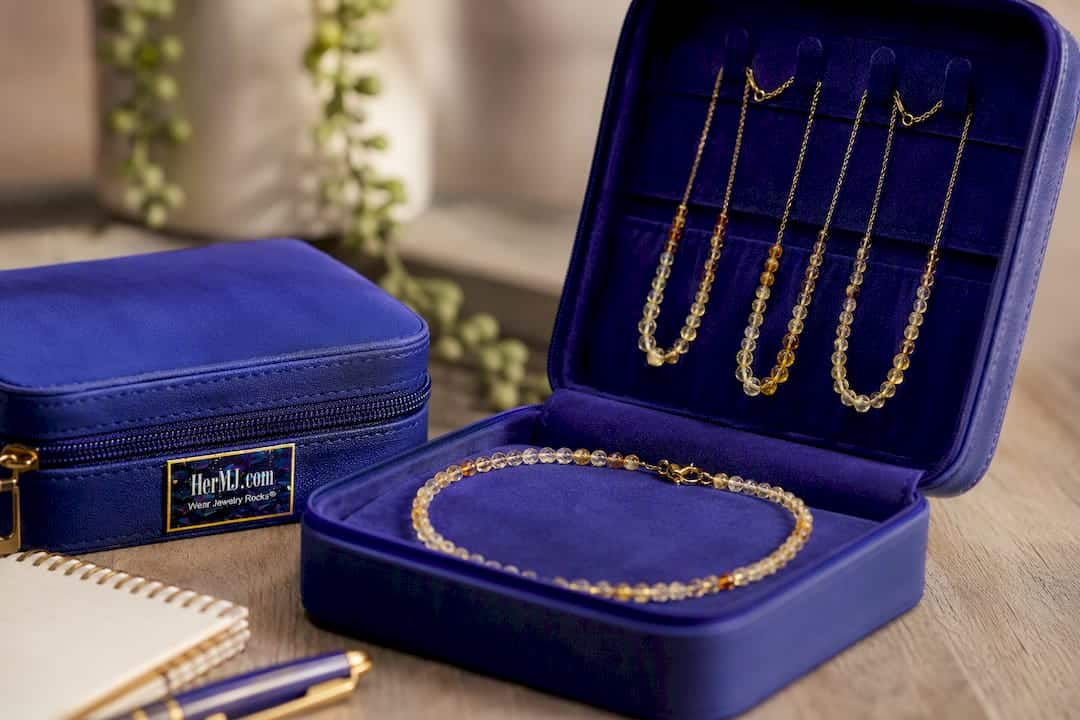
Our Quartz Crystal Necklace is a good example. Its natural crystal point deserves a dedicated pouch rather than a shared drawer, both to protect the stone and to keep its chain from tangling with anything nearby.
A few places to start:
- Browse our full Necklaces collection for pieces that pair well with these storage habits.
- Explore Pearl and Gemstone Jewelry for handmade designs across every price point.
- If you’re building out a full jewelry wardrobe, our European Crystal Jewelry and Room Jewelry collections round things out beautifully.
US orders ship free with no minimum, and international orders ship free for orders of $150 or more.
FAQ
What does the 2:1:1 rule mean for jewelry storage?
There’s no single, universally recognized industry standard for the “2:1:1 rule” for jewelry storage. If you’ve seen it referenced, it generally describes a personal system for dividing storage space between necklaces, rings, and bracelets, but definitions vary by source.
What are some clever ways to store necklaces?
The straw method (threading a chain through a drinking straw and closing the clasp outside it) and the card wrap (winding a chain around a small card through a punched hole) both work well for travel and short-term storage, according to Leatherology’s packing guide. At home, hanging hooks and compartmentalized trays keep chains visible and separated.
Is it okay to store jewelry in Ziploc bags?
Sealed plastic bags trap humidity and can trigger silver tarnish, and GIA specifically discourages them for pearls, which need breathable storage. A soft cloth pouch is the safer choice for pearls and most gemstone pieces.
Is it better to store jewelry in a box or outside?
It depends on the piece. Storage guidance from Unvault recommends storing heavy-pendant necklaces flat rather than hanging, while sturdier everyday chains can hang on hooks for easy access. If you tend to tangle chains despite good habits, our untangling guide covers the gentlest way to work a knot free without stressing the metal.
Sources
- Pearl care and cleaning (GIA)
- How to keep necklaces from tangling while traveling (SetupCarry)
- How to organize jewelry for travel without tangling (Leatherology)
- How to store delicate jewelry safely (Unvault)
Recommended
- 6 Steps to Untangle a Necklace Safely, and When Not To!
- Stagger 1–2 Inches to Layer Necklaces for Beginners With Pearls & Gems
- The Necklace Length Guide That Actually Makes Sense
- Add 1–6 Inches Safely: Extenders for Handcrafted Necklaces