


Prevent Silver Tarnish: Gentle Care, Store Below 50% Humidity
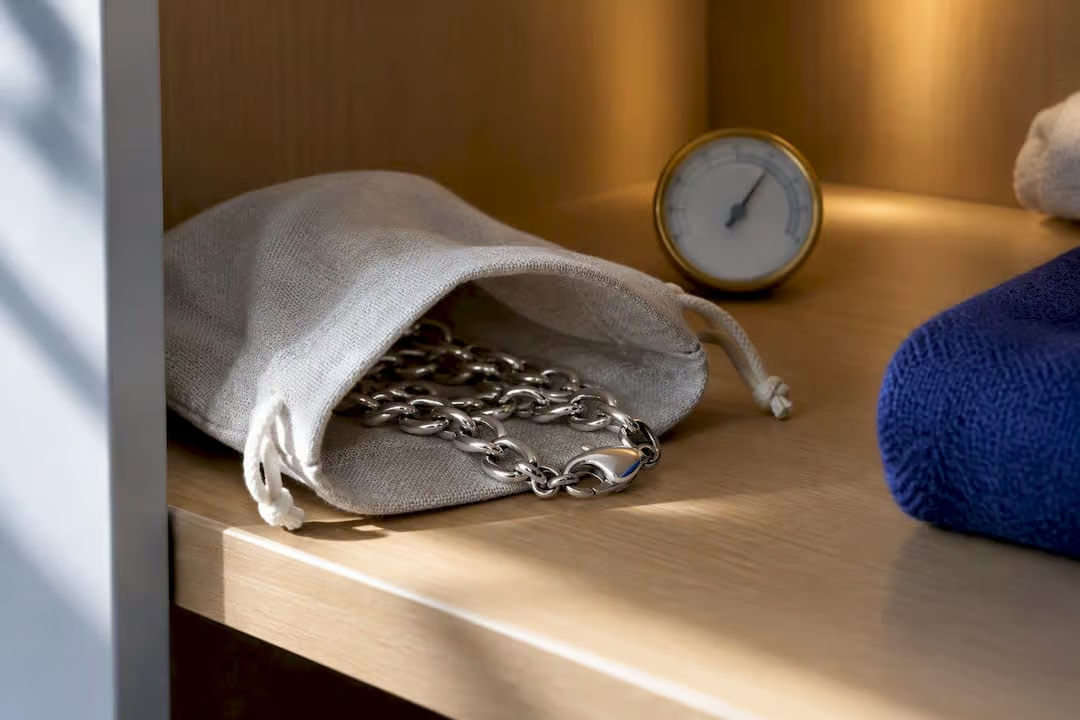
To prevent silver tarnish, keep it dry and away from sulfur-rich air: store pieces sealed with a desiccant, put jewelry on last after your skincare and perfume have dried, and wipe each piece with a soft cloth after every wear.
These three habits handle most of what causes tarnish before it becomes an issue. The steps below walk through daily care, storage, and gentle cleaning in more depth.
The Edit
- Proper storage in airtight, sealed containers with silica gel and anti-tarnish materials can delay silver tarnish for months or even years.
- Wearing silver jewelry regularly, then wiping it with a soft cloth afterward, can help prevent tarnish buildup compared to leaving it untouched.
- Avoid exposing silver to humidity over 50 percent, water, skin oils, perfumes, and sulfur-rich materials to greatly reduce tarnishing speed.
- Use gentle cleaning methods such as soft cloth wipes and mild soap for routine maintenance, reserving stronger treatments for stubborn tarnish.
- Pearls and porous gemstones require careful, light cleaning and should not be soaked or polished with aggressive products to maintain their appearance.
Quick prevention checklist you can start today
Tarnish forms quickly when silver is exposed to air, moisture, and skin oils, but you can slow it down considerably. Think of this as your baseline routine to address the small stuff that adds up over weeks and months.
- Put jewelry on last, after lotion, perfume, and hairspray have dried.
- Wipe each piece with a soft cotton or microfiber cloth before you put it away.
- Store pieces in sealed bags with a silica gel packet inside.
- Keep storage humidity below 50%, as conservation guidelines recommend that threshold to slow sulfide reactions.
- Tuck anti-tarnish tabs between pieces to prevent them from touching the metal directly.
Storage in open air can cause visible tarnish on silver in a short time, while a properly sealed pouch delays that change for a much longer time, according to Good Housekeeping’s reporting on tarnish prevention. That gap alone explains why a jewelry box lid left open does more damage than most people realize.
Daily wear habits that slow tarnish
The order in which you get dressed matters as well. Silver reacts with whatever is on your skin and in the air around it, so timing and a little friction go a long way.
Put your rings, necklaces, and bracelets on last, after your moisturizer, sunscreen, and perfume have fully absorbed or dried. Those products contain compounds that speed up tarnishing when they sit against bare metal. Take silver off before you shower, swim, or work out, since sweat and chlorinated water both accelerate the reaction.
Wipe each piece with a soft cloth as soon as you take it off, before it goes back into its pouch or box.
Interestingly, silver you wear often can resist tarnish slightly better than silver left untouched in a drawer, because the light friction from clothing and skin removes some buildup as it forms. That’s not a reason to skip wiping, though. It just means neglect is worse than wear.
A few small routines make this easier to keep up:
- Keep a soft cloth in your travel pouch so you can wipe pieces the moment you take them off.
- Build a two-minute evening ritual: wipe, clasp chains closed, and set pieces in their pouch before bed.
- Store necklaces clasped shut so they don’t tangle or rub against other jewelry.
Pro Tip: Keep a microfiber cloth near where you get undressed at night. If wiping down your jewelry becomes part of taking it off, you’ll never have to think about it separately.
Storage best practices for jewelry and silverware
How you store silver matters more than almost anything else you do. A piece can survive years of gentle wear, but still tarnish if it sits in the wrong environment for a few humid summer months.
Wrap each piece loosely in acid-free, sulfur-free tissue paper before anything else touches it.
Slip the wrapped piece into an anti-tarnish cloth pouch or add a Pacific Silvercloth style scavenger nearby, without letting it touch the silver directly.
Seal everything inside an airtight polyethylene bag or a sealed archival box, following the storage approach Canada’s Conservation Institute recommends for museum grade preventive care.
Add a silica gel packet inside the sealed container and refresh or replace it every few months.
Keep the sealed container somewhere dry, away from bathrooms, kitchens, and any spot with regular humidity swings.
Avoid storing silver in or near rubber bands, newspaper, or oak and other acidic woods, since these materials release sulfur compounds that speed tarnishing on contact, a point Christie’s storage guidance makes clear for anyone storing silver at home.
Arrange multiple pieces so they don’t rest against each other, which prevents scratching and keeps one piece’s tarnish from transferring contaminants to another.
If you use anti-tarnish strips, place them near your jewelry rather than pressed against it. The scavenger works by pulling sulfur gases out of the sealed air, not by touching the metal itself.
Safe cleaning methods, from gentle to deeper
Start with the mildest option every time, and only move to something stronger only if it’s needed. Frequent light care beats occasional heavy scrubbing, both for how your silver looks and for how long it lasts.
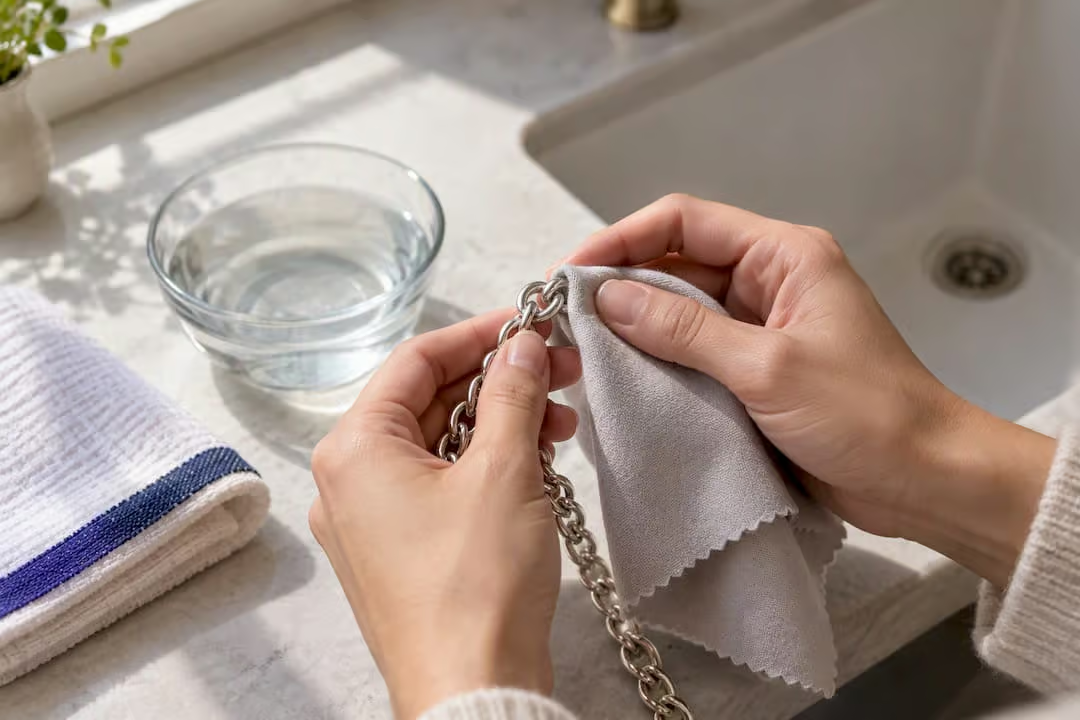
A soft cloth wipe handles daily maintenance. When that’s not enough, wash the piece in warm water with a few drops of mild dish soap, then dry it immediately and thoroughly with a clean cloth.
A polishing cloth treated with anti-tarnish compound works well for light tarnish and is safe for most solid silver.
For heavier tarnish, a baking soda paste (a small amount of baking soda mixed with a few drops of water) can lift buildup when gently wiped with a soft cloth.
Skip this method on plated silver, textured finishes, or anything with stones set close to the surface, since the mild abrasion can wear through plating or scratch soft gems.
For the electrochemical method, lining a container with aluminum foil, adding warm water and washing soda, and soaking the silver, reduces tarnish through a chemical reaction rather than abrasion.
Canada’s Conservation Institute notes this method requires thorough rinsing afterward and can leave a matte finish that needs gentle polishing to restore shine. Avoid it on hollow pieces or plated silver, where the reaction can cause damage that’s hard to reverse.
- Skip chemical tarnish dips for routine cleaning, since Winterthur Museum’s conservation guidance warns they can strip patina and damage plated surfaces.
- Avoid ammonia based polishes and ultrasonic cleaners, both of which are too aggressive for regular home use on delicate or antique pieces.
Pro Tip: If a piece has any sentimental or antique value, test any new cleaning method on a small, hidden spot first before trying it on a more visible area.
Caring for pearls, gemstones, and plated pieces
Silver focused cleaning methods can ruin the very materials that make a piece special. Pearls are organic, porous, and genuinely delicate: they should never be soaked, dipped, or scrubbed the way solid silver can sometimes tolerate.
A quick wipe with a soft, slightly damp cloth after each wear is really all pearls need, a habit I cover in more detail in our guide to cleaning pearls safely.
Porous gemstones like turquoise and opal absorb liquids and can change color or crack if soaked, so treat any silver setting around them with a damp cotton swab instead of a full soak. Our guide on caring for handmade gemstone jewelry covers this in more depth for mixed material pieces.
- Spot clean the silver only, keeping moisture away from glued settings or porous stones.
- Skip ultrasonic cleaners and chemical dips entirely on any piece with attached pearls or gems.
- Take a piece to a jeweler when tarnish sits in tight settings you can’t safely reach at home.
If pearls have picked up yellowing over time rather than simple tarnish, that’s a separate issue with its own safe home fixes.
What actually causes silver to tarnish
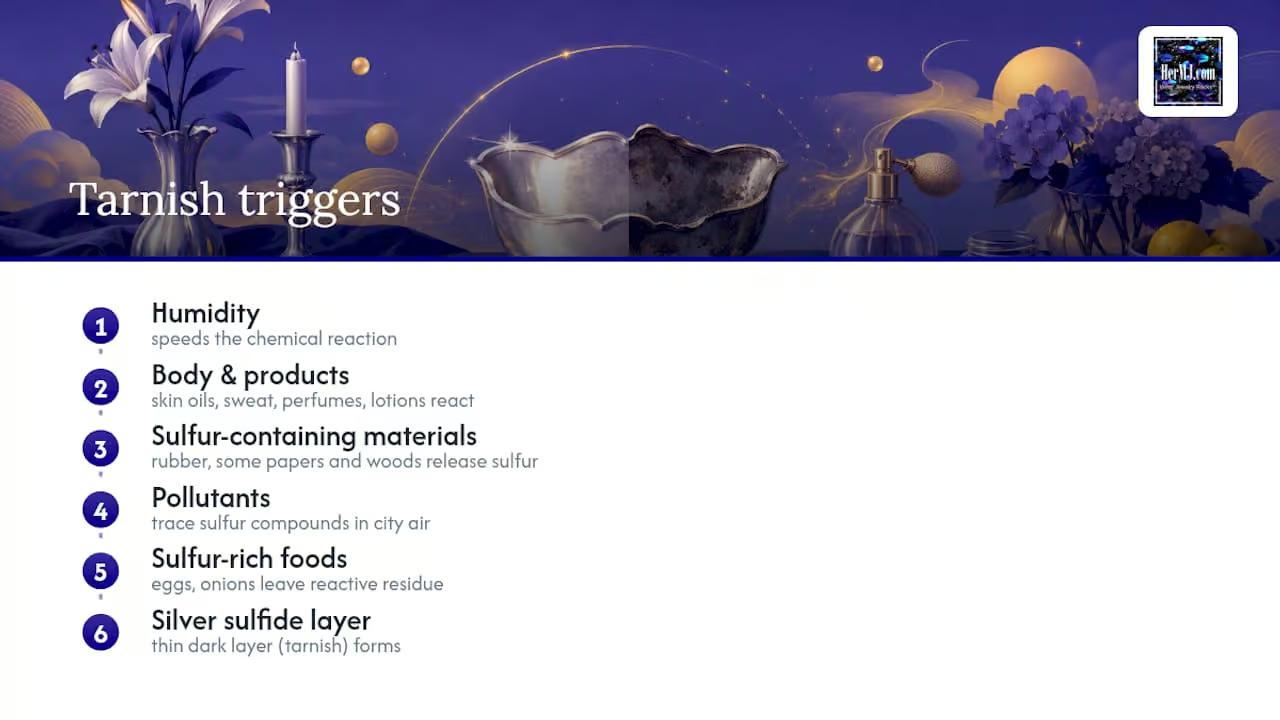
Tarnish is a chemical reaction, not dirt or grime. Silver reacts with sulfur-containing compounds in the air, forming a thin layer of silver sulfide that darkens the surface over time, according to Good Housekeeping’s overview of the process.
That sulfur comes from more sources than most people expect: rubber, certain papers, some woods, and even trace pollutants in city air all release small amounts of it.
Humidity accelerates the reaction, which is why silver stored in a damp bathroom drawer tarnishes faster than the same piece kept in a dry closet.
Skin oils and sweat contribute their own share, and so do everyday products: perfumes, lotions, hairsprays, and sunscreens all contain compounds that react with silver on contact.
Certain foods, particularly eggs, onions, and anything sulfur-rich, can transfer residue to silverware and speed tarnishing there, too.
None of this means silver is fragile. It means the tarnish process is predictable, and once you know what causes it, avoiding those triggers becomes second nature rather than a chore.
Why I’d rather you prevent tarnish than chase it away
Silver doesn’t need to sparkle like new every single day, so there’s no compelling reason for staging a massive tarnish attack on a daily basis.
A whisper of tarnish in the recessed detail of a design can actually deepen the contrast and make the piece look more dimensional, closer to how it was meant to read.
What concerns me more is over-polishing. Every time you buff silver aggressively, you remove a small amount of the metal itself, and that adds up over years on a piece you love.

I’d rather see you prevent tarnish through storage and wear habits than reach for polish every time a piece dulls slightly. That’s the approach we build into every design: pieces meant for real wear, not display cases.
— Veronique
How HerMJ pieces make low-maintenance care easier

Choosing the right materials from the start cuts down on maintenance before you ever open a cleaning cloth.
Freshwater pearls and set gemstones don’t carry the same sulfide reaction that plain silver does, so a piece built around them holds its look longer between cleanings.
Our Elegant Freshwater Pearl Necklace and Pearl And Aquamarine Necklace are both handcrafted for everyday wear with that lower upkeep in mind.
If you’re building a stack for daily use, the Lustrous Freshwater Pearl Bracelet for Elegance pairs well with simple wipe-and-store care.
- Freshwater pearl pieces need only a soft wipe after wear, no soaking or polish required.
- Gemstone settings like our Faceted Garnet Gemstone Necklace resist everyday tarnish better than plain polished silver.
Browse the full pearl and gemstone jewelry collection to find a piece that fits your routine.
Sources
These sources back the storage and cleaning guidance above and are worth reading directly if you want the full detail.
- How to Make Tarnished Silver Shine Again, According to Pros
- Canada
- Winterthur Museum: Silver treatment advice
- How to store and care for silver — Christie’s
FAQ
What can I put on silver to keep it from tarnishing?
Anti-tarnish strips, Pacific Silvercloth pouches, or silica gel packets placed near (not touching) your silver help absorb the sulfur gases that cause tarnish. Sealed polyethylene bags with acid-free tissue wrapping work well for longer-term storage, following the layered approach Christie’s recommends.
What causes silver to tarnish so quickly?
Silver reacts with sulfur compounds in the air, forming silver sulfide, and humidity, skin oils, and products like perfume or sunscreen all speed that reaction along, per Good Housekeeping. Storing silver in a damp bathroom or near rubber and certain woods makes the process faster still.
Will sterling silver tarnish if I wear it every day?
Yes, but wearing it regularly with a quick wipe afterward often slows visible tarnish compared to leaving it untouched in a drawer, since light friction from daily wear removes some buildup as it forms. Skin oils and products still react with the metal, so wiping after each wear remains the habit that matters most.
Will saran wrap keep silver from tarnishing?
Plastic wrap can offer some short-term protection by limiting air exposure, but it isn’t an airtight seal and can trap moisture against the metal over time. A proper anti-tarnish pouch or a sealed polyethylene bag with a desiccant, as recommended by Canada’s Conservation Institute, gives more reliable, longer-lasting protection.
Recommended
- Jewelry Tarnish – How To Prevent Jewelry From Tarnishing
- How to Care for Handmade Gemstone Jewelry
- Wipe Pearls After Every Wear: How to Clean Pearls Safely
- The Truth About Pearl Durability: A Designer’s Guide to Care