



Alternative Birthstones By Month
Birthday Celebration Options- Alternate Birthstones They’ll Love
We all know our birthdays and the traditional birthday gemstones commonly associated with them. But did you know that there are beautiful stones you can explore as an alternative? Why, you may ask? Primarily for the variety. Being unique can be an excellent opportunity to try something new, stand out, and look great.
Alternate birthstones are just that: beautiful alternative jewelry birthstone designs that often cost less, but have a unique appeal of their own.
Options in the charts below create a connection between the individual and their birthstone. For example, Aries is associated with diamond, bloodstone, jasper, aquamarine, and amethyst. These stones are not only unique, but they’re also excellent for everyday jewelry. Similarly, Taurus, linked to sapphire, emerald, rose quartz, lapis lazuli, and rhodonite, also benefits from the beautiful alternative birthday gemstones.
These alternative stones offer a unique twist on the traditional birthstone, allowing individuals to personalize their jewelry in attractive—and affordable — ways.
The list of birthstone jewelry shown below features one-of-a-kind alternative birthstones by month, rather than mass-manufactured stones in customary settings. These special birthday jewelry gift designs incorporate a variety of colors, with handcrafted necklaces and bracelets representing a celebration of birthdays from January to December.
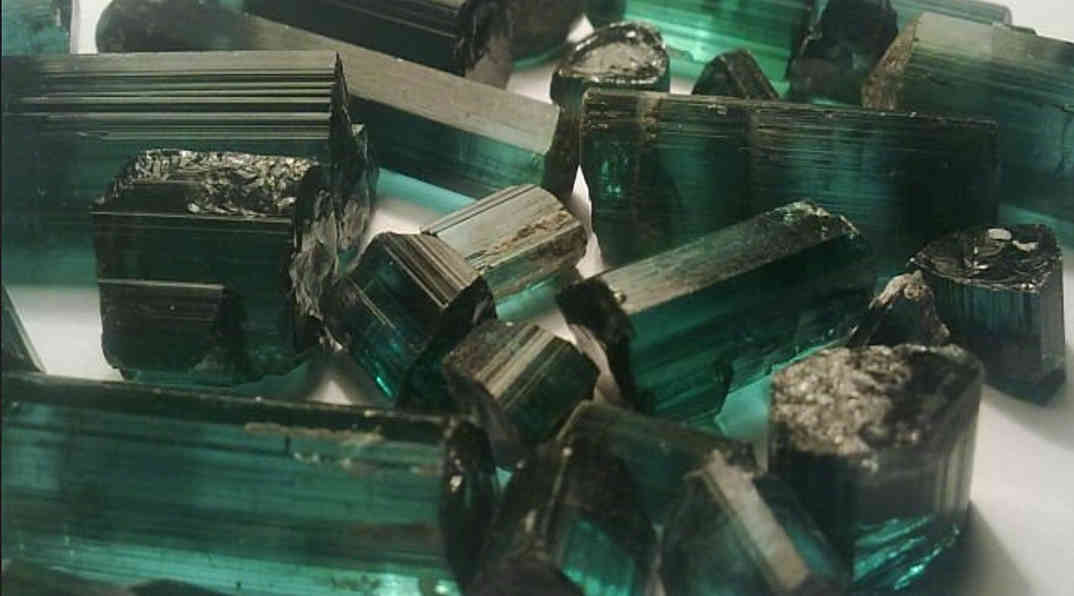
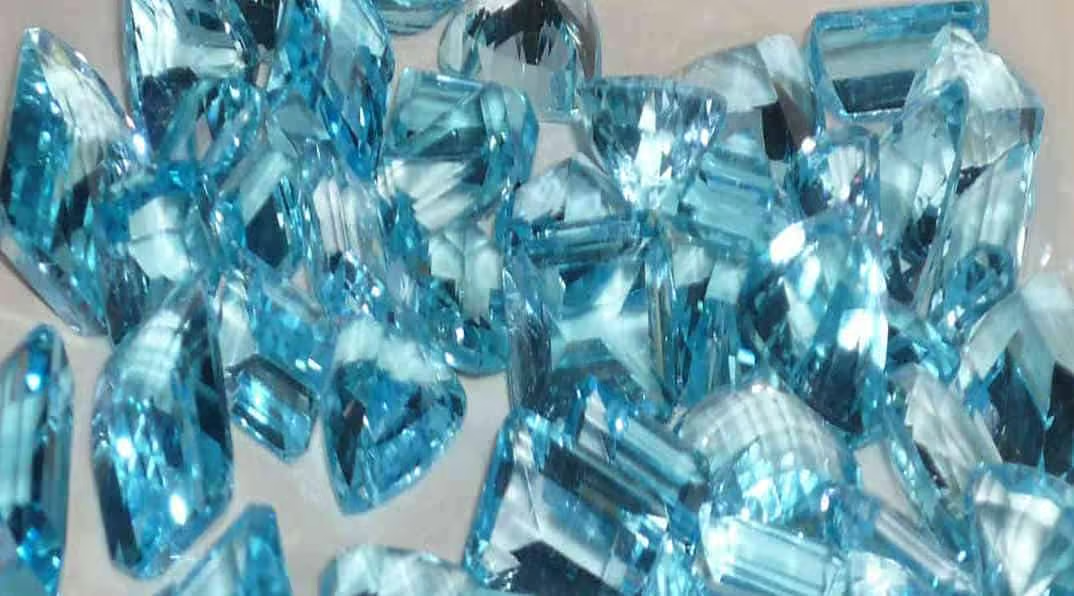
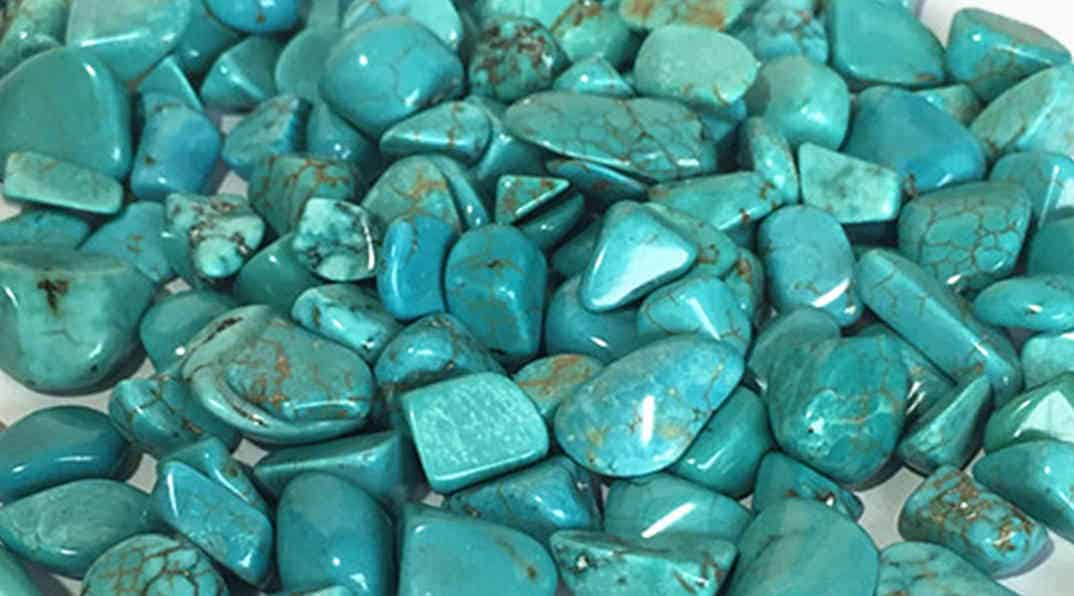
(Slide to your month and celebrate)
The celebration of birthday jewelry here showcases alternative birthstone options, based on the corresponding color of each month’s birthstone. To learn about the color associations with each date, refer to our birthstone guide or the Gemstone Slider below, which offers birthday jewelry alternatives.
Welcome to the best place to buy fashion jewelry online… Happy Birthday!
Birthday Gemstones For Each Month
January Birthstone Alternatives
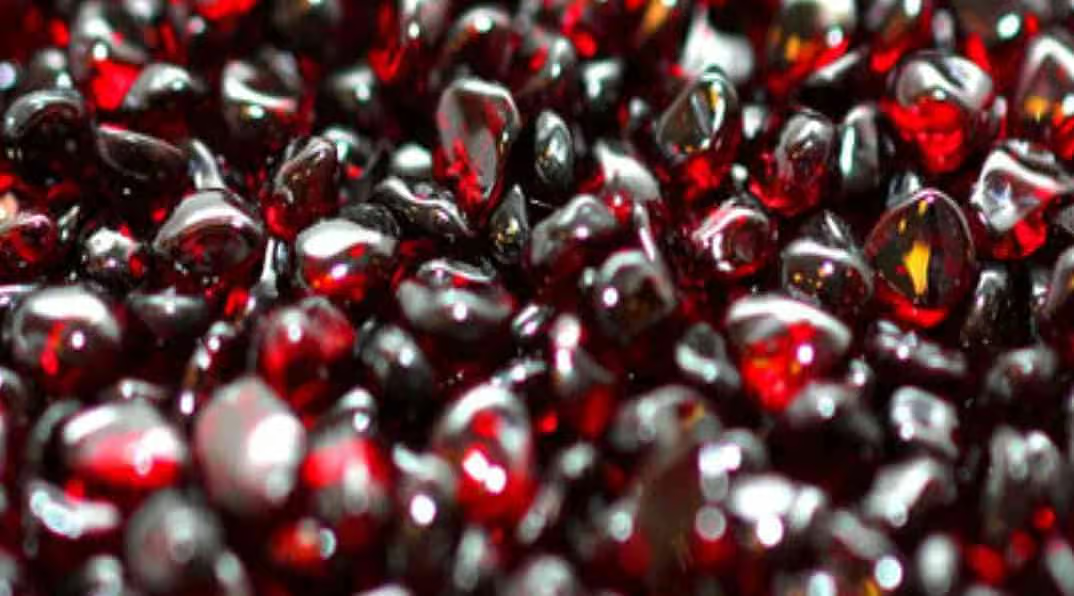
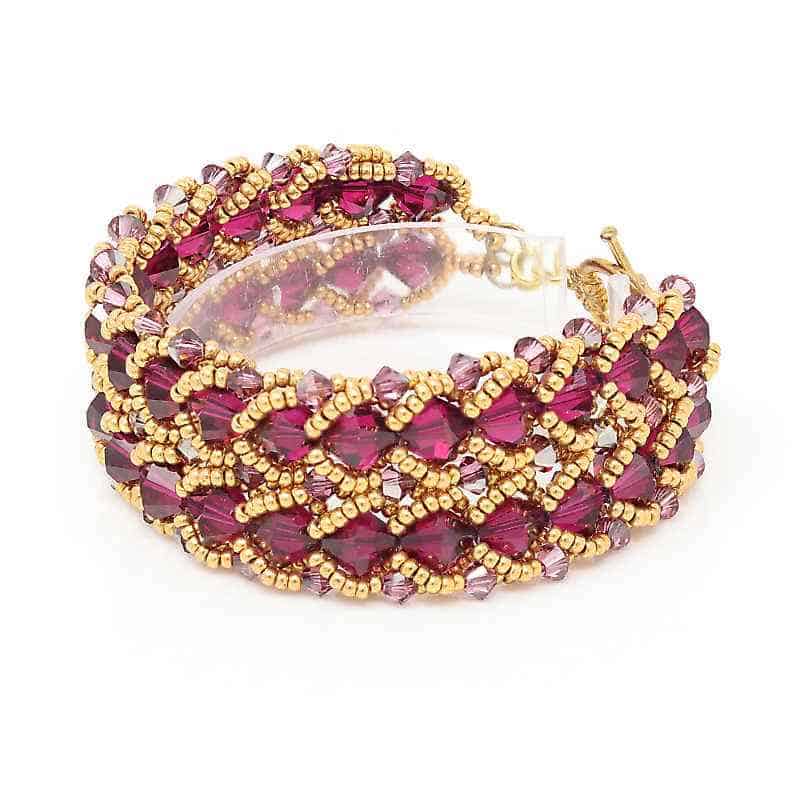
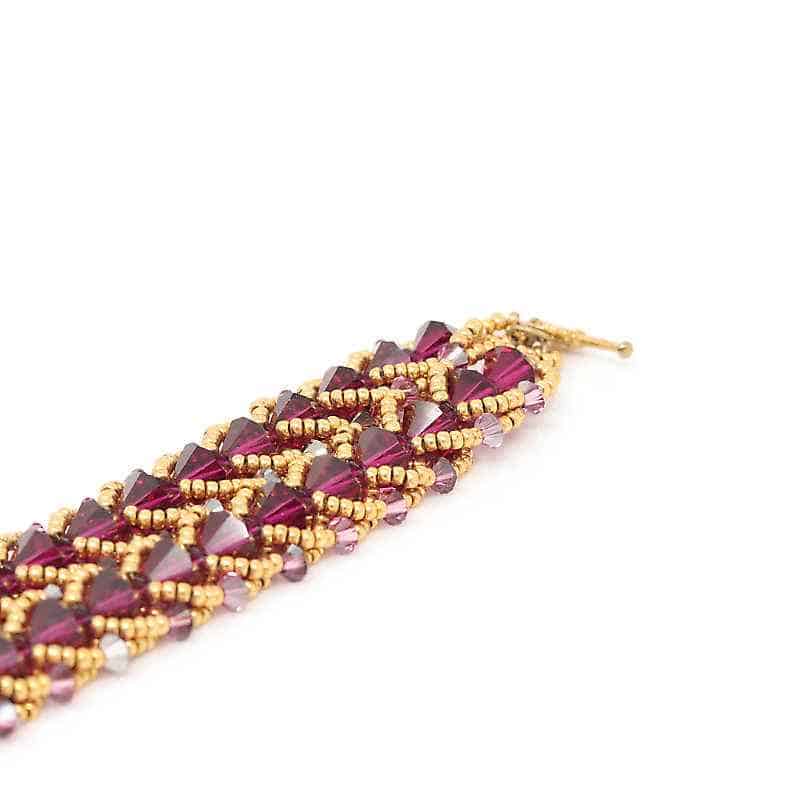
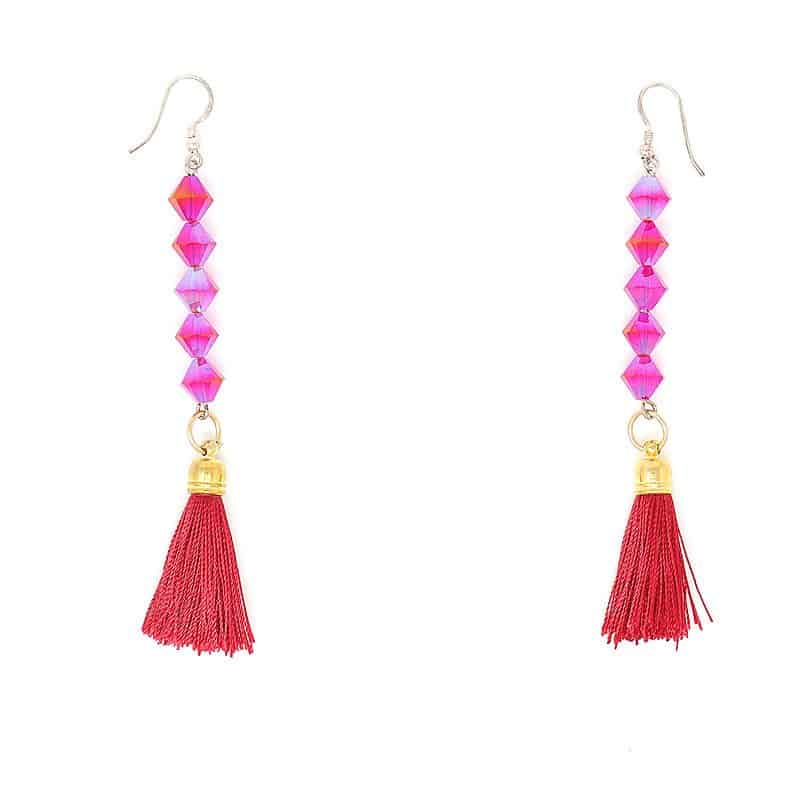
The word “garnet” comes from the 14th Century Middle English word “gernet” meaning dark red. The word is derived from Latin “granatum” which means seed, and is called so because of the gemstone’s resemblance to the beautifully red seeds of the pomegranate.
The garnet also symbolized deep and lasting friendships.
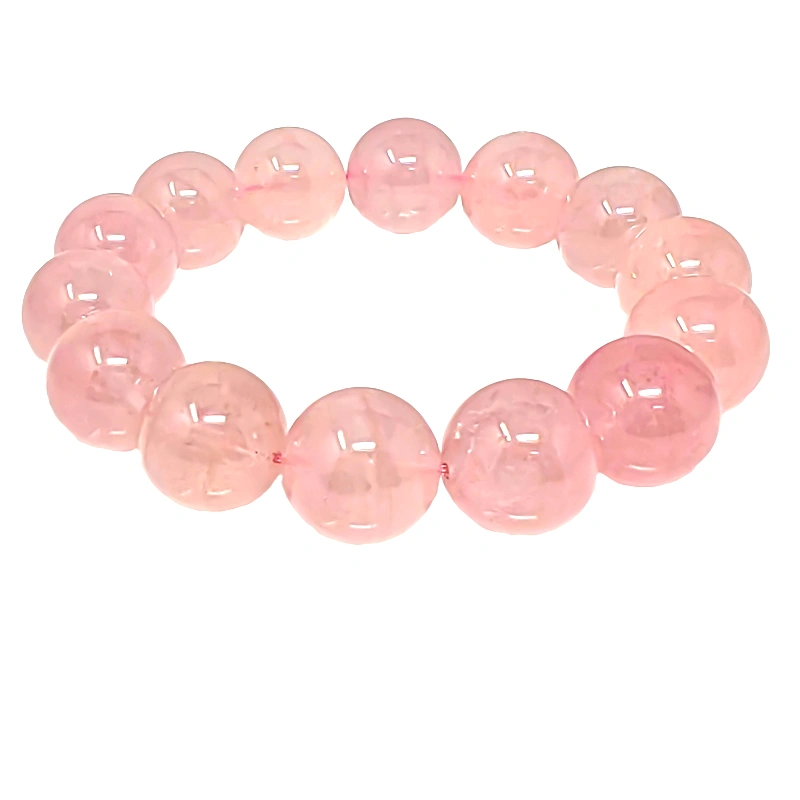








February Birthstone Alternatives
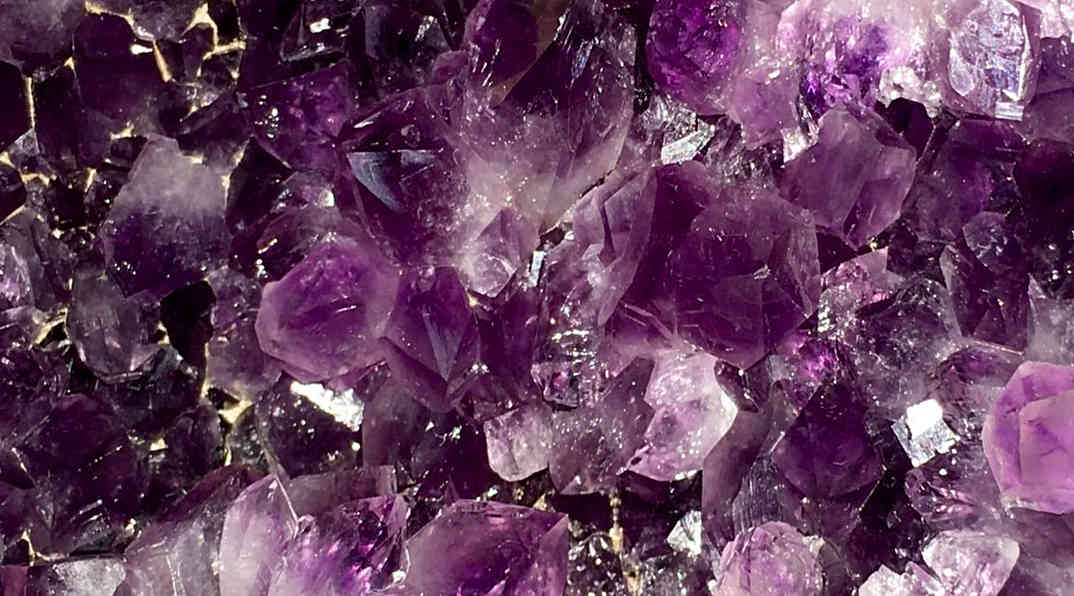
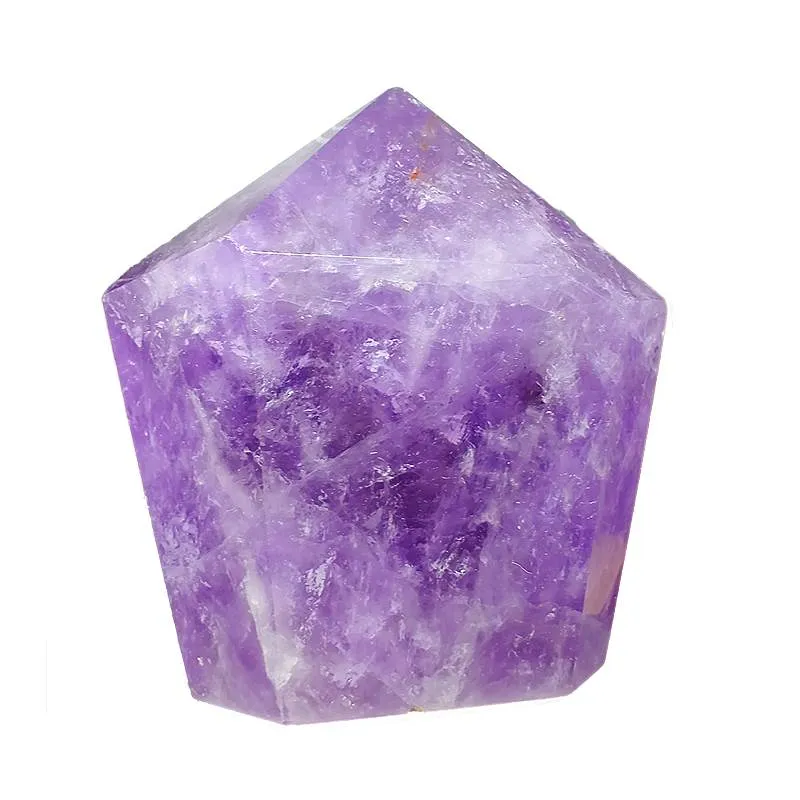
In the Middle Ages, it was considered a symbol of royalty and used to decorate English regalia. In the Old World, amethyst was considered one of the Cardinal gems and one of the five gemstones considered precious above all others.
Traditionally Amethyst is also given to celebrate the 4th and 17th years of marriage.
-
-
-


-

-

-
Sale!
 SAVE 19%
Room Jewelry – Carved Amethyst Fairy
Original price was: $110.00.$89.00Current price is: $89.00. -

-


-
-
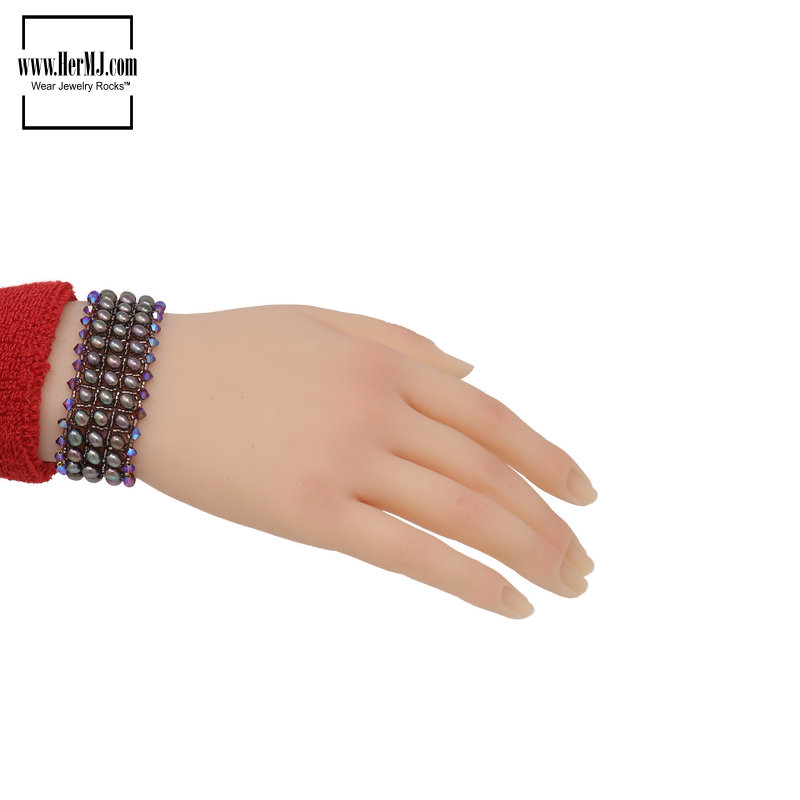
-


-

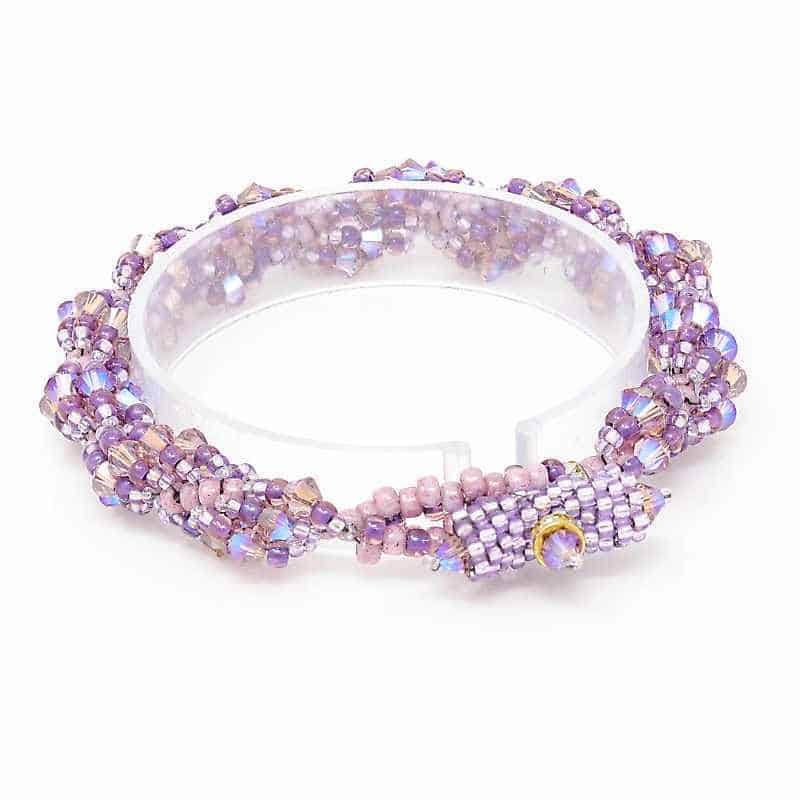
-


-


-


-
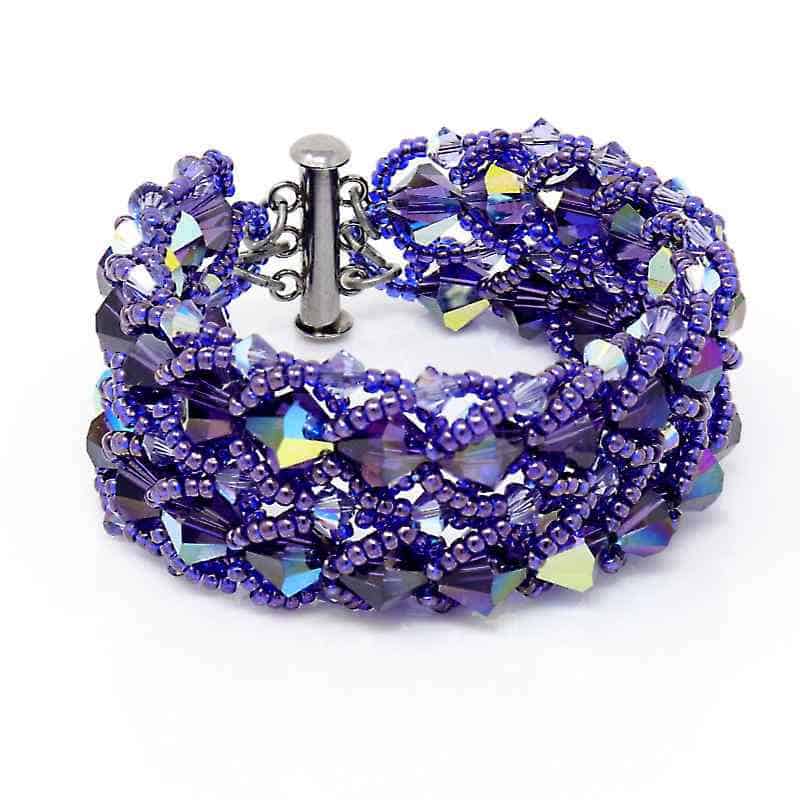

-
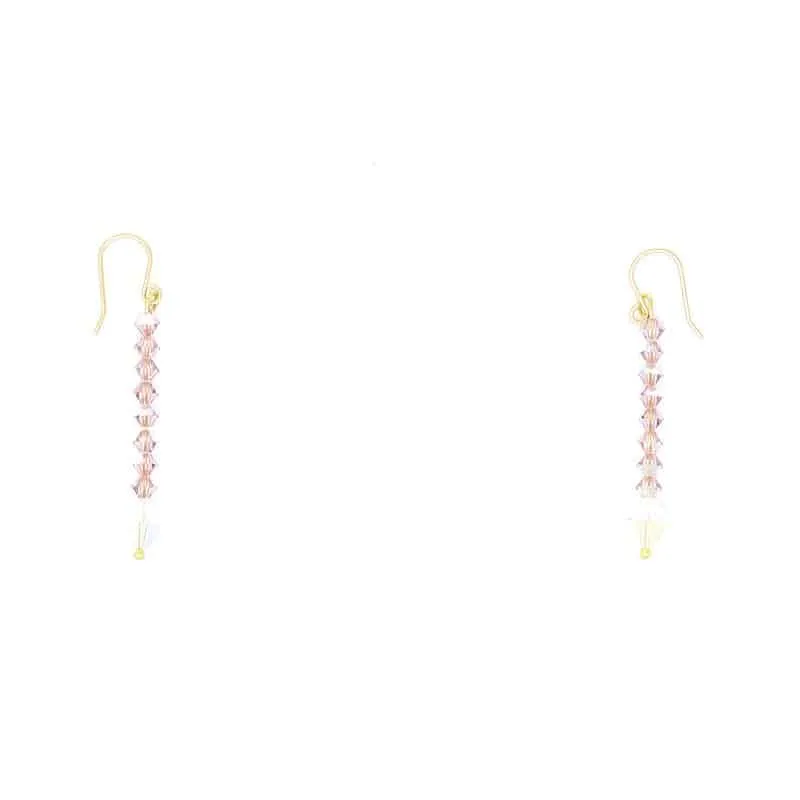
-


-
March Birthstone Alternatives
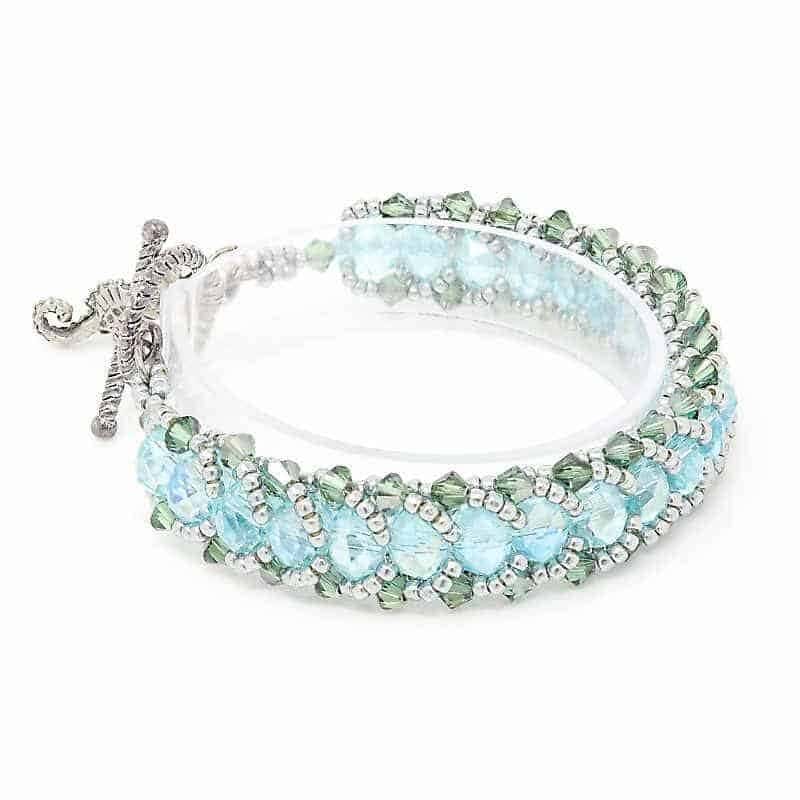
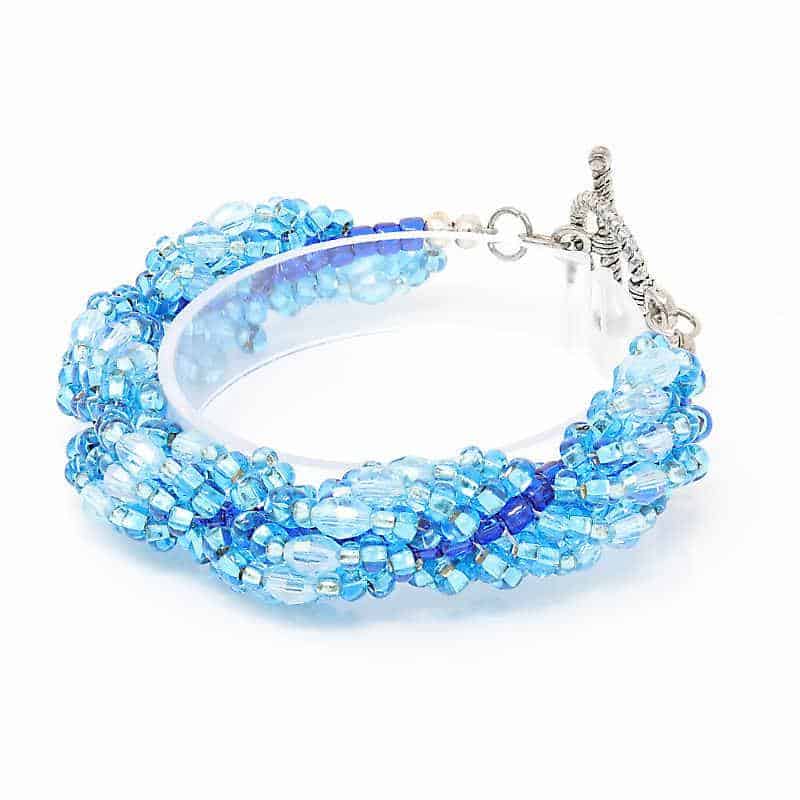
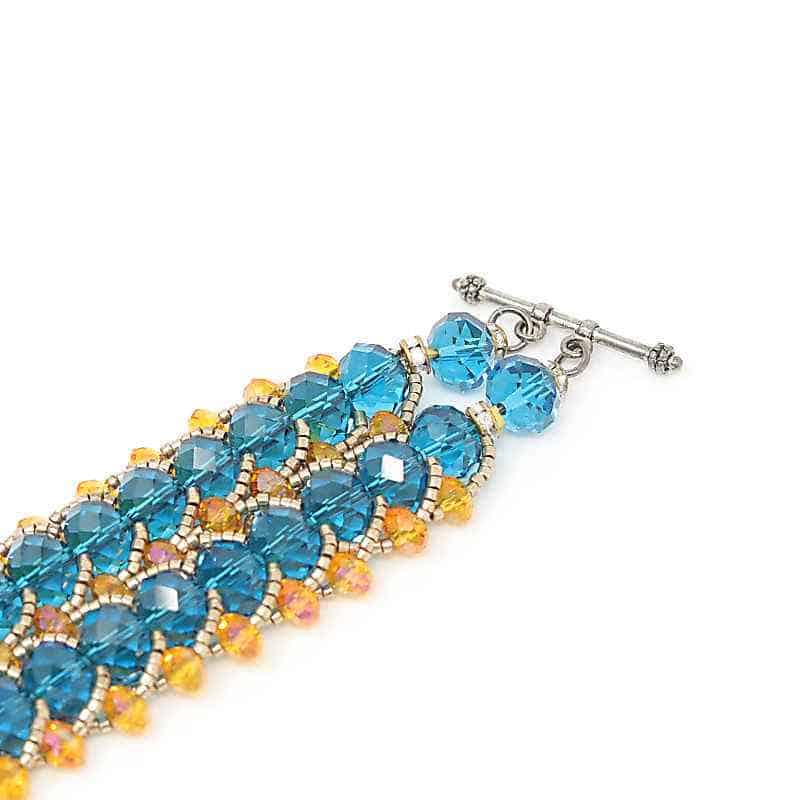
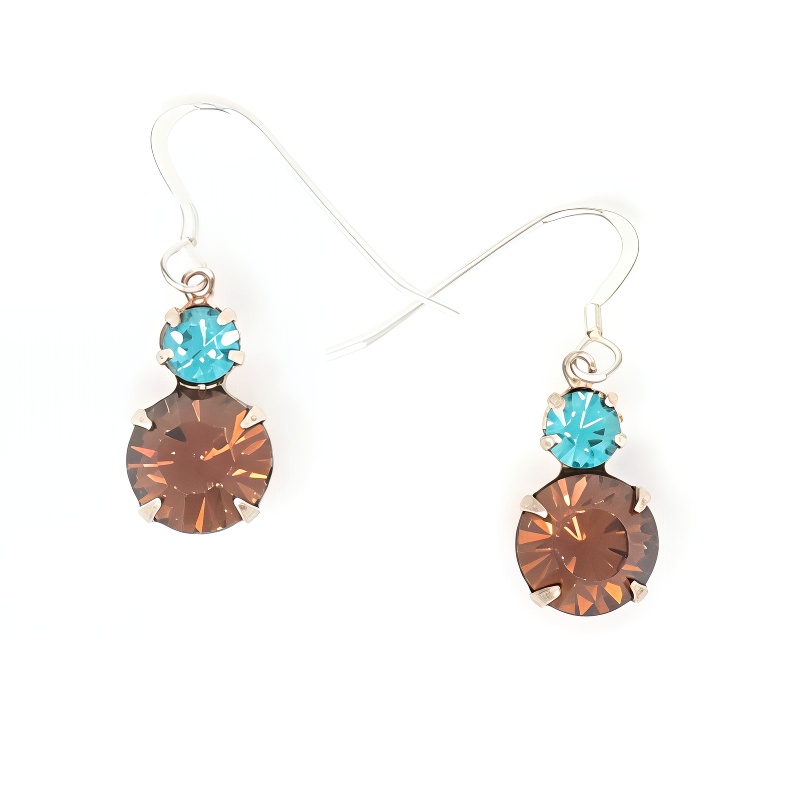
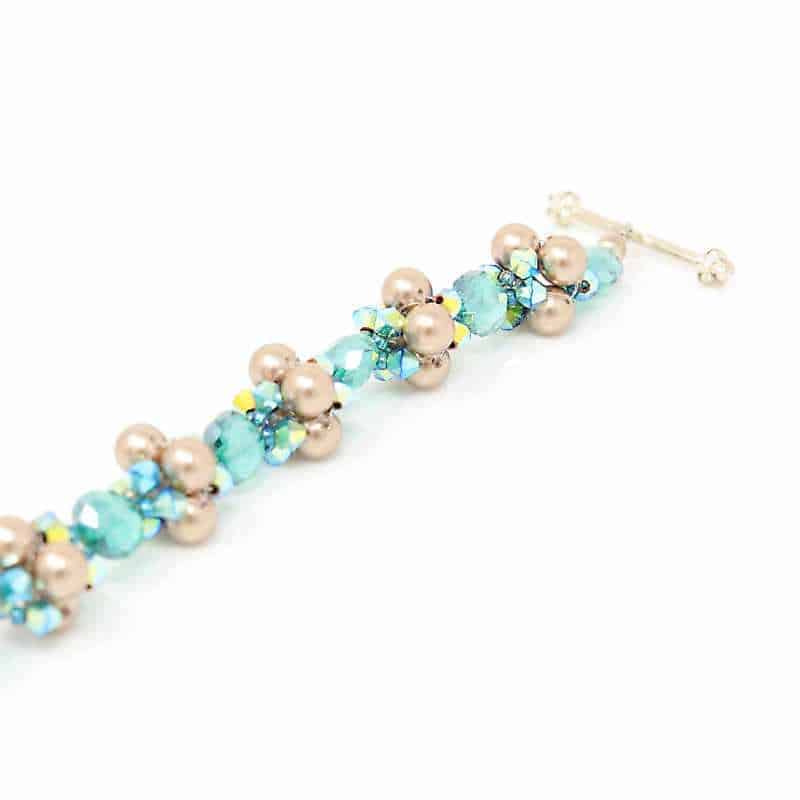
The Sumerians, Egyptians, and Hebrews all admired aquamarine, and many warriors would wear it into battle to bring about victory. Many ancient medicines used powder from aquamarine.
Prized for its emotional connection to feelings of happiness, youthfulness, wisdom, and stability.
-
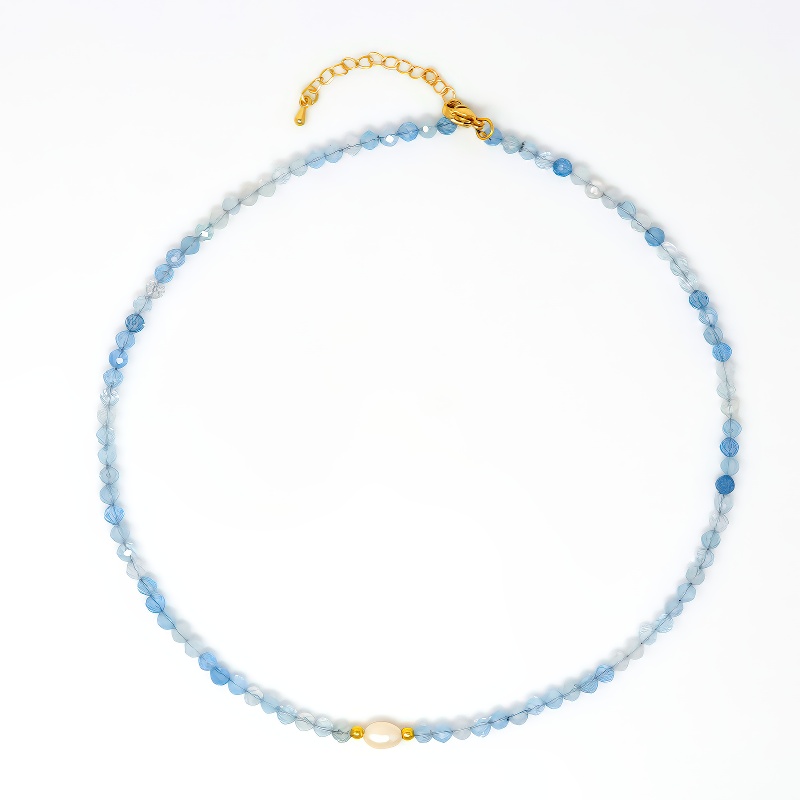

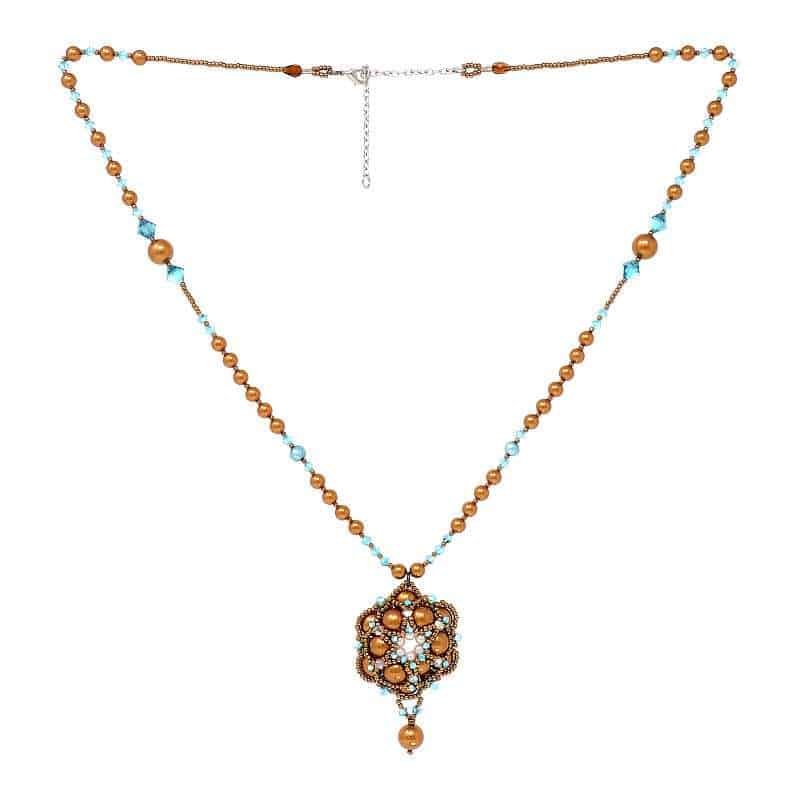
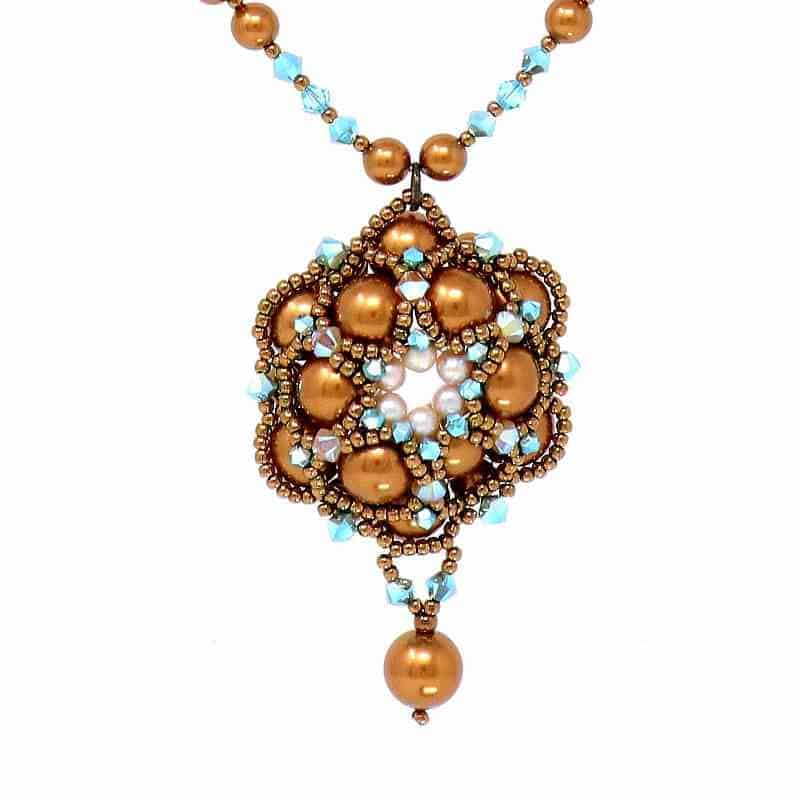
Pearl And Aquamarine Necklace
From $68.00Select options This product has multiple variants. The options may be chosen on the product page -


-


-
-
-


-

-
-
April Birthstone Alternatives
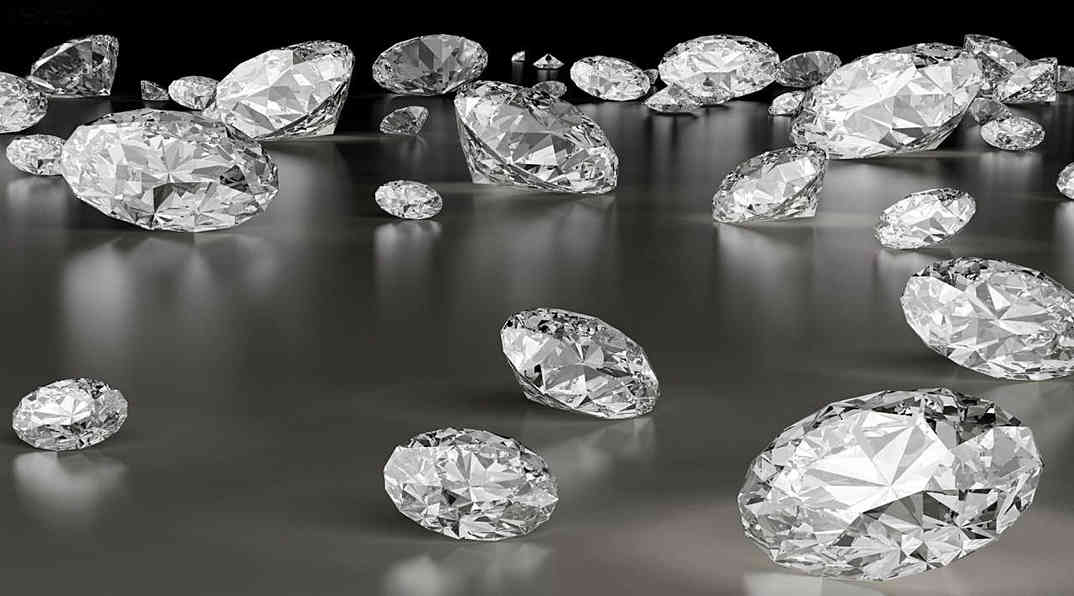
The the diamond first became a popular gemstone in India, when the Moghuls and Imperial Colony easily mined diamonds from deposits along three major rivers.
Most widely known as the stone to give as part of an engagement ring.


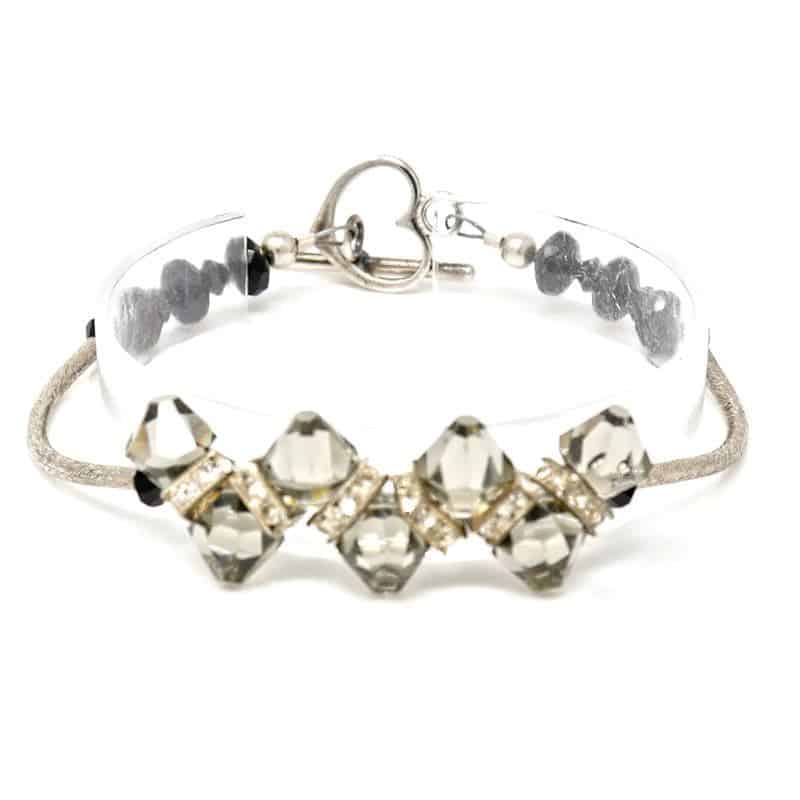


May Birthstone Alternatives
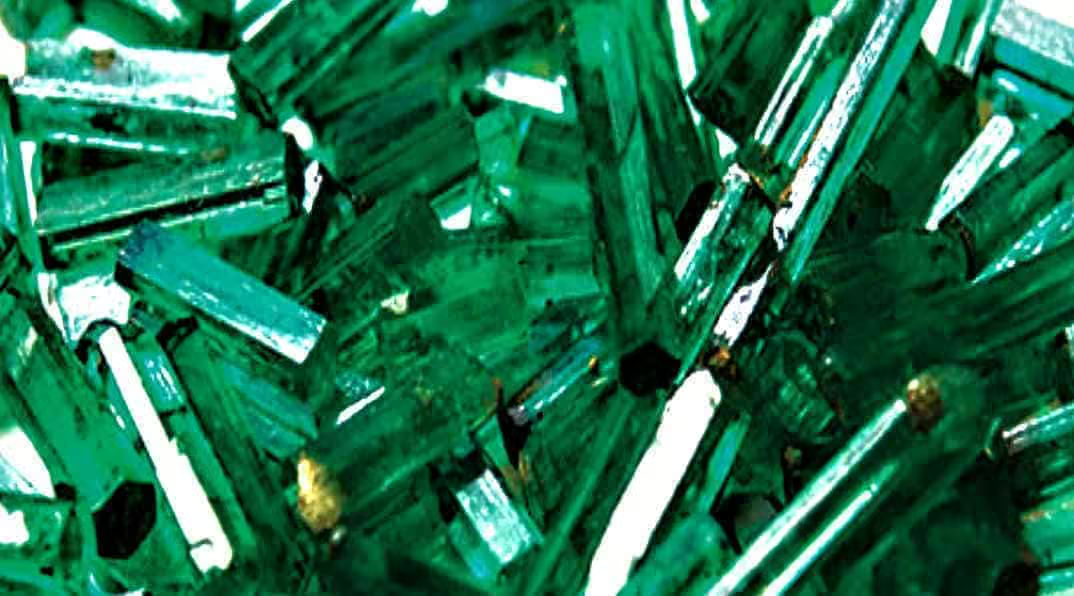
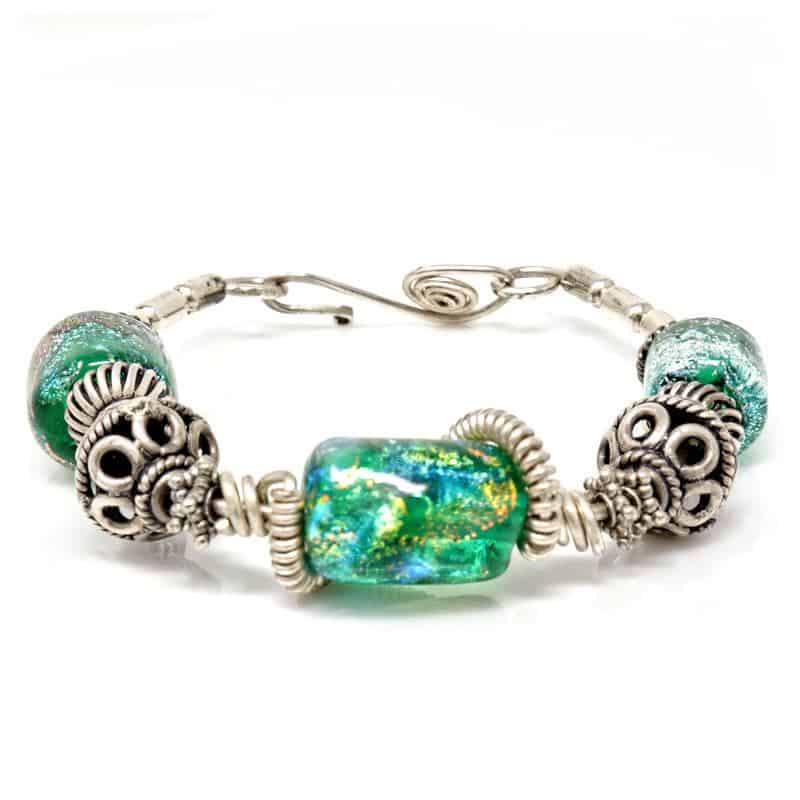
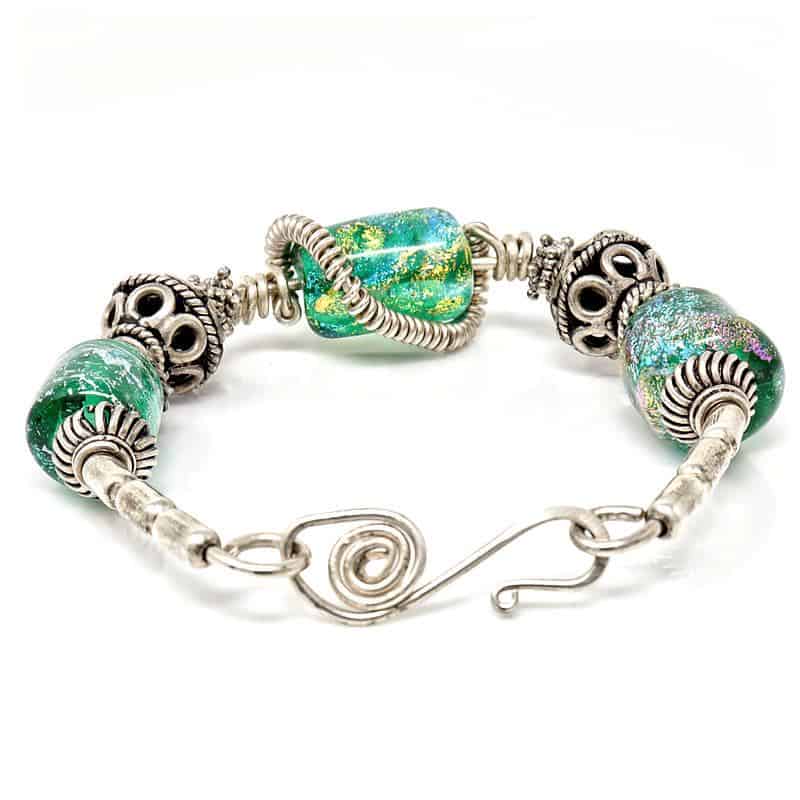
Like other gemstones, the emerald was believed to have many mystical powers that accompanied its beauty.
The oldest emeralds are about 2.97 billion years old.




June Birthstone Alternatives
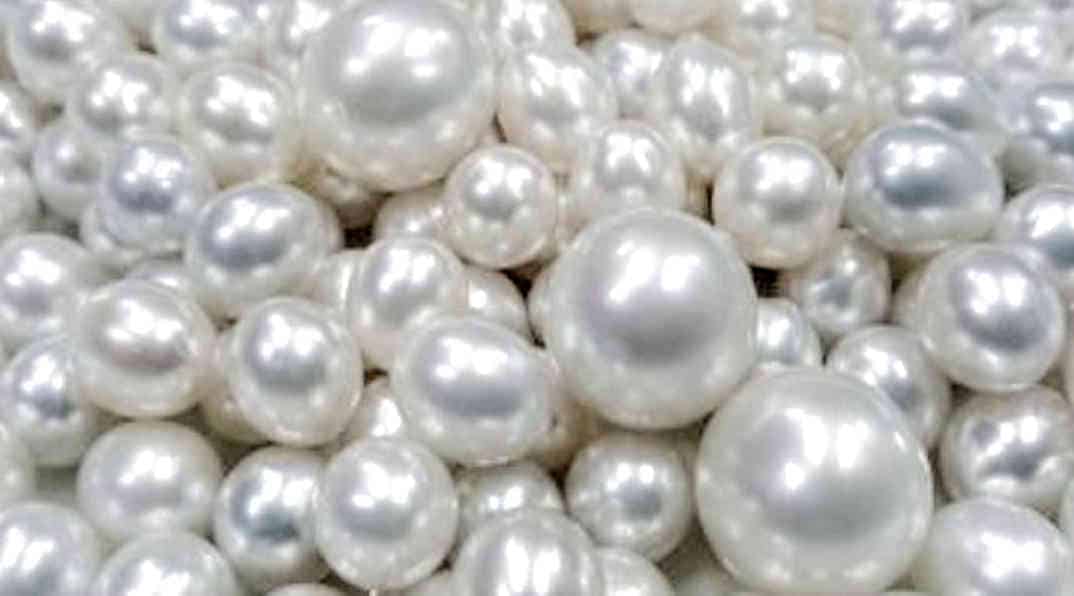
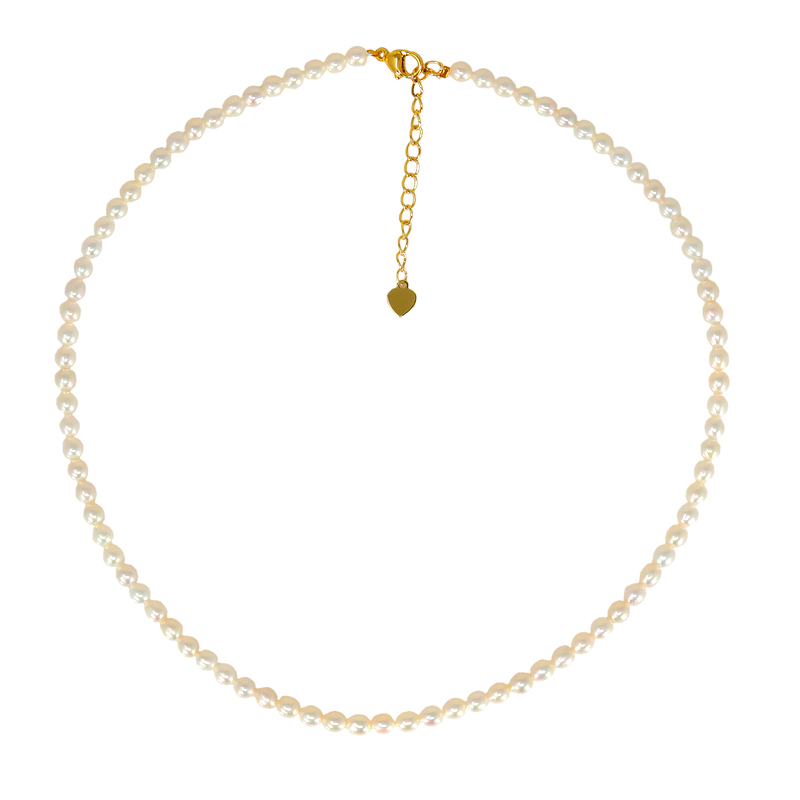
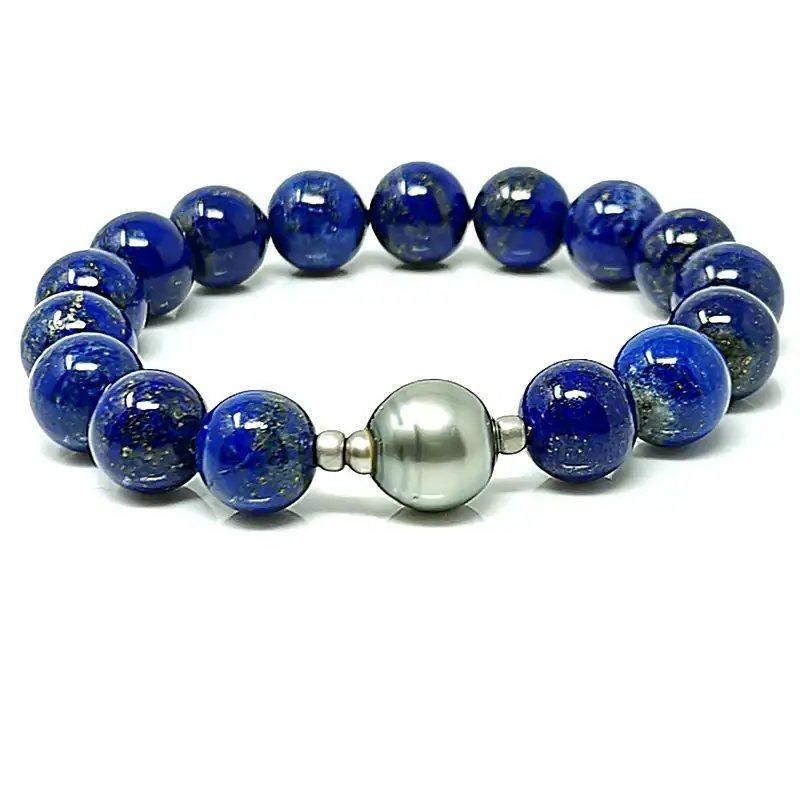
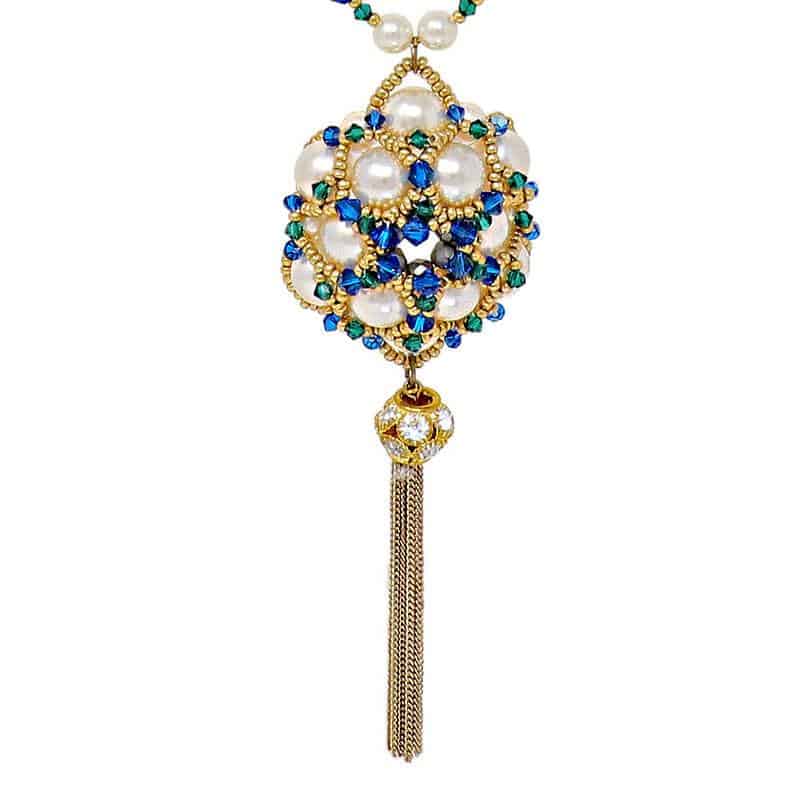
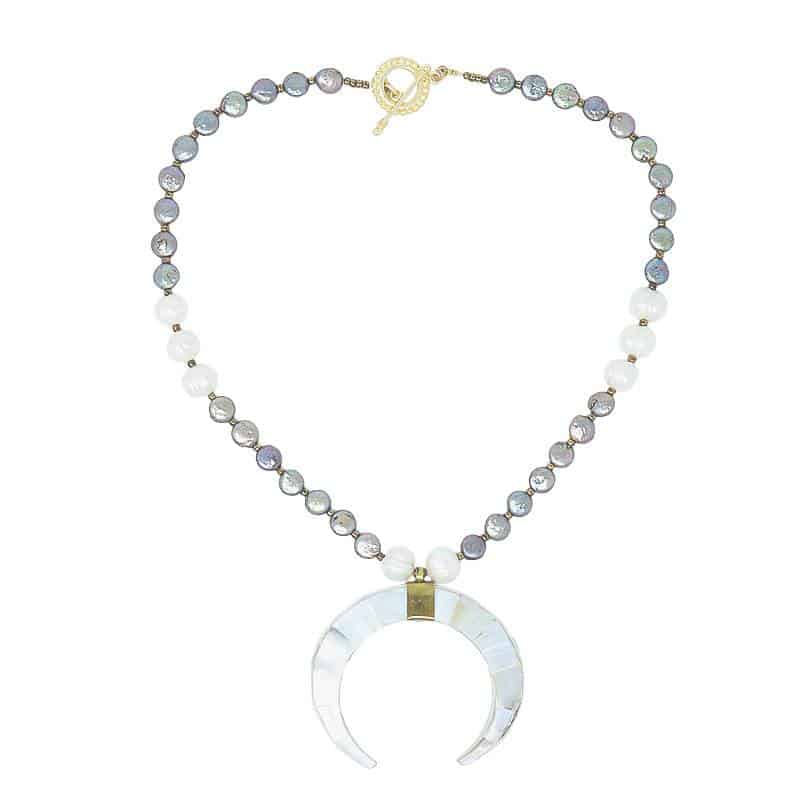
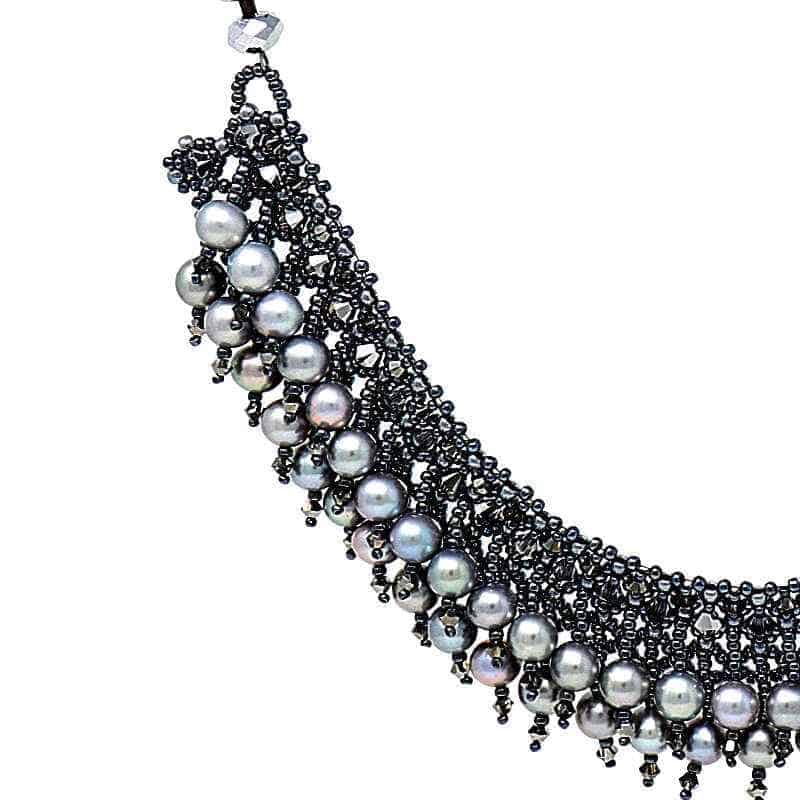
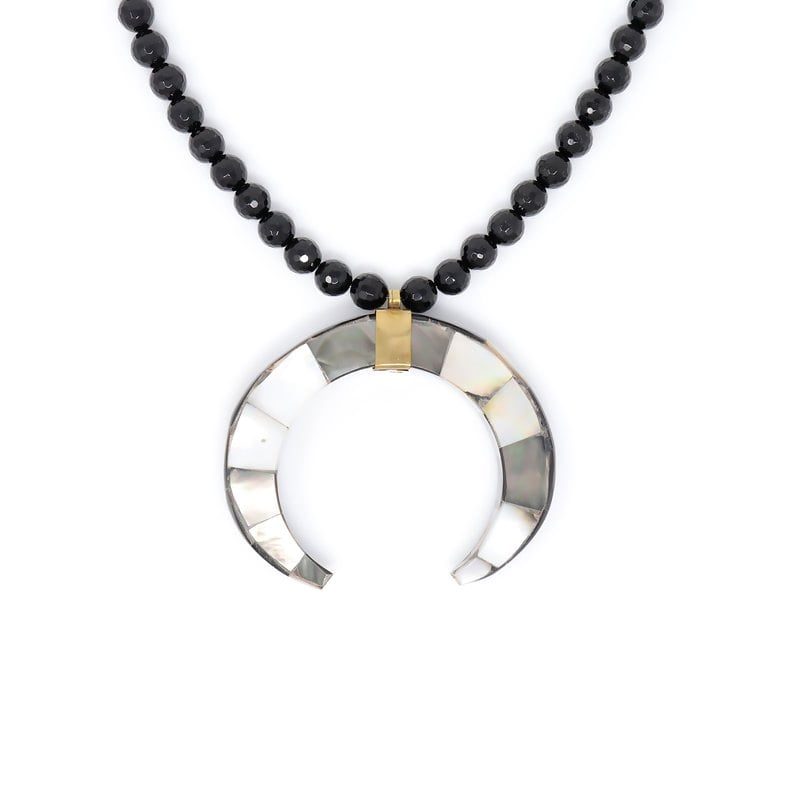
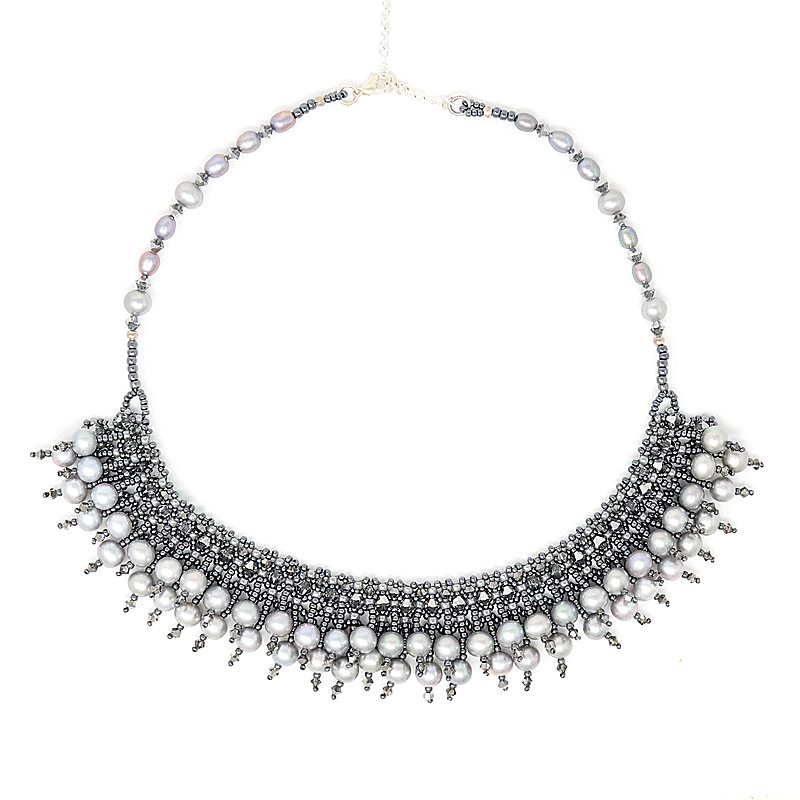
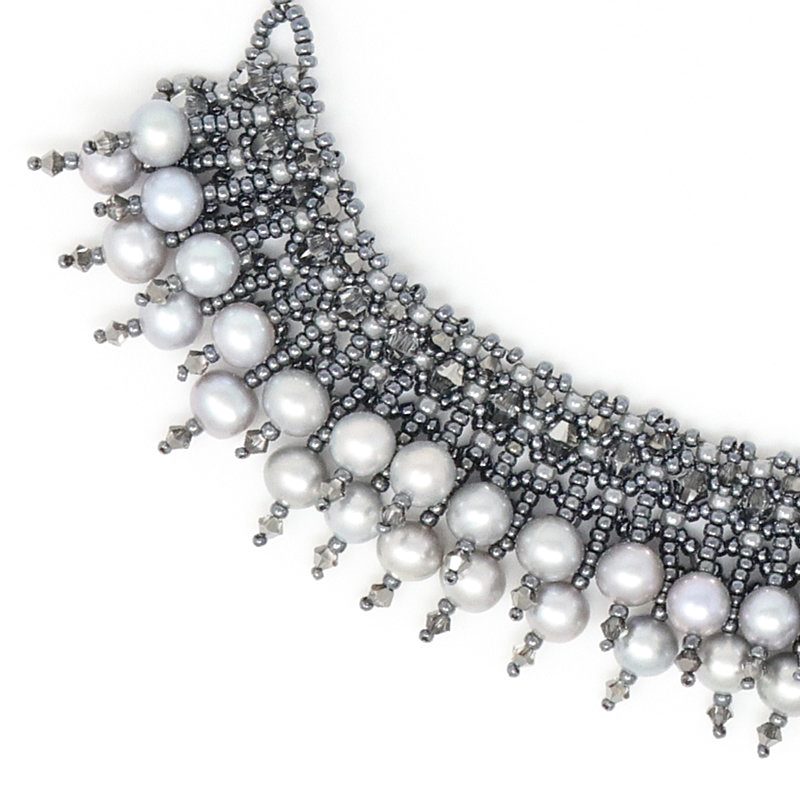
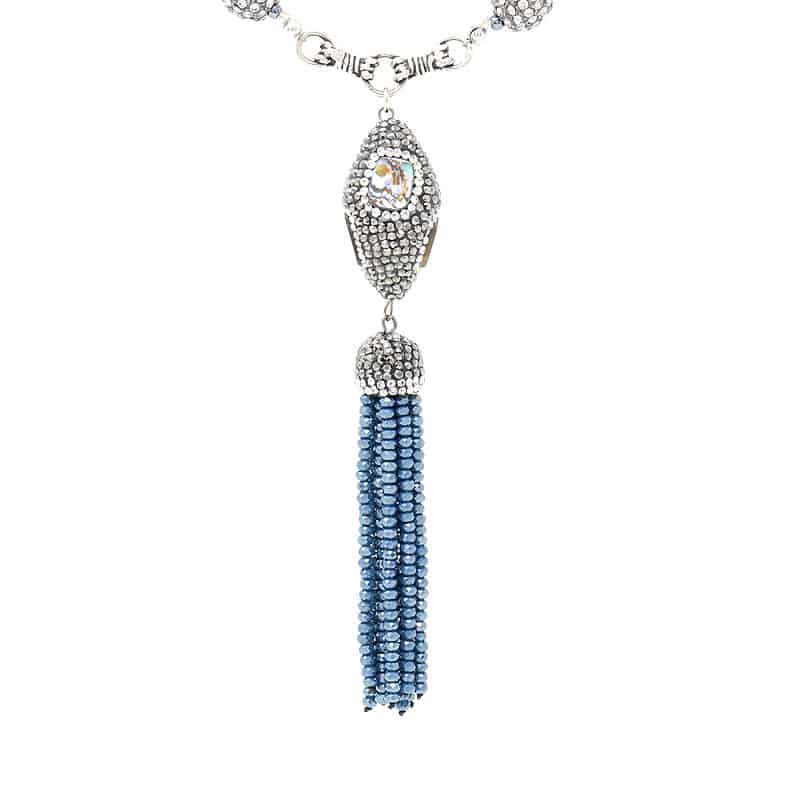
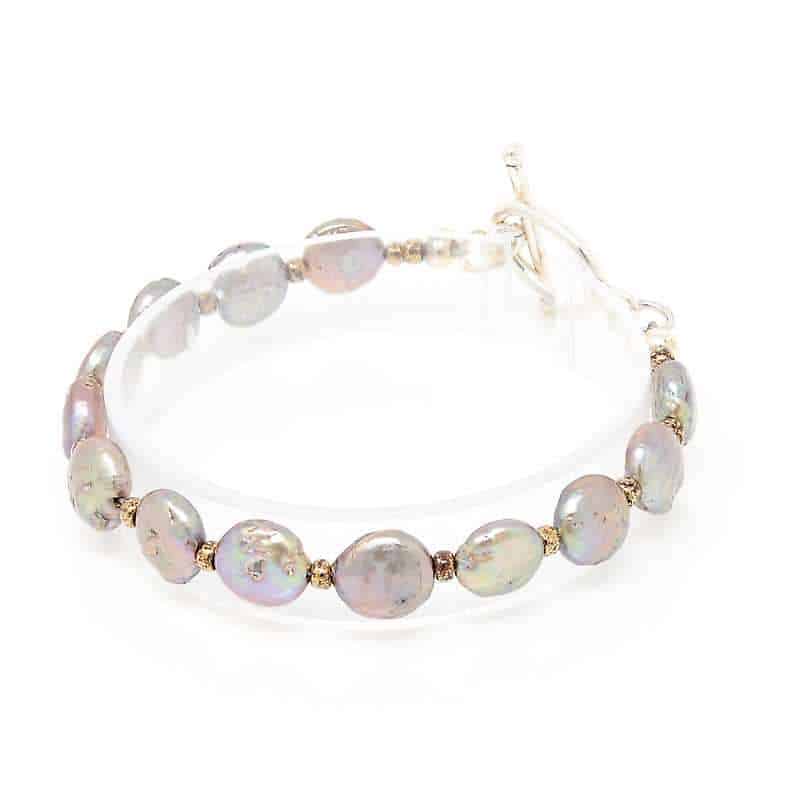
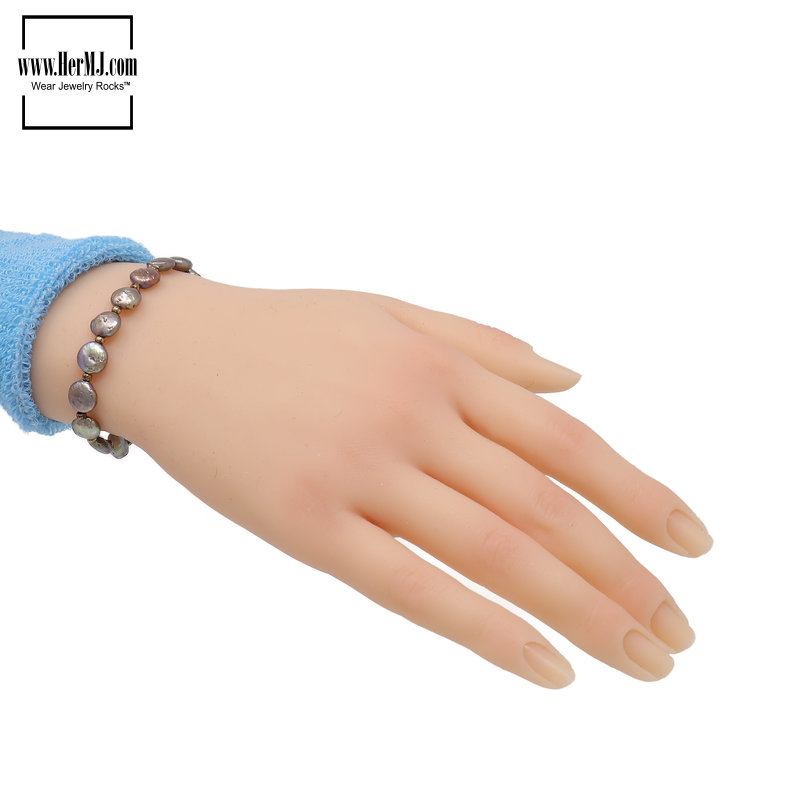
Ancient folktales told that pearls were created from the tears of mythical creatures like mermaids and nymphs.
Historically pearls were prized for the symbolic wisdom they represented.
-

-

-


-


-
Pearl And Aquamarine Necklace
From $68.00Select options This product has multiple variants. The options may be chosen on the product page -


-


-

-
-

-

-


-


-
-


-


-

-
-

-

-
-


-

-
-


-

-


-
-


-


-
-

-

-
-
-
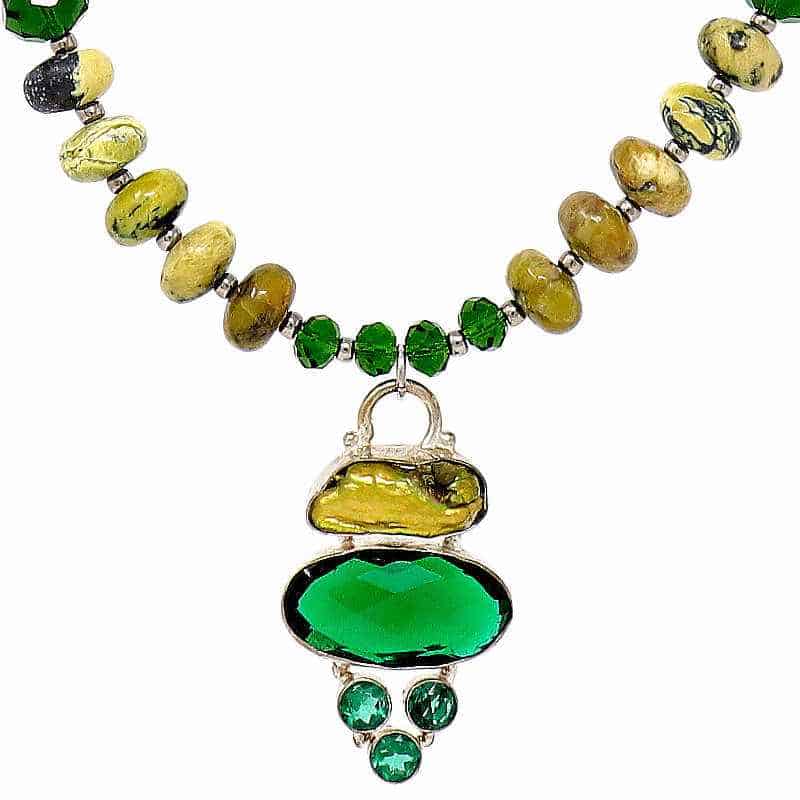
July Birthstone Alternatives
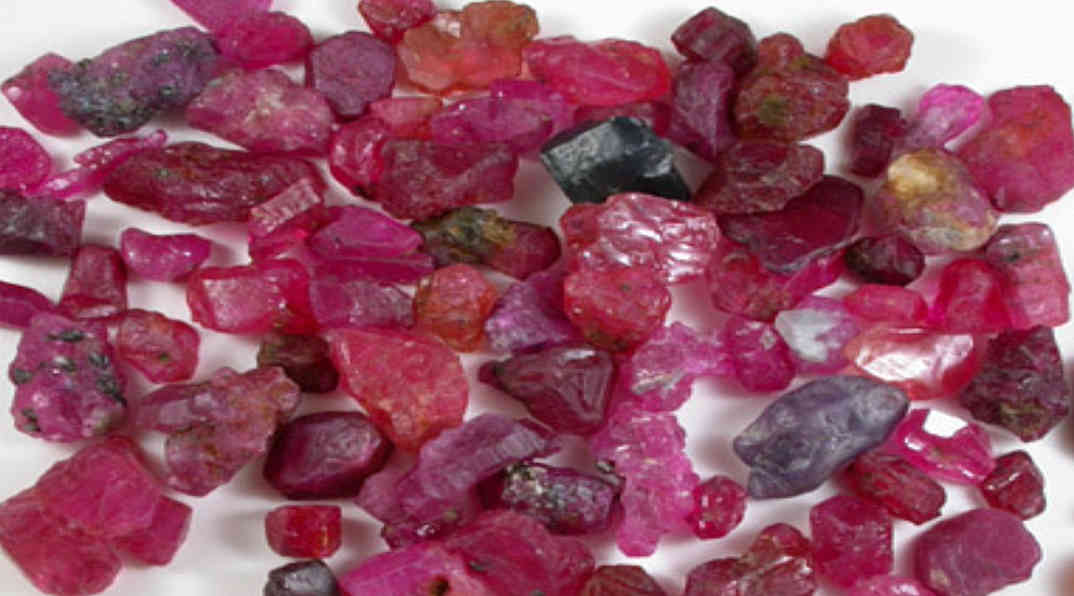
Records suggest that rubies were traded along China’s North Silk Road as early as 200 B.C. Chinese noblemen adorned their armor with rubies because they believed the gem would grant protection.
Beloved for their strikingly rich red color, symbolic of passion, romance, and excitement.
August Birthstone Alternatives
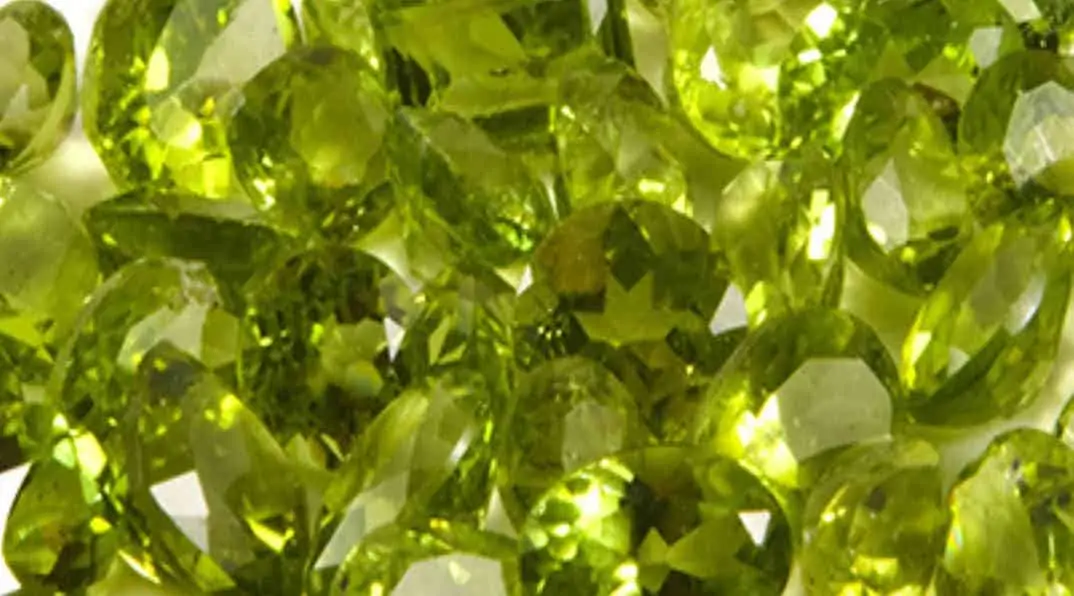
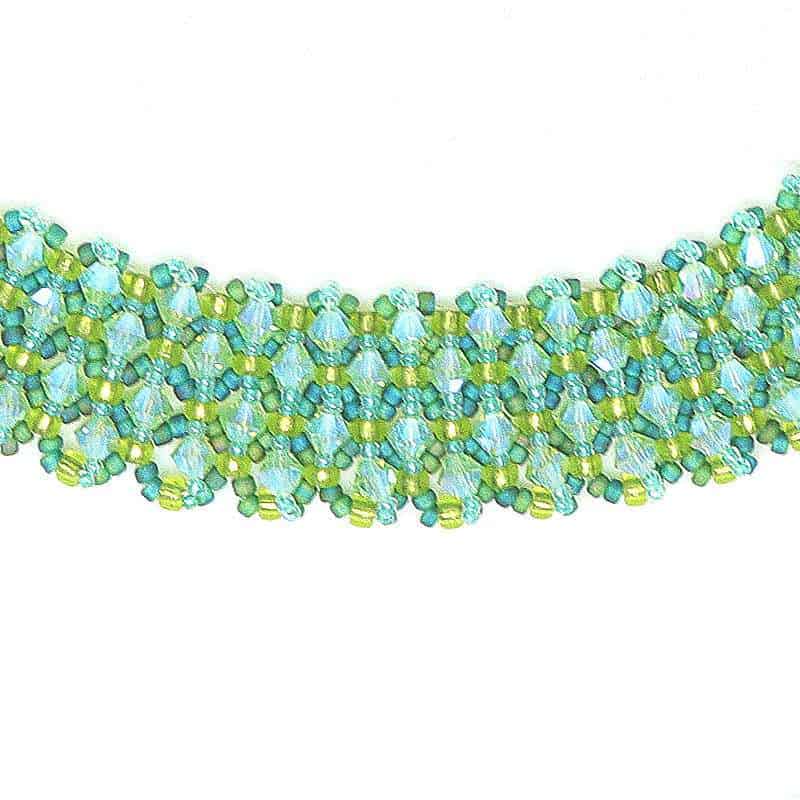
Ancient Egyptians called peridot the “gem of the sun,” believing it protected its wearer from terrors of the night. Egyptian priests believed that it harnessed the power of nature.
Peridot has been considered an “evening emerald” due to its shimmer even under nighttime candlelight.


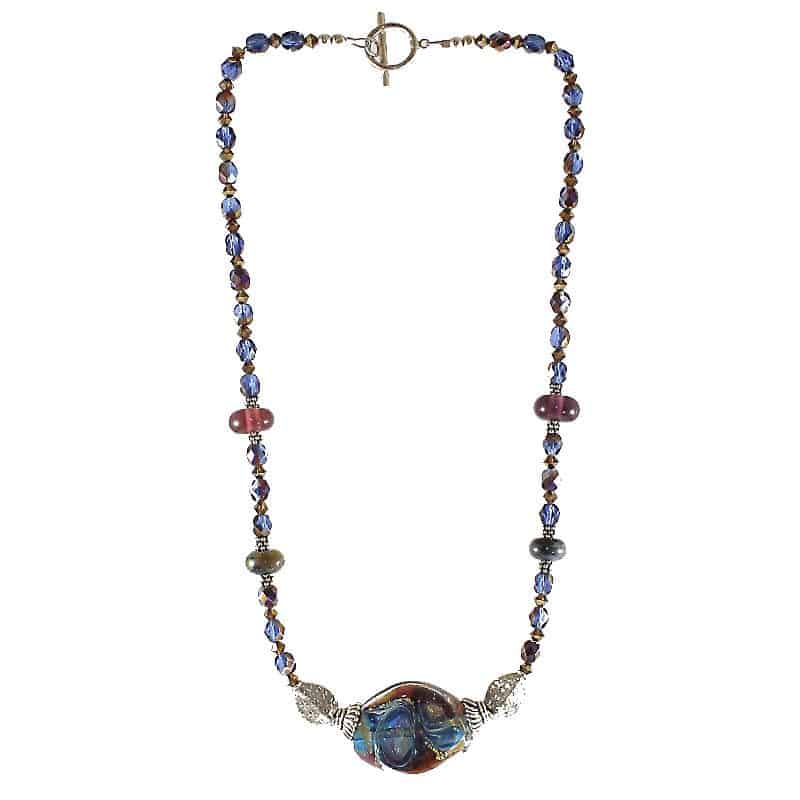
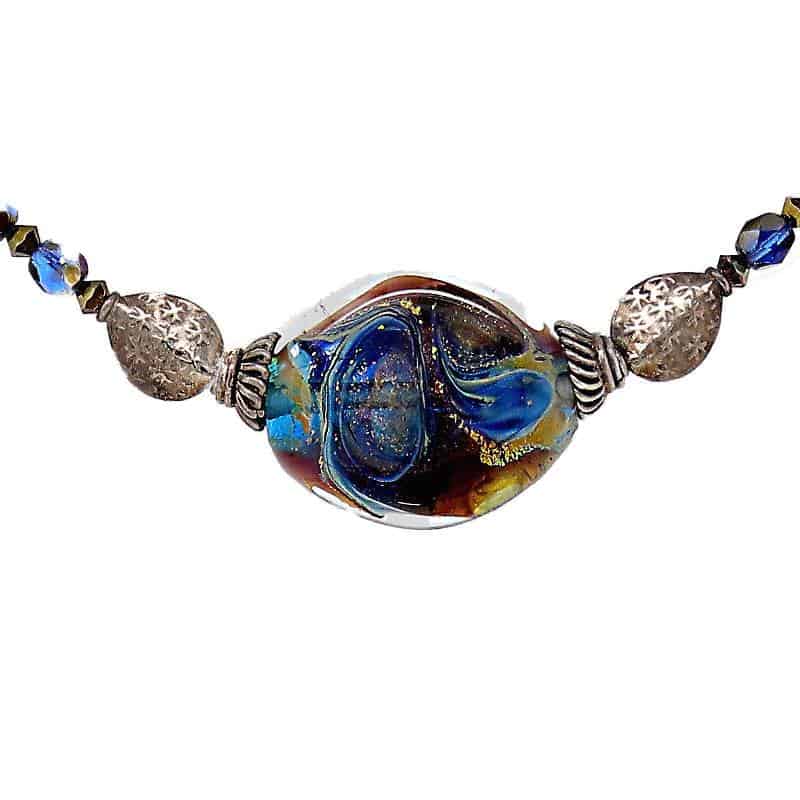
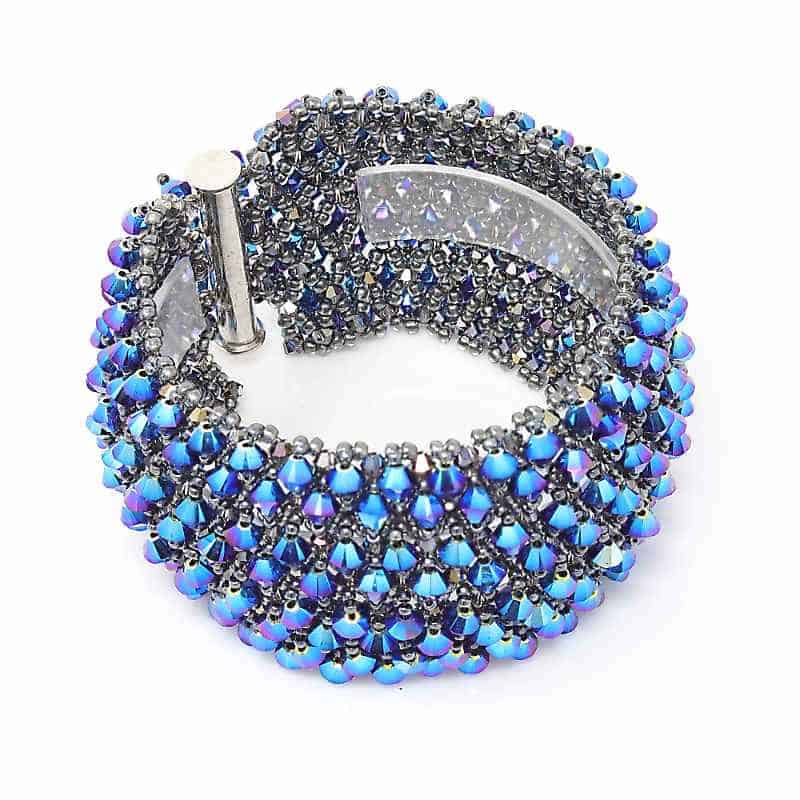
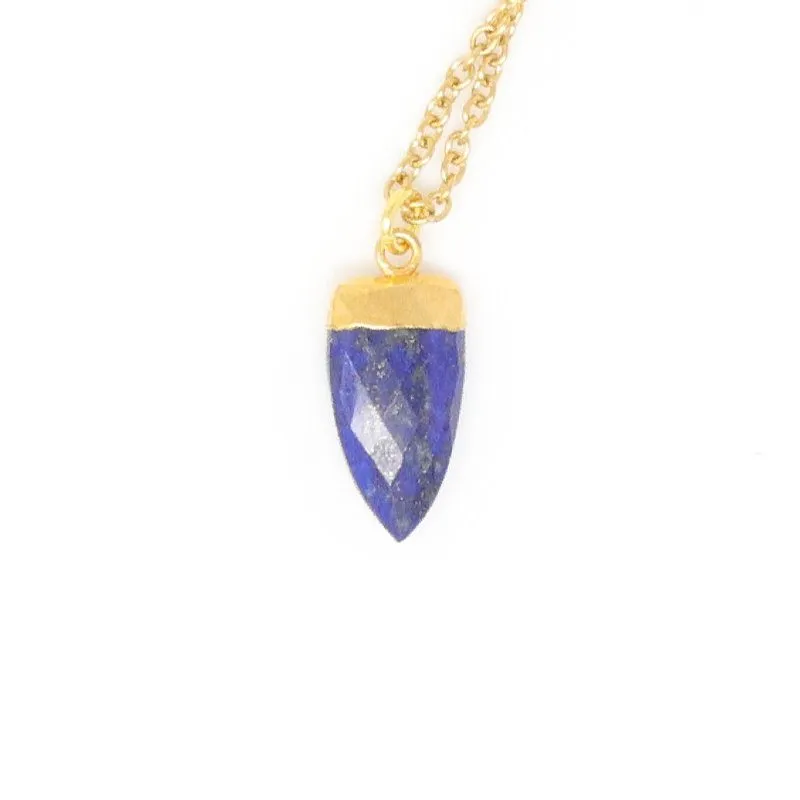
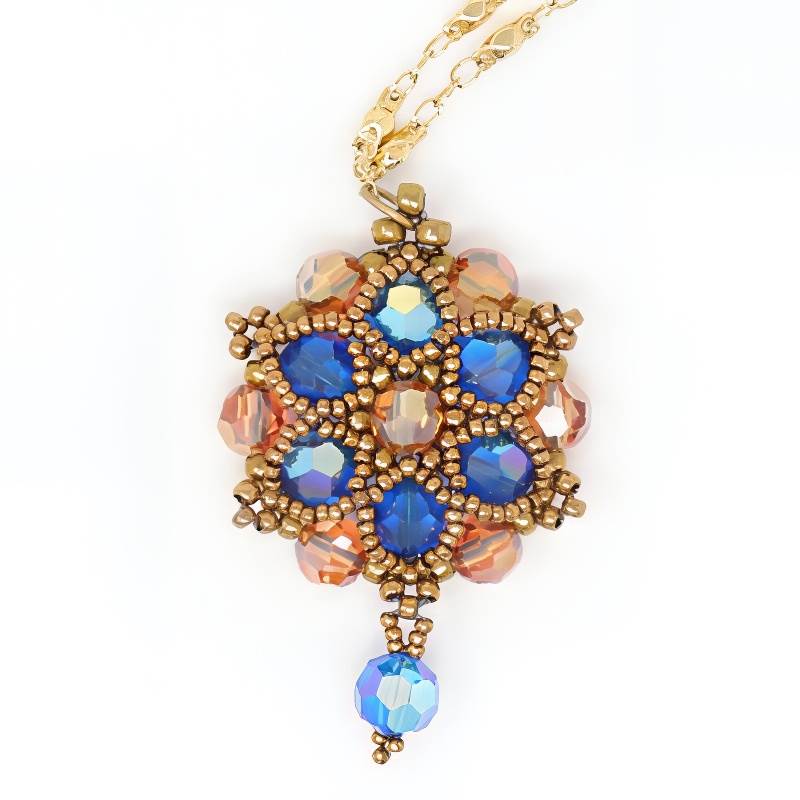
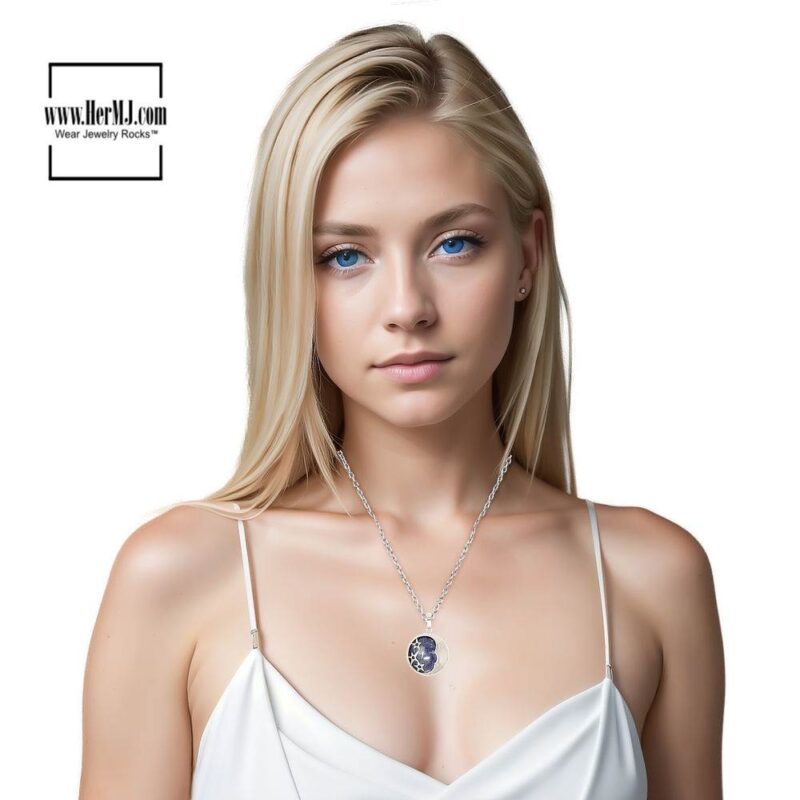
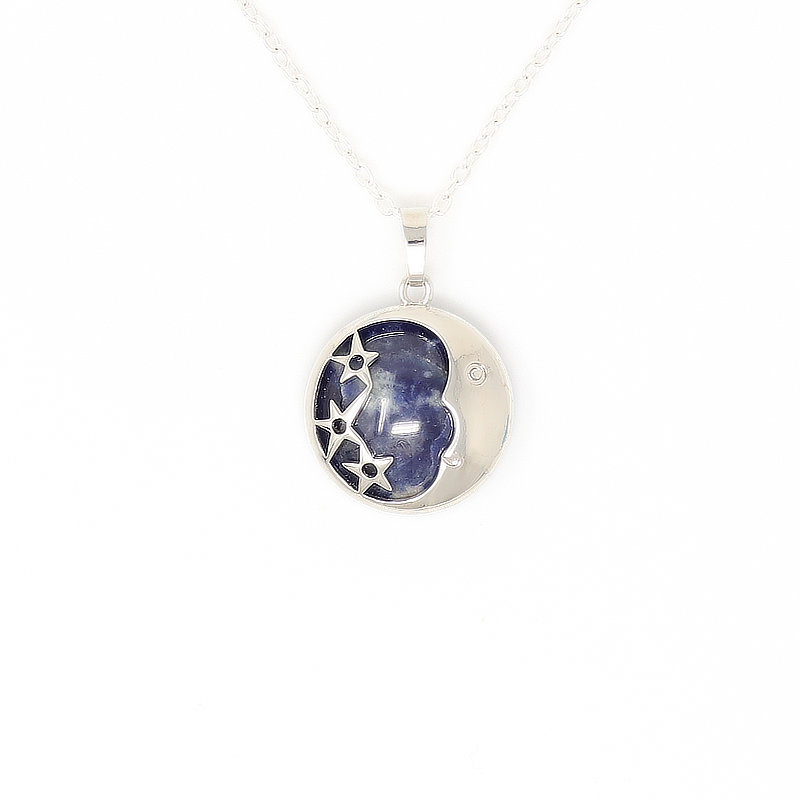
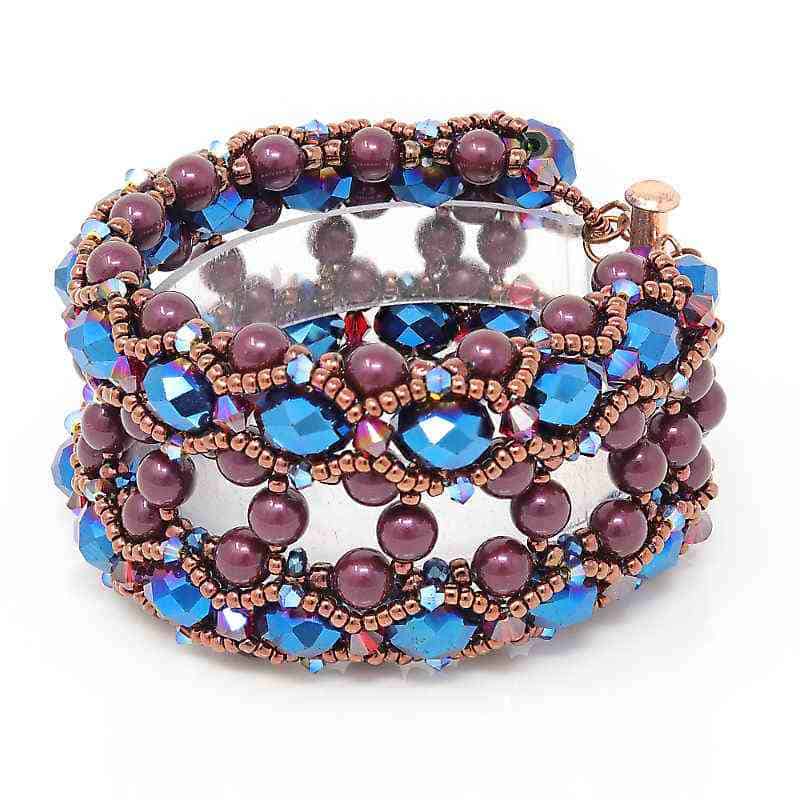
September Birthstone Alternatives
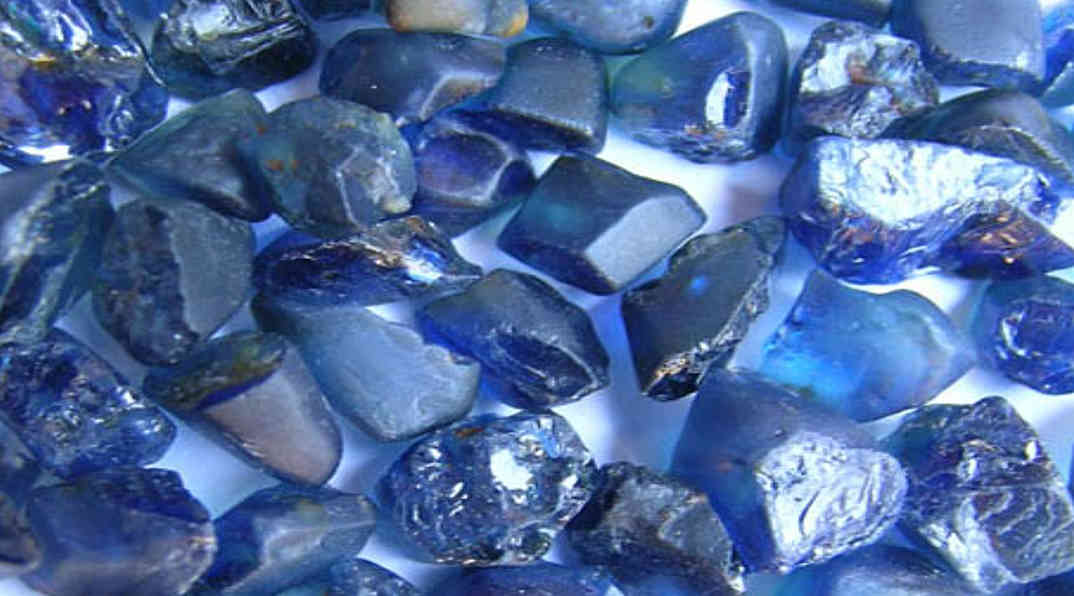
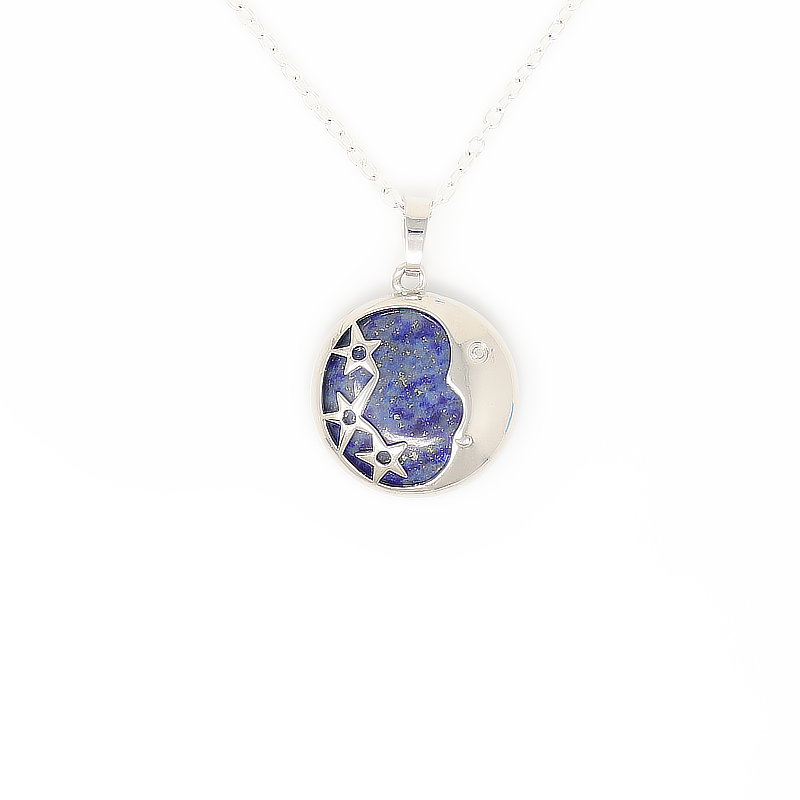
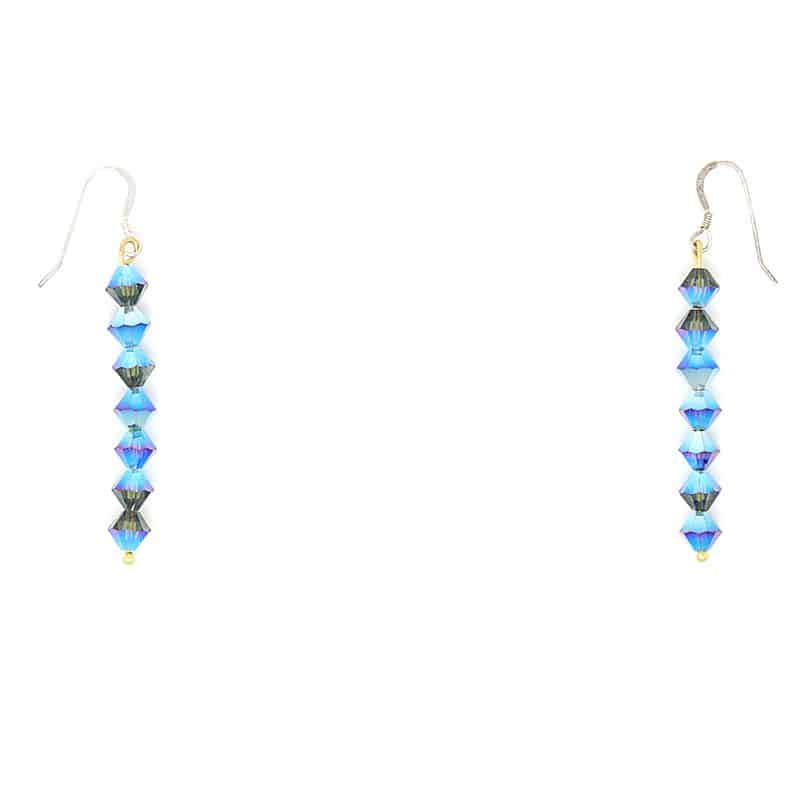
Classical violet-blue sapphires traditionally came from the Kashmir region of India between the late 19th and early 20th centuries.
Deep blue has long been associated with royalty.









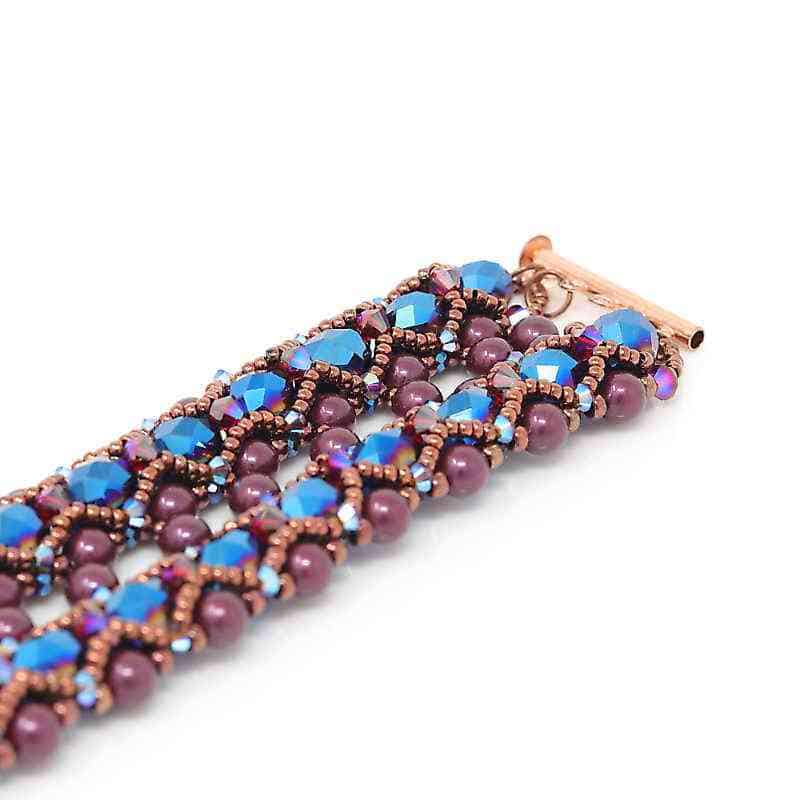
October Birthstone Alternatives
While plenty of tourmaline is mined around the world, it’s rare to find fine gem-quality tourmaline in bright colors. This range of material means that the price of tourmaline can vary almost as much as the color.
Tourmaline can become electrically charged when rubbed or warmed by heat.
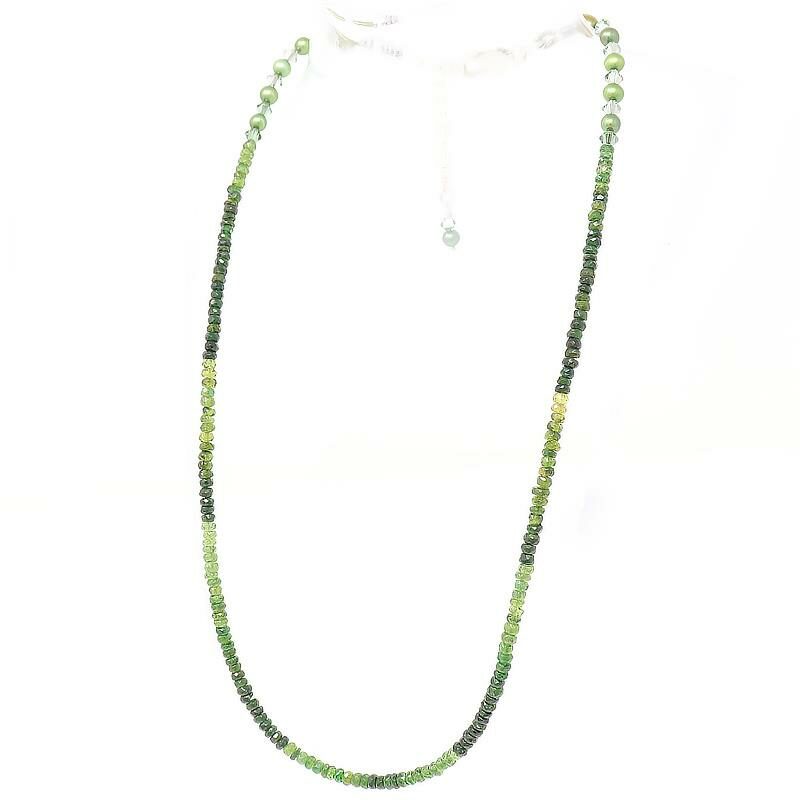
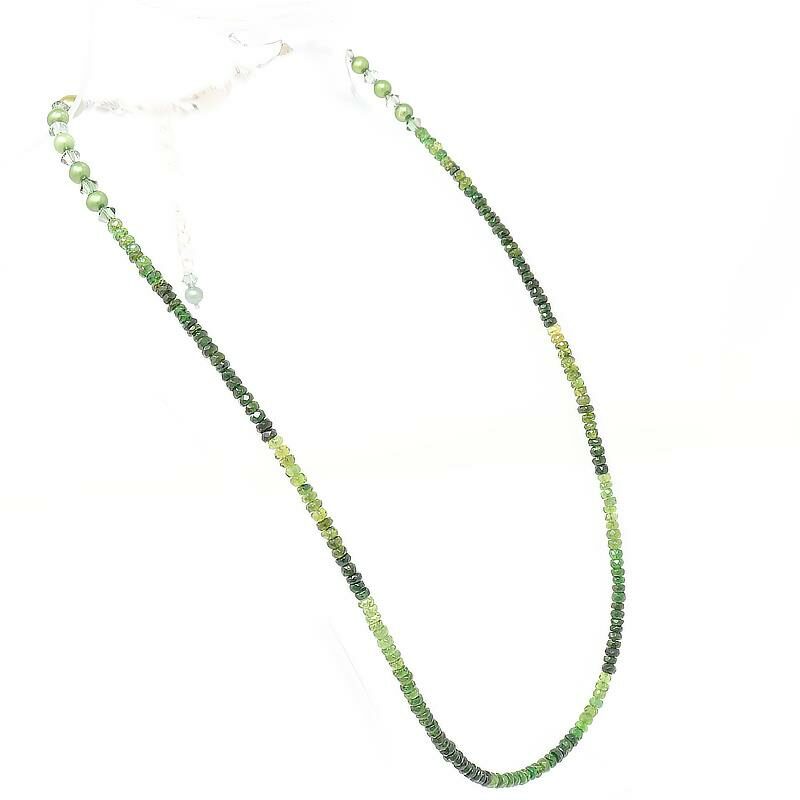
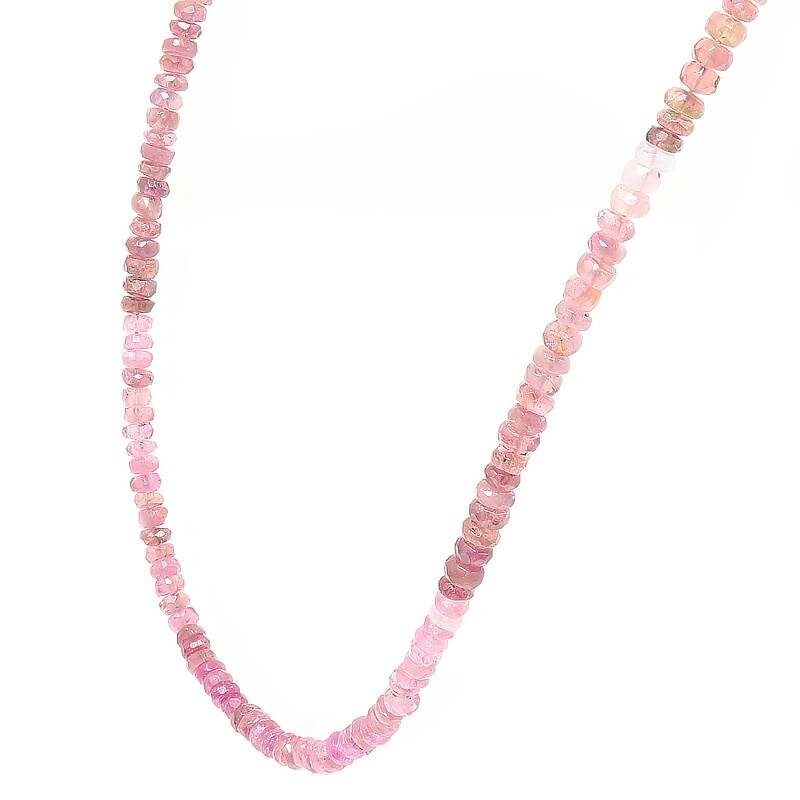


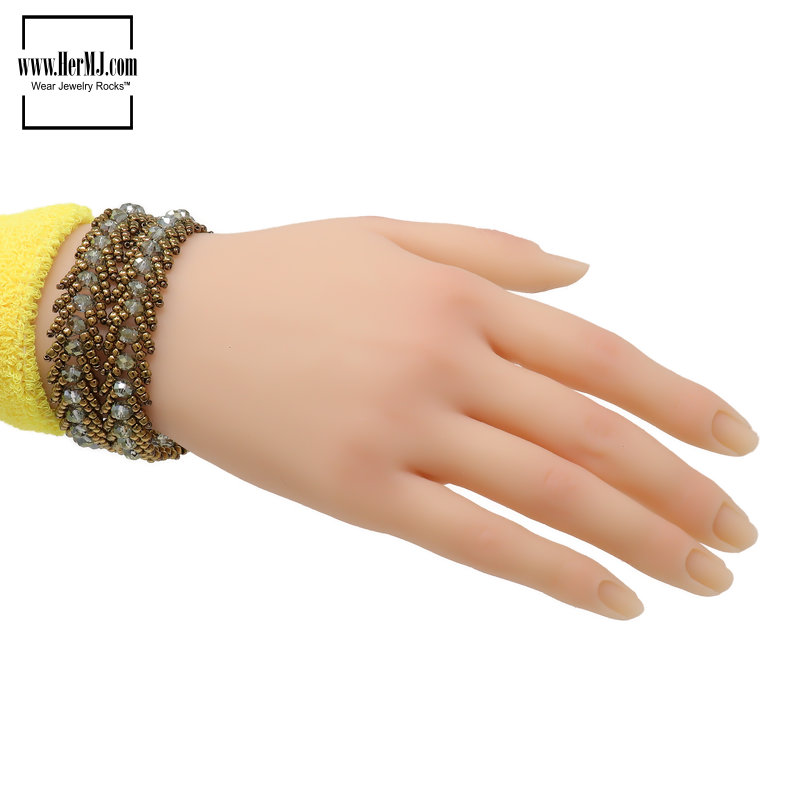
Alternative Birthstone For November
During the Renaissance in Europe, people believed that topaz could break spells and quell anger. Hindus deemed topaz sacred, believing that a pendant could bring wisdom and longevity to one’s life.
Topaz is the traditional gem for the 4th and 19th marriage anniversaries.
December Birthstone Alternatives
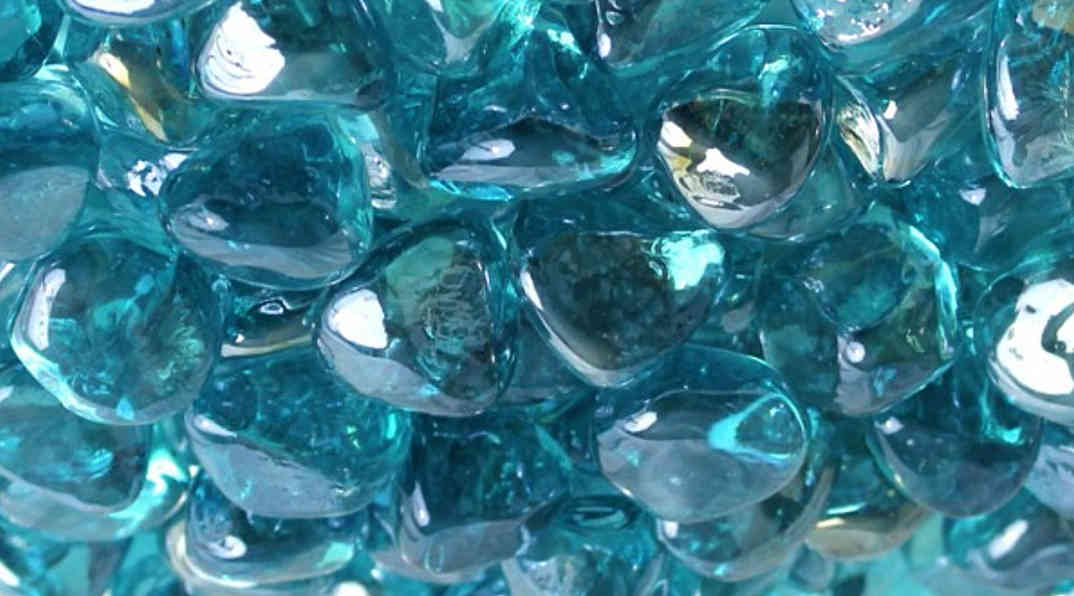
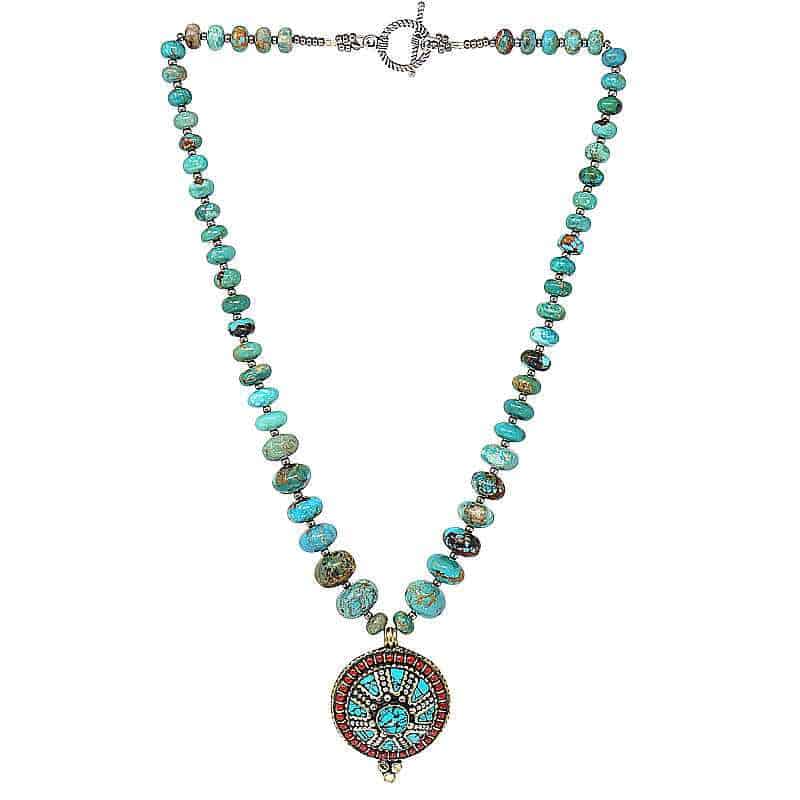
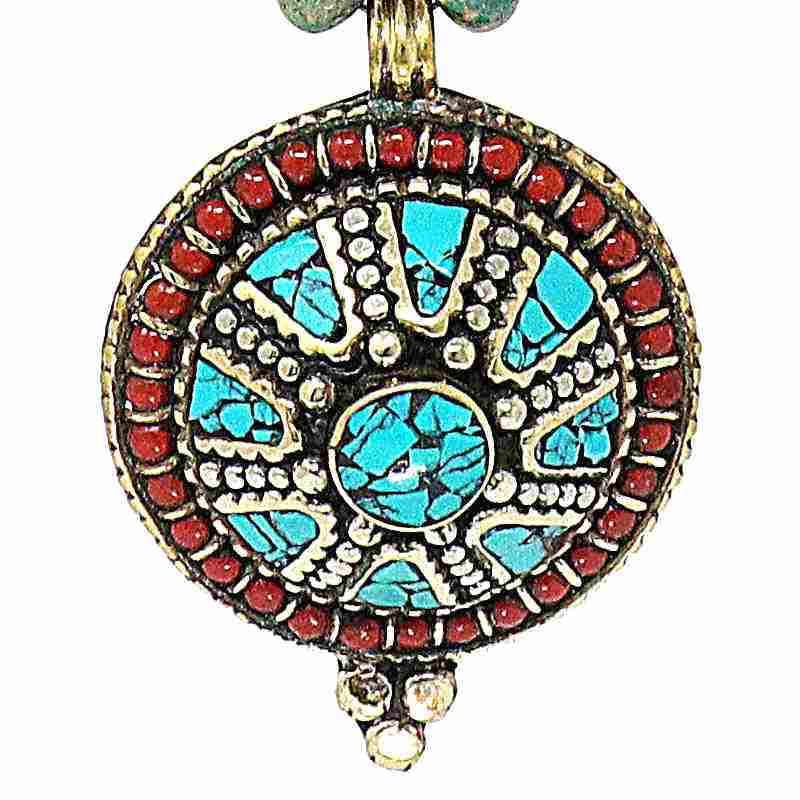
Turquoise is a bright blue to blue-green mineral that has been used to produce gemstones and small sculptures for over 6000 years.
Its range of color varies from green and greenish blue to sky blue shades.


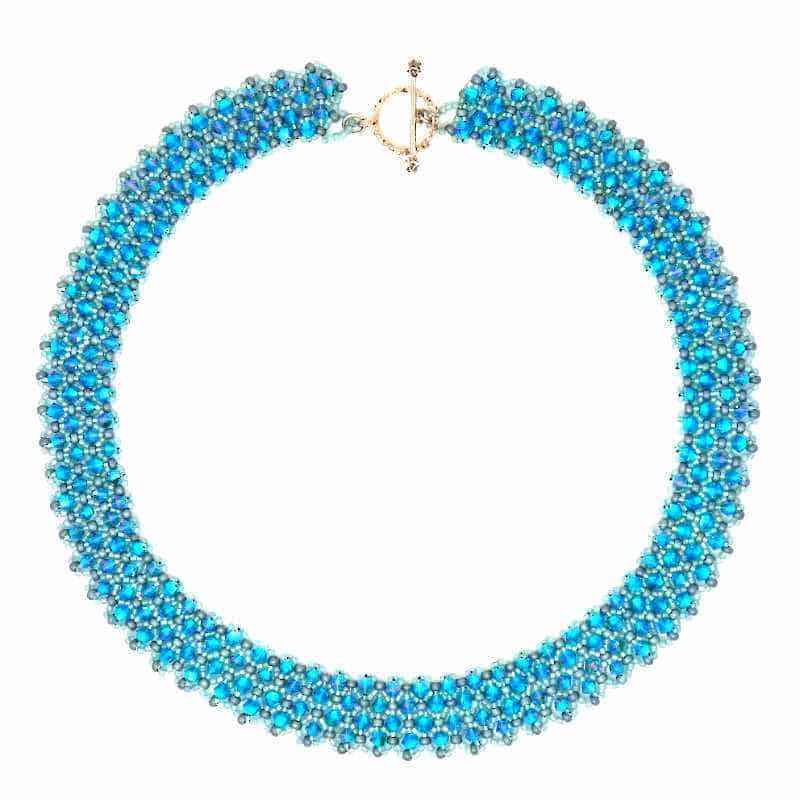
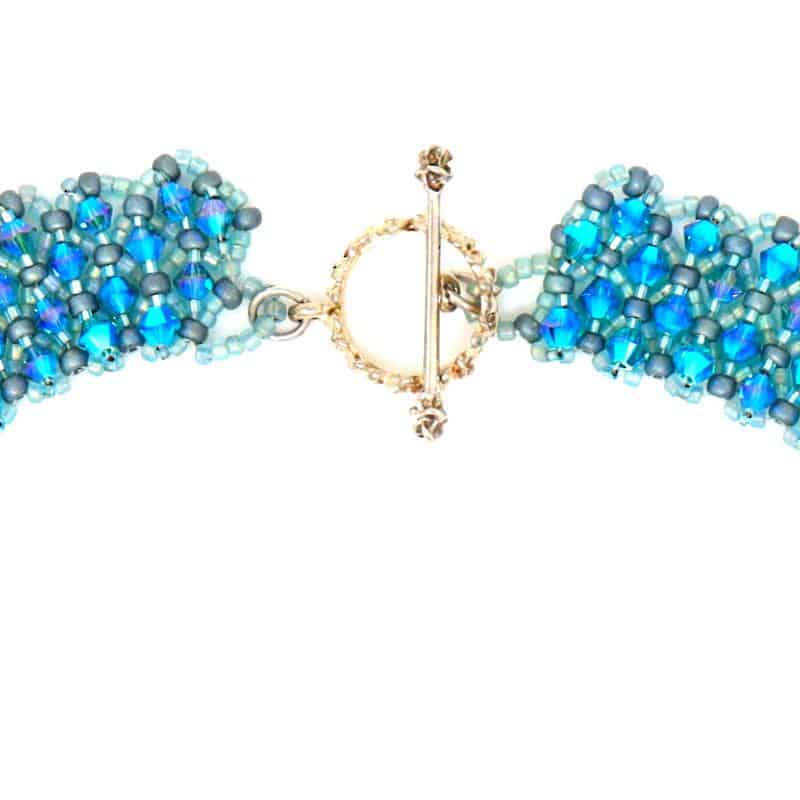
The Evolution of Birthstone Lists Over Time
Birthstone lists have undergone numerous changes throughout history, reflecting shifts in cultural preferences and evolving jewelry standards. Initially, various countries and cultures developed their own unique lists based on local traditions and beliefs.
In the first century, a Jewish historian proposed that the stones in Aaron’s breastplate corresponded to different months, which gave rise to the Hebrew birthstone list. This early attempt to associate gemstones with months laid the groundwork for future birthstone lists.
As gemstone popularity and availability changed, so did the lists. Notably, in 1912, the American National Retail Jewelers Association—now known as Jewelers of America—sought to standardize the use of birthstones. They adopted a standardized list that many people recognize today. However, even this modern list has seen updates over time.
For example, the birthstones for June have undergone significant changes. From the 15th to the 20th century, June’s stones were cat’s eye, turquoise, and agate. By 2016, these had been updated to pearl, moonstone, and alexandrite, reflecting changes in gemstone availability and consumer preferences.
This evolution demonstrates that birthstone lists are not static; they adapt in response to cultural trends, discoveries of new gemstones, and shifts in market demand.
Historical Traditions That Influenced Birthstone Lists
Birthstone lists have been shaped by diverse cultural and historical influences, resulting in various versions over time. Here are some key traditions that have played a significant role:
Ancient Traditions: A link between the gemstones in Aaron’s breastplate, described in religious texts, and the months of the year gave rise to the Hebrew birthstone list, associating specific stones with each month.
Cultural Customs: Different countries have developed their own birthstone charts based on local customs and beliefs. These lists reflect the unique cultural values and traditions of each region.
Standardization Efforts: To create a more uniform birthstone list, the stones were standardized in 1912, unifying the different traditions into a cohesive list that could be widely accepted and recognized.
Modern Updates: Over the years, the standardized birthstone list has undergone updates to reflect changes in gemstone popularity and availability. Adjustments have been made to ensure the list stays relevant to contemporary tastes and practices.
Each of these historical traditions contributes to the diversity and richness of birthstone lists we see today, illustrating the blend of ancient beliefs and today’s popularity.