



Can Pearls Get Wet? 4 Real Life Fixes From a Designer
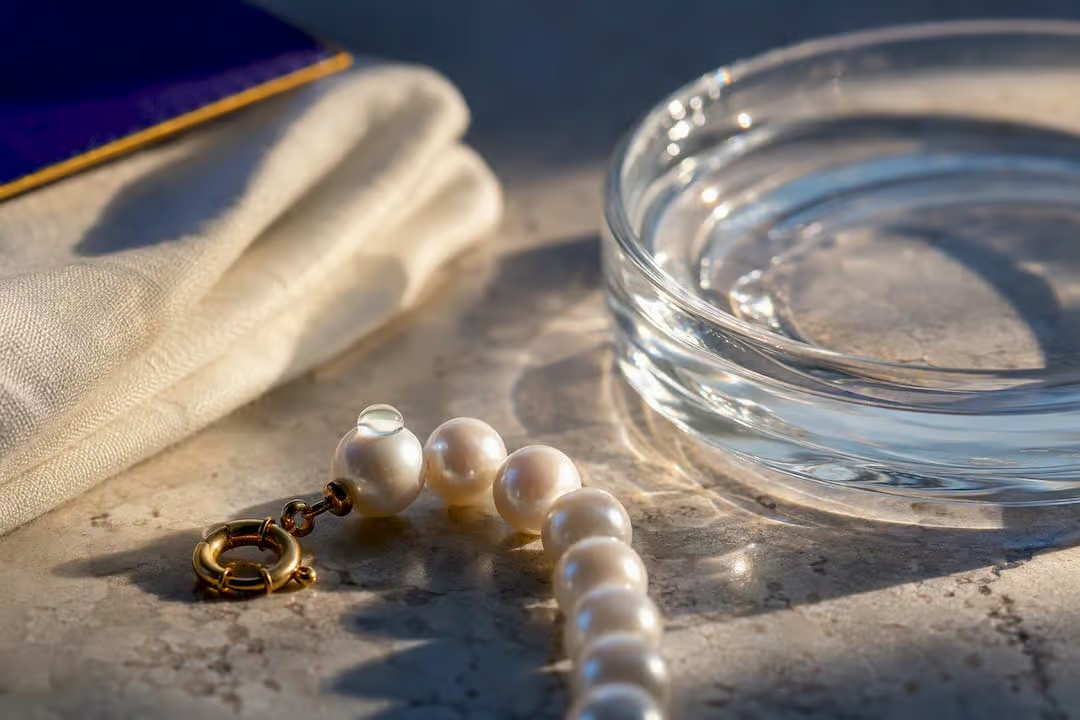
Pearls are not waterproof, but a quick splash won’t ruin them. The real danger is repeated or prolonged exposure to water, especially water carrying chlorine, salt, or soap, which wears down the nacre and weakens the silk thread inside a strand.
If your pearls get wet, the fix is simple: take them off before you shower or swim, and if they do get wet, dry them flat right away and give them a quick once-over.
The Edit
- Water exposure from pools, saltwater, or soap residue can weaken pearl nacre and damage the silk thread if not promptly rinsed and dried.
- Chlorine, salt, and soap residue are the main threats, not simply water, making careful rinsing essential after exposure in high-risk situations like swimming or showering.
- Always wipe pearls with a soft cloth after wear, never soak them, and avoid ultrasonic cleaners to prevent erosion of the porous nacre surface.
- Wet silk threads stretch and weaken over time, increasing the risk of strand breakage; signs like sagging or loose knots indicate it’s time for restringing.
- Proper storage, including laying strands flat and avoiding humid environments, helps preserve pearl quality and prolongs their lifespan.
Why Pearls React to Water in the First Place
Pearls are organic gems, grown in layers rather than cut from stone. Each pearl builds up from thin sheets of calcium carbonate held together by a natural protein called conchiolin; the layered structure is called nacre. It’s what gives pearls their soft glow, but it also makes them porous.
A living mollusk keeps its pearl bathed in a controlled environment. Once that pearl is drilled, strung, and worn as jewelry, its nacre is exposed to whatever touches it: pool water, perfume, sweat, and skin oils.
Heat and steam soften the surface even more, letting residue seep between those microscopic layers. Over months and years, that buildup dulls the glow that made you fall for the piece in the first place.
Not All Water Treats Pearls the Same Way
The presence of moisture matters less than what’s dissolved in it. A drop of rain is nothing like a lap in a chlorinated pool, and understanding the difference helps you judge risk instead of panicking every time your pearls touch a sink.
- Chlorinated pool water chemically attacks nacre and can weaken silk thread within a single dip, according to GIA’s pearl care guidance.
- Saltwater leaves mineral deposits behind, and as they dry, salt crystals can be abrasive enough to scratch the surface.
- Soapy shower water traps residue in the pearl’s pores, and the heat from steam helps that residue etch into the nacre over time.
- Sweat carries acids and oils that build up gradually, dulling luster long before you notice any obvious damage.
Jewelry conservators consistently point to chlorine, salt, and soap residue as the three biggest offenders, far more damaging than plain tap water on its own.
What To Do When Pearls Get Wet in Real Life
Most water exposure happens by accident, not by choice. Here’s how to triage the situations you’ll actually run into.
- Caught in light rain or a quick splash? Blot with a soft cloth and let them air-dry. This is low-risk and rarely worth worrying about.
- Splashed while washing your hands? Blot gently. Don’t rub. Rubbing pushes water and soap residue deeper into the nacre’s pores.
- Forgot to take them off before a shower? Rinse off any shampoo or soap film with plain water, then lay the piece flat to dry. Showering with pearls regularly is best avoided altogether, since heat and suds accelerate wear.
- Wore them swimming in a pool or ocean? This is the highest-risk scenario. Rinse with fresh water as soon as you can, dry flat, and check the thread for stretching once it’s dry.
Cleaning and Drying Pearls Without Causing Damage
Here’s my golden rule, and it’s worth writing down somewhere you’ll see it: never soak or submerge pearls, and never let them near an ultrasonic or steam cleaner.
Those tools are made for diamonds and metal, not for an organic gem with a porous surface. Jewelers Mutual recommends sticking to a soft, lint-free cloth for routine wiping, which handles the vast majority of everyday grime.
If a piece needs more than a wipe, dampen the cloth with plain water or a very small drop of fragrance-free mild soap. Keep moisture away from the drill holes, where water tends to linger and do the most damage.
- Wipe pearls with a soft cloth after every wear, not just when they look dull.
- Lay strung pieces flat to dry. Never hang them; gravity will do the rest of the damage for you.
- Skip the hair dryer and the sunny windowsill. Air-dry at room temperature instead.
- Book a professional cleaning and inspection if a piece has visible discoloration or has been exposed to chemicals.
Pro Tip: Keep a designated soft cloth just for your pearls in your jewelry box. Wiping them down takes ten seconds, and it’s the single habit that does the most to slow down dulling.
What Wetting Does to the Silk Thread Holding Your Strand Together
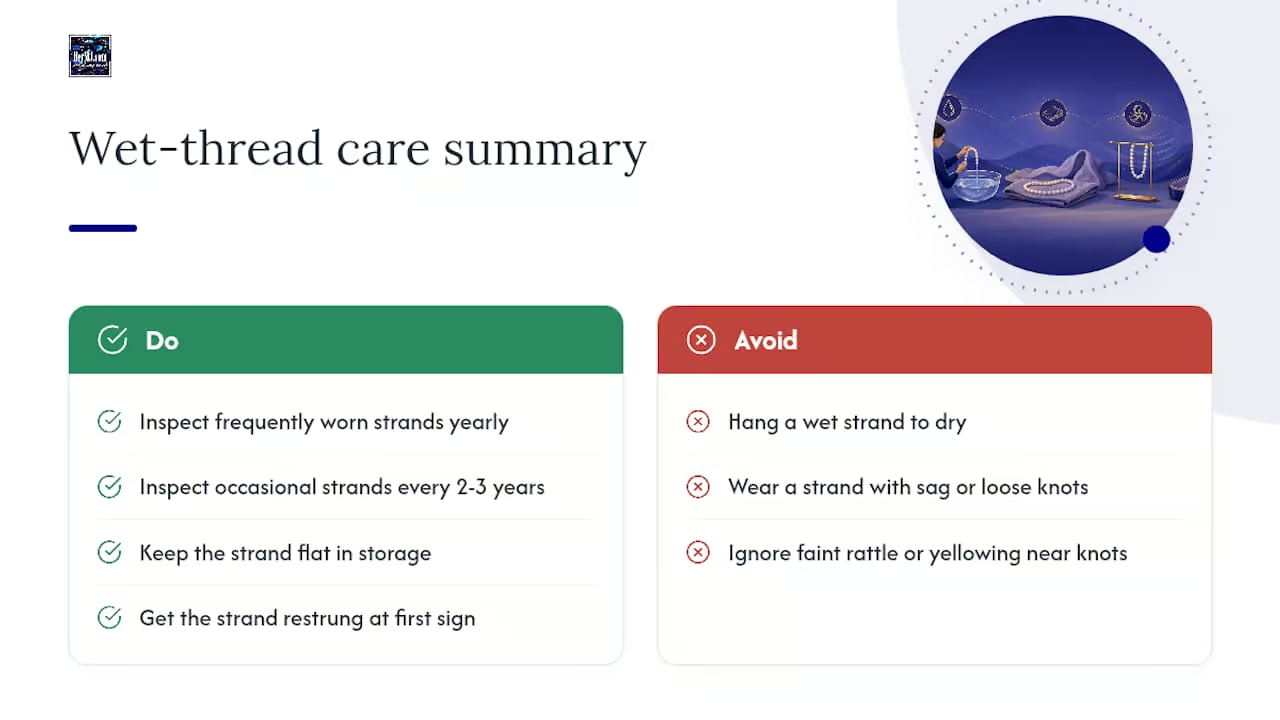
The nacre isn’t the only vulnerable part of a pearl necklace. Silk thread absorbs moisture and stretches when wet, and if you hang a wet strand to dry, gravity pulls that stretch into a permanent problem. That’s one of the most common and most preventable causes of a strand snapping mid-wear.
Watch for sagging pearls that no longer sit snug against each other, a faint rattle when you shake the strand, yellowing near the knots, or knots that look loose. Any of those signs means it’s time for a restring, not another wear.
Jewelers generally suggest inspecting frequently worn strands once a year, and pieces you wear occasionally every two to three years. Until you get it restrung, keep the strand flat in storage and skip wearing it.
Storage and Daily Habits That Keep Pearls Safe
Small routines matter more than any single big precaution. Put your pearls on last, after perfume, hairspray, and lotion have already dried, and take them off first when you’re winding down for the night.
- Store pearls in a soft pouch or fabric-lined box, never in an airtight plastic bag that traps humidity.
- Keep them separate from harder gems and metals that can scratch the nacre in storage.
- Wear pearls regularly. Oddly enough, pearls kept in a drawer for years can look flatter than ones worn often, since the natural oils from your skin help keep nacre from drying out.
- Skip the bathroom as a storage spot. Steam and humidity swings are exactly what you’re trying to avoid.
A Designer’s Notes on Keeping Freshwater Pearls Looking New
Every piece is finished with an eye toward how it will actually be worn, not just how it photographs. Knot placement and drill-hole quality affect how well a strand tolerates occasional splashes, though good finishing reduces the risk rather than eliminating it entirely.
For step-by-step routines, our guides on cleaning and storing pearls go into more depth on the same habits covered here.
If your pearls have already lost some shine from past exposure, our piece on restoring luster to pearls covers what’s fixable at home and what calls for a professional.
The Gap Between What People Fear and What Actually Damages Pearls
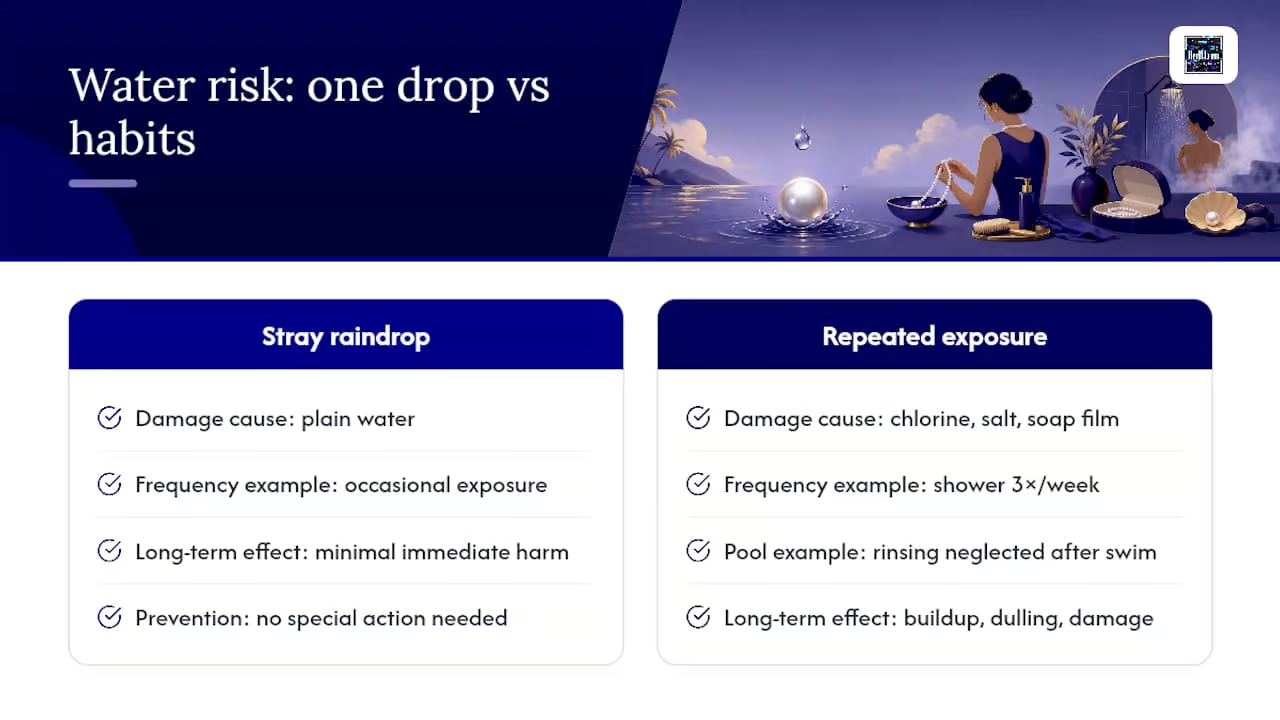
Most of the anxiety around pearls and water is misplaced. Owners worry about a stray raindrop while ignoring the habit that does the real damage: wearing pearls in the shower three times a week or letting a pool day go by without rinsing them off afterward.
The threat isn’t water itself. It’s chlorine, salt, and soap film accumulating quietly over months.
Conventional advice tends to treat pearls like they’re fragile beyond reason, which leads some owners to lock them in a drawer and rarely wear them. That’s its own mistake.
Pearls that sit unworn for years often look flatter and drier than pearls worn regularly and wiped down after. The nuance conventional wisdom misses is that pearls need moderate, cared-for use, not isolation.
If I had to boil this down to one priority, it’s the “last on, first off” habit. It costs nothing, takes ten extra seconds, and prevents more damage over a lifetime of wear than any single expensive cleaning ever will. Get that habit right, and the rest of pearl care becomes maintenance, not damage control.
— Veronique
Handcrafted Freshwater Pearls Built to Handle Real Life
Pearls that are well finished and cared for properly hold up to decades of everyday wear, and that is the design goal of these pieces. Each piece is handcrafted from genuine freshwater pearls with attention to quality and details that determine how well a strand withstands the occasional splash or accidental shower.
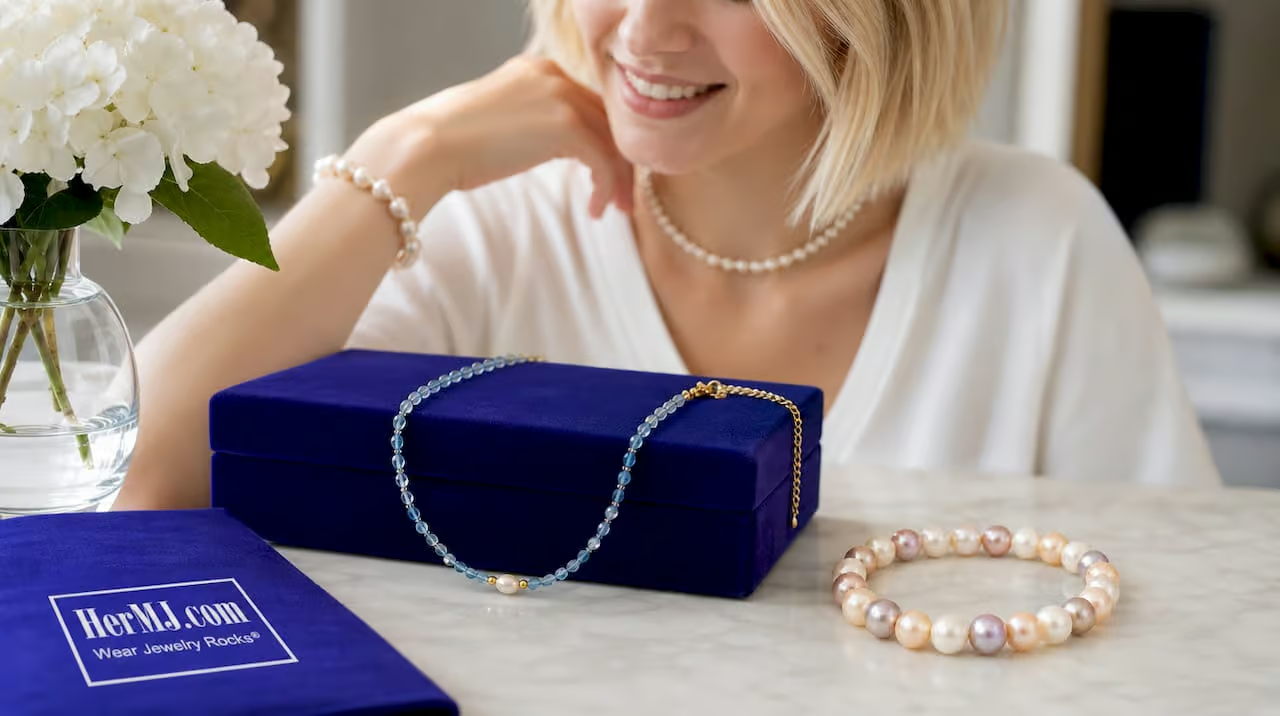
The Pearl and Aquamarine Necklace pairs classic luster with a pop of color for everyday wear or a special occasion. The Elegant Freshwater Pearl Necklace is a simpler, timeless option finished for long-term durability.
For a lighter piece that layers well with other bracelets, the Lustrous Freshwater Pearl Bracelet offers the same careful knotting in a smaller silhouette.
US orders ship free with no minimum, and international orders ship free on orders of $150 or more.
Have a question about sizing or care before you buy? Ask at checkout and browse the full collection to find the piece that fits how you actually live.
Sources
FAQ
Can I Wear Pearls in the Shower?
You shouldn’t. Shower water combines heat, steam, and soap residue, all of which accelerate nacre damage, so it’s best to take pearls off before you step in.
How Can You Tell If a Pearl Is Real?
Real pearls typically feel slightly cool and gritty when rubbed lightly against your teeth, while imitation pearls feel smooth. Imitations are usually made of glass or plastic with a coating that can flake off with repeated exposure to chlorine or salt, even though the core itself doesn’t absorb water the way nacre does.
Can a Pearl Necklace Be Worn Every Day?
Yes, and wearing pearls often actually helps keep the nacre from drying out. Just wipe them down after each wear and have frequently worn strands inspected annually for thread wear.
Why Are Pearls Not Allowed in a Wedding?
There’s no actual rule against wearing pearls at a wedding. The superstition comes from folklore linking pearls to tears, but plenty of brides wear them without issue, so it’s a personal choice rather than a hard rule.
Recommended
- The Truth About Pearl Durability: A Designer’s Guide to Care
- How to Fix Yellowed Pearls: Safe Home Methods That Work
- Wipe Pearls After Every Wear: How to Clean Pearls Safely
- Do Pearls Lose Their Luster If Not worn? Restore Their Shine