


Mother of Pearl Nacre Benefits: 50 Shades Of Pearl Jewelry
Discovering Mother of Pearl Benefits and the Role of Nacre in Jewelry
Mother of pearl, scientifically known as nacre, remains a cornerstone of luxury jewelry design in 2026.
While fashion trends shift rapidly, the material properties of nacre offer enduring value for designers and collectors alike. This guide examines what makes this organic gemstone unique, from its microscopic structure to its role in contemporary sustainable design.
The Science of Nacre: A Natural Composite
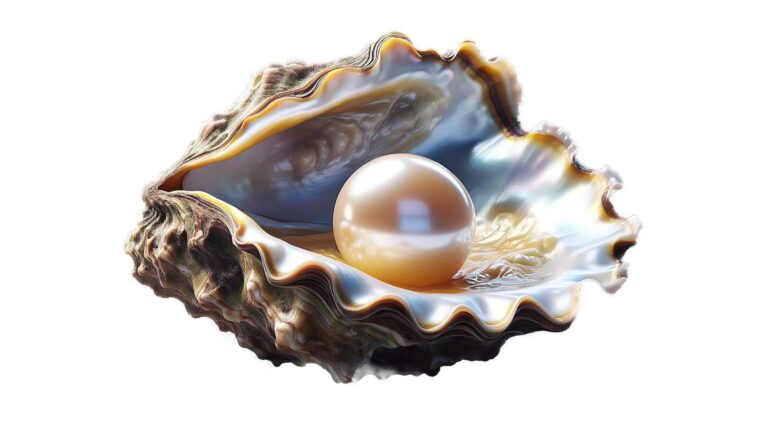
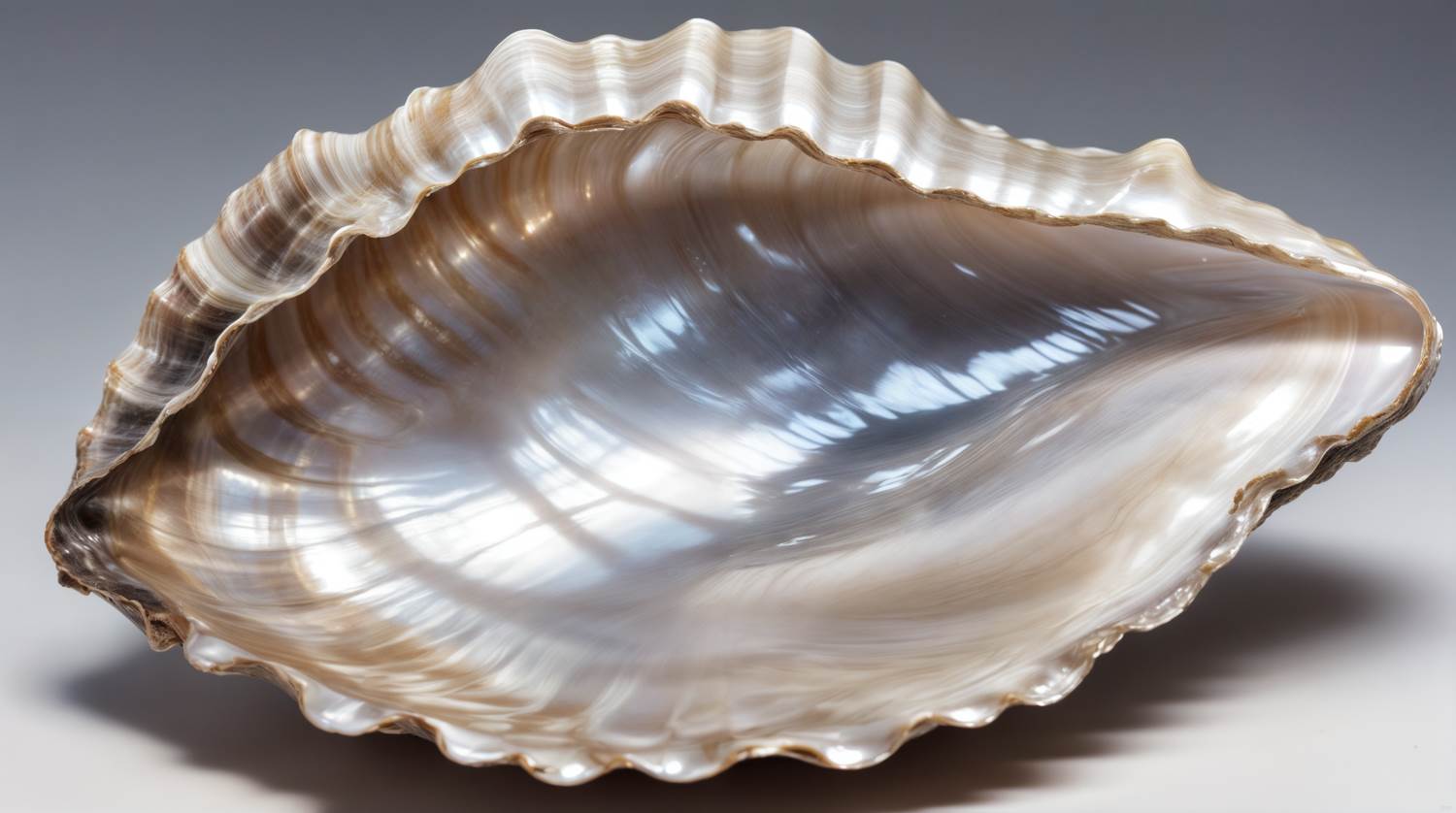
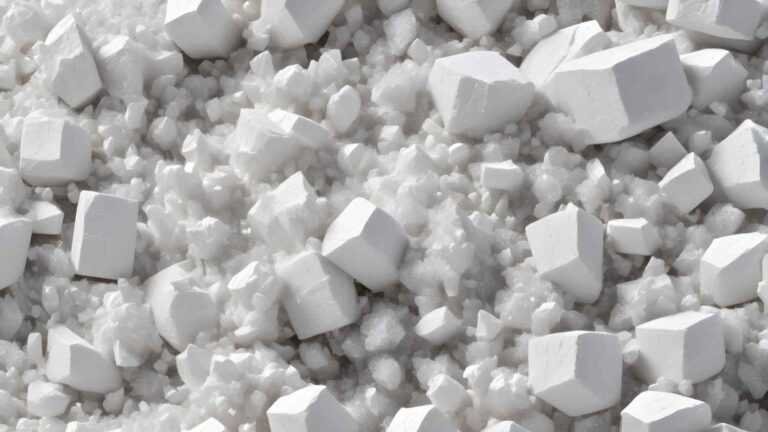
Nacre is an organic-inorganic composite secreted by certain mollusks, including oysters, abalone, and freshwater mussels. It forms the inner lining of their shells and creates the lustrous surface recognized as mother of pearl. This material possesses a unique combination of strength and flexibility rarely found in synthetic alternatives.
Composition: The Core Components
At its core, nacre consists of two primary components arranged in a precise microscopic pattern:
Composition: The Core Components
At its core, nacre consists of two primary components arranged in a precise microscopic pattern:
| COMPONENT | FUNCTION | PROPERTIES |
|---|---|---|
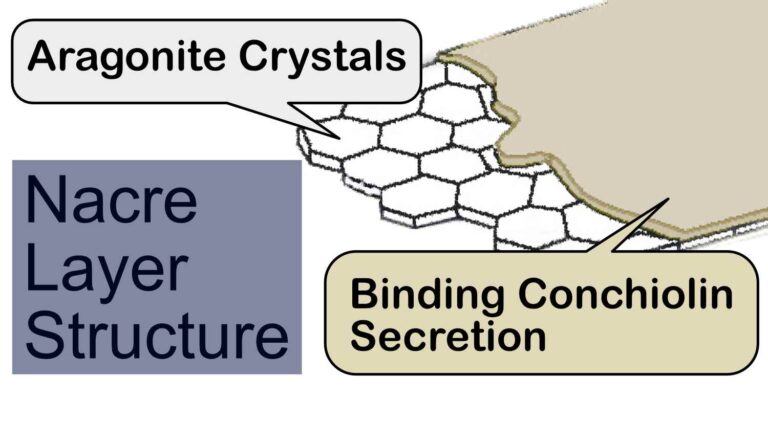
| Calcium Carbonate (Aragonite) | Forms 95% of structure | Provides hardness and durability through tiny platelets |
| Conchiolin Protein | Acts as organic matrix | Creates flexibility and binds mineral layers together |
Mother of pearl nacre benefits from an essential mineral, conchiolin, an important protein in the production of nacre. Its contribution to the flexible framework is vital in supporting the pearl’s smooth surface and protecting the mollusk’s shell.
This “brick-and-mortar” arrangement, where flat calcium carbonate plates are separated by thin protein sheets, gives nacre exceptional strength despite its delicate appearance. The material is stronger than many engineered composites while remaining lightweight.
Its iridescent properties result from the thin layers of tiny platelets. This exceptional material is not only aesthetically stunning but also exceptionally durable. Its uses in jewelry and art are both functional and decorative, capturing human imagination for centuries, and it has long been a cultural symbol of purity and luxury.
The value of pearls is significantly influenced by factors such as size, shape, color, and luster, of the nacre layers.
Pearl Nacre Overview
How Nacre Creates Iridescence
The shimmering play of colors results from light interference within the layered structure:
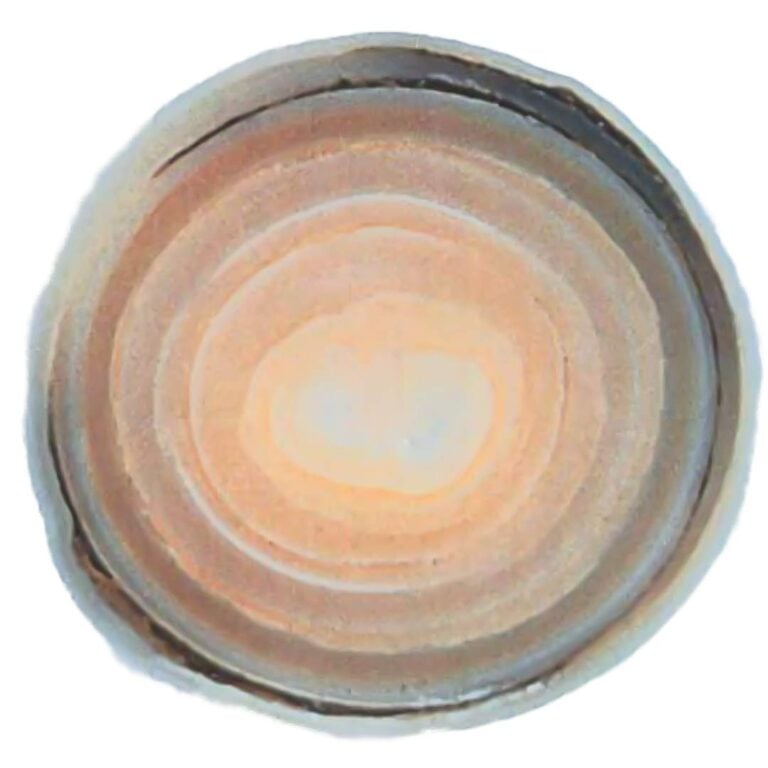
- Light enters the nacre surface and encounters multiple thin layers.
- Each layer reflects a portion of the light at slightly different angles.
- These reflected waves interfere with each other, amplifying certain wavelengths.
- The result is the characteristic rainbow sheen that shifts as viewing angle changes.
This optical phenomenon occurs naturally in all quality mother of pearl, making each piece unique.
Formation Process: Nature’s Laboratory
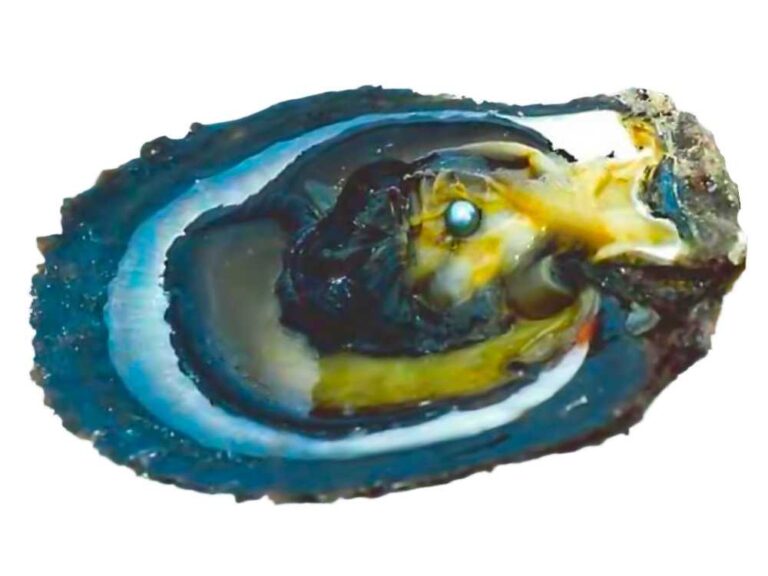
Nacre forms through a complex bio-mineralization process within living mollusks:
- Irritant Entry: A foreign object (parasite, shell fragment, or occasionally sand) enters the mollusk.
- Defense Response: The animal begins secreting layers of nacre to protect its soft tissue.
- Layer Building: Over months and years, alternating layers of aragonite and conchiolin accumulate.
- Surface Development: Each new layer adds thickness and luster to the growing pearl or shell lining.
The quality of a pearl depends heavily on this process; thicker, more uniform nacre creates superior luster and durability.
Modern Jewelry Applications (2026 Trends)
Why Designers Choose Nacre
- Durability: Resistant to abrasion and fractures despite delicate appearance.
- Visual Appeal: Natural iridescence that cannot be perfectly replicated synthetically.
- Versatility: Can be carved, polished, or used as an inlay material.
- Sustainability: Byproduct of pearl farming when shells are harvested.
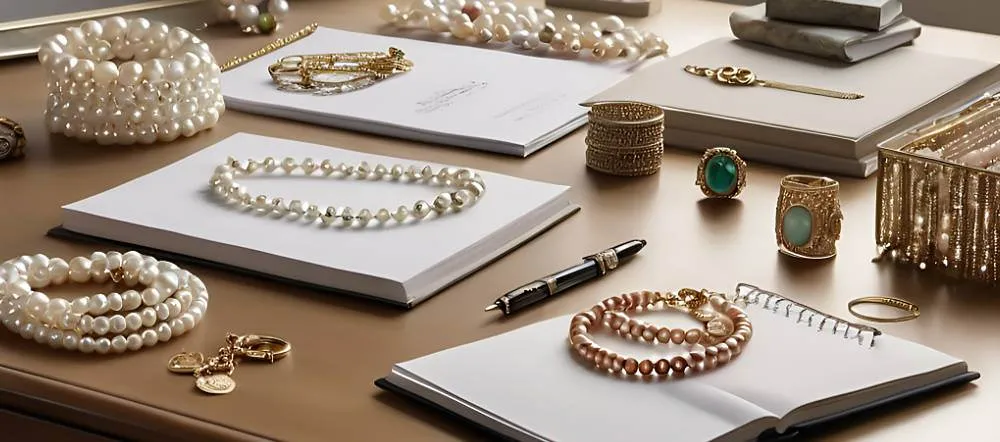
Common Jewelry Uses
| APPLICATION | DESCRIPTION | BEST FOR |
|---|---|---|
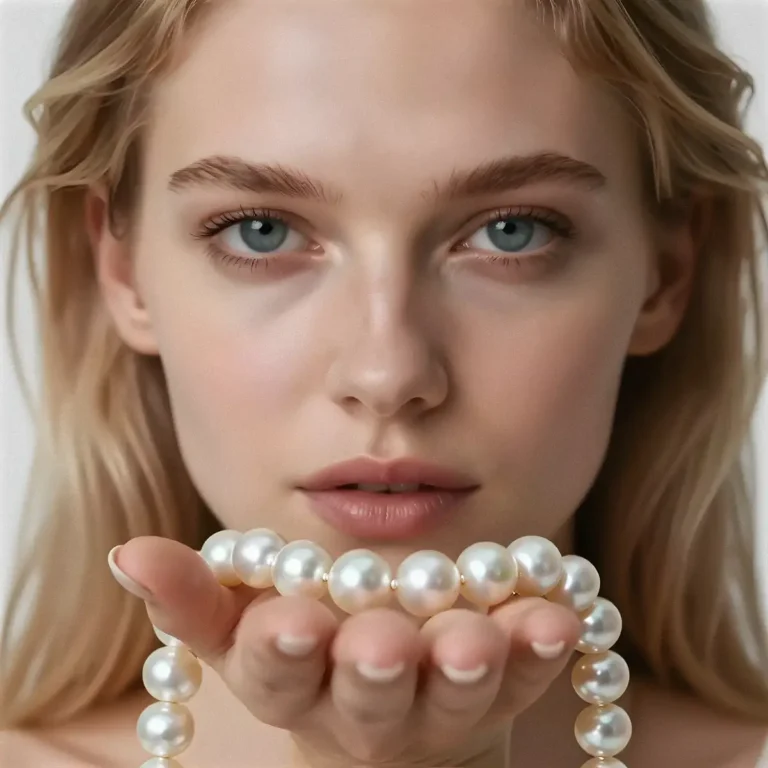
| Pearl Beads | Nacre forms the body of cultured pearls | Necklaces 2026and bracelets |
| Inlay Work | Thin sheets used to decorate boxes, jewelry settings | Luxury accessories |
| Buttons & Accents | Polished pieces for clothing details | Vintage-inspired designs |
| Pendants & Earrings | Carved or polished nacre pieces | Statement jewelry |
Color Variations in Mother of Pearl
Mother of pearl does not come only in white. The natural color spectrum includes:
- White/Cream: Classic appearance from most oyster species.
- Pink/Rose: Common in freshwater mussels and certain saltwater varieties.
- Blue/Green: Found in abalone and some tropical oysters.
- Black/Dark Gray: From black-lipped pearl oysters (Pinctada margaritifera).
The color is determined by:
- Mollusk species genetics.
- Water conditions during formation.
- Trace minerals are absorbed from the environment.
- Thickness of nacre layers.
Cultural Significance Throughout History
Mother of pearl has held deep cultural meaning across civilizations:
- Ancient Egypt: Used in jewelry for royalty and religious artifacts.
- Mesopotamia: Employed in decorative inlays for ceremonial objects.
- Asian Cultures: Symbolized purity, wisdom, and feminine energy.
- European Nobility: Status symbol in Renaissance-era adornments.
Today, it continues to find a place in modern design where it symbolizes beauty, refinement, and a testament to the hopeful longevity of our relationships. Its reputation and appearance have made it an icon in traditional arts and jewelry, often reserved for special occasions and ceremonial objects.

And it continues to find a place in modern jewelry and design, where its cultural significance is evident in its use as a symbol of luxury and refinement, a practice that contributes to both culture and tradition.
Frequently Asked Questions
The Mother of Pearl Nacre in Unique Pearl Formation
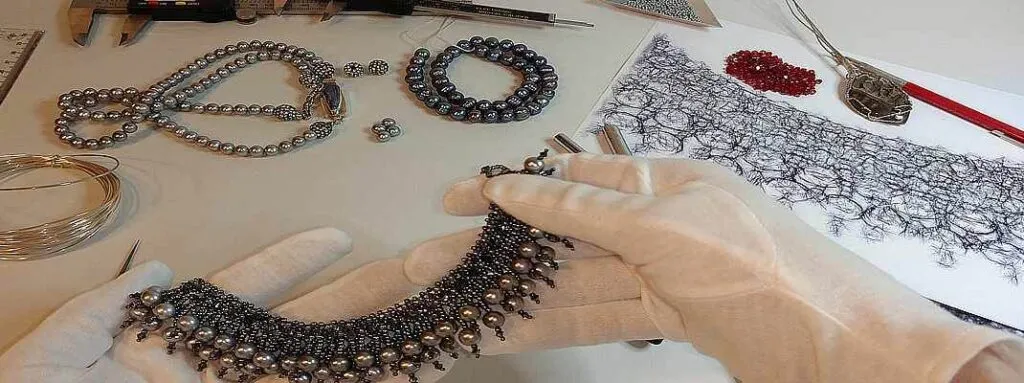
The Beauty Of Natural Pearl Jewelry
See HerMJ’s exclusive collection of handcrafted pearl creations