


The Difference Between Freshwater And Saltwater Pearls
Article Brief
In this article, you’ll discover the Truths, Myths, and Misconceptions about the difference between freshwater and saltwater pearls and master the ability to make the best choice for your next pearl jewelry investment.
Saltwater vs. Freshwater Pearls: The Ultimate Guide to Understanding Nature’s Most Elegant Gemstones
The Question That Has Sparked Countless Conversations
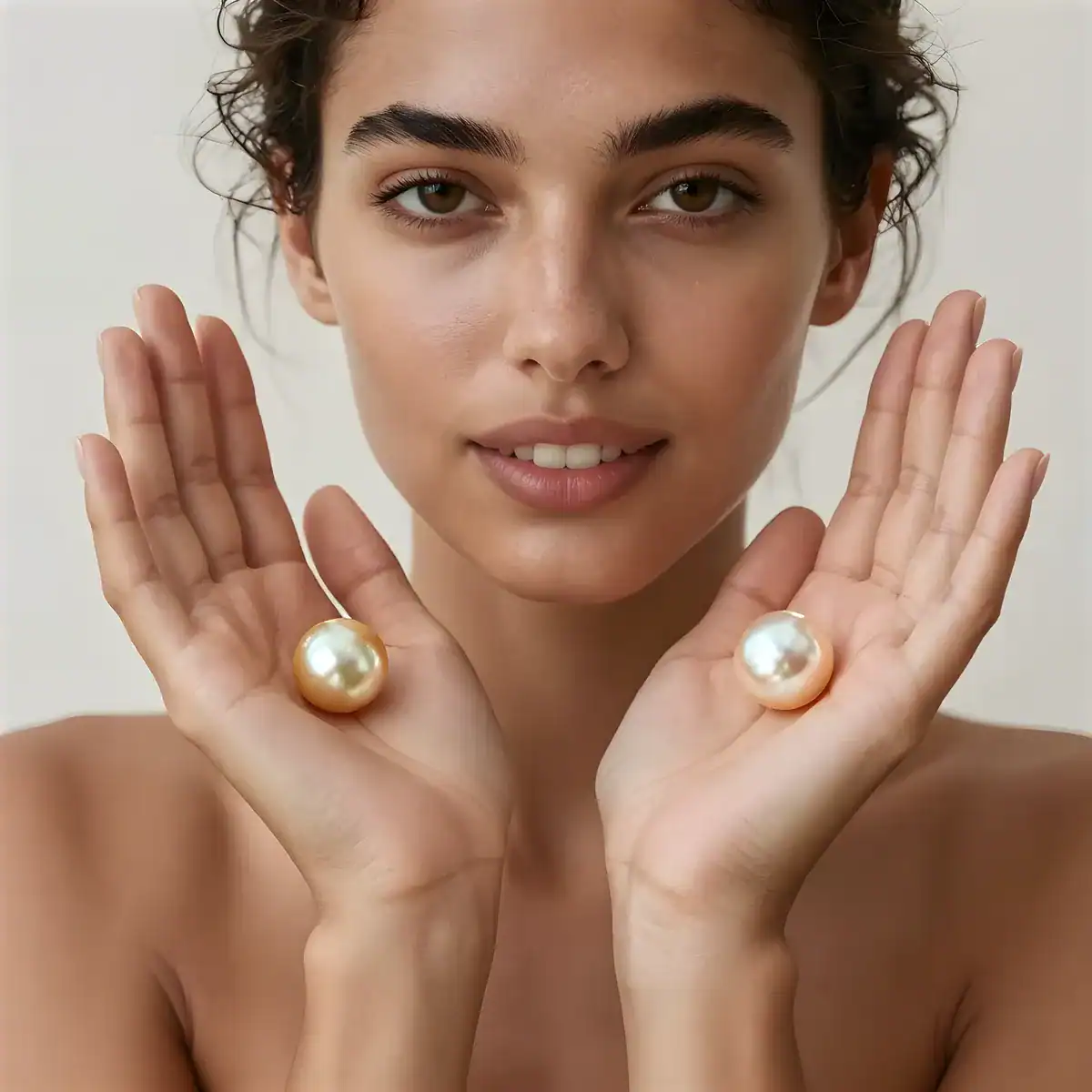
I remember the first time I held both a saltwater pearl and a freshwater cultured pearl in my hands. They looked similar at first glance. Both lustrous, both round, both undeniably beautiful.
It prompted me to look more closely. Although some differences were more nuanced than others (I’ll explain more as we go), some were more about the cultivation process, while others were more financial.
That latter difference is why many of us have grown to appreciate the benefits of the freshwater variety.
Understanding the difference between freshwater and saltwater pearls is essential knowledge for making informed choices about your investment in any pearl. Here’s a quick rundown that will help you do exactly that.
The Fundamental Difference: Where They’re Born
Saltwater Pearls
- Origin: Cultivated in oceans and seas around the world (Japan, Australia, Tahiti, China)
- Host Oyster: Pinctada maxima (South Sea), Pteria margaritifera (Tahitian), Akoya oysters
- Environment: Saltwater with specific salinity levels that influence pearl formation
Freshwater Pearls
- Origin: Cultivated in lakes, rivers, and ponds primarily in China
- Host Mollusk: Freshwater mussels (Hyriopsis cumingii)
- Environment: Freshwater bodies with varying mineral content
💡 Key: The environment where the pearl forms significantly impacts its characteristics—from luster to color to shape.
How They’re Cultured: A Tale of Two Processes
Saltwater Pearl Cultivation (The Art of Precision)
- Nucleus Implantation: A round bead nucleus is surgically inserted into the oyster
- Single Pearl Per Oyster: Each oyster typically produces only 1-3 pearls in its lifetime
- Longer Growth Period: 18 months to 4 years, depending on type
- Higher Labor Intensity: Requires more careful monitoring and handling
Freshwater Pearl Cultivation (The Beauty of Abundance)
- Tissue Implantation: A small piece of mantle tissue is inserted into the mussel (no bead nucleus in traditional methods)
- Multiple Pearls Per Mussel: One mussel can produce 20-50 pearls simultaneously
- Shorter Growth Period: Typically 6 months to 2 years
- More Sustainable: Less invasive process with higher yield per mollusk
The Visual & Physical Differences You’ll Notice
| CHARACTERISTIC | SALTWATER PEARLS | FRESHWATER CULTURED PEARLS |
|---|---|---|
| Luster | Mirror-like, intense shine | Softer, satiny glow |
| Shape | Nearly perfect roundness common | More varied shapes (round to baroque) |
| Size Range | 2mm – 20mm+ (South Sea pearls can exceed 15mm) | Typically 4mm – 12mm |
| Color Palette | White, cream, silver, gold, black (Tahitian), rose | Pink, lavender, white, peach, cream |
| Surface Quality | Generally cleaner with fewer blemishes | May show more natural surface characteristics |
| Nacre Thickness | Thinner layer around nucleus bead | Often thicker nacre throughout the pearl |
Price Considerations: What You’re Really Paying For
Saltwater Pearl Pricing Factors
- Rarity: Fewer pearls produced per oyster = higher value
- Labor Intensity: More hands-on cultivation process
- Brand Premium: Akoya, South Sea, and Tahitian names carry prestige
- Typical Price Range: $200 – $10,000+ for jewelry pieces
Freshwater Pearl Pricing Factors
- Abundance: Higher production volume = more accessible pricing
- Quality Variance: Premium freshwater pearls can rival saltwater in luster
- Value Proposition: More pearl for your money
- Typical Price Range: $50 – $2,000+ for jewelry pieces
💡 Key: Don’t assume higher price always equals better quality. Some premium freshwater pearls offer exceptional value with comparable beauty to mid-tier saltwater options.
Which Type Is Right For You? A Decision Guide
Consider Saltwater Pearls If:
- ✅ You want heirloom-quality pieces for special occasions
- ✅ Perfect roundness is a priority (wedding jewelry, formal events)
- ✅ You’re investing in luxury items with resale value potential
- ✅ You prefer the classic Akoya luster or exotic Tahitian colors
Consider Freshwater Pearls If:
- ✅ You want resilient everyday wearability without worry about damage
- ✅ You appreciate unique shapes and natural variations
- ✅ Budget is a consideration, but quality still matters
- ✅ You’re drawn to pastel colors like lavender and peach
The Hidden Beauty of Each Variety
Saltwater Pearls: The Royalty of the Pearl World
Akoya Pearls (Japan)
- Known for exceptional luster and their mirror-like finish
- Classic white with rose overtones
- Perfect for formal occasions and heirloom pieces
South Sea Pearls (Australia, Philippines)
- Largest pearls available (10mm – 20mm+)
- Rich golden or creamy white colors
- Luxurious presence that commands attention
Tahitian Pearls (French Polynesia)
- Naturally dark colors: black, gray, green, purple
- Peacock overtones create iridescent effects
- Bold choice for statement jewelry
Freshwater Pearls: The Versatile Charm
Traditional Round Cultured
- Modern technology has improved the roundness significantly
- Excellent luster in premium grades
- Great value for everyday elegance
Baroque & Keshi Pearls
- Unique organic shapes that can’t be replicated
- Each piece is one-of-a-kind
- Perfect for artistic, bohemian styles
Care Instructions: Keeping Your Pearls Beautiful
Saltwater Pearl Care
Freshwater Pearl Care
Common Myths Debunked
| “Freshwater pearls don’t last as long.” | REALITY |
|---|---|
| “Saltwater cultured pearls are real, unlike Freshwater pearls.” | Both are real cultured pearls; freshwater just uses different mollusks |
| “Saltwater pearls always have better luster” | Premium freshwater pearls can match or exceed Akoya luster |
| “Saltwater pearls don’t last as long.” | Not necessarily. Quality, size, and surface matter more than origin alone |
| “Freshwater pearls don’t last as long” | With proper care, both types can be worn for generations |
The Emotional Connection: Why Pearls Matter
Pearls are symbols of patience. Each pearl represents months or years of natural formation within a living creature. When you wear pearls, you’re wearing:
- Nature’s artistry perfected over time
- Human dedication in the cultivation process
- Timeless elegance that transcends fashion trends
Both saltwater and freshwater pearls carry their own unique journey from their inception all the way to your jewelry box.
Final Thoughts: Making Your Choice with Confidence
The choice between saltwater and freshwater cultured pearls isn’t about which is “better”—it’s about which aligns with your lifestyle, budget, and aesthetic preferences.
- For special occasions where you want to make a statement? Saltwater pearls offer unmatched prestige.
- For everyday elegance that won’t break the bank? Freshwater pearls provide exceptional value.
- For unique pieces that reflect personal style? Baroque freshwater pearls offer artistic freedom.
Remember: The most beautiful pearl is the one you love wearing, regardless of its origin.
Your Pearl Journey Begins Here
Now that you know the differences between saltwater and freshwater cultured pearls, you’re well-equipped to make informed choices about your pearl jewelry investment.
Choose the ocean’s gift or the river’s treasure, knowing that each pearl carries within it a story worth wearing.
Have questions about specific pearl types or need help choosing the perfect piece? Reach out. We’re here to guide you on your journey to finding your ideal pearls. 💎
Affordable Elegance