


What Is The Purpose Of Jewelry?
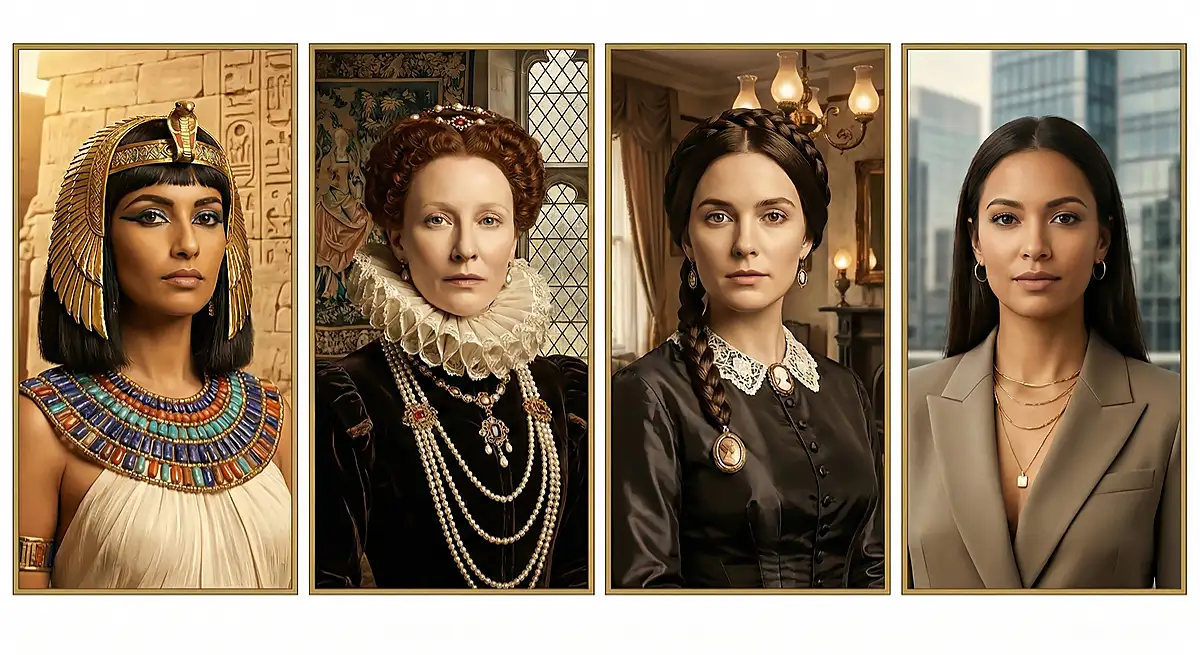
Article Brief
This article explores the value and true purpose of jewelry as a personal extension of self and identity, including cultural history, heritage, and empowerment
The Deeper Meaning: Unpacking the True Purpose of Jewelry
When I design jewelry, each piece that reaches (or exceeds) my goal is initially seen as a dazzling accessory, a statement piece, or a glittering symbol of fashion. But beneath the surface sparkle and the tangible value of materials like cultured pearls or shimmering organic gemstones, the more essential role is to represent something more.
Jewelry, at its best, is far more than adornment; it is a silent storyteller, a potent emblem of identity, a tangible link to experiences we long to preserve from our past, and even aspects of personality we want to carry into the future.
In this article, we’ll go beyond the typical jewelry designer’s view to look deeper into the reasons we’re drawn to the shimmering stones we wear: What is the purpose of jewelry?
Our emotional connection to jewelry lives beyond sparkle and color. The true value of jewelry lies in its personal resonance, its role in human connection, its spiritual and cultural significance, and its evolving purpose as it changes with us. It’s why our necklace, bracelets, and earrings, crafted from gemstones, precious metals, and intricate beadwork, continue to hold such a vital place in our human experience.
Beyond Sparkle: Setting the Stage for Deeper Exploration
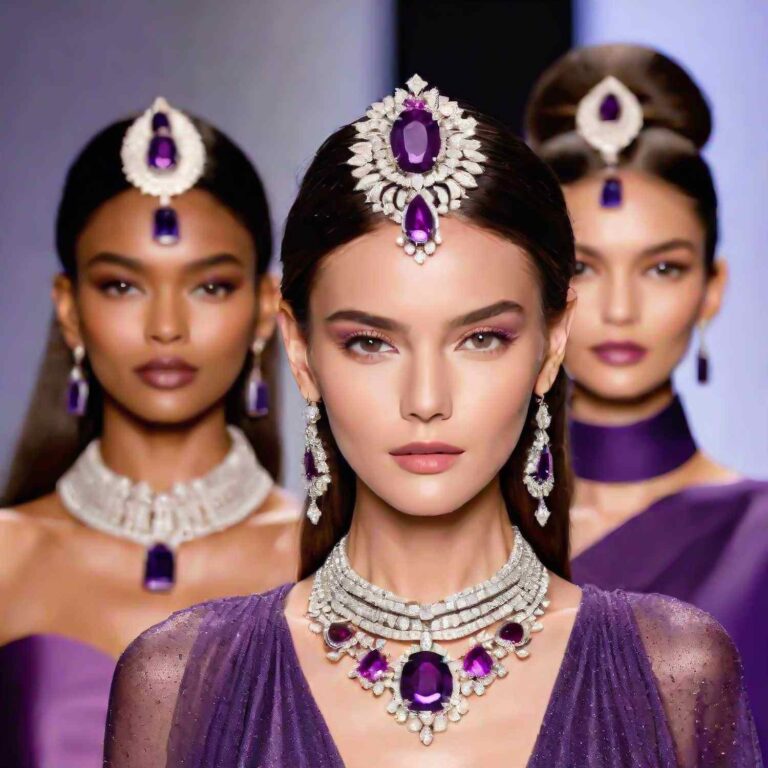
In contemporary society, the primary associations with jewelry often center on aesthetics and economic value. We see it on runways, in advertisements, and displayed in shop windows, presented as symbols of status or markers of significant life events.
However, to fully appreciate the significance of jewelry, look beyond its immediate visual appeal and the price tag attached to its constituent parts, whether they are polished diamonds, lustrous pearls, or intricately worked metals. The true purpose of jewelry is deeply interwoven with human psychology, culture, history, and spirituality. It serves as a canvas for personal expression, a vessel for memory, and a testament to our innate desire to connect, protect, and define ourselves.
The Human Connection: Why Jewelry Resonates So Deeply

The profound impact of jewelry on the human psyche is undeniable. Wearing a cherished piece evokes comfort, empowerment, and connection to an ideal we use to reflect ourselves. In our mind’s eye, it is our beauty amplified, or at least the image we identify with, whether today or as an aspiration.
This psychological resonance stems from a complex interplay of factors, including self-expression, self-esteem, and even holistic well-being. For many, jewelry is an extension of their identity, a visual cue that conveys who they are with the greatest impact. An image we carry that speaks for us.
The choice of a particular necklace, the style of a ring, or the glow of rainbow moonstones can subtly articulate personality traits, beliefs, or affiliations. This act of self-articulation is crucial for building and reinforcing our sense of self.
Of course, there are beliefs in the health benefits that come with wearing the jewelry itself; the psychological impact of adorning ourselves often boosts self-esteem and confidence.
The act of wearing something beautiful becomes meaningful, benefiting us emotionally, providing a subtle psychological lift through changes in physical posture, emotional outlook, and interactions with the world around us.
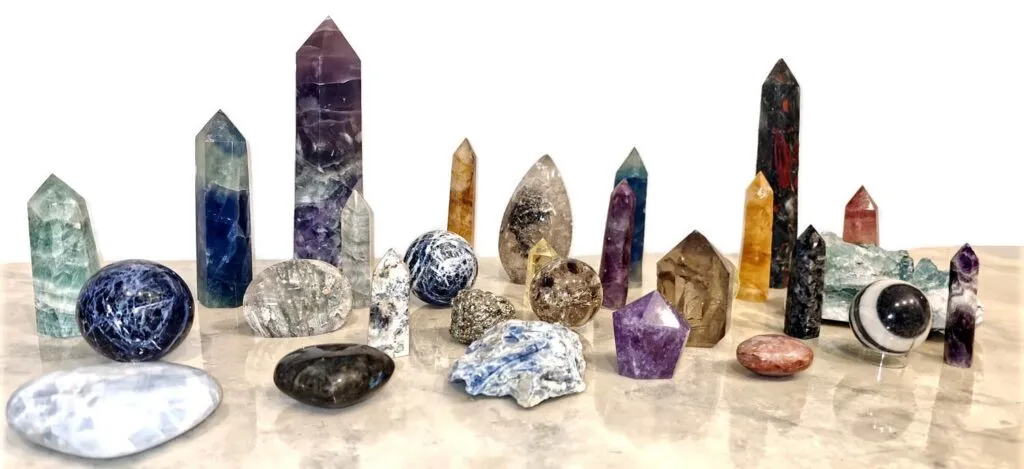
Beyond mere aesthetics, many of us find relief in the wellness benefits of meditation with crystals. Certain gemstone crystals are believed to possess unique energies, and the tactile sensation of a cool quartz necklace against our skin can be grounding. While not a substitute for professional medical advice, this connection to well-being highlights how jewelry can engage with us on a more profound, sensory level.
Echoes from the Past: Jewelry as Humanity’s First Language
Long before written language, humans used adornment to communicate, differentiate, and connect. Jewelry, in its most elemental form, was not merely decorative. It was functional, symbolic, and deeply integrated into early human society. The creation and wearing of personal adornments represent one of humanity’s earliest forms of self-expression and social signaling.
Early Beginnings: Survival, Status, and Spiritual Significance

The earliest evidence of jewelry dates back tens of thousands of years, with artifacts like pierced Nassarius shells found in Africa. These early items likely served multiple purposes.
Archeologists believe the shells indicated social status, tribal affiliation, or personal identity. The acquisition of materials such as shells, animal teeth, and colorful stones led to the early forms of jewelry.
The process of creating them shows the skills that originated in early cultures and the symbolic value they place on their creations. Their jewelry was also intrinsically linked to survival and spiritual beliefs, serving as talismans that offered protection from harm or invoked the favor of deities.
The very act of adornment was a form of communication, marking an individual’s place within their community and their relationship with the natural and spiritual worlds.
Amulets and Talismans: Protection and Power in the Ancient World
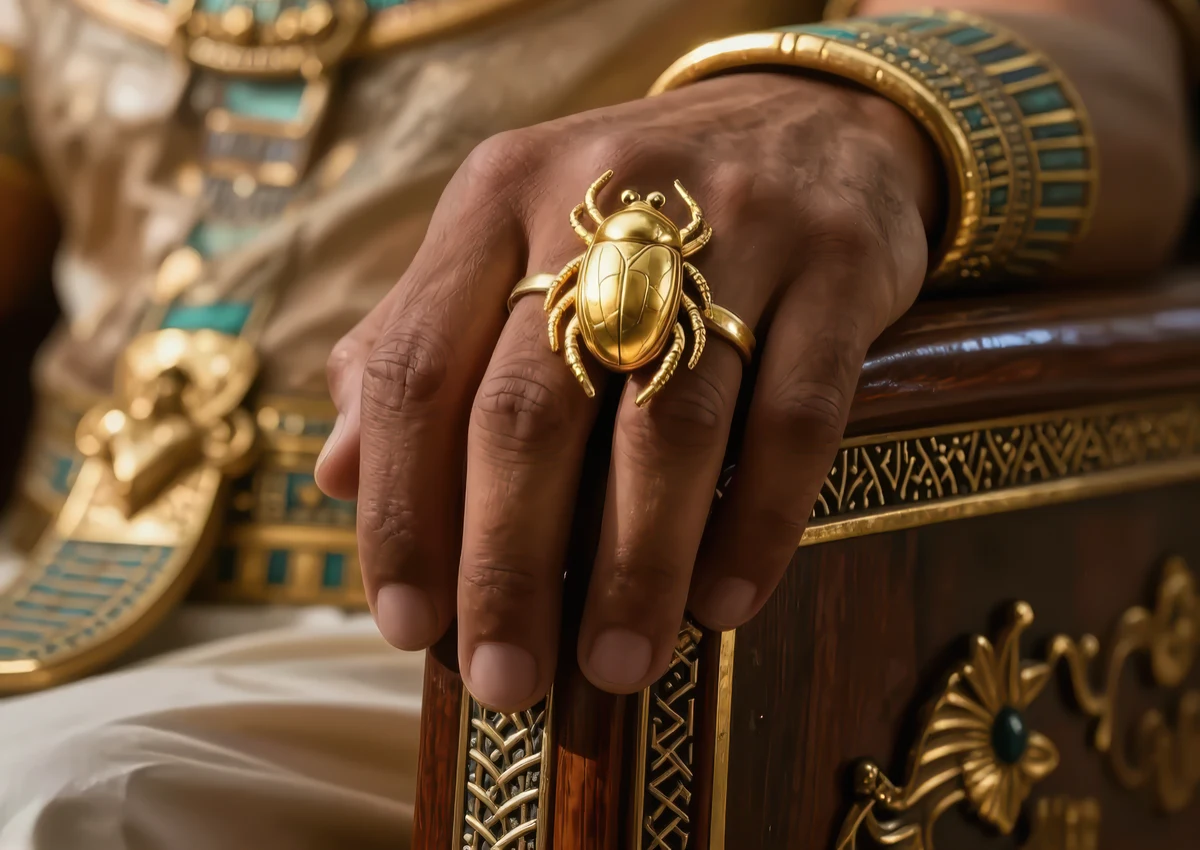
Across ancient civilizations, from Egypt to Mesopotamia and beyond, amulets and talismans were widespread, not for their aesthetic beauty alone, but for the perceived protective or magical powers they were believed to possess.
Crafted from materials like gold, silver, and gemstones, each imbued with its own mystique and symbolism, the items were believed to ward off evil spirits, grant good fortune, or grant specific attributes to the wearer.
The ancient Egyptians often wore amulets in the form of scarab beetles, often made from semi-precious stones or faience. The designs symbolized their belief in rebirth and regeneration.
These ancient beliefs highlight a fundamental purpose of jewelry. The tangible connection to intangible forces, offering a sense of security and empowerment in an often unpredictable world.
Storytelling Through Adornment: Historical Narratives in Wearable Art
Jewelry has always been a powerful medium in visual storytelling. The materials and symbolism woven into a piece convey complex narratives, culture, accomplishments, and beliefs.
Historical narratives are etched into ancient crowns with intricate meanings in each bead pattern and every gemstone. A specific arrangement of beads, for instance, could tell the story of a significant journey, a successful hunt, or a sacred ritual.
The lasting appeal of historical jewelry can transport us to another time, offering a glimpse into the lives and values of those who came before us. This tradition of jewelry as wearable art that narrates a story continues to influence contemporary designers.
The Personal Narrative: Jewelry as an Extension of Self and Identity
Beyond its historical and cultural weight, jewelry holds immense personal significance, serving as a powerful tool for self-expression, a booster of confidence, and even influencing our mood. It allows us to externalize our inner world, crafting a visual language that conveys who we are.
Self-Expression: Articulating Who We Are Without Words
In a world that often demands conformity, jewelry offers a unique avenue for authentic self-expression. It is a form of personal curation in which each chosen piece is a deliberate statement about our tastes, personalities, and values.
Whether we gravitate toward minimalist designs, bold gemstone statement pieces, or intricate beadwork, our choices reflect our inner selves.

The ability to use jewelry as an external articulation of self can be incredibly liberating, allowing individuals to present themselves to the world in a way that feels true and resonant. This is particularly evident in wearable art, where unique designs and artisan craftsmanship enable unparalleled personal expression.
Boosting Self-Esteem and Confidence: The Psychological Impact of Adornment
The psychological impact of wearing jewelry extends to its capacity to visually enhance self-esteem. The simple act of wearing a favorite piece of jewelry can alter one’s presence, as the symbol of a past experience is captured and held in a moment.
This effect is amplified when the jewelry holds significant personal meaning, such as a gift from a loved one, a reminder of a notable event, or an heirloom. And when the experience causes transferrence to how we see ourselves, it modifies the concept of our own appearance, affects our confidence, and even our interactions and overall demeanor.
This boost is not superficial; it taps into a deeper sense of self-worth that can empower individuals in deeply meaningful ways.
Healing and Holistic Care: Connecting Jewelry to Well-being

The idea that jewelry contributes to well-being is not new; ancient cultures have long attributed healing properties to certain gemstones and metals. Today, this understanding is being revisited through the lens of holistic care.
Many find solace and a sense of grounding in wearing jewelry made from materials they believe possess positive energies, such as certain gemstones and crystals. The tactile experience can be a mindful practice
While modern science may not always validate these specific beliefs, the psychological comfort and intentionality they offer can contribute to a profound sense of peace and well-being for those of us who hold that philosophy.
Threads of Connection: Jewelry as a Symbol of Love, Legacy, and Belonging
Jewelry possesses a unique ability to forge and symbolize connections between people, across generations, and within communities. It acts as a tangible thread, weaving together relationships, preserving memories, and fostering a sense of shared identity. A family heirloom, such as a pearl necklace or an engagement ring, is a prime example of jewelry’s strong emotional impact.
The Language of Gifting: Expressing Emotion and Commemoration
As a gift, jewelry transcends mere material value; it becomes a potent symbol of affection, appreciation, and significant life events. A ring gifted for an engagement or anniversary, a necklace received on a birthday, or a bracelet chosen as a token of friendship. Each piece carries an emotional weight far exceeding its physical form.
These gifts serve as enduring reminders of the giver and the occasion, fostering a lasting emotional bond. The thoughtful selection of jewelry for a gift demonstrates care and understanding, making the gesture deeply personal and meaningful. Just as the careful presentation of the jewelry as the centerpiece of an event underscores its importance.
Tangible Memories: Heirloom Jewelry and Family Legacy
Heirloom jewelry represents a profound link to our past and a cherished legacy for future generations. These pieces, passed down through families, carry with them stories, memories, and the essence of those who wore them before.
An antique natural-stone bracelet and a vintage necklace adorned with ancestral gemstones become a tangible connection to family history, a reminder of shared roots and enduring love. The preservation and care of heirloom jewelry ensure that these narratives continue to be told, connecting the present to the past and offering a sense of continuity and belonging.
Unifying Communities: Jewelry as a Mark of Group Identity
Beyond personal and familial bonds, jewelry also plays a significant role in uniting communities and signifying group identity.
Traditional adornments, often crafted with specific beadwork techniques or featuring culturally significant symbols, serve as visual markers of belonging.
These pieces can represent a shared heritage, a deep purpose, or a collective history. In some cases, specific types of jewelry might indicate membership in a particular organization or group.
This collective use of adornment fosters a sense of solidarity and shared identity, reinforcing the bonds that hold communities together and showcasing the diverse artistry that can emerge from shared cultural traditions.
Spiritual Resonance: Jewelry as a Channel for Faith and Belief
Throughout history, jewelry has been a powerful conduit for spiritual expression, metaphysical protection, and the pursuit of emotional and financial prosperity. From sacred symbols to the mystical properties attributed to gemstones, adornment has often served as a bridge between material and spiritual ideologies.
Sacred Symbols: Adornment with Spiritual Significance
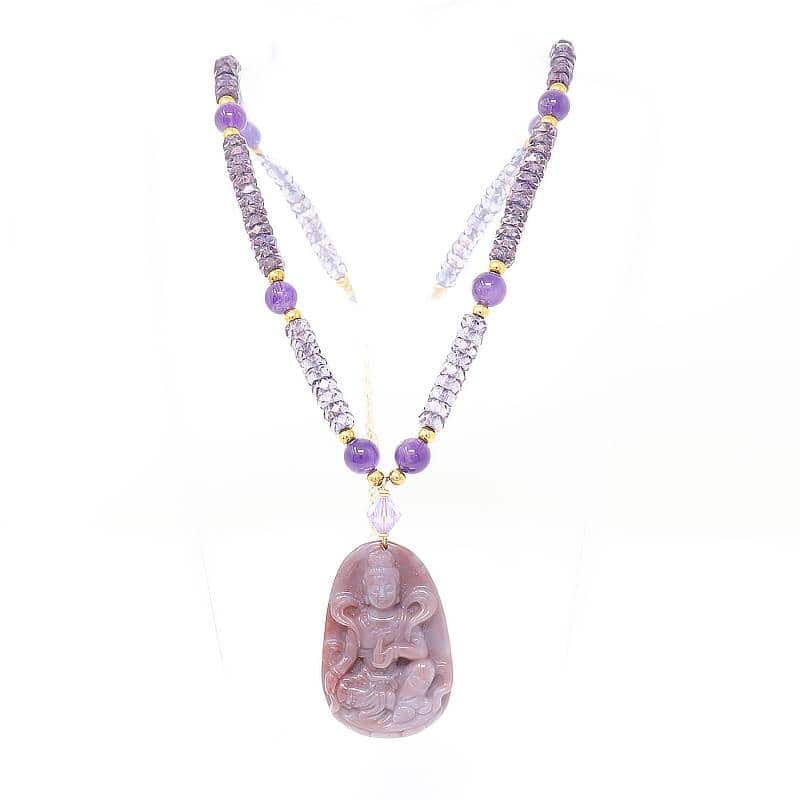
Jewelry is often worn with sacred symbolism, transformed into decorative objects of devotion. Religious icons, protective symbols, and philosophical emblems are frequently incorporated into artistic pendants, rings, bracelets, and more.
These pieces serve as constant reminders of one’s faith, offering spiritual guidance and a sense of divine presence.
For instance, the Cross, the Star of David, and the Sanskrit symbol Om (or Omkara), represent declarations of personal belief and symbolize sources of spiritual strength.
Protection and Prosperity: Gemstones as Vessels of Meaning
Gemstones have long been revered for their perceived ability to channel specific energies. Cultures worldwide attribute unique properties to various gems, with some believed to ward off negative influences while others are thought to attract abundance.
Diamonds, for instance, have historically symbolized durability and longevity and are often used to represent the strength of a marriage, while emeralds are associated with wisdom and foresight.
The belief in the protective and prosperity-granting qualities of gemstones continues to influence the selection and design of jewelry today, blending aesthetic appeal with deeply held spiritual and metaphysical notions.
Cultural Chronicles: Jewelry as a Reflection of Society and Tradition
Jewelry serves as a compelling statement that reflects every phase of human history, the evolution of societies, the dynamics of power, and the enduring beauty of cultural heritage. It is a visual archive that captures the essence of traditions and the artistry of generations.
Status and Power: The Royal Adornments of Empires
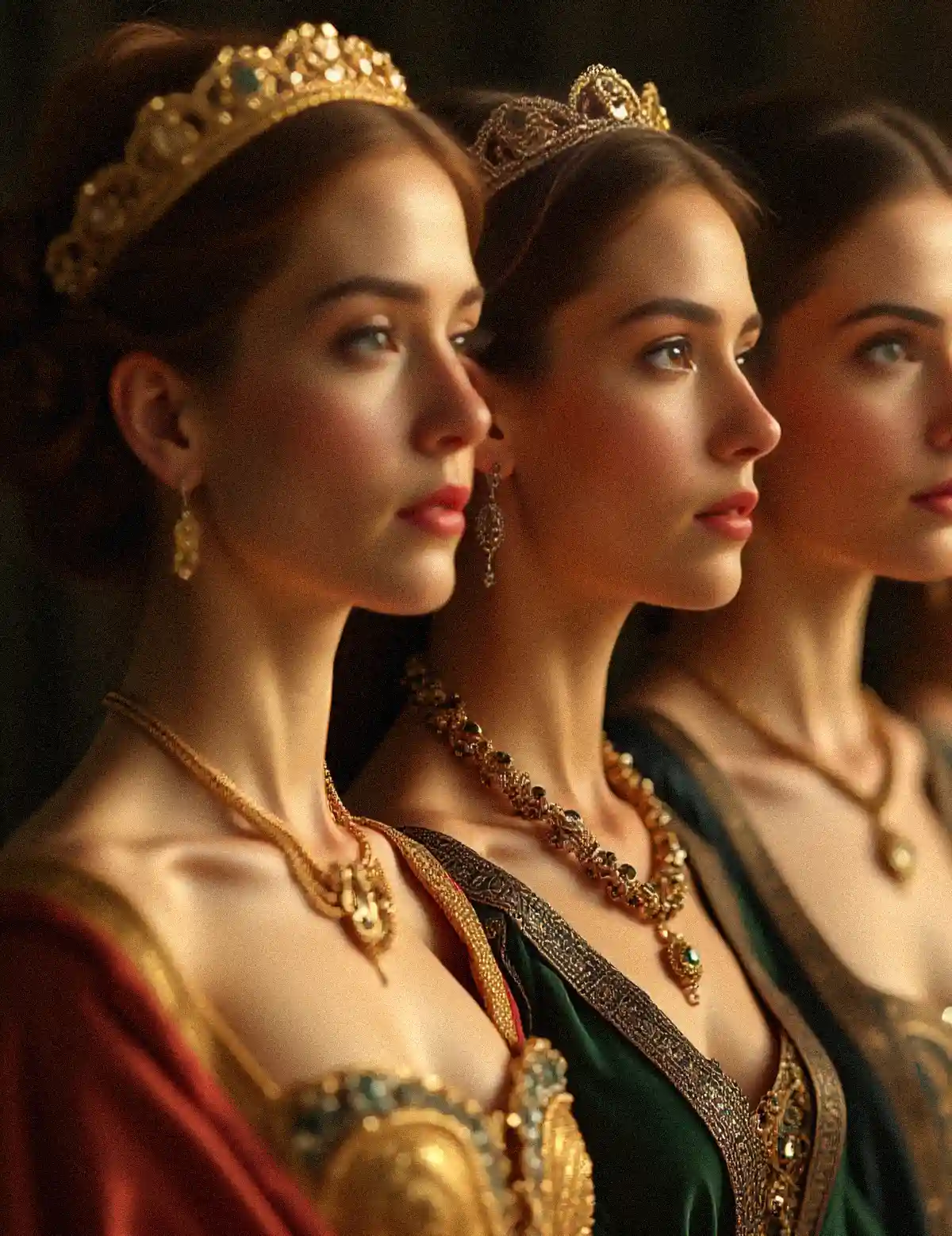
Throughout history, jewelry has been inextricably linked to power and social hierarchy. The opulent adornments of royalty and nobility were regarded as social status jewelry, a proclamation of authority and a declaration of divine right.
Elaborate necklaces, crowns encrusted with precious gemstones, and rings bearing significant seals conveyed status, influence, and imperial dominion.
The materials used, such as gold and diamonds, along with the sheer scale and complexity of the designs, conveyed the wearer’s elevated status as a leader of society, establishing both the wearer and the jewels in the cultural chronicles of empires.
Cultural Heritage: Preserving Traditions Through Craft
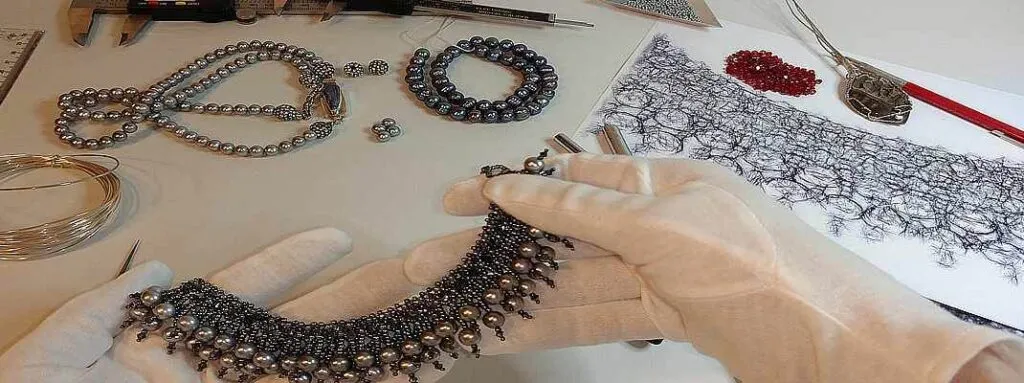
The physical act of creation plays a role in cultural heritage, with traditional techniques and designs passed down through generations. Intricate beadwork, specific metalworking methods, and culturally significant motifs are preserved and perpetuated by the artisans who create them.
These traditions showcase remarkable craftsmanship and serve as vital links to cultural identity, ensuring that ancestral knowledge and artistic expressions continue to thrive, allowing us to trace the progression of both time and culture.
For example, the vibrant and complex beadwork found in many indigenous cultures is a prime example of how jewelry acts as a custodian of cultural heritage.
Artistry and Innovation: Craftsmanship as a Deeper Purpose
At its core, the love of jewelry is the result of a need for expression and the consequence of artistry. The dedication, skill, and vision of artisans transform raw materials like gold, silver, and gemstones into objects of profound beauty.
Beyond traditional craftsmanship, innovation continuously evolves, shaping the purpose and expression of jewelry.
The advent of modern techniques and materials, including advances in the pearl-farming industry, is expanding the color palette and revolutionizing design possibilities, enabling unprecedented complexity and personalization in wearable art.
This ongoing evolution, whether through meticulous handcrafting or cutting-edge technology, underscores that the deeper purpose of jewelry lies in its material composition and the artistry that brings it to life.
The handmade jewelry market, projected to grow significantly, reflects a growing appreciation for this dedication. From $151.5 billion in 2022 to a projected $472.5 billion by 2032, this growth highlights a consumer drive toward unique, artisan-made pieces1.
The Modern Purpose: Ethics, Empowerment, and Conscious Consumption
In the 21st century, the purpose of jewelry is undergoing a profound transformation, with consumers increasingly prioritizing ethical considerations, fair labor practices, and social impact alongside aesthetic appeal. This shift signifies a maturing understanding of the true cost and value associated with adornment.
The demand for ethically sourced pearls continues to grow, with low-impact pearl farms producing high-quality cultured pearls while significantly decreasing the negative effects on ocean ecosystems and waste from discarded farming byproducts, which were previously caused by more invasive pearl harvesting methods.
Beyond Beauty: The Ethical Imperatives in Jewelry
With the shift in consumer sentiment, there is an increasing focus on ethics and a demand for greater transparency about the sourcing of precious metals and gemstones. As shoppers seek out ethically produced jewelry, the system is forced to improve its standards and adopt more environmentally friendly processes.
This movement challenges the industry to address issues such as conflict minerals, environmental degradation, and labor exploitation. The growing demand for transparency and eco-friendly materials reflects changing consumer priorities.
Jewelry as a Force for Economic Freedom and Social Change
A significant evolution in the purpose of jewelry is its role as a catalyst for economic freedom and social change. Organizations are leveraging the craft of jewelry making to empower marginalized communities, providing artisans with fair wages and safe working conditions.
By supporting businesses committed to ethical practices, consumers can directly help combat human trafficking and promote social justice, demonstrating how jewelry can be a vehicle for profound positive impact.
This approach ensures that the creation of beautiful objects does not come at the cost of human dignity or well-being, aligning economic activity with ethical responsibility.
Longevity and Care: Valuing Jewelry’s Enduring Purpose
The enduring purpose of jewelry is also reflected in its longevity and the care it requires. Unlike a fast fashion accessory, well-crafted jewelry is designed to last, often for generations.
Understanding how to care for precious materials like pearls and how to maintain the brilliance of gemstones is part of appreciating their lasting value. Proper cleaning, storage, and occasional professional servicing ensure that these meaningful pieces retain their beauty and significance.
This emphasis on durability and care encourages a more mindful approach to consumption, valuing quality and timelessness over disposability. It protects the value of jewelry as a physical and emotional investment in lasting beauty and personal history.
Conclusion: What is the purpose of Jewelry?
Our journey through the world of jewelry reveals that its true purpose extends far beyond superficial adornment. From its ancient origins as a language of survival and status to its modern role as a symbol of ethical consciousness and empowerment.
Jewelry has consistently served as a powerful reflection of the human experience. It is an extension of our identity, a vessel for our emotions, a tangible link to our loved ones and our heritage, and to many, a conduit for our spiritual beliefs.
Whether crafted from lustrous gold or shimmering crystals, adorned with dazzling pearls, each piece carries a narrative, a purpose, and a meaning that resonates deeply within us.
As we move forward, jewelry will continue to evolve, becoming an even more potent force for good and a more profound expression of our shared humanity. By understanding and valuing the deeper meaning embedded in each piece, we can engage with jewelry as objects of profound beauty and as cherished artifacts that connect us to ourselves, to each
Modern Designs Created By Hand
Elegant Artisan Jewelry From HerMJ

References
- Dorge R. Global handmade jewellery market size, share, forecast 2033. Custom Market Insights; 2026 Jan 6 [cited 2026 Feb 11]. Available from: www.custommarketinsights.com ↩︎