

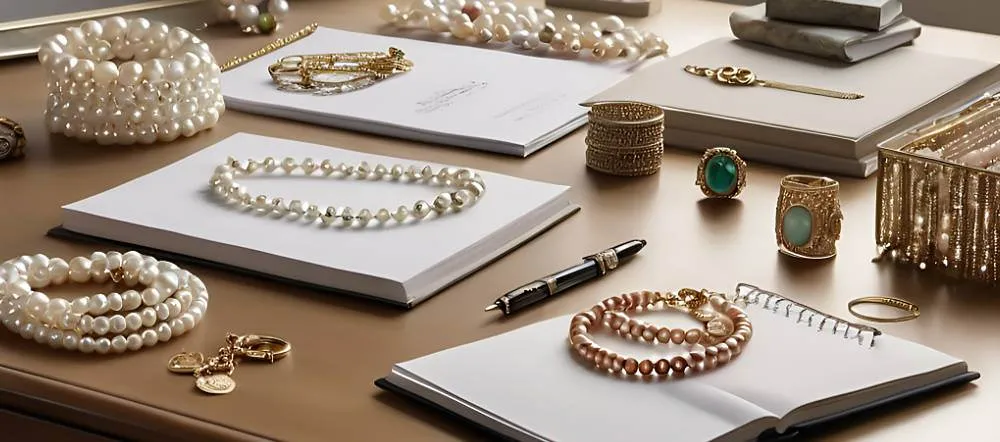

Appropriate Jewelry For Job Interview Success
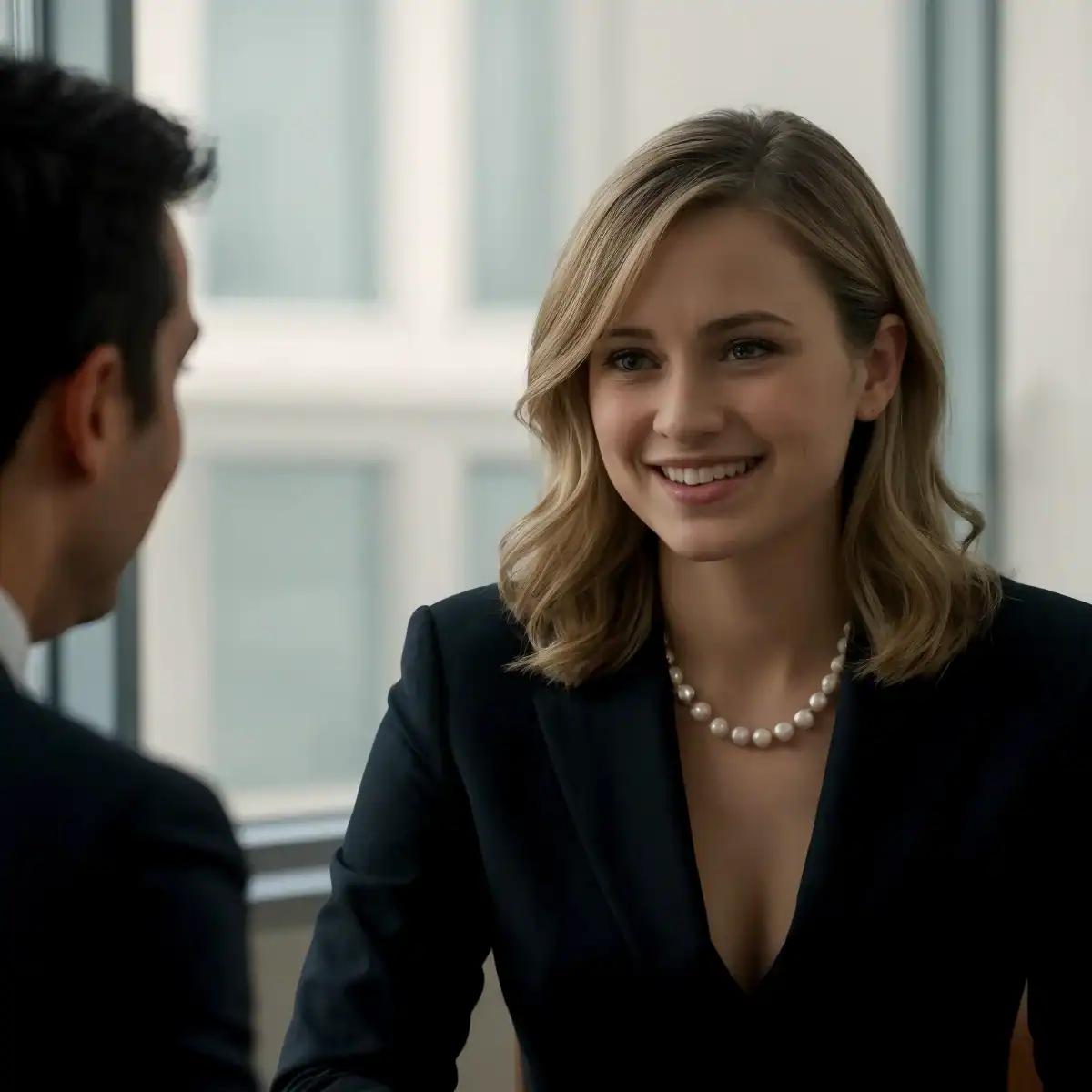
The Edit
- Making the best impression during your interview means presenting yourself well. Your best statement is a combination of verbal and visual factors. Being prepared means optimizing your communication and your style. Choose the right jewelry to make your case.
Since you’re preparing for a job interview, you likely have a lot on your mind: practicing your elevator pitch, researching the company’s recent milestones, and anticipating tough questions.
While these are the most critical elements of your preparation, how you present yourself visually is part of the conversation before you even speak.
One of the most common anxieties candidates face is the “Goldilocks” struggle. Trying to find an outfit that isn’t too casual but isn’t so formal that it feels stiff or out of place.
Jewelry often falls into a grey area. Chosen correctly, it adds a layer of polish; Chosen poorly, it becomes a distraction.
The goal is simple: you want your potential employer to remember your qualifications and your personality. Sure, your jewelry collection has some beautiful pieces, but in this particular setting, it’s not about leading with your accessories.
This is my guide on selecting appropriate jewelry for job interview success across different industries.
The Core Principle: Complement, Don’t Distract
In an interview setting, jewelry should serve as a subtle accent to your professional outfit. The primary apprehension most candidates have is whether they are “overdoing it.” A good rule of thumb is that if you find yourself wondering if a piece is too flashy or too large, it probably is.
Every statement has a place. In this environment, it’s your qualifications and your ability to communicate them. The objective is to project competence and attention to detail. Jewelry that clinks, jingles, or catches the light excessively can subconsciously distract an interviewer, pulling their focus away from your answers and toward your accessories.
Tailoring Your Choice to the Industry
Not all “professional” environments are created equal. The appropriate jewelry for a law firm is significantly different from what you’d wear in a graphic design studio.
Corporate and Conservative Environments (Law, Finance, Accounting)
In these sectors, the culture generally leans toward traditionalism and stability. Your jewelry should reflect this.
Earrings

Stick to classic studs: pearls, small diamonds, or simple gold/silver balls.
Necklaces

A thin chain with a small pendant or a short strand of pearls is ideal. Avoid chunky necklaces or bold “statement” pieces.
Rings
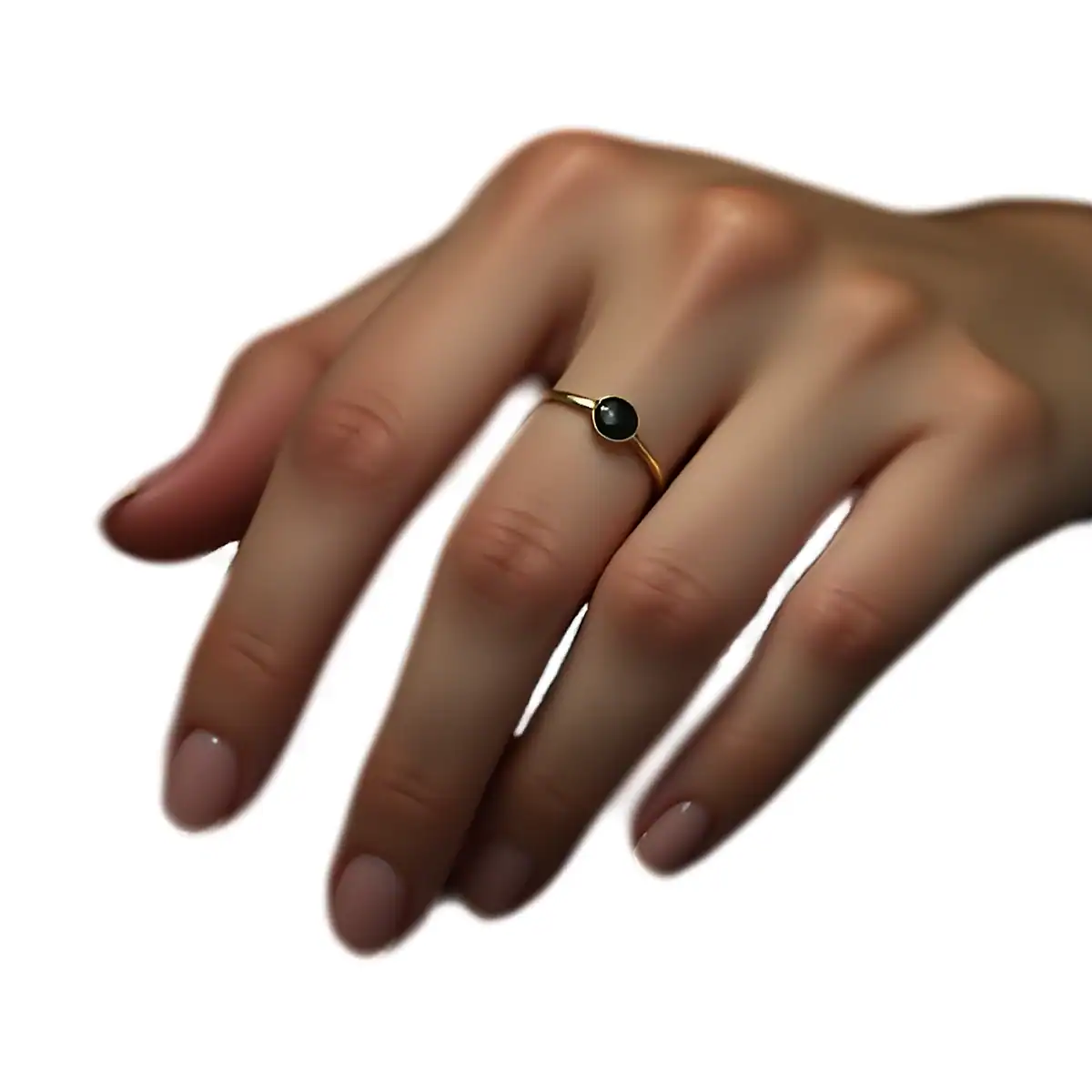
A wedding band and perhaps one other simple ring per hand are sufficient.
Creative and Modern Environments (Tech, Marketing, Fashion, Arts)
Creative industries often value individuality and a sense of current trends. You have more room to express your personality here, but the “professional” boundary still applies.
Earrings
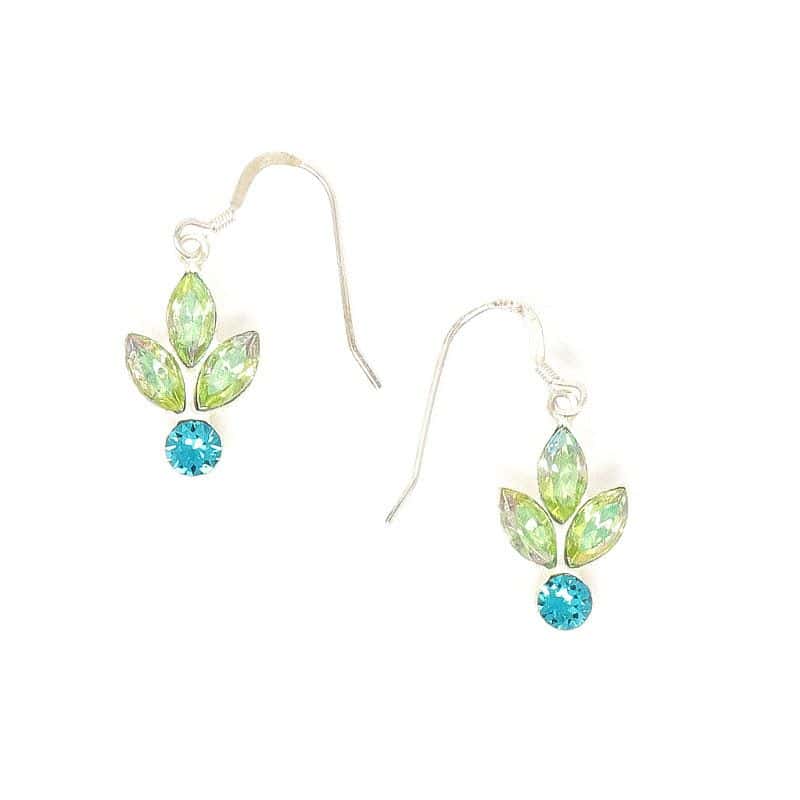
Small accents or uniquely shaped studs can work well.
Necklaces

You can experiment with slightly more modern silhouettes or subtle pops of color that align with your personal brand.
Accessories
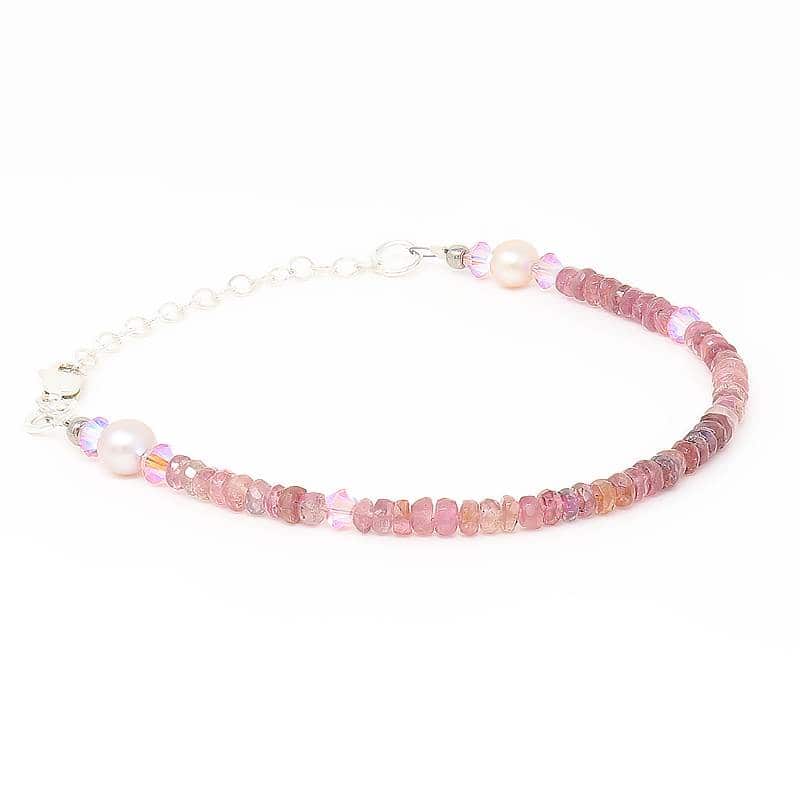
A unique bracelet or a tasteful piece of artisan jewelry can be a great conversation starter, provided it doesn’t overwhelm your outfit.
Casual or Service-Oriented Environments (Retail, Hospitality, Startups)
In more relaxed settings, the goal is to look “put together” without appearing overdressed.
The Approach
Keep it minimalist. A simple watch and a pair of modest earrings are usually perfect. The key here is cleanliness and simplicity; check it the night before to make sure your jewelry is polished and not tarnished.
Specific Tips for Every Piece
Regardless of the industry, there are certain guidelines that help ensure your jewelry remains professional:
The Watch
Although it may not occur as a tool for your interview, a classic wristwatch is perhaps the most “appropriate” piece of jewelry for any interview. It signals that you value time and organization. While smartwatches are now widely accepted, be sure that your notifications are silenced so your wrist doesn’t buzz mid-sentence.
Rings
Think twice about showcasing your rings with oversized stones or those that make a noise when you gesture with your hands. Simple bands or small gemstones keep the focus on your communication.
Earrings
If you’re wearing long earrings, check them in a mirror while speaking. If they swing like pendulums or hit your shoulders, they may be distracting to someone trying to pay attention to you.
A Final Checklist Before You Leave
To ease any last-minute apprehensions, run through this quick checklist:
- The Sound Test: Move your arms and tilt your head. Do any of your pieces make a noise? If so, consider removing them.
- The Mirror Test: Look at your overall reflection. Does the jewelry blend into the outfit, or is it the first thing you notice? Unlike at every other event, you should be the focus of the interview, not your accessories.
- The Coordination Check: Ensure your metals are generally coordinated (e.g., all gold or all silver) to maintain a cohesive, polished look.
Ultimately, your jewelry is just the finishing touch. The most impressive thing you can wear into an interview is confidence in your own abilities. By keeping your accessories subtle and appropriate, you ensure that the spotlight stays exactly where it belongs: on your talent and your potential.
Good Luck!
Interview Winners
Gear Up to Win The Day, and The Job
References
Riggio, R.E. and Throckmorton, B. (1988), The Relative Effects of Verbal and Nonverbal Behavior, Appearance, and Social Skills on Evaluations Made in Hiring Interviews1. Journal of Applied Social Psychology, 18: 331-348. https://doi.org/10.1111/j.1559-1816.1988.tb00020.x
Elzey, Suzan M., “The Effect of Applicant Appearance on Hiring Decisions, Perceptions of Job Performance and Perceptions of Applicant Confidence” (2006). Education Masters. Paper 165.
https://fisherpub.sjf.edu/education_ETD_masters/165