

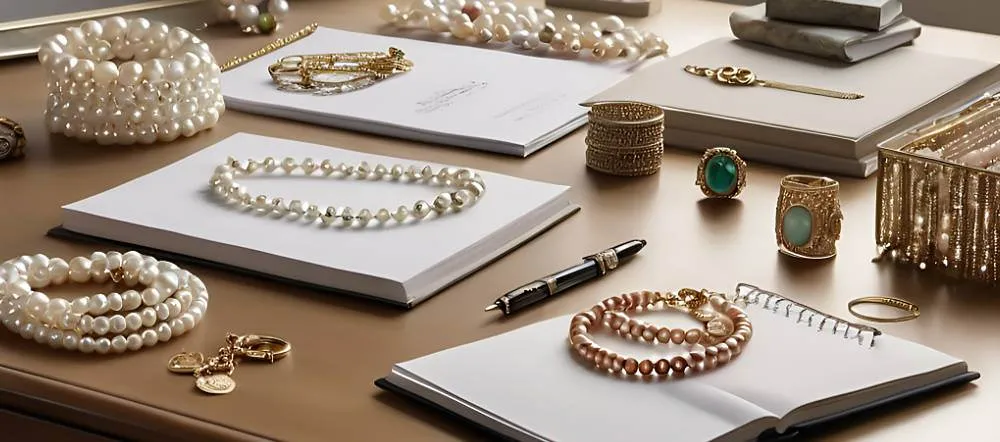

Different Types of Pearls: Your Complete Visual Guide
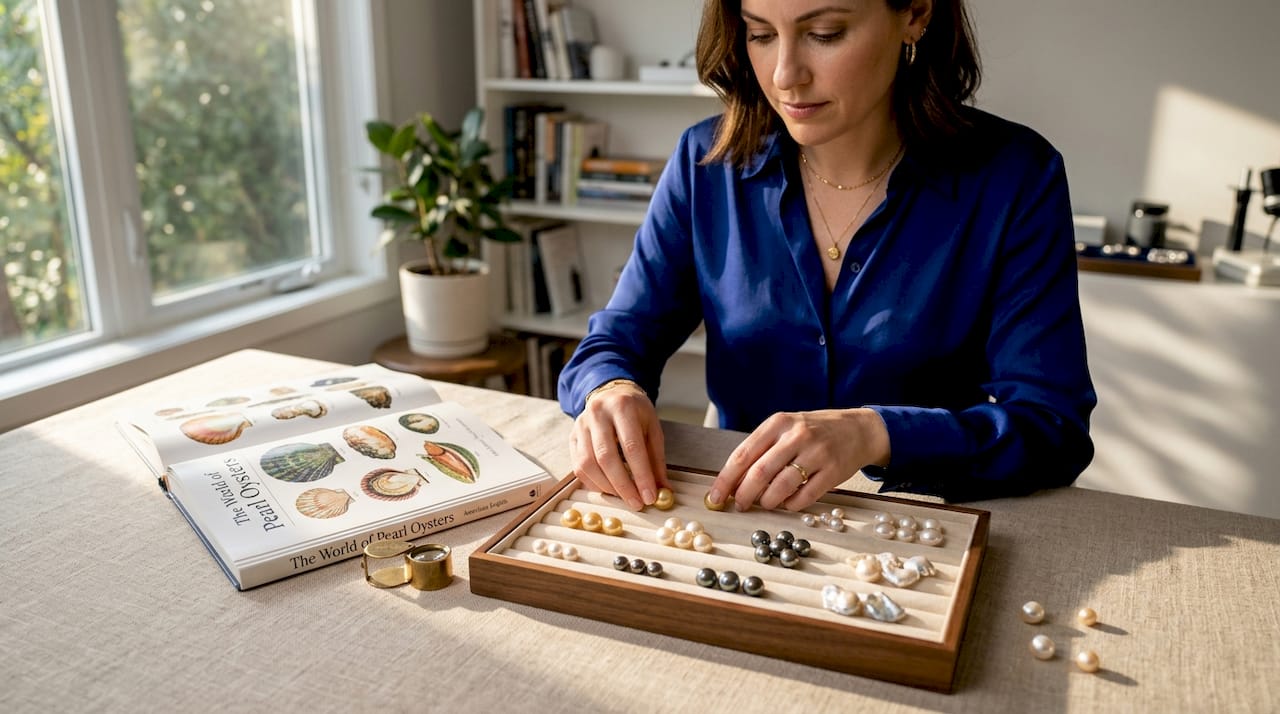
Not all pearls are created equal, and if you’ve ever assumed a pearl is just a pearl, you’re about to see how much you’ve been missing. The different types of pearls span a surprising range of origins, colors, sizes, and shapes, from the classic white Akoya to the exotic dark Tahitian. Each variety carries its own story, formed over months or years inside a living creature, and each one behaves differently in jewelry and decor. This guide walks you through exactly what sets each pearl type apart, so you can appreciate and shop for them with real confidence.
Table of Contents
- Key Takeaways
- How different types of pearls actually form
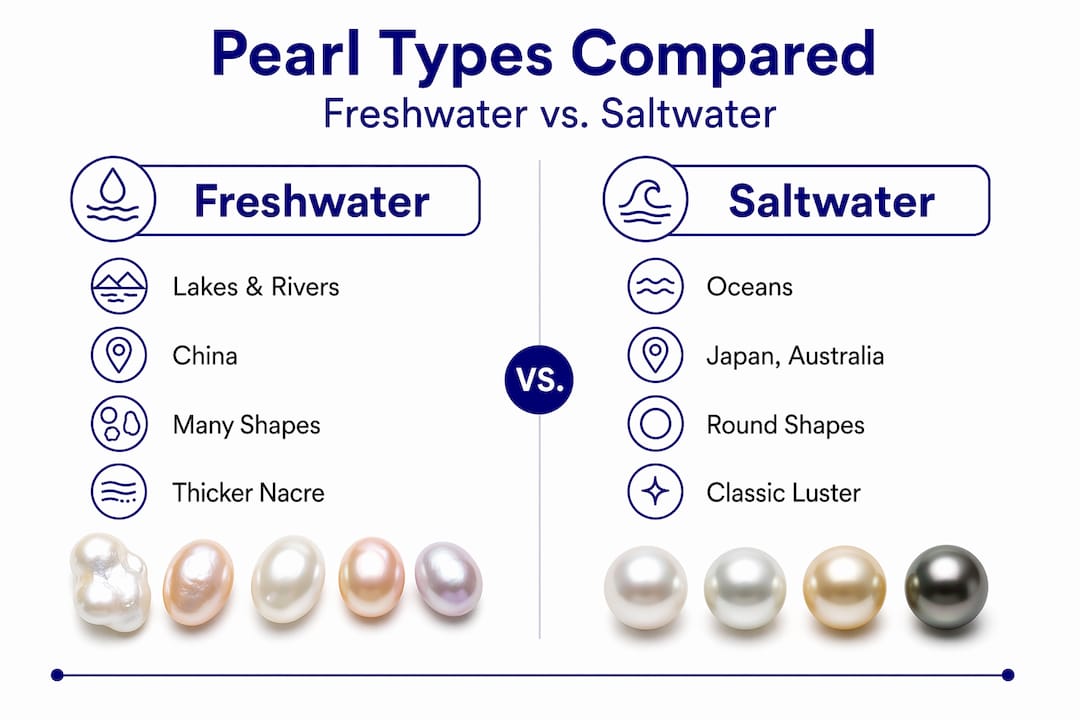
- Freshwater vs. saltwater pearls: the core comparison
- The iconic saltwater varieties worth knowing
- Freshwater subtypes and the beauty of unusual shapes
- Nacre quality, oyster genetics, and why sustainability matters
- My take on how we should think about pearl variety
- Explore pearl jewelry that reflects this diversity
- FAQ
Key Takeaways
| Point | Details |
|---|---|
| Natural vs. cultured distinction | Nearly all pearls sold today are cultured, not natural, due to extreme rarity of wild pearls. |
| Freshwater pearls offer pure nacre | Non-bead freshwater pearls are composed almost entirely of nacre, making them surprisingly durable. |
| Saltwater pearls vary dramatically | Akoya, Tahitian, South Sea, and Sea of Cortez pearls each have distinct colors, sizes, and origins. |
| Shape affects value and style | Baroque, keshi, and coin pearls offer artistic alternatives to the rare round pearl. |
| Oyster genetics shape the future | Genetic diversity in pearl oysters is critical for sustaining pearl quality and disease resistance long term. |
How different types of pearls actually form
Most people learn that pearls come from oysters and leave it there. The real story is far more interesting. When an irritant enters a mollusk’s soft tissue, the creature responds by coating it in layer after layer of nacre, a composite of aragonite crystals and a protein called conchiolin. That slow, organic buildup is what produces the pearl’s legendary luster and iridescence. Nacre’s layered architecture is roughly 3,000 times tougher than basic calcium carbonate alone, which explains why pearls can survive centuries in the right conditions.
Natural pearls form this way entirely on their own, without any human input. A grain of sand, a parasite, or a tiny fragment of shell finds its way inside a wild mollusk, and the creature takes over. These pearls are extraordinarily rare, which is why they command extraordinary prices at auction. Cultured pearls, on the other hand, are grown on dedicated farms where technicians intentionally insert a bead nucleus or a piece of donor mantle tissue to start the process. The nacre formation is identical biologically. The only difference is who started the clock.
“The word ‘cultured’ doesn’t mean artificial. It means assisted. The nacre, the luster, the organic beauty of a cultured pearl is every bit as real as its wild counterpart.” This distinction matters deeply when you’re shopping, and understanding it helps you push back against the cultured pearls misconception that they’re somehow lesser gems.
Because cultured pearls enable modern markets through consistent sizing, shape control, and affordable pricing, they’ve made pearl jewelry accessible to people who would never be able to afford a natural strand. That’s something worth celebrating, not apologizing for.
Freshwater vs. saltwater pearls: the core comparison
The broadest way to organize pearl types is by the water they come from. This single distinction determines a pearl’s typical size, nacre thickness, color range, and price point.
| Feature | Freshwater pearls | Saltwater pearls |
|---|---|---|
| Primary origin | Rivers and lakes, mainly China | Oceans, varies by type |
| Nacre composition | Nearly 100% nacre (non-bead) | Thinner nacre over bead nucleus |
| Shape tendency | Baroque, oval, rice, round | Rounder, more symmetrical |
| Color range | White, pink, lavender, peach | White, cream, black, gold |
| Price range | Generally more affordable | Higher, varies by variety |
| Typical use | Everyday jewelry, statement pieces | Fine jewelry, heirloom pieces |
Freshwater pearls are predominantly grown in Chinese lakes and rivers, and they’re unique because most are cultured without a bead nucleus. That means the pearl is composed almost entirely of nacre from the inside out. The result is a gem that’s often more durable than people expect and available in a wider variety of natural pastel colors.
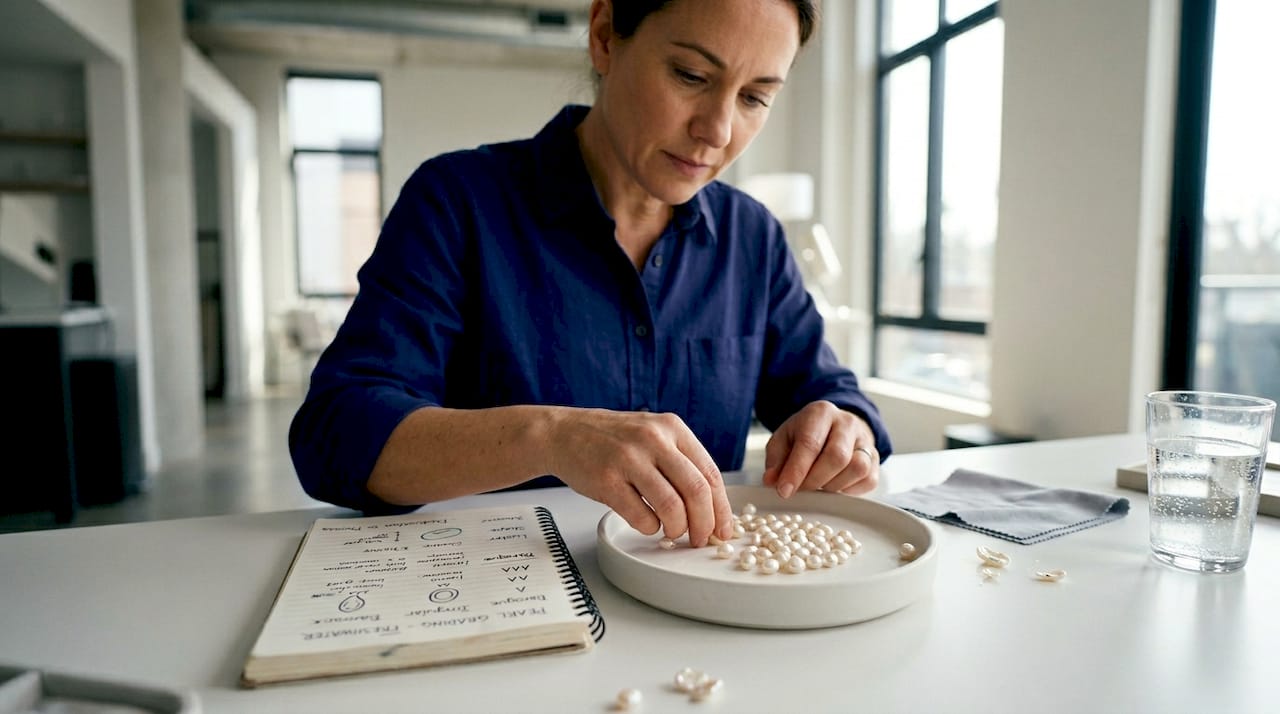
Saltwater pearls grow inside marine oysters in ocean environments. Because saltwater oysters are more delicate and slower to produce, farmers typically insert one pearl per oyster at a time. The nucleation process uses a round bead, so the nacre layer over that bead is thinner than in most freshwater varieties. That said, the luster on a high-quality saltwater pearl is extraordinary and worth every penny.
Pro Tip: When comparing freshwater vs saltwater pearls for a purchase, ask specifically about nacre thickness. A thicker nacre layer means better durability and a deeper, more complex luster over time. This is one of the first things to check in a solid pearl grading guide.
The iconic saltwater varieties worth knowing
Saltwater pearl types each have a distinct personality, and once you know them, you’ll recognize them instantly.
Akoya pearls
The classic pearl you picture on a strand necklace. Cultivated primarily in Japan and China inside Pinctada fucata oysters, they’re prized for intense luster and consistently round shapes. They typically range from 6mm to 9mm. Their cool white and cream tones with rose or silver overtones make them the go-to pearl for formal jewelry and bridal pieces.
Tahitian pearls
Grown in Pinctada margaritifera oysters in the lagoons of French Polynesia, they’re the only pearls in the world that produce naturally dark hues, ranging from deep charcoal and peacock green to aubergine and midnight blue. Sizes run from about 8mm to 14mm. A well-graded Tahitian pearl catches the light in ways that feel almost otherworldly.
South Sea pearls
The largest commercially available pearls, typically ranging from 9mm to 20mm, are cultured inside Pinctada maxima oysters in the warm waters off Australia, Indonesia, and the Philippines. Their color palette is soft and luxurious: bright white, silver, and the highly sought-after deep gold tone from Indonesian and Philippine farms. Their size and rarity firmly place them in the fine jewelry category.
Sea of Cortez pearls
From the Gulf of California, these are among the rarest pearls in the world. They’re cultured in rainbow-lipped oysters (Pteria sterna) and are known for a phenomenon called orient, which is an intense iridescent glow that shifts across the surface. Their production is extremely limited, which makes them a collector’s gem rather than a mainstream option.
Each of these types shapes jewelry design differently. Akoya pearls lend themselves to classic strands and stud earrings. Tahitians anchor dramatic drop earrings and pendants. South Sea pearls justify elaborate settings with gold or platinum. Sea of Cortez pearls are often showcased as single focal stones precisely because their beauty needs no company.
Freshwater subtypes and the beauty of unusual shapes
Not every pearl aspires to be round, and that’s a good thing. Perfectly round pearls are genuinely rare, even in top-tier collections, because nacre builds organically without any guarantee of symmetry. That natural randomness has given rise to some of the most interesting pearl forms available today.
Baroque pearls
Their free-form, organic shapes have no axis of symmetry. No two are alike, and that’s precisely why designers love them. They’re used in sculptural necklaces, artisan earrings, and wearable art pieces where the pearl’s natural curve becomes the focal point.
Keshi pearls
Formed as byproducts of cultured pearl farming when the mollusk rejects the nucleus but continues producing nacre, the result is a small, irregular, all-nacre pearl with exceptional luster. Because they’re solid nacre, they often outshine much larger bead-nucleated pearls.
Coin pearls
Flat and circular, grown by inserting a flat disc nucleus, their smooth, mirror-like surface makes them favorites for pendant designs and modern geometric jewelry.
Mabe pearls
Cultured against the oyster’s inner shell rather than inside the body, producing a flat-backed, domed pearl, they’re ideal for statement rings and large pendant settings where only the face of the pearl is visible.
Edison pearls
Representing a newer category of bead-nucleated freshwater pearl developed in China, they’re large, often 12mm to 15mm, and come in rich, unusual colors like lavender, purple, and metallic copper. The bead nucleus means the nacre is naturally thinner than a non-bead freshwater pearl, which is worth knowing before you buy.
Pro Tip: If you love the look of a large, colorful pearl but don’t want to spend South Sea prices, Edison freshwater pearls are your best alternative. Just look for pieces where the nacre layer is at least 0.8mm thick to get the luster you’re after. Exploring modern pearl jewelry designs that feature these shapes is a great way to see how versatile they really are.
Nacre quality, oyster genetics, and why sustainability matters
Pearl quality doesn’t exist in isolation from the health of the oysters that produce it. The nacre itself is a composite material whose optical magic comes from the precise layering of microscopic aragonite plates. When those layers are uniform and dense, you get that deep, glowing luster. When they’re irregular, you get a chalky or dull surface. Genetics, water temperature, nutrition, and stress all influence how well an oyster deposits nacre.
| Factor | Effect on pearl quality |
|---|---|
| Nacre thickness | Determines luster depth and durability |
| Aragonite layer uniformity | Controls iridescence and surface quality |
| Oyster age at harvest | Longer culture time generally means thicker nacre |
| Water quality | Polluted water disrupts nacre deposition |
| Genetic health of oyster | Affects disease resistance and consistent nacre output |
The genetic side of pearl farming is something most buyers never consider, but it’s critical to the industry’s future. Pearl oyster genetic diversity is a direct defense against disease outbreaks and environmental stress. When farms selectively breed for desirable traits over many generations without introducing new genetic stock, inbreeding reduces the oysters’ natural resilience. The result is populations that are more susceptible to disease and less capable of producing consistent nacre.
“The future of pearl quality depends on balancing desirable nacre traits with preservation of genetic diversity to avoid brittleness and disease among oysters.” Knowing that a farm practices responsible breeding and environmental stewardship isn’t just an ethical consideration. It’s a quality signal.
For you as a buyer, this translates into a simple principle: buy from brands and farms that are transparent about their sourcing. Understanding what makes pearls valuable goes beyond just color and size. It includes the health of the ecosystem and the oysters behind them.
My take on how we should think about pearl variety
I’ve watched the pearl market shift considerably over the past several years, and one thing surprises me every time. Most buyers still walk in thinking of pearls as a monolithic category, as if they’re all interchangeable white spheres. In my experience, that assumption costs them. It pushes them toward the most conventional options when the most interesting and often the best-value pearls are sitting right next to them.
I’ve found that people who discover baroque pearls or keshi pearls rarely go back to insisting on round. There’s something liberating about a gem that wears its organic origin openly. What I think gets overlooked consistently is the science underneath it all. When you understand what nacre actually does and how genetic health shapes it, you stop shopping by looks alone and start asking better questions.
The sustainability angle is where I see the most blind spots. Buyers concerned about ethical sourcing in other categories forget to apply the same curiosity here. Oyster health, genetic diversity, and farming practices matter to the pearls you wear. That’s not a minor footnote. It’s the foundation of quality.
My recommendation: broaden your pearl vocabulary before you buy. The saltwater vs. freshwater comparison is just the beginning.
— Veronique
Explore pearl jewelry that reflects this diversity
If this guide has sparked your curiosity about the extraordinary range of pearls available, the next step is seeing them in real pieces. At Hermj, each handmade design is crafted to honor the character of the pearl it features, whether that’s the soft pastels of a Chinese freshwater strand or the moody depth of a Tahitian drop.
Hermj’s collection of freshwater pearl jewelry includes everything from delicate rice pearl earrings to bold baroque pendants, all made with genuine pearls at prices that don’t require a special occasion to justify. You’ll also find statement necklaces that put Edison and coin pearls front and center, giving you access to the full spectrum of pearl types covered in this guide. Every piece is customizable, which means the pearl variety you’ve just fallen in love with can actually end up in your hands. Browse the collection and let the pearls do the rest.
FAQ
What’s the difference between natural and cultured pearls?
Natural pearls form inside wild mollusks without any human involvement and are extremely rare. Cultured pearls are grown on farms through intentional nucleation, and they account for nearly 100% of pearls sold today.
Are freshwater pearls lower quality than saltwater pearls?
Not necessarily. Non-bead freshwater pearls are composed almost entirely of nacre, which can make them more durable than bead-nucleated saltwater pearls with thinner nacre coatings. Quality depends on nacre thickness, luster, and surface condition, not water type alone.
What are the rarest types of pearls?
Natural wild pearls are the rarest of all. Among cultured varieties, Sea of Cortez pearls are considered exceptionally rare due to extremely limited production. South Sea golden pearls are also rare within their category.
What pearl colors occur naturally?
Pearl color types span white, cream, pink, lavender, peach, black, gray, green, and gold. These colors come from the mollusk species, water conditions, and the pearl’s own organic pigments, not dye or treatment in high-quality specimens.
How do I choose the right pearl type for jewelry?
Match the pearl type to the occasion and your style. Akoya pearls suit classic and formal looks. Tahitian and South Sea pearls make bold, luxurious statements. Freshwater baroque and keshi pearls work beautifully in artisan and everyday jewelry.
Recommended
- How I Choose The Perfect Pearl Necklace: A Practical Guide
- The difference between freshwater and saltwater pearls
- The Truth About Pearl Durability: A Designer’s Guide to Care
- Understanding Pearl Quality: The Beauty Of Real Pearls