


Crystal Uses: A 2026 Guide to Healing, Decor, and Spirit
The Edit
- Crystals are used worldwide for healing, spiritual rituals, home decor, and gardening, based on their energetic properties. Proper cleansing and intentional placement enhance their effectiveness, but scientific evidence supports mainly psychological benefits rather than physiological effects. Responsible use involves setting clear intentions, maintaining routine care, and treating crystals as supportive tools alongside healthcare.
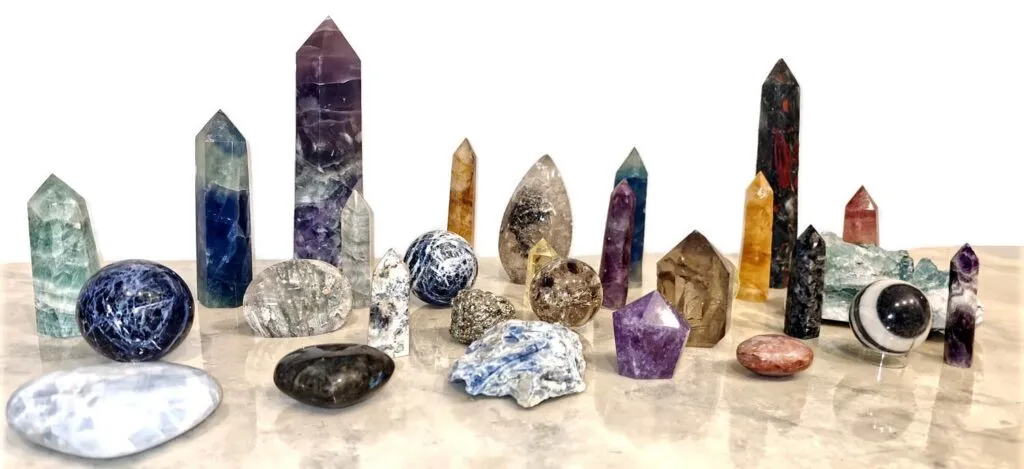
Crystal uses refer to the diverse ways we apply stones like amethyst, rose quartz, and clear quartz for healing, home decoration, and spiritual practice, drawing on their symbolic and energetic properties to support well-being and personal intention.
These aren’t fringe pursuits. Millions of us incorporate crystals into daily rituals, interior design, and mindfulness routines.
The practice sits at the intersection of ancient tradition and modern wellness culture, and understanding how to use crystals well, if you’re drawn to their beauty or perceived energy, starts with knowing what each application entails.
What are the main crystal uses, and how do they differ?
Crystal uses fall into four broad categories, and the distinction between them matters more than most beginner guides acknowledge. Each category calls for a different intention, a different stone, and a different approach to placement or ritual.
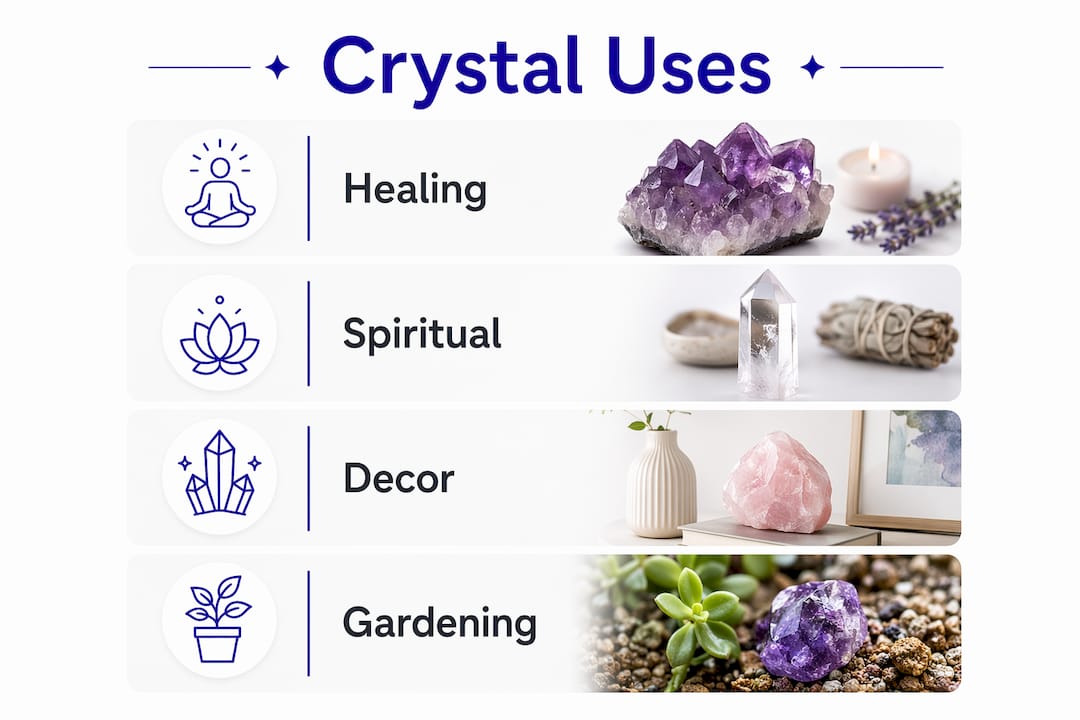
Healing and emotional support are the most widely discussed applications. Here, crystals like amethyst and rose quartz are used during meditation, breathwork, or quiet reflection to support relaxation and emotional balance.
The practice involves holding a stone, placing it on the body, or simply keeping it nearby as part of a calming routine. Crystal therapy supports relaxation and emotional balance, though it functions best as a complement to other wellness practices rather than a standalone treatment.
Spiritual and ritual use goes a step further. This includes chakra work, energy cleansing, manifestation practices, and intention-setting ceremonies. Practitioners place specific stones on the body’s energy centers, use them to anchor affirmations, or incorporate them into moon rituals.
The Vogue 2025 crystal guide frames these uses primarily as spiritual and ritual practices that align crystal placement with the environment and intention, rather than as medical healing.
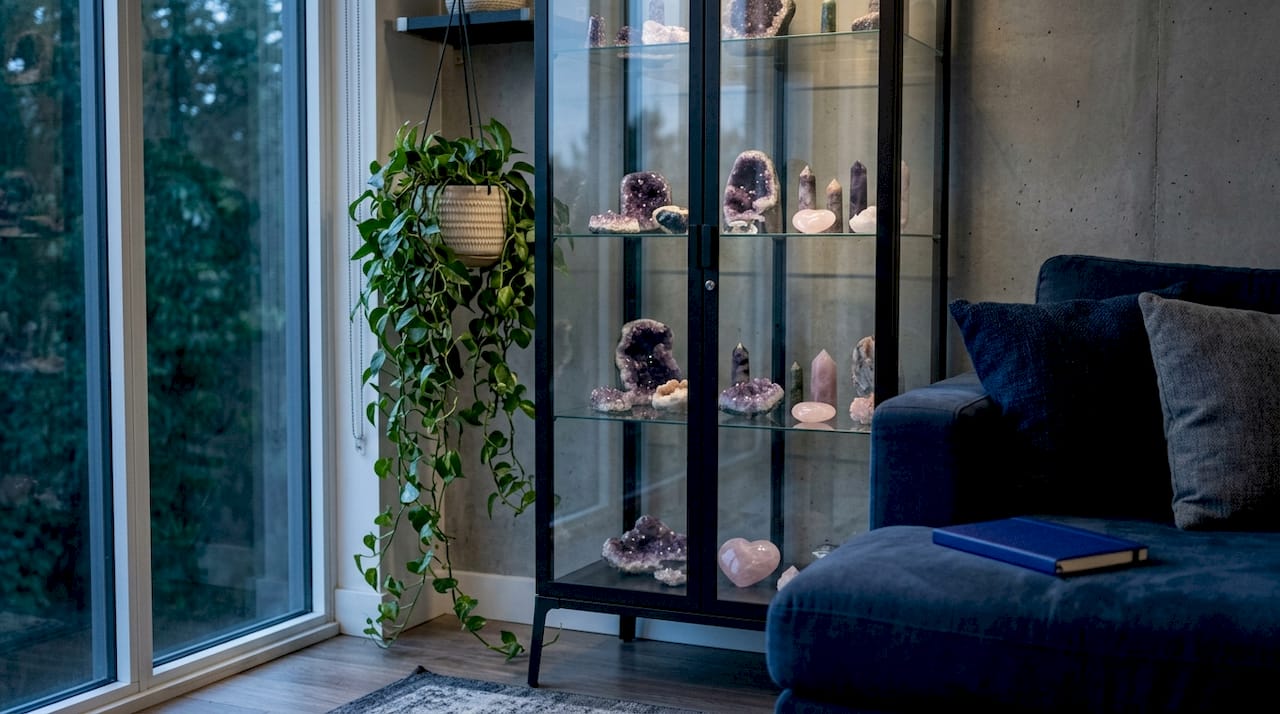
Home decor and ambient influence are perhaps the most accessible entry points for newcomers. Crystals placed in living spaces serve both aesthetic and energetic purposes.
A cluster of amethyst on a bookshelf, a rose quartz sphere on a nightstand, or a clear quartz point near a window all contribute to a room’s visual and atmospheric character. This use doesn’t require belief in metaphysical properties to be meaningful.
Gardening and plant vitality is the most overlooked application. Crystals like moss agate and tiger’s eye are placed near plant roots or in decorative garden arrangements to promote a sense of vitality and protection.
Some practitioners also use crystal-charged water to nourish plants. The approach blends horticultural care with symbolic intention in a way that’s both practical and visually appealing.
How do you properly cleanse and charge crystals for effective use?
Crystals are thought to absorb environmental energy like sponges, picking up the emotional residue of their surroundings over time. Regular cleansing resets that energetic slate and keeps your practice feeling fresh and intentional. Think of it the way you’d care for a fine piece of art: consistent, gentle attention preserves both its beauty and its meaning.
Here are the most reliable cleansing and charging methods, matched to stone type:
Moonlight charging. Place your crystals on a windowsill or outdoors under a full moon overnight. This is the gentlest and most universally recommended method. It works beautifully for amethyst, clear quartz, and rose quartz. The full moon phase is considered ideal for both cleansing and recharging simultaneously.
Sage or smoke cleansing. Pass your crystal through the smoke of burning sage, palo santo, or cedar for 20 to 30 seconds. This method works for all stone types and is particularly useful when you want a quick reset between uses.
Earth burial. Wrap your crystal in a natural cloth and bury it in garden soil for 24 hours. This grounds the stone’s energy and is especially effective for heavily used pieces. It’s a slower method but deeply restorative.
Sound cleansing. Use a singing bowl, tuning fork, or even a clear bell tone near your crystals. Sound vibration is safe for all stone types, including moisture-sensitive ones, making it a practical all-purpose option.
One critical precaution: selenite dissolves in water due to its Mohs hardness of 2, so it should always be charged indoors and kept completely dry. Never place selenite outside overnight where dew could form, and skip any water-based cleansing methods entirely for this stone.
Pro Tip: Set a monthly cleansing ritual tied to the full moon. Mark it in your calendar the same way you’d schedule any self-care practice. Consistency helps you notice subtle shifts in how your stones feel and look over time, which deepens your connection to the practice.
Moon phase timing adds another layer of intention. The full moon is best for charging and amplifying energy. The new moon suits cleansing and releasing what no longer serves you. Aligning your crystal care with these cycles isn’t mandatory, but many practitioners find it adds a satisfying rhythm to their routine.
How can you use crystals in home decor, and what effects do they have?
Placing crystals in your home is one of the most intuitive ways to work with their energy, and the right stone for each room depends on both function and personal resonance. Experts recommend matching a stone’s perceived energetic activity to the purpose of the space.
| Crystal | Room | Perceived effect |
|---|---|---|
| Black tourmaline | Entryway | Protection, grounding |
| Clear quartz | Living room, office | Neutral amplifier, clarity |
| Rose quartz | Bedroom | Calm, emotional warmth |
| Amethyst | Meditation space | Relaxation, intuition |
| Citrine | Kitchen, workspace | Optimism, creative energy |
Neutral stones like clear quartz suit shared spaces because they amplify whatever energy is already present without imposing a specific mood. Softer stones like rose quartz work well in bedrooms because their gentle, receptive quality supports rest and emotional ease.
You can explore detailed room-by-room guidance in HerMJ’s crystal decor placement guide for practical ideas across every space in your home.
Placement matters as much as stone selection. A crystal tucked behind a lamp in a dark corner has less visual and atmospheric impact than one placed where natural light can move through it.
Window ledges, eye-level bookshelves, and bedside tables are all high-impact locations. For workspaces, a small, clear quartz point near your monitor or notebook keeps the energy focused without feeling cluttered.
Pro Tip: If a crystal starts to feel “off” in a particular spot, trust that instinct and move it. There’s no rigid rule about where a stone must live. Personal resonance is the most reliable guide you have.
The effects you’ll notice are ambient rather than dramatic. A room with well-placed crystals tends to feel more intentional, more considered. Whether that’s the stones themselves or simply the act of curating your space thoughtfully is a question worth sitting with.
What are the reported benefits and scientific perspectives on crystal healing?
The benefits most commonly attributed to crystals include reduced anxiety, improved focus, emotional balance, and a stronger sense of personal intention.
These are real experiences for many people. The question science asks is whether the crystal itself produces those effects or whether the ritual surrounding it does the work.
A 2025 placebo-controlled trial from the University of Southern Denmark found no measurable health effects from carrying amethyst compared to carrying a plain stone over four weeks.
Even participants who believed strongly in alternative medicine showed no difference in outcomes. This finding doesn’t invalidate the personal experience of crystal users. It does suggest that the benefits are psychological and symbolic rather than physiological.
“Crystal therapy supports relaxation and emotional balance but lacks strong scientific evidence as a medical treatment; it should be complementary, not a replacement.” — Anahata Holistic Healing
That framing is the most honest and useful one available. Crystals work as anchors for intention, as objects of mindful attention, and as beautiful reminders of the values and goals you want to cultivate.
The ritual of selecting a stone, cleansing it, and placing it with care creates a moment of deliberate focus that has genuine psychological value. That’s not a small thing.
What a responsible crystal healing practice always avoids is medical substitution. No stone treats illness, replaces medication, or diagnoses conditions. Practitioners at Anahata Holistic Healing and similar centers are clear on this point: crystals complement wellbeing; they don’t replace healthcare. Approaching them with that understanding keeps the practice both safe and genuinely enriching.
How do crystals enhance gardening and plant care?
Crystals bring both visual beauty and symbolic intention to garden spaces, and their use in plant care is more thoughtful than it might first appear. Specific crystals support plant vitality through placement near roots or in decorative arrangements, with each stone carrying its own traditional association.
| Crystal | Plant application | Associated property |
|---|---|---|
| Clear quartz | Near any plant | Growth amplification |
| Moss agate | Root zone of vegetables | Abundance, connection to earth |
| Tiger’s eye | Garden borders | Protection, resilience |
| Green aventurine | Houseplants | Vitality, new growth |
| Amethyst | Meditation garden | Calm, spiritual energy |
For indoor houseplants, placing a small tumbled moss agate or green aventurine at the base of the pot adds a decorative accent while honoring the stone’s traditional association with growth and abundance. Outdoors, larger raw crystals tucked among garden beds or along pathways create visual focal points that also serve as energetic markers for the space.
Crystal elixirs offer another application. You charge a clear quartz crystal in clean water under sunlight for several hours, then use that water to mist or water your plants. This practice is more about ritual and intention than chemistry, but many gardeners find it adds a meaningful layer to their plant care routine.
- Place crystals in areas where they’ll receive natural light to maintain their visual appeal and energetic charge.
- Recharge garden crystals monthly by brushing off soil and leaving them in sunlight or moonlight overnight.
- Avoid placing water-soluble stones such as selenite or halite outdoors, where rain or irrigation could damage them.
- Combine crystal placement with consistent watering and feeding schedules. The stones support intention; good horticultural practice does the rest.
A crystal-adorned garden also simply feels more considered and calming. That aesthetic quality alone makes the practice worthwhile, regardless of your position on crystal energy. You can find more inspiration for gemstone home and garden decor at HerMJ’s decor resource pages.
Key takeaways
Crystal uses span healing, decor, spiritual ritual, and gardening, and their value lies in intentional practice, proper care, and realistic expectations rather than unproven medical claims.
| Point | Details |
|---|---|
| Four distinct use categories | Healing, decor, spiritual ritual, and gardening each require different stones and approaches. |
| Cleansing is non-negotiable | Moonlight, sage, and sound cleansing maintain energetic clarity; keep selenite dry at all times. |
| Placement shapes experience | Match stone energy to room function: black tourmaline for entryways, rose quartz for bedrooms. |
| Science supports ritual, not physiology | A 2025 trial found no measurable health effects from amethyst, pointing to symbolic and psychological benefits. |
| Crystals complement, never replace | Responsible practice treats crystals as supportive tools alongside, not instead of, professional healthcare. |
What I’ve learned from years of working with crystals
By Veronique
Most people start their crystal practice by buying the prettiest stone they can find, and there’s nothing wrong with that. Beauty is a legitimate reason to bring something into your life.
What I’ve noticed, though, is that the people who get the most from their crystals are the ones who build a consistent routine around them, not necessarily the ones who own the most impressive collections.
The ritual matters more than the stone. Cleansing your crystals on a schedule, placing them with intention, and returning to them during moments of reflection create a practice that genuinely supports your well-being.
The crystal becomes a physical anchor for that mental intention. Whether the stone itself carries energy or simply reminds you to pause and breathe is, honestly, a question I’ve stopped needing to answer definitively.
What I’d caution against is the all-or-nothing thinking that sometimes surrounds crystal culture. You don’t have to believe every metaphysical claim to benefit from the practice.
You also don’t have to dismiss it entirely because the science is inconclusive. The most grounded approach I’ve found is to treat crystals the way you’d treat any meaningful object: with care, with intention, and without expecting them to do the work that only you can do.
Start with three stones. Learn them well. Build your practice from there.
— Veronique
Carry your crystals with you: HerMJ’s artisan gemstone jewelry
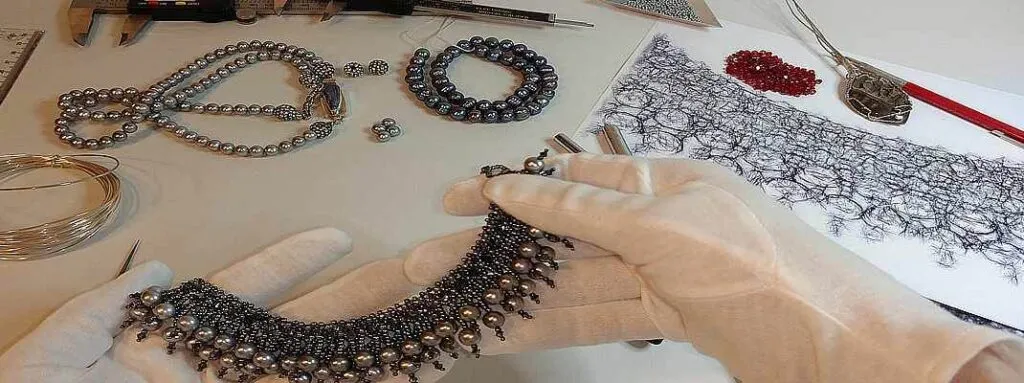
The most personal way to work with crystal energy is to wear it. HerMJ creates handcrafted jewelry featuring genuine gemstones and pearls, each piece made with the kind of care and attention that mass-produced accessories simply can’t match.

Whether you’re drawn to the calm of rose quartz, the clarity of clear quartz, or the rich depth of amethyst, HerMJ’s collection translates those qualities into wearable art you can carry through every part of your day. Every piece is crafted to blend elegance with personal style at a price that respects your budget. Explore the artisan craftsmanship details behind each design, or browse the full range of gemstone jewelry pairings to find a piece that resonates with your aesthetic and your practice.
FAQ
What are the most common crystal uses for beginners?
The most accessible crystal uses for beginners are meditation support, home decor placement, and intention-setting rituals using stones like clear quartz, amethyst, and rose quartz. These three stones are widely available, versatile, and well-documented in both traditional and contemporary crystal healing practices.
How often should you cleanse your crystals?
Most practitioners recommend cleansing crystals at least once a month, ideally aligned with the full moon. Heavily used stones, particularly those carried daily or used in emotional support work, benefit from more frequent cleansing using sage smoke or sound.
Do crystals have scientifically proven health benefits?
A 2025 controlled trial found no measurable health effects from carrying amethyst compared to a placebo stone. Any benefits people experience are most likely psychological and symbolic, which still makes them meaningful, but crystals should never replace medical treatment.
Which crystals are best for home decor?
Clear quartz suits shared living spaces as a neutral amplifier, rose quartz works well in bedrooms for its calming quality, and black tourmaline is traditionally placed near entryways for protection. HerMJ’s home decor crystal guide offers detailed, room-by-room recommendations.
Can you use crystals in your garden?
Yes. Moss agate, tiger’s eye, and clear quartz are among the crystals most commonly used in garden settings, placed near plant roots or along pathways to promote vitality and protection. Avoid placing water-soluble stones like selenite outdoors where they’ll be exposed to moisture or rain.
Recommended
- Types of Crystals for Home Decor: Your Style Guide
- Crystal Decoration Ideas: 5 Tips To Master Healthy Home Decor
- The Sparkling Surge: A New Take on Crystal Healing Today
- Crystal Harmony: Seasonal Beauty of Gemstone Crystal Decor