

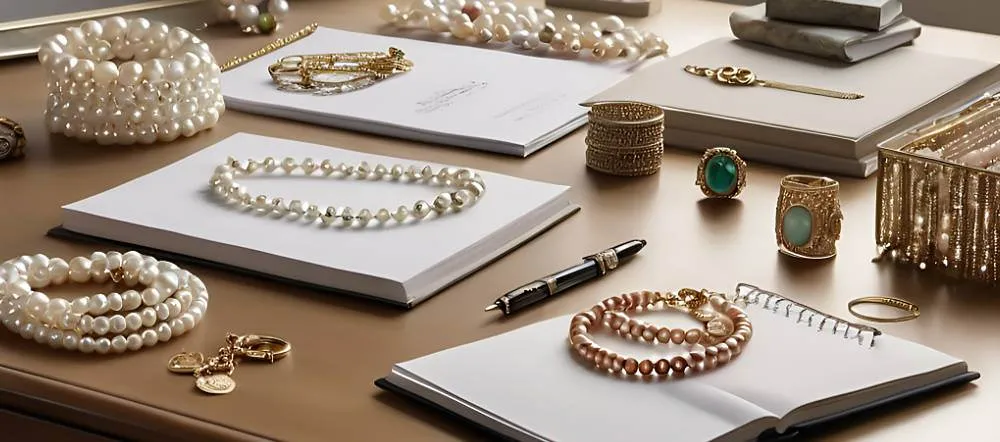

How to Care for Handmade Gemstone Jewelry
The Edit
- Proper care for handmade gemstone jewelry involves matching cleaning, storage, and daily habits to each material to preserve its appearance and structure.
- Using gentle, stone-specific methods prevents irreversible damage like dullness, cracking, or tarnish, especially when cleaning porous or organic stones carefully.
Proper care for handmade gemstone jewelry means matching your cleaning method, storage approach, and daily habits to the specific materials in each piece. Handcrafted jewelry differs from mass-produced accessories because artisan-made pieces often combine multiple stone types, organic materials like pearls, and delicate metal settings that respond differently to water, chemicals, and heat.
The gentlest method appropriate to each material is consistently the safest and most effective way to preserve both appearance and structural integrity. Get this right, and your pieces stay radiant for decades. Get it wrong, and even a single cleaning session can cause irreversible dullness, cracking, or tarnish.
What are the best cleaning methods for handmade gemstone jewelry?
Cleaning gemstone jewelry safely starts with one non-negotiable rule: know your stone’s hardness and porosity before you reach for any liquid.
The Mohs hardness scale is the industry standard for measuring scratch resistance, and it directly determines which cleaning approach is safe. You can learn more about gemstone hardness risks before you start, because a method that’s perfect for a sapphire can permanently damage a turquoise.
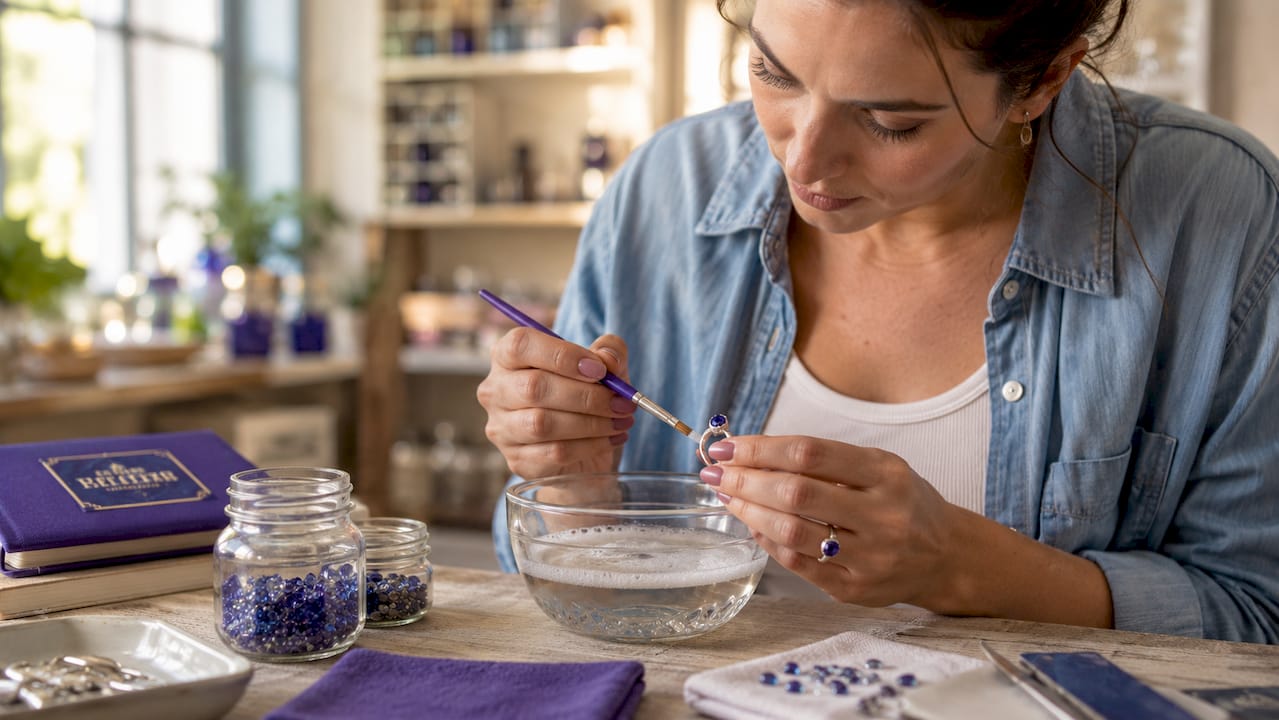
For hard gemstones like diamonds, sapphires, rubies, and amethysts, warm water with mild dish soap is a broadly safe at-home method. Soak the piece for 10 to 15 minutes, use a soft-bristled toothbrush to gently work around the settings, rinse with warm water, and dry thoroughly with a lint-free cloth.
This approach lifts oils, skin residue, and everyday grime without stripping the stone’s surface.
Porous and organic stones require a completely different approach. Opals, pearls, and turquoise should never be soaked.
For these, a barely damp soft cloth is the correct tool. Wipe gently, then follow with a dry polishing cloth to remove any remaining moisture. Soaking these stones risks water absorption, which can cause swelling, cracking, and permanent loss of luster.
| Gemstone type | Recommended cleaning method |
|---|---|
| Diamond, sapphire, ruby | Warm water, mild dish soap, soft toothbrush, thorough drying |
| Amethyst, topaz, garnet | Warm soapy water, gentle wipe, rinse, dry immediately |
| Opal, turquoise, malachite | Barely damp soft cloth only, no soaking, dry promptly |
| Pearl (natural or cultured) | Dry or barely damp cloth, polish with chamois after wearing |
| Emerald (often oiled) | Damp cloth only, avoid soap which can strip treatment oils |
Pro Tip: If your handmade piece combines hard stones with porous ones, clean each material separately. Use the dish soap method on the metal and hard stone sections first, keeping the porous stones dry, then wipe those sections with a damp cloth on their own.
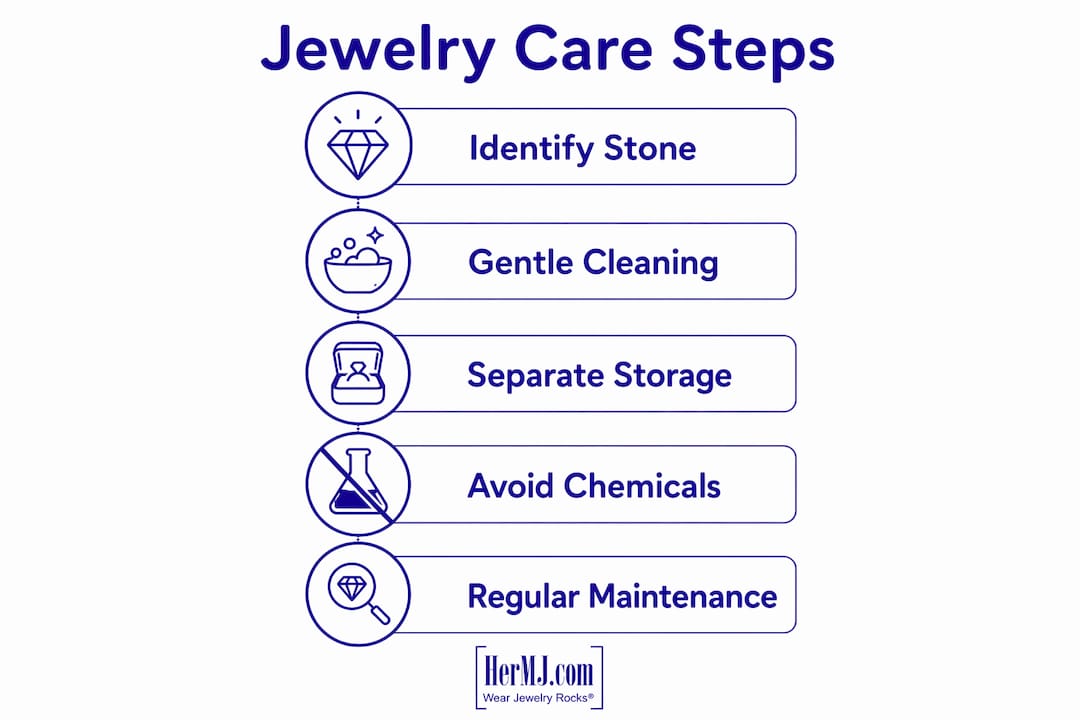
Harsh chemicals are the single biggest threat to gemstone jewelry at home. Bleach, ammonia, vinegar, and lemon juice can irreversibly damage metals and gemstones, stripping finishes and corroding settings. Stick to mild dish soap and warm water for anything that can tolerate liquid at all.
How should you store handmade gemstone jewelry to prevent damage?
Storage is where most people unknowingly cause the most damage to their pieces. Gemstones scratch each other when stored together loosely, and even a hard stone like a diamond will scratch softer metals and gems on contact. Storing pieces separately in soft cloth pouches or lined compartments is the single most protective storage habit you can build.
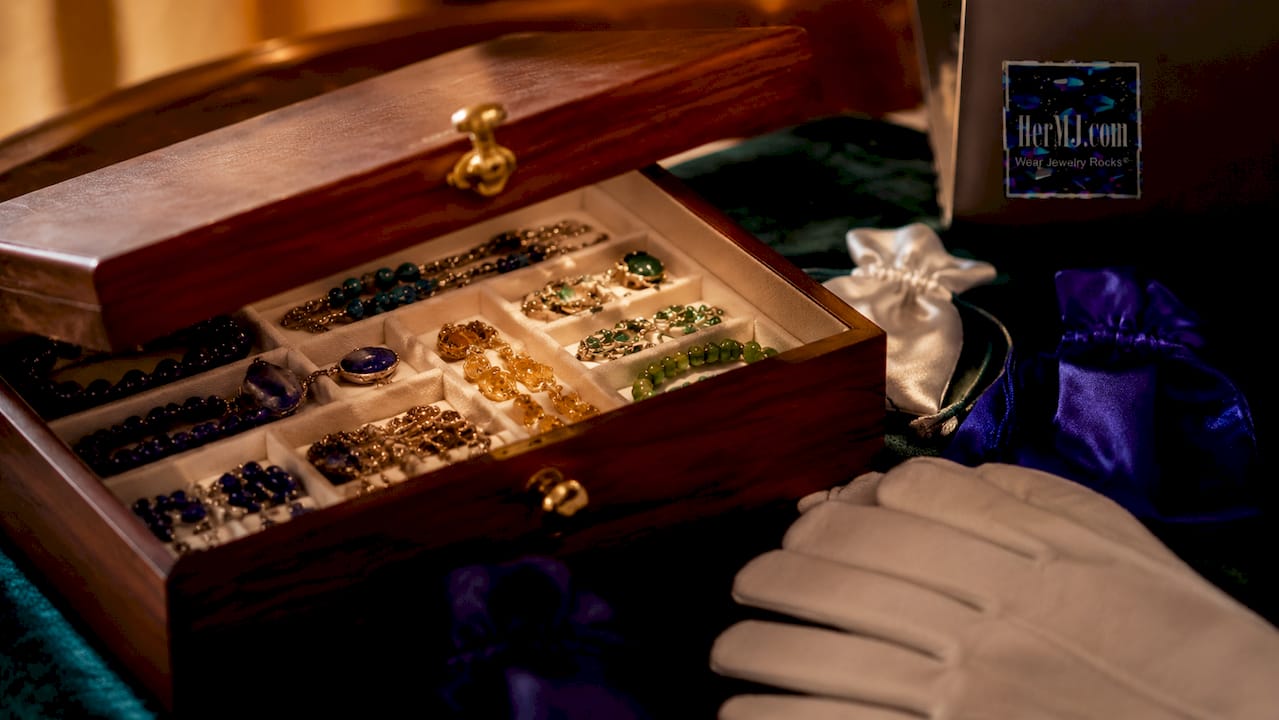
Beyond separation, the environment matters as much as the container. Extreme temperature and direct sunlight cause discoloration, degrade adhesives used in settings, and can fade certain stones like amethyst and rose quartz over time. A cool, dry drawer or a dedicated jewelry box kept away from windows is far better than a bathroom counter or a sunny vanity top.
Here are the storage practices that make the biggest difference:
- Store each piece in its own soft cloth pouch or a lined jewelry box compartment
- Use airtight containers or zip-lock pouches for silver pieces to slow tarnish formation
- Keep jewelry away from direct sunlight, heating vents, and humid bathrooms
- Place anti-tarnish strips inside your jewelry box to absorb moisture and sulfur compounds
- Never pile necklaces together. Hang them on individual hooks or lay them flat to prevent tangling and chain damage
- For beaded jewelry, store flat rather than hanging to prevent the stringing material from stretching over time
If you’re gifting a handmade piece, the packaging you choose also functions as its first layer of protection. Thoughtful jewelry-wrapping techniques serve both presentation and preservation.
What routine maintenance habits extend the life of your pieces?
Daily and weekly habits do more for gemstone jewelry maintenance than any single deep-cleaning session.
The most impactful habit is also the simplest: remove your jewelry before it comes into contact with anything that could degrade it. Removing jewelry before showering, swimming, or exercising prevents exposure to chlorine, sweat, shampoo, and body wash, all of which tarnish metals, weaken adhesives, and dull stone surfaces over time.
Here’s a practical maintenance routine you can follow:
- After every wear: Wipe your piece with a clean, dry soft cloth to remove skin oils and residue before storing it.
- Weekly: Inspect settings visually. If a stone feels loose or a prong looks bent, stop wearing the piece until it’s repaired.
- Monthly: Do a gentle cleaning appropriate to your stone type (see the table above) to remove accumulated buildup.
- Annually: Take valuable handmade pieces to a professional jeweler for inspection. Annual professional check-ups help detect early damage, reset loose stones, and keep metal settings structurally sound.
- Before storing long-term: Clean the piece thoroughly, dry it completely, and place it in an airtight pouch with an anti-tarnish strip.
One mistake people consistently make is leaving jewelry damp after cleaning or wearing it in the shower “just once.” Moisture trapped under a stone setting or inside a beaded strand is one of the most common causes of setting failure and string deterioration. Dry every piece completely before storing it, every single time.
Knowing how to prevent jewelry tarnish proactively is just as valuable as knowing how to remove it once it appears. Prevention is always faster and less risky than restoration.
How do you care for delicate pieces like pearls and turquoise?
Pearls and turquoise are organic and porous materials, respectively, and they behave more like living surfaces than inert stones.
Pearls are formed by living mollusks and are composed of calcium carbonate, making them susceptible to acids, perfumes, and even the natural acidity of skin over time. Turquoise is a hydrated phosphate mineral that readily absorbs liquids, so oils, lotions, and cleaning agents can permanently change its color.
The correct approach for both is minimal intervention. Wipe pearls with a soft, barely damp cloth after each wearing, then let them air dry completely before storing.
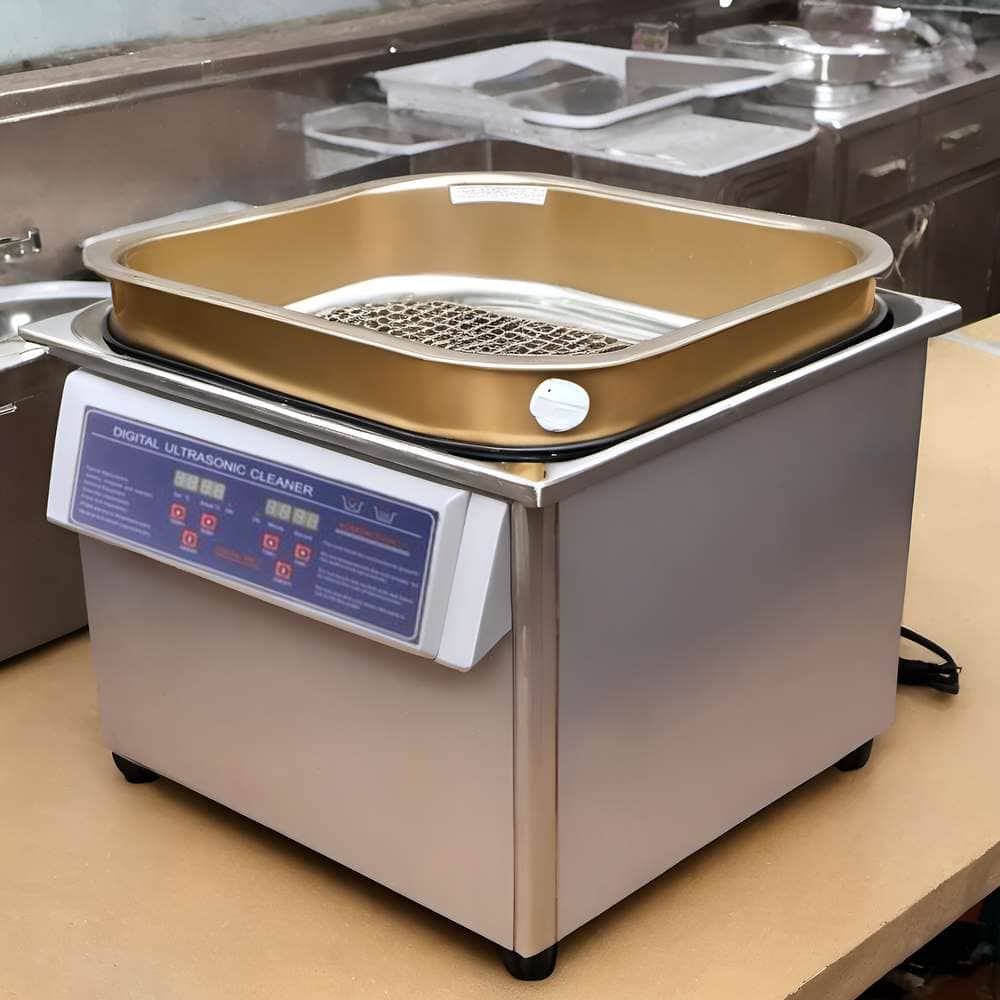
Never use ultrasonic cleaners, steam cleaners, or any chemical solution on pearls. These methods strip the nacre, the iridescent outer layer that gives pearls their characteristic luster, and that damage cannot be reversed.
For turquoise, the same damp cloth rule applies. Avoid soap entirely on turquoise, as surfactants penetrate the porous surface and alter its color. Pat dry immediately after wiping, and store turquoise pieces away from other jewelry to prevent color transfer from contact.
Pro Tip: If your pearls have lost some of their luster from infrequent wear or improper storage, wearing them regularly against clean skin actually helps restore their glow. The natural oils from your skin gently condition the nacre. You can also explore restoring pearl luster with specific techniques designed for cultured and natural pearls.
Porous and organic stones require more careful handling than hard gemstones, and identifying your jewelry’s composition before cleaning is the step most people skip. When in doubt, the damp cloth method is always the safer default.
What mistakes should you avoid when caring for gemstone jewelry?
Even well-intentioned care routines cause damage when the wrong products or methods are used. The most common mistake is reaching for household cleaners that seem gentle but are chemically aggressive toward metals and stones. Here’s a clear reference for what to do and what to avoid:
| Action | Do this | Avoid this |
|---|---|---|
| Cleaning solution | Mild dish soap in warm water | Bleach, ammonia, vinegar, lemon juice |
| Cleaning tool | Soft-bristled toothbrush or cloth | Abrasive sponges, stiff brushes |
| Soaking | Hard stones only, 10 to 15 minutes | Never soak pearls, opals, or turquoise |
| Wearing in water | Remove before all water exposure | Chlorinated pools, hot tubs, ocean water |
| Drying | Lint-free cloth, air dry completely | Storing damp or using heat to dry |
| Mixed stone pieces | Clean each material type separately | Applying one method to the entire piece |
Chlorinated water deserves special attention. Pool water and hot tub water contain chlorine at concentrations high enough to pit gold, discolor silver, and permanently bleach certain gemstones. This isn’t a gradual process. A single session in a chlorinated pool can visibly damage a piece. The same applies to hot tubs, where elevated temperatures accelerate chemical reactions against metal settings.
Excessive scrubbing is another frequent error, particularly on faceted stones. Aggressive brushing on softer gems like fluorite, calcite, or moonstone creates micro-scratches that accumulate into visible surface haze. Gentle circular motions with minimal pressure are always sufficient.
Key takeaways
Frequent, gentle cleaning matched to each stone’s material, combined with careful storage away from moisture and heat, is the foundation for preserving handcrafted gemstone jewelry over time.
| Point | Details |
|---|---|
| Match cleaning to material | Use warm soapy water for hard stones; use a damp cloth only for porous stones like pearls and turquoise. |
| Store pieces separately | Soft cloth pouches or lined compartments prevent scratches and slow tarnish formation. |
| Remove before water exposure | Showering, swimming, and exercising expose jewelry to chemicals and moisture that degrade settings and stones. |
| Inspect and dry after every wear | Wipe pieces clean and check settings regularly to catch damage before it worsens. |
| Schedule annual professional care | A yearly jeweler inspection keeps mountings secure and identifies issues invisible to the naked eye. |
What I’ve learned from years of caring for gemstone collections
I’ve handled a lot of handmade gemstone pieces over the years, and the single most consistent observation I can share is this: the people who keep their jewelry looking beautiful are not the ones with the most elaborate care routines. They’re the ones who’ve taken the time to understand what their specific pieces are made of.
A gorgeous turquoise-and-silver cuff needs a completely different approach from a sapphire pendant set in gold. Treating them the same way, even with good intentions, is where damage happens.
I’ve seen pearls go chalky from a single application of hand lotion before putting them on, and I’ve seen opals crack from being stored in a bathroom where steam from daily showers created repeated moisture cycles.
My recommendation is to start with one question every time you clean or store a piece: Is this stone hard or porous? That single distinction guides almost every correct decision that follows.
Build the habit of wiping pieces down after wearing, storing them individually, and keeping them away from chemicals and heat. These aren’t complicated steps. They just require consistency.
The other thing I’d push back on is the idea that professional cleaning is only for expensive jewelry. Even an affordable handmade piece benefits from an annual look by someone who knows what a loose prong or a weakening setting looks like. Catching that early costs almost nothing. Replacing a lost stone costs significantly more.
— Veronique
Discover HerMJ’s artisan collections and care resources

HerMJ creates handmade jewelry from genuine pearls and gemstones, and part of that commitment means helping you keep every piece looking its best long after you bring it home. If you want to go deeper into what makes artisan jewelry worth caring for, my guide on artisan jewelry craftsmanship walks through the construction details that make handmade pieces both beautiful and worth protecting.
You’ll also find guidance on pairing gemstone jewelry with your wardrobe, which naturally connects to how you store and present each piece. HerMJ’s collections are designed for real wear, and knowing how to care for them means you get to enjoy them for years.
FAQ
What’s the safest way to clean gemstone jewelry at home?
Warm water with a small amount of mild dish soap is safe for most hard gemstones. Soak for 10 to 15 minutes, brush gently with a soft toothbrush, rinse, and dry completely before storing.
Can you clean pearls with soap and water?
No. Pearls should only be wiped with a barely damp soft cloth. Soap, soaking, and chemical cleaners strip the nacre and permanently reduce luster.
How should you store handmade gemstone jewelry?
Store each piece separately in a soft cloth pouch or a lined jewelry box compartment, in a cool, dry location away from direct sunlight and humidity.
How often should handmade gemstone jewelry be professionally cleaned?
At least once a year. Annual professional inspections catch loose settings, weakened prongs, and early metal fatigue before they result in lost stones or structural damage.
Does wearing jewelry in the shower damage gemstones?
Yes. Shampoo, conditioner, and soap residue build up in settings and dull stone surfaces over time. Chlorinated water from pools causes faster and more severe damage, including discoloration and metal pitting.
Recommended
- How to Identify Truly Handcrafted Jewelry Pieces
- Handcrafted Jewelry Making Techniques for DIY Creators