






The Origin of Black Friday is rooted in more than many shoppers realize. Discover how it went from a Stock Market Spectacle to a seasonal sale spectacular.
Origin Of Black Friday: Stock Market Spectacle to Seasonal Sale
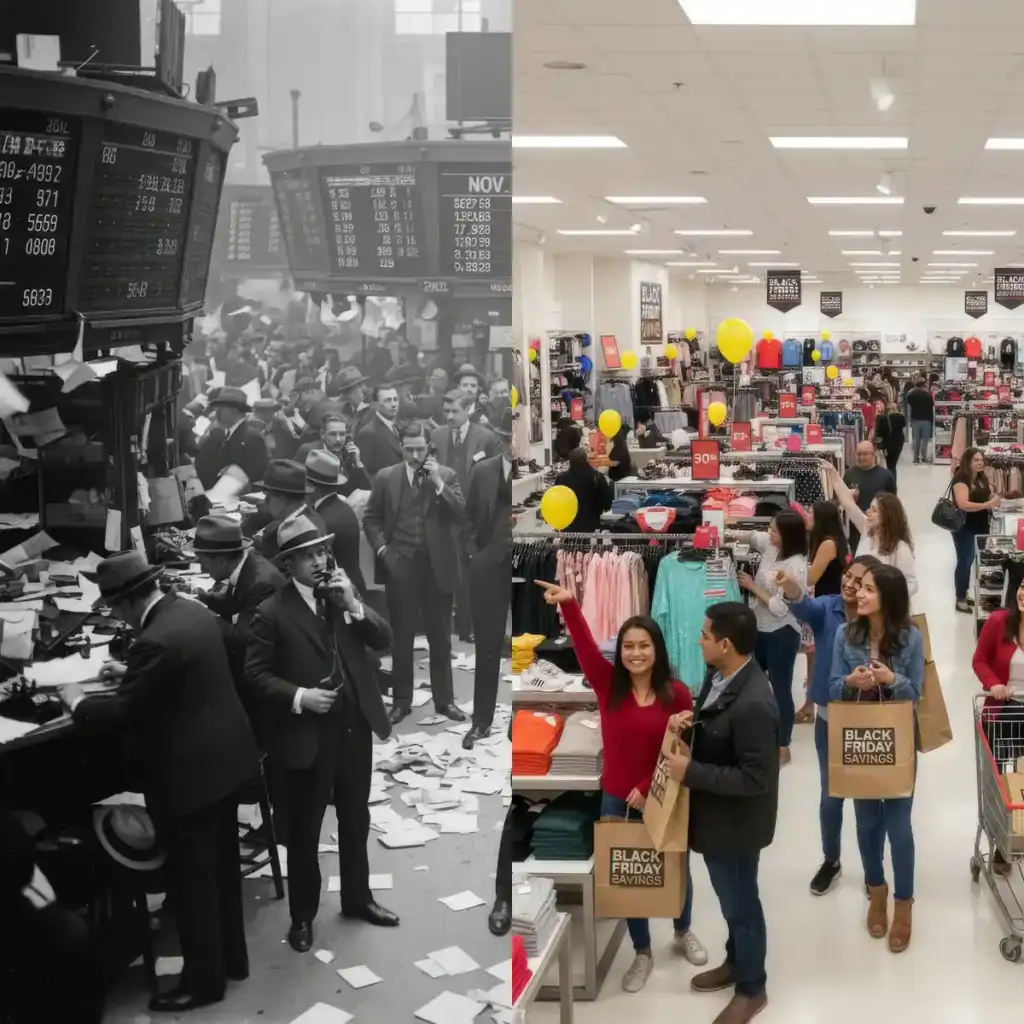
Many of us believe the phrase “Black Friday” comes from the idea that retailers operate at a financial loss before Christmas Day, but that isn’t exactly the actual story.
The Origin of Black Friday is rooted in much more than the highly anticipated shopping phenomenon we all feverishly celebrate on the awaited day in November, when sales are as vast as the crowds that are ready to grab them. Many of us see it as the ideal time to get the best price for things we’ve been watching throughout the year, whether it’s an idolized piece of electronics or something for the home.
We’re all familiar with flashing banners and the corresponding glee we feel as our faces flush with the bright reflection from our computer screens.
The lighted icons and clickable links promote “Best Black Friday Deals” and “Find Amazing Black Friday Perfect Gifts,” but did you know that, before all its calendar-marking grandeur, Black Friday was simply called “Thanksgiving Day” because it was the shopping holiday that occurred after Thanksgiving?
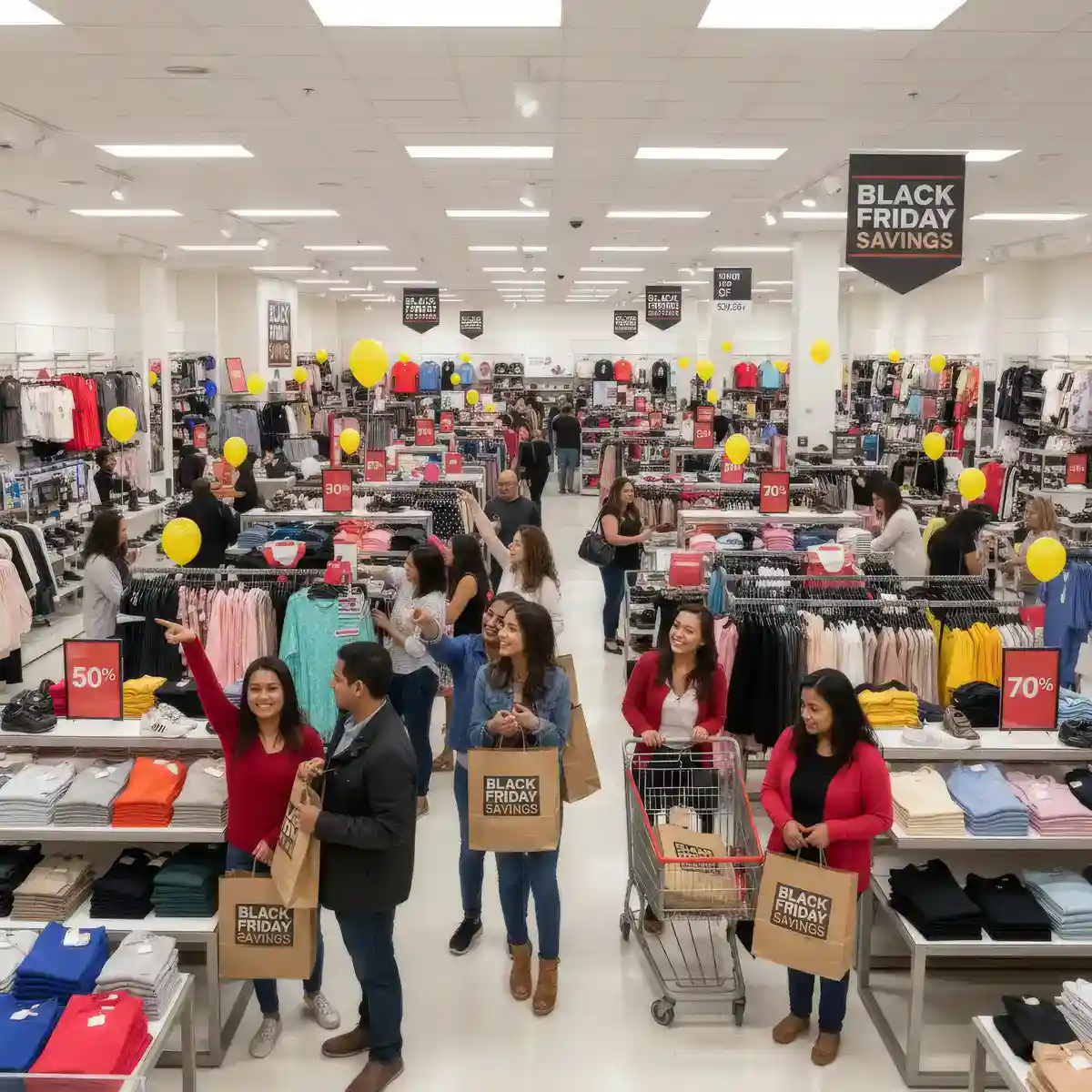
Yes, that Friday. That famous day marking our inaugural Internet-sale-surfing the yearly shopping event even the youngest of us know as the date that falls on the fourth Thursday of November each year, but…
Why Is the First Friday After Thanksgiving Called Black Friday?
The term “Black Friday” was first coined by Philadelphia police during the early 1960s, referring to the mad rush of holiday shoppers seeking doorbuster sales that took place on the day following Thanksgiving, which is now considered one of the biggest shopping days.
Online retailers now regularly report shopping increases that are many magnitudes larger than their original size over the years. This is primarily due to the surge in online shopping, as well as the impressive sales offered by department stores and retail stores during Black Friday.
Black Friday Beginnings
Businesses attempted to transition to a more optimistic description they hoped would make the holiday season (and the retail sale term itself) more fitting by attempting to substitute the term with “Big Friday,” but Black Friday was too firmly ingrained in the American lexicon, so it grew in popularity until it firmly took root in the late 1980s when major retailer owners started spreading the red-to-blue story (red is the accounting color of financial loss, and blue, or black, is the accounting color of economic profit).
Both for online deals and for the shopping frenzy of your local retailer, Black Friday was said to be the biggest buying period in America. Ironically, most major retailers achieved their biggest sales revenue on the Saturday before Christmas. But in recent times, Black Friday has reigned supreme, and has even been partnered with other holiday promotions such as Small Business Saturday and Cyber Monday.
The Origin of Black Friday on Wall Street
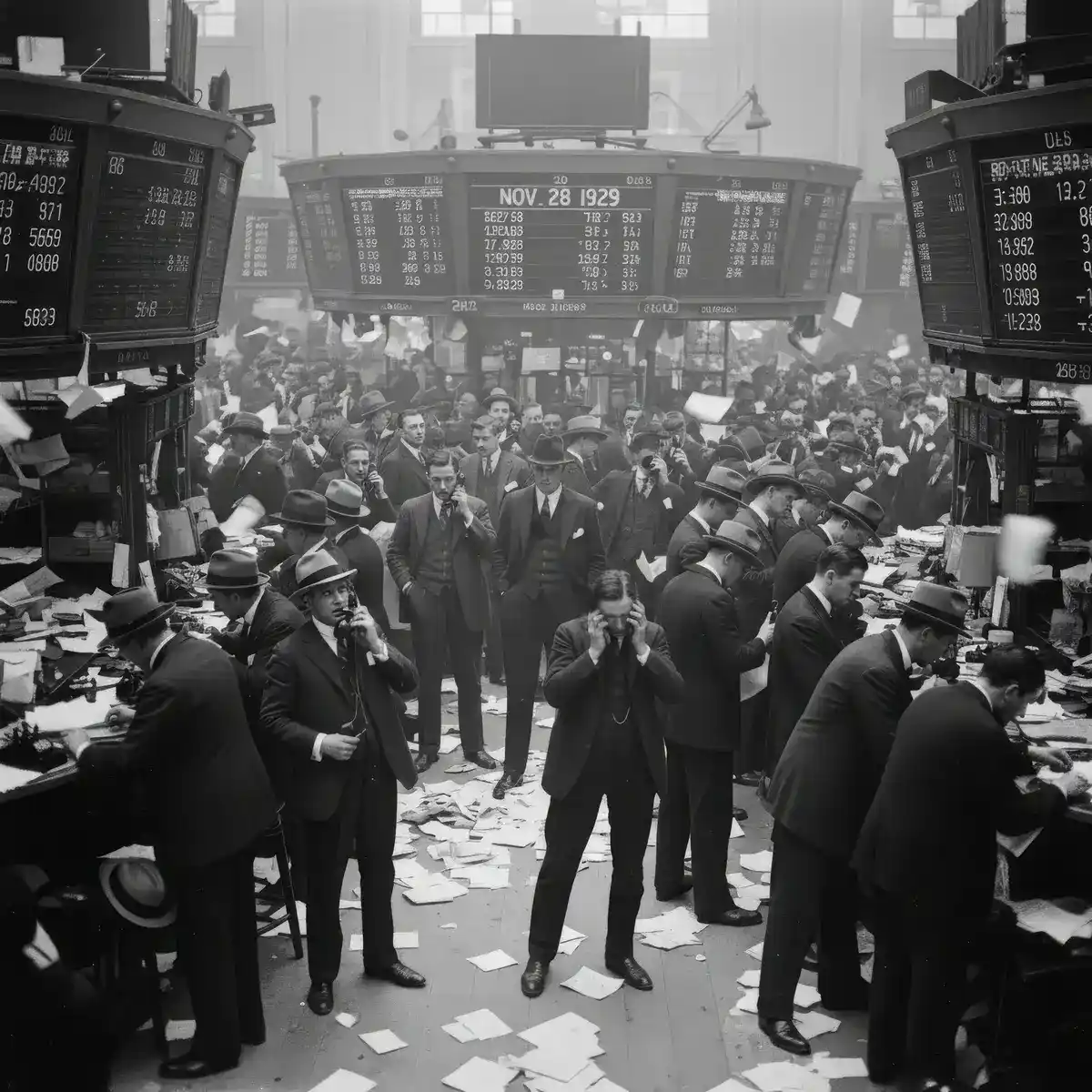
Interestingly, Black Friday was even given another meaning, one completely unrelated to shopping; in 1869, Wall Street financiers Jay Gould and Jim Fiske headed a conspiracy to corner the national gold markets at the New York gold exchange. Their plan was to purchase as much of the precious metals as they could, intending to drive prices sky-high.
On Friday, September 25th, an intervention by President Ulysses S. Grant prevented their plan from succeeding. Unfortunately, the infamous chain of events resulted in an American market calamity. The American Stock Exchange immediately crashed, causing thousands of Americans to go bankrupt. In addition, the Panic of 1873 was a result.
As the financial markets gradually returned to normal, the term took another turn, taking its place as a popular term used to mark the date when companies announce important financial news, such as quarterly earnings. Here, the Black Friday term captured the sentiment that spoke of the instance of investors selling their undesirable stocks in large numbers, resulting in a negative Black Friday for the company (and remaining stockholders). Although this can happen on just about any day of the week, it’s most common on Fridays.
The Black Friday source of this phenomenon took place on November 28, 1929, when the Dow Jones Industrial Average closed at its lowest point since October of that year; fortunately, the following day, it hit a record high and has grown ever since.
The Black Friday Sale Frenzy Phenomenon We Love
Since the origin of Black Friday, the term is almost universally used to describe our most favored and busiest shopping day, featuring amazing price drops on some of our favorite items, such as pearls, designer necklaces, and sparkling bracelets and earrings. 87.3 million Americans shopped online on Black Friday last year, with 66.9% of Thanksgiving Weekend shoppers making their purchases on Black Friday1.
The promise of obtaining a deep discount on coveted fashion jewelry, or something you never thought you could afford at such a great price, is exhilarating to many of us.
Whether an online sale, or within the crush of other price-conscious fellow shoppers looking for Black Friday Deals (and curbside pickup or coveted free shipping available), we all mark the most common use of the term “Black Friday” as synonymous with the beginning of the holiday shopping season in the U.S.. Still, as you now know, the history of the term is much more complicated than you might have thought. Now we all look forward to that special date every year, since it marks the celebrated beginning of our Black Friday tradition.

References
- CapitalOne Shopping Research
Black Friday Statistics and Trends. Capital One Shopping.
October 29, 2025 ↩︎