



Stop Calling Cultured Pearls “Fake”: Wild Pearls Hidden Cost
The Edit
- Jewelry buyers are increasingly interested in the origins and environmental impact of their pieces. This means understding the valuable differences between genuine cultured pearls and wild pearls, and the environmental consequences of their origins.
Lately, my conversations with clients have changed. When someone selects a piece of jewelry from my studio or asks about a design online, they aren’t just asking about the carat weight or the shine. They want to know where the piece came from, who touched it, and what happened to the earth that contributed to that gem in their jewelry collection.
It’s a shift in how we’re starting to value luxury. People are tired of “fast fashion” and the mystery of opaque supply chains. They want honesty. For me, this is a welcome trend in how we’re seeing real pearl jewelry.
The Shift Toward Mindful Luxury
For years, the industry focused on the “five Cs” or the visual perfection of a stone. But my clients are now looking for a unique value: quality from the source. They want to know if their jewelry supports a healthy ecosystem or contributes to its decline.
I’ve seen firsthand that trust is the new currency in jewelry design. When I can tell a client how a farm produces its pearls and how that farm protects its waters, the piece rises above what they initially considered just another gemstone accessory. It becomes a story they feel good about wearing.
The Magic of Cultured Pearls
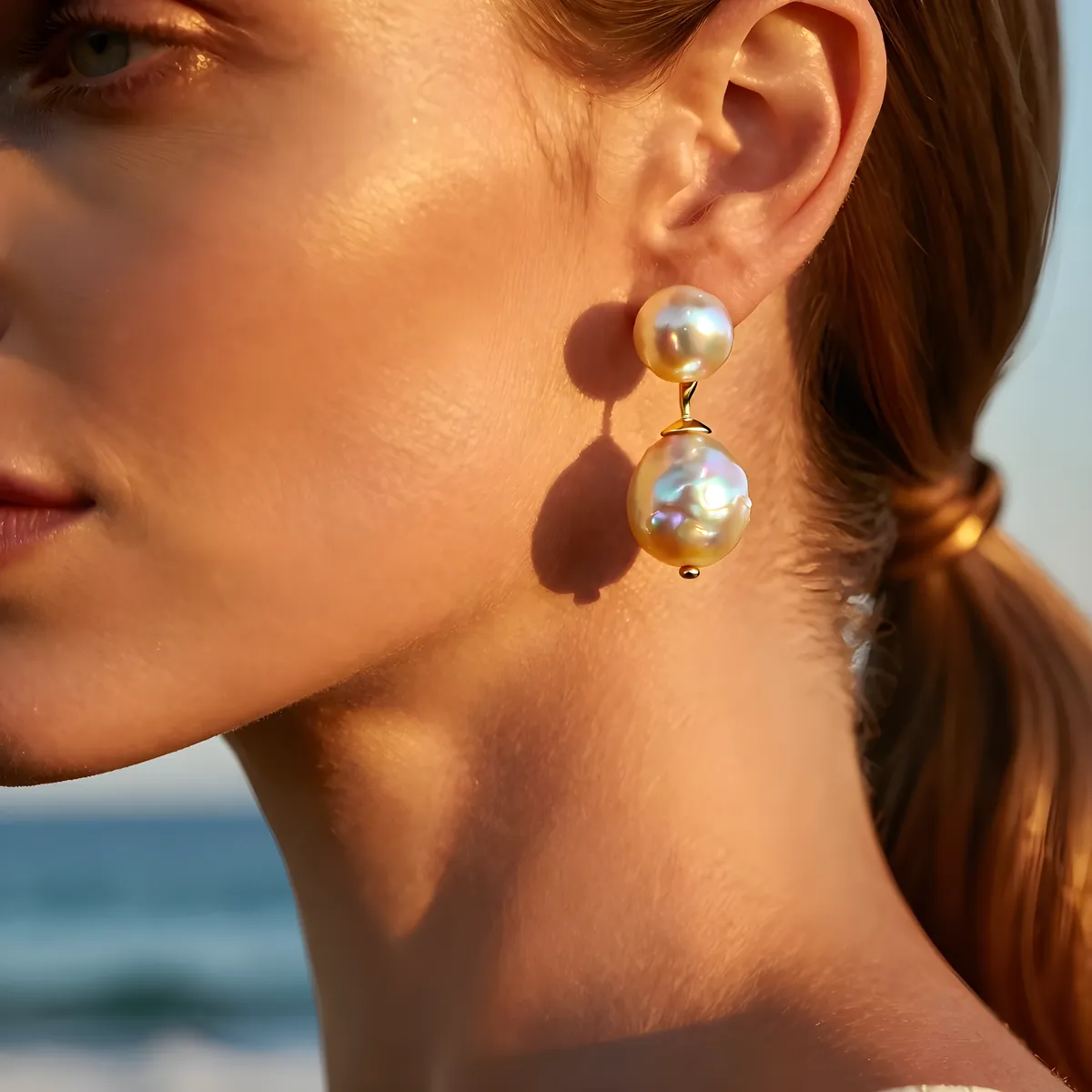
There’s often a misconception that “cultured” means “fake.” In reality, a cultured pearl is the biological product of a mollusk, much like the oyster-created wild pearl, but a cultured pearl is guided through its growth cycle with the help of human hands.
The process starts with a small nucleus, usually a tiny bead or a piece of mantle tissue, placed inside a mollusk (typically a mussel or an oyster). The mollusk then responds by coating that nucleus in layer after layer of nacre. Over time, this creates the luminous gem we love. But there is a critical difference.
From an environmental standpoint, cultured pearl farming can actually be a win for the ocean. These mollusks are filter feeders; they clean the water by removing excess nutrients and particles. When managed correctly, these farms act as natural filtration systems that improve water clarity.
The Heavy Cost of Wild Pearls
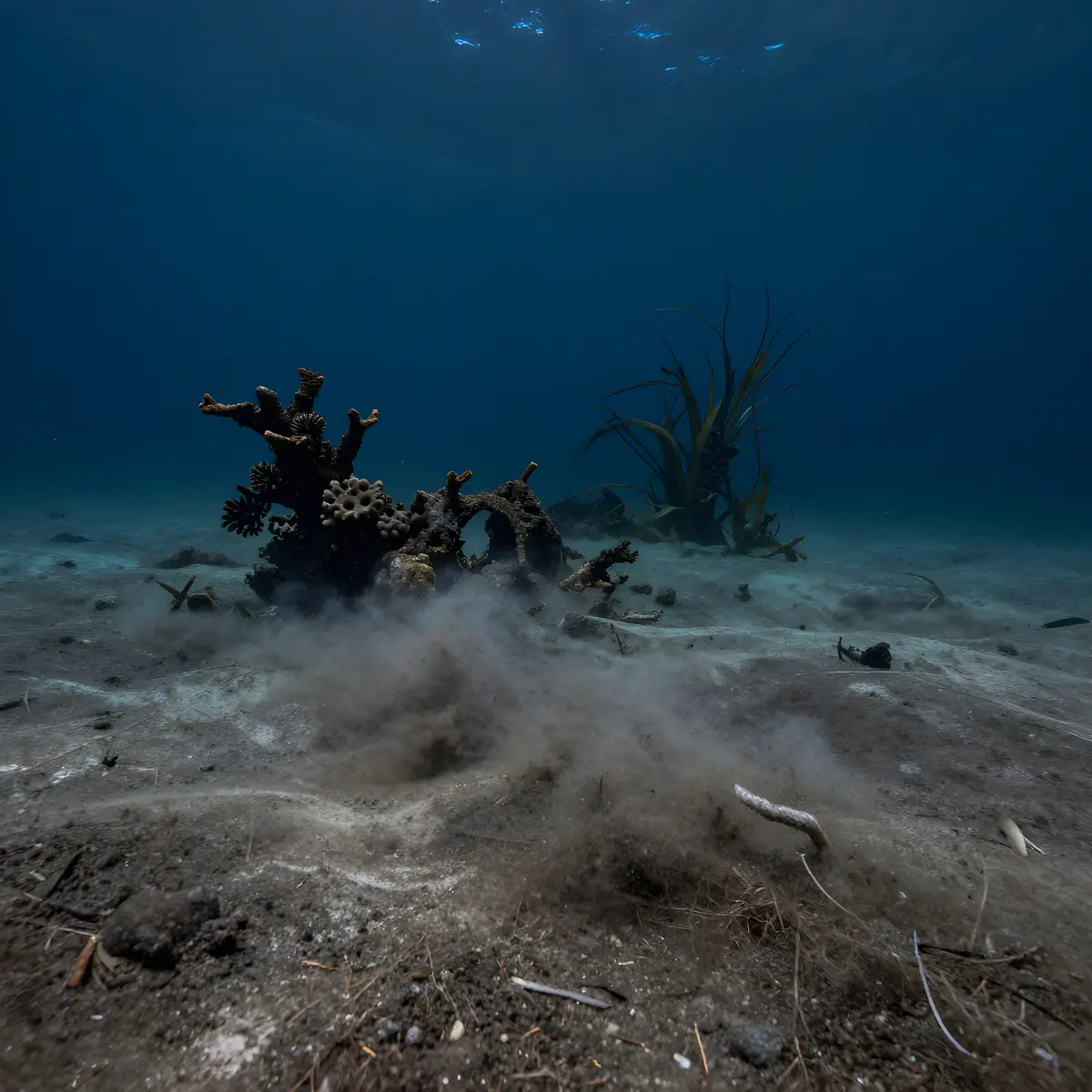
Wild pearl harvesting tells a very different story. In the past, divers hunted for these gems, but modern wild collection often relies on mechanical dredging, essentially scraping the ocean floor to find oysters.
This process imposes a lasting burden on ocean ecosystems. It damages seagrass beds and destroys the benthic habitats that make up the ecological region’s sediment surface and sub-surface layers. Important environmental features that marine species rely on.
It also leads to massive “bycatch,” where non-target sea life is killed because they exist in the same catch as the target gems. Many areas worldwide have imposed restrictions or bans on wild harvesting due to escalating ecological damage. When I compare the two, the choice is obvious: regulated, cultured farming is kinder to our planet.
What “Sustainable Farming” Actually Looks Like
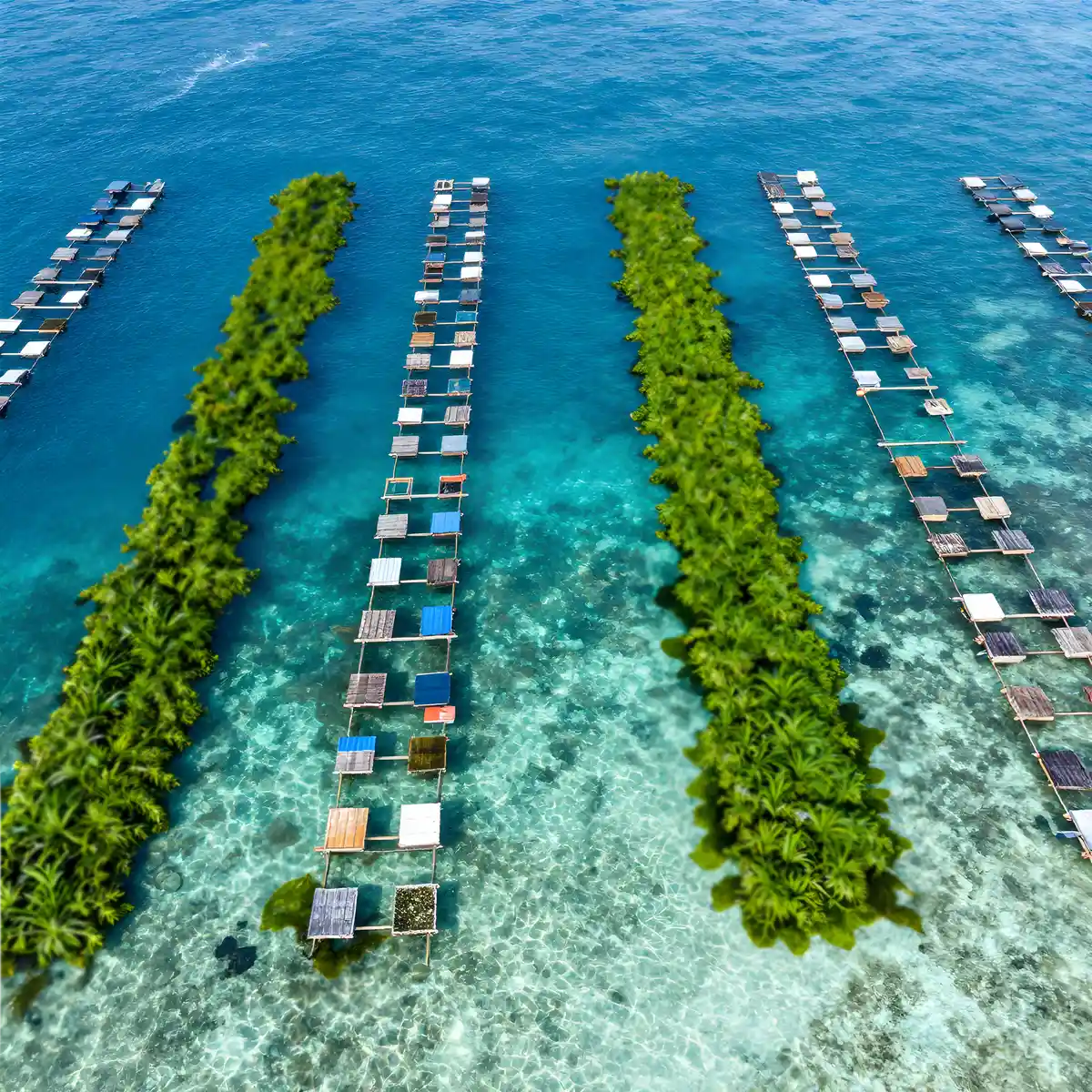
Specific practices are increasing the long-term health of the water. Some of the advantages I value most include:
Multi-Species Farming
Growing seaweed alongside mollusks to balance nutrients and keep the ecosystem stable. Rather than focusing solely on the mollusk, sustainable farms use Integrated Multi-Trophic Aquaculture (IMTA), creating a circular ecosystem where different species occupy different “trophic levels” to balance the environment.
Oysters and mussels filter organic particulates from the water; seaweeds such as kelp or various algae species are grown alongside them to absorb dissolved inorganic nutrients like nitrogen and phosphorus. By doing this, the seaweed acts as a natural vacuum, preventing the buildup of excess nutrients that could otherwise lead to pollution. This balanced approach helps to keep the water in the ideal condition for sustainable marine life.
Constant Water Testing
Monitoring pH and oxygen levels to prevent algal blooms that can kill local wildlife. The health of a pearl is linked to the chemistry of its water. Sustainable farms maintain rigorous monitoring of pH levels, dissolved oxygen (DO), temperature, and salinity. This is critical because an imbalance, such as a spike in nitrogen combined with rising temperatures, can trigger “algal blooms.”
While algae sounds natural, these blooms can deplete the water’s oxygen through a process called eutrophication, leading to hypoxia (oxygen starvation) that can kill entire oyster populations and surrounding marine life. Constant testing allows farmers to make real-time adjustments to stocking densities or floating mollusk raft placements to ensure a stable, breathable environment for the pearl hosts.
Ditching Chemicals
Using mechanical cleaning instead of synthetic treatments to keep toxins out of the waterway. In traditional aquaculture, “biofouling,” the growth of unwanted barnacles, algae, or tubeworms on the shells, is often managed with synthetic antifoulants or chemical biocides. Unfortunately, these toxins leach into the waterway and to disrupt the endocrine systems of other marine species.
Responsible farms have transitioned to mechanical cleaning. This involves using manual scrubbing, high-pressure air/water jets, or specialized brushes to remove biofouling without introducing chemicals into the ecosystem (responsible for growth and metabolism). By eliminating synthetic treatments, farms ensure that the water remains non-toxic and that the pearls are produced in a purely organic environment.
Shoreline Care
Replanting native greenery around ponds and coastal areas to stop erosion. The boundary between land and water is where many environmental failures happen. Sustainable pearl farming incorporates riparian buffers, the planting of native mangroves, salt marshes, or indigenous grasses along coastal areas and pond edges.
These root systems serve two vital purposes: first, they stabilize the soil to prevent erosion and siltation; too much sediment in the water can “choke” filter-feeding mollusks by clogging their gills. Second, these green belts act as natural biofilters, trapping agricultural runoff and pollutants from the land before they ever reach the pearl beds. This preserves the purity of the water and protects the biodiversity of the surrounding coastline.
My Goal as a Designer
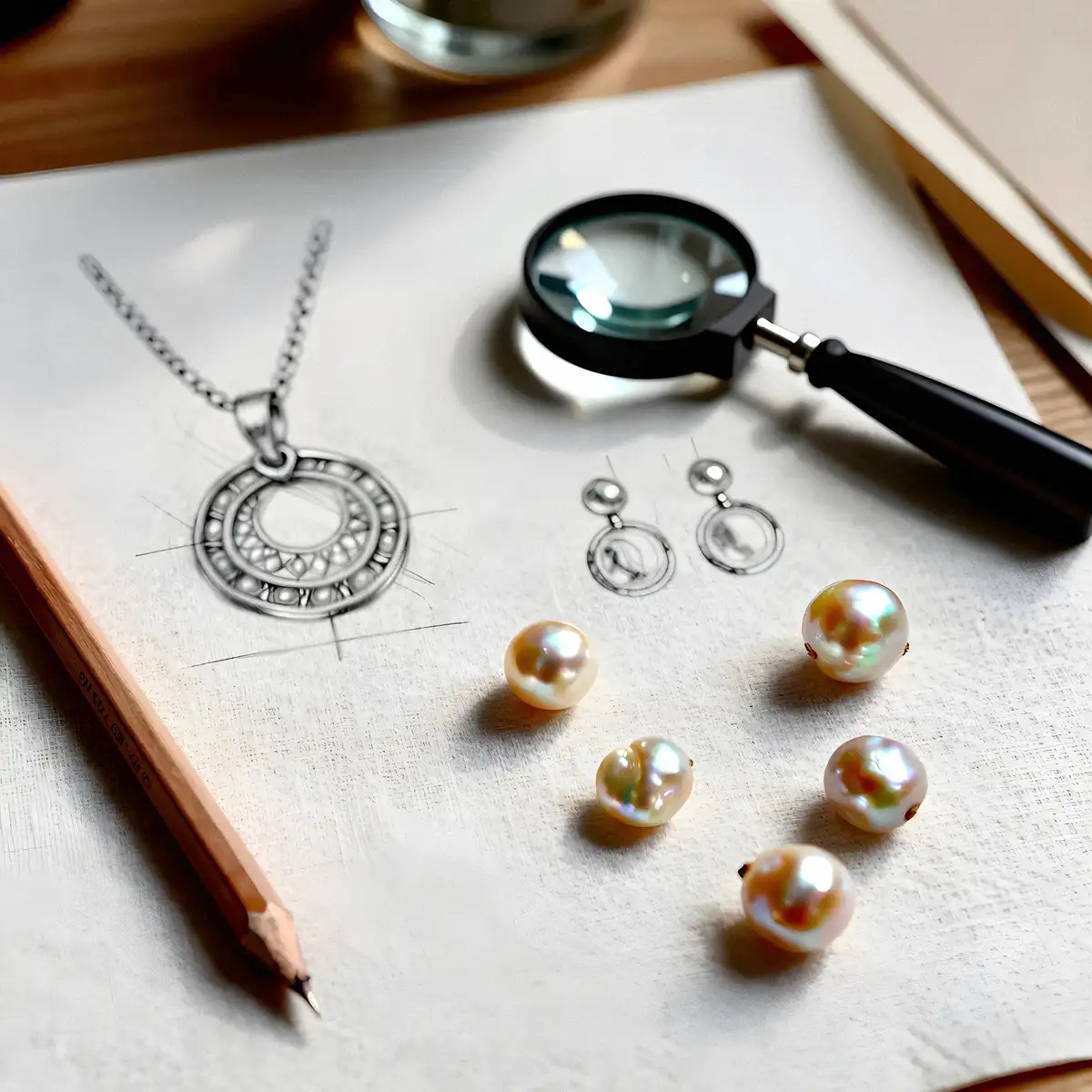
I believe sustainable jewelry has to be beautiful, but just as important, it has to be faithful to the process that created it. this goes for my work, as well as the organic environment that gave birth to it. Each pearl and gemstone should reflect a sense of responsibility to protect and promote the health of its ecosystem.
The beauty of cultured pearls is wearing a gemstone that is organic in its beauty and in the respect for the process and environment that will be healthy today and for the future.
Looking Ahead
We’re entering an exciting era where luxury is increasingly defined by responsibility. New technologies, like closed-loop water systems, are making pearl farming even cleaner and more efficient. As a designer, I feel it’s my job to champion each of these important changes.
When you choose a responsibly sourced pearl, you’re supporting a model of luxury that respects the ocean and its life. If you have questions about how to find ethical stones for your own collection or want to know more about my sourcing process, please reach out. I’m always happy to share what I’ve learned.
The Bottom Line: Cultured vs. Wild
| ASPECT | SUSTAINABLE CULTURED PEARLS | WILD‑HARVESTED PEARLS |
|---|---|---|
| Habitat Disruption | Minimal; farms use existing bodies of water and avoid dredging. | Often involves bottom‑trawling or destructive digging that removes substrate and disturbs benthic communities. |
| By‑catch & Mortality | Low; most mollusks survive the seeding and harvest process, and many are re‑seeded. | High; wild collection can unintentionally kill non‑target species and damage coral structures. |
| Carbon Footprint | Controlled environments reduce energy use; many farms now employ renewable power for pumps and filtration. | Fuel‑intensive vessels used for deep‑sea dredging increase greenhouse‑gas emissions. |
| Population Sustainability | Oyster stocks can be managed, with breeding programs ensuring long‑term viability. | Wild populations are often overexploited; some species are listed as vulnerable or endangered. |
What’s Next for Cultured Pearls
The industry is still learning how to scale sustainable practices while preserving the unique allure of pearls. Emerging technologies like closed‑loop recirculating aquaculture systems make it possible to lower water use and improve biosecurity. As designers, we have a responsibility to champion innovation and inform our shoppers about the real environmental costs of each gemstone.
The Magic of Cultured Pearls