


Real Benefits of Handmade Jewelry Craftsmanship Explained
The Edit
- Handmade jewelry is crafted by artisans using unique techniques, resulting in superior quality and personal meaning. It enhances emotional resonance through multi-sensory engagement and supports mindfulness practices by involving tactile focus. These factors make artisan jewelry more durable, emotionally valuable, and better for long-term sustainability and personal identity.
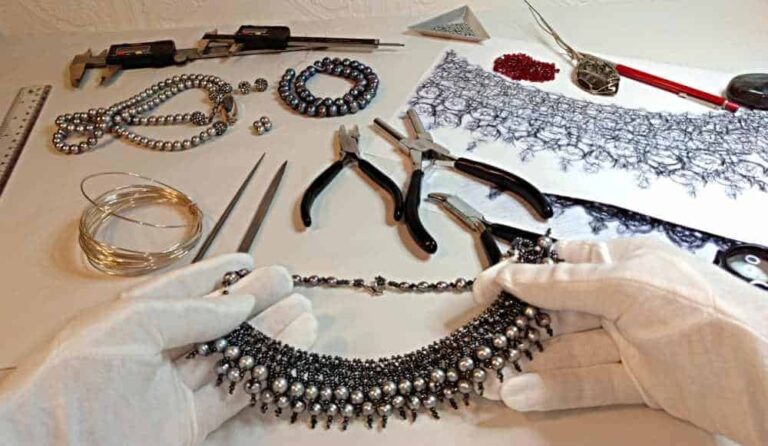
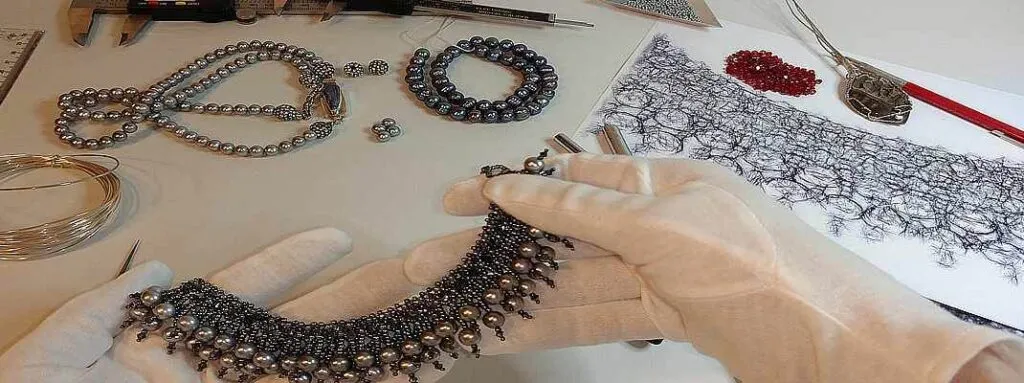
Handmade jewelry is crafted by shaping, setting, and finishing pieces by hand using artisan techniques rather than industrial molds or automated production.
The benefits of handmade jewelry craftsmanship go well beyond aesthetics. Each piece carries the maker’s decisions, from how a stone is seated to how a clasp is soldered, and that intentionality shows up in durability, emotional resonance, and personal meaning.
Recent research in psychology and neuroscience confirms what jewelry lovers have long felt: handcrafted objects engage us differently, and that difference matters for both quality and well-being.
What makes handmade jewelry craftsmanship superior in quality?
Handmade jewelry consistently outperforms mass-produced pieces in material quality and structural integrity. Artisans select metals and stones individually, rejecting pieces that don’t meet their standards. Factory production prioritizes speed, which means standardized housings, thinner metal gauges, and less attention to how a stone actually fits its setting.
The setting is where the quality gap becomes most visible. Artisans adapt metalwork settings to each stone’s unique cut and proportions, resulting in better protection and aesthetic presentation than mass-produced pieces allow. A pearl with an irregular shape, or a garnet with an unusual depth, gets a setting built around it rather than forced into a generic mold.
Finishing quality also separates handmade from factory work. Artisans spend time on surfaces, edges, and joins that machines skip. The result is a piece that withstands daily wear without sharp edges, loose prongs, or plating that flakes.
- Material selection: Artisans choose each stone and metal component individually
- Custom settings: Settings are built around the stone, not the other way around
- Surface finishing: Hand-polished edges and joins resist wear better than machine-finished pieces
- Structural joins: Soldered connections are assessed and reinforced by hand
Pro Tip: When evaluating a handmade piece, run your fingertip along the back of the setting. A smooth, well-finished reverse side signals genuine artisan attention, not just a polished front.
How does handmade jewelry foster emotional resonance?
Jewelry as a wearable object triggers emotional resonance through multi-sensory interaction, supporting wellness-oriented design. This isn’t poetic license.
A 2025 study published through Atlantis Press examined emotional jewelry design from an art-therapy perspective and found that physical interaction with a piece, touching it, wearing it, seeing it catch light, activates emotional memory and present-moment awareness.
Handmade pieces amplify this effect because they carry visible human decisions. The slight curve of a wire wrap, the texture of a hammered surface, the weight of a hand-set stone all communicate that a person made choices for you. That awareness deepens the emotional bond between wearer and piece.
“Jewelry’s benefits go beyond aesthetics; emotional effects come from how wearers physically interact with pieces through multiple senses.” — Emotional jewellery design from art therapy perspective
The handmade jewelry benefits for emotional well-being are also tied to the act of creation itself. Wearing a piece you watched being made, or one made specifically for you, creates a narrative that mass-produced jewelry simply can’t replicate.
How does crafting jewelry support mindfulness and stress relief?
Handcraft interventions improve mindfulness, self-awareness, stress management, self-efficacy, and self-esteem after sustained periods of practice.
A 2026 article in Frontiers in Psychology reviewed evidence from multiple experiments showing that craft activities enhance emotional regulation and cognitive performance. The mechanism is the hand-brain-emotion axis: tactile engagement with materials sends neurological feedback that calms the nervous system and sharpens focus.
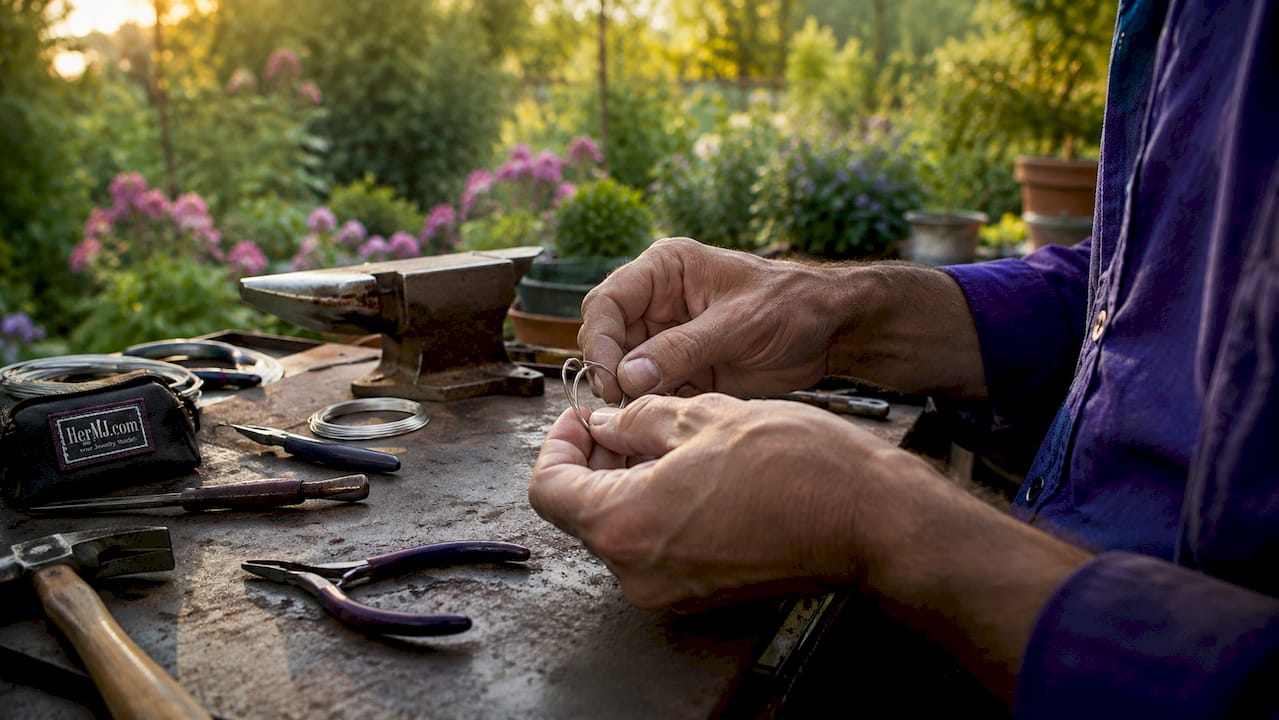
Jewelry making specifically engages fine motor skills, color judgment, and spatial reasoning simultaneously. That combination pulls attention fully into the present moment, which is why jewelry making enhances mental health and offers genuine stress relief, not just distraction.
Research on meditation jewelry adds another layer. Co-created pieces foster safety, reduce absentmindedness, and heighten mindfulness through tactile engagement and repeated knotting. The act of stringing beads or wrapping wire goes beyond a craft. It’s a form of moving meditation that produces measurable emotional benefits.
The value here isn’t only for makers. Wearing a piece you know was made with such attention carries its own calming quality. You feel the weight, texture, and intention every time you put it on.
How to distinguish handmade jewelry from cast or mass-produced pieces
Craftsmanship signatures such as seams, tool marks, join logic, and structural choices distinguish handmade from cast jewelry. Knowing what to look for protects you from paying artisan prices for factory work.
| Feature | Handmade / Fabricated | Cast / Mass-Produced |
|---|---|---|
| Seams and joins | Visible, deliberate solder lines | Seamless or molded joins |
| Tool marks | Fine file marks, hammer texture | Uniform, machine-smooth surfaces |
| Stone settings | Custom-fitted to each stone | Standardized prong or bezel sizes |
| Metal thickness | Varies by design intent | Uniform throughout |
| Back finishing | Polished and considered | Often rough or unfinished |
Partial casting is common and not automatically a quality red flag. Some designers s cast a base component and then fabricate details by hand. The question is whether the handwork adds genuine structural and aesthetic value or is only cosmetic.
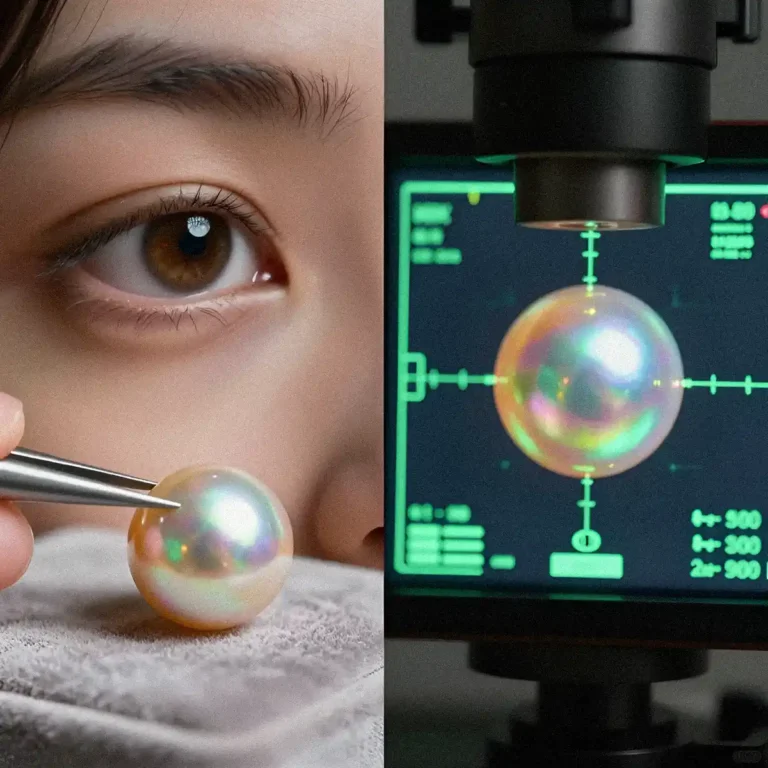
You can identify truly handcrafted pieces by examining joins under magnification. Hand-soldered connections show slight variation in the solder flow. Cast connections look identical across multiples of the same piece. That variation is a feature, not a flaw. It’s proof of a human hand.
What unique aesthetic benefits does artisan jewelry provide?
Artisan jewelry offers one-of-a-kind designs that factory production cannot match. When an artisan works with a specific pearl or gemstone, the design grows from that stone’s color, shape, and character. No two pieces end up identical, even when made to a similar pattern.
This design flexibility also means genuine customization. You can request a setting that honors a sourced stone, a length that suits your frame, or a finish that matches your wardrobe. Handmade jewelry promotes self-expression, soothes fear, sharpens intuition, and enhances meditation experiences. That’s a meaningful range of personal benefits from a single wearable object.
Sustainability is another real advantage when comparing artisan jewelry and mass-produced jewelry. Consumers choosing handmade jewelry benefit from its sustainability and ethical sourcing, often associated with artisan-created designs.
Artisans typically source smaller quantities from known suppliers, making traceability far easier than in industrial supply chains.
- One-of-a-kind design: No two handmade pieces are identical, even from the same maker
- Stone-led creation: The stone’s character shapes the design, not the other way around
- Customization: Length, finish, and setting can be tailored to the wearer
- Ethical sourcing: Smaller batch sourcing makes material traceability realistic
- Artisan accountability: You can ask the maker directly about materials and methods
Pro Tip: Ask your artisan for the stone’s origin before purchasing. A maker who sources consciously will know the answer immediately. That knowledge is part of what you’re paying for.
Why artisan jewelry holds its value better than factory pieces
Handmade jewelry holds its value for practical and cultural reasons. Artisan pieces are repairable. A skilled jeweler can re-solder a hand-fabricated join, re-set a stone, or refinish a surface because the construction logic is visible and accessible. Factory-cast pieces with hidden joins or plated surfaces often can’t be restored once they wear.
Provenance also matters for value. A piece with a known maker, a documented stone, and a clear construction method carries a story that collectors and resellers recognize. That story adds monetary and sentimental value over time.
The artisan craftsmanship details that make a piece repairable also make it upgradeable. You can return to the original maker and ask for a new chain, a different clasp, or an added element. That relationship between wearer and maker is something factory jewelry simply doesn’t offer.
How handmade jewelry connects to personal identity and meaning
Handmade jewelry carries symbolic weight that mass-produced pieces rarely achieve. When a piece is made for you, or chosen because its materials speak to something personal, it becomes an object of identity rather than decoration.
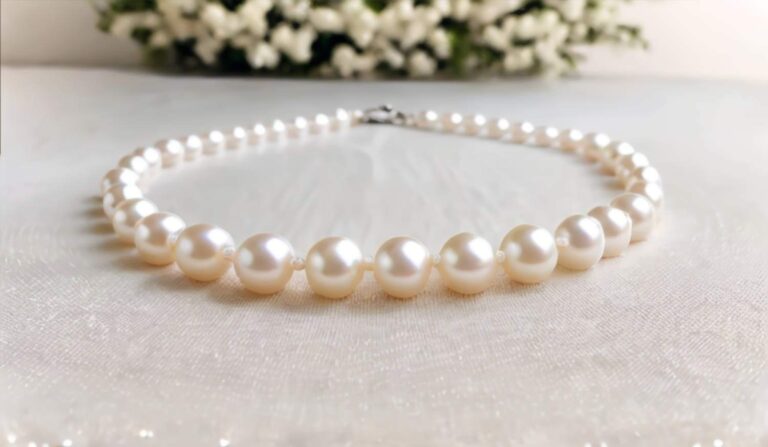
Pearls, for example, are organic gems formed through a living process. Wearing a hand-set pearl necklace connects you to that natural origin in a way a synthetic simulant never could.
Artisan jewelry also marks time. A piece made to commemorate a graduation, a relationship, or a personal milestone becomes a physical anchor for that memory. The tactile quality of the piece, its weight, texture, and warmth, reinforces the memory every time you wear it.
This is why the handcrafted jewelry making techniques behind a piece matter to buyers, not just makers. Understanding how a piece was made deepens your appreciation of it and strengthens the emotional connection you carry with it.
Key takeaways
Handmade jewelry craftsmanship delivers superior quality, emotional depth, and personal meaning that mass-produced pieces cannot replicate, making it the clear choice for wearers who value both beauty and substance.
| Point | Details |
|---|---|
| Quality and durability | Artisans custom-fit settings to each stone, producing stronger and more refined pieces than factory molds allow. |
| Emotional resonance | Multi-sensory interaction with handmade pieces activates emotional memory and deepens the wearer’s connection to the object. |
| Mindfulness benefits | Craft engagement activates the hand-brain-emotion axis, improving stress management, self-awareness, and focus. |
| Identification skills | Seams, tool marks, and join variation are reliable indicators of genuine hand fabrication versus cast production. |
| Sustainability and traceability | Artisan sourcing in small batches makes ethical material traceability realistic and verifiable. |
My view on why handmade jewelry matters more now
I’ve spent years handling and evaluating both artisan and factory-made jewelry, and the difference isn’t subtle once you know what to feel for. A handmade piece has a kind of presence that’s hard to articulate but immediately recognizable. The weight sits differently. The surface has a texture that tells a story. The stone looks like it belongs exactly where it is.
What surprises most people is how quickly that presence affects how they feel wearing the piece. Customers who switch from mass-produced to artisan jewelry often describe feeling more grounded, more intentional about what they put on each morning. And it’s not simply marketing. It’s the hand-brain-emotion axis at work in everyday life.
My advice is to start with one piece that genuinely moves you. Don’t buy artisan jewelry as a category. Buy a specific piece because the stone, the maker, or the story resonates with you. That single choice will give you a true sense of the value of craftsmanship more than any amount of reading.
— Veronique
HerMJ’s artisan collection: craftsmanship you can wear
HerMJ creates handmade jewelry from genuine pearls and gemstones, with every piece built around the character of its materials. The collection spans everyday elegance and special-occasion statement pieces, all at accessible prices.
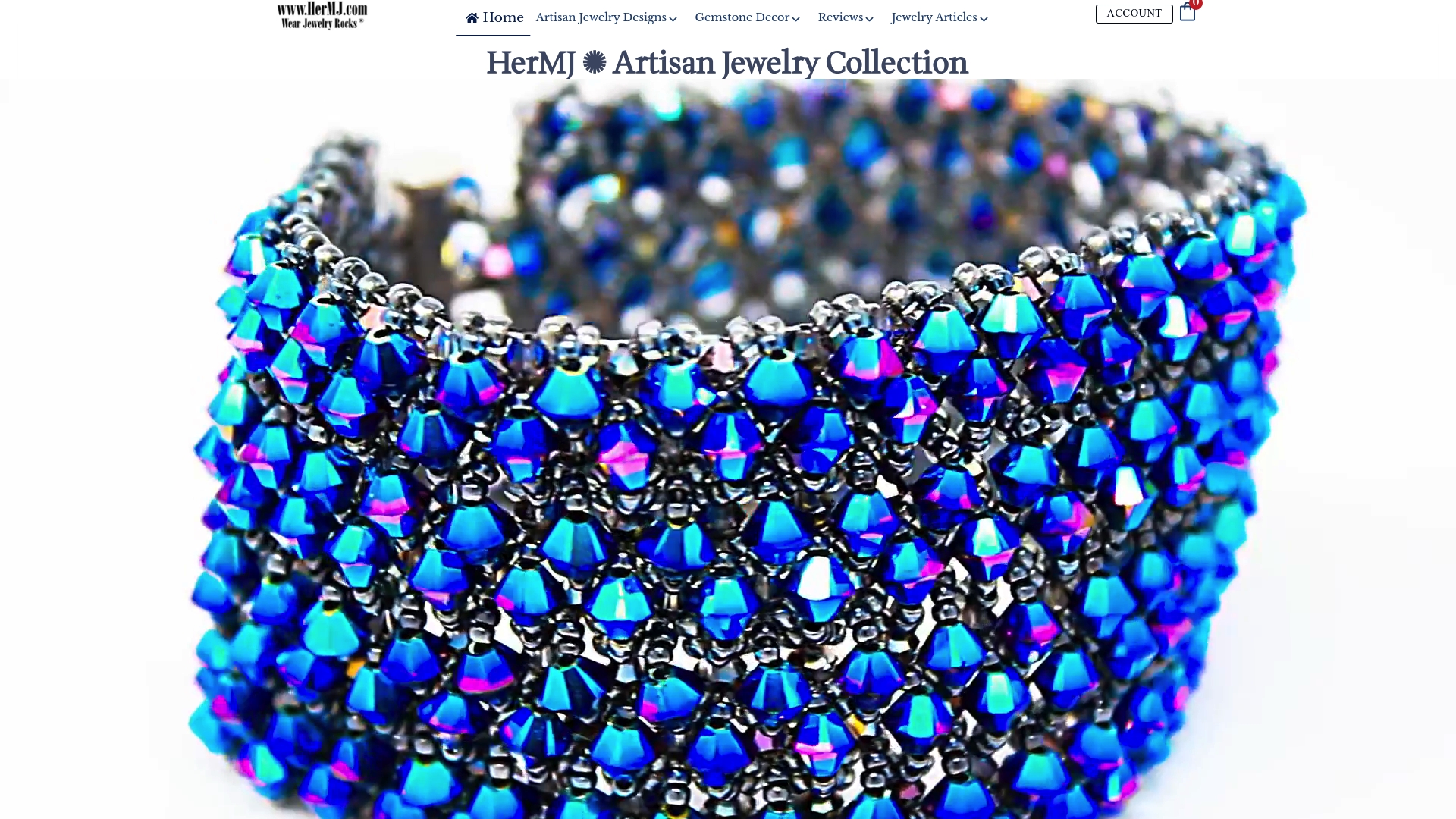
The Elegant Freshwater Pearl Necklace is a strong starting point if you want to experience genuine artisan craftsmanship firsthand. Each pearl is individually selected and hand-set, so no two necklaces are identical. HerMJ also offers a Faceted Garnet Gemstone Necklace and a Strawberry Quartz Gemstone Bracelet for those drawn to colored gemstones. US orders ship free with no minimum. International orders ship free for orders of $150 or more.
FAQ
What are the main benefits of handmade jewelry craftsmanship?
Handmade jewelry craftsmanship delivers superior material quality, custom stone settings, emotional resonance, and long-term repairability. These advantages come from artisan decision-making at every stage of construction, which factory production cannot replicate.
How do I distinguish handmade jewelry from cast or mass-produced pieces?
Look for visible tool marks, hand-soldered joins with slight variation in solder flow, and custom-fitted stone settings. Uniform surfaces, identical joins across multiples, and rough back finishes are signs of cast or factory production.
Does wearing handmade jewelry have emotional or wellness benefits?
Research confirms that physical interaction with handmade objects activates emotional memory and supports mindfulness through multi-sensory engagement. The hand-brain-emotion axis explains how tactile contact with a crafted piece improves emotional regulation and present-moment awareness.
Is handmade jewelry more sustainable than mass-produced jewelry?
Artisan jewelry typically uses smaller batch sourcing from known suppliers, making material traceability far more realistic than in industrial supply chains. That traceability supports ethical sourcing and reduces the environmental footprint of production.
Why does handmade jewelry hold its value better over time?
Hand-fabricated pieces are repairable and upgradeable because their construction logic is visible and accessible to skilled jewelers. Provenance, a known maker and documented materials, also adds monetary and sentimental value that factory pieces rarely carry.
Recommended
- What Is Hand Fabricated Jewelry? Craftsmanship Explained
- How to Appreciate Artisan Jewelry Craftsmanship Details