


What Is Artisan Jewelry? Craftsmanship and Value Explained
The Edit
- Artisan jewelry is handcrafted by skilled makers controlling every stage of creation, reflecting cultural and artistic expression. It is typically unique, made with high-quality materials using traditional techniques, and offers greater durability and long-term value than mass-produced pieces. Authentic artisan jewelry exhibits subtle imperfections and surface variations, serving as signs of genuine handwork that support cultural heritage and sustainable craft practices.
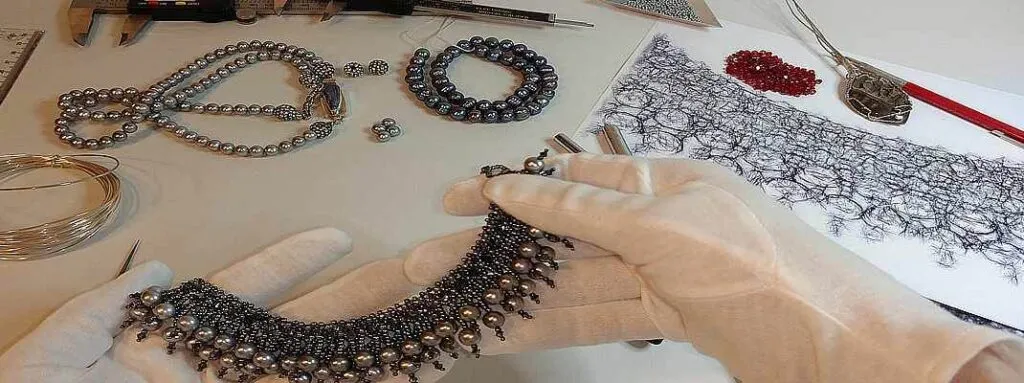
Artisan jewelry is handcrafted work created by skilled makers who design, fabricate, and finish each piece themselves, from raw material to final form.
Unlike factory-produced accessories, artisan jewelry carries the maker’s direct touch in every curve, texture, and setting. Each piece reflects a combination of traditional technique, personal artistic vision, and deliberate material choice that mass production simply cannot replicate.
If you’ve ever held a piece and felt something different about it, something alive and considered, you were likely holding genuine artisan work. That feeling has a name, and it has a craft behind it.
What is artisan jewelry, and what defines it?
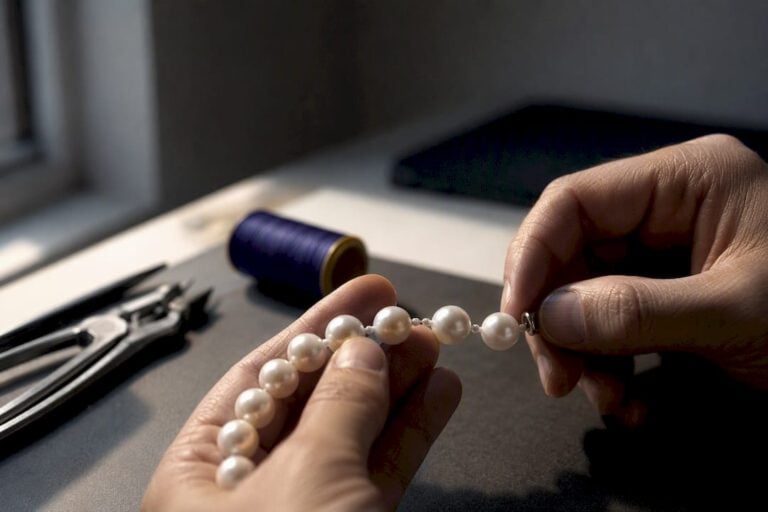
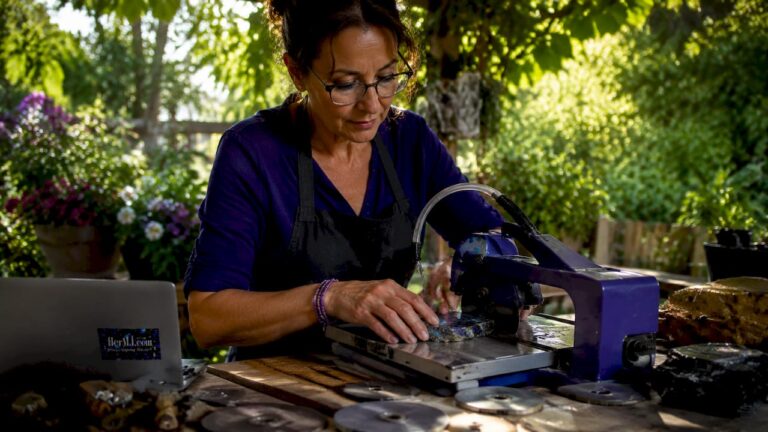
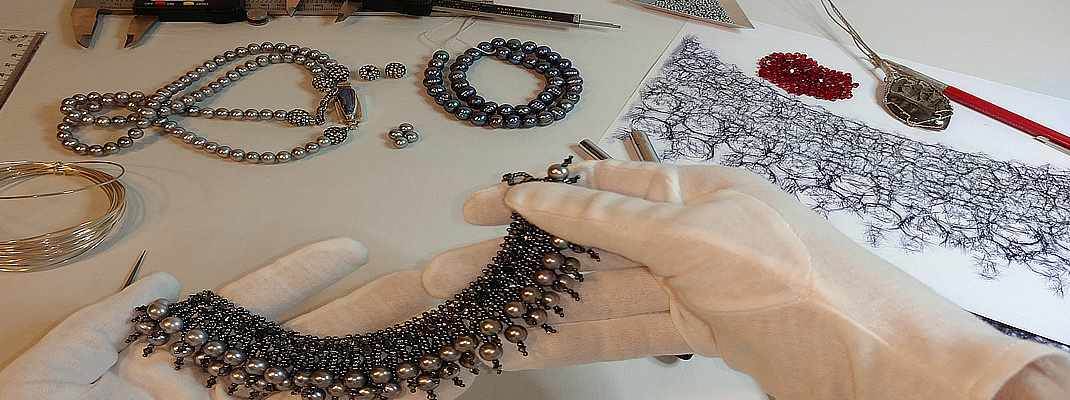
Artisan jewelry is defined by one core principle: a single skilled craftsperson controls the entire creation process, from concept and material sourcing through fabrication, assembly, and finishing. This end-to-end ownership is what separates a true artisan from a factory worker who handles only one step on an assembly line. The result is a piece with a coherent intention running through every detail.
The definition of artisan jewelry also includes a commitment to limited production. Each piece is typically one-of-a-kind or made in small runs, which increases its exclusivity and personal value. That scarcity isn’t a marketing tactic. It’s a natural consequence of the time and skill required to make something by hand.
What defines artisan jewelry in practical terms comes down to several characteristics you can see and feel:
- Handcrafting techniques: Methods such as hand forging, wire wrapping, repoussé, granulation, and hand stone setting are standard in artisan practice. These techniques require years of training and cannot be replicated at machine speed.
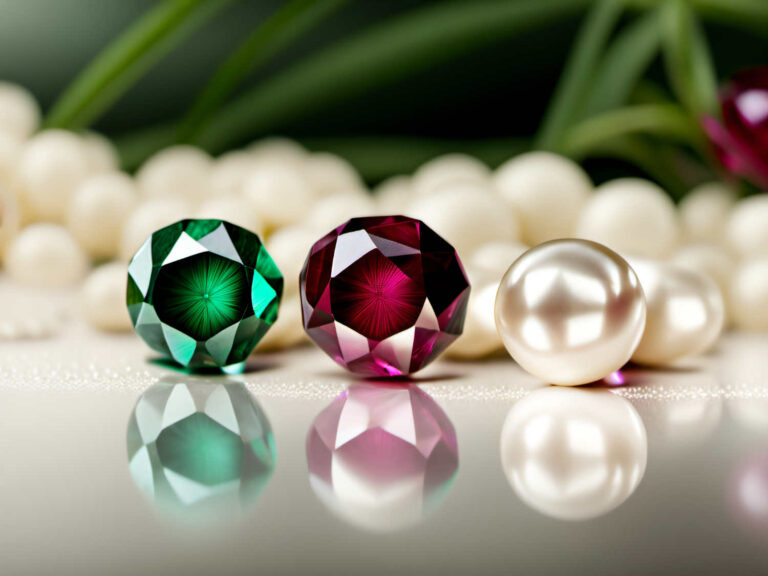
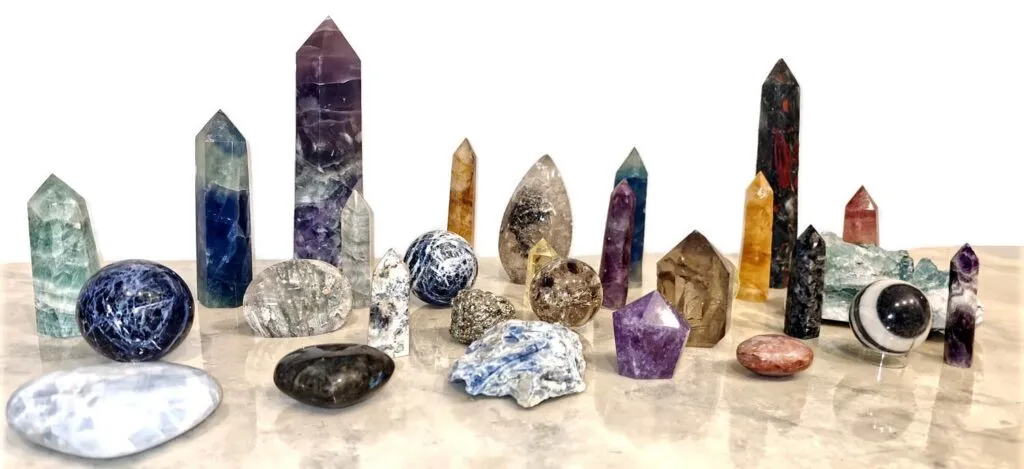
- Material quality: Artisan makers typically work with solid metals such as sterling silver, gold, brass, or bronze, and source genuine gemstones, freshwater pearls, or natural stones rather than synthetic substitutes.
- Design originality: Each design originates with the maker, not a corporate trend committee. The piece reflects the artisan’s aesthetic sensibility and often their cultural background.
- Labor investment: Creating a single artisan piece can take days or weeks, compared to factory stamping that produces metal forms in about one minute. That time difference is the clearest measure of what you’re paying for.
Pro Tip: When examining a piece, look for subtle tool marks, slight asymmetry, and a substantial weight. These are signs of genuine handwork, not flaws to avoid.
Understanding hand fabrication methods deepens your ability to recognize these markers quickly and confidently.
How artisan jewelry reflects cultural and artistic expression
Artisan jewelry has always been more than decoration. Skilled makers infuse pieces with cultural narratives, making each item a storytelling artifact that connects the wearer to a tradition, a place, or a moment in history. This is what gives unique artisan jewelry its emotional weight beyond its visual appeal.
Regional artisan styles demonstrate this clearly. Tuareg silversmiths of North Africa use geometric patterns tied to nomadic identity.
Oaxacan goldsmiths in Mexico incorporate pre-Columbian motifs passed down through generations.
Tibetan jewelry makers work with turquoise and coral in arrangements that carry spiritual meaning. In each case, the jewelry is a physical record of a living culture, not just an aesthetic choice.
The artisan’s personal story shapes the work just as powerfully as cultural tradition. A maker who grew up near the ocean brings different sensibilities to a pearl pendant than one trained in a landlocked mountain workshop. That biography shows up in the proportions, the surface treatment, and the way a stone is set.
You’re wearing someone’s ingenuity and perspective, not just a product. In short, it’s art.
Sustainability and ethical sourcing are also cultural values embedded in artisan practice:
- Artisan makers typically source materials locally or from known suppliers, reducing the environmental cost of long supply chains.
- Artisan pieces are designed to survive generations, promoting longevity over disposable fast-fashion jewelry and reducing waste.
- Supporting artisan jewelry directly sustains traditional craft skills that would otherwise disappear as industrial production scales up.
The connection between artisan jewelry and cultural heritage is especially visible in ancient traditions. Studying ancient Egyptian jewelry history reveals how artisan techniques developed over millennia and still influence contemporary makers today.
Artisan vs. mass-produced jewelry: quality and value compared
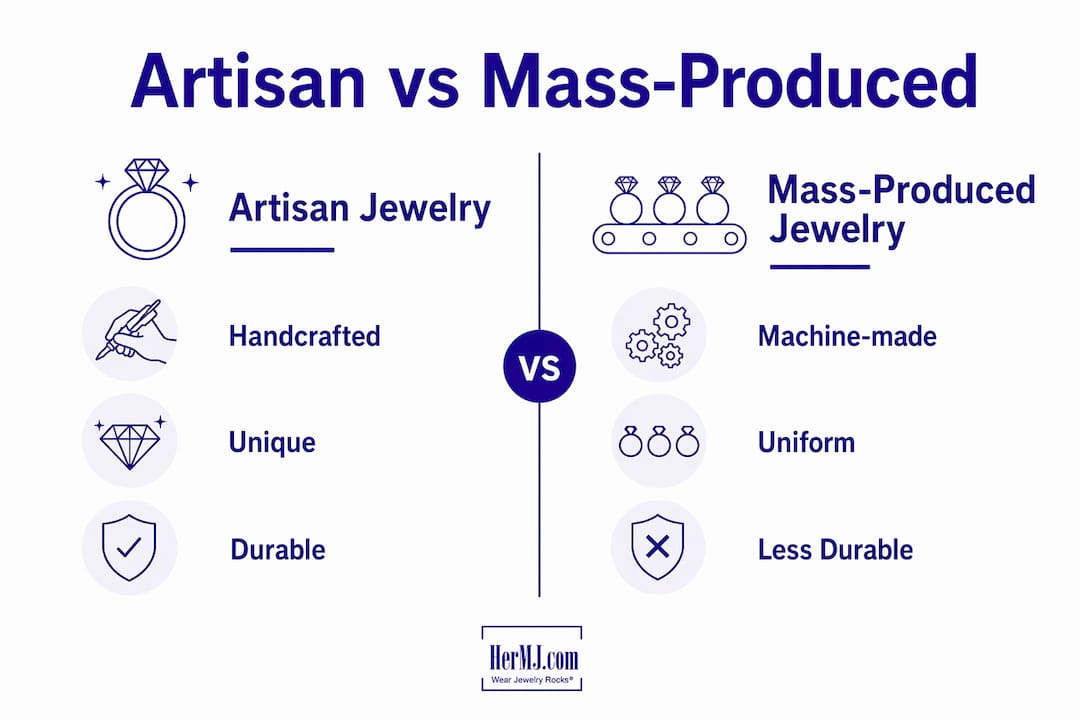
The differences between artisan and mass-produced jewelry go well beyond aesthetics. They show up in durability, material integrity, and long-term value in ways that matter to anyone who wears jewelry regularly.
| Factor | Artisan jewelry | Mass-produced jewelry |
|---|---|---|
| Production method | Hand-forged, fabricated, and finished by one maker | Factory stamped or cast, assembled by multiple workers |
| Metal quality | Solid alloys: sterling silver, gold, brass, bronze | Thinner, lower-quality metals to reduce cost |
| Durability | Work-hardened through hammering for greater strength | Cast pieces with standard molecular structure |
| Visual character | Subtle hammer marks, natural asymmetry, unique surface texture | Uniform, identical across all units |
| Production time | Days to weeks per piece | Approximately one minute per stamped form |
| Quantity | Limited runs or one-of-a-kind | Thousands of identical units |
The durability difference deserves special attention. Hand hammering alters the metal’s molecular structure through a process called work-hardening, making artisan pieces physically stronger than standard cast jewelry. A cast ring bends under pressure. A hand-forged one resists it. That’s not a minor distinction if you’re buying something to wear daily for years.
The visual and tactile differences are equally telling. Authentic hand-beaten metal shows natural variation in hammer marks and subtle asymmetries that factory items never have. When you pick up a mass-produced piece and an artisan piece side by side, the artisan piece feels heavier, more present, and more considered. That weight is the density of solid alloy and the density of human attention.
Pro Tip: If a piece feels surprisingly light or looks perfectly uniform under close inspection, it’s almost certainly machine-made. Genuine artisan work has a physical presence that’s hard to fake.
The long-term value argument also favors artisan jewelry. Fast-fashion jewelry degrades within months. A well-made artisan piece in sterling silver or gold holds its structure, its finish, and its meaning across decades. That’s why choosing artisan jewelry supports sustainable fashion while also being a smarter financial choice over time.
For a closer look at what artisan craftsmanship looks like in practice, the guide on artisan drinkware craftsmanship offers a useful parallel, showing how the same principles of hand-skill and material integrity apply across artisan-made objects.
How to identify and appreciate authentic artisan jewelry
Recognizing genuine artisan jewelry takes a trained eye, but the markers are consistent once you know what to look for. Here’s a practical approach:
- Check the weight. Artisan pieces made from solid metals feel noticeably heavier than mass-produced equivalents. If a necklace or bracelet feels insubstantial, the metal is likely thin or hollow.
- Look for surface variation. Handmade pieces carry unique surface textures and microscopic irregularities inherent to human work. Hammer marks, slight asymmetry in settings, and small tool impressions are signs of authenticity, not poor quality.
- Ask about the maker’s process. A genuine artisan can describe exactly how a piece was made, which tools were used, and where the materials came from. Vague answers or references to “our factory” are red flags.
- Look for provenance markers. Many artisan jewelers hallmark their work with maker’s marks, studio stamps, or certificates of authenticity. These aren’t universal, but their presence confirms intentional craftsmanship.
- Assess the stone settings. In artisan jewelry, stones are set by hand, so the prongs or bezels may show slight variations in pressure and angle. Machine-set stones look identical across every piece in a line.
- Research the seller. Authentic artisan jewelry comes from individual makers, small studios, or curated retailers who can name the artisan behind each piece. Anonymous bulk listings with no maker information are a clear sign of mass production.
Learning to identify truly handcrafted pieces takes practice, but it’s a skill that pays off every time you shop. You’ll stop overpaying for machine-made pieces dressed up with artisan language, and you’ll start recognizing genuine craft when you see it.
Caring for artisan jewelry also differs from caring for mass-produced pieces. Solid metals and genuine stones respond well to gentle cleaning with mild soap and a soft cloth. Avoid ultrasonic cleaners for pieces with hand-set stones, since the vibration can loosen settings that were shaped by hand rather than machine pressure.
Key takeaways
Artisan jewelry is defined by end-to-end handcraft, genuine materials, and cultural intention, making it more durable, more meaningful, and more valuable than mass-produced alternatives.
| Point | Details |
|---|---|
| Artisan jewelry definition | A skilled maker controls design, fabrication, and finishing from start to finish. |
| Durability advantage | Work-hardening through hand hammering makes artisan pieces stronger than cast jewelry. |
| Cultural significance | Artisan pieces carry cultural motifs and personal narratives that mass production cannot replicate. |
| Identification markers | Look for weight, surface variation, hand-set stones, and maker provenance to confirm authenticity. |
| Long-term value | Artisan jewelry is built to last generations, making it a sustainable and financially sound choice. |
Why imperfections are the point, not the problem
I’ve spent years handling both artisan and mass-produced jewelry, and the question I hear most often is some version of: “But isn’t it supposed to look perfect?” My honest answer is that perfection is the wrong standard for artisan work. It’s the standard for machines.
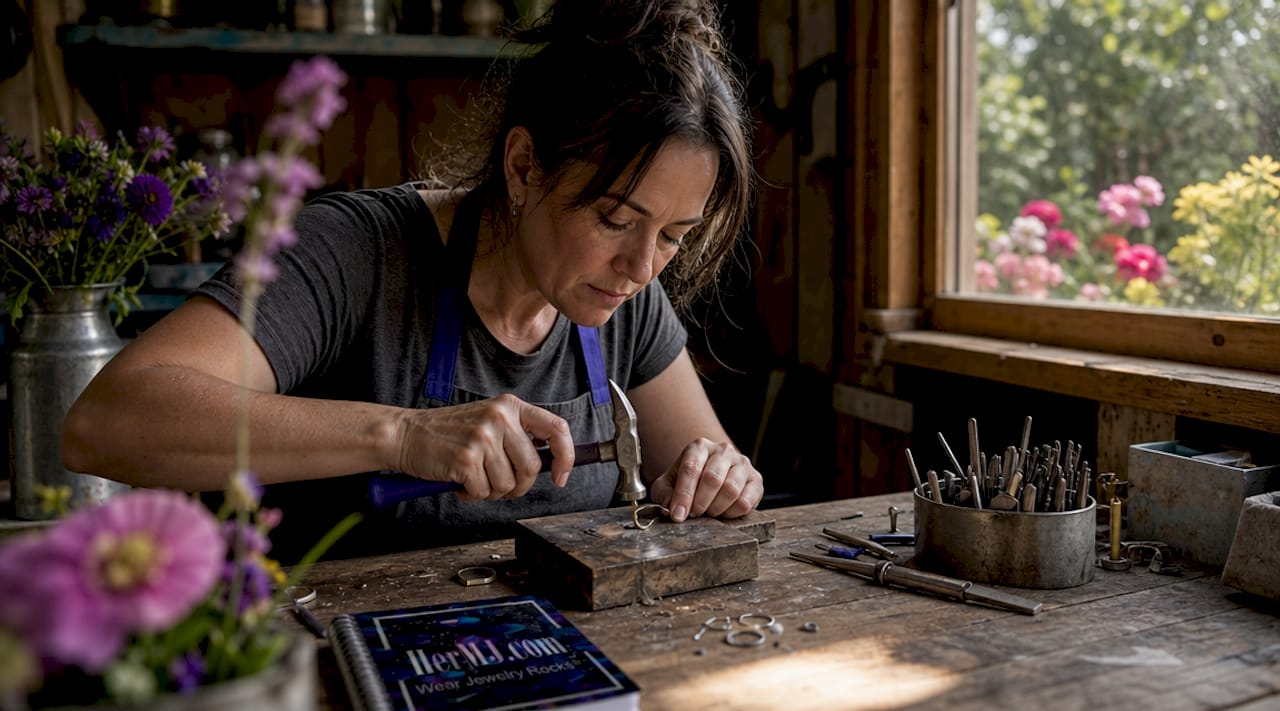
Imperfections in artisan jewelry are signs of authenticity and add to their artistic and emotional value. A slight variation in a bezel setting tells you a human hand shaped that metal around that specific stone. A faint hammer mark on the back of a pendant means someone stood at a bench and worked that surface into existence. These aren’t errors. They’re evidence.
What I find most compelling about artisan jewelry is its relationship to time. A factory can produce thousands of identical pendants in a single shift. An artisan might produce ten in a week, each one slightly different, each one carrying the full weight of that maker’s attention.
When you wear an artisan piece, you’re wearing concentrated human time. That’s rare in a world where most objects are made faster than you can read about them.
I also think the sustainability argument for artisan jewelry is underappreciated. We talk a lot about fast fashion in clothing, but the same logic applies to jewelry. Cheap, machine-made pieces break, tarnish, and get discarded.
A well-made artisan piece in sterling silver or genuine gemstones becomes part of your story. It gets passed down. It accumulates meaning. That’s not sentiment. That’s a fundamentally different relationship with the objects you own.
Supporting artisan jewelry also means supporting the survival of craft skills that took generations to develop. When those skills disappear, they don’t come back easily. Every artisan piece you buy is a small vote for keeping that knowledge alive.
— Veronique
Discover artisan jewelry craftsmanship at HerMJ
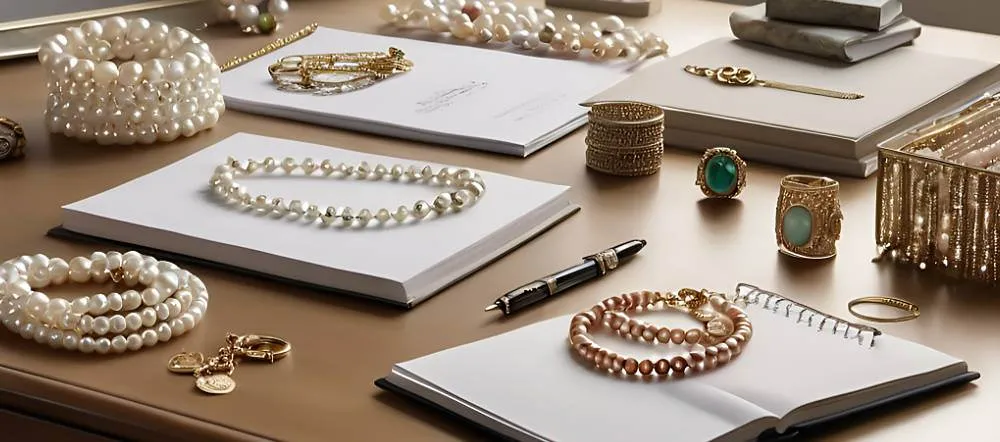
If this exploration of artisan jewelry has sparked your curiosity, HerMJ is a natural next step. HerMJ specializes in handmade jewelry featuring genuine pearls and gemstones, crafted with the same attention to material quality and personal expression that defines true artisan work. Every piece is made to wear beautifully every day and to last far beyond a single season.
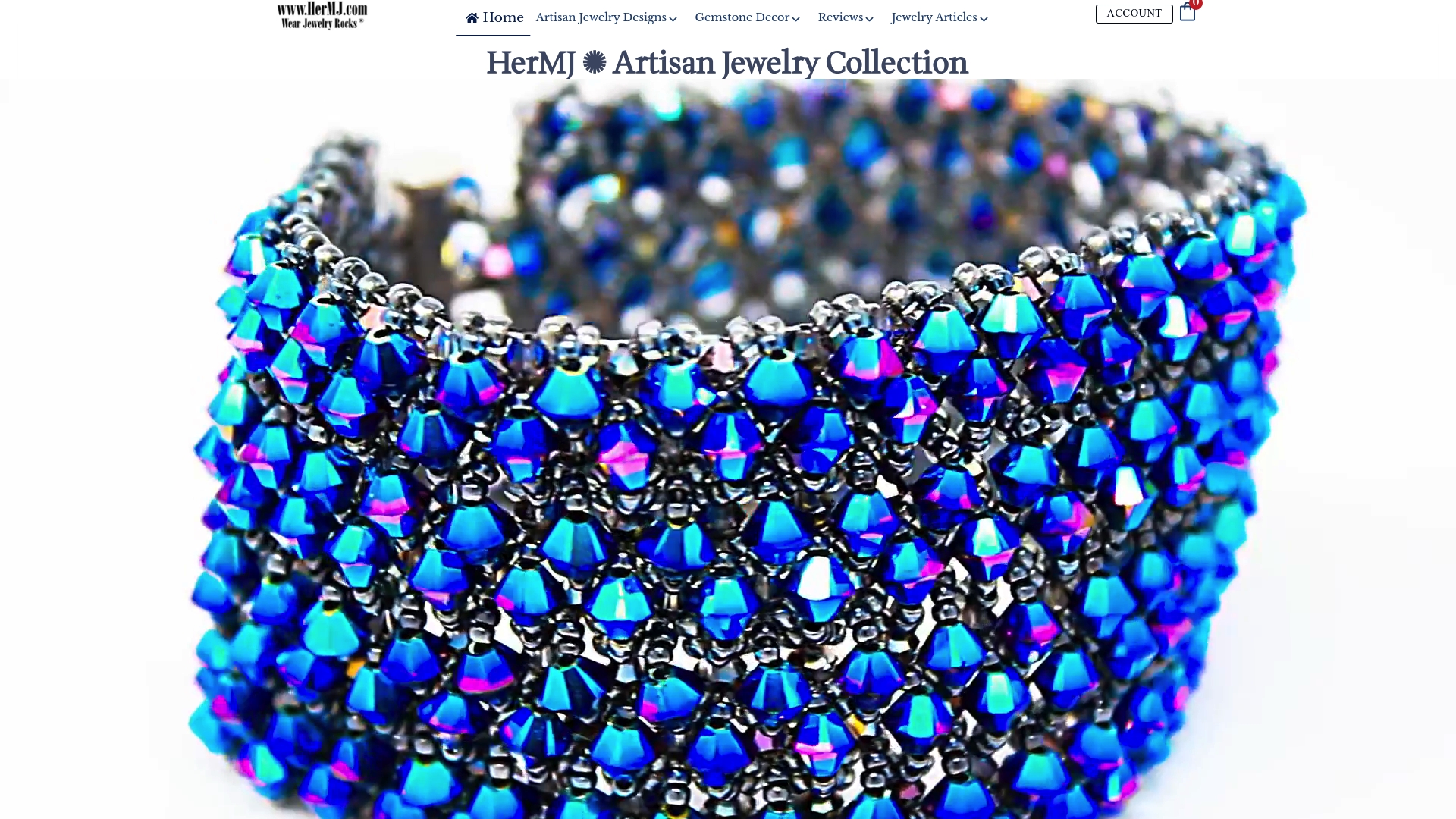
HerMJ also offers educational resources to help you appreciate artisan craftsmanship details with confidence, so you know exactly what you’re looking at when you find a piece you love. If you’re drawn to freshwater pearl necklaces, gemstone bracelets, or custom pieces designed around your personal style, HerMJ brings genuine artisan quality to accessible pricing. Explore the collection and discover what it’s like to wear handcrafted jewelry.
FAQ
What is artisan jewelry in simple terms?
Artisan jewelry is handcrafted by a skilled individual who oversees the entire creation process, from design through finishing. Each piece is typically unique or made in small quantities, using quality materials and traditional techniques.
How is artisan jewelry different from handmade jewelry?
All artisan jewelry is handmade, but not all handmade jewelry qualifies as artisan work. Artisan jewelry specifically involves a trained craftsperson with mastery of traditional techniques, original design, and intentional material selection, rather than simple assembly of purchased components.
Why does artisan jewelry cost more than mass-produced pieces?
Artisan jewelry costs more because a single piece can take days or weeks to complete, compared to machine stamping that produces forms in about one minute. The materials are also of a higher quality, and the maker’s skill represents years of training.
How can I tell if a piece of jewelry is genuinely artisan-made?
Look for weight, subtle surface variations, slight asymmetry in settings, and the seller’s ability to name the maker and describe the process. Handmade pieces carry unique textures and microscopic irregularities that machine-made items never have.
Is artisan jewelry a good investment?
Artisan jewelry made from solid metals and genuine stones holds its structure and value across decades. Unlike fast-fashion pieces that degrade quickly, artisan work is designed to last for generations, making it both a sustainable and a lasting choice.
Recommended
- How to Appreciate Artisan Jewelry Craftsmanship Details
- What Is Hand Fabricated Jewelry? Craftsmanship Explained