


Why Crystals Are Used as Art Pieces: A Complete Guide
The Edit
- Crystals are prized as art because of their optical properties, rarity, and cultural symbolism. Their exceptional clarity and refractive qualities showcase craftsmanship and reflect social status. Proper care and strategic placement enhance their beauty and preserve their long-term value.
Crystals are defined as natural or manufactured mineral formations prized in decorative art for their exceptional clarity, light refraction, and cultural symbolism.
The question of why crystals are used as art pieces has a layered answer: their optical behavior transforms ambient light into living visual effects, their rarity demands skilled craftsmanship to shape, and their symbolic meanings run deep across centuries of human culture.
From ancient quartz carvings to modern K9 optical crystal sculptures, these materials merge nature and human artistry. Understanding that intersection helps you choose, display, and appreciate crystal art with far more confidence.
Why crystals are used as art pieces: rarity, craft, and status
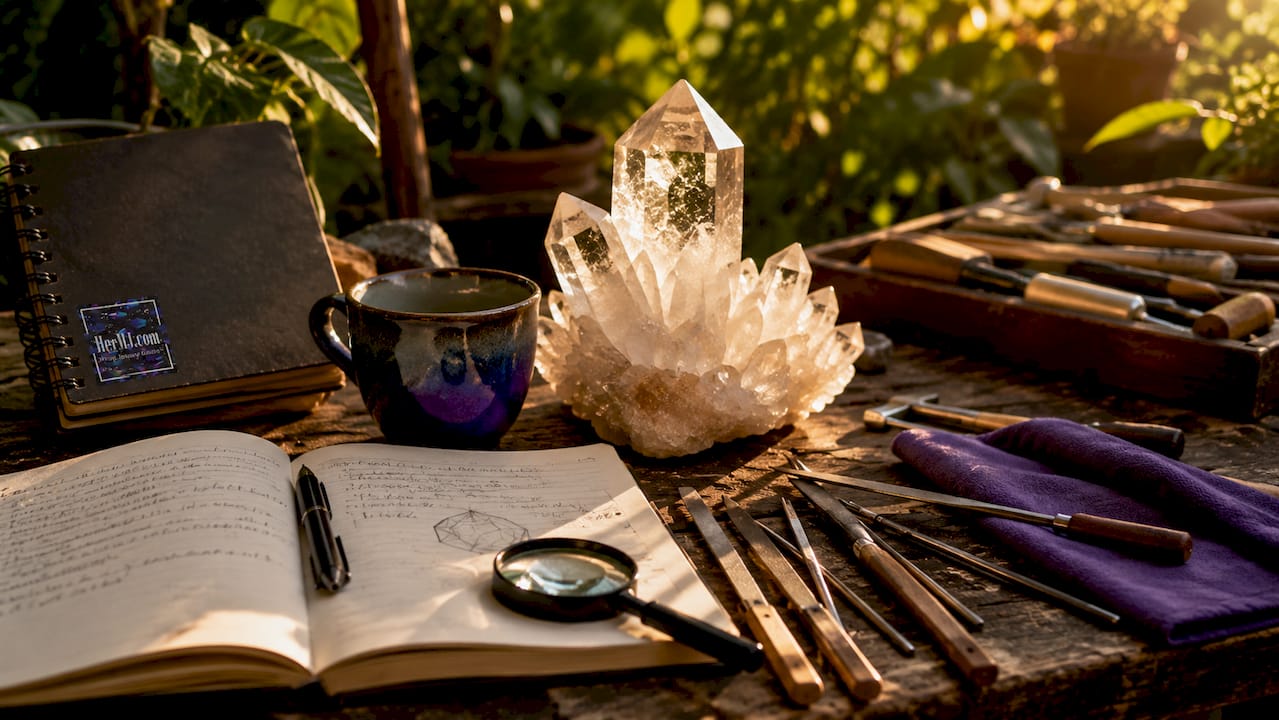
Large quartz crystals historically symbolized status because shaping them without fracturing required extraordinary lapidary skill. That combination of natural scarcity and technical mastery is exactly what elevates a material from raw stone to art object.
Quartz scores a 7 on the Mohs hardness scale. That hardness makes it resistant to scratching, which is a desirable quality in a display piece, but it also makes carving brutally unforgiving.
A single misjudged cut can shatter a piece that took weeks to shape. Ancient and Islamic craftsmen who produced large crystal vessels understood this tension intimately, and the finished crystal ornaments they created were deliberate demonstrations of technical ambition.
Transparency adds another layer of pressure on the artist. Unlike opaque stone, crystal reveals every flaw. A scratch, an uneven surface, or a poorly finished edge is immediately visible to anyone who holds the piece up to light.
This is what made crystal art a reliable signal of skill and status across cultures.
- Clarity as proof of mastery. A flawless, polished crystal surface tells you the craftsman controlled every stage of the process.
- Rarity as cultural currency. Large, inclusion-free natural quartz was scarce. Owning a carved piece meant owning something most people could never acquire.
- Hardness as an artistic challenge. The same property that makes quartz durable also makes it difficult to work, so finished pieces bear the embedded evidence of effort.
- Transparency as accountability. Crystal hides nothing. Every decision the artist made is permanently on display.
Pro Tip: When you evaluate a crystal art piece, hold it up to a single light source and rotate it slowly. The quality of the polish shows up immediately as consistent, even light return across the surface.
The lapidary tradition that developed around crystal shaped how we still read these objects today. A well-crafted crystal piece carries the weight of that history, even when it sits on a modern shelf.
How do a crystal’s optical properties shape its artistic appeal?
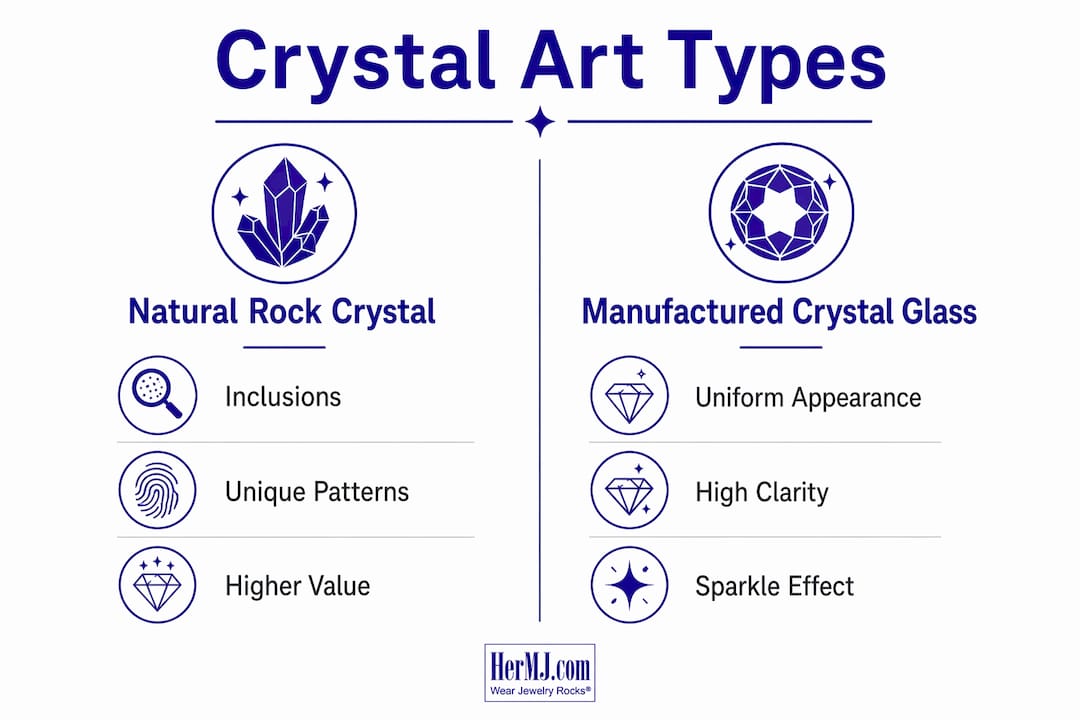
Crystal’s relationship with light is the core reason it holds such a powerful place in decorative art. Transparency, refractive index, and surface finish all work together to create the visual effects that make crystal pieces feel alive.
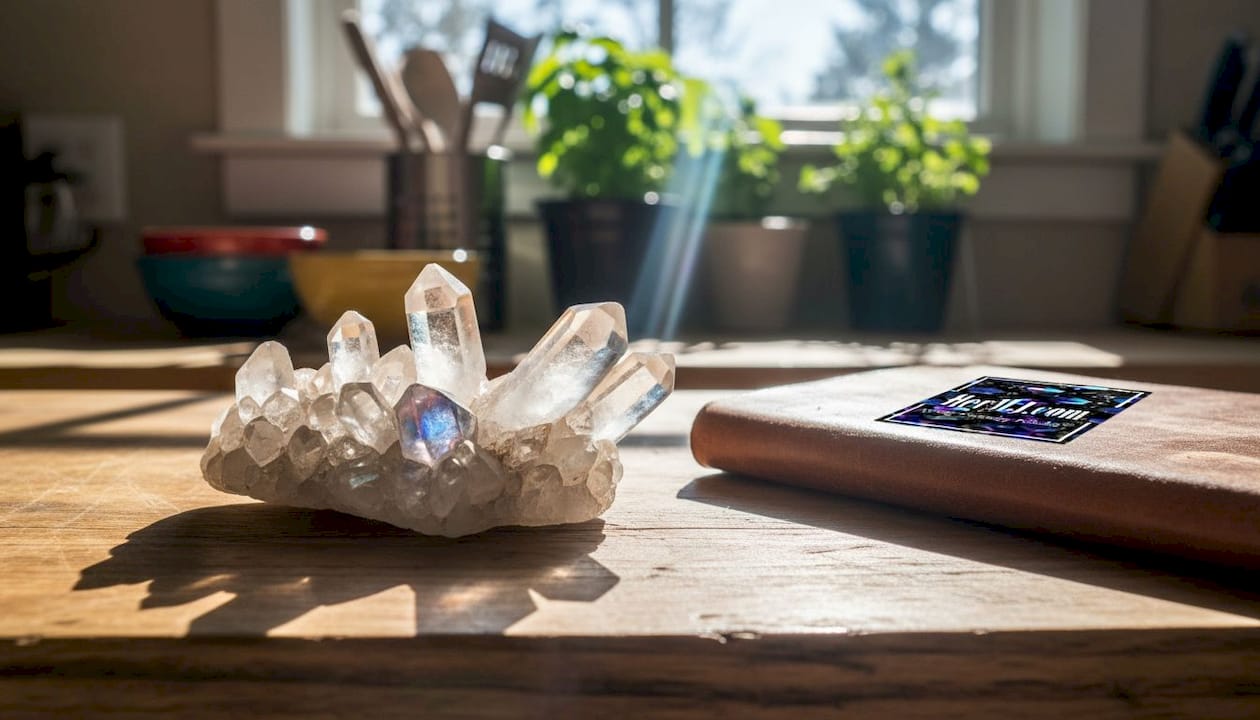
Natural rock crystal and manufactured crystal glass differ visibly in ways that matter for both aesthetics and value. Natural quartz contains internal inclusions and fracture lines that catch light in unpredictable, organic ways.
Manufactured crystal glass, including K9 optical crystal, shows a uniform interior with occasional air bubbles. Neither is inherently superior as an art material, but each creates a distinctly different visual experience.
| Feature | Natural rock crystal | Manufactured crystal glass |
|---|---|---|
| Interior appearance | Inclusions, fracture lines | Uniform, occasional bubbles |
| Light behavior | Organic, unpredictable refraction | Consistent, controlled sparkle |
| Surface finish | Requires skilled hand polishing | Can be machine finished |
| Symbolic association | Natural rarity, authenticity | Precision, glamour, spectacle |
| Best use in art | Sculptural, collector pieces | Laser-engraved art, display objects |
K9 optical crystal produces a visible sparkle as light changes throughout the day because of its high refractive index. That quality makes it the material of choice for laser-engraved photo crystals and decorative sculptures where consistent visual drama is the goal.
Surface finish determines how much of that optical potential actually reaches the viewer. A well-cut and polished crystal maintains its full symbolic force, while abraded or poorly finished surfaces diminish the effect significantly. This is why expert lapidaries treat the final polishing stage as the most critical part of the process.
Pro Tip: Place a crystal art piece near a window where it receives indirect morning or afternoon light. Direct midday sun can fade colored crystals over time, but angled light creates the most dramatic refraction effects.
Faceting amplifies these effects further. Each flat face on a faceted crystal acts as both a mirror and a lens, splitting white light into its component colors and redirecting it across the surrounding space. That behavior is why faceted crystal sculptures change character completely as you move around them.
How are crystals used in contemporary art and home decor?
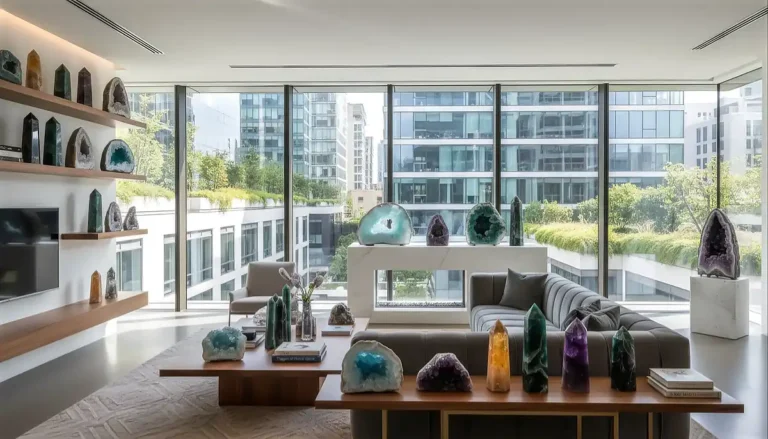
Contemporary designers use crystal to explore perception, reflection, and conceptual ambiguity, well beyond simply decorative roles. That shift explains why you’ll find crystal in gallery installations, mixed-media sculptures, and carefully curated home interiors all at once.
The benefits of crystal decor extend into the emotional and spatial dimensions of a room. Different crystals are chosen for their emotional and spiritual associations depending on the room’s purpose.
Selenite in living spaces is associated with calm and clarity. Citrine is commonly found in home offices because of its traditional association with focus and positive energy. Amethyst works in bedrooms where rest and reflection are the priorities.
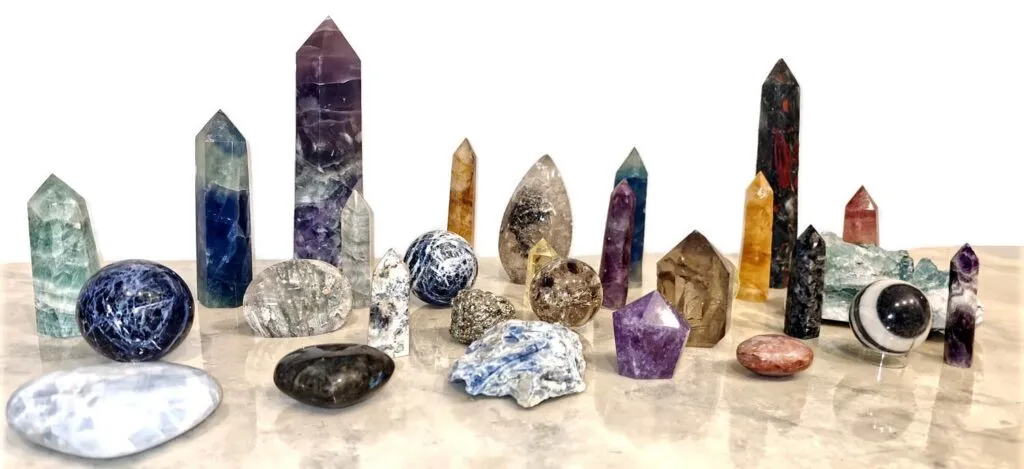
Popular crystal types for home decor each bring distinct aesthetic uses:
- Amethyst clusters. Their deep purple color and jagged natural form create dramatic focal points on shelves or mantels.
- Clear quartz points. Their transparency and geometric form suit minimalist interiors where light play is the design goal.
- Selenite slabs. Their milky, translucent quality diffuses light softly, making them ideal for lamps or window ledges.
- Rose quartz spheres. Their warm pink tone adds color without visual weight, fitting well in bedrooms and reading corners.
- Citrine geodes. Their golden interior color brings warmth to neutral-toned spaces.
The meaning of crystal art also shifts depending on context. Crystal symbolism changes when a crystal moves from an intimate jewelry setting to a large decorative object in a shared space.
In jewelry, it reads as personal purity and clarity. In a room, it signals social display and visual spectacle. That contextual flexibility is one reason crystal works across so many design styles.
You can explore the full range of options in this 2026 crystal decor guide to match crystal types to specific rooms and aesthetics. The ethical crystal collecting movement has also reshaped how art enthusiasts source pieces, with provenance and sustainability now factoring into purchasing decisions alongside beauty.
How do you care for and place crystal art at home?
Choosing and maintaining crystal art well protects both its beauty and its long-term value. A few practical principles make a real difference.
Identify whether it is a natural or glass crystal before purchasing. Hold the piece to light and look for internal inclusions or fracture lines, which indicate natural quartz. Uniform interiors with small bubbles point to manufactured glass. Visual and structural details under magnification confirm the difference reliably. Knowing what you have shapes how you care for it.
Protect colored crystals from direct sunlight. Amethyst must be kept out of direct sunlight to prevent color fading caused by iron impurities reacting to UV exposure. The same principle applies to rose quartz and citrine. Place colored pieces in spots that receive only indirect light.
Match placement to room purpose. Clear quartz and selenite suit spaces where you want light amplified, such as entryways and living rooms. Darker, more grounding stones like black tourmaline work better in spaces where you want visual weight and calm. Placement by intention produces more satisfying results than placement by convenience alone.
Clean raw clusters gently. Use a soft, dry brush to remove dust from raw crystal clusters. Avoid soaking natural crystals in water for extended periods, as some minerals are water-soluble or structurally weakened by prolonged exposure tomoisture. Gentle cleaning methods preserve both the surface finish and the structural integrity of the piece.
Rotate display pieces seasonally. Light conditions change through the year, and a crystal that sparkles beautifully in winter’s low-angle light may look flat in summer. Rotating pieces keep your display fresh and let you rediscover how each crystal behaves in different conditions.
You’ll find a broader look at current crystal decor trends, including affordable holiday crystal options, that show how these placement principles translate into real home settings.
Key Takeaways
Crystals earn their place as art pieces through the combination of natural optical properties, historical demands of craftsmanship, and layered cultural symbolism that no other material can replicate.
| Point | Details |
|---|---|
| Optical properties drive appeal | Crystal’s transparency and refractive index create light effects that change with viewing angle and time of day. |
| Craftsmanship signals value | Crystal’s hardness and transparency make every flaw visible, so a flawless piece proves genuine skill. |
| Symbolism is context-dependent | Crystal reads as personal purity in jewelry and as social spectacle in large decorative objects. |
| Care protects long-term beauty | Colored crystals fade in direct sunlight; gentle dry cleaning preserves surface finish and structure. |
| Placement shapes the experience | Matching crystal type to room purpose amplifies both aesthetic and symbolic effects. |
What I’ve learned from years of watching crystal art move through spaces
The conversation around crystal art tends to focus on sparkle, and that’s understandable. The visual drama is immediate and hard to ignore. But the pieces that hold your attention over the years are rarely the ones that simply catch the light.
They’re the ones where you can feel the tension between the material’s natural character and the human decision to shape it.
I’ve watched collectors walk past technically perfect manufactured crystal pieces to spend real money on a slightly irregular natural quartz carving. The inclusions and fracture lines that the “imperfect” piece contains are exactly what make it compelling. They’re evidence of the earth’s process, and no amount of precision manufacturing replicates that quality.
The shift from crystal as a status symbol to crystal as a personal and spatial tool is genuinely interesting to watch.
People who would never describe themselves as interested in symbolism still choose amethyst for their bedroom and clear quartz for their desk. They’re responding to something real, even if they frame it as purely an aesthetic preference.
My advice is to resist the pressure to buy the most visually dramatic piece in the room. The crystal that rewards long-term attention is usually the one with the most interesting interior.
Hold it, rotate it, and watch how it behaves across different light conditions before you commit. That process tells you more about a piece than any description can.
— Veronique
HerMJ’s crystal art pieces for collectors and homeowners
Crystal art belongs in spaces where it can be seen, touched, and worn. HerMJ brings that philosophy to life through handcrafted pieces that treat crystal as both a decorative and personal art form.
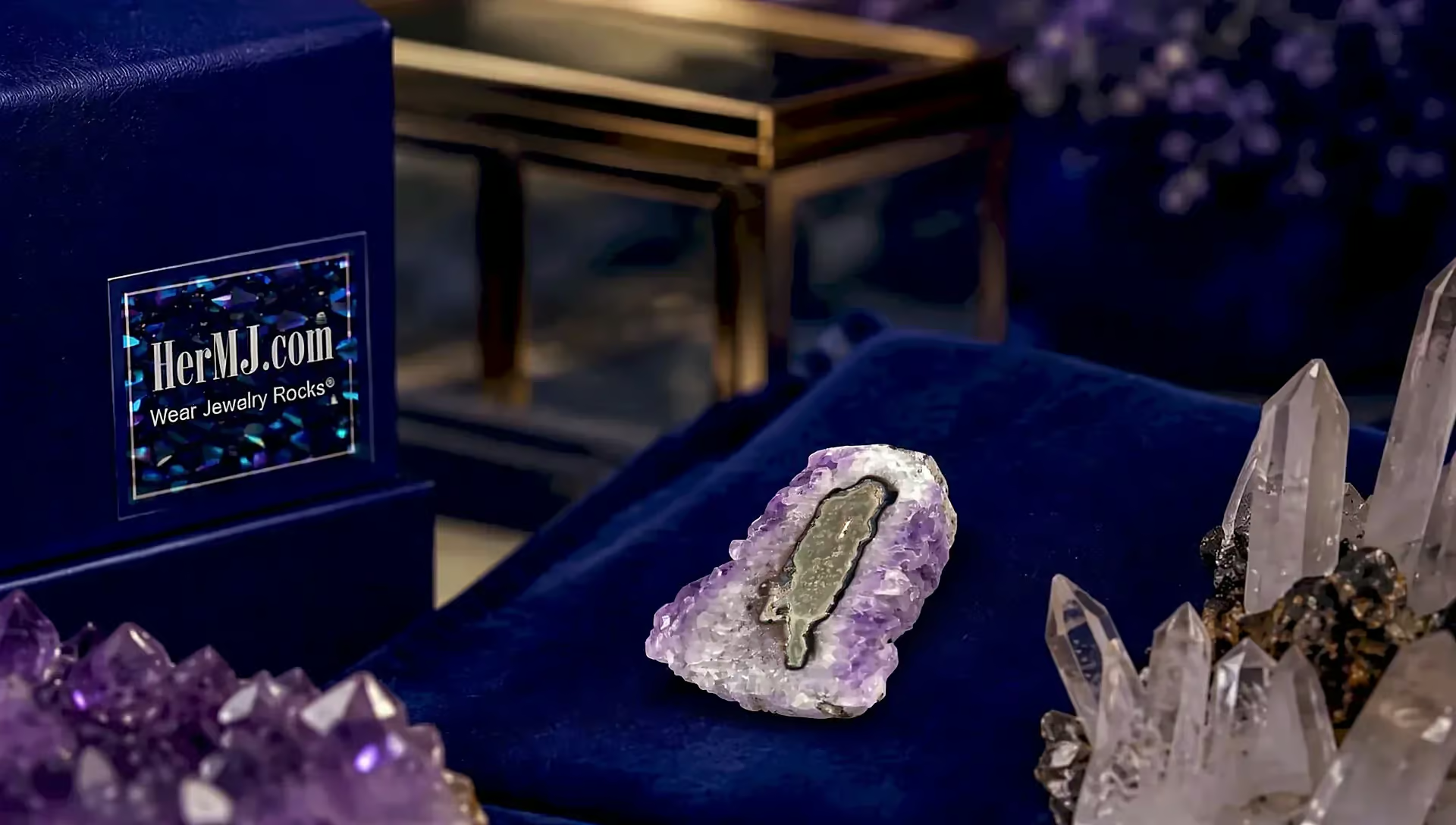
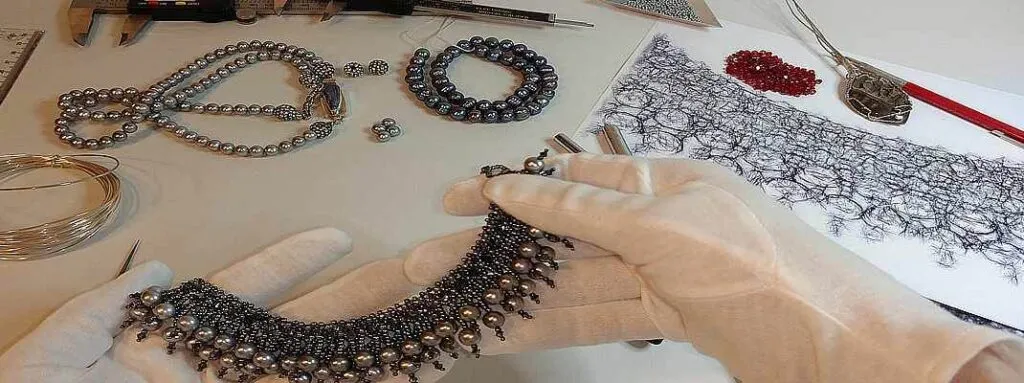
The quartz crystal necklace from HerMJ is a strong example of how crystal art meaning translates into wearable design. It carries the same optical qualities that make crystal compelling in sculpture, but in a form you can take with you.
HerMJ’s pieces are handmade from genuine gemstones, priced accessibly, and customizable to your aesthetic. US orders ship free with no minimum.
International orders ship free for orders of $150 or more, and orders below $150 ship via USPS at the buyer’s cost. You can also follow the latest crystal jewelry news to stay current on supply trends that affect availability and pricing.
FAQ
Why are crystals valued as decorative art objects?
Crystals are valued for their optical clarity, light refraction, and cultural symbolism. Their natural rarity and the technical skill required to shape them without fracturing have made them prestigious art materials across centuries.
What is the difference between natural rock crystal and crystal glass?
Natural rock crystal contains internal inclusions and fracture lines, while manufactured crystal glass shows a uniform interior with occasional air bubbles. These differences are visible under magnification and affect both value and care requirements.
Which crystals are best for home decor?
Selenite, clear quartz, amethyst, rose quartz, and citrine are the most widely used crystals in home decor. Each is chosen for a combination of visual character and symbolic association suited to specific rooms and purposes.
How do I prevent crystal art from fading or getting damaged?
Keep colored crystals like amethyst and rose quartz away from direct sunlight, as UV exposure can cause fading. Clean raw clusters with a soft, dry brush, and avoid prolonged exposure to water for structurally sensitive minerals.
Does crystal placement in a room actually matter?
Placement affects both the visual and symbolic experience of a crystal piece. Transparent crystals placed near indirect light sources maximize refraction effects, while grounding stones placed at lower heights in rest spaces align with their traditional symbolic associations.
Recommended
- Festive Holiday Home Decor ✺ HerMJ
- Types of Crystals for Home Decor: Your Style Guide
- Crystal Uses: A Guide to Healing, Decor, and Spirit
- European Crystals: Key Elements In Our Designs