


Mix Gemstone Jewelry into Modern Looks That Turn Heads
The Edit
- Mixing gemstone jewelry in 2026 emphasizes intentional combinations of diverse stones and metals to create personal, stylish looks. Limiting palettes to three colors, choosing high-quality stones, and pairing them with suitable metals enhances modern layering and personalized storytelling. The key to sophisticated mixing is exercising restraint, focusing on purpose, symbolism, and harmonious design elements.
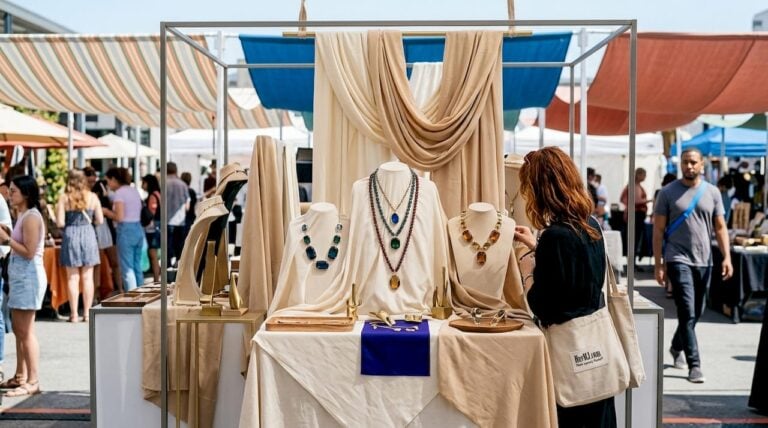
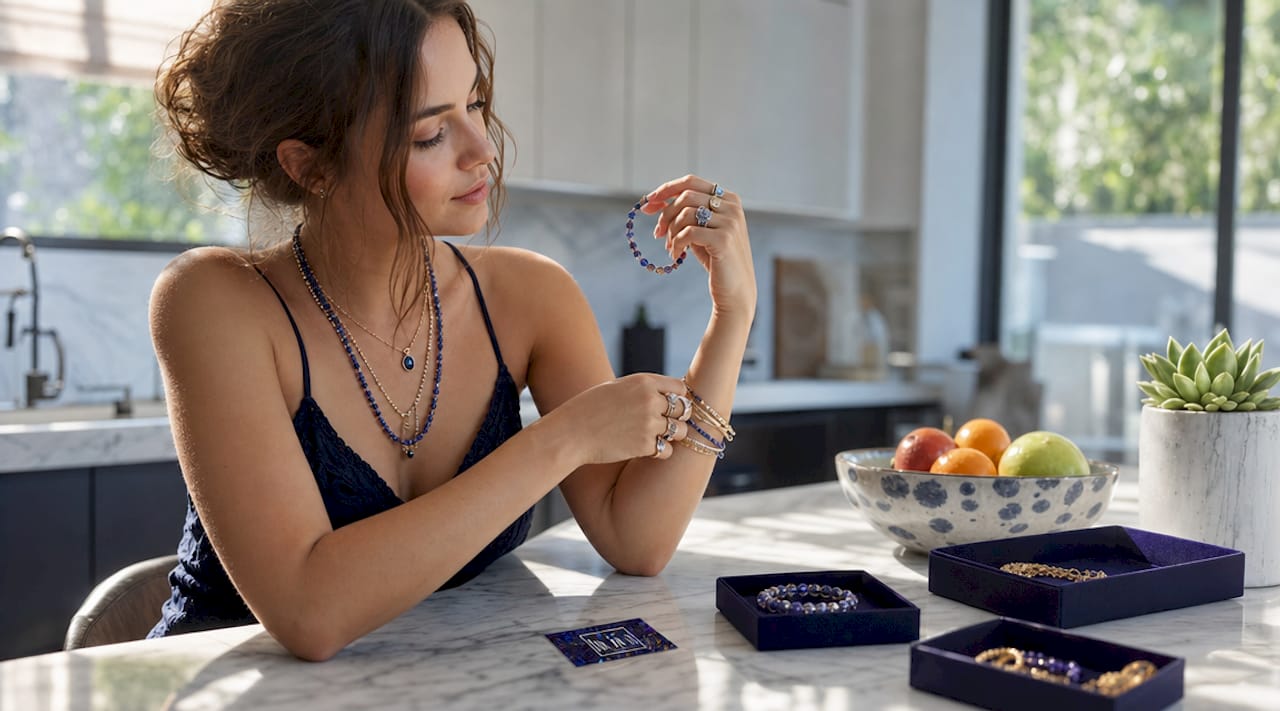
Mixing gemstone jewelry for modern looks is the art of combining diverse stones and metals to craft personal accessories that feel intentional, stylish, and entirely your own.
Mixed-gemstone and mixed-metal jewelry are among the top trends defining 2026, driven by a collective shift toward color-forward palettes and layered eclecticism.
The result isn’t chaos. It’s a considered, expressive approach to dressing that treats jewelry as a form of personal storytelling. When you understand the principles behind color harmony, metal pairing, and intentional layering, you can mix and match gemstone styles with the confidence of a seasoned stylist.
What you need to start mixing gemstone jewelry for modern looks
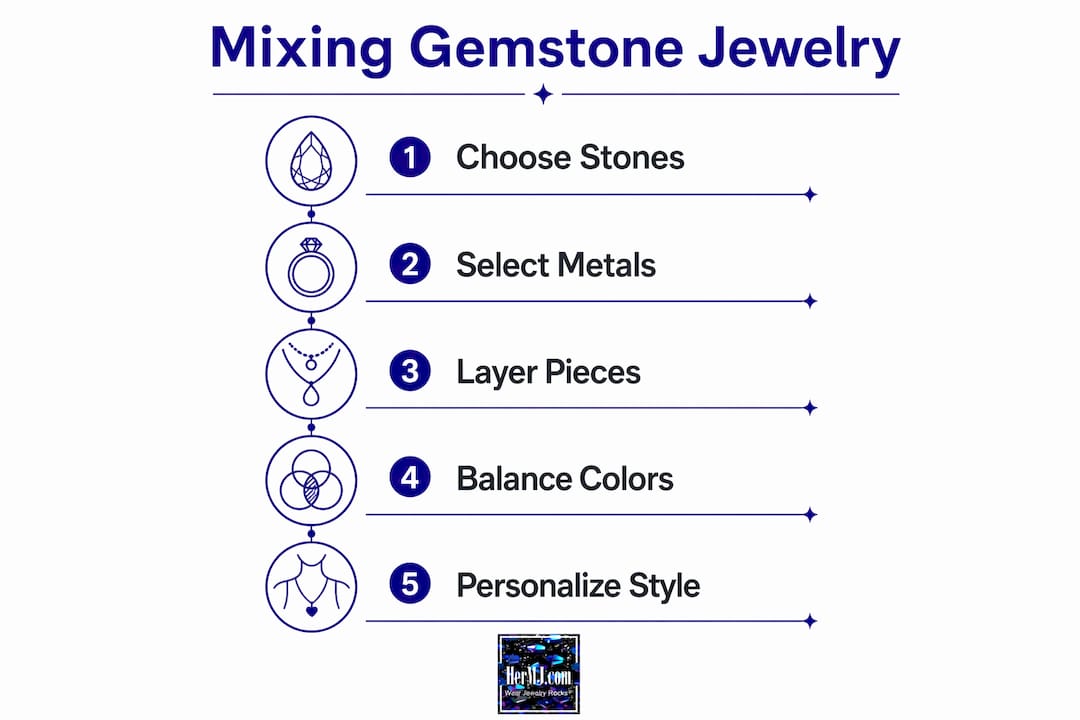
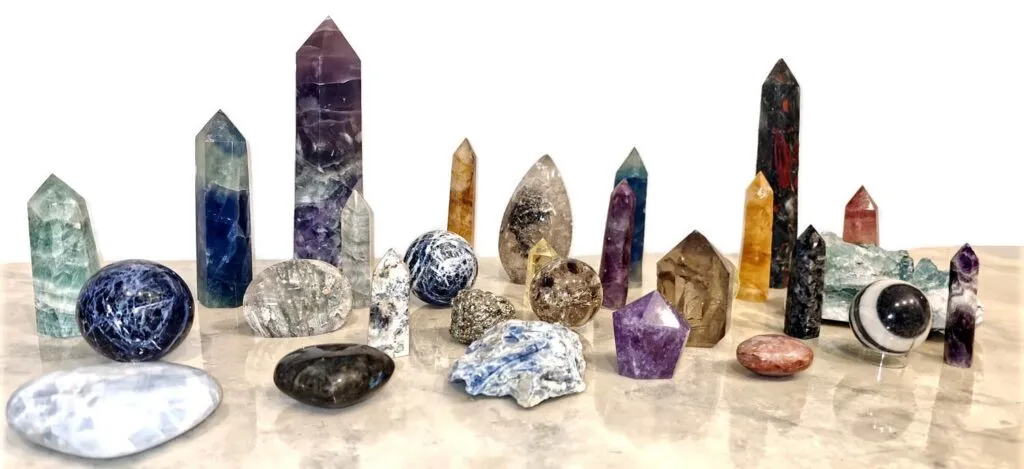
The foundation of any contemporary mixed gemstone design starts with knowing your materials. In 2026, the most versatile gemstones for mixing include sapphire, emerald, ruby, tourmaline, amethyst, citrine, and aquamarine.
Each brings a distinct color temperature and character to a combination, which is exactly what makes them so compelling when paired thoughtfully.
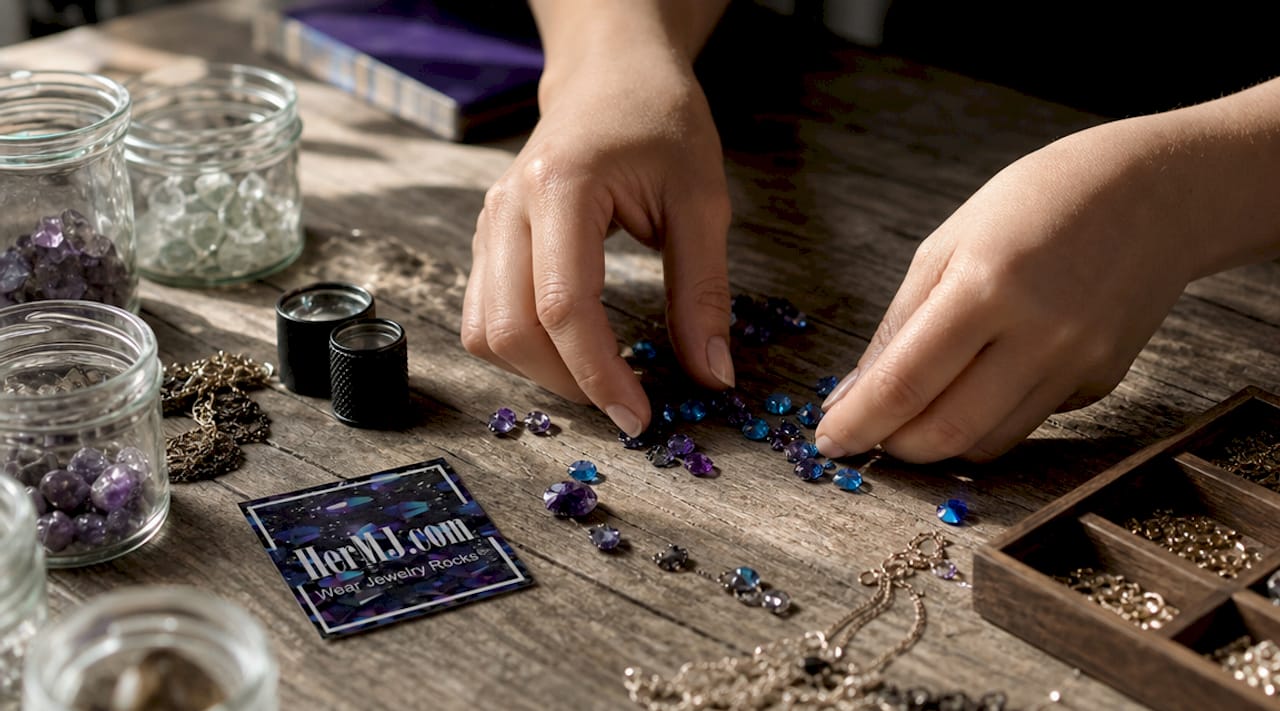
Quality gemstone color, cut, and clarity are the deciding factors between a sophisticated look and one that falls flat. A well-cut tourmaline in a vivid pink catches light differently than a dull, poorly faceted stone, and that difference reads clearly on the body.
Investing in fewer high-quality pieces rather than accumulating mediocre ones is the smarter path to a polished wardrobe.
Metal choice shapes the mood of your entire combination. Here’s how the main options compare:
| Gemstone | Best Metal Pairing | Styling Effect |
|---|---|---|
| Sapphire (blue) | Yellow gold | Warm contrast, regal and rich |
| Emerald (green) | Yellow or rose gold | Lush, vintage-modern feel |
| Ruby (red) | White gold or silver | Crisp, high-contrast drama |
| Tourmaline (pink/green) | Rose gold or mixed metals | Playful, contemporary energy |
| Amethyst (purple) | Silver or white gold | Cool, ethereal sophistication |
| Aquamarine (blue-green) | White gold or silver | Fresh, airy, minimal luxury |
Jewelry types that work best for mixing include layered necklaces, stacked bracelets, and earrings in varied sizes. Keeping the focus on these pieces lets you build combinations with real visual impact without overwhelming your overall look.
How to choose color palettes for mixed gemstone combinations
Color theory isn’t just for painters. It’s the quiet logic behind every great jewelry combination you’ve ever admired.
Three approaches work particularly well when you’re building a mixed gemstone look: complementary palettes (colors opposite on the color wheel, like blue sapphire with orange citrine), analogous palettes (colors that sit side by side, like green emerald with teal aquamarine), and tonal palettes (varying shades of one hue, like lavender amethyst with deep purple tanzanite).
Pairing vivid, saturated stones with neutral clothing tones like white, cream, or soft gray lets the jewelry carry the visual weight of the outfit. This is the everyday-luxury principle in practice.
A white linen shirt with a layered necklace featuring sapphire and citrine creates a complete, intentional look without any additional effort.
The “primary color dominance” principle is one of the most practical rules in fashionable gemstone jewelry. Choose one stone as your anchor color, then build around it with one or two supporting tones.
If your anchor is a deep green emerald bracelet, a secondary piece in warm gold with a small tourmaline accent completes the palette without competing for attention.
Here’s a quick guide to building your palette:
- Anchor stone first. Pick the most vivid or meaningful stone and let it lead.
- Limit your palette to three colors. More than three distinct gemstone colors in one look tends to read as cluttered rather than curated.
- Match your metal to your skin tone. Yellow gold flatters warm undertones; white gold and silver suit cool undertones; rose gold works across both.
- Consider your outfit’s undertone. Warm-toned clothing (ivory, camel, rust) pairs naturally with yellow gold and warm stones. Cool-toned clothing (navy, gray, white) suits silver and cool-colored gems.
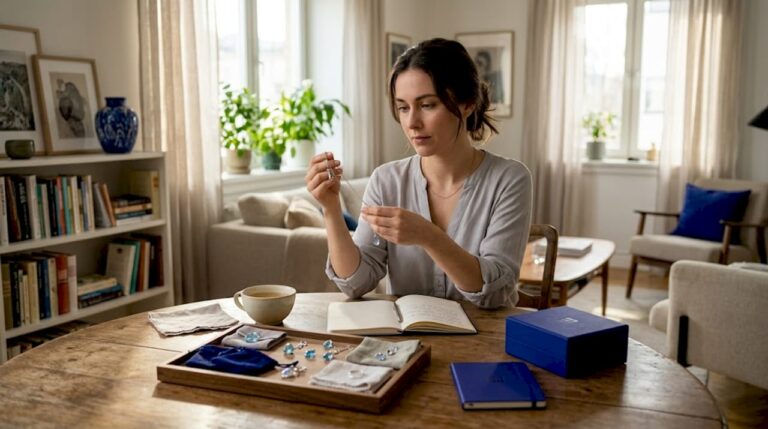
Pro Tip: When you’re unsure about a combination, hold the pieces against your wrist in natural light before putting them on. Natural light reveals the true color interaction between stones and metals in a way that indoor lighting simply doesn’t.
What are the best layering techniques for mixed gemstone jewelry?
Layering jewelry with varying gemstone shapes, sizes, and metal types creates rhythm and visual interest without heaviness. The key is treating each layer as a distinct voice in a conversation, not a competing shout. Here’s a practical approach to building layered looks:
- Start with a base layer. A delicate chain with a single small gemstone pendant sits closest to the neck and anchors the stack.
- Add a mid-length piece. A 16 to 18-inch necklace with a slightly larger or more colorful stone introduces contrast.
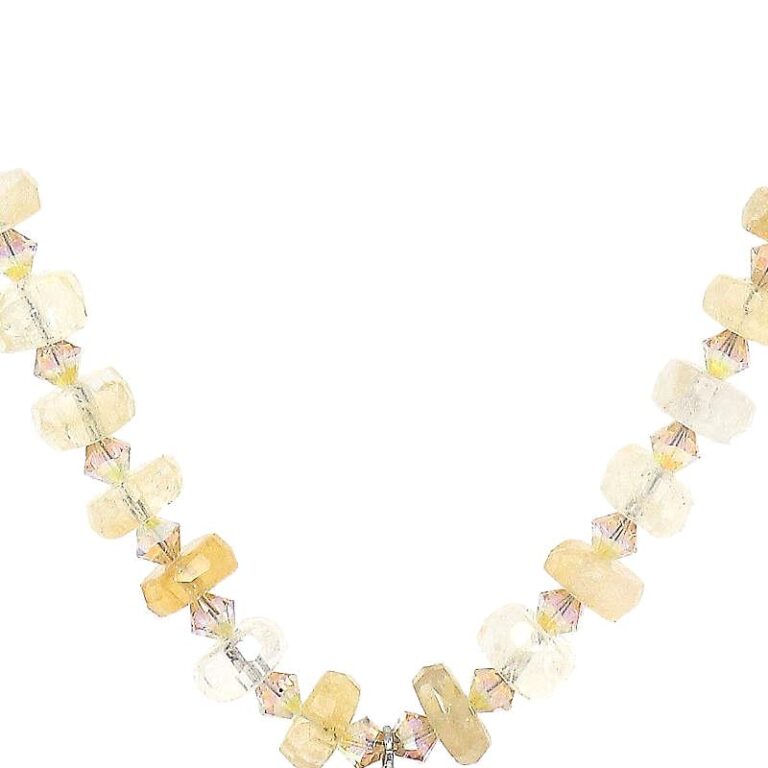
- Finish with a longer statement piece. A 20 to 24-inch necklace featuring a statement gemstone necklace with mixed shapes or a cluster of stones completes the trio.
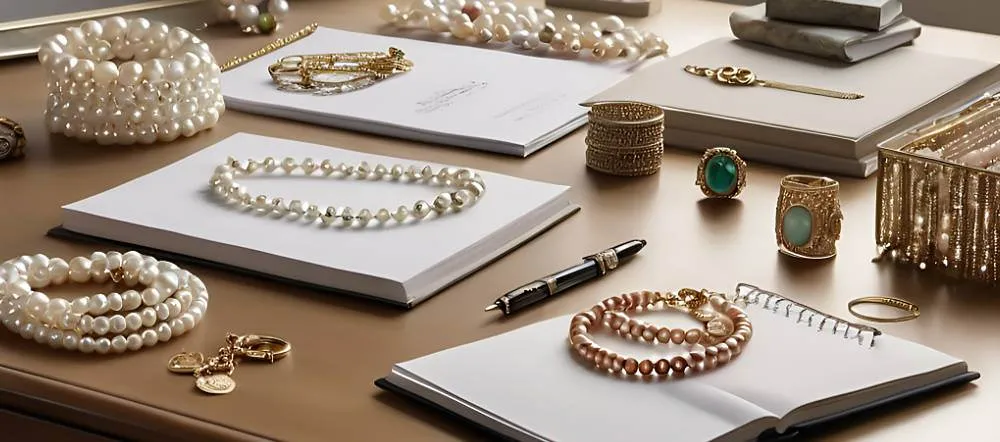
Designers embrace layering mixed-shape gemstones and mixed metals, including two-tone gold, as a hallmark of 2026 style. Two-tone pieces, those that combine yellow and white gold in a single setting, serve as a natural starting point if you’re new to mixing metals. We do the work of bridging different metal tones for you.
Setting style matters more than most people realize. Minimal bezel and prong settings keep the focus on the stone itself.
Invisible or minimal bezel settings in mixed-stone pieces create a floating-art effect, beautifully balancing bold, colorful stones for daily wear. Ornate or heavily detailed settings compete with the stones, muddying the overall composition.
| Layering style | Metal choice | Best for |
|---|---|---|
| Delicate single-stone stack | Yellow gold | Minimalist, everyday elegance |
| Mixed-shape cluster | Two-tone gold | Bold, contemporary statement |
| Long pendant over short chain | Silver or white gold | Cool, editorial looks |
| Colorful gemstone trio | Rose gold | Romantic, warm-toned outfits |
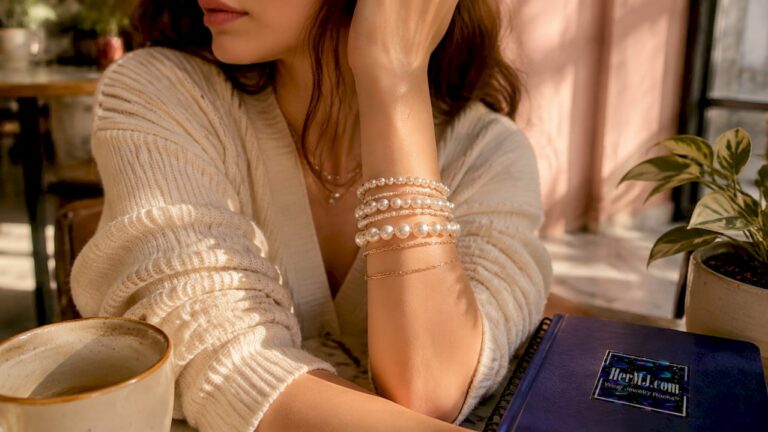
Pro Tip: When stacking colorful gemstone bracelets, alternate between a bold stone and a simple metal band. This gives each colored piece room to breathe and prevents the wrist from looking overloaded.
How to maintain balance and avoid common mistakes when mixing gemstone jewelry
Restraint and intention in styling gemstone jewelry are what separate the fashionable from the overdone. The most common mistake isn’t wearing too much jewelry. It’s wearing pieces that don’t speak to each other. A collection of beautiful stones worn together without a unifying color, metal, or theme reads as random rather than curated.
Here are the most frequent missteps and how to sidestep them:
- Too many competing colors. Limit yourself to two or three gemstone colors per look. Four or more distinct hues pull the eye in too many directions.
- Mixing every metal at once. Yellow gold, white gold, rose gold, and silver can all coexist in a wardrobe, but wearing all four simultaneously dilutes the effect of each. Pick two metals per look.
- Busy settings on busy stones. Ornate filigree settings on vivid, saturated stones create visual noise. Let the stone be the star by keeping its setting clean.
- Ignoring scale. Wearing a large statement necklace, equally large earrings, and a bold bracelet simultaneously overwhelms the eye. Choose one focal point and let the other pieces support it.
“The most stylish mixed gemstone looks aren’t the ones with the most pieces. They’re the ones where every piece was chosen with purpose.”
Consumers are shifting from ‘more is more’ to deliberate, considered wearing for genuine sophistication. This cultural shift means that a single, well-chosen layered necklace with two complementary gemstones now reads as more stylish than a pile of mismatched pieces.
How to personalize your mixed gemstone jewelry for deeper meaning
Jewelry is chosen for meaning and connection more than status in 2026, and that shift changes how you should think about building your collection. Shoppers are prioritizing stones associated with personal qualities like resilience, love, or growth. This isn’t a passing trend. It reflects a deeper desire to wear something that tells your story rather than simply signals wealth.
Birthstones are the most intuitive entry point. You can explore alternative birthstones by month to find options that resonate more personally than the traditional list. Pairing your own birthstone with a stone that represents a meaningful quality, like amethyst for calm or ruby for courage, creates a combination that’s both visually compelling and personally significant.
Here are practical ways to build meaning into your mixed gemstone choices:
- Layer birthstones with intention stones. Combine your birth month stone with a gem that represents a quality you’re cultivating or celebrating.
- Reset heirloom stones in modern settings. Resetting heirloom gemstones into modern minimalist gold settings is a cost-effective way to honor the past while wearing something that feels current.
- Choose stones for their symbolism. Emerald represents growth and renewal. Sapphire signals wisdom and loyalty. Tourmaline in its multicolored form reflects complexity and creativity.
- Mix stones that mark milestones. A bracelet that combines stones from different chapters of your life becomes a wearable record of your personal history.
Pro Tip: Before buying a new piece to add to a mix, ask yourself: Does this stone mean something to me, or am I just drawn to the color? Pieces with personal meaning stay in rotation far longer than impulse buys.
Key takeaways
Mixing gemstone jewelry for modern looks works best when you lead with one anchor stone, limit your palette to three colors, and choose settings that let the stones speak for themselves.
| Point | Details |
|---|---|
| Anchor stone first | Choose one dominant gemstone color and build the rest of the combination around it. |
| Limit to two metals per look | Mixing yellow gold with rose gold or white gold with silver creates depth without visual confusion. |
| Setting style shapes the look | Minimal bezel and prong settings keep focus on the stone and support a modern, clean aesthetic. |
| Restraint defines sophistication | Fewer, well-chosen pieces with a shared color or metal theme read as more stylish than volume alone. |
| Meaning elevates the mix | Stones chosen for personal significance, birthstones, heirlooms, or intention stones, create looks with lasting resonance. |
Why I think most people are mixing gemstone jewelry the wrong way
I’ve watched the jewelry conversation shift dramatically over the past few years, and the 2026 move toward maximalism with restraint is the most interesting development I’ve seen. Most people interpret “mix more” as permission to wear everything at once. That’s the wrong read.
The looks that actually stop people in their tracks are the ones built around a single, clear idea. One dominant color. One metal family. One focal point. Everything else in the combination serves that idea. When I see someone wearing a layered necklace with a deep blue sapphire anchor, a secondary aquamarine pendant, and simple yellow gold chains, I see a person who understands how to style jewelry with intention. When I see someone wearing six different colored stones across four different metals, I see someone who hasn’t yet made a decision.
The other error I see constantly is ignoring the outfit. Gemstone jewelry doesn’t exist in isolation. A vivid tourmaline bracelet on a printed sleeve disappears. The same bracelet on a clean white cuff becomes the entire look. Your clothing is the canvas, and your gemstones are the paint. Choose the canvas first.
My advice: start with one piece you love, one stone that means something to you, and build outward from there. The most personal and fashionable gemstone combinations I’ve ever seen weren’t the most expensive. They were the most considered.
— Veronique
Bring your mixed gemstone style to life with HerMJ
If you’re ready to put these ideas into practice, HerMJ’s collection of handcrafted gemstone jewelry gives you the building blocks to create looks that are genuinely your own. Every piece is made with beautiful stones and artisan-level craftsmanship at a price point that makes building a real collection possible.
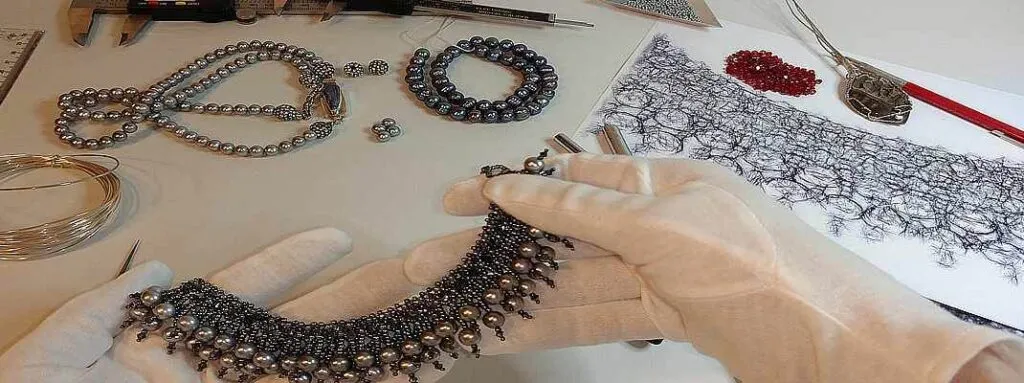
Start with HerMJ’s guide to gemstone jewelry outfit pairing to match your new combinations with the clothes already in your wardrobe. If you want to understand what makes a handcrafted piece worth wearing, the guide to artisan jewelry craftsmanship walks you through exactly what to look for. HerMJ also offers customization, so if you have a stone combination in mind, you can bring it to life in a piece made specifically for you.
FAQ
What does it mean to mix gemstone jewelry for modern looks?
Mixing gemstone jewelry for modern looks means combining two or more different gemstones and metals in a single outfit with intention and color cohesion. The goal is a layered, personal look that reflects your style rather than a random assortment of pieces.
Which gemstones work best together in a mixed jewelry look?
Sapphire and citrine (complementary palette), emerald and aquamarine (analogous palette), and amethyst with tanzanite (tonal palette) are all strong combinations. The key is choosing stones that share either a color relationship or a personal meaning.
Is it okay to mix metals like gold and silver in the same look?
Mixing metals like yellow gold, white gold, rose gold, and silver is no longer considered a style mistake and is actively celebrated in 2026 fashion. Limit yourself to two metals per look and use a two-tone piece as your anchor to tie them together naturally.
How many gemstone colors should I wear at once?
Three distinct gemstone colors is the practical maximum for a cohesive look. More than three pulls the eye in too many directions and makes the combination feel unplanned rather than curated.
How do I personalize a mixed gemstone jewelry look?
Combine your birthstone with a stone that represents a quality you value, or reset heirloom stones into a modern minimalist setting. The American Gem Society notes that 2026 shoppers prioritize stones chosen for meaning over status, making personal symbolism the most current approach to building a jewelry collection.