


How to Store Pearls and Keep Them Lustrous
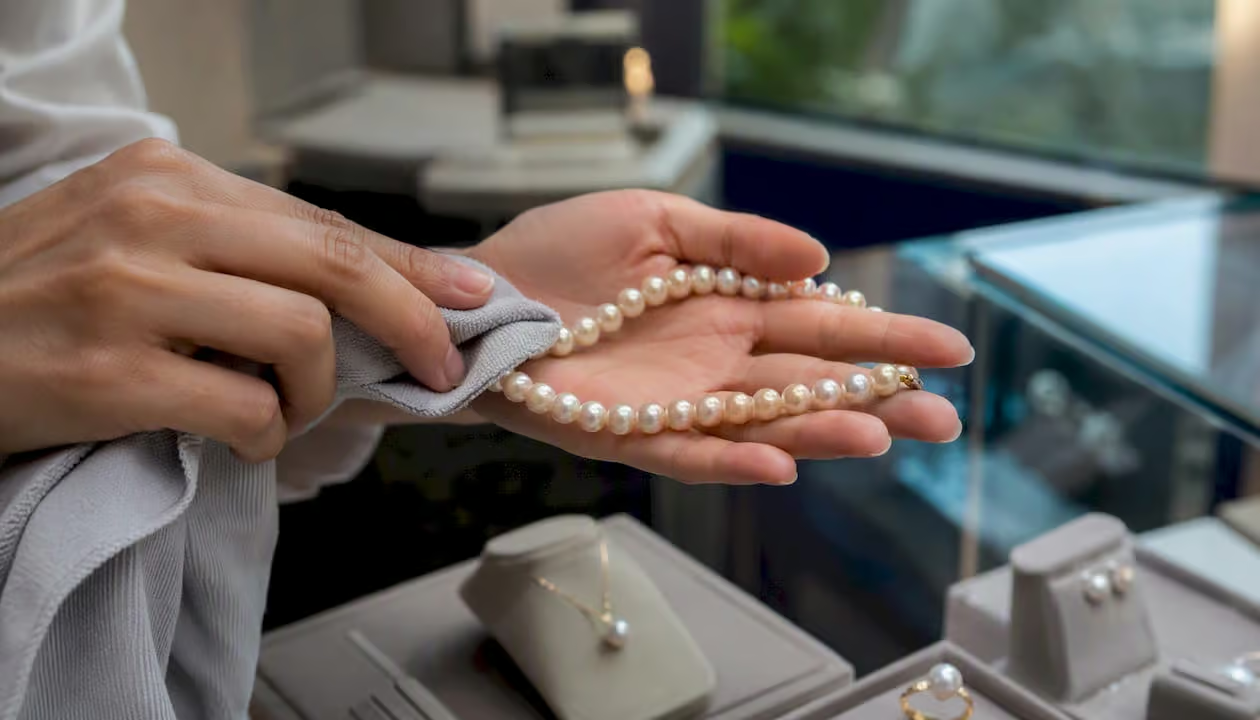
Store pearls flat in a soft, breathable pouch and never seal them in plastic. That single habit protects both the nacre and the thread, and it costs nothing to start right now.
Here’s a quick checklist you can follow today:
- Last on, first off. Put pearls on after makeup, hairspray, and perfume; remove them before anything else.
- Wipe after every wear. Use a soft, slightly damp cloth to lift oils and residue before storing.
- Never use plastic bags. Airtight or resealable plastic can dehydrate pearls and cause yellowing over time, per Jewelers of America guidance.
- Store flat, not hanging. Hanging stresses the cord and accelerates stretching.
- Keep pearls separate. Harder gems and metal edges scratch nacre; give each piece its own padded space.
- Avoid direct sunlight and heat. Both dry out nacre and fade luster.
- Moderate humidity is your friend. A stable room environment is ideal; extreme dryness is a quiet threat.
Pro Tip: If you keep pearls in a very dry space, such as a safe or a low-humidity room, tuck a small, barely damp cotton ball nearby in the storage container. Keep the cotton from touching the pearls directly, and replace it every few weeks.
Key Takeaways
Proper pearl storage comes down to five habits: wipe after wearing, store flat in a breathable pouch, never use plastic, keep pearls separate from harder jewelry, and have strands restrung on a regular schedule.
| Point | Details |
|---|---|
| Wipe before storing | Use a soft, slightly damp cloth after every wear to remove oils and residue. |
| Store flat, never hanging | Hanging stresses the cord; lay necklaces flat in a soft pouch or lined compartment. |
| Avoid plastic and airtight containers | Sealed plastic cuts airflow and dehydrates nacre, causing yellowing over time. |
| Restring on a regular schedule | Regularly worn strands need professional restringing roughly once a year; less-worn pieces every few years. |
| HerMJ pearl pieces | Handcrafted with knotted strands and quality thread, designed for real wear and straightforward long-term care. |
Why storing pearls correctly actually matters
Pearls aren’t like diamonds or sapphires. They’re organic, built from nacre layers secreted by a mollusk around an irritant, which is exactly why their structure responds so differently to heat, chemicals, and dryness than a mineral gem does.
On the Mohs hardness scale, pearls sit roughly between 2.5 and 4.5, softer than most gems you’d wear alongside them.
Because nacre contains a small percentage of water, moderate ambient humidity matters. Prolonged heat or direct sunlight draws that moisture out, leaving nacre brittle, yellowed, and prone to cracking.
Perfume, hairspray, and household cleaners etch the surface chemically, dulling the glow that makes pearls so ethereal in the first place. Even friction from neighboring jewelry chips away at layers you can’t replace.
Thread is the other vulnerability people overlook. Silk cord absorbs body oils and weakens gradually, and a strand stored hanging rather than flat bears constant tension at every knot.
“Pearls are organic gems that require special care to maintain their luster and beauty. Store them separately from other jewelry to avoid scratches, and keep them away from chemicals and extreme temperatures.”
Jewelers of America
The main failure modes, in plain terms:
- Scratches from contact with harder gems or metal clasps
- Dehydration leading to yellowing or surface cracking
- Chemical etching from cosmetics, perfume, or cleaning products
- Thread wear from hanging, tension, or oil absorption over time
Understanding these four risks makes every care rule feel less arbitrary and more like protecting something genuinely worth protecting.
Do’s and don’ts every pearl owner should know
Do wipe pearls after each wear. A soft, slightly damp cloth removes the oils, sweat, and product residue that quietly degrade nacre. This single step takes ten seconds and prevents months of invisible damage.
Don’t store pearls in plastic bags. Airtight plastic cuts off airflow and accelerates dehydration, causing yellowing and eventual cracking. Use a silk or chamois pouch instead; both allow the gentle air exchange pearls need.
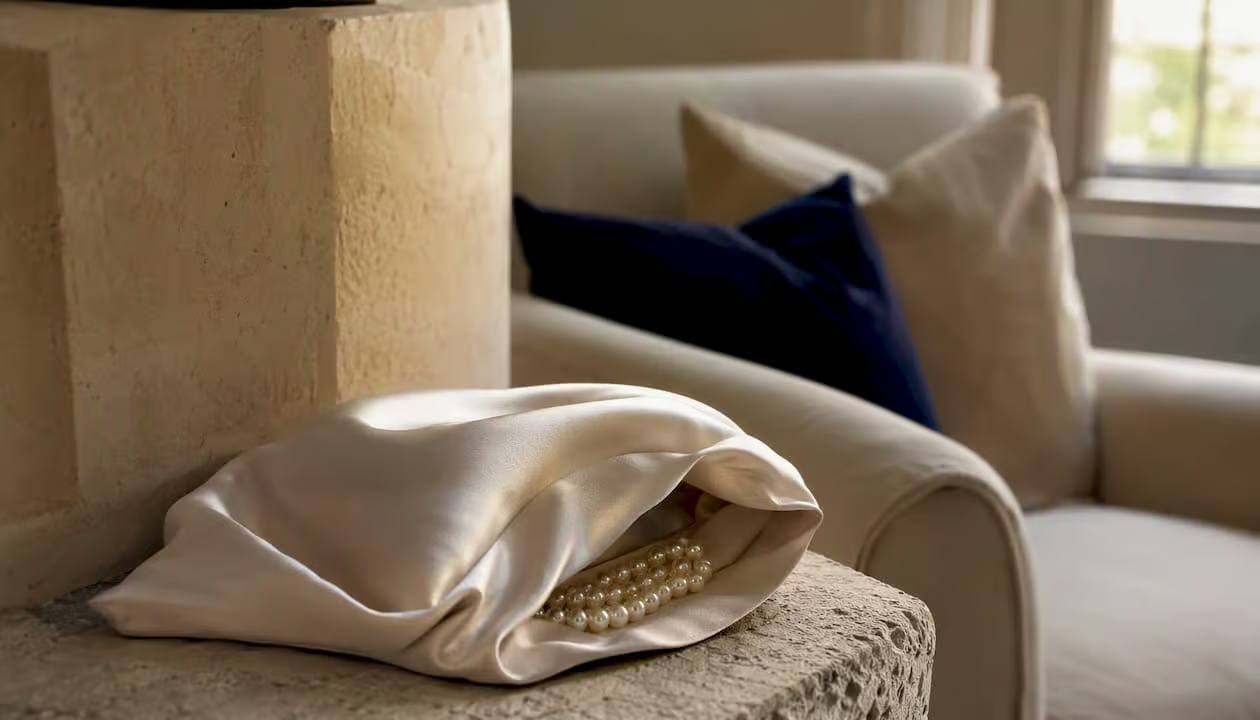
Do store each piece separately. Pearls stored with other jewelry risk abrasion from harder stones and metal edges. A private, padded compartment for each piece is the standard recommended by care specialists.
Don’t use ultrasonic or steam cleaners. These methods are standard for many gems but genuinely damaging to nacre. Stick to a soft cloth and, when needed, a mild soap solution.
Do store necklaces flat. Hanging puts constant tension on the cord and knots, stretching the strand unevenly over time.
Don’t leave pearls in direct sunlight or near a heat source. A windowsill or a car dashboard in summer can yellow a strand in a single season.
Pro Tip: If you store pearls in a home safe, add a small, open container of water nearby to offset the typically dry interior air. Safes are convenient but notoriously low in humidity, and pearls left inside for months without any moisture compensation will show it.
Inspect the thread every few months if you wear a strand regularly. Signs of concern include visible fraying, uneven spacing between pearls, or thread that looks discolored or stiff. Those are your cues to visit a jeweler before the strand breaks.
What are the best storage options for pearl jewelry?
The right storage choice depends on how often you wear a piece and whether you need it travel-ready or safely tucked away at home.
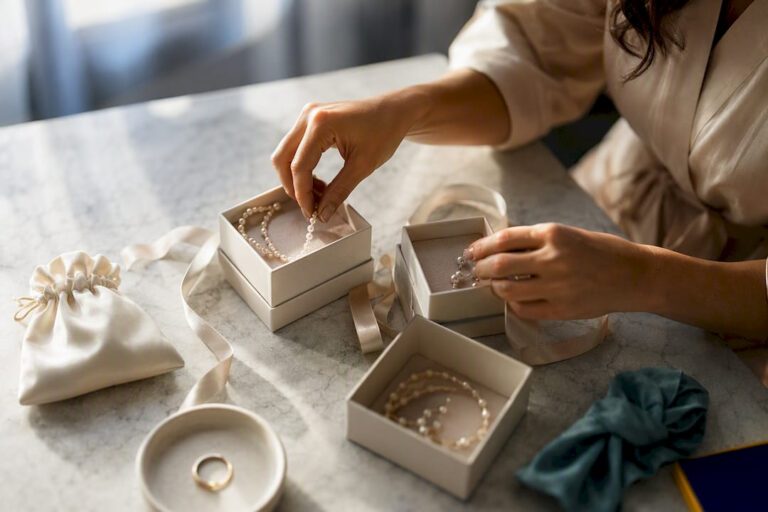
For most owners, a soft silk or chamois pouch handles daily use beautifully, while a velvet or linen-lined jewelry box or roll works best for at-home storage of multiple pieces.
A few practical notes on each option:
- Soft pouches are the most accessible choice. Look for 100% silk or chamois; both are gentle and breathable. Avoid synthetic linings that can create static or trap moisture unevenly.
- Lined jewelry boxes with individual compartments work well at home, especially if you own several pearl pieces. The compartment walls keep pieces from touching.
- Jewelry rolls with separate fabric pockets are a smart middle ground: they store flat, travel well, and keep each piece isolated.
- Padded travel cases with rigid shells protect against impact during transit while still allowing airflow through fabric-lined interiors.
For long-term storage in a particularly dry environment, a breathable box with a small humidity source nearby (as noted in the checklist above) is worth the extra step.
Avoid bathroom storage; the humidity swings from showers are too unpredictable and can weaken thread over time.
How do you store pearl necklaces without stretching the thread?
The rule is simple: store pearl necklaces flat, fastened, and undisturbed. Hanging a strand, even briefly, on a hook puts tension on every knot along the cord and accelerates the stretching that eventually leads to breakage.
Here’s the step-by-step routine that protects your strand:
- Fasten the clasp before storing. A fastened necklace holds its shape and prevents the clasp from snagging the cord or scratching the pearls.
- Lay it flat on a soft surface inside its pouch or compartment. Don’t coil it tightly; a gentle, natural loop is fine.
- Place it in its own pouch or compartment. Never stack another piece on top of it.
- Check the knots visually every few months. Knots between each pearl should be snug and evenly spaced.
- Avoid hanging unless the design uses a metal chain rather than a silk or nylon cord. Metal chains don’t stretch under their own weight; cords do.
For multi-strand chokers and collar-style necklaces, store each strand separately if possible, with a soft cloth or tissue between layers to prevent the strands from pressing against each other.
These pieces carry more cord tension by design, so they benefit from the most careful flat storage you can give them.
Daily putting-on and removing routine:
- Apply all cosmetics, perfume, and hairspray first; let them dry fully.
- Put pearls on last.
- Remove pearls first before washing hands, applying lotion, or undressing.
- Wipe gently with a soft cloth before returning to storage.
How to clean pearls gently before you store them
Wipe pearls with a soft, slightly damp non-abrasive cloth after each wear, then air-dry them flat before storing. That’s the full routine for most days. The cloth lifts oils, cosmetic residue, and environmental dust without touching the nacre with anything harsh.
For a deeper clean after heavier wear or before long-term storage:
- Dampen a soft cloth with lukewarm water and a tiny drop of mild, pH-neutral soap.
- Wipe each pearl gently along the strand.
- Rinse the cloth, then wipe again with plain water to remove any soap trace.
- Lay the strand flat on a clean, dry towel and allow it to air-dry completely before storing. This step matters: storing a damp strand weakens the thread.
“Never use ultrasonic or steam cleaners on pearls. These methods can damage the nacre and cause irreversible harm to the surface of the pearl.”
Pearl care guidance
Household cleaners, bleach, ammonia-based products, and jewelry dips are all off-limits. Even mild abrasives like baking soda will scratch nacre. If you’re unsure about a product, the answer is no.
Take pearls to a professional cleaner before restringing, or any time you notice a film that a damp cloth won’t lift.
A jeweler who specializes in pearls can clean the strand safely during the restringing process, which is the most efficient time to do it.
For everyday luster care, the HerMJ guide on restoring pearl shine covers what’s recoverable at home and when professional help is the smarter call.
Keeping pearls safe during travel and long-term storage
For short trips, a padded travel case with separate fabric pockets is the right tool. Each piece stays isolated, clasps are fastened, and the rigid exterior protects against the bumps of transit.
Never pack pearl jewelry in checked luggage; the pressure changes, temperature swings, and rough handling in cargo holds are genuinely risky for organic gems.
For long-term storage spanning several months:
- Place each piece in its own soft pouch.
- Set the pouches inside a breathable box, not a sealed container.
- Store the box in a stable room with moderate humidity, away from heating vents, exterior walls, and windows.
- If the storage space is very dry, a small, barely damp cotton ball placed in the box (not touching the pearls) helps maintain a gentle moisture level. Replace it every few weeks.
Avoid bathroom storage for anything beyond a day or two. The humidity spikes from showers can swell and weaken silk thread, while the dry periods between uses pull moisture back out of the nacre.
Travel checklist:
- Fasten all clasps before packing.
- Place each piece in a separate fabric pocket or pouch.
- Pack in carry-on luggage only.
- Wipe gently after arrival to remove any travel residue.
Pro Tip: Traveling to a very dry destination like a desert city or a high-altitude location? Wear your pearls during the day rather than leaving them in a hotel room with dry air conditioning. Your skin’s natural moisture is actually gentler on nacre than a parched hotel safe.
When should you restring pearls, and how do you choose a professional?
Have regularly worn pearl strands professionally inspected and restrung about once a year. For pieces you wear less often, every 2–3 years is a reasonable interval. This cadence comes from Jewelers of America’s pearl care guidance, and it reflects how silk thread behaves under real-world conditions: oils, tension, and time weaken it gradually, often invisibly.
Signs you need restringing now:
- Visible fraying or thinning of the cord
- Pearls that shift unevenly or bunch together
- Thread that looks discolored, stiff, or stretched
- Knots that have loosened or disappeared between beads
- A strand that feels heavier or looser than it used to
A skilled jeweler will knot between every pearl, which limits loss to a single bead if the strand ever breaks. They’ll offer silk or synthetic thread options; silk is traditional and beautiful, while synthetic thread is more resistant to moisture and oil absorption. Ask which they recommend for your specific piece and how you wear it.
| What to ask a jeweler | Why it matters |
|---|---|
| Do you knot between every pearl? | Prevents losing the entire strand if the cord breaks |
| What thread material do you use? | Silk vs. synthetic affects longevity based on wear habits |
| Do you clean the pearls during restringing? | Efficient time to remove built-up residue safely |
| Is the work insured? | Protects you if a pearl is damaged during the process |
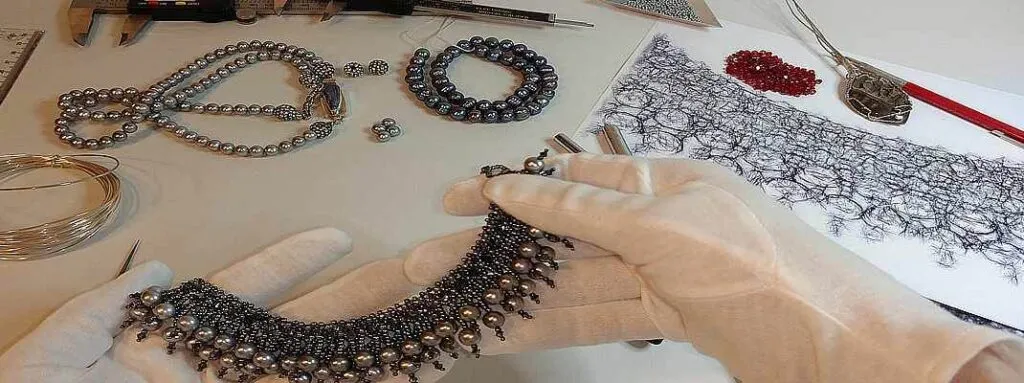
For artisan-made pieces, the tools and techniques jewelers use for knotting vary more than most buyers realize. Asking about bead clamps and soft cleaning methods during the consultation tells you quickly whether a jeweler has real experience with pearls.
Why wearing pearls occasionally is actually good for them
Here’s the counterintuitive part: pearls benefit from being worn. Skin’s natural oils transfer a small amount of moisture to the nacre surface, supporting its luster in a way that a storage box simply can’t replicate.
Jewelers of America notes that occasional wear helps pearls retain their natural glow, provided you follow the last-on, first-off rule and wipe them clean before storing.
The distinction matters. Natural skin oils, applied through gentle contact during wear, are beneficial. Synthetic oils from cosmetics, perfume, and hairspray are chemically active and damaging. The solution isn’t to avoid wearing pearls; it’s to wear them correctly.
“Pearls are meant to be worn and enjoyed. Occasional wear actually helps maintain their luster, as the natural oils from your skin can benefit the nacre.”
Jewelers of America
Practical takeaways for frequency of wear:
- Aim to wear each pearl piece at the very least a few times a year, even if it’s a special-occasion strand.
- Follow the cosmetics-first routine every single time, without exception.
- If a piece has been in storage for more than six months, wipe it gently before wearing and inspect the thread before putting it on.
For everyday styling ideas that work with this care rhythm, the HerMJ guide to styling pearl jewelry daily is a good starting point.
A jeweler’s perspective on pearl care that most guides miss
There’s a habit I see constantly: people buy a beautiful pearl piece, wear it once for a special occasion, then seal it in a box for years, convinced they’re protecting it.
They’re not.
Pearls stored untouched in a dry environment for years often emerge duller than when they went in, with weakened thread and a surface that’s lost its depth.
The care philosophy I’d encourage is closer to how you’d treat a fine piece of art you actually love: handle it with intention, clean it gently, give it the right environment, and let it be seen.
At HerMJ, every piece we make, from the Elegant Freshwater Pearl Necklace to the Lustrous Freshwater Pearl Bracelet for Elegance and the Pearl and Aquamarine Necklace, is designed for real wear, not a display case. We build in the details that make long-term care straightforward.
What I find most rewarding is when a customer tells me a piece still looks as vivid five years later as the day it arrived.
That doesn’t happen by accident.
It happens because the right storage habits become second nature, and because the piece was made to last in the first place. HerMJ ships free within the US on every order, and our style and care resources are there whenever you need a refresher.
HerMJ: artisan pearl jewelry built for real life

Caring for pearls is simpler when the piece itself is made with care from the start. HerMJ’s handcrafted freshwater pearl jewelry, including the Elegant Freshwater Pearl Necklace, the Lustrous Freshwater Pearl Bracelet for Elegance, and the Pearl and Aquamarine Necklace, is knotted between each pearl, finished with quality thread, and priced accessibly without sacrificing craftsmanship.
Every piece ships free within the US, with no minimum order. Browse the full collection at HerMJ and find a piece worth caring for.
Sources
The two most practical sources for pearl care are Jewelers of America and the pearl care guidance from Christopher Fine Diamonds; for the science behind why pearls respond to the environment the way they do, the Natural History Museum’s explanation of nacre formation is the clearest available.
- Pearl Buying Guide | Jewelers of America
- Care And Treatment
- How to Clean & Store Pearls | Pearl Jewelry Care Guide
- The Proper Way to Store Pearls and Opals (It’s Not What You Think) – T – Robinson’s Jewelers
- Care for Pearls & Pearl Jewelry
- How do oysters make pearls? | Natural History Museum
Recommended
- The Truth About Pearl Durability: A Designer’s Guide to Care
- What Makes Pearls Valuable: Exploring The Origin of Elegance
- South Sea Pearls: What Collectors Need to Know