


Pearl Colors Meaning: 5 Pearl Color Clusters and When to Wear
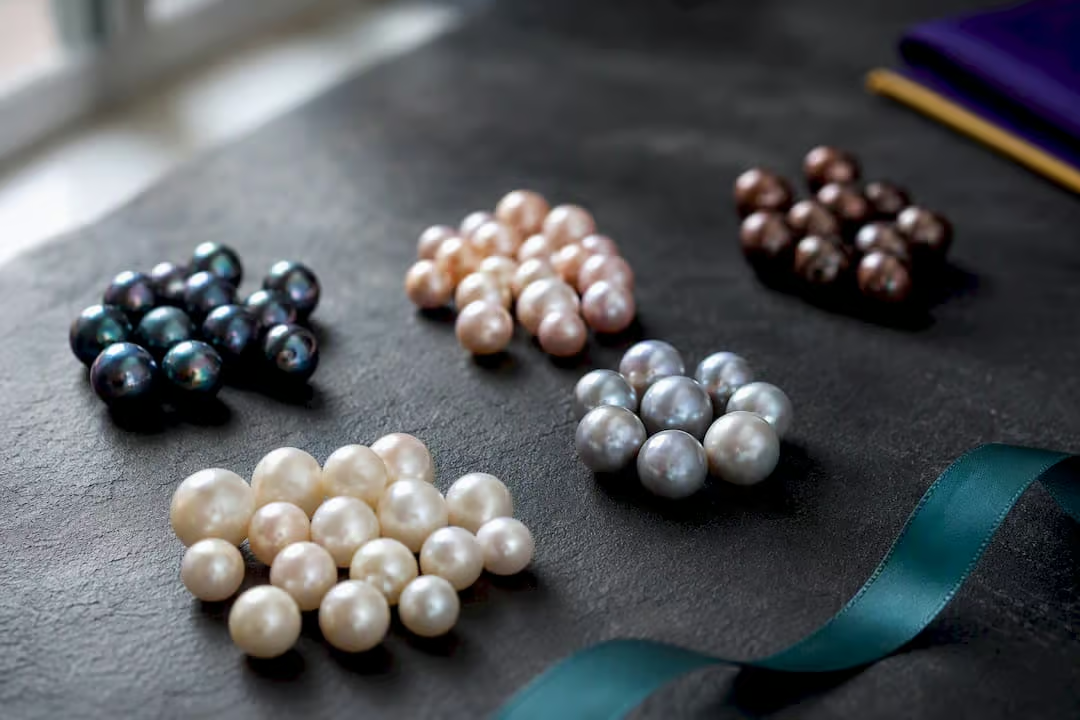
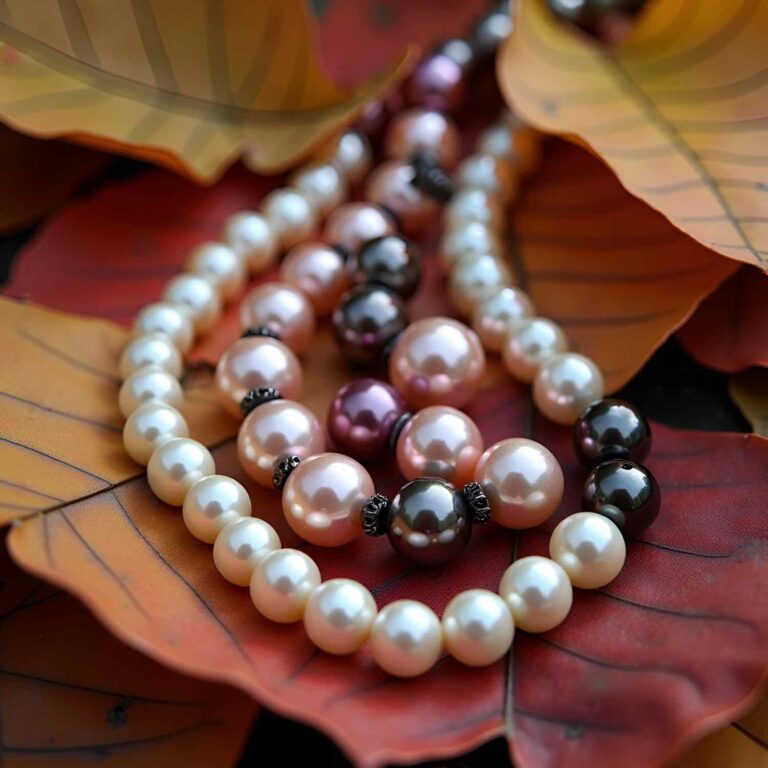
Pearl colors map onto five broad symbolic clusters: white and silver for purity and new beginnings; black and peacock for strength and independence; gold for prosperity; pink and rose for romance; and lavender or deep peacock for individuality.
The color itself comes from the oyster species that grew the pearl, its overtone, and sometimes a dye or irradiation treatment, so the same “white” pearl can read warm or cool depending on what produced it.
TL;DR:
- Natural golden South Sea and peacock Tahitian pearls are the rarest and most expensive because their colors are difficult for oysters to produce without help.
- Pearl bodycolor is the main hue, overtone adds a secondary tint, and orient creates a rainbow shimmer, all of which influence the pearl’s overall appearance.
- Many vibrant blue, deep brown, and black pearls on the market are treated or dyed, making it essential to ask about natural versus enhanced colors before purchasing.
- When selecting a pearl, consider the occasion, the recipient’s wardrobe, and whether you prefer natural colors or are comfortable with treatments.
- Rarity does not inherently mean more symbolic meaning; the significance of pearl color depends heavily on context and personal association.
Pearl Colors and Their Meanings, Color by Color
Every pearl carries a bodycolor and often a shimmer of overtone across its surface, and together they shape the story a piece tells. I’ve matched people to pearls for years, and the color someone reaches for almost always says something about the moment they’re marking, not just their taste in jewelry.
- White and silver. The classic choice for purity and fresh starts, which is why brides and graduates gravitate toward it. You’ll find true whites most often in Akoya, freshwater, and South Sea pearls, and a silver-white overtone gives the surface a cool, almost icy glow rather than the warmer cream you might expect.
- Cream. Softer and more forgiving against most skin tones than stark white, cream pearls carry a sense of warmth and approachability. Freshwater and Akoya oysters produce this shade naturally, and it’s a smart pick for pearls you want to wear daily, not just save for events.
- Gold and golden South Sea. This is the color of prosperity and hard-won success, and it’s genuinely rare. Golden South Sea pearls grow only in the gold-lipped Pinctada maxima oyster, and deep, saturated gold is considered a rare and highly prized natural pearl color, well suited to a milestone anniversary or a promotion gift.
- Pink and rose. Associated with romance and optimism, these overtones show up mostly in freshwater pearls. They photograph beautifully and pair naturally with the sentiment behind why pearl gifts symbolize love, making rose pearls a favorite for engagement gifts and Valentine’s Day.
- Lavender and purple. These tones speak to creativity and a quieter kind of spirituality. Freshwater pearls produce lavender naturally, and you’ll occasionally see a violet overtone drift across an Akoya or South Sea pearl’s surface, adding depth without shouting for attention.
- Black, grey, and peacock. This family signals strength, independence, and a touch of mystery. Genuine black and peacock colors come from Tahitian pearls, grown in the Pinctada margaritifera oyster. Watch for the term “black South Sea,” which is a mislabel since South Sea oysters don’t naturally produce that color. A vivid peacock overtone, that iridescent green-and-purple flash over a dark body, is one of the rarer and pricier finds in the category.
- Blue. A quieter color tied to calm and quiet courage. Natural blue is uncommon and turns up occasionally in Akoya, South Sea, or Tahitian pearls, though many blue pearls on the market have been treated to intensify or create that hue.
- Green. Linked to renewal and balance, green usually shows up as an overtone rather than a full bodycolor, most often on Tahitian pearls with peacock or green highlights dancing across a darker base.
- Brown and chocolate. These earthy tones read as grounding and comforting, which makes them popular for understated, everyday pieces. Chocolate pearls are frequently treated to deepen their color, so it’s worth asking a seller directly whether the shade you’re looking at is natural or enhanced.
The rarest and most valuable colors, deep golden South Sea and vivid peacock Tahitian, earn their price tags because so few oysters produce them without help, and that scarcity is part of what makes them meaningful gifts.
What Determines a Pearl’s Color?
A pearl’s color isn’t one thing. GIA’s pearl grading education breaks it into three separate components, and understanding them explains why two “white” pearls can look nothing alike side by side.
- Bodycolor is the dominant background hue you see first, whether that’s white, cream, black, or gold.
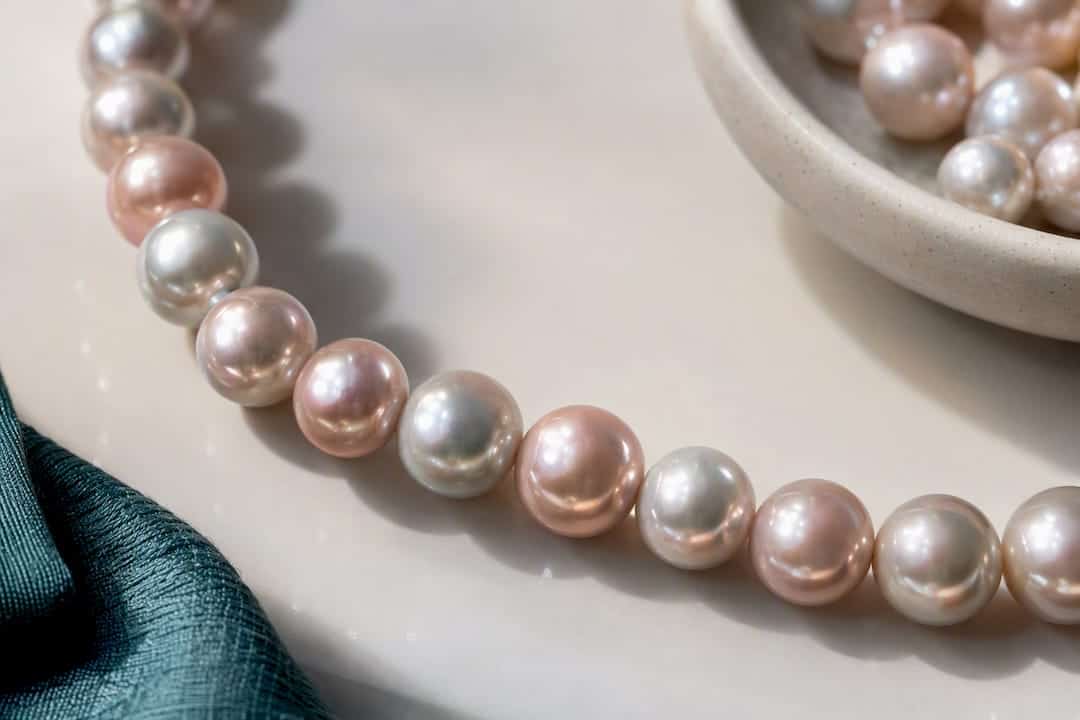
- Overtone is a secondary tint that floats over the bodycolor, like a rose or silver cast layered on top of white.
- Orient is the rainbow shimmer some high-quality pearls show as light moves across the surface, similar to the flash inside an abalone shell.
Oyster species largely determine the available natural range.
South Sea oysters (Pinctada maxima) produce whites and golds, Tahitian oysters (Pinctada margaritifera) produce greys, blacks, and peacock tones, Akoya oysters yield whites and silvery roses, and freshwater mussels grow the widest palette of all, spanning cream, pink, and lavender. That variety is part of what makes an overtone guide worth checking before you buy.
Not every color on the market is natural. Dyeing and irradiation are common, especially for vivid blues, deep chocolates, and some blacks, and a reputable seller will disclose that upfront.
A pearl labeled simply “white” might lean warm because of a cream or rose overtone, or cool because of a silver or blue one, and that’s why the same color name can produce two very different-looking pieces.
How to Choose a Pearl Color With Confidence
Picking a color gets easier once you stop asking “which is prettiest?” and start asking “what is this piece supposed to say?” Run through this before you commit:
- Match the color to the occasion: white or cream for weddings and graduations, rose or lavender for romantic gifts, gold or peacock for major milestones.
- Consider the recipient’s existing wardrobe and metal preferences, since warm overtones sit better with gold and cooler ones with silver or platinum.
- Decide how much you value rarity. A natural golden or peacock pearl costs more precisely because it’s harder to find.
Pro Tip: Don’t be afraid to mix overtones within one piece. A strand with subtle rose and silver overtones side by side catches the light differently from every angle, and it tends to look more interesting than a perfectly uniform strand.
Why Trust This Pearl Color Guide
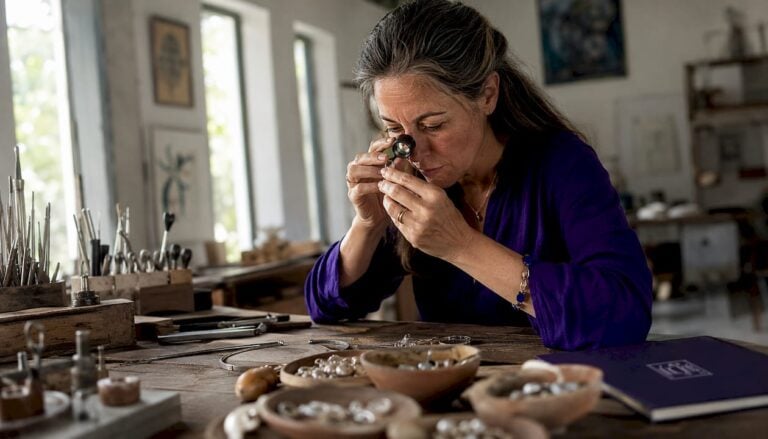
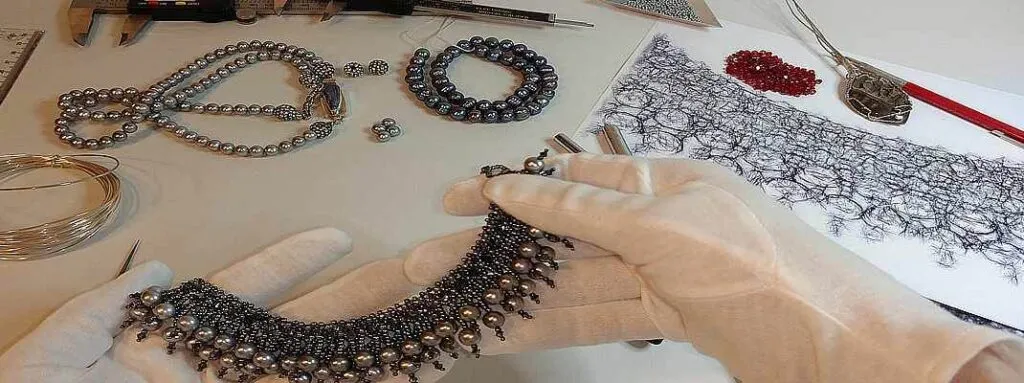
HerMJ builds its reputation on handmade jewelry made from genuine pearls and gemstones, and that hands-on experience with real bodycolor and overtone variation shapes the guidance here, not marketing copy about pearls in general.
- HerMJ’s designs use genuine freshwater pearls and natural gemstones, so color descriptions in this guide reflect what actually comes out of the workshop, not a catalog approximation.
- Veronique’s other pieces on pearl valuation and color guides inform the technical framing used throughout this article.
- For grading standards and deeper technical background, GIA’s pearl course remains the field’s reference point.
- For buyer protections and reputable seller standards, Jewelers offers member directories and industry-backed guidance, including the norm of requesting written treatment disclosure.
Pearl Color Meaning: What the Symbolism Debate Gets Wrong
The mistake most buying guides make is treating pearl color symbolism like a fixed dictionary, as though rose always means one thing and black always means another.
It doesn’t work that way, and it never really has.
A black Tahitian pearl worn by someone starting a new business venture carries a different weight than the same pearl worn as a memorial piece. The color sets the tone, but the wearer and the occasion finish the sentence.
What gets overrated in most coverage of this topic is rarity itself.
Golden South Sea and vivid peacock pearls get treated as the “best” colors because they’re scarce and expensive, but scarcity isn’t the same as meaning.
A cream freshwater pearl passed down from a grandmother carries more genuine symbolic weight than a rare golden strand bought off a shelf with no story attached.
If you’re choosing a color, prioritize the occasion and the person over the price tag. Ask what this piece needs to say, then let bodycolor and overtone answer that question instead of a rarity chart.
— Veronique
Two Pearl Necklaces That Put Color Meaning Into Practice
Reading about pearl symbolism is one thing. Seeing it in a piece you can actually wear is another, and HerMJ’s own designs make good working examples of how color choice and occasion line up in practice.
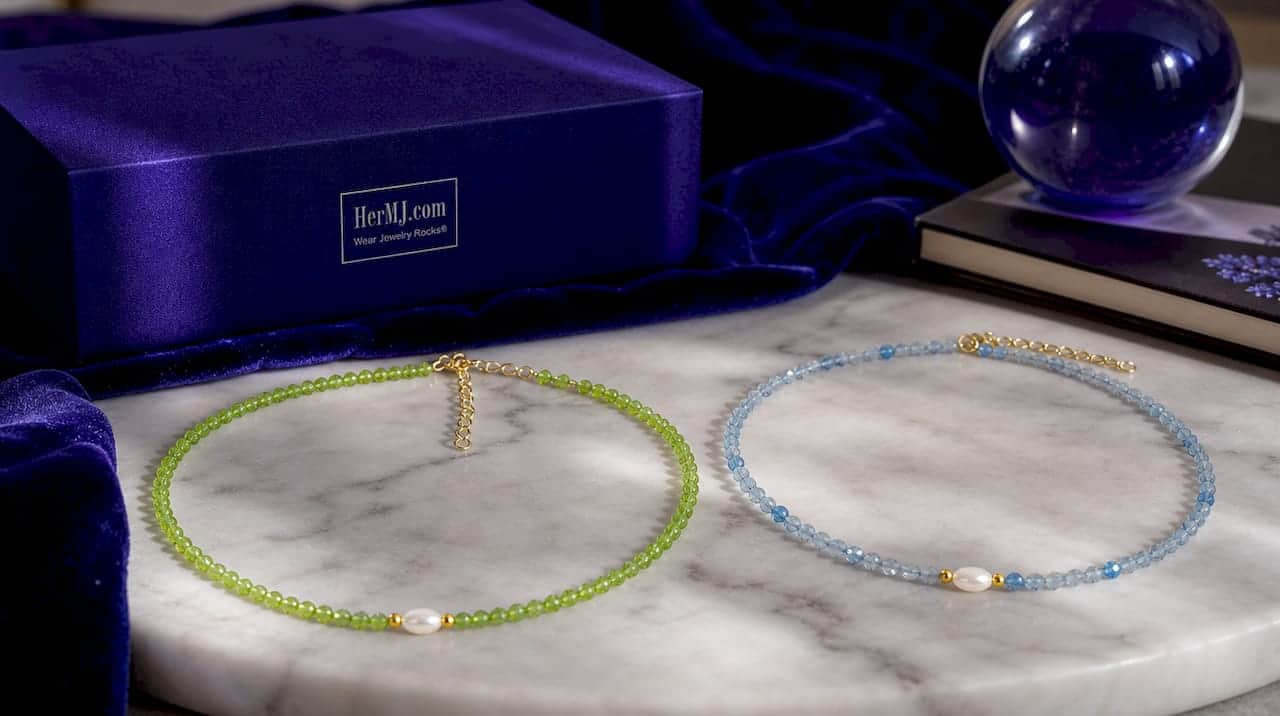
The Peridot And Pearl Fusion Necklace pairs the pearl’s soft, grounding presence with peridot’s bright green energy, a combination that leans into renewal and balance rather than the more traditional purity reading of a plain white strand. It suits someone who wants pearls with a modern edge, whether that’s a birthday gift for an August-born friend or a piece for a reader building a more individual jewelry style.
The Pearl And Aquamarine Necklace leans into the calmer, more tranquil symbolism associated with blue tones, with aquamarine’s cool clarity setting off the pearl’s natural luster. It works well as a self-purchase piece for anyone drawn to quieter symbolism, and it’s an easy gift for a March birthday or a graduation where you want something more distinctive than a plain white strand.
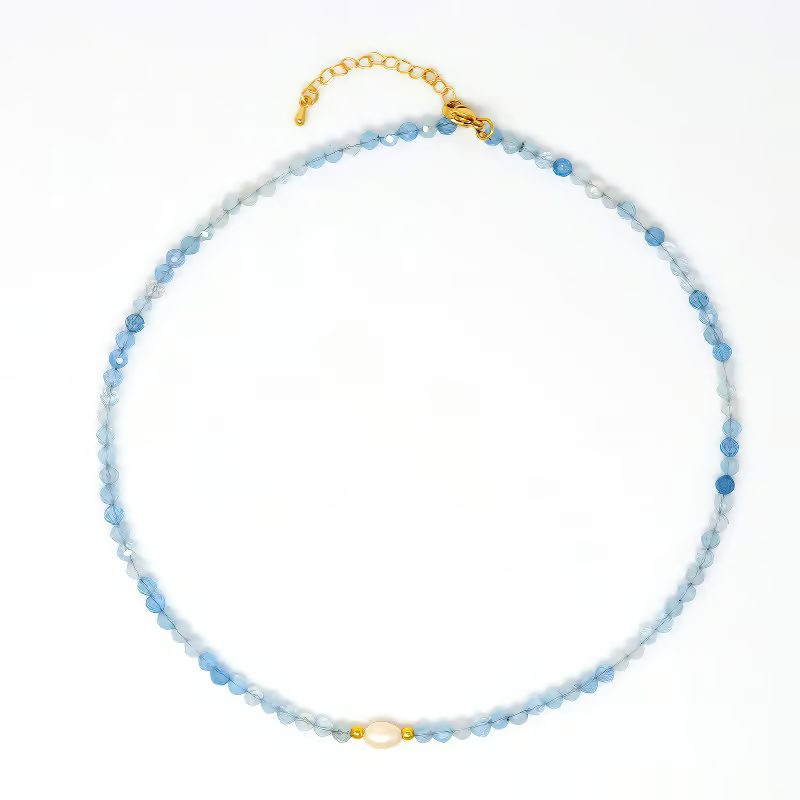
Both pieces are handmade, and like every HerMJ order, US orders ship free with no minimum. International orders ship free at $150 or more. If a color story from this guide caught your attention, either necklace is a real, purchasable way to wear it.
Where to Verify These Pearl Color Facts
- GIA covers pearl grading fundamentals, including bodycolor, overtone, and orient.
- The Pearl Expert details cultural meanings and color narratives across the full pearl palette.
- The South Sea Pearl maps natural colors to specific oyster species, including golden and Tahitian pearls.
- Jewelers.org offers buyer guidance and standards for working with reputable sellers.
Sources
Recommended
- Pearl Overtone Guide: Pick the Right Color for You
- Different Types of Pearls: Your Complete Visual Guide
- Pearl Earring Styles: When to Wear 4–12mm Studs, Drops, and Hoops