


What Is an Investment Jewelry Piece? A Buyer’s Guide

The Edit
- Jewelry can be a tangible asset that retains value through material purity, documentation, and provenance.
- Long-term investment success depends on choosing pieces made from high-quality materials with certified origins and good condition.
An investment jewelry piece is a wearable asset whose material purity, documented provenance, and condition make it reliably resalable or preservable over time.
That’s the short answer.
The longer one matters more for shoppers of handcrafted pearl and gemstone jewelry, because not every beautiful piece qualifies, and knowing the difference protects both your wallet and your expectations.
Quick checklist before you buy:
- Metal purity confirmed (hallmark present, solid, not plated)
- Gemstones or pearls with independent documentation (GIA, SSEF, or written appraisal)
- Signed design, maker’s stamp, or clear brand attribution
- Design favors weight and timelessness over trend-driven markup
- Piece is in good condition with a clean repair history
Why jewelry can be a real asset, and what it isn’t
Precious metals and certified high-grade gemstones can act as a store of value, and jewelry’s portability makes it uniquely practical as wearable wealth.
Analysts note that wealthy consumers buy jewelry as a hedge against economic instability, not for quick flips. That framing matters: jewelry investing rewards patience, not speculation.
The gap between “beautiful piece” and “investment piece” comes down to intrinsic value versus retail markup. A fashion necklace might cost $300 at retail and contain $12 in actual materials.
A well-constructed piece in solid 18K gold or with a certified natural gemstone carries recoverable value tied to real market prices. Resale buyers price unbranded jewelry by metal weight and often ignore the setting entirely if there’s no documentation to back the stone’s quality.
That said, jewelry is not a stock. Liquidity is limited, fees are real, and the market is subjective. The strongest argument for jewelry as an investment is that it’s the only asset class you can wear every day while it holds value.
Pro Tip: Balance emotional value with objective investment traits. Industry professionals consistently say that if a piece doesn’t bring you genuine joy, the investment premium rarely justifies the purchase, even when the fundamentals are solid.
What actually makes a piece investment-grade?
Metal purity and weight
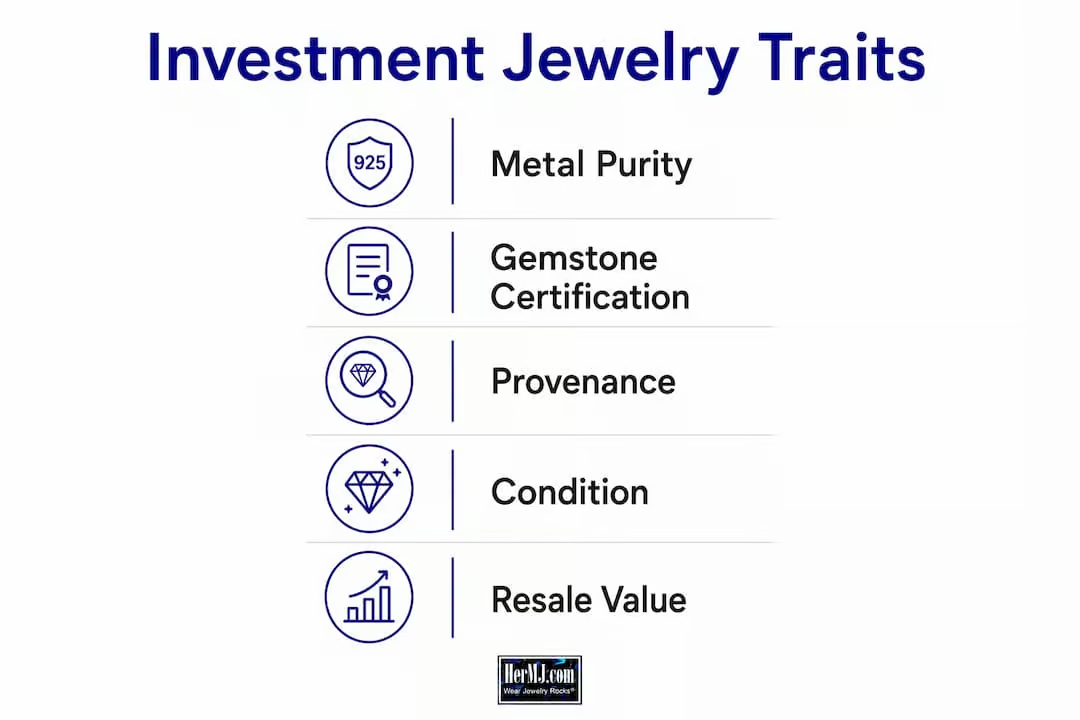
High-purity metals anchor intrinsic value. Investment-grade pieces typically use 22K–24K gold or 95%+ platinum, priced close to spot to preserve that value.
An 18K piece (75% pure, 750 hallmark) is the practical sweet spot for wearable jewelry: enough purity to hold meaningful melt value, durable enough for daily wear. Plated, vermeil, and gold-filled pieces carry virtually no resale value because the actual gold content is negligible.
Gemstone grading and certification
For diamonds, the GIA is the global standard. For colored gemstones, SSEF and Gübelin are the most respected names, particularly for origin reports on rubies, sapphires, and emeralds. A stone documented by a reputable lab adds measurable, verifiable value. Stones with incomplete documentation trade at significant discounts relative to fully certified counterparts.
Pearl specifics
Pearls are organic gems, and their value depends on nacre thickness, surface quality, luster, and origin. Graded or documented freshwater and saltwater pearls retain value far better than untreated or unprovenanced ones. Ask specifically whether pearls have been bleached or dyed, and request any available grading documentation. A pearl’s luster is its most telling quality signal.
Signed design and provenance
Hallmarks, maker’s stamps, limited-edition numbers, original receipts, and photographic provenance all contribute to a piece’s pedigree. Signed design, high-quality material, and independent documentation define true investment-grade jewelry. Without at least one of these, a resale buyer has no way to verify what you’re selling.
Condition and repair history
Wear affects resale, but not always as dramatically as people assume. Gold can be polished and recast. However, replaced settings, re-tipped prongs, or soldered repairs on a signed piece can reduce its collector value. Keep a repair history and photograph the piece before and after any work.
Statistic to know: Heritage designer pieces often retain a substantial portion of retail value at resale, while contemporary designer or fashion lines frequently lose a significant share. The difference is almost always documentation and material quality.
How do you evaluate an affordable artisan piece before buying?
Step-by-step buyer checklist
- Verify the metal hallmark (look for 925 sterling, 750 for 18K gold, or PT950 for platinum).
- Request gemstone or pearl documentation, even a basic written description of treatments and origin.
- Ask for the piece’s weight in grams; heavier solid pieces hold more intrinsic value.
- Photograph any stamps, hallmarks, or serial numbers before purchase.
- Request a receipt that explicitly lists material details.
Questions to ask the seller
- What metal is used, and is it solid or plated?
- Have the gemstones or pearls been treated (heated, bleached, dyed, oiled)?
- Are stones natural, lab-created, or synthetic?
- What’s the return or exchange policy?
Red flags to watch for
- No hallmark or weight information provided
- Lab claims from unknown or unverifiable certification bodies
- Heavy brand markup with no supporting documentation
- Gold-plated or vermeil pieces described as “solid gold”
For artisan pearl pieces specifically, ask about nacre thickness and whether the pearls are cultured or imitation. Knowing how to identify truly handcrafted jewelry helps you spot genuine construction quality versus machine-made shortcuts. You can also protect yourself further by learning how to shop safely online before committing to a purchase.
What are the real costs and timelines for reselling jewelry?
Resale channels vary widely in speed, fees, and the type of buyer they attract.
- Auction houses (Christie’s, Sotheby’s): best for signed, certified, or rare pieces; commissions typically run 15–25% of the hammer price; timeline is months, not days.
- Consignment dealers: mid-speed option, often 30–50% commission; good for mid-range pieces with documentation.
- Private sale: fastest potential return, but requires your own buyer network and carries authentication risk.
- Estate dealers and pawnbrokers: quickest liquidity, but they price by metal weight and rarely credit gemstone value without certification.
Costs to factor beyond the piece itself include appraisal fees, insurance, secure shipping, and any certification you obtain post-purchase. Provenance and certification consistently drive premium pricing in auctions and consignment. A piece without paperwork is priced like scrap; a piece with a GIA report and original receipt commands a different conversation entirely.
Plan on a long-term holding period for any meaningful appreciation. Short-term trading in jewelry is rarely profitable once acquisition costs and fees are factored in.
Can an artisan pearl or gemstone piece hold long-term value?
Yes, under the right conditions. An artisan piece qualifies when it offers clear material disclosure, documented pearl or gemstone descriptions, sturdy construction, and a design that doesn’t date itself in two seasons.
The heirloom quality criteria that define multigenerational pieces overlap significantly with investment criteria: enduring design, genuine materials, and craftsmanship built to last.
HerMJ’s pieces are made from genuine freshwater pearls and natural gemstones, with clear material descriptions and a craftsmanship focus that prioritizes durability. That transparency is exactly what resale buyers and appraisers look for. A few pieces worth considering:
- Elegant Freshwater Pearl Necklace: genuine cultured pearls, classic silhouette, strong everyday wearability.
- Lustrous Freshwater Pearl Bracelet for Elegance: pearl luster and construction quality you can assess before purchase.
- Pearl And Aquamarine Necklace: combines two documented natural materials in a timeless pairing.
- Faceted Garnet Gemstone Necklace: natural garnet with clear material disclosure and artisan faceting.
- Strawberry Quartz Gemstone Bracelet: an affordable entry point with genuine gemstone material.
- Tiger Eye Bracelet: natural tiger eye stone, suited for gifting and everyday wear.
Pro Tip: Keep every receipt, product description, and any care documentation you receive with an artisan piece. That paperwork is part of the asset’s story, and losing it can materially reduce what a future buyer will pay.
To preserve value over time: avoid unnecessary alterations, store pieces properly, insure higher-value items, and request written receipts that list materials explicitly at the time of purchase.
Key Takeaways
An investment jewelry piece requires material purity, independent certification, and documented provenance working together; missing any one of these three reduces the piece to fashion jewelry in a resale buyer’s eyes.
| Point | Details |
|---|---|
| Purity and weight first | Solid 18K–24K gold or 95%+ platinum anchors intrinsic value; plated pieces carry negligible resale worth. |
| Certification changes the price | GIA, SSEF, or written appraisals prevent resale buyers from pricing your piece as scrap. |
| Provenance is paperwork | Original receipts, hallmarks, and repair history can be the difference between heritage pricing and melt value. |
| Realistic timelines matter | Plan to hold five or more years; short-term resale rarely covers acquisition costs and fees. |
| HerMJ for artisan value | HerMJ’s genuine pearl and gemstone pieces offer clear material disclosure and craftsmanship suited to long-term personal and durable value. |
Why craftsmanship and clear materials matter more than marketing
The conventional wisdom says “buy fine jewelry as an investment” without ever explaining what fine actually means in practice.
I’d argue a more useful perspective: buy pieces whose materials you can verify, whose construction you can see, and whose documentation you can keep. That’s true whether you’re spending $150 or $15,000.
What I find most underestimated in the investment jewelry conversation is the role of transparency. A signed piece from a heritage house carries value partly because the signature guarantees material standards.
An artisan brand that discloses its pearl grades, gemstone treatments, and metal composition is offering the same thing at a different price point. The documentation gap is closeable if you ask the right questions at purchase.
HerMJ ships free to US customers with no minimum order, which removes one of the friction points that discourages shoppers from requesting proper receipts and material documentation. For international orders over $150, shipping is also free. That accessibility makes it easier to start building a documented collection without the barrier of high entry costs.
HerMJ’s handcrafted pearl and gemstone pieces worth considering
If you’ve read this far, you’re already thinking more carefully about materials, documentation, and lasting value than most shoppers do.
HerMJ’s collection is built for exactly that kind of buyer: someone who wants genuine pearls and natural gemstones, clear material descriptions, and craftsmanship that holds up over time, without the inflated markup of a luxury house.
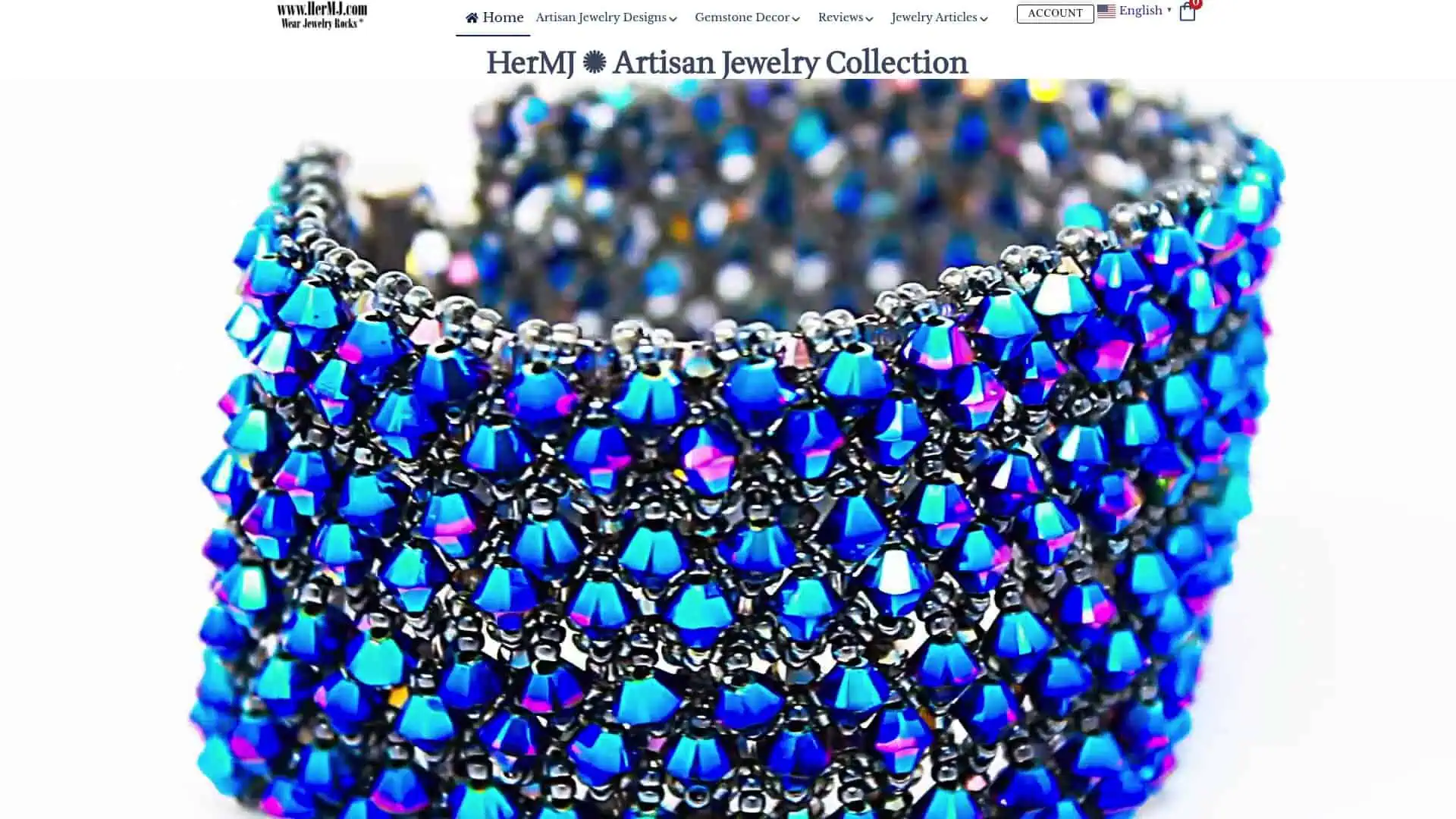
The Elegant Freshwater Pearl Necklace and Lustrous Freshwater Pearl Bracelet for Elegance are strong starting points for pearl buyers. For gemstone pieces, the Faceted Garnet Gemstone Necklace and Pearl And Aquamarine Necklace offer natural materials with clear provenance.
The Strawberry Quartz Gemstone Bracelet and Tiger Eye Bracelet are accessible gift options with genuine gemstone content. US orders ship free with no minimum. International orders ship free over $150. Browse the full freshwater pearl jewelry collection to find the piece that fits your style and your standards.
Authoritative sources and where to learn more
- GIA (Gemological Institute of America): the global standard for diamond grading reports and colored gemstone identification; gia.edu is the primary source for verifying lab report authenticity.
- SSEF (Swiss Gemmological Institute): leading authority for origin reports on rubies, sapphires, and emeralds; particularly relevant for high-value colored gemstone purchases.
- Christie’s and Sotheby’s: their Magnificent Jewels auction results set global price benchmarks for signed and certified pieces; useful for understanding resale premiums on provenance-backed jewelry.
- Knight Frank Luxury Investment Index: tracks jewelry alongside other alternative assets; useful for long-term market context.
- HerMJ freshwater pearl collection: for artisan pearl and gemstone options with clear material disclosure, visit the freshwater pearl jewelry category page.
Keep every lab report, receipt, and appraisal you receive. Paperwork is part of the asset, and losing it can reduce what a future buyer will pay just as surely as physical damage does.
Recommended
- What Is Heirloom Quality Jewelry? A Buyer’s Guide
- What Is A Statement Piece Of Jewelry?
- Why Jewelry Symbolizes Relationships: Meanings and History
- What Is Gemstone Cluster Jewelry: Style Guide 2026