


Stagger 1–2 Inches to Layer Necklaces for Beginners With Pearls & Gems
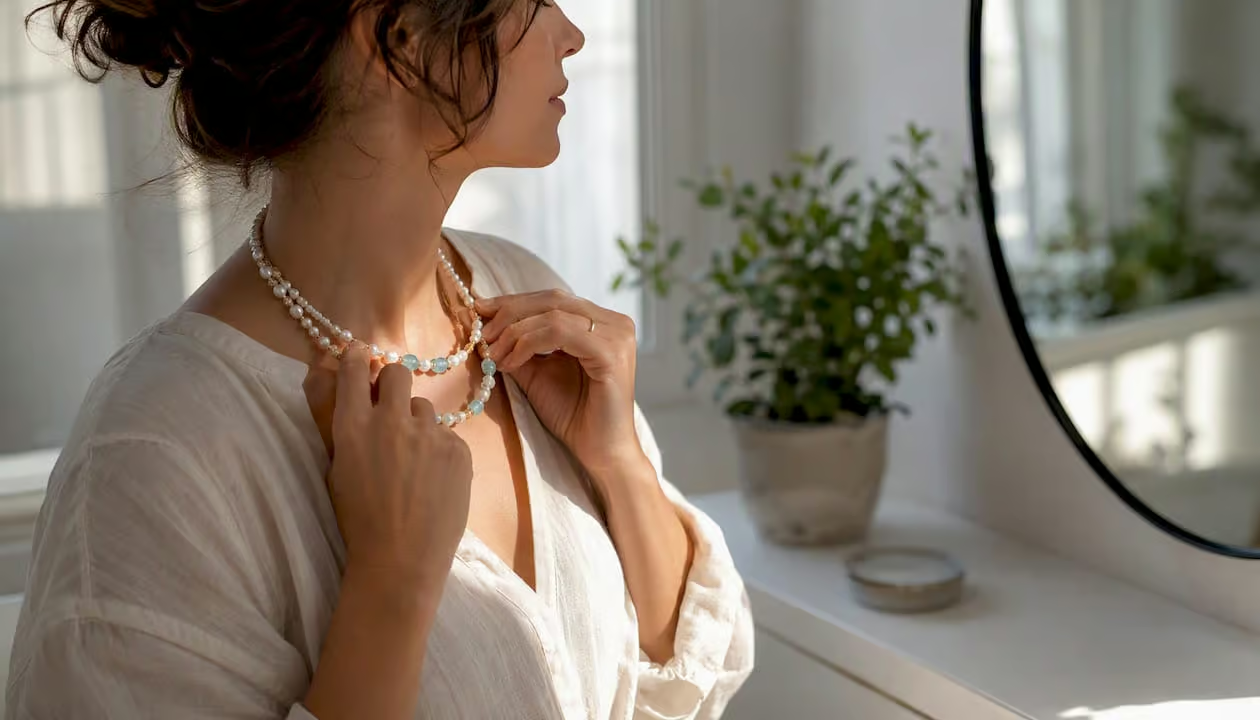
Great necklace layering comes down to one recipe: stagger your lengths by 1 to 2 inches, anchor the stack with a focal piece, then mix textures and weights so no two chains fight for attention. Most everyday stacks look best with a few pieces. HerMJ’s handmade pearl and gemstone pieces work well as anchors, and the spacing rule keeps every layer visible rather than bunched together.
The Edit
- Stagger necklace lengths by 1 to 2 inches to keep each layer visible and prevent tangling, with classic sets using 16, 18, and 20 to 24 inches.
- Heavier, chunkier chains should sit lower on the chest, while delicate chains stay higher near the collarbone, to create balance and reduce clutter.
- Mixing metals works best when one dominates and the other acts as accents, with a central focal piece sized to about two fingers wide for natural emphasis.
- Shorter stacks suit crew necks and high collars, while longer layers complement V-necks and open neckline outfits for balanced visual flow.
- Use lobster clasps, chain spacers, and proper storage to prevent tangling during daily wear and when storing jewelry.
Necklace Lengths and Spacing: Exact Sizes and How to Adjust Them
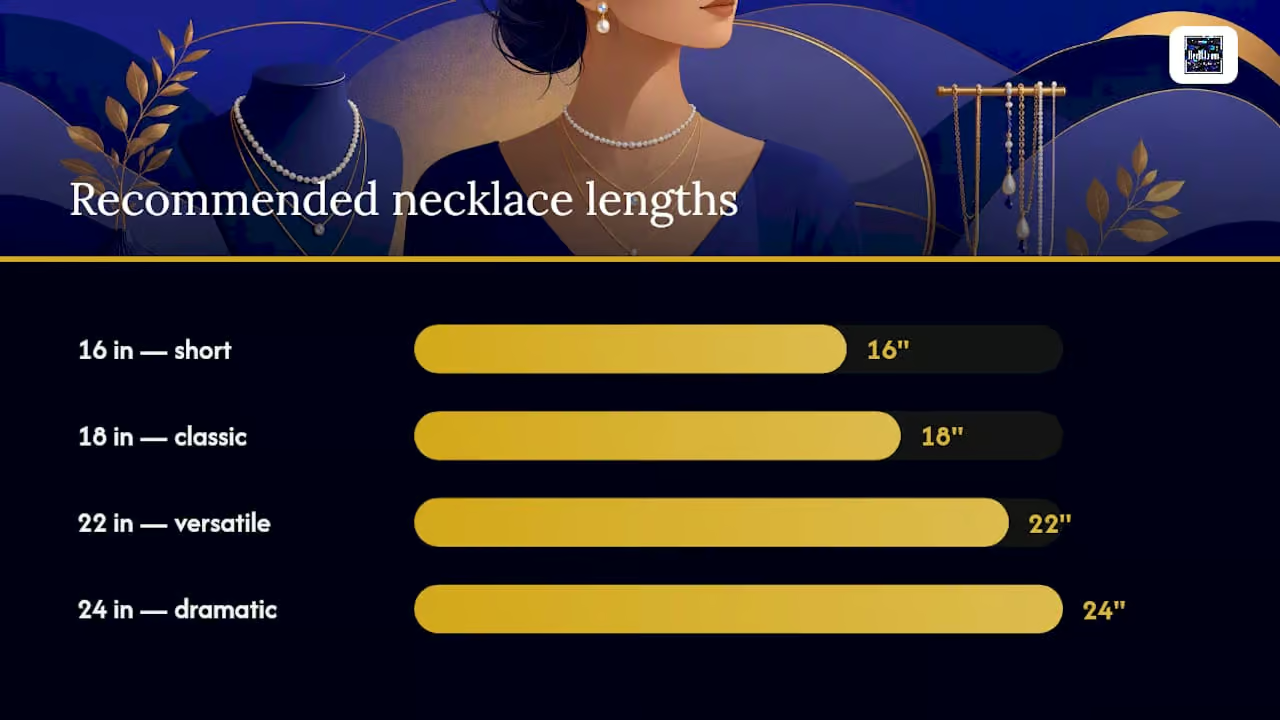
The easiest way to build a stack that looks intentional, not accidental, is to pick lengths that are spaced apart by a small but noticeable amount.
A classic combination uses 16, 18, and 20 to 24 inches, giving each chain its own space on the chest instead of overlapping into a tangled mess. Tiffany & Co.’s styling guide recommends roughly that same spacing for a reason: any tighter and the chains start competing.
A few combos worth trying:
- 14/16/18 inches: tight, collarbone-focused, great for crew necks and layered under a blazer.
- 16/18/22 inches: the most versatile combo for daily wear.
- 16/18/24 inches: adds drama, with the longest piece dropping toward the bust for a V-neck or open collar.
To measure your own neck, wrap a soft tape from the base of your throat to where you want the longest piece to fall, then add an inch for comfort.
If you’re petite or wear a lot of high necklines, widen your spacing slightly to about 2 inches between pieces, so nothing gets swallowed by the fabric.
Extenders are your best friend here, since they let you fine-tune the fit without buying multiple chains.
Mixing Chain Types and Textures Without the Clash
Chain shape does more visual work than most people realize.
A paperclip chain reads as modern and a little architectural. Curb chains bring weight and shine. Rope and box chains catch light in tight little twists, while snake chains lie almost liquid-smooth against skin, and beaded chafor keepingxture without much bulk.
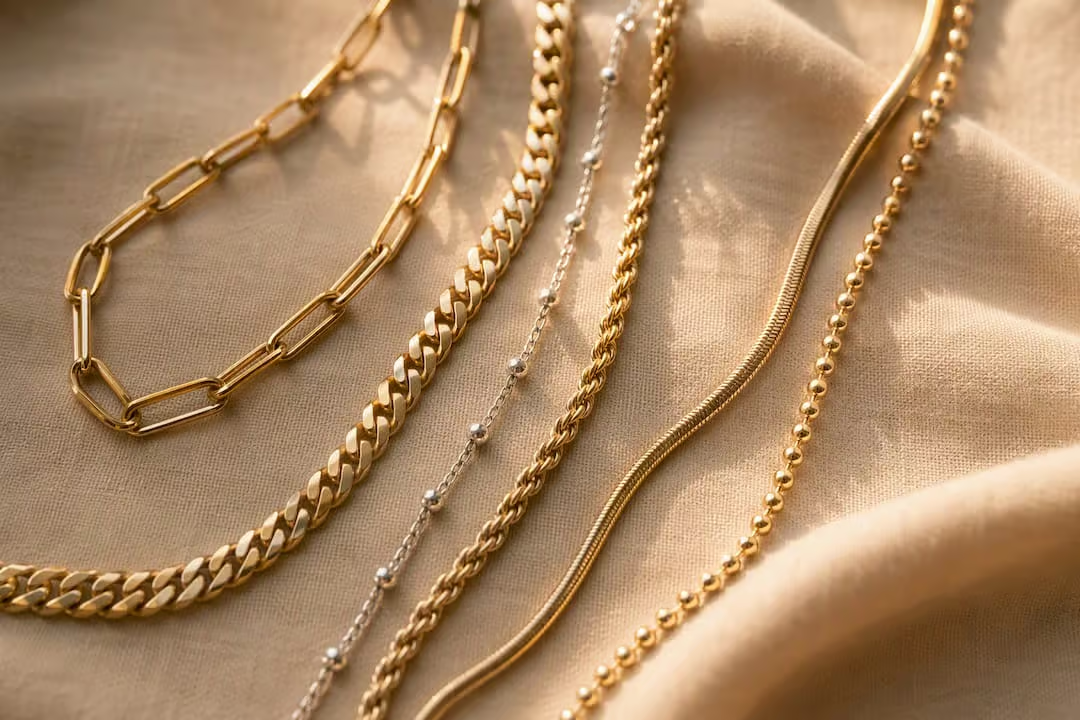
The rule for keeping a sack from looking messy is to have heavier, chunkier chains sit lower and delicate ones stay higher, near the collarbone.
This isn’t just aesthetics.
David Yurman’s styling guidance notes that starting with a foundation piece and building up in scale and texture is what separates a curated stack from a pile of random chains.
Three mixes to try:
- A snake chain up top, a beaded chain in the middle, a curb chain at the bottom.
- A delicate paperclip layered with a medium rope chain and a bold pendant on a curb.
- Two thin box chains close together, then one chunky curb chain well below them.
Pro Tip: Contrasting textures aren’t simply pretty; they physically stop chains from sliding into each other, which is half the tangle-fighting battle.
Mixing Metals and Choosing a Focal Piece
You don’t need to match every piece in your stack, but it’s helpful to maintain a ratio where one metal dominates and an accent metal complements it, keeping the combination looking deliberate rather than thrown together.
Style guides consistently point to this proportion as the sweet spot between variety and cohesion, and TheCaratCut’s layering guide backs it up.
A focal pendant, charm, or gemstone piece belongs in your middle layer, where the eye naturally lands first. Size it to stand out without overwhelming the delicate chains around it; roughly the width of two fingers is a safe visual anchor.
- Stick to one metal entirely if you want a sleek, minimal look for the office.
- Save mixed metals for weekend or evening stacks where a little contrast reads as intentional styling.
Neckline and Outfit Pairing: Pick Stacks That Work With What You Wear
Your neckline decides more of your stack than your jewelry box does. V-necks and unbuttoned shirts have room to spare, so longer pendants and mid-length layers fall naturally into the open space, drawing the eye down the collarbone.
Crew necks and high collars need the opposite treatment. Keep your stack short and close to the collarbone, rather than disappearing under the fabric.
- Casual weekends: a 16/18/22 stack with a crew-neck tee lets the shortest piece peek out above the collar.
- Work: a single 18-inch pendant with a matching-metal choker under a button-down.
- Dressy nights: a longer 24-inch statement piece over a plunging neckline, paired with one delicate 16-inch layer.
HerMJ’s guide to necklaces for V-neck tops breaks this down further if you’re building a stack around a specific outfit.
Stop Tangles: Hardware, Spacers, and Daily Habits That Help
Tangling almost always comes from identical lengths and matching textures sliding against each other, so the fixes start with the same rules you’re already using: stagger your lengths and vary your textures.
Choose lobster clasps over springs. They’re easier to fasten one-handed and grip more securely through a day of movement.
Use multi-ring spacers or a shared-clasp extender to keep two or three chains locked to one lane instead of drifting across your chest.
Fasten your stack while it’s in front of you, not behind your neck, so you can see each chain settle into place.
Lay your stack flat when getting dressed rather than pulling it over your head already fastened.
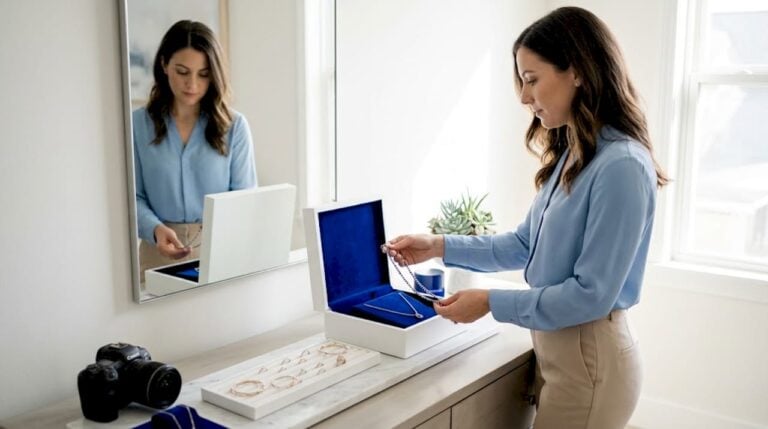
Store pieces on a felt tray or in soft pouches when you’re not wearing them. Loose chains tossed in a drawer are tomorrow’s tangled knot.
Catbird’s stylist guide recommends exactly this kind of hardware as a quick, low-effort fix for anyone who layers daily.
Starter Stacks: Three Copyable Combinations
If you want to skip the trial and error, start with one of these.
- Two-piece office stack: a 14-inch choker paired with an 18-inch pendant, both on a slim curb or snake chain. Clean, easy to layer under a collar, done in thirty seconds.
- Everyday three-piece: 16/18/22 inches, mixing a delicate chain, a beaded texture, and a slightly thicker curb at the bottom. This is the combination most stylists point to as the reliable default, since Catbird’s guide calls three pieces the sweet spot for everyday wear.
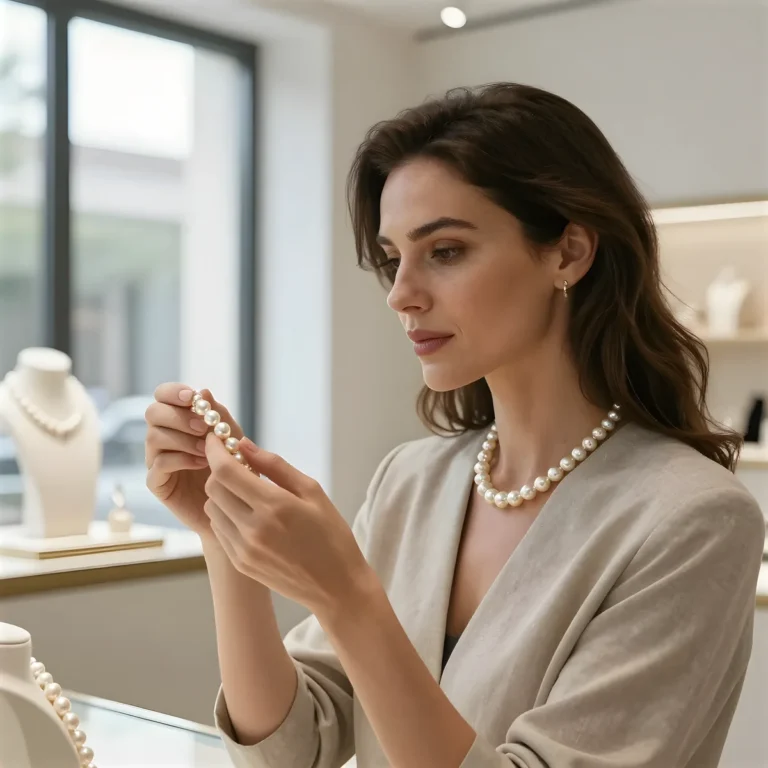
- Pearl-forward statement: pair the Coconut Gelato Collection Freshwater Pearl Necklace at a longer length with a delicate gold chain and a medium paperclip layer.
- Longer pearl strands cascading above shorter delicate chains create the kind of layered effect Glamour’s styling guide points to as a classic pairing.
Care and Materials: What to Choose If You Layer Every Day
Daily layering puts real friction on your jewelry, so material choice matters more than most people think. 14k gold is the practical sweet spot for fine chains under 1.5mm, since it resists bending and kinking better than higher-purity gold while still holding its color. TheCaratCut’s guide backs this trade-off for anyone stacking chains every day. Vermeil and plated pieces can still shine in a stack, but they’ll wear faster wherever chains rub against each other.
- Wipe pieces down weekly with a soft cloth; deep clean only when luster looks dull.
- Keep perfume and chlorinated water away from plated and vermeil pieces, especially.
- Store flat or hanging, ideally in a soft pouch, so chains don’t scratch each other in a jewelry box.
Why HerMJ and Veronique Recommend These Layering Choices
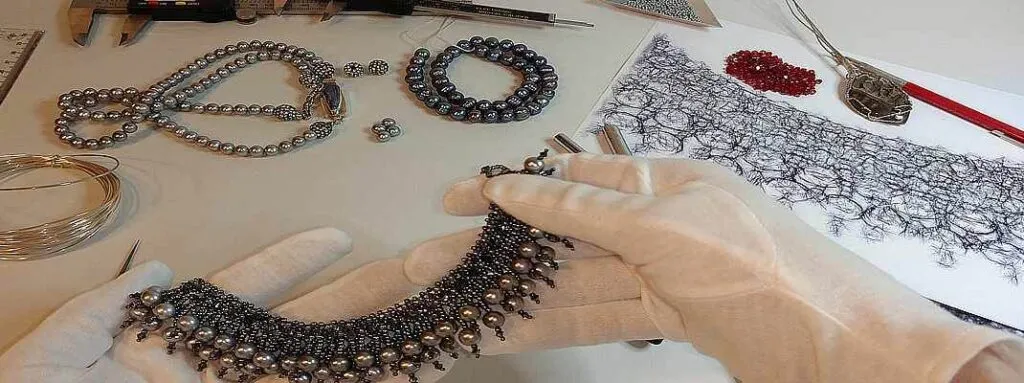
HerMJ builds handmade pieces from genuine freshwater pearls and natural gemstones, which is exactly why they behave so well in a layered stack.
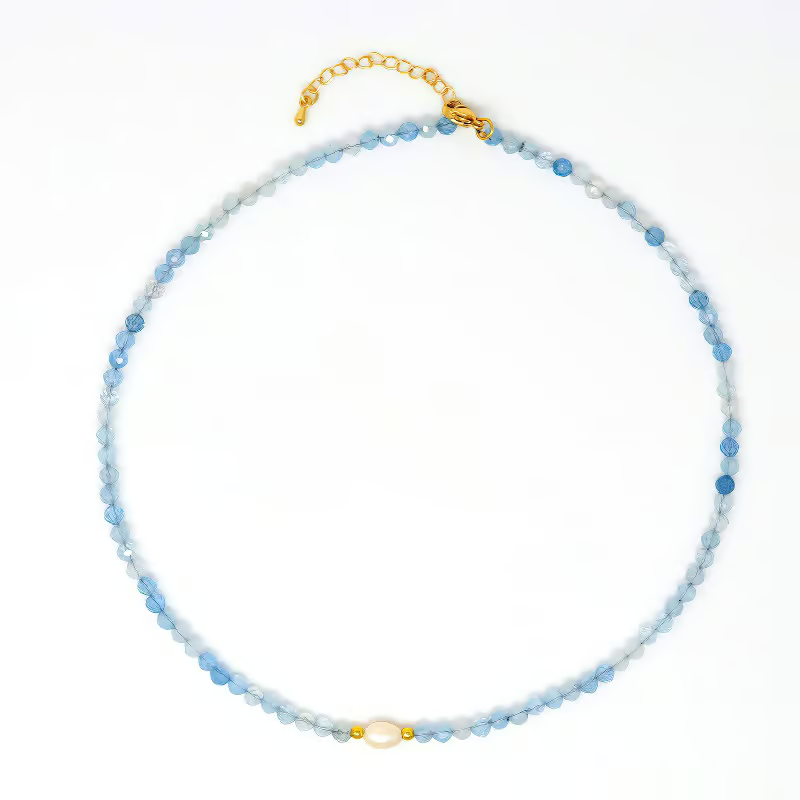
Pearls carry a natural, organic luster that pairs beautifully against the cooler shine of gemstone accents like carnelian or aquamarine, giving a stack visual depth without competing with hard metals.
If any of the combinations above caught your eye, the individual product pages walk through sizing and styling details for each piece.
A Stylist’s Quick Note on Making Layering Yours
A great stack isn’t built in one shopping trip. It’s collected, piece by piece, over months or years, and the best ones mix a grandmother’s pendant with a chain you bought last week.
Don’t be afraid to break the rules once you understand them. Add a birthstone charm, toss in something sentimental, and let your stack tell your story instead of a stranger’s Pinterest board.
— Veronique
Shop-Ready HerMJ Picks to Start Layering Now
HerMJ makes it easy to build any of the stacks above without having to hunt across a dozen shops for pieces that actually match.
Each piece below is handmade from genuine pearls or gemstones, priced without the markup you’d expect from similar artisan work elsewhere. US orders ship free with no minimum, and international orders ship free on orders of $150 or more.
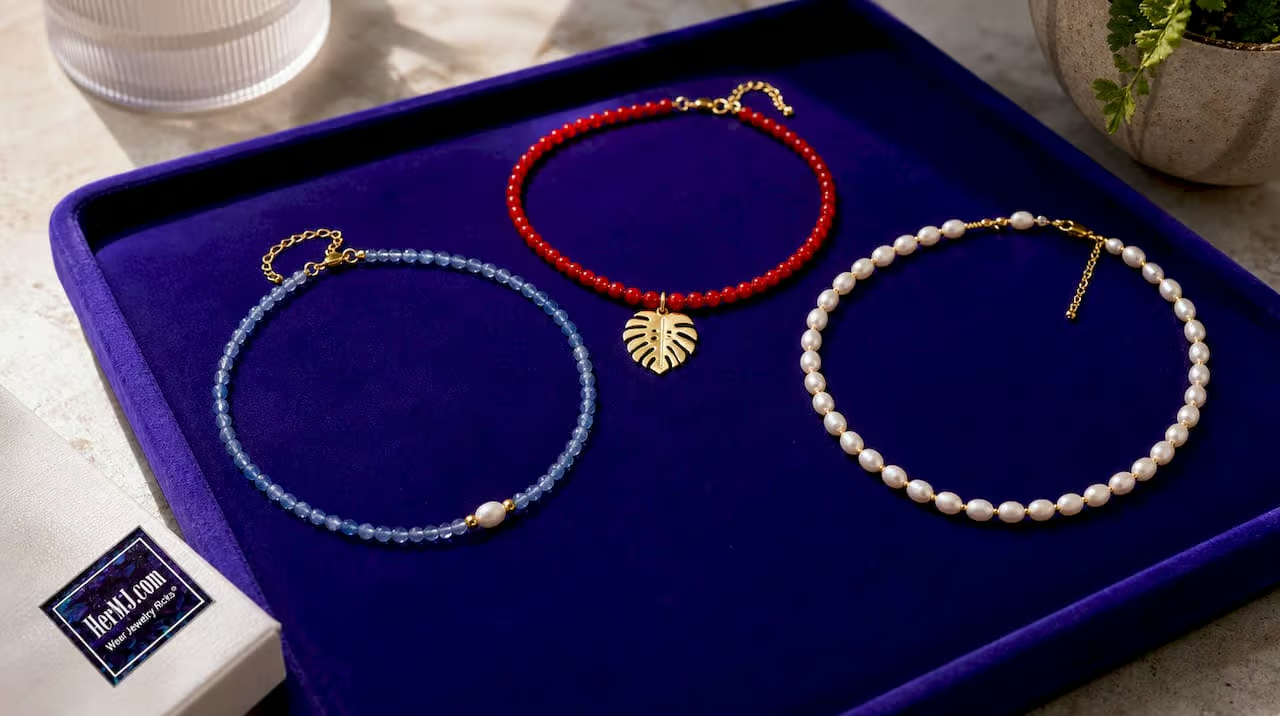
The Pearl And Aquamarine Necklace is the obvious pick for the pearl-forward statement stack, pairing organic luster with a cool blue accent that reads as intentional rather than matchy.
For a warm-toned mid-layer or a focal charm with real presence, the Carnelian Necklace brings depth without overwhelming lighter chains around it.
And for the everyday three-piece combo, the Coconut Gelato Collection Freshwater Pearl Necklace works as a delicate, dependable anchor you can wear daily. Browse the current collection and pick your starting piece today.
Sources
- Layering Necklaces & Necklace Stacks | Tiffany & Co. US
- How to Layer Necklaces
- How to Layer Necklaces Like a Stylist: Effortless Elegance Made Simple
- How To Layer Necklaces (2026 Guide) | TheCaratCut
- How to layer necklaces | Glamour
Recommended
- How to Stack Pearl Bracelets the Modern Way
- How to Pair Gemstone Pendants with Casual Necklines
- My Guide to Layering Pearl Necklaces For a Modern Look
- Style Pearl Jewelry with Everyday Outfits: Easy Looks