


Mixing Metals Jewelry: Simple Rules for Looks You Can Wear
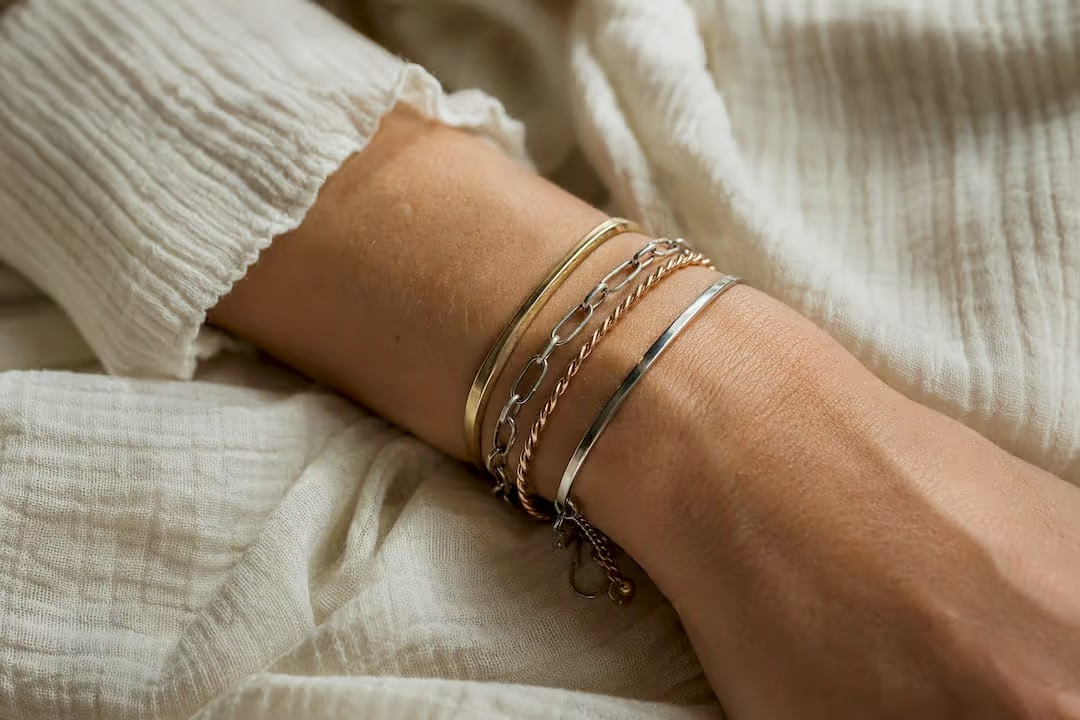
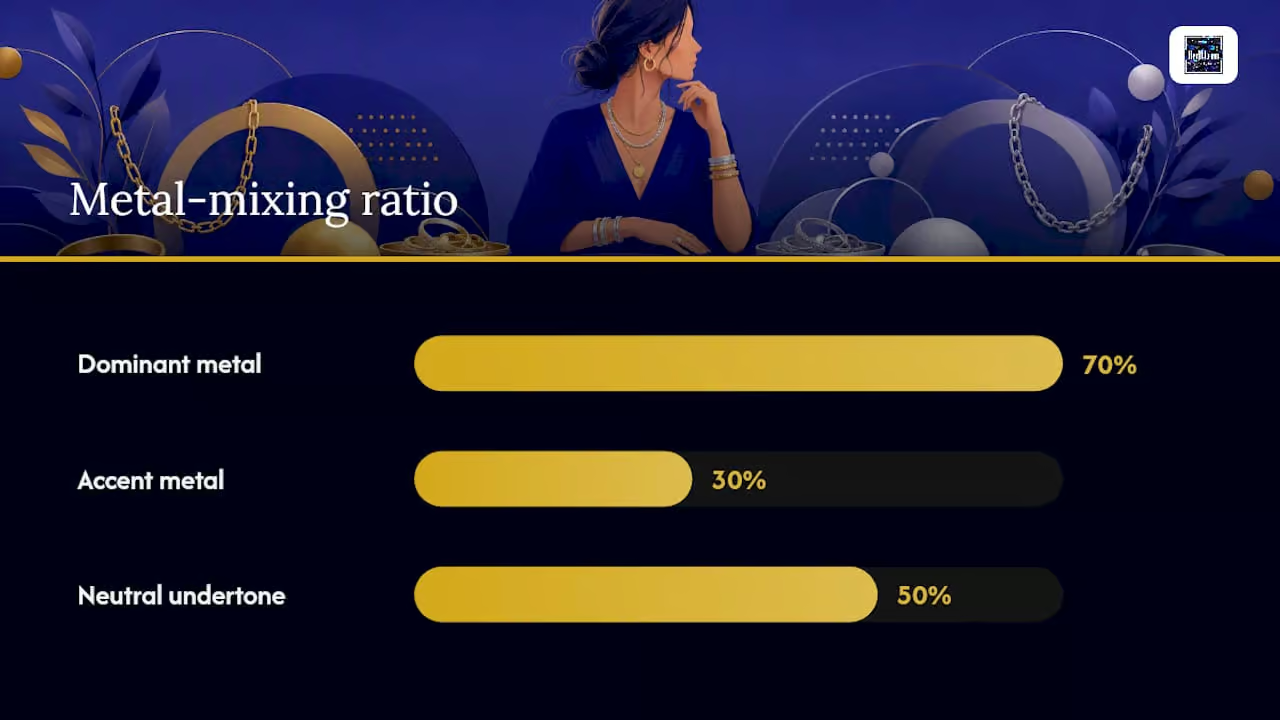
Yes, you can mix metals, and the fashion rulebook that once forbade it has been closed for years. The easiest way to do it well: pick one dominant metal to anchor your look, then add a second metal as an accent, roughly in a 70/30 split.
A quick example you can copy tonight: a fine gold chain sitting at the collarbone, paired with simple silver studs. That’s it. That’s the whole formula, scaled up or down depending on the occasion.
For everyday wear, keep the ratio loose and casual, maybe a gold cuff with one silver ring for contrast. For evening, tighten it up: let one metal dominate 80 percent of the look and use the second only as a glint, like a silver clutch clasp against gold jewelry.
- Everyday rule: dominant metal does the heavy lifting; accent metal shows up once or twice, not everywhere at once.
- Evening rule: shrink the accent even further so it reads as deliberate sparkle, not clutter.
Key Takeaways
Mixing metals works reliably when you anchor a look with one dominant metal, keep a secondary metal as an accent near a 70/30 split, and repeat each tone at least twice.
| Point | Details |
|---|---|
| Pick a dominant metal | Let one metal cover roughly 70 percent of your visible jewelry to set the hierarchy. |
| Use ratio frameworks | Apply 70/30 for two metals or 60/30/10 when adding a third accent tone. |
| Repeat every metal twice | Repetition signals intention instead of an accidental mismatch. |
| Match by design tribe | Pashapesectextures simifinishesape, texture, or finish so mixed metals feel cohesive. |
| Start with a HerMJ anchor | A HerMJ pesuch asor gemstone piece, like the Elegant Fresservesr Pearl Necklace, works as a warm anchor for silver or gold accents. |
What Are the Rules for Mixing Metals in Jewelry?
Every stylist who talks about mixing metals circles back to the same handful of beliefs, and once you learn them, you stop second-guessing your jewelry collection.
Your dominant metal is the tone that dominates your look: gold, silver, or rose gold. It sets the visual hierarchy so your eye knows where to land first. Without a dominant metal, a mixed look tends to feel scattered instead of intentional.
The most commonly cited ratio is 70/30, meaning about 70 percent of your visible jewelry sits in one metal and 30 percent in the other.
When you’re working with three tones, say gold, silver, and a rose gold accent, switch to a 60/30/10 split so the third metal reads as a whisper, not a shout. Designers also use this exact framework in home decor for the same reason: the eye needs a clear majority to feel balanced.
Repetition matters more than people realize. If you wear a silver ring but nothing else silver, it looks accidental, like you grabbed the wrong piece in a rush. Stylists recommend repeating each metal at least twice across your look, so the eye reads it as a choice rather than a mistake.
Choose your dominant metal first, based on what’s already in your outfit or jewelry collection.
Add one accent metal and repeat it at least once more elsewhere on your body.
Cap yourself at two metals during the day, three at most for special occasions.
Use a two-tone piece, like a chain with both gold and silver links, to bridge the two tones without extra thinking.
Pro Tip: Keep a two-tone bridge piece, a necklace, bracelet, or watch band that already blends both metals, on hand. It does the balancing work for you, so you never have to calculate ratios on a rushed morning.
How Do You Mix Metals by Jewelry Type?
Each region of your body plays by slightly different rules because scale, movement, and visibility change how mixed metals read.
Necklaces benefit from spacing. If you’re layering two chains in different metals, leave at least two inches between them so each one gets visual room instead of tangling into a blur.
A gold chain resting on the collarbone, with a longer silver pendant underneath, creates depth rather than competition.
A two-tone pendant, one that combines both metals in a single piece, can also anchor the whole necklace stack and let you skip the guesswork entirely. For necklace length pairing with different necklines, these V-neck guidelines are worth a look.
Earrings, especially across multiple piercings, should stay in the same design “tribe.” That means matching by shape or finish, geometric studs with geometric hoops, brushed metal with brushed metal, even if the actual metal color differs.
This keeps a cluster of small pieces from looking like leftovers from three different jewelry boxes.
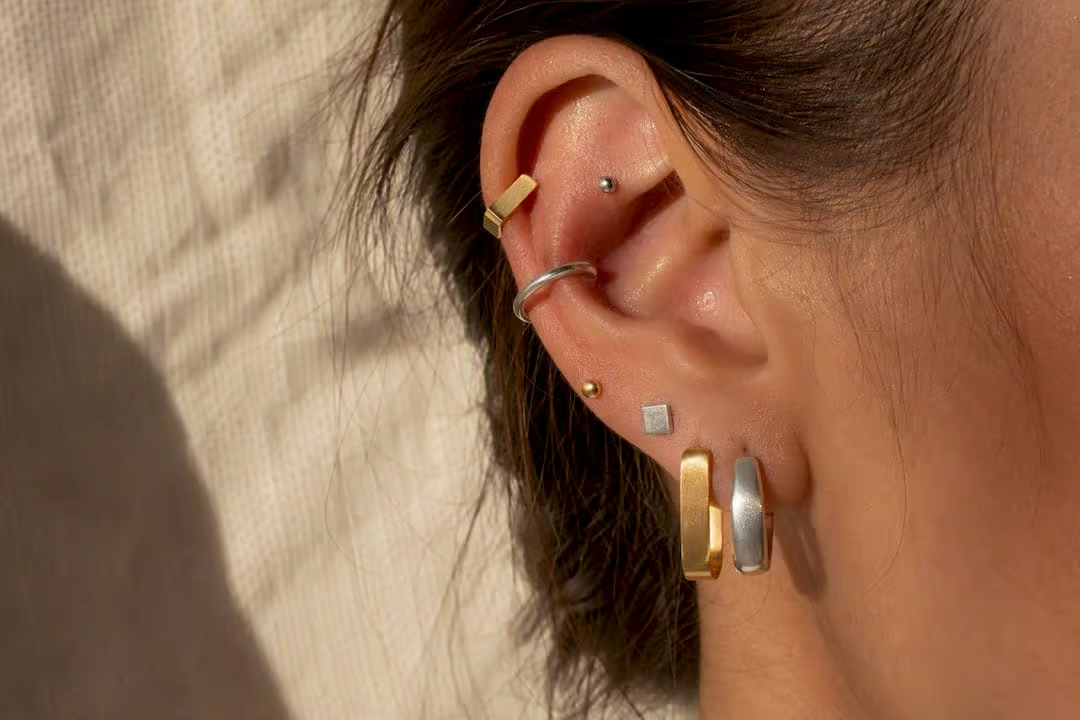
Wrists work best when you treat your watch as the anchor. If your watch case is gold, build your bracelet stack around gold, with maybe one slim silver bangle for contrast. Two-tone watch bands are a smart shortcut here, since they let you wear both metals without overthinking the stack.
Hands deserve a scale check more than a metal rule: keep fine pieces with fine pieces and bold with bold, so nothing looks mismatched in weight.
- Match scale: delicate with delicate, chunky with chunky.
- Space out layered chains by at least two inches.
- Let your watch or largest piece set the dominant tone for that body area.
Pro Tip: When in doubt about earrings, hold both pairs in your palm before putting them on. If they share a similar silhouette, they’ll almost always work together, regardless of metal color.
Does Mixing Metals Match Every Skin Tone?
Warm metals, yellow gold, rose gold, and copper, tend to flatter warm undertones, while cool metals like silver, white gold, and platinum lean into cool undertones. If you have a neutral undertone, you’re in luck: both metal families tend to look equally good on you, which gives you far more room to experiment.
A quick at-home test: check the veins on the inside of your wrist in natural light. Green-ish veins usually point to a warm undertone. Blue or purple veins suggest a cool tone. If you genuinely can’t tell, you’re likely neutral.
Outfits matter too. Warm colors like camel, olive, and burgundy tend to harmonize with gold tones, while cool colors like navy, gray, and icy pastels pair naturally with silver. Black and other neutrals act as a blank backdrop, letting either metal or both together pop without visual competition.
- Warm undertone: lean gold, rose gold, copper.
- Cool undertone: lean silver, white gold, platinum.
- Neutral undertone: wear either or mix freely.
The 70/30 ratio that governs metal mixing applies here too. When you want your outfit color to reinforce your dominant metal, harmonize; when you want a pop, contrast deliberately, like a cool silver necklace against a warm rust sweater.
What Mistakes Ruin a Mixed Metal Look?
The most common misstep is clustering one metal in a single spot, all gold on one wrist, all silver on the other, rather than spreading it throughout your look. The fix is simple: redistribute and ensure each metal appears at least twice in different places.
Another frequent problem is mixing too many finishes and scales at once: a matte gold cuff, a high-polish silver ring, and a brushed rose gold necklace all competing for attention.
Simplify to two or three tones max, and try to match finish textures within each metal so they feel like a set rather than a grab bag.
Layered necklaces without spacing tend to tangle and blur together. Stagger your chain lengths and consider a mixed two-tone chain to visually unify the stack.
- Redistribute clustered metals so each tone repeats at least twice.
- Cut down to two or three finishes, matched by texture where possible.
- Stagger necklace lengths and add a two-tone piece to bridge them.
- Run a “mirror test”: step back, squint slightly, and ask if one metal jumps out awkwardly. If so, adjust the ratio.
Why Trust HerMJ for Mixed Metal Styling?
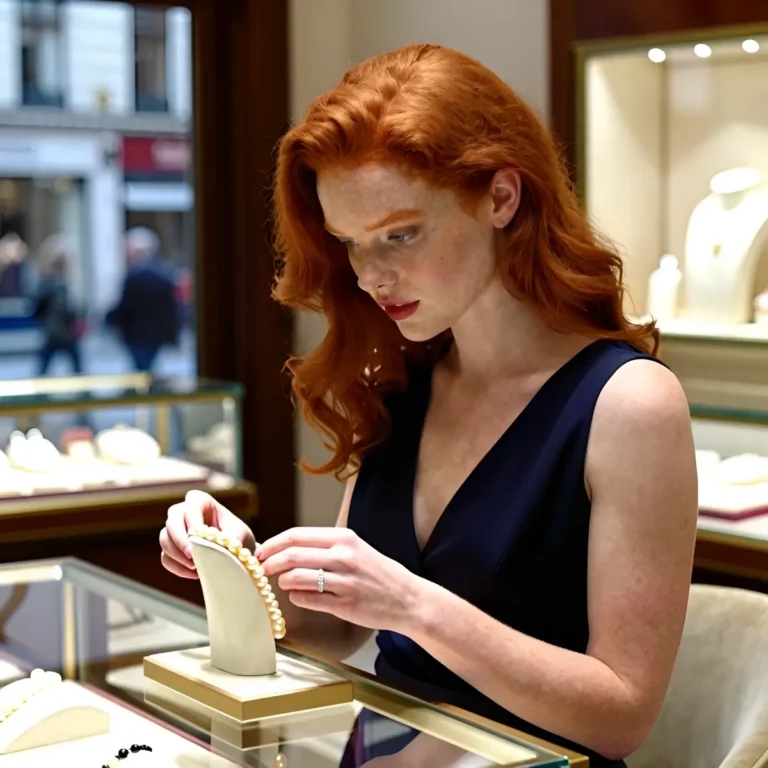
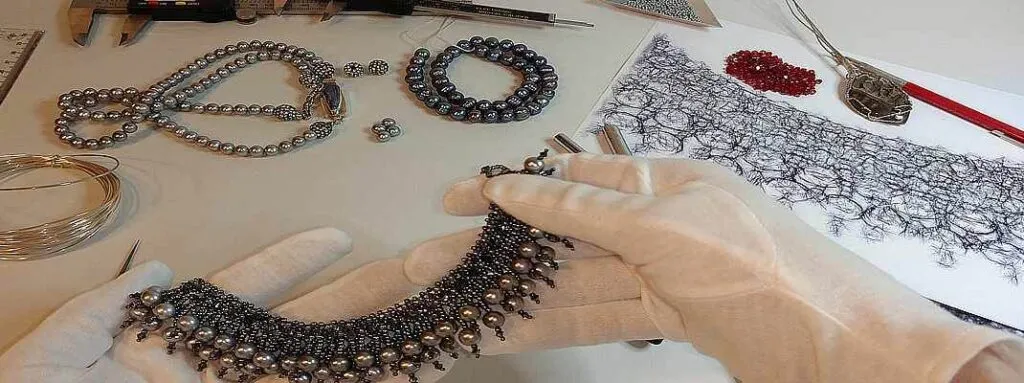
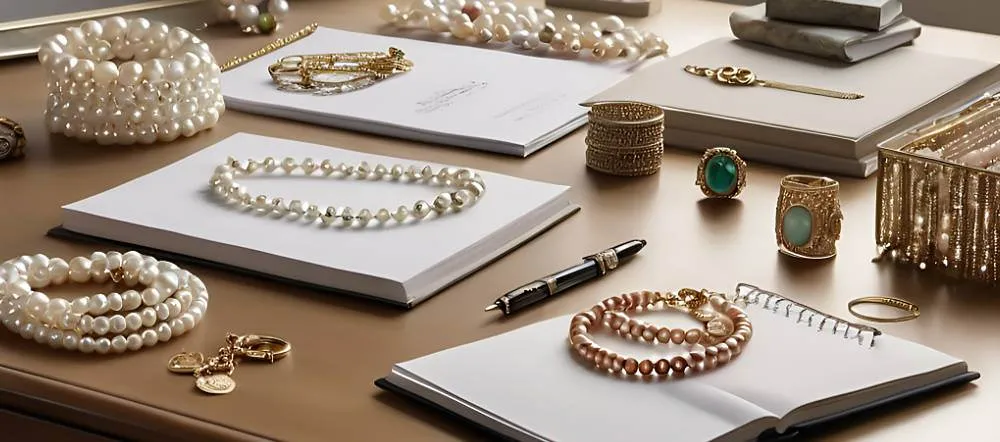
HerMJ builds artisan jewelry from genuine freshwater pearls and natural gemstones, and pearls are among the easiest anchors for a mixed-metal look, since their warm luster reads beautifully against both gold and silver settings.
My guide to pairing freshwater pearls with gemstones walks through choosing jewelry colors that flatter your undertone, which pairs naturally with the anchor-and-accent framework above.
A HerMJ freshwater pearl necklace, for instance, works as a warm anchor when paired with simple silver studs as the accent, following the same 70/30 logic covered earlier. And mixing metals doesn’t harm your jewelry when each piece gets proper care, gentle cleaning, dry storage, and separation from harsh chemicals.
- Pearls act as a neutral, warm-leaning anchor that bridges gold and silver accents.
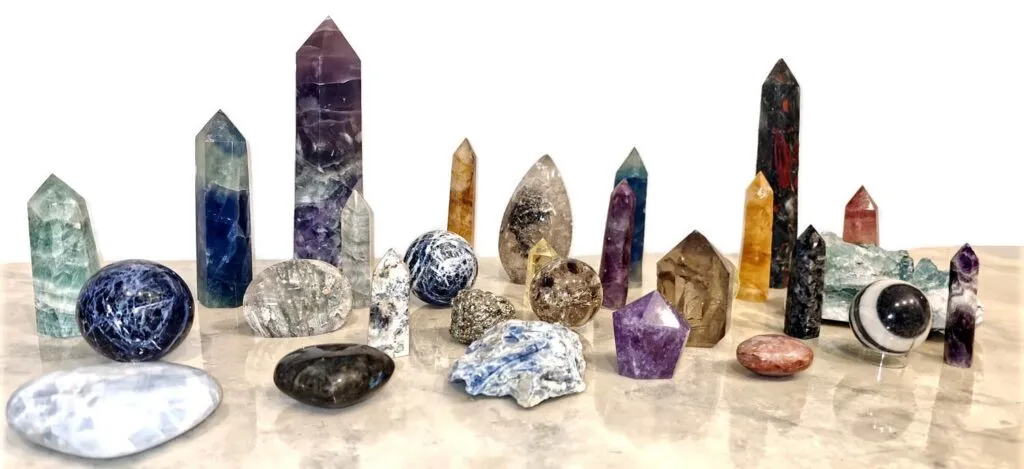
- Gemstone tones (garnet, opal, quartz) can echo either warm or cool metal settings depending on the stone.
- Store pieces separately to protect luster and prevent scratching between metals.
Where Did Mixing Metals in Jewelry Come From?
Mixing metals isn’t a new trend chasing algorithm approval; it has a history. Ancient Egyptian jewelers combined gold with silver and copper alloys centuries before “mixed metal” became a marketing term, often layering them to signal wealth and status rather than to adhere to a single metallurgical standard. Victorian jewelers also blended yellow gold with silver-toned metals in mourning jewelry and lockets, treating the combination as decorative rather than problematic.
The rule against mixing metals is a much more recent invention, largely a mid-20th-century etiquette convention that discouraged combining tones as a judged fashion faux pas. That rule has largely been dismissed, and most major jewelry houses currently design two-tone pieces as a standard category rather than a novelty.
Cultural jewelry traditions outside the West rarely followed the mixing taboo at all. South Asian bridal jewelry has its own history of combining gold with silver-toned accents and gemstone settings.
West African goldsmithing traditions frequently pair gold with other metals and beads in a single piece, creating beautiful patterns that emphasize symbolism over metal purity.
What’s changed isn’t the practice itself; it’s permission. Shoppers are simply rediscovering what so many jewelry traditions never abandoned: metals can share the same wrist, neck, or ear without anyone raising an eyebrow.
What Trends Are Shaping Mixed Metal Jewelry Now?
Two-tone pieces have evolved from a niche category to a design staple. Watch bands, chain necklaces, and stacking bracelets increasingly ship pre-mixed, gold and silver links soldered into a single piece, so the wearer never has to calculate a ratio manually.
Gemstone-forward mixed-metal designs are also gaining traction. Instead of relying solely on metal contrast, designers set colorful stones like garnet, opal, or lapis lazuli in settings that combine two metal tones, letting the gemstone serve as the visual bridge rather than the metal itself.
Minimalist stacking continues to dominate, especially for bracelets and earrings. Rather than bold, matching sets, shoppers are buying thin, mixed-tone pieces meant to be layered slowly over time, a few new pieces each season rather than a complete matched set purchased all at once.
Vintage-inspired two-tone revivals are also resurfacing, drawing on the same Victorian and Art Deco pieces that never treated mixing metals as taboo in the first place.
Gender-neutral styling has also expanded the conversation: mixed-metal bracelets and necklaces designed for men are now a growing category in their own right, applying the same anchor-and-accent logic across genders.
If there’s one connecting concept across these trends, it’s that mixed-metal jewelry doesn’t need a justification. It’s simply how people build a modern jewelry collection.
Mixing Metals Jewelry: Simple Rules and Looks You Can Wear Today
The conventional wisdom on mixing metals oversells complexity. Most guides pile on rules until the whole idea feels like a math problem instead of a wardrobe choice. In reality, the entire system boils down to two decisions: which metal dominates and how many times you repeat each tone.
What’s genuinely underrated is the two-tone bridge piece. People spend so much energy trying to balance separate gold and silver items that they overlook how much easier it is to just buy one piece that already does the blending.
A single two-tone chain or a pearl necklace with mixed-metal accents eliminates the need for ratio math entirely.
If I had to prioritize one thing for someone starting out, it wouldn’t be a rule at all. It would be an experiment: wear one anchor piece you already own, add exactly one accent in a different metal, and live with it for a full day before buying anything new.
Most people discover their instincts are better than the rulebook once they stop overthinking the combination.
— Veronique
Try These HerMJ Pieces for Your Next Mixed Metal Look
Once you know your ratio, the easiest next step is picking one anchor piece and one accent, rather than buying an entire new jewelry wardrobe.
HerMJ’s catalog leans into that exact logic, since genuine pearls and gemstones photograph and wear beautifully as either the dominant tone or a quiet accent in a mixed look.
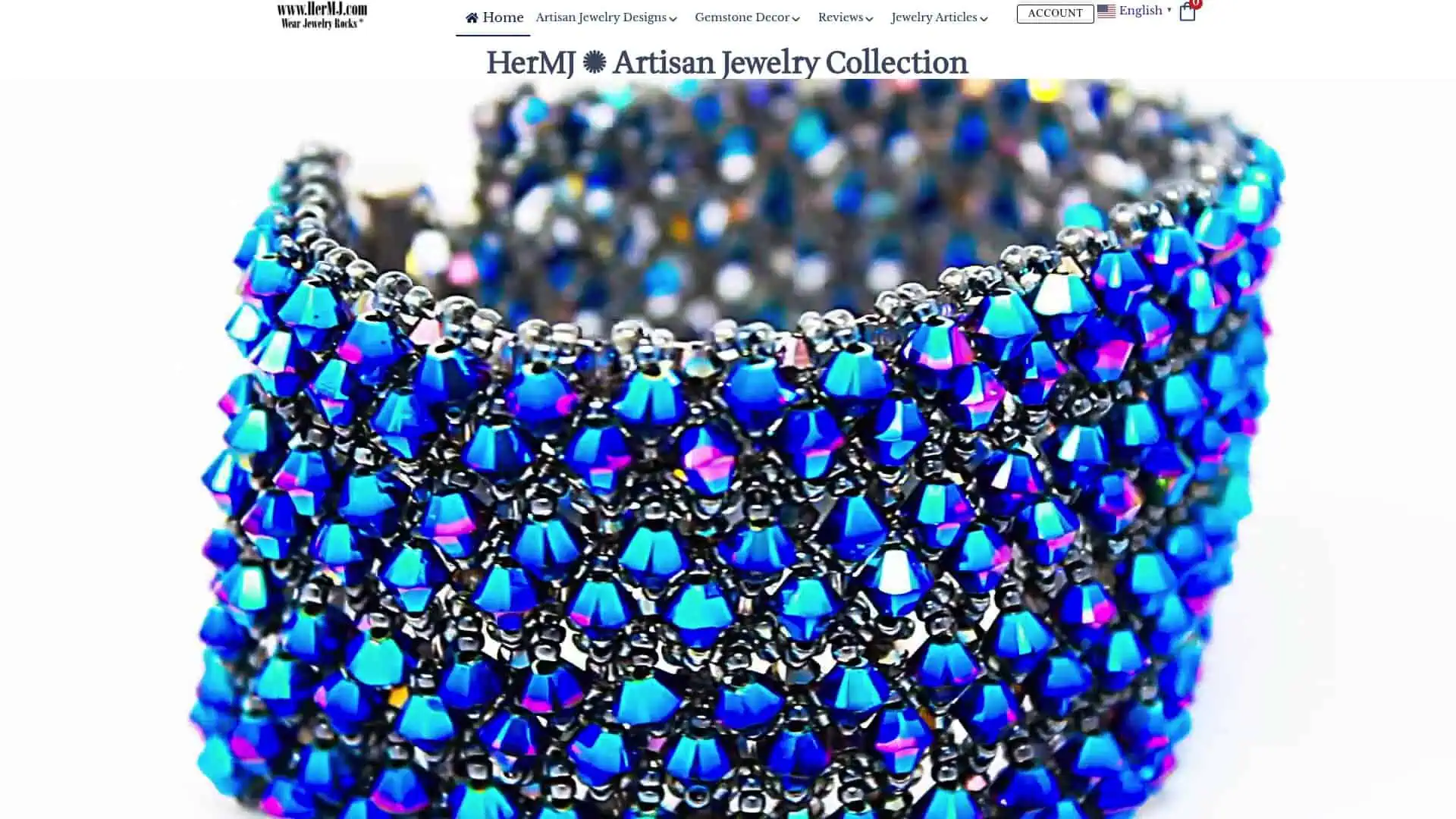
The Elegant Freshwater Pearl Necklace works as a warm anchor piece, pairing naturally with cool silver studs or a slim white gold bracelet for contrast.
For wrists, the Lustrous Freshwater Pearl Bracelet for Elegance sits comfortably as an accent next to a two-tone watch band, letting the pearls soften the transition between metals.
If you want a piece that already bridges warm and cool tones on its own, the Lapis Lazuli Bracelet With Tahitian Pearl Accent does that job by combining deep blue stone with pearl luster in a single statement wrist piece.
For a bolder anchor, the Australian Opal Necklace and Moonstone Pendant carries enough visual weight to dominate a look, leaving room for one small silver or gold accent elsewhere.
HerMJ pieces are handmade, which means the metal settings and gemstone pairings are built with mixing in mind from the start, not as an afterthought.
US orders ship free with no minimum, and international orders ship free for orders of $150 or more.
Browse the freshwater pearl jewelry collection to find your next anchor piece today.
Sources
- How to Mix Metal Jewelry, According to Pros
- Mixing Metals in Jewelry: The Complete Guide (2026)
- How to Mix Metal Jewelry: 6 Tips for Mixing Metals – MasterClass
Recommended
- Mix Gemstone Jewelry into Modern Looks That Turn Heads
- Statement vs Minimalist Jewelry: Find Your Style Today
- Jewelry for Skin Tone: What Color Jewelry Should I Wear