


14K vs 18K: A Designer’s Way to Choose Rose or Yellow Gold
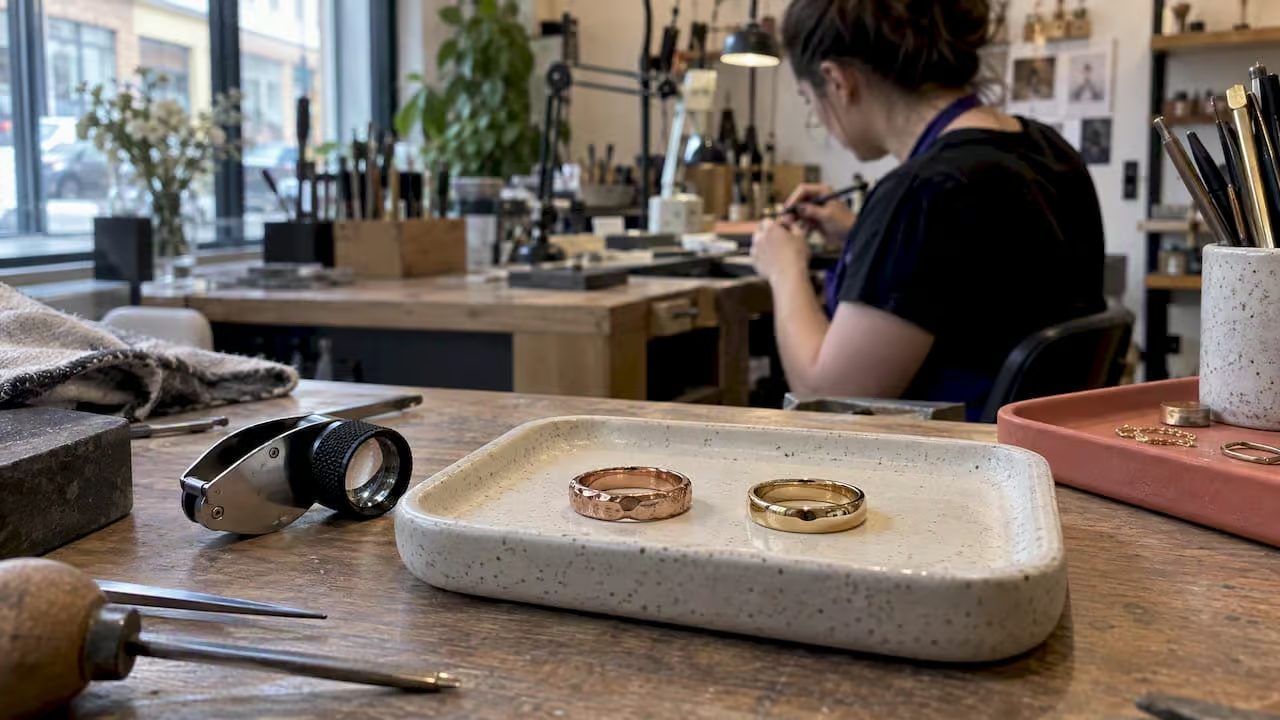
Rose gold is gold alloyed with extra copper for a pink tone, and yellow gold is gold alloyed for a warm yellow tone.
At the same karat, both contain the exact same amount of pure gold, so the real choice comes down to the color you love and the karat you need, not which one holds more value.
Let your priorities, style, daily wear, and most importantly, your skin sensitivity guide the decision from there.
The Edit
- At the same karat, rose vs yellow gold contain the same percentage of pure gold, with color differences resulting from alloy composition.
- Rose gold’s pink hue is caused by higher copper content in the alloy, making it more scratch-resistant and giving it a romantic or modern appeal.
- Durability primarily depends on karat, with 14K gold generally more wear-resistant than 18K, regardless of color, and copper’s hardness slightly advantageous in rose gold.
- Both rose and yellow gold may cause mild skin reactions from copper oxidation, but allergic reactions are rare and mostly linked to nickel in other gold alloys.
- Jewelry choice should consider skin tone, gemstone pairing, and wear habits, with design recommendations aligning metal color to undertones and lifestyle needs.
What Is Yellow Gold, and Why Do Jewelers Love It?
Yellow gold is pure gold blended with silver, copper, and sometimes zinc to give it the strength it needs for jewelry.
Pure gold, known as 24K, is too soft to hold its shape under daily wear, so jewelers alloy it down to 14K or 18K for rings, bracelets, and necklaces you’ll actually use.
The ratio of those alloy metals determines how saturated the yellow looks and how the piece feels on your hand.
Higher-karat gold, like 18K, has more pure gold and less alloy, giving you a richer, warmer yellow but a softer metal overall.
Lower karat gold, like 14K, trades some of that golden depth for a harder, more wear-resistant piece, something to keep in mind if you’re shopping for a bracelet you plan to wear every day.
Yellow gold has centuries of tradition behind it, and it still suits certain looks better than any other metal:
- It brings out the warmth in citrine, peridot, and yellow sapphire.
- It reads as classic and traditional, a natural match for vintage-inspired designs.
- It complements warm skin undertones, making gold jewelry look sun-kissed rather than stark.
What Gives Rose Gold Its Signature Pink Hue?
Rose gold gets its blush from a higher proportion of copper in the alloy mix, sometimes with a touch of silver added to soften the tone.
There’s no coating or plating involved.
The color runs through the entire piece because the copper is mixed directly into the gold itself, the way sugar dissolves into batter rather than sitting on top of it.
The exact shade shifts depending on how much copper goes into the blend. A higher copper ratio produces a deeper, more dramatic rose or red gold, while a lighter touch gives you a softer, more pastel pink sometimes marketed as “pink gold.”
Karat plays a role, too:
An 18K rose gold piece carries more pure gold and less copper by weight than a 14K version, which tends to mute the pink slightly and give it a gentler glow.
Designers reach for rose gold when they want a piece to feel romantic or modern rather than traditional:
- It pairs beautifully with morganite, pink tourmaline, and soft blush gemstones.
- It flatters a wide range of skin tones, cool and warm alike.
- It gives vintage-style settings a fresh, contemporary feel without losing their character.
How Do Rose and Yellow Gold Compare at the Same Karat?
Here’s the part that trips up a lot of shoppers: at the same karat, rose gold and yellow gold contain the same percentage of pure gold. An 18K piece is 75% gold by weight whether it’s rose, yellow, or white.
The only thing that changes is what fills the remaining quarter of the alloy, and that’s where the color comes from.
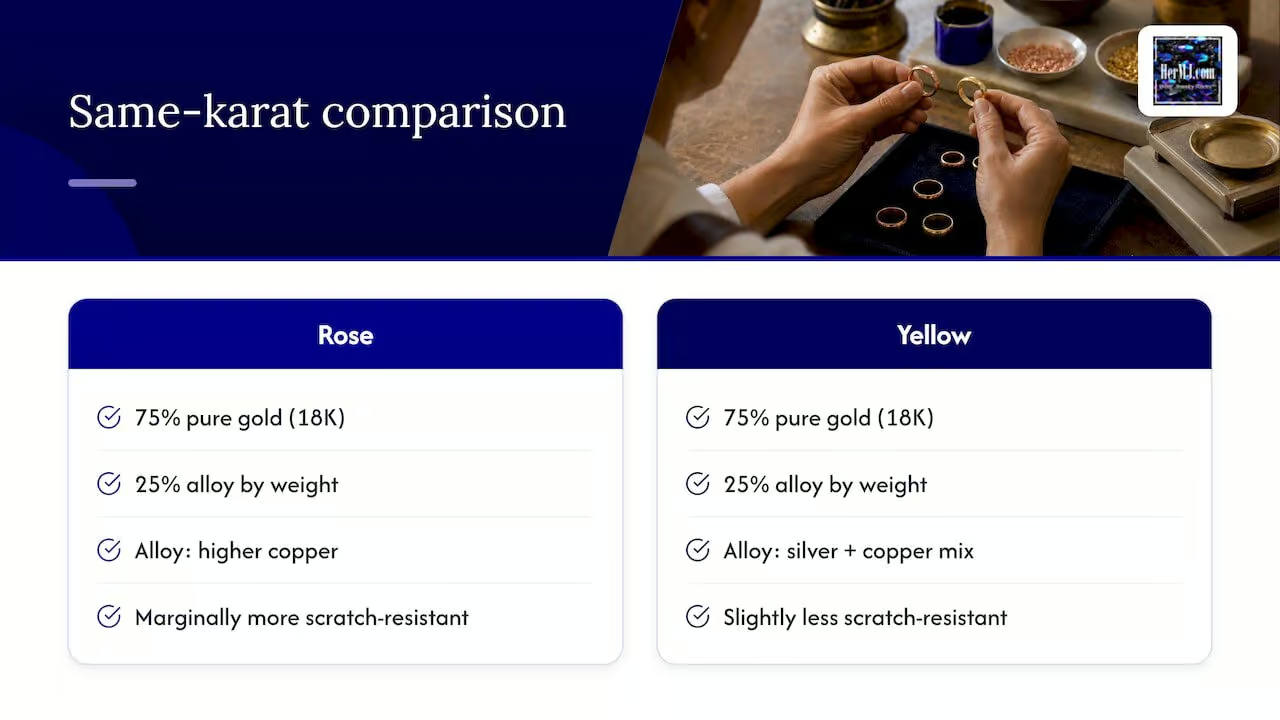
The GIA confirms that rose gold’s pink tone comes from a higher copper content in the alloy, although yellow gold relies on a mix that includes silver and copper in different proportions.
Neither metal is plated: the color sits in the alloy itself, all the way through the piece. Copper also happens to be a relatively hard metal, so a rose gold piece can be marginally more scratch-resistant than a yellow gold piece of the same karat, though the difference is subtle enough that it rarely drives a buying decision on its own.
Does Karat or Color Determine How Long Your Jewelry Lasts?
Karat is the bigger factor here, not color.
A 14K piece, rose or yellow, generally holds up better against scratches and daily knocks than an 18K piece, because it carries more alloy metal relative to pure gold.
The GIA notes that durability correlates with the proportion of alloying metals rather than the gold’s color.
That said, copper’s slight hardness edge means a 14K rose gold piece can outperform even a 14K yellow gold piece in scratch resistance, though the gap is small enough that most wearers won’t notice it day to day.
What matters more is matching karat to your lifestyle:
- Choose 14K for rings, bracelets, or earrings you’ll wear constantly.
- Choose 18K when you want the richest color and don’t mind extra care.
- Expect rose gold to develop a soft patina over time as the copper ages, something many wearers find adds character rather than detracts from it.
Pro Tip: If you love the deeper look of 18K but worry about durability, ask about a rhodium-free protective coating or simply plan to have the piece professionally polished once a year.
Unlike white gold, which often relies on rhodium plating that wears off and needs replating, both rose and yellow gold are considered low-upkeep metals since there’s no plating layer to maintain in the first place.
Could Rose or Yellow Gold Cause a Skin Reaction?
The copper in rose gold occasionally leaves a faint greenish mark on skin, a harmless reaction caused by oxidation and body chemistry rather than an allergy, though it can be mildly annoying if you’re prone to it.
Actual copper allergies are rare, but if your skin tends to react to costume jewelry, it’s worth asking what alloy a rose gold piece uses before you buy.
Nickel is the far more common culprit behind actual allergic reactions, and it shows up most often in certain white gold alloys rather than in rose or yellow gold.
If you have sensitive skin, both rose and yellow gold tend to be safer choices as long as the piece is confirmed nickel-free.
A few practical checks before you buy:
- Ask the jeweler directly whether the alloy contains nickel.
- Consider a higher karat if you’ve reacted to lower-karat jewelry in the past, since less alloy metal means less exposure.
- Test a similar sample piece against your skin for a day before committing to a purchase, especially for earrings or rings worn close to sensitive areas.
For more on choosing alloys that are gentle on sensitive skin, our hypoallergenic earrings guide walks through what to look for.
Which Gemstones and Skin Tones Suit Each Metal?
Yellow gold has a natural affinity for warm-toned gemstones: citrine, peridot, yellow sapphire, and amber all look deeper and more vivid set against its glow.
It also tends to flatter warmer skin undertones, the ones with golden or olive hints, though plenty of people with cooler undertones wear it beautifully too.
Rose gold works almost like a universal flatterer. Its soft pink warmth sits well against cool and warm undertones alike, and it has a particular talent for making blush and red gemstones sing. Think morganite, pink tourmaline, or a classic ruby.
Designers don’t always stick to one metal color per piece, either:
- Mixed-metal settings, like rose gold bands with yellow gold prongs, can intensify how a gemstone’s color reads.
- A contrasting metal color sometimes makes a center stone look brighter by comparison.
- Halos and mountings in a different tone than the band are a common way to customize a piece without committing to a single color throughout.
My gemstone jewelry outfit pairing guide goes deeper into matching metals and stones to your wardrobe and coloring.
How Do You Choose the Right Metal and Karat for You?
Walking into a jewelry decision with a plan saves you from second-guessing later. Here’s a simple way to work through it:
- Pick your color first. Decide whether rose gold’s warmth or yellow gold’s classic glow feels more like you.
- Match karat to how you’ll wear it. Choose 14K for pieces you’ll wear daily, or 18K if you want deeper color and don’t mind gentler handling.
- Confirm the alloy and hallmark. Ask whether the piece is nickel-free and check for a karat stamp, like 14K or 18K, before you pay.
- Think about the gemstone and the long haul. Match the metal tone to any stones you’re pairing it with, and factor in how much polishing or care you’re willing to do.
Pro Tip: A karat hallmark is required on US-sold gold jewelry, and the FTC warns against misleading labeling, so always look for the stamp and ask what “solid gold” actually means for that specific piece.
Our everyday elegant jewelry guide has more on choosing pieces built for regular wear versus special occasions.
What I’ve Learned Designing With Rose and Yellow Gold
Working with pearls and gemstones for years taught me that metal color isn’t just decoration.
It’s the frame that decides how a stone reads against your skin. When I pair a gemstone with a metal, I’m thinking about undertone first: a warm citrine wants yellow gold’s glow, while a soft morganite wants rose gold’s blush to echo it rather than compete with it.
HerMJ’s approach to design goes beyond superficial trends or generic designs. We consider comfort as much as color.
A piece that irritates your skin or feels wrong in your hand isn’t one you’ll reach for, no matter how it photographs. That’s the kind of thinking that goes into every handmade piece we design: matching tone, karat, and comfort so you can actually wear it, look beautiful, and feel good, too.
— Veronique
Where to Find These Looks at HerMJ
If rose gold’s warmth caught your eye, our Pink Rose Quartz Bracelet captures that soft blush tone in a piece designed for daily wear.
For something in a warmer, sunnier palette, the Peridot And Pearl Fusion Necklace pairs golden peridot with the organic glow of freshwater pearls.
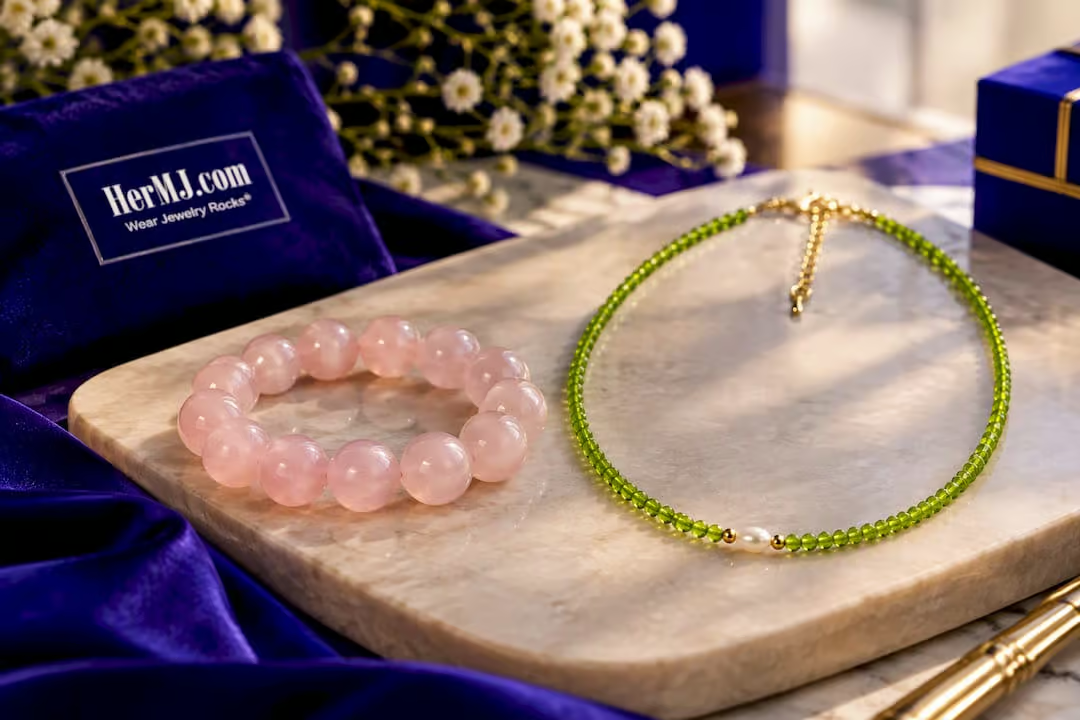
Both pieces come from our broader collection of pearl and gemstone jewelry, handmade with extender chains so you can fine-tune the length to suit you.
Browse our necklaces, bracelets, or modern drop earrings to find your match. US orders ship free with no minimum, and international orders ship free for orders of $150 or more.
If you’re drawn to brighter statement pieces, our European crystal jewelry and room jewelry collections are worth a look too.
Sources
- Buying Platinum, Gold, and Silver Jewelry | FTC
- Guide to White, Yellow, and Rose Gold Engagement Rings | GIA 4Cs
FAQ
Which gold is better, rose or yellow?
Neither metal is objectively better: at the same karat, both contain identical gold content, so the choice comes down to color preference, skin tone, and how the piece will be worn. Rose gold tends to flatter more skin tones broadly, while yellow gold suits warmer undertones and classic settings.
Which is worth more, rose gold or yellow gold?
Value comes from karat and weight, not color, since rose and yellow gold contain the same percentage of pure gold at a given karat. An 18K piece of either color holds more gold value than a 14K piece of either color.
Is rose gold a cheap gold?
Rose gold isn’t cheaper by nature. Its price depends on karat and gold content just like yellow gold, since the color comes from the copper ratio in the alloy, not from using less actual gold.
What are the disadvantages of rose gold?
Rose gold can develop a patina over time from the copper in its alloy, and in rare cases, copper sensitivity can cause a faint skin mark. Otherwise, it requires the same low-maintenance care as yellow gold, with no plating to wear off.
Recommended
- Gold-Filled vs Gold-Plated: Key Differences Explained
- Jewelry Choices: What colors look best on cool skin tones
- Jewelry for Skin Tone: What Color Jewelry Should I Wear