


5% Gold Rule: Choose Gold Filled for Daily Wear vs Gold Plated (U.S.)
Gold-filled jewelry is the better pick for anything you wear daily, since it must contain at least 5% gold by weight under FTC rules, roughly the 1/20 standard stamped on quality pieces.
Gold-plated jewelry costs less and works fine for trend pieces you’ll rotate out anyway. The difference comes down to thickness and bonding: gold-filled tolerates the occasional splash, while plated pieces should come off before a shower or a swim.
TL;DR:
- Gold-filled jewelry contains at least 5% gold by weight, making it significantly more durable and valuable than gold-plated pieces, which often have less than 1%.
- Gold-filled pieces are bonded through heat and pressure, creating a true gold surface, while plated jewelry relies on electroplating, a much thinner coating prone to wear.
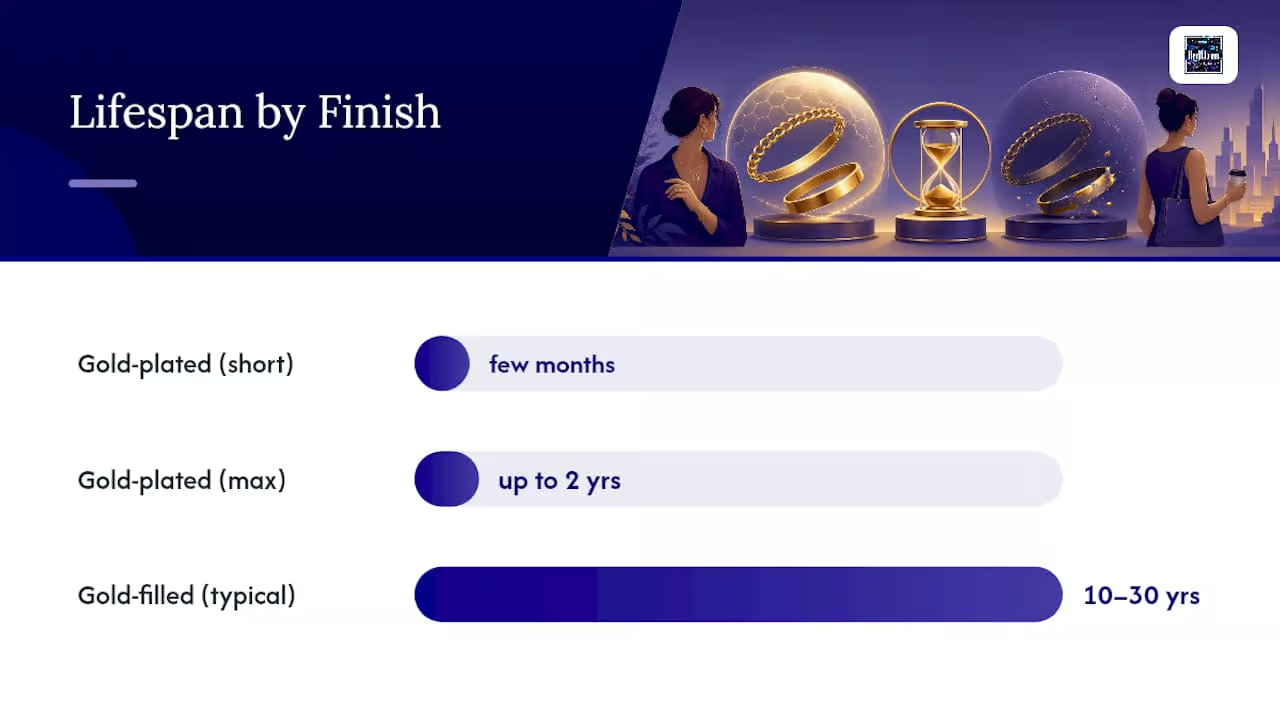
- Gold-filled jewelry typically lasts between 10 and 30 years with proper care, whereas gold-plated jewelry may show base metal within a few months to two years.
- To identify gold-filled jewelry, look for specific stamps like “1/20 14K GF,” and feel its weight, as gold-filled items are usually heavier than plated ones.
- For everyday wear, gold-filled jewelry offers better value and longevity, while gold-plated pieces suit occasional use or seasonal trends.
Gold Filled vs Gold Plated: What Each Term Actually Means
The two finishes aren’t cousins. They’re built by completely different processes, and that’s why one holds up and one doesn’t.
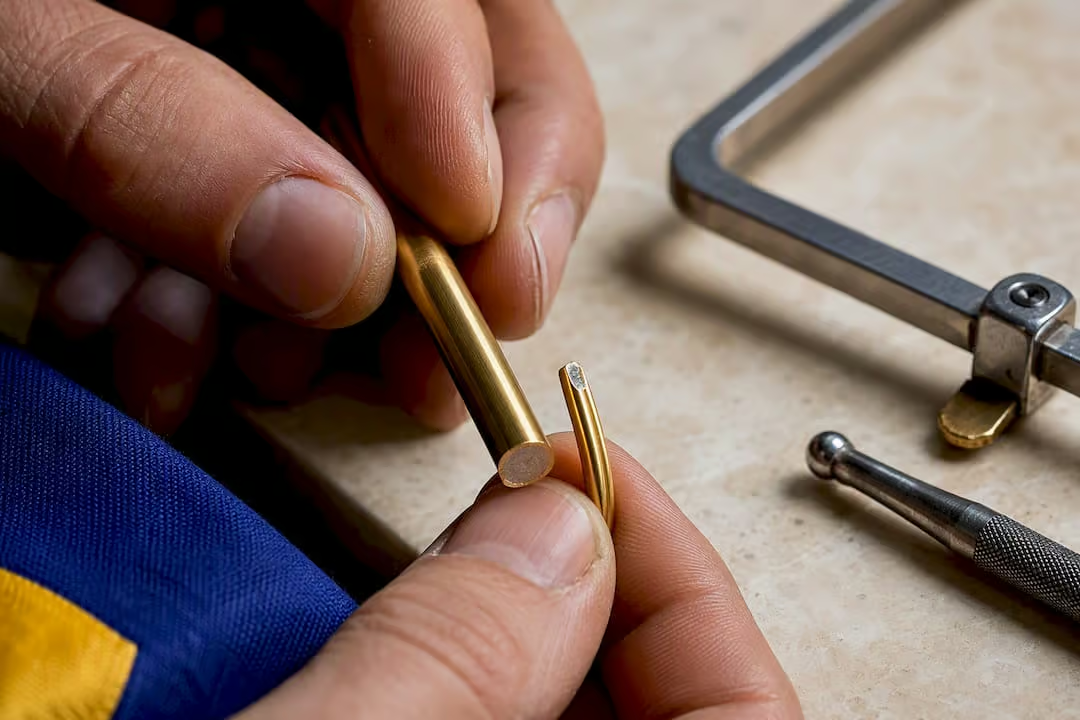
Gold-filled jewelry is made by mechanically bonding a solid layer of karat gold to a base metal core, usually brass, using heat and pressure.
That gold layer isn’t a coating sitting on top. It’s fused into the surface, which is why Halstead’s manufacturing breakdown notes that gold-filled behaves almost like brass when you’re forming it, yet keeps a true gold surface once finished.
Gold-plated jewelry, by contrast, uses electroplating: an electric current deposits a thin layer of gold onto a base metal. No bonding, no pressure, just a coating.
The FTC sets a real legal line here. To call something “gold-filled” in the United States, it must contain at least 5% gold by weight, commonly marked as 1/20. Gold-plated items carry no such floor, and the gold content in plated pieces often ranges from 0.05% to 0.5% by weight, meaning gold-filled pieces can contain 10 to 100 times more actual gold.
A few related terms worth knowing before you shop:
- Rolled gold plate (RGP): an older bonding method similar to gold-filled but with a thinner gold layer, often below the 1/20 minimum.
- Vermeil: gold plating over sterling silver, with a thicker minimum layer of around 2.5 microns, making it a step above standard plating.
- HGE or GEP (heavy gold electroplate/gold electroplate): plated finishes, still much thinner than gold-filled despite the sturdier-sounding name.
How Do You Tell Gold-Filled from Gold-Plated Before You Buy?
You don’t need a jeweler’s loupe to spot the difference. You need to know where to look and what the stamps mean.
- Check the stamp first. Gold-filled pieces carry fractional marks such as “1/20 14K GF” or “1/10 12K GF.” Plated pieces show GP, GEP, or HGE, and vermeil is usually stamped 925 alongside a gold indicator, since it’s built on sterling silver.
- No stamp at all? Treat it as plated or costume jewelry until proven otherwise. Reputable gold-filled makers stamp their pieces because the FTC standard gives them something worth claiming.
- Feel the weight. Gold-filled tends to feel a touch heavier and more substantial than a thin plated piece of the same size, though this isn’t foolproof on its own.
- Look at the clasp and closures. Manufacturers sometimes plate the seams and solder joints on gold-filled pieces for a uniform finish, so a little extra wear right at the clasp doesn’t necessarily mean the whole piece is plated.
- Ask the seller directly. A knowledgeable shop can tell you the plating thickness in microns or the gold content by weight.
Pro Tip: If you’re buying online, zoom in on product photos of the clasp and any solder points. That’s usually where a thin plated finish shows its first signs of wear in listing photos, even before it ships.
For more on reading hallmarks and spotting handmade quality in general, our guide to identifying handcrafted jewelry pieces walks through similar visual checks.
How Long Does Gold-Filled Jewelry Actually Last?
The lifespan gap between these two finishes is the whole reason this comparison matters. With ordinary wear, gold-filled pieces commonly last 10 to 30 years. Gold-plated items typically reveal the base metal underneath within a few months to about two years, depending on the plating thickness.
That gap traces back to one variable: thickness. Gold-filled’s bonded layer runs tens of microns thick. A standard plated layer can be a fraction of a micron, sometimes thinner than a coat of paint. Thin layers wear through faster, tarnish sooner, and are more likely to trigger skin sensitivity once the base metal starts peeking through.
A few things speed up how fast either finish shows wear:
- Chlorine and saltwater, which are especially rough on plated surfaces
- Perfume, lotion, and hairspray residue, which builds up and dulls the gold layer over time
- Friction from tight clothing, bag straps, or constant handling
- Sweat and body chemistry, which vary from person to person, can accelerate tarnish on thinner finishes
The technical gap in layer thickness is the single factor that explains almost everything buyers notice later: how quickly a piece tarnishes, whether it peels, and whether it retains any melt value.
Care and Cleaning Tips That Actually Extend Wear
Treat gold-filled jewelry the way you’d treat a fine piece of art you plan to keep for decades, not a disposable accessory. It rewards a little care with a lot of extra life.
- Take pieces off before showering, swimming, or heavy manual work, regardless of finish.
- Skip spraying perfume or hairspray directly onto jewelry. Apply those first, then put pieces on.
- Wipe gold-filled pieces with a soft, dry cloth after wearing to remove oils before they build up.
- Clean gently with mild soap and lukewarm water for gold-filled items; avoid harsh jewelry cleaners or ultrasonic cleaners on plated pieces, since the vibration can quickly strip the thin coating.
- Store pieces separately in a soft pouch so they don’t scratch against each other.
Pro Tip: If a gold-filled piece looks dull after years of wear, a jeweler can often re-polish it since there’s enough gold in that bonded layer to work with. Replating an inexpensive plated piece rarely makes financial sense. At that point, replacing it is usually the smarter move.
Our guide to preventing jewelry tarnish covers more storage and cleaning habits that apply to both finishes.
Which Finish Gives You Better Value for the Price?
Price and longevity move in opposite directions here, so the right answer depends entirely on how often you’ll wear the piece.
Gold-plated jewelry sits at the more affordable end of the price range, and that’s exactly its appeal.
It’s a smart way to try a bold trend, a statement earring style, or a seasonal color without a big commitment.
Gold-filled costs more upfront but spreads that cost over a decade or more of wear, which usually makes it the better value for anything that leaves your jewelry box most days. Gold-filled scrap also has real recoverable value at refiners.
A simple way to decide:
- Daily wear, sentimental pieces, gifts meant to last: gold-filled
- Occasional wear, fast fashion, testing a new style: gold-plated or vermeil
- Uncertain how often you’ll wear it: lean gold-filled anyway, since the cost difference per year of wear usually favors it
If you’re weighing a purchase as more of an investment than a trend buy, our piece on what makes a jewelry investment worthwhile breaks down that math further. And if you like the look of gold-filled but want it at a friendlier price point, affordable gemstone jewelry is worth a look too.
Why HerMJ Leans Toward Durable Finishes for Everyday Pieces
I’ve spent enough time around pearls and gemstone jewelry to know that a piece only earns its place in your collection if it survives being worn. That’s the lens HerMJ applies to every design decision, especially for necklaces and bracelets meant for daily rotation rather than a single event.
Freshwater pearls and natural gemstones are already living, organic materials that deserve settings built to last alongside them, not finishes that fade before the pearls do.
That’s why our everyday-elegant pieces favor construction meant to last for years, not months.
When a customer asks me whether something is “worth it,” I’m really answering a question about how the whole piece, metal included, ages with you.
— Veronique
HerMJ Picks for Every Finish Decision You’re Weighing
Once you know whether you’re buying for daily wear or a special occasion, picking the right piece gets a lot easier. Here’s how a few HerMJ favorites map to the choices covered above.
If you want something you can wear constantly without babying it, the Golden Swirl Gelato Collection Freshwater Pearl Necklace pairs genuine freshwater pearls with a design built for regular rotation. Wipe it down after wear and store it separately, and it’ll keep its glow for years.
For a special occasion or a statement look you’ll reach for a few times a season, the Peridot and Pearl Fusion Necklace delivers color and presence without the everyday wear and tear that shortens a plated piece’s life.
And if you’re shopping for a gift that needs to work for both a dinner out and a Tuesday at the office, the Elegant Freshwater Pearl Necklace suits both looks and requires minimal care beyond keeping it dry and stored properly.

HerMJ pieces are handmade. US orders ship free with no minimum, while international orders ship free on orders of $150 or more. Browse the HerMJ collection and pick the piece that matches how you actually plan to wear it.
Primary Sources and Further Reading
- Different types of gold jewelry, explained — Garfield Refining, on vermeil and layer thickness
- How to care for accessories naturally — The Cork Store, for gentle-care principles that carry over to jewelry
Sources
- Gold Filled vs. Gold Plated: Are Either Worth Anything? — MetalCalcs
- 5 things you may not know about gold-filled — Halstead
- Gold Filled vs Gold Plated Jewelry: Real Differences Explained — Learning Jewelry
Recommended
- Mixing Metals Jewelry: Simple Rules for Looks You Can Wear
- What Is Everyday Elegant Jewelry: Your Style Guide
- The Truth About Pearl Durability: A Designer’s Guide to Care