


Why Handmade Jewelry Can Be Affordable for Every Budget
The Edit
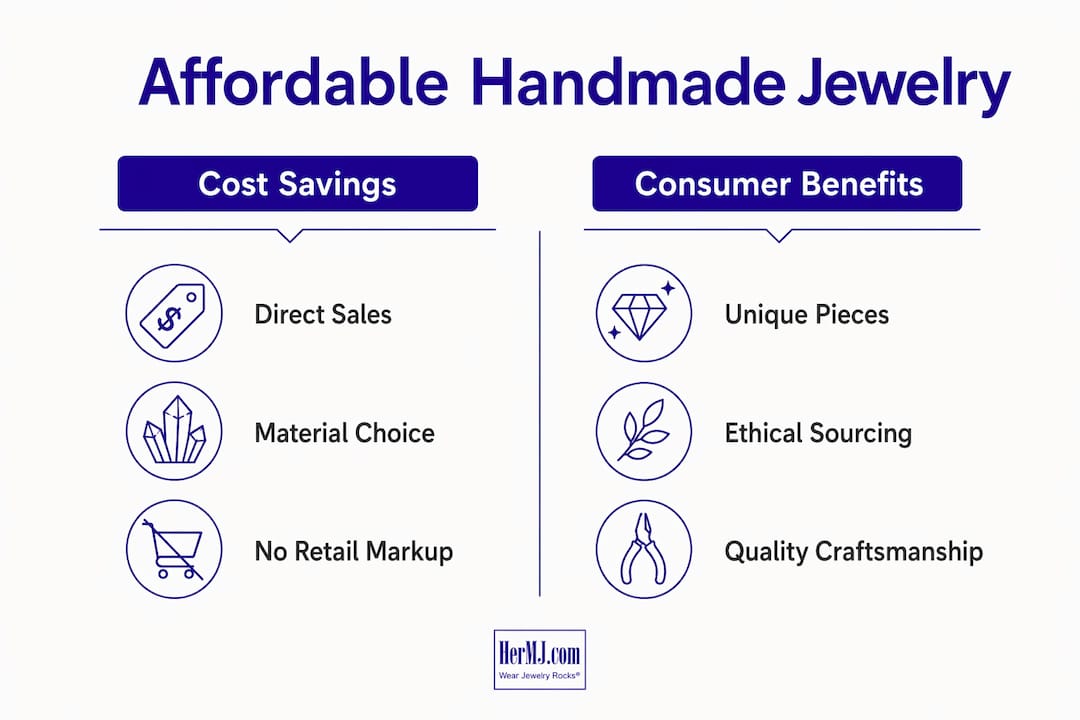
- Buying directly from artisans removes retail markups, making handmade jewelry more affordable and transparent.
- Materials like recycled or ethically sourced stones help artisans keep costs low while maintaining quality.
Affordable handmade jewelry is defined by one very important advantage: independent artisans sell directly to you, cutting out the retail middlemen who inflate prices at every step.
Most people assume handcrafted pieces carry a premium price tag simply because a human made them.
That assumption is wrong. When an artisan sells directly to consumers, retail markups disappear, and the savings pass straight to you. Understanding why handmade jewelry can be affordable changes how you shop, what you expect to pay, and what you get for your money.
Why handmade jewelry can be affordable: the direct-to-consumer advantage
The single biggest reason handmade jewelry stays affordable is the absence of a retail distribution chain. Mass-produced jewelry travels from factory to importer to wholesaler to retailer before it reaches you. Each step adds a markup. By the time a piece hits a department store shelf, its price may be three to five times the original production cost.
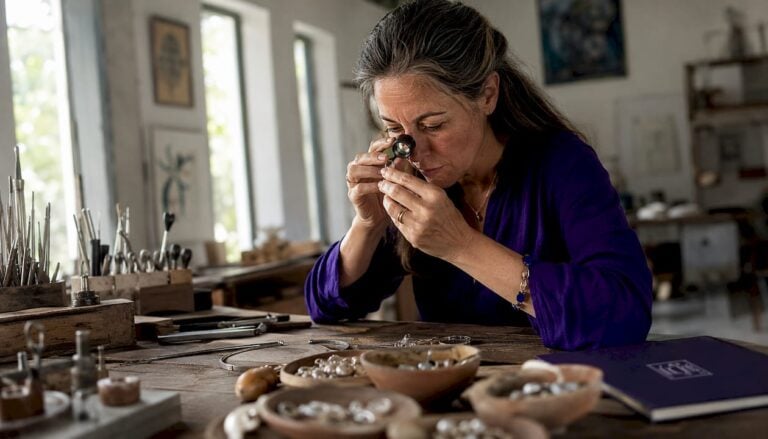
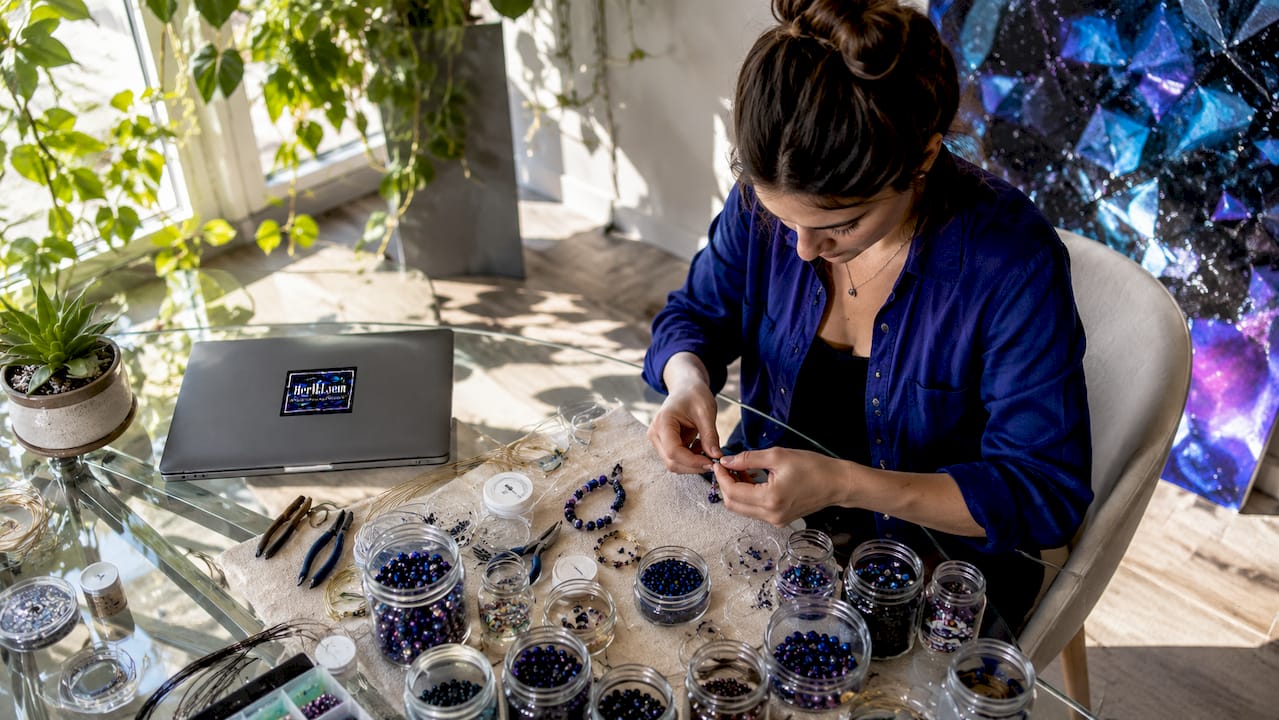
Independent artisans skip that entire chain. Direct-to-consumer sales let artisans set prices that reflect the actual cost of materials and labor, not the overhead of a retail empire. You pay for the craft, not the logistics.
The numbers back this up. Independent artisan collection prices range comfortably alongside mass-produced jewelry at chain stores, yet the handmade piece carries something the chain store version never will: the mark of a single maker’s hands.
- No wholesale margin: Artisans price for their own profit, not a retailer’s margin on top of a wholesaler’s margin.
- Lower overhead: A home studio or small workshop costs far less to run than a retail storefront.
- Flexible pricing: Artisans can offer seasonal discounts, bundle deals, or custom commissions without corporate approval.
- Faster price adjustments: When material costs drop, artisans can pass savings along immediately.
Pro Tip: When you shop directly from an artisan’s website or studio, ask whether they offer a first-order discount or a loyalty program. Many independent makers reward repeat customers with pricing that a retail store simply can’t match.
How material choices keep quality and cost in balance
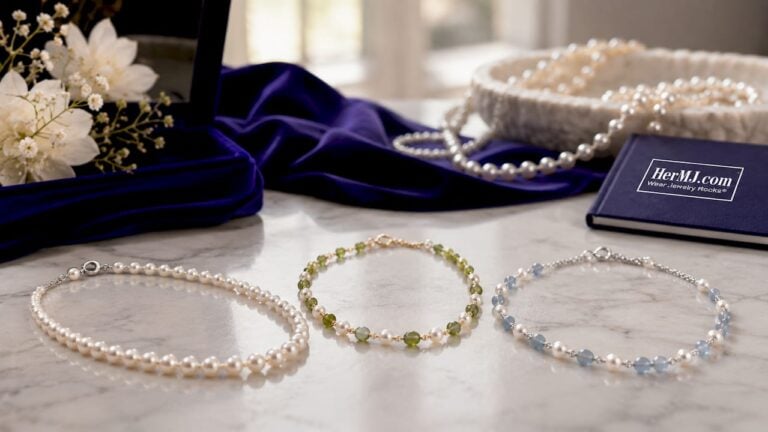
Artisans control their material costs in ways that large manufacturers cannot. Many choose recycled, upcycled, or ethically sourced materials to reduce expenses without cutting corners on quality. A strand of freshwater pearls, for example, costs a fraction of what a saltwater pearl strand commands, yet it carries genuine luster and organic beauty.
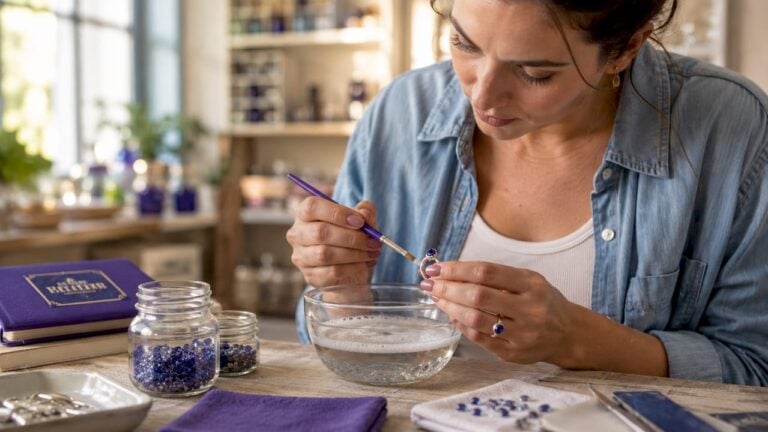
Skillful craftsmanship also reduces waste. A trained artisan cuts, shapes, and sets materials with precision, generating less scrap than an automated factory line. Less waste means lower material cost per finished piece.
Here’s how artisans typically manage the cost-to-quality balance:
- Source materials directly. Buying gemstones or pearls from suppliers rather than through distributors removes another markup layer.
- Work in small batches. Limited production runs reduce storage costs and prevent overproduction waste.
- Choose durable base metals. Sterling silver and gold-filled wire cost more upfront than plated brass, but they last years longer, making the price per wear far lower.
- Repurpose offcuts. Leftover wire, chain, or stone chips become smaller accent pieces, keeping material costs efficient across a full collection.
The result is jewelry that holds up over time. A well-made handcrafted bracelet doesn’t tarnish in three months the way a fast-fashion piece does. Durability is its own form of affordability.
Pro Tip: When evaluating artisan jewelry craftsmanship, check the clasp and the wire gauge. A sturdy lobster clasp and 20-gauge or heavier wire signal that the maker invested in materials built to last.
What consumer trends tell us about handmade jewelry pricing
Shoppers are changing what they value, and that shift directly supports affordable handmade jewelry. The meaningful consumption trend prioritizes personal connection and ethical values over disposable fashion. Consumers want pieces with a story, not a barcode.
This cultural shift benefits budget-conscious shoppers in a practical way. When demand for handmade pieces grows, more artisans enter the market. More artisans mean more competition, which gives you more options at every price point.
| Shopping approach | Mass-produced jewelry | Handmade artisan jewelry |
|---|---|---|
| Price transparency | Rarely disclosed | Often explained by the maker |
| Ethical sourcing | Inconsistent | Frequently prioritized |
| Uniqueness | Identical to thousands of others | One-of-a-kind or small batch |
| Durability | Variable, often low | Generally higher per price point |
| Personal connection | None | Direct relationship with maker |
Consumers increasingly seek handmade jewelry for quality, uniqueness, and ethical sourcing rather than price alone. That shift in motivation actually stabilizes pricing.
Artisans who attract loyal customers don’t need to race to the bottom on cost. They can maintain fair prices while delivering genuine value, which keeps the whole market healthier for buyers.
Supporting small artisan businesses also creates a feedback loop. When you buy directly from a maker, you fund their next collection, which often means better materials and refined techniques at the same price point.
How to find affordable handmade jewelry that fits your budget
Finding quality pieces at the right price takes a little strategy, but it’s not complicated. The artisan jewelry market is wide, and knowing where to look saves you both time and money.
Specific price points give you a useful starting framework. Artisan Dangle Earrings are available from $25.99, which puts handmade firmly within reach of everyday budgets.
Bracelets and simple necklaces from independent makers typically start in the $30-$60 range, depending on materials. Pieces featuring genuine gemstones or freshwater pearls sit higher but remain well below comparable retail jewelry.
Here’s what to look for when vetting an artisan and their pricing:
- Read the material’s description carefully. “Gold-filled” and “gold-plated” are not the same. Gold-filled has a thicker layer and lasts far longer.
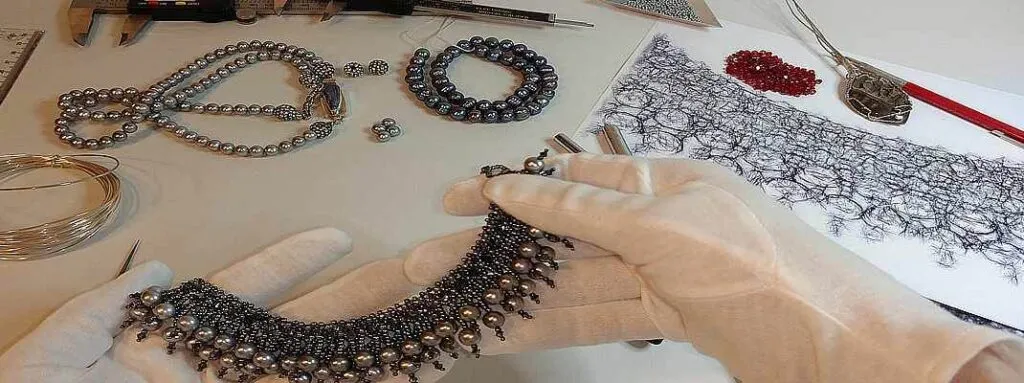
- Check for truly handcrafted pieces versus assembled components. Genuine handmade work shows slight variations that machines can’t replicate.
- Look at the artisan’s process photos or videos. Makers who show their work are confident in their craft.
- Ask about custom options. A custom piece from a small-batch artisan often costs the same as a ready-made piece from a boutique because the artisan controls the entire process.
- Factor in shipping. Some artisans offer free domestic shipping, which significantly changes the true cost comparison.
Gifting is another area where affordable handmade jewelry shines. A handcrafted piece at $40 carries more perceived value than a mass-produced piece at the same price, because the recipient can feel the intention behind it.
If you want to learn more about gemstone jewelry that looks expensive without the price tag, the options are broader than most shoppers realize.
Key takeaways
Handmade jewelry is affordable because direct sales by artisans eliminate retail markups, ethical material choices reduce production costs, and growing consumer demand keeps the market competitive and accessible.
| Point | Details |
|---|---|
| Direct sales cut costs | Artisans who sell directly to consumers remove retail and wholesale markups entirely. |
| Materials are chosen wisely | Recycled, ethically sourced, and carefully selected materials keep quality high without inflating price. |
| Small batches preserve value | Limited production runs reduce waste and overhead, keeping individual piece prices reasonable. |
| Consumer demand drives options | Growing interest in meaningful purchases expands the artisan market and creates more affordable choices. |
| Vetting artisans protects your budget | Checking materials, craftsmanship, and shipping costs helps you find genuine value at every price point. |
What I’ve learned about the real cost of handmade jewelry
I’ve watched shoppers walk past beautiful handmade pieces because they assumed the price would be out of reach. Then they’d buy a mass-produced necklace for the same amount and wonder why it looked dull after a season.
That pattern frustrates me because the misconception is so easy to correct.
The truth is that most people confuse “handmade” with “expensive” because they’ve only encountered handmade jewelry in boutique retail settings, where the store’s rent and staffing costs are baked into every price tag. When you buy directly from the maker, that overhead vanishes. What remains is the actual cost of beautiful materials and skilled hands.
I also think there’s something worth saying about the ethics of the choice. When you buy a $30 handmade bracelet from an independent artisan, that money goes to a real person who chose their craft deliberately.
When you buy a $30 bracelet from a fast-fashion chain, the economics of that transaction are far murkier. The purpose jewelry serves goes beyond decoration. It carries the values of the person who made it and the person who wears it.
My advice: set a budget, then spend twenty minutes browsing independent artisan shops before you default to a retail chain. You’ll find pieces that are more beautiful, more durable, and more meaningful at prices that won’t surprise you.
— Veronique
HerMJ’s handmade jewelry: quality you can actually afford
HerMJ crafts artisan jewelry from genuine freshwater pearls and natural gemstones and sells directly to you with no retail markup. Every piece reflects the kind of careful material selection and skilled handwork that make jewelry worth keeping.
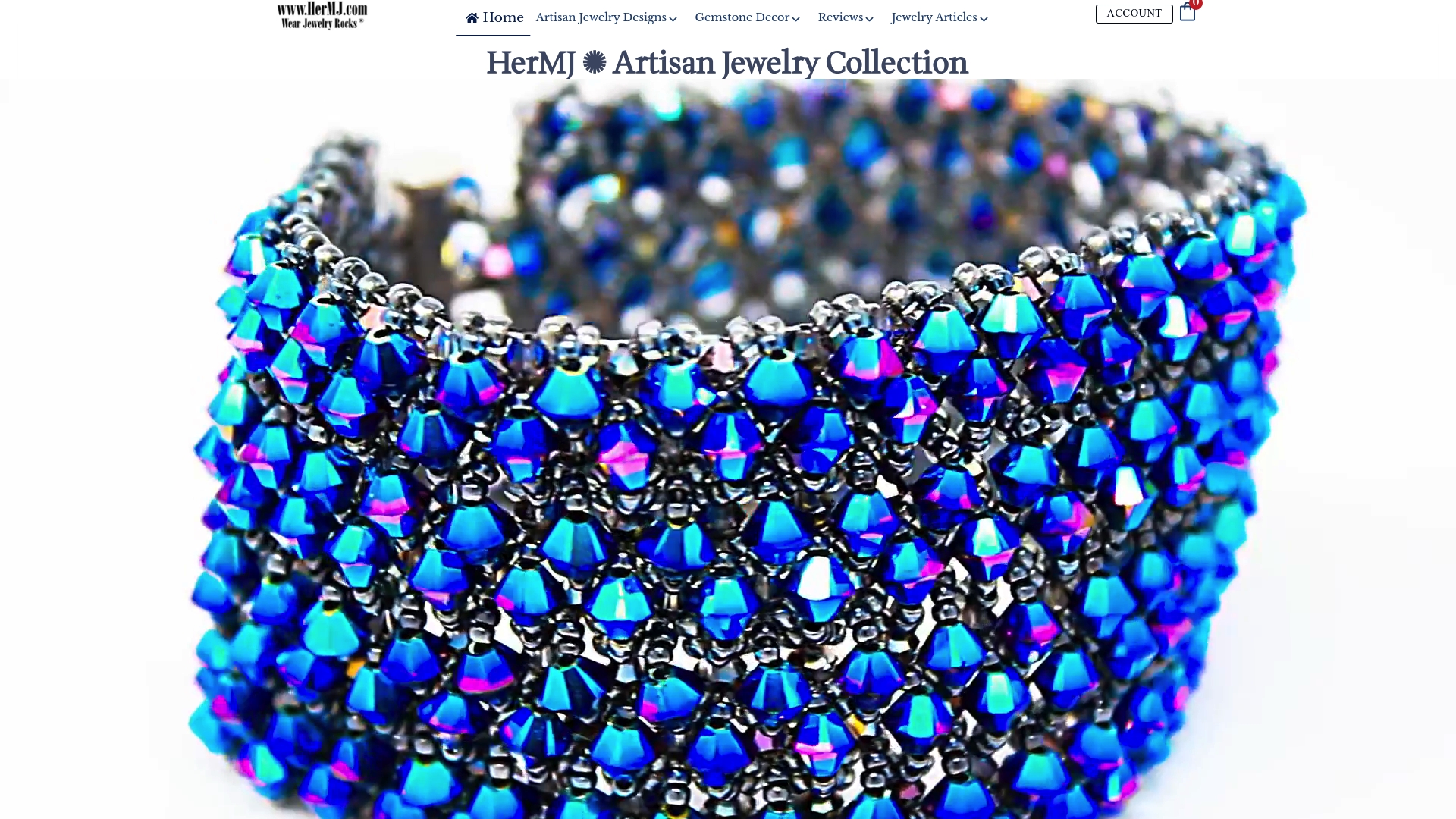
The Elegant Freshwater Pearl Necklace is a strong starting point if you want to see what genuine pearl craftsmanship looks like at an accessible price. HerMJ also offers a Faceted Garnet Gemstone Necklace and a Strawberry Quartz Gemstone Bracelet for shoppers who love color and natural stone. US orders ship free with no minimum. International orders ship free at $150 or more, and orders below that threshold ship via USPS at the customer’s cost.
FAQ
Why is handmade jewelry sometimes cheaper than store-bought?
Handmade jewelry sold directly by artisans skips the retail and wholesale chain, removing multiple layers of markup. That direct model lets artisans offer competitive prices even on high-quality, handcrafted pieces.
Is handmade jewelry good quality?
Handmade jewelry is generally more durable than mass-produced alternatives at the same price point. Artisans select materials carefully and construct each piece by hand, which produces fewer weak points than automated manufacturing.
What’s a reasonable price for affordable handmade jewelry?
Artisan earrings start around $25.99, and bracelets or simple necklaces typically range from $30 to $60 depending on materials. Pieces using genuine gemstones or freshwater pearls sit higher but still offer strong value compared to retail jewelry.
How do I know if handmade jewelry is truly handcrafted?
Look for slight natural variations in the piece, detailed process photos from the maker, and clear material descriptions. Genuine handmade work shows the subtle marks of human hands that machine production can’t replicate.
Does buying handmade jewelry support ethical practices?
Most independent artisans prioritize recycled, upcycled, or ethically sourced materials, and the direct-sale model means your money goes directly to the maker. That combination makes handmade jewelry one of the more ethical purchasing choices in the jewelry market.
Recommended
- Affordable Gemstone Jewelry Types That Look Expensive
- Handmade Jewelry And Its Unique Benefits ✺ HerMJ
- Handcrafted Jewelry Making Techniques for DIY Creators