


Once And For All, Is It Jewelry or Jewellery?
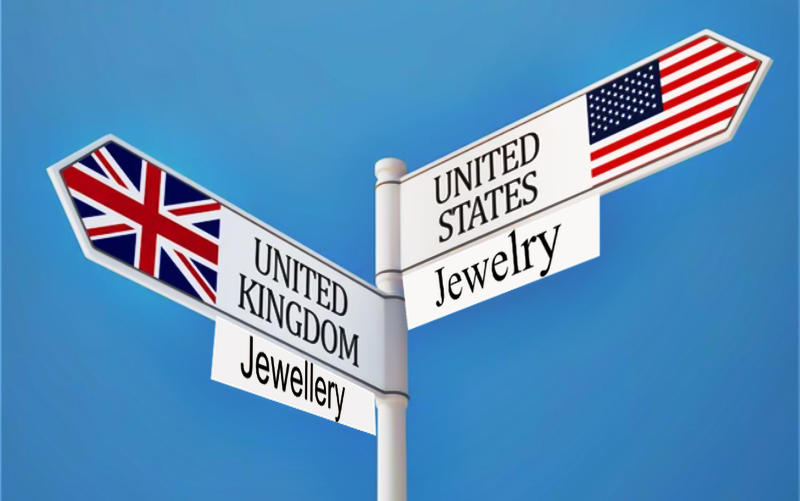
To those of us in the United States who rely on the correct American spelling of the word, it is so official that any other spelling appears to be wrong, a simple typo we easily dismiss or gloss over.
For those of us primarily in the United Kingdom, only the preferred European spelling of the familiar word is the correct one, and should always be jewellery.
Some of us may find it surprising to discover that there is no difference between the two words’ meanings (or verbal pronunciation).
Although the European and American English spellings make the terms visually dissimilar, upon closer examination, we soon discover that the journey leading to each word is as distinct as the millions of people who read and write them.
The Renaissance of Jewelry/Jewellery
The late 14th century marked the final stage of the medieval period. Most notable during this time in history was the Black Death, known as the bubonic plague, which caused the death of more than half of Europe’s population.
Remarkably, it took over two hundred years for society to return to its pre-pandemic numbers.
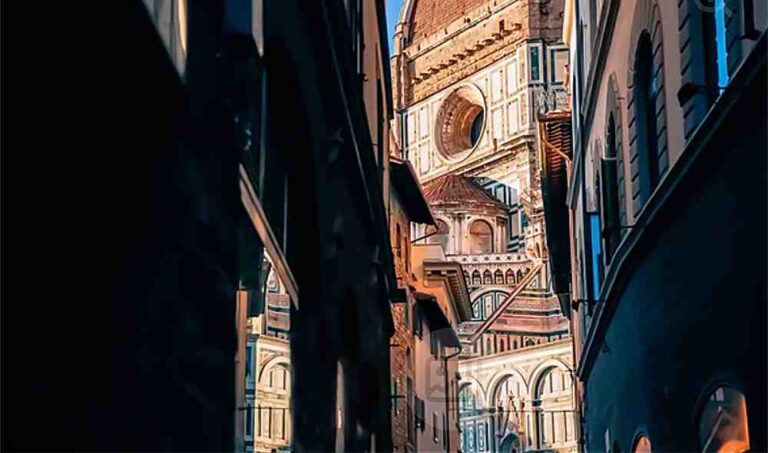
Following this period came the Renaissance, which literally means “rebirth.” It was the emergence of incredible creativity and the growth of culture, including painting, sculpture, and decorative arts, that expanded across Europe with its new artistic sensibilities.
Arguably, it was one of the most important periods of innovation. The designers of the era took inspiration from 16th-century Greek artifacts to create stunning masterpieces.
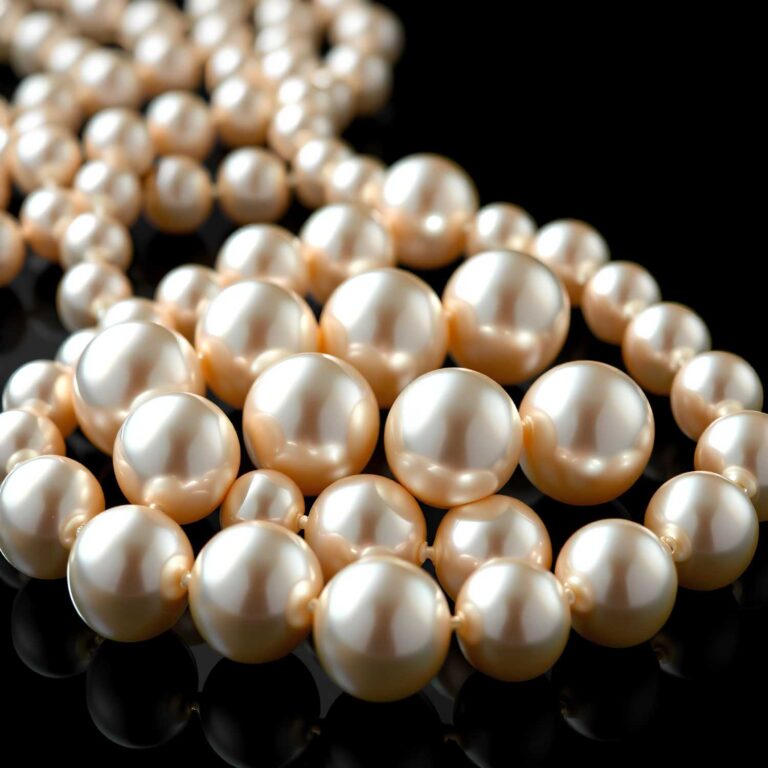
The designs incorporated religion and Greek mythology into the intricate craftwork. Shimmering pearls, precious metals, and radiant gemstones took a prominent place in the crafting of necklaces and rings.
True then, as it is now, we continue into our modern age, establishing our jewelry treasures — or jewellery — as adornments, symbolically enhancing our wealth, influence, and beauty.
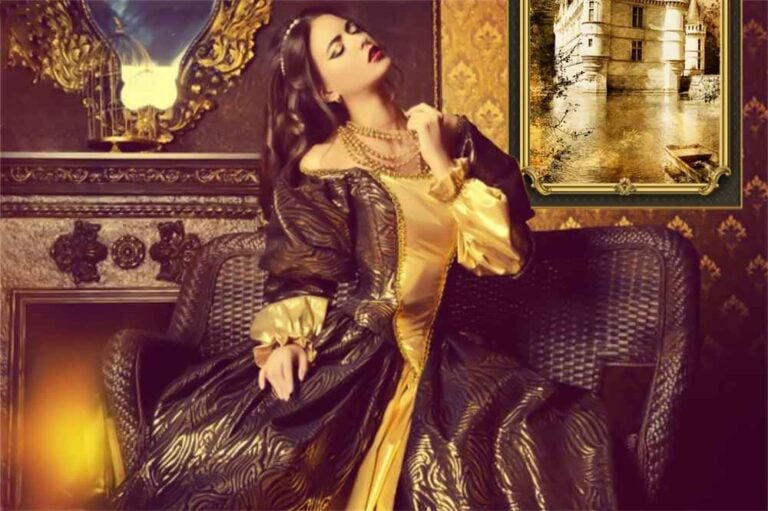
Great craftsmanship was as applauded as the items produced by the craft workers themselves, recognized for their mastery of the techniques and great skill used to create the coveted pieces.
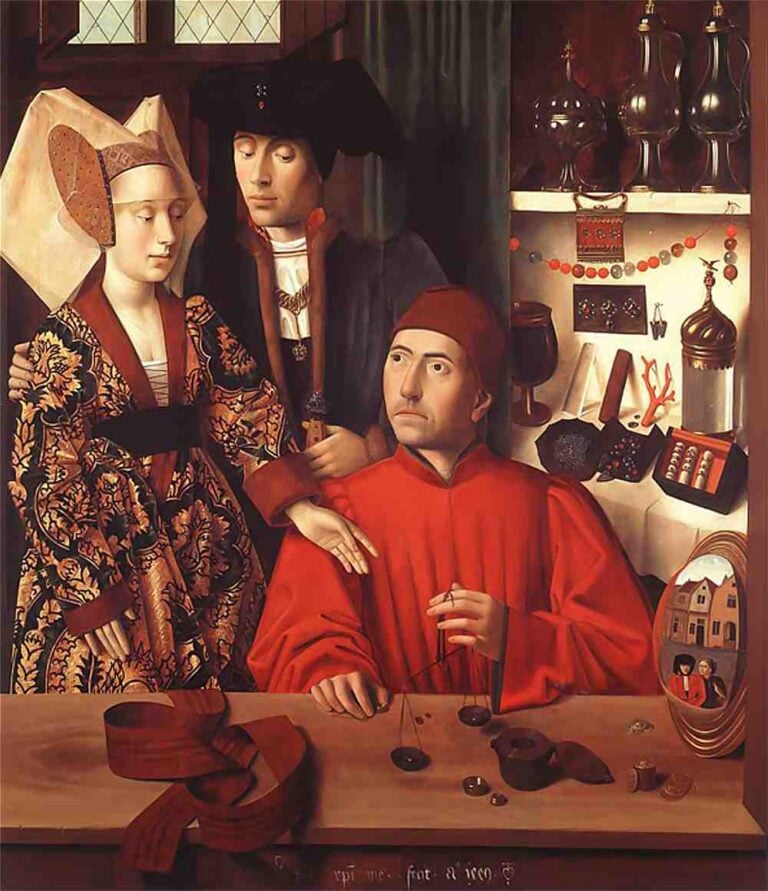
Consequently, the word “jewelry” from the old French origin, “juelerye,” meaning “precious ornaments,” perfectly captured the essence of the time, reflecting the period and the beautiful creations it gave birth to.
This stands on a foundation established even earlier, expressed in the 13th-century origin via the recognizable term “jewel,” representing the Anglo-French word described as an “article of value used for adornment.”
But What About That Double ‘L’?

How To Spell Jewellery (…or Jewelry)
The English translation, meaning Jeweler, taken from the French word joaillier, with its double ‘L’ spelling, illustrates the Latin and French influence on the European Language.
The double ‘L’ found in many words shows that the deep-rooted history of British English is at play in the word. In fact, the English rules of grammar inform us that a vowel must follow a double letter. This is the reason for the United Kingdom’s requirement that places an ‘E’ following the two ‘L’ Letters in the word jewellery.
We know that Iconic American lexicographer Noah Webster, famous for his work as a writer and editor of the Webster’s Dictionary, most certainly did not create the English spelling appearing in his famed 19th-century publication. We can, however, credit him with popularizing the term ‘jewelry’ so thoroughly that it has become an established part of the lives of American jewelry designers and shoppers alike.
People within the United States, Japan, and Korea rely on the preferred spelling of the Americanized version of “jewelry.” For the UK, Australia, India, Norway, and South Africa, the British English term “jewellery” is the preferred version, with Canada honoring its French and Anglo affiliations by using both versions interchangeably.
So, at last, this ultimate word on “jewelry or jewellery” answers the question:
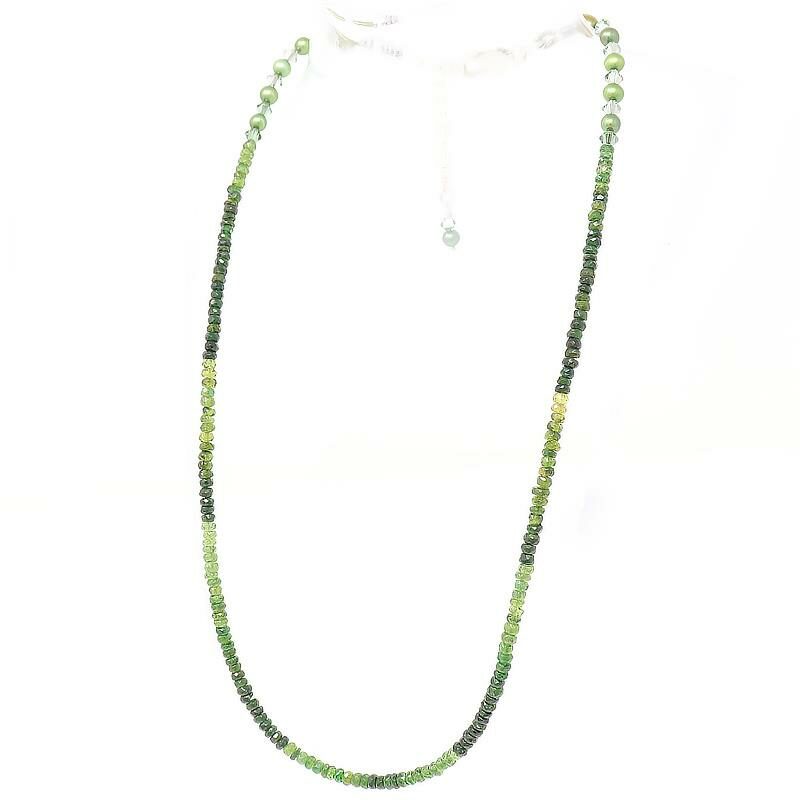
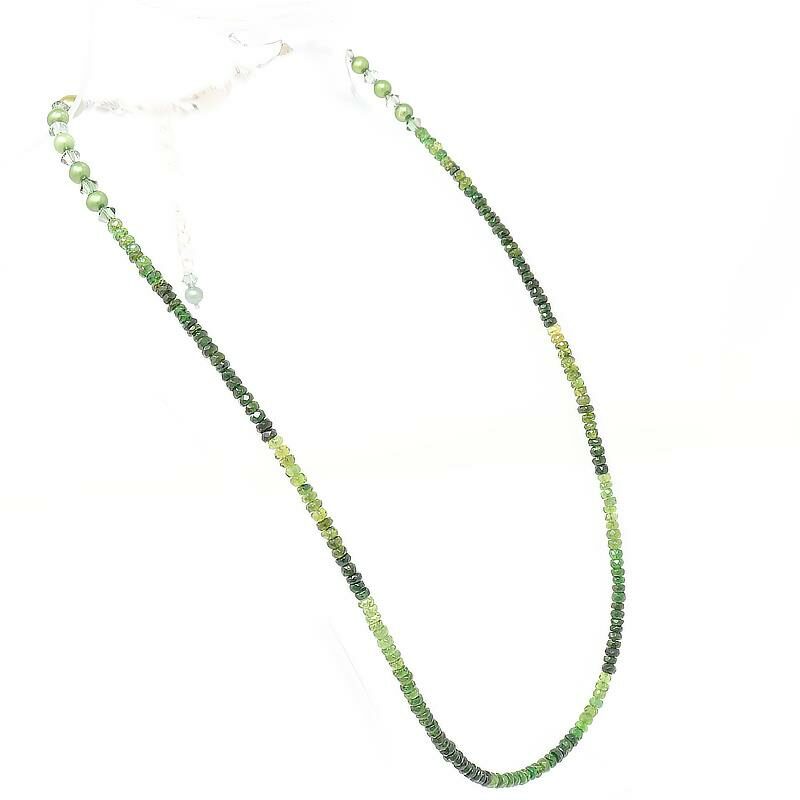
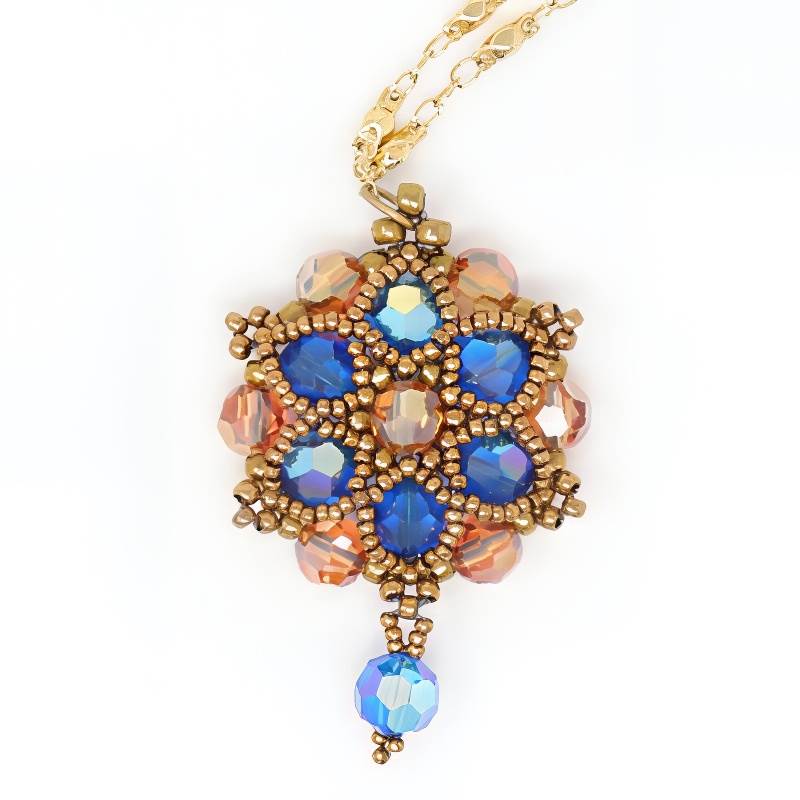
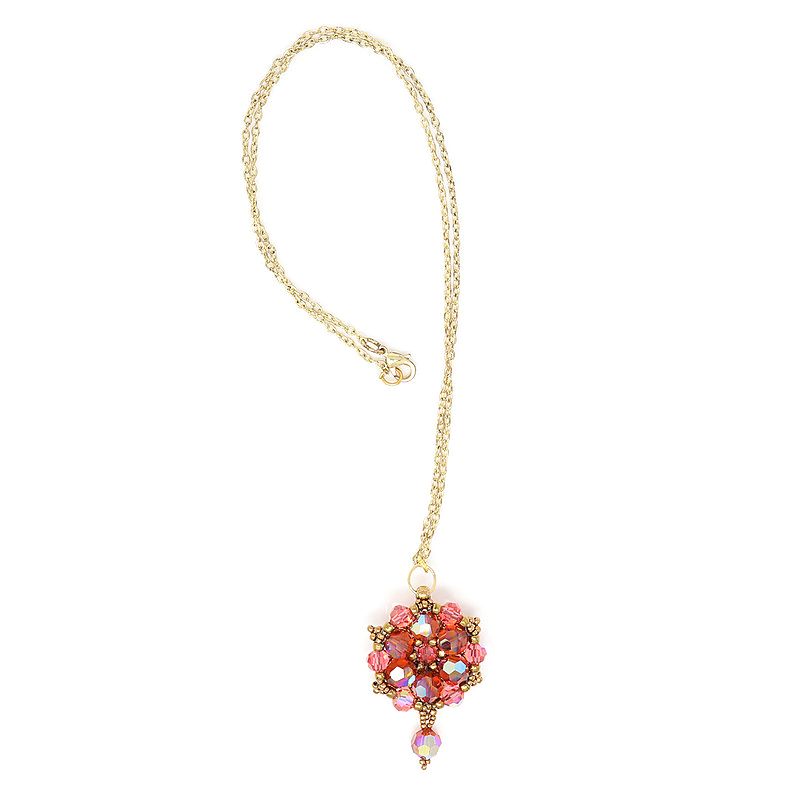
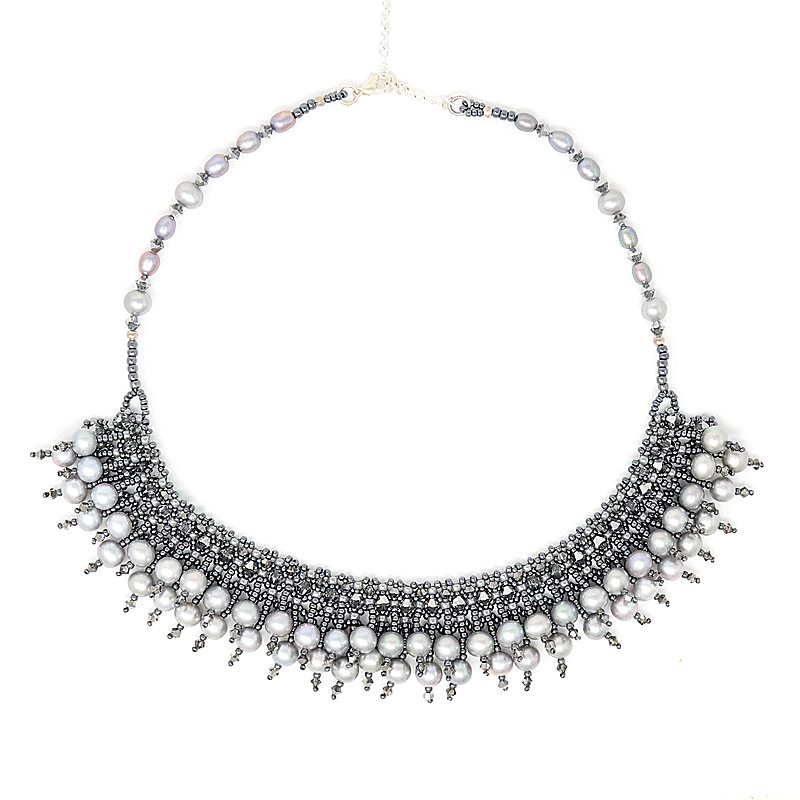
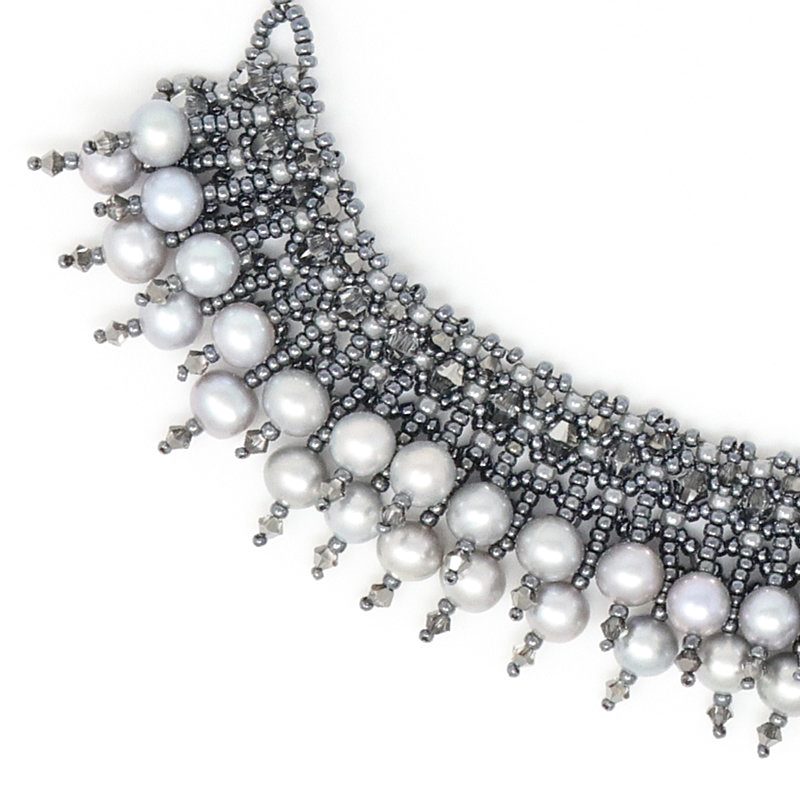
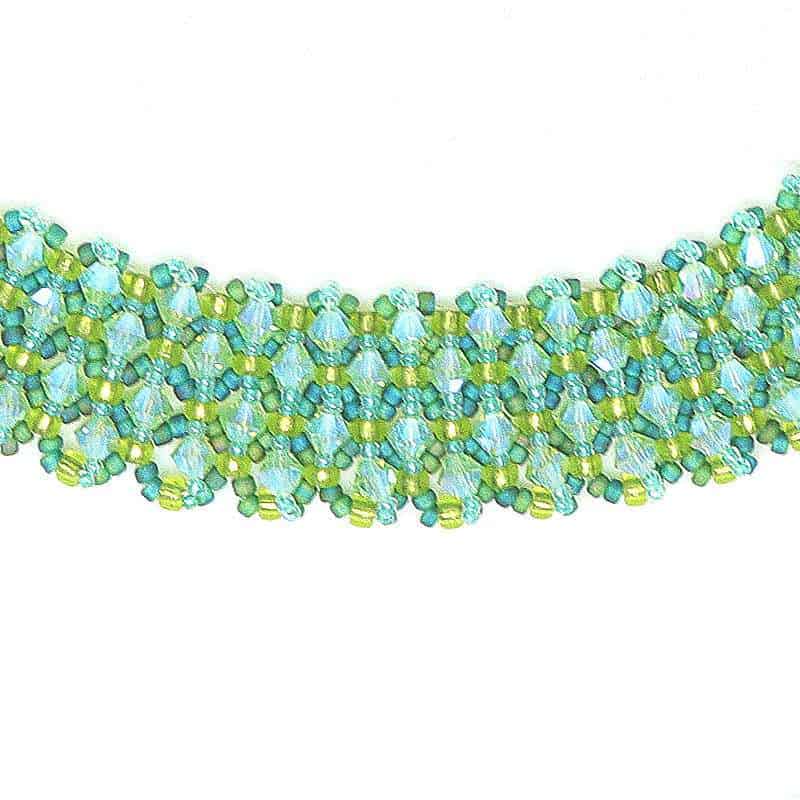
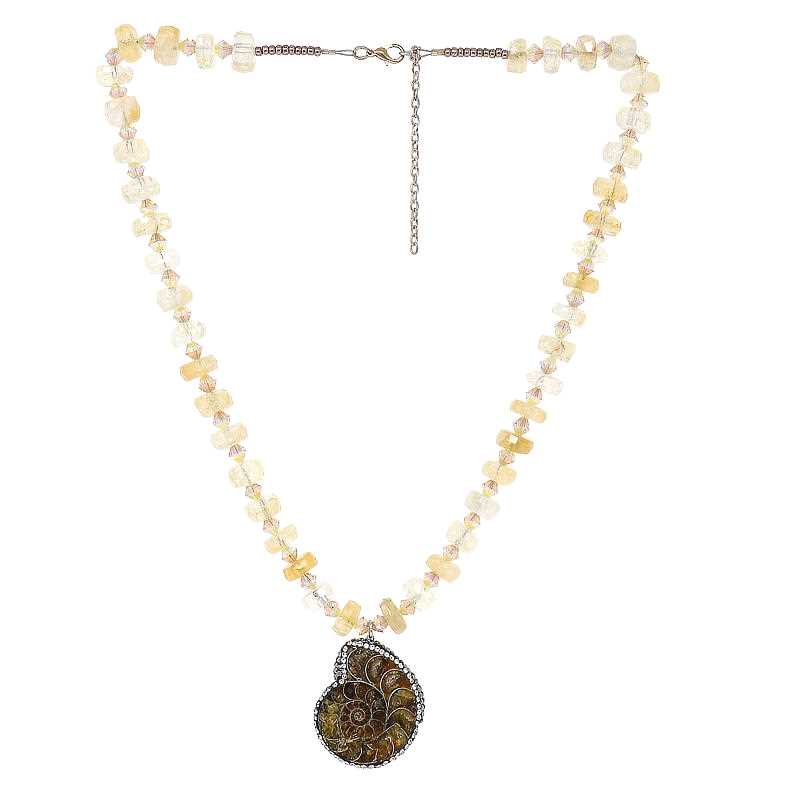
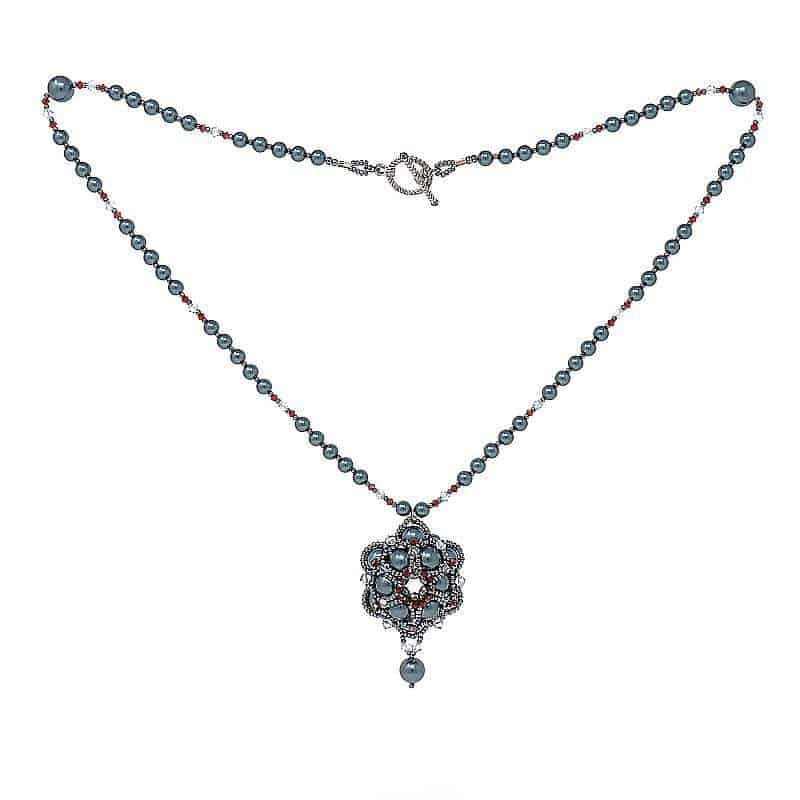
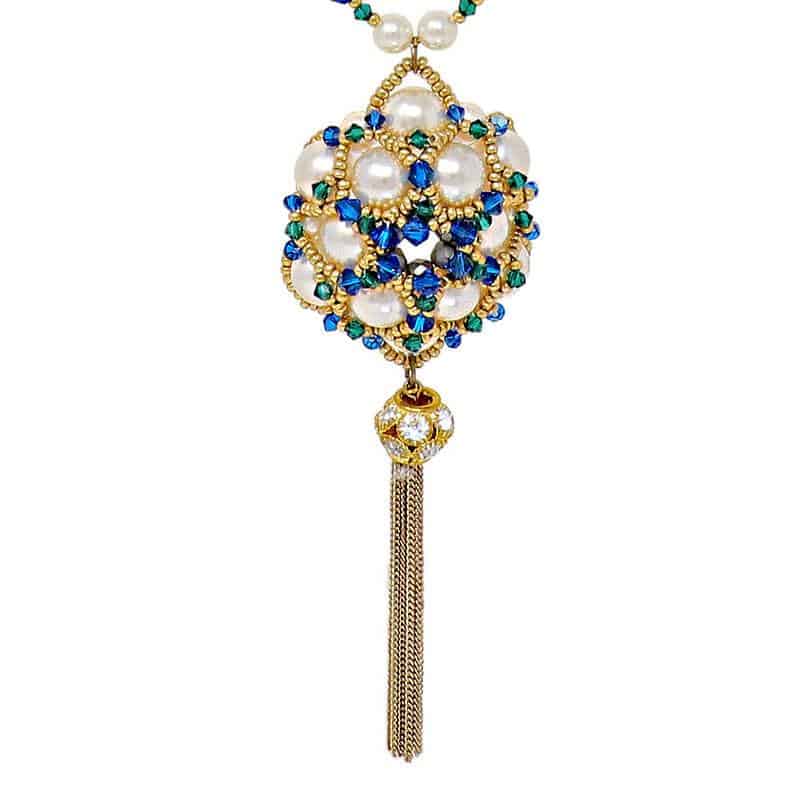
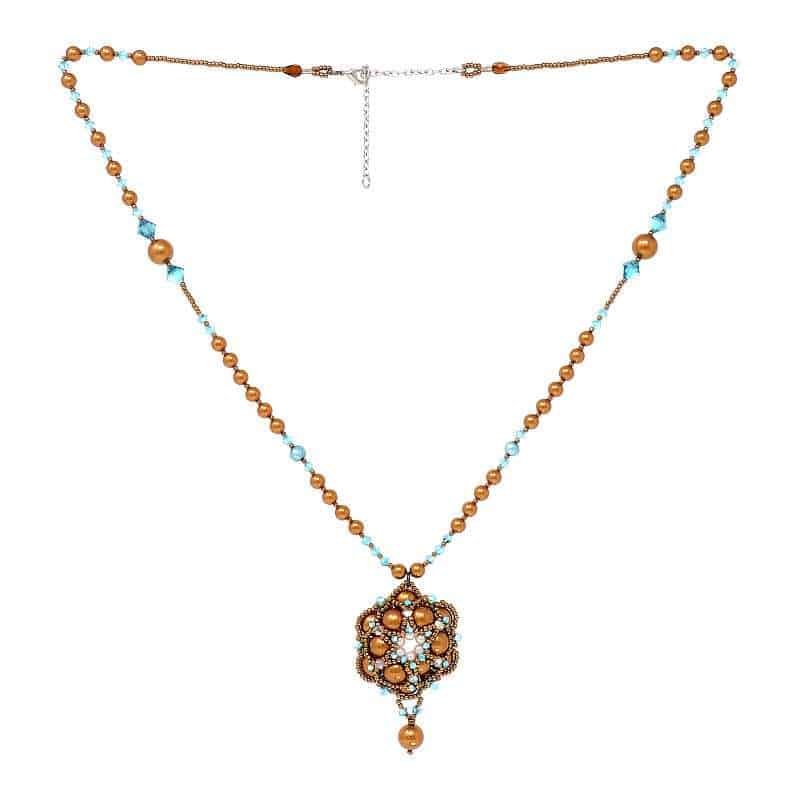
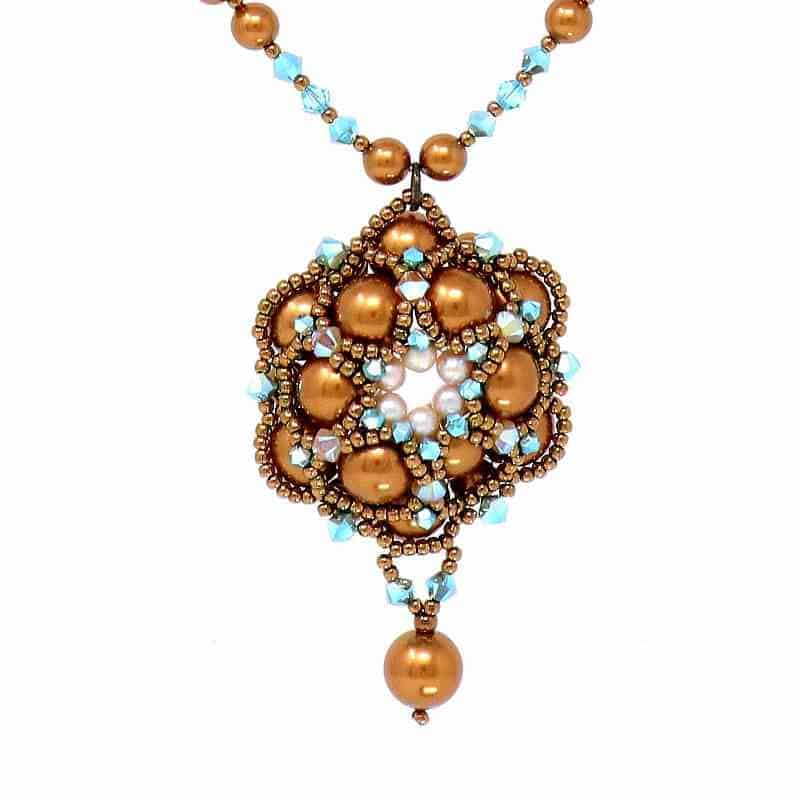
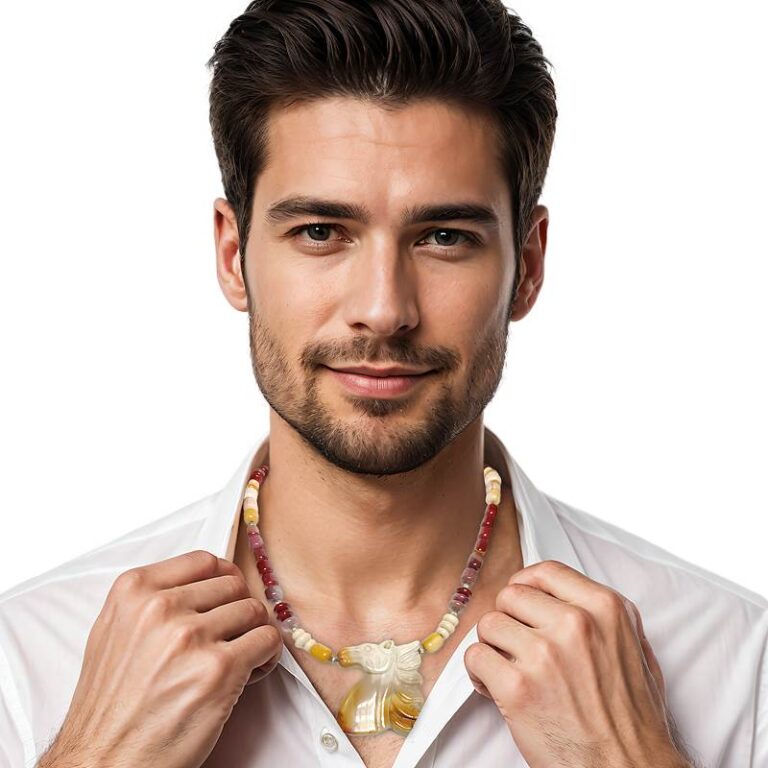
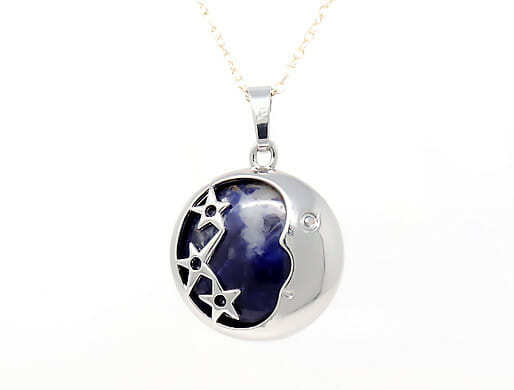
Here are some beautiful examples of handcrafted jewelry (or jewellery, if you prefer)
-

-
-
-
-
Ayres Crystal Necklace$88.00
-
Siam Crimson Crystal Necklace$269.00
-
-
Pearl Diver Necklace$149.00
-
 Rose Crystal Dragon Necklace$45.00
 -
Peridot Crystal Necklace$269.00
-
Citrine Ammonite Necklace$325.00
-
Labradorite Blaze Necklace$115.00
-
-
-