


6 Step Pearl Necklace Styles Checklist for Smart Shoppers
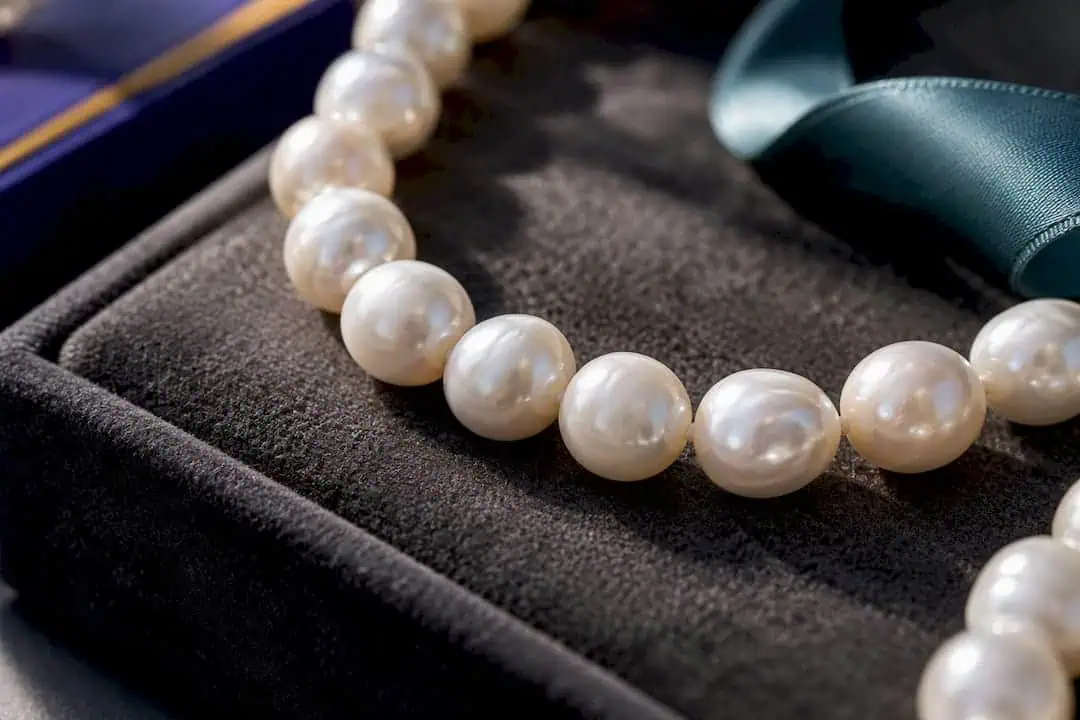
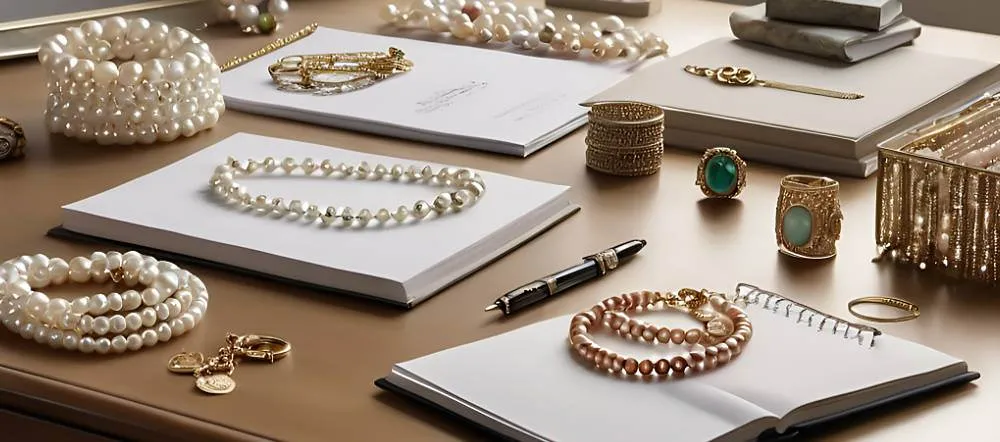
The pearl necklace styles you’ll meet carry names created centuries ago: choker, princess, matinee, opera, rope, collar, station, lariat, and multi-strand, plus the organic, irregular baroque look.
Each has a different length, changes how it drapes, and is highlighted for a different occasion. This guide walks through what each style looks like, how length affects fit, which pearl type shapes the mood, a buying checklist, and how to keep pearls wearable for decades.
The Edit
- The most common pearl necklace styles are defined by their length, with the princess length at 17-19 inches being the most versatile for daily wear.
- Larger pearls like South Sea or Tahitian tend to feel heavier and may be less comfortable for petite frames, making size an important consideration.
- Luster is more critical than size when choosing pearls, as a small, high-luster pearl can appear more refined than a larger, dull one.
- Regularly wearing and storing pearls properly, including wiping them after use and avoiding harsh chemicals, can extend their glow and lifespan.
- Combining pearls with other jewelry and casual fabrics helps modernize their look, with layering and mixed metals being popular styling techniques.
Pearl Necklace Styles Explained: Choker to Baroque
Every named style below is really a length and construction choice dressed up with a decorative label. Learning the vocabulary helps you shop with precision instead of guessing.
- Choker sits snug at the base of the neck, usually a short length, and reads as bold and architectural against a bare neckline or collared shirt.
- Collar is similar but often multi-strand and fitted even closer, historically a favorite for high-necked Victorian dresses.
- Princess falls just below the collarbone at a medium length, and is the most versatile everyday length.
- Matinee drops to a length landing at or above the bust, a classic office-to-evening length.
- Opera stretches to a longer length and can be worn long, doubled, or knotted, giving it real range for layering.
- Rope is a very long length and long enough to loop multiple times, making it a favorite for dramatic, sculptural styling.
- Lariat has no clasp at all. It’s a single continuous strand you tie, knot, or loop, borrowed from Western tack and now a modern staple.
- Station (sometimes called tin cup) spaces individual pearls along a fine chain, giving negative space a starring role.
- Pendant hangs one or a few pearls from a chain, offering minimalist styling with maximum flexibility.
- Graduated strands step up in size toward the center, a design trick that flatters the collarbone and adds visual depth.
- Multi-strand twists two or more strands together, often mixing lengths for a fuller, more textured silhouette.
- Baroque describes irregular, non-round pearls used in any of the above constructions, prized for an organic, almost sculptural quality.
Classic pearl necklace styles like the princess and matinee are uniform, round pearls in traditional white or cream.
Modern pearl necklace designs lean harder into baroque shapes, colored pearls, and mixed materials like gemstone accents.
Vintage pearl necklace styles, especially collars and multi-strand chokers, echo the silhouettes women wore from the 1920s through the 1960s, when a well-matched strand signaled status as much as taste.
Necklace Lengths and Where They Actually Fall on Your Body
Length is the single biggest factor in how a necklace reads, and it’s the first decision you should make before worrying about pearl type or price.
A strand that sits perfectly on a friend’s frame may look completely different on yours, because your torso length and neckline shape both change the drape.
| Length range | Common name | Where it falls | Best paired with |
|---|---|---|---|
| 16 inches | Choker/collar | Base of neck | Crew necks, off-shoulder tops, collared shirts |
| 17″–19″ | Princess | Collarbone | V-necks, button-downs, daily wear |
| 20″–24″ | Matinee | At or above bust | Blazers, sweaters, business attire |
| 24 inches | Opera (short) | Below bust | Cocktail dresses, layering base |
| — | Opera (long) | Sternum/waist | Evening gowns, doubled for a choker effect |
| — | Rope | Waist or lower | Wrapped multiple times, statement styling |
Weight matters just as much as length. A heavier multi-strand piece can feel substantial on a petite frame, while a fine single strand of small pearls may look underwhelming on a broader neckline.
The best way to check fit before buying is to measure an existing necklace or a length of ribbon against a mirror, then compare that number to the chart above.
When you’re shopping online, gage the strand at the clasp and consider how it drapes. It should sit naturally; that simple test reveals whether the proportions will actually work for you.
How Pearl Type Changes the Whole Look
The four major cultured pearl types used in necklaces are Akoya, freshwater, Tahitian, and South Sea, and each pulls a necklace’s personality in a different direction.
- Akoya pearls are small to mid-sized, typically bright white with sharp, mirror-like luster, and are the traditional choice for classic single-strand princess necklaces.
- Freshwater pearls come in a wider range of shapes, including baroque, and offer excellent value with soft, warm luster, making them the most versatile for both classic and modern pearl necklace designs.
- Tahitian pearls range from silver to peacock green to near black, giving multi-strand and station pieces a moodier, more dramatic edge.
- South Sea pearls are the largest cultured pearls available, prized for a thick, satiny glow that makes even a simple single strand feel substantial.
- Baroque pearls, whether freshwater or Tahitian, bring irregular shapes that photograph beautifully in rope and lariat styles where movement matters more than symmetry.
Larger pearls can dominate a petite frame or feel heavy, while high-luster smaller pearls often read as more refined and easier to wear daily, a point GIA’s quality guidance backs up directly.
My advice: settle on luster and matching before you fixate on size. A smaller pearl with brilliant, mirror-like reflection will always outshine a larger one with a chalky, flat surface.
How to Choose a Pearl Necklace: A Step-by-Step Checklist
Buying pearls in the wrong order is how people end up with a necklace that photographs beautifully online and disappoints in person. GIA’s buyer’s guide recommends working through these decisions in sequence, and I’ve never found a better shortcut.
- Pick your length first. Everything else is easier to evaluate once you know whether you’re shopping for a choker or a rope.
- Choose pearl type and color that fits the occasion, whether that’s crisp Akoya white for office wear or moody Tahitian tones for evening.
- Compare luster and surface quality side by side. GIA names seven value factors: size, shape, color, luster, surface quality, nacre quality, and matching, and luster is the one that does the most visual heavy lifting.
- Check matching on multi-pearl pieces. Hold the strand at the clasp and let it hang; consistent luster and color will read as one cohesive line, while mismatches show up immediately.
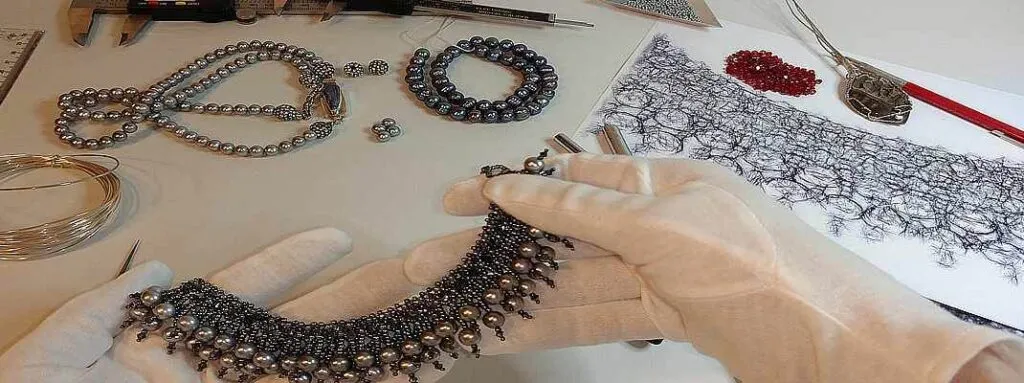
- Inspect construction. Look at how each pearl is knotted, how the drill holes align, and whether the clasp proportion suits the strand’s weight.
Ask about nacre quality specifically. A 2025 update to nacre classification from GIA now describes a five-level scale from Excellent to Poor, and thin or patchy nacre is the top reason a strand loses its glow early.
Pro Tip: When two strands are similarly priced, choose the one with better luster over the one with bigger pearls. Luster is what makes a necklace look alive; size alone rarely does.
Caring for Pearls So They Keep Their Glow
Pearls are organic gems, soft compared to nearly everything else in your jewelry box. They score only about 2.5 on the Mohs scale, and GIA’s care guidance is blunt about what damages them: perfume, hairspray, cosmetics, acids, perspiration, heat, and chlorine all attack that delicate nacre coating over time.
- Put pearls on last, after perfume and hairspray have settled, and take them off first when you undress.
- Wipe each strand with a very soft cloth after wearing to remove oils and residue.
- Never use ultrasonic or steam cleaners. A little care goes further than any gadget.
- Store pearls in a soft pouch, away from airtight plastic bags that trap moisture.
- If a strand breaks, a knotted design usually lets only one pearl fall loose instead of scattering the whole necklace, which is why knotting matters more than most buyers realize.
Silk stringing can stretch or darken with frequent wear, so plan on restringing a well-loved strand every couple of years.
Meet the Voice Behind This Guide
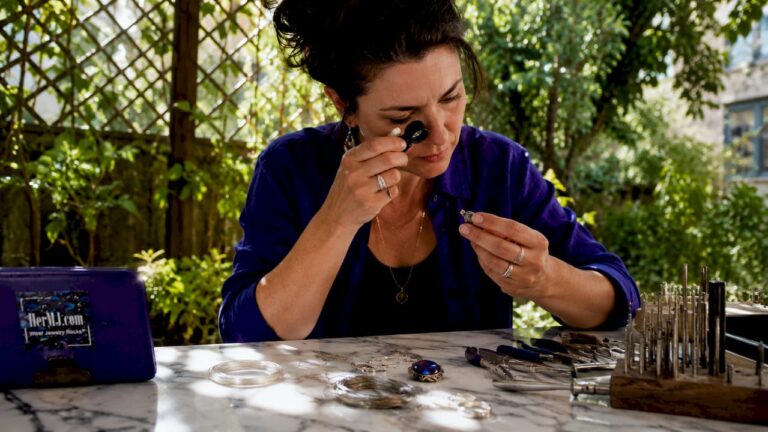
I’m Veronique, and I write HerMJ’s jewelry guides, including pieces on pearl earring proportions and why pearls elevate a simple outfit. Handcrafting freshwater strands, the company checks nacre and matching before shipping any piece. We build necklaces meant to be worn, not just admired.
Why Pearl Necklaces Have Carried Meaning for Centuries
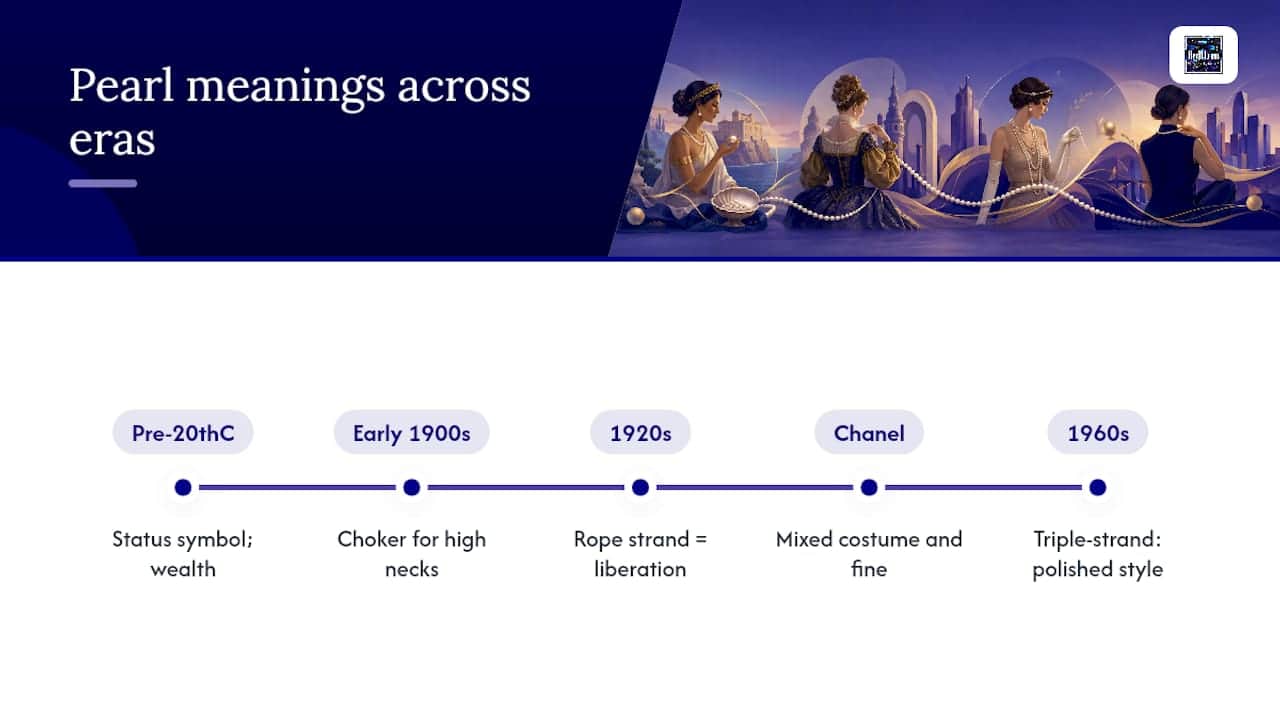
A pearl necklace has rarely been used for decoration. Long before cultured pearls made them affordable, natural pearls were so rare that a single strand could represent a fortune, which is why royal portraits from the Tudor court through the Qing dynasty show rulers layered in them as a visual shorthand for wealth and divine favor.
The choker gained its modern meaning almost by accident.
Fashion historians often credit the style’s early twentieth-century popularity to a need for high, structured necklines rather than pure aesthetics, and it stuck because it photographed beautifully against the era’s low-cut evening gowns.
The flapper era flipped the length entirely, making the long rope strand a symbol of liberation. Women swung ropes of pearls while dancing, a visual rebellion against the restrictive necklines their mothers wore.
Coco Chanel changed the cultural meaning again by mixing costume pearls with fine jewelry and everyday tweed, deliberately blurring the line between “precious” and “playful.”
That single choice is why multi-strand and baroque styles feel modern today instead of stuffy.
Jackie Kennedy’s triple-strand princess necklace did something similar for American style in the 1960s, turning a classic length into shorthand for polished, understated elegance that still shows up on red carpets now.
Understanding this history helps explain why certain lengths feel formal and others feel casual. It’s decades of cultural signaling baked into a few inches of silk and pearl.
Mixing Pearls With Other Jewelry and Fashion Pieces
Pearls don’t have to stand alone, and treating them as too precious to mix is one of the biggest styling mistakes shoppers make. A single strand looks more current the moment you break the “matching set” rule.
Layering is the most popular modern technique, and it works because contrast does the heavy lifting.
Pair a choker-length strand with a longer pendant style, or add a delicate gold chain between two pearl layers to create visual breathing room.
My guide to layering pearl necklaces covers spacing in more depth, but the short version is this: vary the lengths by at least two to three inches so each layer stays visible instead of collapsing into a single mass.
Mixing metals is no longer a faux pas.
A pearl strand on a gold chain sits comfortably next to silver hoops or a mixed-metal cuff, and designers increasingly build necklaces that combine pearls with colored gemstones like aquamarine or peridot for exactly this reason, adding an energetic jolt of color without losing the pearl’s softness.
Designers sometimes mix colors and shapes intentionally, and that deliberate contrast is a stylistic choice not to be mistaken as an accident or flaw.
When it comes to fabric, pearls read as more modern against textured knits and denim than against the formal silk they’re traditionally paired with.
And construction matters here, too.
Check the clasp and stringing design before wrapping an opera or rope strand into a makeshift multi-strand look, since not every clasp is built to be doubled safely.
What I Reach for and Why
For everyday wear, I choose a princess-length freshwater strand every time. It sits at the collarbone without fighting a shirt collar. For anything formal, an opera or rope length earns its keep because it can be doubled or worn long. Either way, I check knots and clasp before scale or luster ever enters the conversation.
— Veronique
Find Your Style in HerMJ’s Freshwater Pearl Collection
HerMJ builds each necklace by hand, which means you get the construction quality this guide just walked you through, not a mass-produced strand with unlisted nacre and a generic clasp. Every piece reflects craftsmanship without traditional markups.
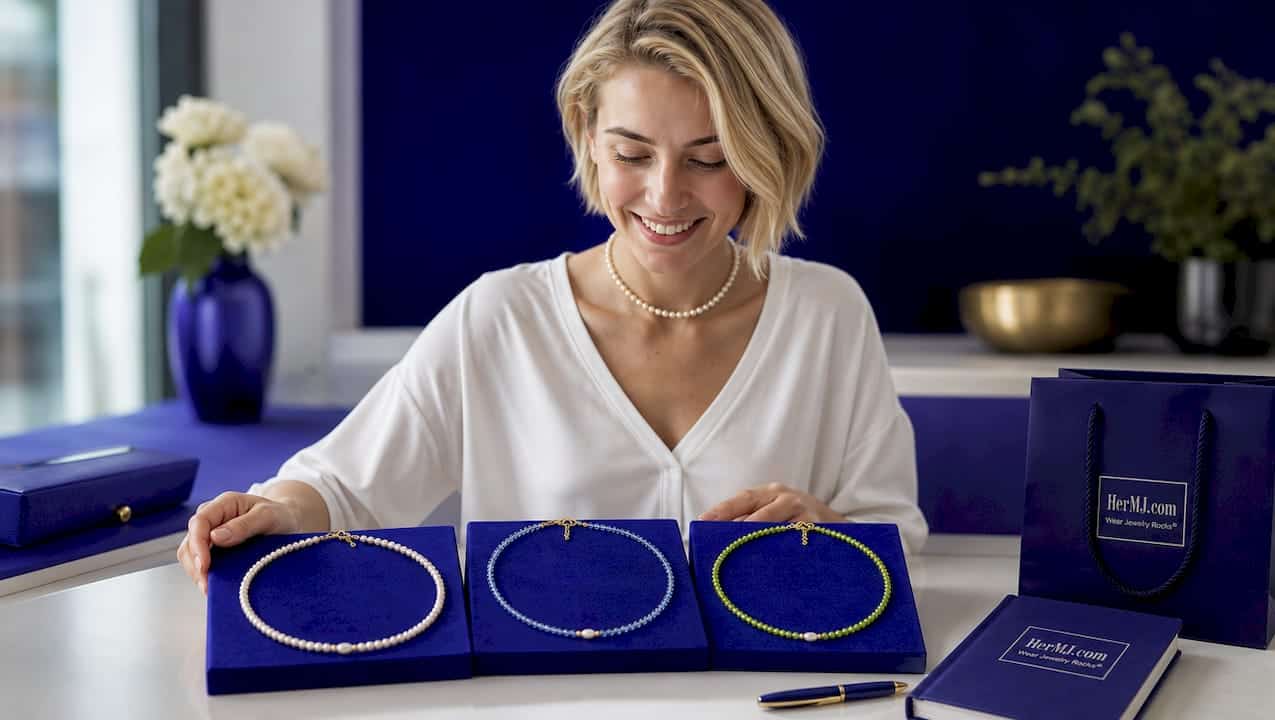
If a classic princess-length strand is what you’re after, the Elegant Freshwater Pearl Necklace delivers that traditional single-strand look with secure handmade construction.
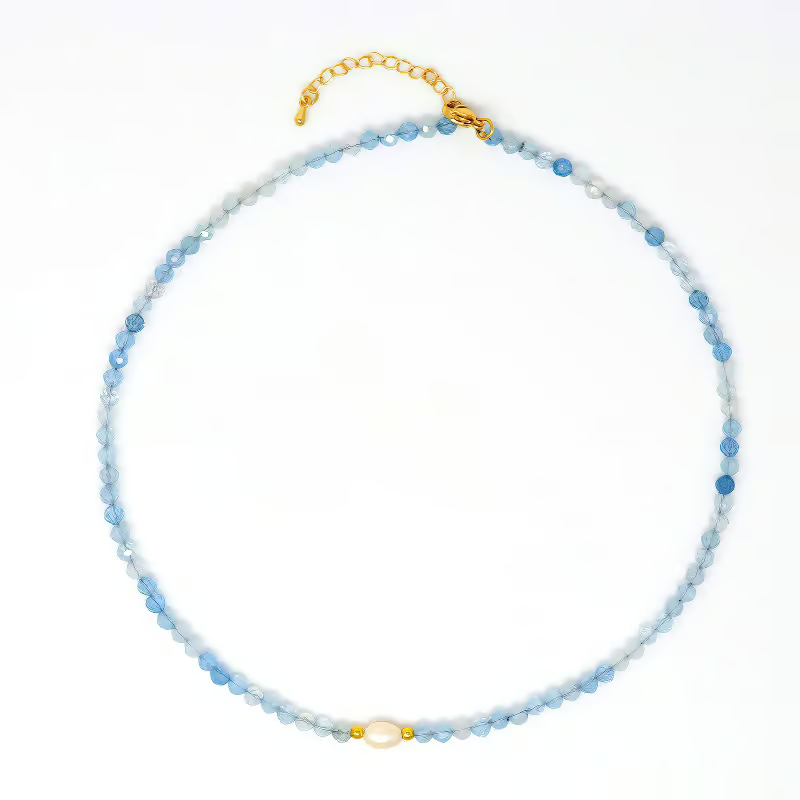
For something that leans modern, the Pearl and Aquamarine Necklace pairs freshwater pearls with aquamarine in a mixed-material pendant style that suits the layering approach covered above.
If you want a statement piece with real color contrast, the Peridot and Pearl Fusion Necklace fuses peridot with pearls for a look built for layering or wearing solo.
Browse the full necklace collection to compare styles side by side. US orders ship free with no minimum, and international orders ship free for order starting at $150. Pick the length and pearl type that match your wardrobe, then place your order today.
FAQ
What Are the Different Types of Pearl Necklaces?
The main types are choker, collar, princess, matinee, opera, rope, lariat, station, pendant, graduated, multi-strand, and baroque, each defined by length and construction rather than the pearl itself. Pearl type (Akoya, freshwater, Tahitian, or South Sea) then shapes the color and scale of any of these styles.
What Is the Pearl Necklace Everyone Is Wearing Right Now?
Modern pearl necklace designs currently favor layered looks that mix a short choker or princess strand with a longer pendant style, often adding a thin gold chain between layers.
Baroque freshwater pearls and mixed-material designs, like pearls paired with colored gemstones, are especially popular for this layered approach.
How Do You Wear a Pearl Necklace Without Looking Old-Fashioned?
Mixing metals, layering different lengths, and pairing pearls with casual fabrics like denim or knitwear instantly modernizes the look. Choosing a baroque or mixed-gemstone design, such as HerMJ’s Peridot and Pearl Fusion Necklace, also shifts pearls away from a strictly formal association.
What Is the Most Popular Length of Pearl Necklace?
The princess length, falling between 17 and 19 inches at the collarbone, is the most versatile and widely worn length because it suits both casual and formal outfits. Matinee length, at 20 to 24 inches, is the next most common choice for business and evening wear.
Do Knotted Pearl Necklaces Last Longer Than Unknotted Ones?
Knotted strands are generally safer over time because if the strand breaks, only one pearl typically comes loose instead of the entire necklace scattering. Silk stringing can stretch or darken with regular wear, so most knotted strands need restringing every couple of years.
Recommended
- Style Pearl Jewelry with Everyday Outfits: Easy Looks
- How I Choose The Perfect Pearl Necklace: A Practical Guide
- Pearl Earring Styles: When to Wear 4–12mm Studs, Drops, and Hoops
- My Guide to Layering Pearl Necklaces For a Modern Look