


Amethyst Jewelry Shopping Tips to Prevent Overpaying
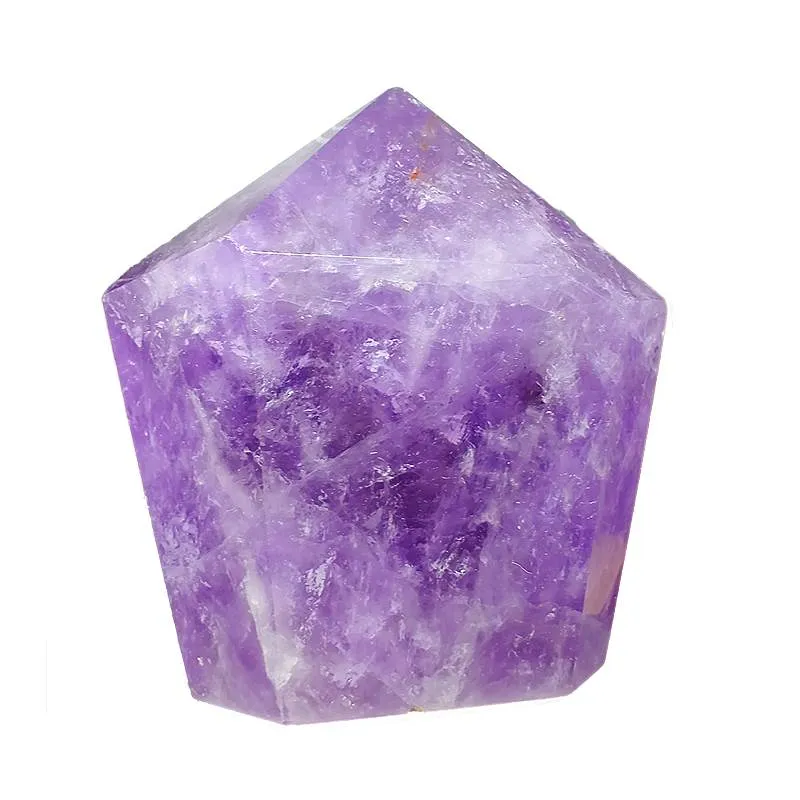
Amethyst is often sought for its reputation for clarity, calm, and spiritual insight. As the February birthstone, its symbolism is respected not only for its use in jewelry, home decor, and meditation practices but also as a symbol of emotional balance.
Shopping for the crystal requires an understanding of what makes one stone better than another.
The Edit
- Choose amethyst with deep purple color and high clarity indicate better quality, especially for larger stones used in jewelry meant for daily wear.
- Heat treatment can alter amethyst into citrine, so verify if the stone is natural or treated before purchasing.
- Its Mohs hardness of 7 ensures resistance to scratching but requires careful storage to prevent damage from harder materials like sapphires and diamonds.
- The stone’s symbolism as a protector and spiritual aid has evolved from ancient drinkware to jewelry, meditation tools, and home decor.
- Its significance remains strong for February birthdays and for those seeking calm, focus, and emotional balance through ritual use.
How to Choose Quality Amethyst Jewelry
Not every amethyst crystal is created equal, and knowing what separates a good stone from a mediocre one saves you from overpaying or buying too little. Here’s what to check before you commit:
- Color saturation: deep, even purple with red or blue flashes typically signals higher quality, while pale or blotchy color usually means lower-grade material.
- Clarity: eye-clean stones (no visible inclusions) command higher prices, though small inclusions are common and don’t necessarily mean a bad stone.
- Cut: a well-proportioned cut maximizes color and brilliance; a poor cut can make even good rough material look flat.
- Carat and size expectations: larger amethyst is more available and affordable than large rubies or emeralds, so size alone won’t tell you much about value.
- Treatment disclosure: ask whether the stone has been heat-treated, as reputable sellers disclose this upfront.
- Setting security: check that prongs are tight and the stone sits flush, especially for pieces meant for daily wear.
Why Buy Amethyst: What Does It Symbolize?
If you want the short version before the history and science, here’s what amethyst tends to represent across cultures and modern practice:
- Sobriety and clarity: the original Greek association, tied to a clear, undistorted mind.
- Calm: widely used to ease racing thoughts, especially before sleep.
- Protection: historically carried as an amulet against negative influences.
- Spiritual insight: linked to intuition and reflection in meditation traditions.
People wear amethyst as rings, pendants, and bracelets, place raw geodes on shelves or nightstands, and keep tumbled stones nearby during meditation or rest.
Its status as the February birthstone adds a personal layer for many buyers, who choose it as a meaningful gift tied to a birth month rather than a plain aesthetic choice.
Is Amethyst Just Purple Quartz? The Science Behind the Color
Yes. Amethyst is the purple variety of quartz, and its color comes from trace iron impurities combined with natural irradiation during formation deep in the earth, according to Geology.
The combination is what separates amethyst from clear quartz or citrine, even though all three share the same underlying mineral structure.
Amethyst rates a 7 on the Mohs hardness scale, the same benchmark used by the GIA for its birthstone listings. A hardness of 7 means the stone resists everyday scratches from dust and fabric, though it can still be scratched by harder materials like sapphire or diamond, so storage still matters.
A few practical notes worth knowing before you buy:
- Brazil and Uruguay remain major sources, alongside deposits in Zambia and parts of the United States.
- Lab-grown amethyst exists and shares the same chemical makeup as natural stone, just without the geological wait.
- Heat treatment can shift amethyst toward citrine’s yellow-orange tones, which is why some citrine on the market started as amethyst.
Cut and polished, amethyst has a long history in jewelry for over 2,000 years. With its Mohs hardness of 7, it’s more than resilient enough to add to your collection as a durable gemstone for rings, pendants, and bracelets.
How Ancient and Medieval Cultures Shaped Amethyst’s Meaning
Amethyst’s symbolism didn’t form in a single era. It built up over centuries, layer by layer, as different cultures reinterpreted the stone through the lens of their own beliefs.
Ancient Greece and Rome: In its Greek roots, the stone was used in carved drinking vessels and jewelry adorning robes and rings. Mythology connects the stone to Bacchus (or Dionysus), the god of wine, in stories in which amethyst’s cool purple hue served as a check on his own excess.
Medieval Christianity: Adopted by clergy for its association with spiritual purity, amethyst became a common stone in bishops’ rings, signaling rank and devotion within the church hierarchy.
Royal regalia: The stone’s rarity and rich color made it a favorite for crowns and ceremonial jewelry across medieval and Renaissance Europe.
The 19th-century shift: Large deposits discovered in Brazil dramatically increased supply and availability, moving amethyst from a rare, expensive gem reserved for royalty into something far more accessible.
That last shift matters more than people realize. Amethyst didn’t become less meaningful when it became more available. It just became a symbol more people could actually own.
What Is the Spiritual Meaning of Amethyst?
In crystal and chakra traditions, amethyst is associated with the third eye and crown chakras, the energy centers linked to intuition and higher awareness.
People who value it for that property often turn to it when they want a clearer, quieter mind rather than a specific outcome tied to career or relationships.
Astrologically, amethyst is associated with the sign of Pisces and serves as the birthstone for February, tying it to themes of introspection and emotional depth. Crystal lore across multiple traditions consistently circles back to sobriety and clear judgment, a thread running from ancient Greece straight through to modern meditation rooms.
Common philosophical claims associated with amethyst include:
- Better sleep quality when kept near the bed
- Reduced anxiety or racing thoughts
- Sharper focus during meditation or work
Here’s the necessary caveat: Healthline’s review of amethyst’s healing claims notes there’s little clinical evidence behind these effects. The value people find in the stone tends to be ritual and psychological rather than measurable in a lab. That doesn’t make the practice meaningless.
Millions of dollars move through the crystal market every year, which says something real about how much people value the ritual itself, even without an official peer-reviewed study behind it.
Pro Tip: If you’re new to using amethyst for meditation, go for a small tumbled stone that fits in your palm. Hold it as part of a five-minute breathing exercise before bed. The physical weight gives your hands something to focus on, which can help quiet a busy mind regardless of what you believe about the stone’s energy.
How Do You Wear and Care for Amethyst Jewelry?
Amethyst handles daily wear well thanks to its hardness of 7 on the Mohs hardness scale. To keep it as beautiful as the day you purchased it, a few habits keep it looking its best for decades.
- Choose protective settings for rings and bracelets that see a lot of hand activity, since prong or bezel settings shield the stone from knocks against hard surfaces.
- Clean with mild soap and warm water using a soft brush, and avoid ultrasonic cleaners if the stone has fractures or is set in delicate metalwork.
- Skip harsh chemicals, including strong acids or prolonged exposure to bleach, which can leave the stone looking dull over time.
- Store separately from harder gems like diamonds or sapphires to prevent scratches during storage.
Cleansing rituals like smudging, moonlight exposure, or brief saltwater are common in spiritual practice, though salt can be abrasive to porous or treated stones, so a quick rinse afterward is smart. For a full walkthrough on safe methods, HerMJ’s cleansing crystals guide covers the specifics stone by stone.
Pro Tip: Keep amethyst out of direct, prolonged sunlight. Extended UV exposure can fade the purple over months or years, especially in lighter-colored stones.
For deeper guidance on handling gemstone pieces day-to-day, HerMJ’s care guide for handmade gemstone jewelry walks through cleaning routines suited to artisan settings.
HerMJ specializes in artisan jewelry made from genuine pearls and gemstones, and the brand builds pieces with customization in mind, whether that means adjusting a bracelet’s length or matching a stone’s tone to a gift recipient’s style.
A meaningful amethyst piece should match both the stone’s story and the person wearing it. Buying with intention, not just impulse, is what turns a gemstone into something worn for years.
Before buying from any seller, ask directly about origin, treatment history, and return policy. A seller confident in their sourcing will answer without hesitation. For a deeper look at matching stone meaning to gift-giving, HerMJ’s artisan buying checklist breaks the process down further.
Why Amethyst Still Resonates: An Editorial Take
What strikes me most about amethyst is how consistently people reach for it during transitions: new jobs, hard nights, quiet mornings. A small bead in a pocket or a stone on a nightstand won’t fix a stressful week, but it can anchor a two-minute pause you’d otherwise skip. Treat it as a gentle prompt, not a cure, and it earns its place.
— Veronique
Bring Amethyst Meaning Into Your Everyday Style With HerMJ
This brand turns amethyst’s calm, clarity-focused symbolism into pieces you’ll actually reach for, handcrafted rather than mass-produced, with accessible pricing.
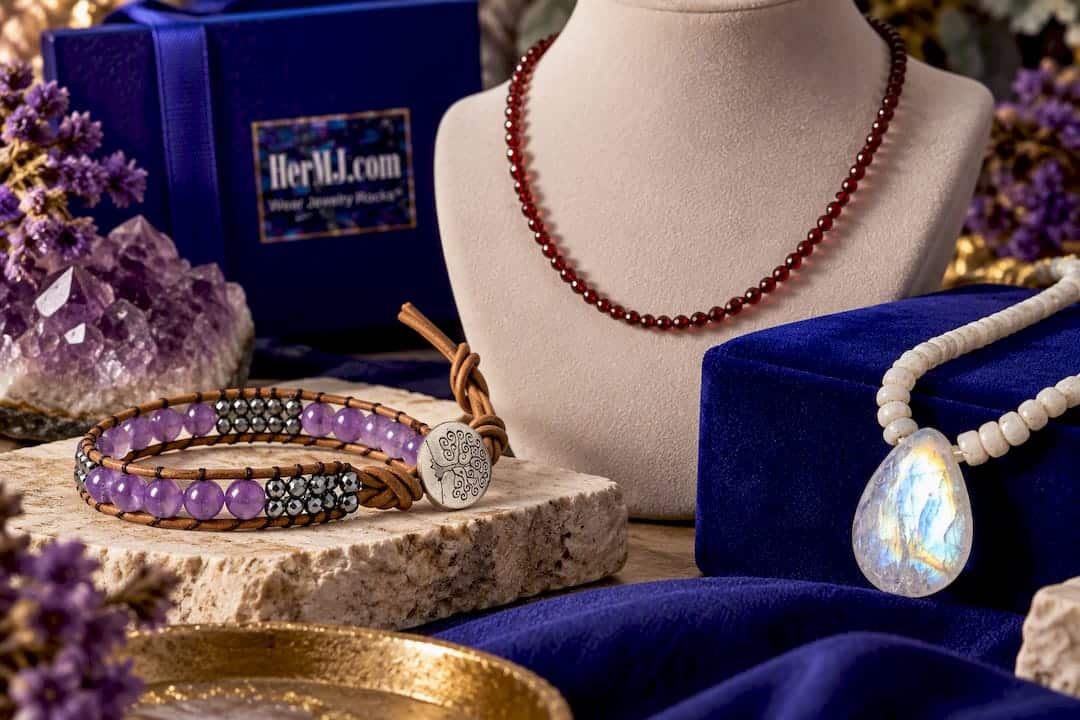
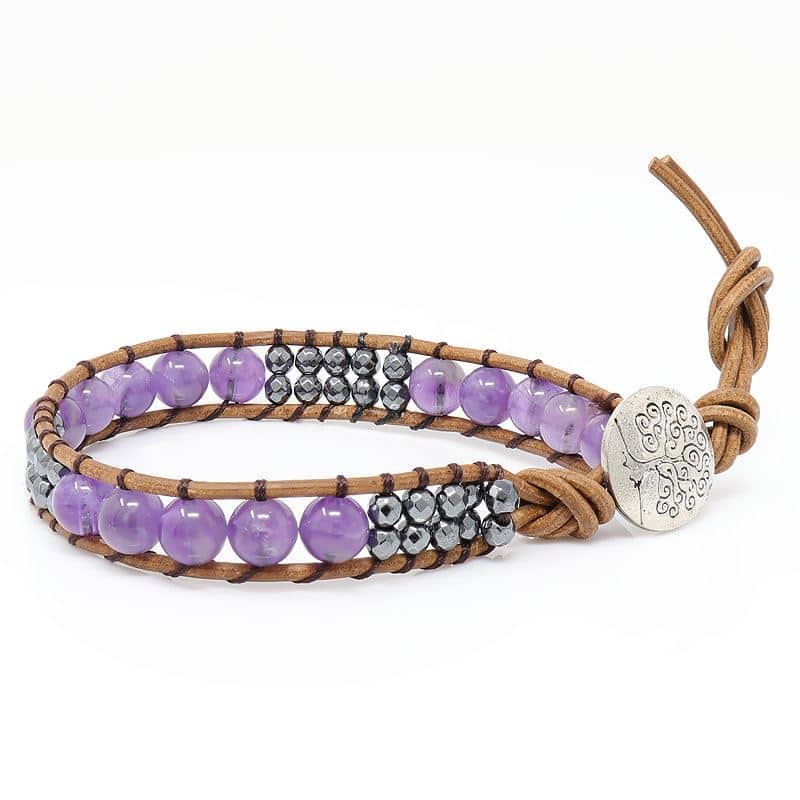
The Amethyst Stone Bracelet is the natural starting point if you want the stone to be a focal point throughout the day, ideal for anyone easing into meditation or simply drawn to its color.
If you’re shopping for a gift with different symbolism, the Faceted Garnet Gemstone Necklace offers a bolder, warmer alternative for someone whose story calls for a different stone. For buyers who want to explore beyond amethyst entirely, the Australian Opal Necklace and Moonstone Pendant showcases the range HerMJ works with, from opal’s shifting colors to moonstone’s softer glow.
The pieces are handmade and available within the US. Shipping is free with no minimum. International orders ship free for orders of $150 or more.
Browse the full Pearl and Gemstone Jewelry collection to find a piece that fits your story, or explore bracelets, necklaces, and room jewelry for home decor, all built around the same gemstones.
Sources
FAQ
What Is the Spiritual Meaning of Amethyst?
Amethyst’s spiritual meaning centers on clarity, calm, and intuition, tied to the third eye and crown chakras in meditation traditions. Its Greek roots point to sobriety and clear judgment, themes that carried forward into modern spiritual practice around focus and emotional balance.
What Does Amethyst Symbolize?
Amethyst symbolizes a clear, steady mind, protection from negative influence, and spiritual insight, based on its Greek etymology of “not intoxicated.” Over centuries, it also came to represent purity and rank through its use in medieval church jewelry.
What Is Amethyst Crystal Good For?
People use amethyst for meditation, easing anxious thoughts, and supporting better sleep when kept near the bed, though Healthline notes that little clinical evidence directly supports these claims. Its real, well-documented use is as a durable gemstone, rating 7 on the Mohs scale, suitable for daily jewelry.
What Is the Significance of Wearing Amethyst?
Wearing amethyst connects you to its long history as an anti-intoxication charm and, later, a symbol of spiritual purity in religious and royal jewelry. Many people today wear it as their February birthstone, giving it a personal meaning tied to their birth month rather than just its reputation for being calming. A piece like HerMJ’s Amethyst Stone Bracelet makes that meaning easy to carry with you daily.
How Do I Know if My Amethyst Jewelry Is Good Quality?
Look for deep, even purple color, minimal visible inclusions, and a well-proportioned cut that maximizes brilliance. Ask the seller whether the stone has been heat-treated and confirm the setting holds it securely for the way you plan to wear it.
Recommended
- Amethyst Meaning: An Artisan Buying Checklist
- How to Compare Gemstone Jewelry Online Marketplaces
- How to Evaluate Gemstone Setting Handmade Quality
- Affordable Gemstone Jewelry Types That Look Expensive