



Pearl Restringing Cost: What You’ll Pay Per Inch
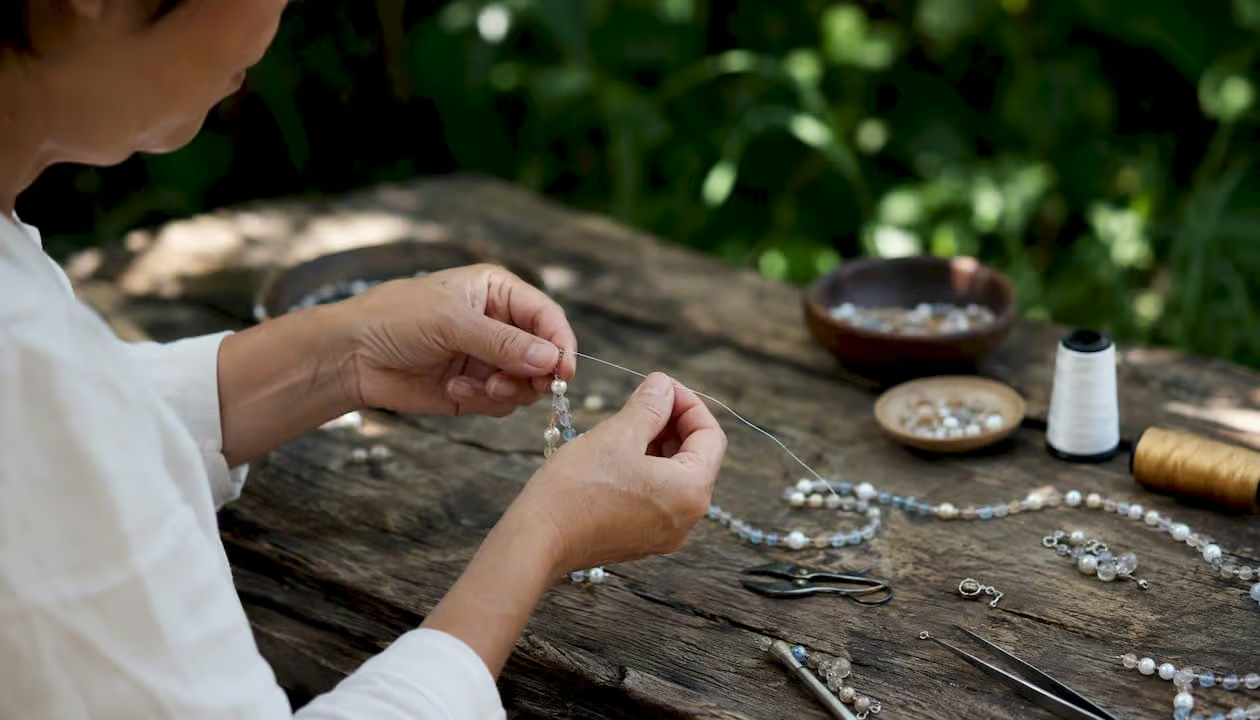
Expect to pay roughly $50 to $150 to restring a standard 16-inch cultured pearl necklace, with per-inch pricing and add-on fees for silk thread and clasp replacement shaping the final total.
Before you call a jeweler, measure your strand’s length, note whether it’s knotted between each pearl, and decide whether you prefer local drop-off or insured mail-in service. Those three details will get you an accurate quote in minutes.
Quick cost signals to check on your piece:
- Per-inch rate: Most shops charge $1.50 to $6+ per inch depending on knotting and pearl size.
- Silk or thread supply fee: Typically a flat $5 to $20 added to the labor charge.
- Clasp replacement: Budget an additional $15 to $40 for a standard clasp; specialty or gold clasps run higher.
Key Takeaways
Pearl restringing cost is driven primarily by per-inch labor rates, knotting method, and silk or clasp add-ons, with a typical 16-inch strand running $50 to $150 all-in.
| Point | Details |
|---|---|
| Per-inch rates vary widely | Unknotted stringing starts around $1.50/inch; knotted work typically runs $3 to $6/inch. |
| Add-ons shape the total | Silk/thread fees ($5–$20) and clasp replacement ($15–$40) are the most common extras to budget for. |
| Knotting costs more but protects pearls | Hand-knotting adds labor but prevents pearl-on-pearl abrasion and limits loss if the strand breaks. |
| Restring every 3–5 years | For regularly worn pieces, that interval keeps the strand secure and the silk in good condition. |
| HerMJ offers artisan alternatives | When repair quotes approach replacement cost, HerMJ’s handcrafted freshwater pearl necklaces offer quality at accessible prices with free US shipping. |
How much does pearl restringing cost, broken down by length?
Currently, the per-inch model is the clearest way to estimate your total before you walk into any shop. Today, some providers price knotted restringing at $3 per inch plus a $6 silk fee, while unknotted stringing may run as low as $1.50 per inch.
Independent jewelers sometimes publish a flat $4 per inch for standard restringing work. Service tiers matter too: classic, express, and designer-specific restringing can start as low as $20 and reach $200 for special handling.
Here’s how those per-inch rates translate across common necklace lengths:
| Necklace Style | Length | Low Estimate | Median Estimate | High Estimate |
|---|---|---|---|---|
| Choker | 14 inches | $29 | $57 | $90 |
| Princess | 16 inches | $30 | $63 | $108 |
| Matinee | 20 inches | $36 | $84 | $132 |
| Opera | 30 inches | $51 | $111 | $186 |
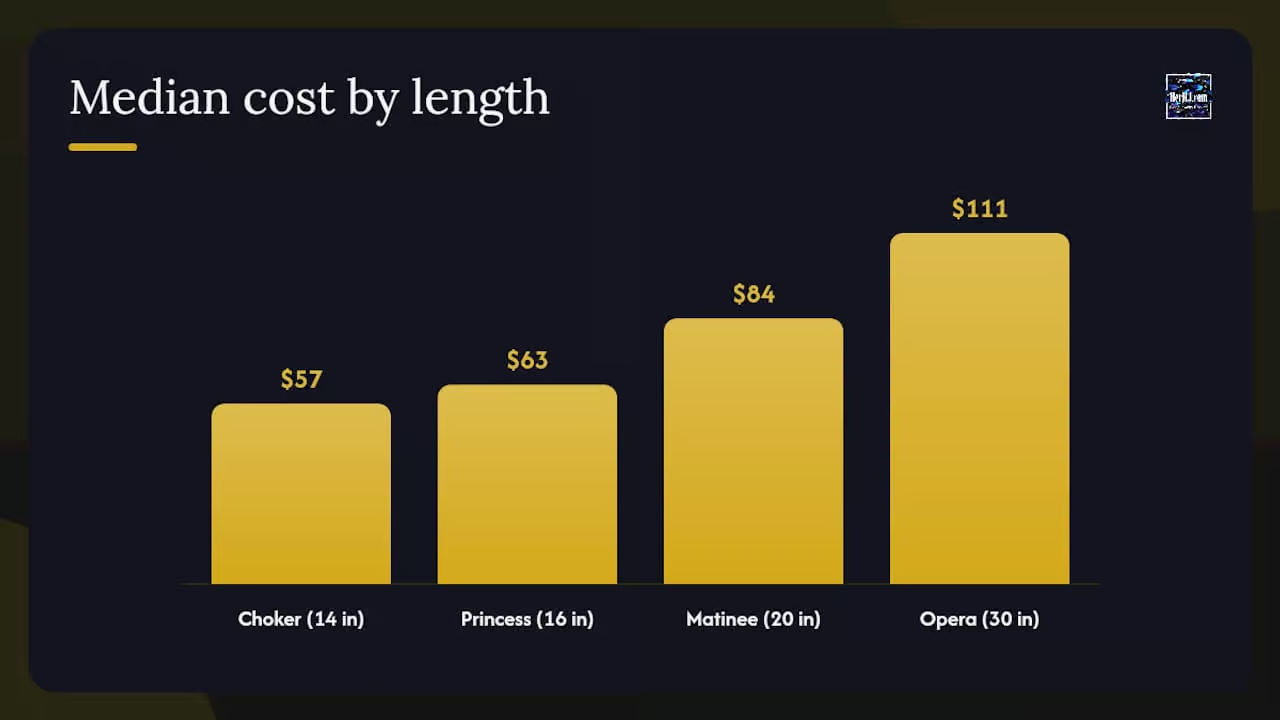
Estimates use $1.50 (low), $3.50 (median), and $6 (high) per inch, plus a $6 silk fee. Clasp replacement ($15 to $40) is not included.
A few cost details worth noting:
- Multiple strands require separate labor passes and can double or triple the base rate.
- Rush or same-day service typically adds a premium on top of the standard per-inch charge.
- Backup thread (a second strand run alongside the primary for security) adds a small materials fee at some shops.
- Bracelet restringing follows the same per-inch logic, but at shorter lengths, so totals are usually $20 to $60.
What actually changes the price of restringing your pearls?
Pearl type and size are the first levers. Tiny seed pearls or very small freshwater rounds take longer to handle and knot individually, increasing labor time. Larger South Sea or baroque pearls may need heavier silk and more careful tension work.
Knotting vs. unknotted stringing is the single biggest labor variable. Hand-knotting between each pearl protects them from rubbing against each other and limits loss if the strand breaks. It’s also significantly more time-intensive, which is why knotted restringing costs more per inch than unknotted work.
Strand complexity adds up quickly:
- Graduated sizing requires sorting pearls by diameter before stringing, adding prep time.
- Multiple strands or tassels each need individual labor passes.
- Mystery clasps require end pearls to be drilled or re-drilled to a precise depth, which is specialty work.
- Damaged or discolored pearls that need replacement before restringing add both materials and labor.
Clasp material also shifts the total. A standard gold-filled or base metal clasp replacement sits in the $15 to $40 range. A 14k gold or specialty mystery clasp can push that figure considerably higher. Specialty silk colors or heavier-gauge thread for larger pearls add a few dollars in materials but rarely move the needle dramatically on their own.
Pro Tip: Ask your jeweler to show you the thread before they start. Silk should be supple and color-matched to your pearls. Stiff or mismatched thread is a quick indicator of lower-quality materials.
Where should you get your pearls restrung?
Provider type shapes both price and quality, and the right choice depends on what your strand is worth to you.
Local independent jewelers tend to offer the most attentive handling for high-value or sentimental pieces. Per-inch rates at independents often sit in the $3 to $6 range, and you can inspect the work before you leave. The trade-off is that turnaround can run one to two weeks during busy periods. Local shops often post per-inch pricing and promotions that give you a quick benchmark before you call.
Mail-in specialists offer competitive per-inch pricing with national reach. You ship the piece insured; they restring it and return it with tracking. Turnaround is typically five to ten business days, including transit. The convenience is real, but you’re trusting the packing and carrier handling for a delicate piece.
National chain or mall repair counters are convenient for drop-off and often quote predictable per-inch rates. Knot quality can vary more here than at a specialist, so it’s worth asking specifically whether each pearl is hand-knotted or machine-knotted.
DIY restringing keeps material costs low (silk thread and a restringing needle run under $15), but it carries real risk for valuable pearls. Without proper tension control and surgeon knots, pearls can shift, or the strand can fail prematurely.
For a fashion piece worth under $30, DIY is reasonable. For anything with sentimental or monetary value, professional work protects the investment.
Pro Tip: Before mailing a strand, photograph it from multiple angles and document the clasp type and any existing damage. That record protects you if a dispute arises about the piece’s condition on arrival.
What turnaround time and guarantees should you expect?
Standard restringing at most shops takes two to five business days once the piece is in hand. Rush or same-day service is available at some locations, usually at a premium. Mail-in services add transit time on both ends, so plan for seven to fourteen days total if you’re shipping.
For insured mail-in, a few essentials:
- Declare the full replacement value when purchasing shipping insurance, not just the repair cost.
- Use a rigid box with padding rather than a padded envelope; pearl strands can snag or compress in soft mailers.
- Request signature confirmation on the return shipment.
- Keep the tracking number until the piece is back in your hands and inspected.
A reputable shop should offer a workmanship guarantee covering the restringing itself, typically 90 days to one year. That guarantee should cover re-knotting or re-stringing if a knot fails under normal wear. It does not usually cover accidental breakage.
Ask specifically whether the guarantee covers the clasp attachment as well as the strand, since that junction is a common failure point.
Understanding the restringing process helps you ask the right questions and recognize when a shop’s process meets professional standards.
Is restringing worth it, or should you buy a new strand?
Restringing is almost always worth it for pearls with genuine quality or sentimental weight. A well-made cultured pearl strand that’s simply showing thread wear is structurally sound; the pearls themselves haven’t lost their luster or value. Spending $60 to $100 to restore it makes clear financial sense.
The calculus shifts when the repair quote approaches or exceeds the replacement cost. That happens most often with:
- Low-cost fashion pearl strands where the pearls themselves have little resale or sentimental value.
- Extensively damaged pieces where multiple pearls need replacement in addition to restringing.
- Very long or complex multi-strand designs where labor costs stack quickly.
Practical rules of thumb worth keeping:
- Restring every three to five years for pieces worn regularly, per standard industry guidance.
- Restring immediately if you see fraying thread, discolored silk, or any pearl that moves more freely than its neighbors.
- If the repair quote exceeds roughly 60 to 70% of what a comparable new artisan strand costs, replacement deserves serious consideration.
A new handcrafted freshwater pearl necklace from HerMJ, like the Elegant Freshwater Pearl Necklace, can offer a genuine quality comparison point when you’re weighing repair against replacement. Understanding why pearl jewelry holds its value also helps you make that call with confidence.
Pro Tip: Hold the strand up to a light source and look along its length. If the thread shows any yellowing or the knots look stretched and flat rather than round and firm, it’s time to restring regardless of how recently it was last done.
How to choose a restringing service without getting burned
Getting a written estimate with line items is the single most protective step you can take. A transparent quote separates per-inch labor, silk or thread supplies, and clasp replacement into distinct charges. A vague “service fee” with no breakdown is a red flag.
Questions to ask every provider before you commit:
- Is each pearl hand-knotted, or is knotting optional?
- What silk weight and color options do you offer?
- What clasp styles and materials are available, and what do they cost?
- What’s your standard turnaround, and is rush service available?
- Do you offer insured return shipping, and who covers loss in transit?
- What does your workmanship guarantee cover, and for how long?
Red flags to walk away from:
- Per-inch pricing significantly below the $1.50 floor with no explanation.
- No workmanship guarantee offered or mentioned.
- No insured shipping option for mail-in service.
- Clasp replacement costs described only as “extra” with no range given.
You can verify a shop’s service reliability through customer review platforms before you drop off or ship a piece. Look specifically for comments about knot quality, turnaround accuracy, and how the shop handled any issues. A shop with consistent five-star reviews on those specific points is worth a slightly higher per-inch rate.
An artisan’s perspective on what actually matters in a restring
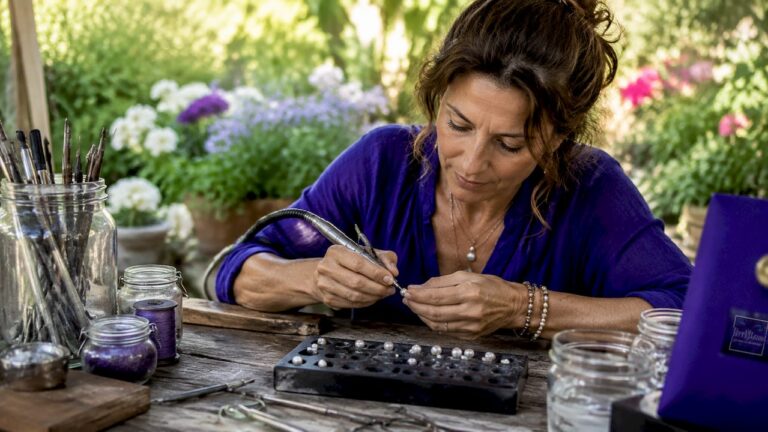
When I inspect a strand before restringing, the first thing I look at isn’t the clasp or even the thread color. It’s the knots. A well-tied surgeon’s knot sits round and firm against the pearl’s drill hole. When knots have gone flat or started to slide, the strand has been under stress for a while, and the thread’s integrity is already compromised even if it hasn’t broken yet.
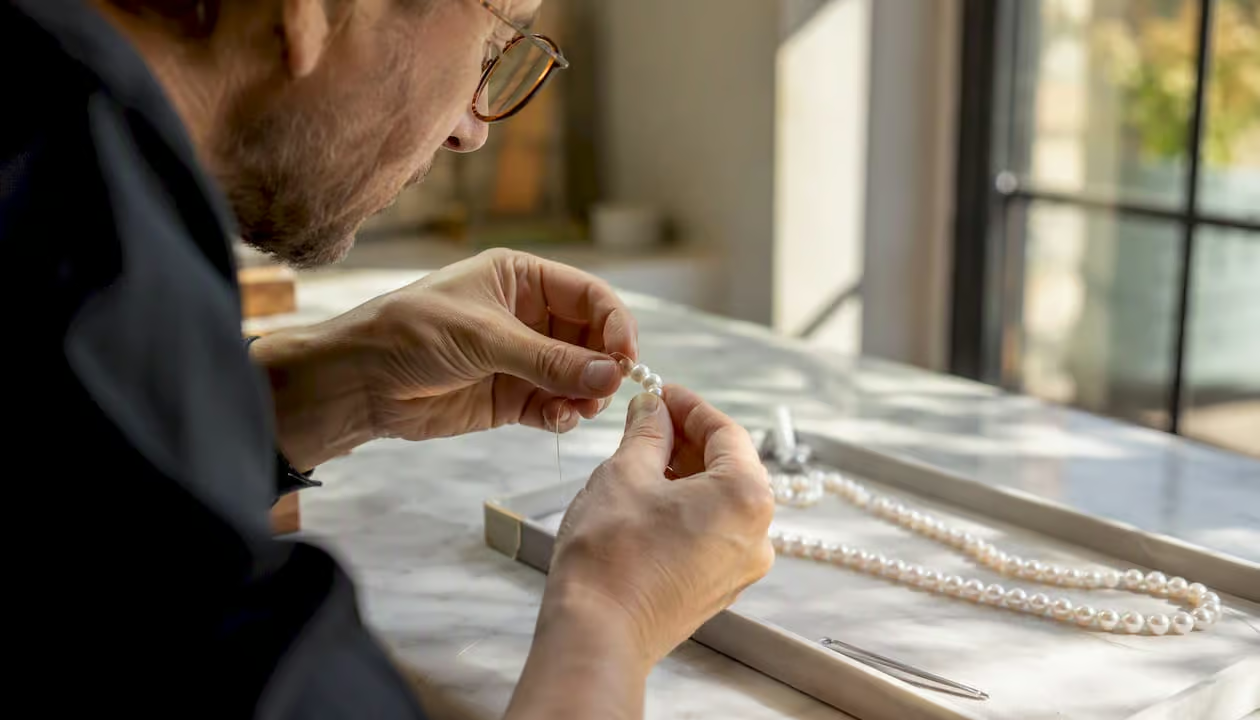
Silk color matching is something many shops skip, but it noticeably changes the finished look. Cream silk on white Akoya pearls reads as clean and intentional. Gray or off-white thread on the same strand looks careless. I always match silk to the pearl’s body color, not its overtone.
For graduated strands, I sort every pearl by diameter before I thread a single one. It takes extra time, but the visual flow of a properly graduated necklace is what makes it feel like a considered piece rather than a random assembly. That sorting step is also where I catch any pearls with hairline cracks or compromised drill holes that need replacement before the strand goes back together.
Clasp security is the last check before I hand a piece back. I test the clasp under tension in both directions. A clasp that releases under light pressure will fail in wear, and no amount of beautiful knotting compensates for that.
When a new artisan strand makes more sense than a repair
If your repair quote is climbing toward $120 or more and the pearls themselves are fashion-grade rather than fine cultured, a new handcrafted strand is worth a serious look. HerMJ’s artisan freshwater pearl necklaces are made from genuine pearls and natural gemstones, with craftsmanship and customization built into every piece at accessible prices.
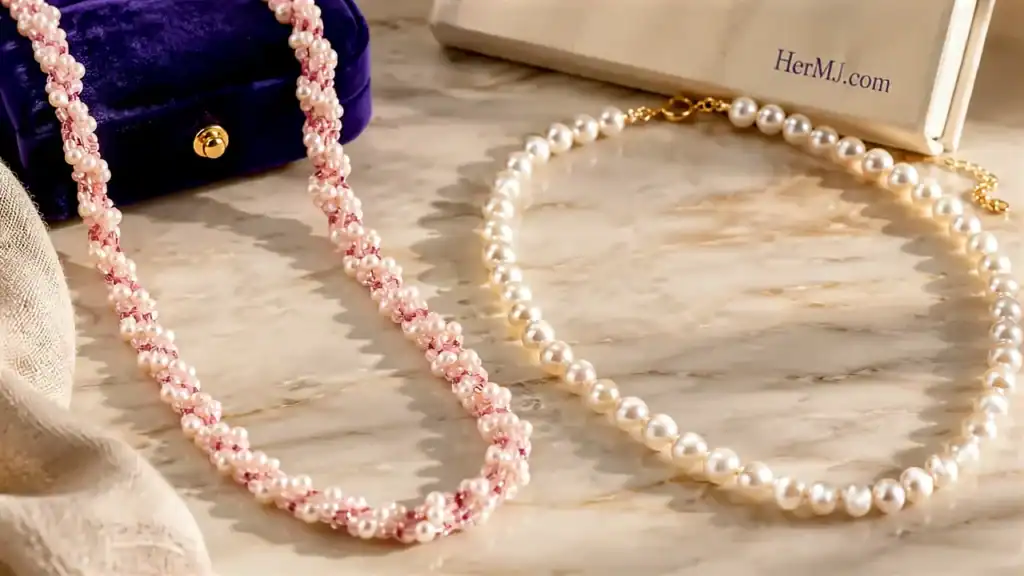
The Pink Freshwater Pearl Necklace with its handcrafted spiral of pearls is a piece that’s both distinctive and wearable every day. For a classic strand, the Elegant Freshwater Pearl Necklace shows what artisan quality looks like at a price that competes directly with a mid-range repair.
HerMJ’s. US orders ship free with no minimum, so there’s no friction in comparing your repair quote against a new piece. Browse HerMJ’s freshwater pearl necklace collection or reach out to request a custom strand built to your exact preferences.
Sources
These resources let you cross-check pricing, read service terms, and verify provider standards before you commit to a repair.
- Professional Pearl Restringing Services | Vinca Jewelry
- Understanding the Pearl Restringing Process – Morton & Rudolph
Recommended
- Pearl Value: What is the most expensive pearl?
- Why Pearl Jewelry Is Undervalued: What Buyers Miss
- Tools Artisans Use for Pearl Jewelry: A Maker’s Guide