


30–60% Cheaper for Everyday Wear: Stainless Steel vs Sterling Silver
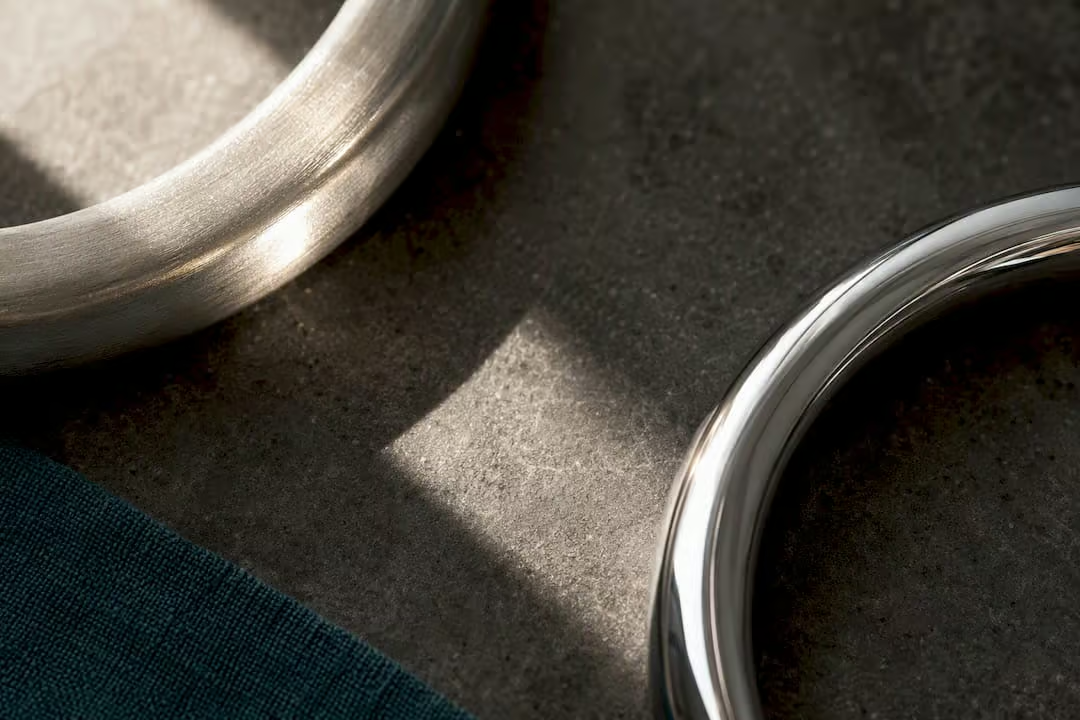
Ideal for everyday use that stands up to frequent wear and tear, stainless steel wins on low maintenance and scratch resistance.
For gifts, heirlooms, and anything meant to hold value, sterling silver is the better pick thanks to its intrinsic worth and repairability.
The exceptions matter: check for nickel content if you have sensitive skin, confirm whether a piece is solid or plated, and remember that rings need resizing flexibility, which sterling offers more easily. The sections below walk through exactly why.
The Edit
- Stainless steel provides exceptional scratch and dent resistance, making it ideal for daily wear and rough handling environments, though it is difficult to resize or repair.
- Sterling silver offers a warm shine and ease of repair or resizing, but it tarnishes over time and requires regular polishing to maintain its brightness.
- Jewelry marked 316L stainless steel resists corrosion but can still degrade with exposure to chlorine, saltwater, or harsh cleaning chemicals, unlike silver which reacts more quickly.
- Recycled stainless steel has a lower environmental footprint and is more durable for high-turnover items, while sterling silver retains intrinsic value and is better suited for heirlooms or special gifts.
- Always verify metal authenticity via hallmarks (925 for silver, 316L for steel) and consider the jewelry’s intended lifespan to choose the right piece for daily use or meaningful occasions.
Sterling Silver vs Stainless Steel: Pros and Cons at a Glance
Every jewelry box benefits from at least one piece of based on each metal, but the tradeoffs are real enough to consider for your smart purchase decision. Here’s the honest breakdown.
Stainless steel pros:
- Highly scratch and dent resistant for gym bags, work gloves, and rough daily handling
- Shower, pool, and sweat safe most of the time
- Low cost, so replacing a lost piece stings less
- Generally low allergy risk in surgical grades
Stainless steel cons:
- Difficult to resize once its made
- Repairs are limited. A cracked link often means replacement, not restoration
- Feels colder and heavier to some wearers
- Little to no resale or melt value
Sterling silver pros:
- Bright, warm shine that photographs beautifully
- Soft enough to resize, engrave, and repair
- Carries real intrinsic value tied to silver’s market price
- Better suited to intricate, handcrafted detail
Sterling silver cons:
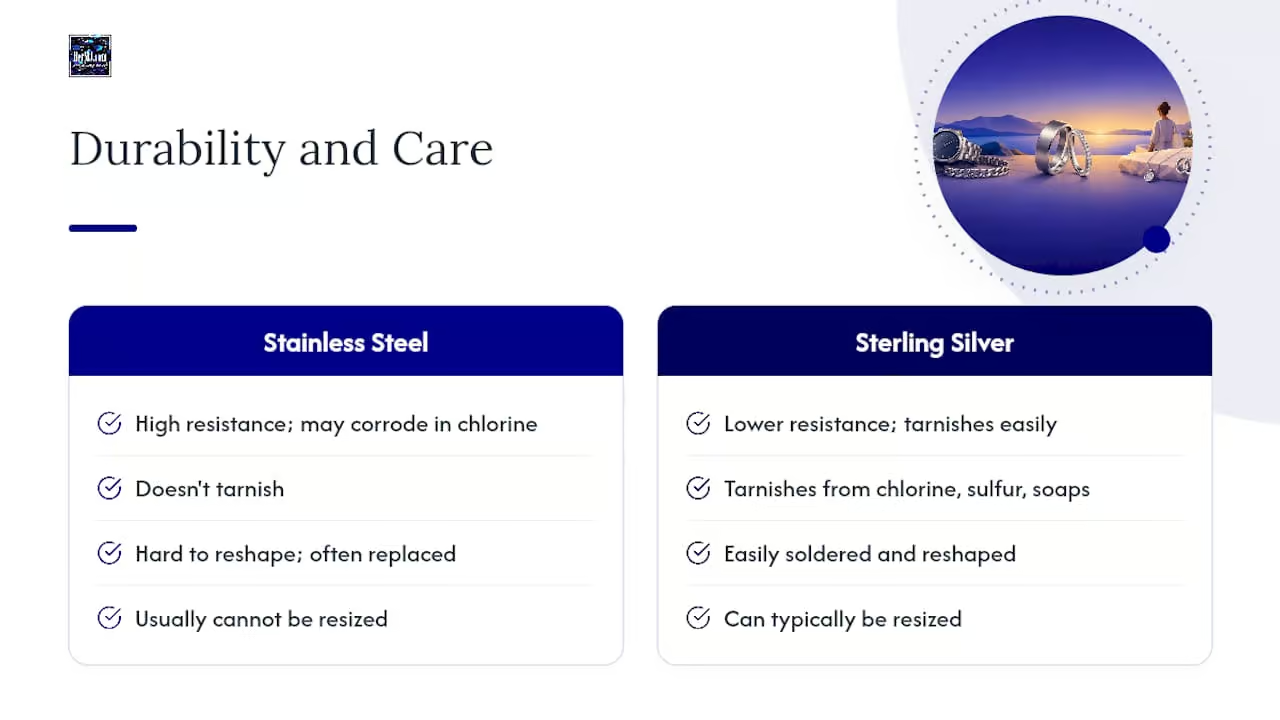
- Tarnishes with sulfur, chlorine, and some lotions
- Needs periodic polishing to stay bright
- Softer surface picks up fine scratches more easily
- Costs more upfront
A quick note on grading: jewelry marked 316L is a surgical grade stainless steel, prized for its corrosion resistance. Jewelry marked 925 is sterling silver, meaning 92.5% pure silver alloyed with other metals for strength. Both marks are your first checkpoint before buying anything.
What “925” and “316L” Actually Mean
Sterling silver isn’t pure silver. Pure silver is too soft to hold a ring’s shape or a clasp’s tension, so jewelers alloy it with copper or other metals to reach 92.5% silver content, stamped as 925.
The FTC’s guidance on buying silver jewelry requires that sellers disclose this composition accurately and identify the maker, which is exactly why that tiny stamp matters more than it looks like it should.
Stainless steel jewelry commonly uses 316L, a low-carbon surgical grade valued for corrosion resistance and a lower likelihood of triggering nickel allergies compared to cheaper steel blends.
Aside from composition, the practical difference comes down to hardness. Comparative material guides note that stainless steel is measurably harder than sterling silver, which is why steel resists scratches better while sterling bends and shapes more easily under a jeweler’s tools.
Steel also tends to feel heavier for its size, giving pieces a denser, more substantial feel on the wrist or around the neck.
How Each Metal Looks and Ages Over Time
Sterling silver has a warm shine that stainless steel simply doesn’t measure up to. That bright white glow comes from the silver content itself, but it’s also why sterling tarnishes: exposure to sulfur compounds in the air forms silver sulfide (Ag2S) on the surface, dulling the shine to a gray or black cast over time.
The upside is that tarnish polishes right off, and many wearers actually like the soft vintage patina that develops on detailed, textured pieces.
Stainless steel keeps a cooler, more mirror-like finish because a thin layer of chromium oxide forms on its surface and protects it from most everyday corrosion.
That layer means less upkeep, but also less character. If a piece is described as “silver-plated” rather than solid sterling, expect the plating to eventually wear through at contact points like the underside of a ring or a bracelet’s clasp, revealing the base metal beneath.
Which Metal Actually Holds Up to Daily Wear?
Stainless steel’s chromium oxide layer is what lets you shower, swim, and sweat in it without much worry.
That’s not a marketing claim, it’s basic metallurgy: chromium reacts with oxygen to form a passive, self-repairing film on the surface, which is the same mechanism that keeps stainless steel counters and surgical tools from rusting. But metallurgists are clear that “stainless” describes resistance, not immunity.
Research on stainless steel corrosion shows that even high-grade steels can corrode when exposed to aggressive conditions like chlorinated pools, saltwater, or harsh cleaning chemicals over time.
Sterling silver reacts differently.
Chlorine, sulfur, and even some soaps speed up tarnish, and jewelry care resources point out that repeated shower exposure can weaken soldered joints on delicate filigree or clasp work faster than everyday handling alone. That’s a real consideration for open-weave pendants or intricate bracelet links.
Where sterling pulls ahead is repairability.
A cracked sterling clasp gets re-soldered. A bent sterling ring gets resized at a jeweler’s bench. Stainless steel’s hardness, the same property that resists scratches, also makes it resistant to reshaping, which means damaged steel pieces are replaced rather than restored.
Pro Tip: If you’re buying a ring you plan to wear forever, ask about resizing before you fall in love with the design. Sterling silver rings can typically be sized up or down; most stainless steel rings can’t.
Roughly speaking, about 20 to 25% of jewelry-related skin sensitivities trace back to nickel content, which is one more reason surgical-grade steel and hallmarked sterling both matter more than a shiny finish alone.
Simple Care Routines That Actually Work
Neither metal demands a complicated ritual, but the steps differ enough to matter.
Stainless steel: Wipe with a soft cloth and mild soap and water after heavy sweat exposure, then dry completely to avoid water spotting.
Sterling silver: Buff gently with a dedicated polishing or microfiber cloth after wear to remove the earliest tarnish before it sets in.
Storage: Keep sterling pieces in an airtight bag or box with an anti-tarnish strip; stainless steel can live in a regular jewelry dish without issue.
Removal timing: Take off silver before swimming, showering with harsh soaps, or cleaning with bleach; stainless steel tolerates most of that fine, with some caution around pools.
Quick checks: Glance for a 925 or 316L stamp when you buy, and keep the receipt and maker information the FTC recommends verifying before you leave the counter.
A good tarnish-prevention routine takes minutes and saves you from a dull, gray piece sitting untouched in a drawer. Pair that with general care habits for handmade gemstone jewelry and you’ll keep both metals looking their best for years.
Cost, Value, and Which One to Buy as a Gift
Sterling silver carries intrinsic value because it’s a precious metal tied to a market price, so a sterling piece retains worth beyond its craftsmanship alone.
Stainless steel carries none of that; its value is entirely in the design and labor, not the raw material. Jewelry comparison guides note that stainless steel pieces often run 30 to 60% cheaper than a comparable sterling silver design, which makes steel the practical choice for everyday, low-stakes pieces you might lose or swap out seasonally.
For gifts meant to last, sterling silver is usually the stronger pick. It can be engraved, resized for a future recipient, and appraised down the road, none of which apply cleanly to stainless steel.
The FTC’s fair labeling standards exist precisely because that value is worth protecting: a buyer paying sterling prices deserves a piece that’s actually sterling, not a plated substitute dressed up in the same display case.
Spend up for sterling when the piece is an heirloom, an anniversary gift, or anything you’d want appraised someday. Choose steel when the priority is a piece that survives gym bags, humidity, and years of rough handling without a second thought.
How to Choose: Questions to Ask Before You Buy
Run through these before you check out, whether you’re shopping in person or online.
- Will this piece see daily wear, or only special occasions?
- Am I willing to polish and store it carefully, or do I want zero maintenance?
- Does this need to be resized now or possibly later?
- Do I or the recipient have sensitive skin or a known nickel allergy?
- What’s my actual budget, and does the price match the claimed metal?
- Is the listing clear about solid sterling versus silver-plated, or solid steel versus steel-plated?
- Does the seller mark pieces with 925 or 316L, and do they identify the maker?
- What’s the return or repair policy if something doesn’t hold up?
Reading the fine print on a listing tells you more than the photos do. A guide to identifying truly handcrafted pieces walks through exactly what to look for in hallmarks and construction quality before you commit.
Pro Tip: If a listing doesn’t specify solid metal versus plated anywhere in the description, ask directly before buying. Reputable sellers answer that question without hesitation.
Who’s Behind This Guide
This guide comes from Veronique, an editorial voice at HerMJ focused on jewelry materials, care, and buyer education.
The brand builds its reputation on artisan craftsmanship using genuine pearls, gemstones, and crystals, with a focus on individual value rather than mass production. A few things worth knowing about how HerMJ operates:
- HerMJ’s pieces are handmade, prioritizing detail and finish over assembly-line speed.
- Customer feedback consistently highlights quality, uniqueness, and service across the catalog.
- US orders ship free regardless of purchase amount.
- International orders ship free once the order reaches $150.
- Care resources like the tarnish prevention guide and everyday elegant jewelry style guide support buyers long after checkout.
Where These Metals Came From
Silver has been shaped into jewelry and coinage for over 5,000 years, prized across ancient Mesopotamia, Egypt, and the Mediterranean for its brightness and workability.
That standard stuck because pure silver alone couldn’t survive daily handling as coinage or jewelry, and the alloy ratio proved to be close to ideal for strength without sacrificing shine.
Stainless steel is a much newer invention. Metallurgists developed it in the early 1900s while experimenting with chromium additions to steel to fight corrosion, most notably credited to Harry Brearley’s work in Sheffield, England, around 1913.
Its jump into jewelry came decades later, once designers realized its industrial toughness translated well into affordable, low-maintenance accessories.
Where sterling silver’s history is tied to wealth, ceremony, and craftsmanship, stainless steel’s history is tied to engineering and mass utility, a distinction you can still feel in how each metal is marketed and worn today.
Environmental Footprint of Each Metal
Silver mining carries a heavier environmental footprint than steel production on a per-ounce basis, largely because silver ore concentrations are low, requiring more rock extraction and processing to yield usable metal.
Recycled sterling silver reduces that impact considerably, and reputable jewelers increasingly source reclaimed silver to cut down on new mining demand.
Stainless steel benefits from being one of the most recycled materials in modern manufacturing, since scrap steel can be melted down and reformed repeatedly without losing its structural properties.
That recyclability, combined with steel’s durability and long usable life, gives it a lower lifetime environmental cost for high-turnover, everyday pieces.
Neither metal is without impact, but buyers who care about sustainability generally do better choosing recycled or reclaimed sourcing regardless of which metal they select, then extending that piece’s life through proper care rather than frequent replacement.
Why This Comparison Isn’t as Close as It Looks
Most comparisons treat sterling silver and stainless steel like two versions of the same product, competing on the same axis.
They aren’t.
Steel wins a durability contest that silver was never built to enter, and silver wins a value-and-craftsmanship contest that steel was never designed for. Framing this as a single winner misses the point entirely.
What gets underestimated is how much repairability changes the math over a decade. A sterling piece that gets re-soldered, resized, and polished across twenty years of wear ends up cheaper per year than its upfront price suggests.
Steel’s low maintenance is real, but its disposability is the tradeoff nobody mentions on the sales floor.
My take: buy steel for the pieces that will be your companion in a active lifestyle that can subject the piece to the riggors of bumps and abrasions.
Buy sterling, or handcrafted gemstone pieces that echo its brightness, for anything you want to hand down. The mistake isn’t choosing the “wrong” metal, it’s choosing without knowing which job you’re actually hiring the piece to do.
— Veronique
Get the Sterling Look With Handcrafted Pieces That Last
HerMJ is the alternative to mass-produced steel or silver pieces for shoppers who want genuine materials and lasting craftsmanship without paying luxury-brand markups. The unique pieces are handmade from real freshwater pearls, gemstones, and crystals, giving you sterling-level shine and detail with the kind of individual character a factory line can’t replicate.
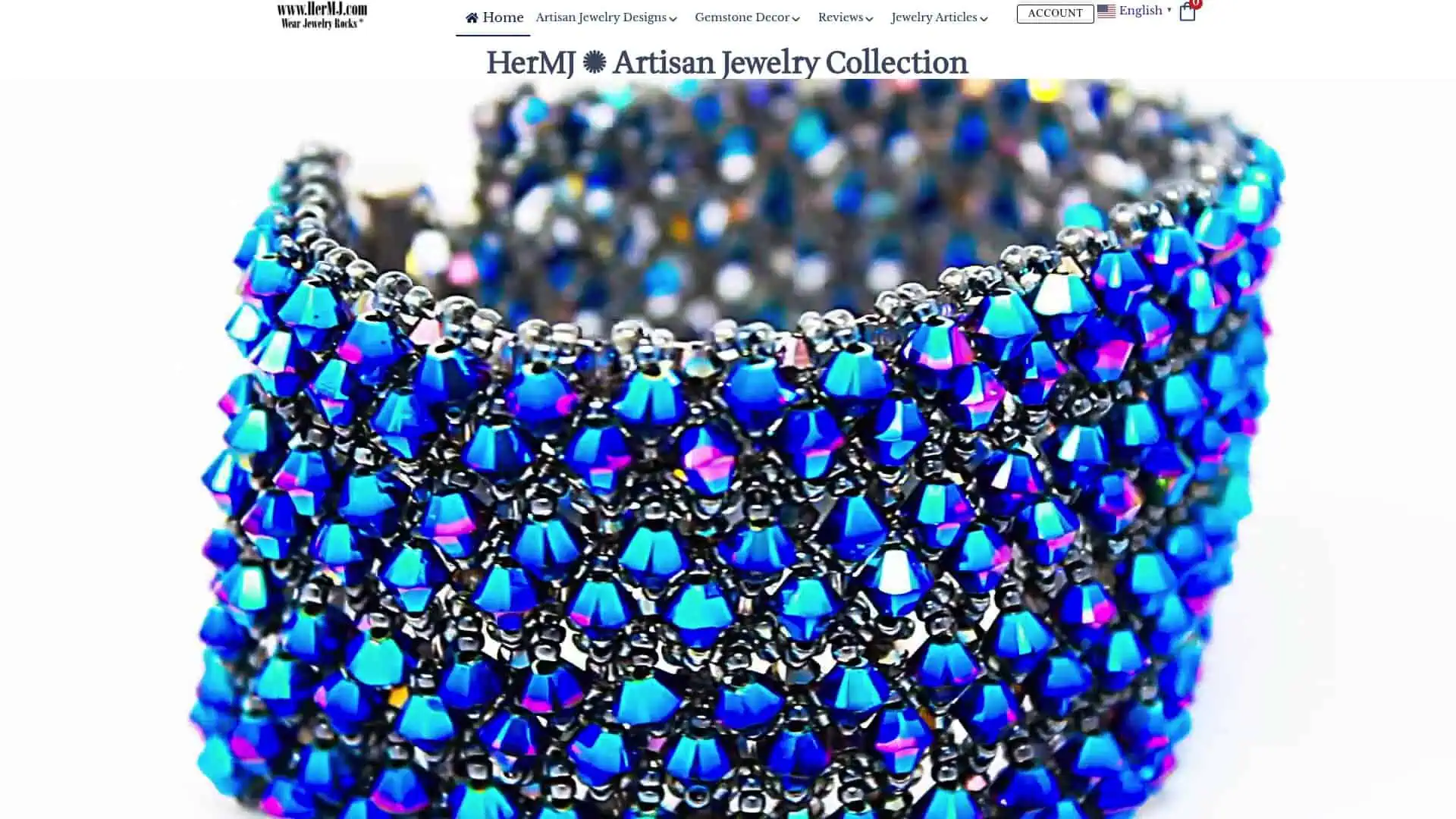
If you’re shopping for a gift with real staying power, the Elegant Freshwater Pearl Necklace delivers the bright, heirloom feel sterling buyers are after.
The Faceted Garnet Gemstone Necklace suits someone who wants bold color with fine detail work, while the Pearl and Aquamarine Necklace fits special-occasion gifting beautifully.
For everyday wear, the Lustrous Freshwater Pearl Bracelet for Elegance and the Tiger Eye Bracelet both hold up to regular use without losing their character.
Shoppers drawn to steel’s cooler tones often love the Incredible Seraphinite Bracelet, and anyone curious about crystal energy pieces should look at the Terahertz Bracelet.
Rounding out the gift list, Modern Drop Pearl Earrings work for both everyday elegance and dressier occasions.
US orders ship free with no minimum, and international orders ship free at $150 and up. Browse the full necklace collection to find the piece that fits your next gift or everyday staple.
Sources
- Buying Platinum, Gold, and Silver Jewelry | Consumer Advice
- Corrosion of stainless steels: a review (PMC)
- Sterling Silver vs Stainless Steel – BOYI materials guide
FAQ
Is it okay to shower with stainless steel jewelry on?
Yes, most of the time. High-quality stainless steel like 316L resists corrosion thanks to its chromium oxide layer, though extended exposure to chlorinated pools or saltwater can still wear that protection down over years.
Does sterling silver get rusty?
No, sterling silver doesn’t rust because rust is specific to iron. It tarnishes instead, developing a gray or black surface layer from sulfur exposure, which polishes off with a standard silver cloth.
Is stainless steel jewelry good quality?
Surgical-grade stainless steel like 316L is genuinely durable and low-maintenance, making it a solid choice for daily wear. Comparative material data confirms it’s harder and more scratch-resistant than sterling silver, though it lacks silver’s intrinsic value and resizing flexibility.
How do I know if my jewelry is silver or stainless steel?
Check for a hallmark stamp: sterling silver is typically marked 925, while surgical stainless steel is often marked 316L. Sterling also feels warmer and shows a brighter white shine, while steel keeps a cooler, more uniform mirror finish, and the FTC recommends checking maker identification and receipts if you’re unsure.
Recommended
- Gold-Filled vs Gold-Plated: Key Differences Explained
- Affordable Gemstone Jewelry Types That Look Expensive
- What Is Everyday Elegant Jewelry: Your Style Guide
- Why Handmade Jewelry Can Be Affordable for Every Budget