


The Crystal Life: Exploring the Fascinating Origins of Gemstones

The Crystal Connection: How Natural Stones Transform Homes, Hearts, and Horizons
Gemstones have always fascinated me; I was fortunate to have a brilliantly creative father who loved nature and crystals. Tirelessly working in the garage, polishing stones and magically transforming them, he passed down the joy it gave him, and I am the beneficiary. One of the first stones he gave me was an Ocean Jasper. It was a small, round handful that I carried everywhere. It was my ‘lucky stone.’ Covered in orbs, it always appeared to be looking back at me, and smiling with its round, joyful eyes.
He also made me a beautiful gold-nugget Amethyst charm bracelet, which I seldom removed; in fact, it was so comparatively heavy against my tiny wrist that I slept with my arm prudently hanging over the edge of the bed. But, oh, how I adored that bracelet. From that time onward, I have always been drawn to gemstones and crystals that speak to me, practically calling my name as I hold them in my hand.
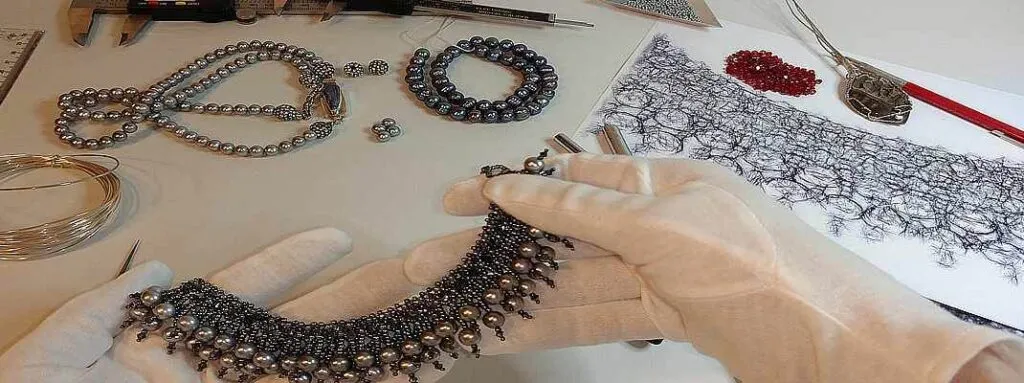
This also plays a substantial role in my jewelry designs, for which I rely on natural elements—Amethyst, Carnelian, Labradorite, Rose Quartz, Citrine, and Tiger Eye, to name a few. Invariably, it is almost impossible to pick an absolute favorite, as I think they’re all so beautiful.
When I first started designing jewelry with organic crystals, I never imagined that a tiny shard of quartz could spark such profound shifts in mood, mindset, and even the very air we breathe.
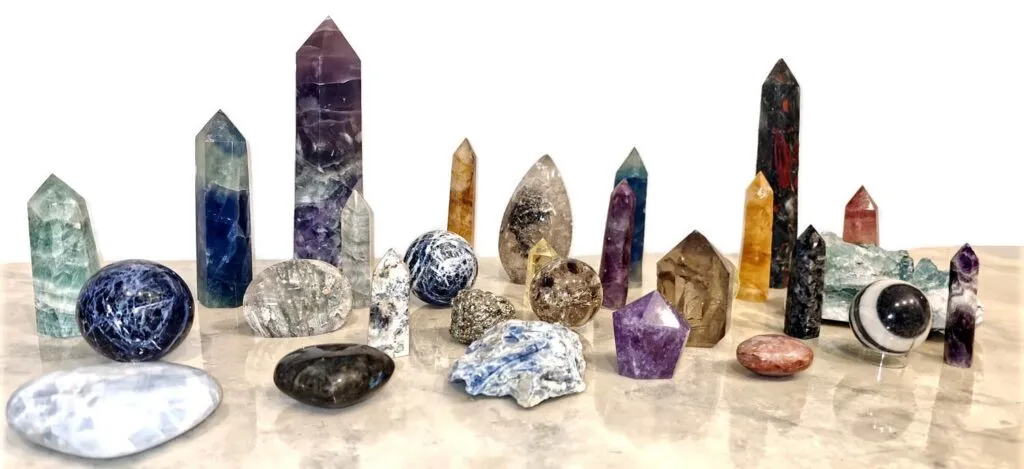
As a designer blending gemstones into both wearable art and home décor, I’ve learned that crystals are more than pretty surfaces—they’re living symbols of intention, beauty, and balance. Below, I’ll walk you through six of my favorite stones—Amethyst, Carnelian, Citrine, Labradorite, Rose Quartz, and Tiger Eye—and share how they can elevate your space and spirit in a warm, tangible way.
Let’s take a look at a few of the different natural elements and their meanings. Welcome to the crystal life:
The Fascinating Life of a Gemstone
AMETHYST
What it looks like: A deep violet that ranges from pale lavender to rich purple, with a subtle translucency that feels almost liquid.
Why it matters: Historically prized for its protective qualities, amethyst is said to quiet the mind and encourage spiritual clarity. In modern décor, a polished amethyst bowl or a cluster of clear-cut stones on a mantle can become a focal point that invites calm during hectic days.
Home‑decor tip: Place a set of amethyst geodes in a sunlit corner; their natural facets reflect light, turning ordinary sunshine into a gentle, meditative glow.

The gorgeous purple of Amethyst is distinct and widely sought after. The name comes from the Koine Greek word that translates to “not intoxicate,” which references the belief that the stone protected its owner from drunkenness – believe it or not. Correspondingly, the ancient Greeks wore amethyst and carved drinking vessels from it, believing that it would shield them from intoxication. Along more temperate beliefs, Amethyst is a stone is also believed to promote calm, balance, and peace. It is also an excellent crystal to choose as a symbol of your desire to build personal wealth and to share your good fortune with loved ones.
CARNELIAN
What it looks like: A vibrant orange-red hue that reminds me of sunrise over desert dunes.
Why it matters: Carnelian is the stone of courage and motivation. It’s known to spark creativity, enhance confidence, and support emotional resilience—exactly what an artist needs when experimenting with new designs or tackling a stubborn creative block.
Home‑decor tip: Incorporate carnelian into an arrangement on a coffee table or dining table; its fiery color energizes any living room or studio space.
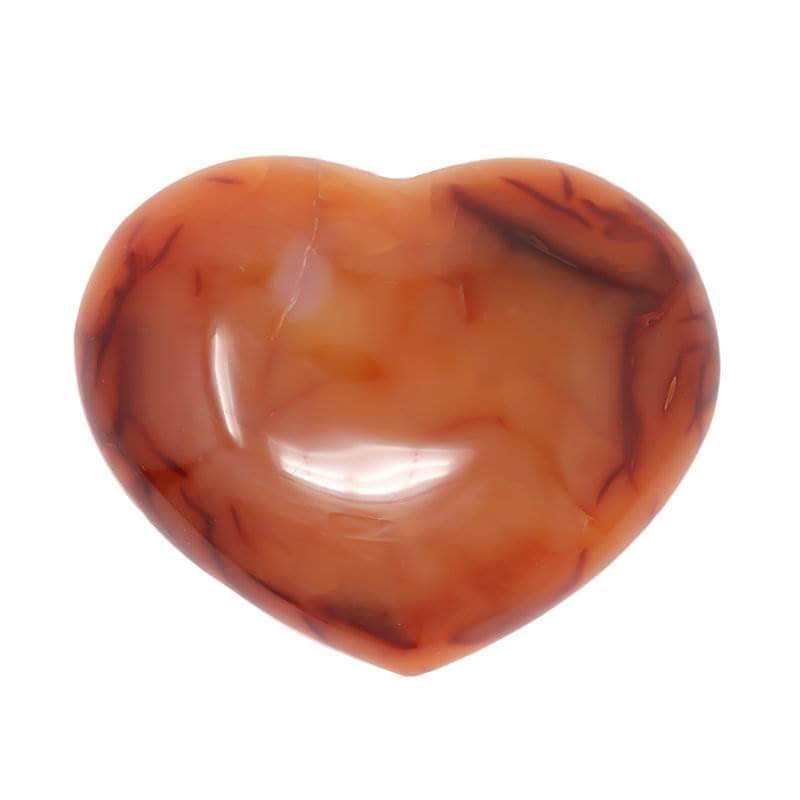
The very first piece of jewelry I made was from Carnelian. I still have it today, and it remains a reminder of my journey and the many stops along the way. Carnelian ranges from pale orange to a deep red. Mostly found in Brazil, India, Siberia, and Germany, it is an ancient stone that came to prominence during the Bronze Age and was popular among Romans and the Egyptians, who relied on it for jewelry designs. Carnelian is respected as a talisman that is believed to increase personal power, courage, and creativity.
CITRINE
What it looks like: A bright, golden yellow that feels almost liquid sunshine.
Why it matters: Citrine is celebrated as the “success stone.” It promotes optimism, abundance, and a sunny outlook—qualities that help you stay motivated during long design sessions or while navigating client negotiations.
Home‑decor tip: Set a cluster of citrine beads on a window ledge; they’ll catch natural light and scatter warm, uplifting rays across your workspace.
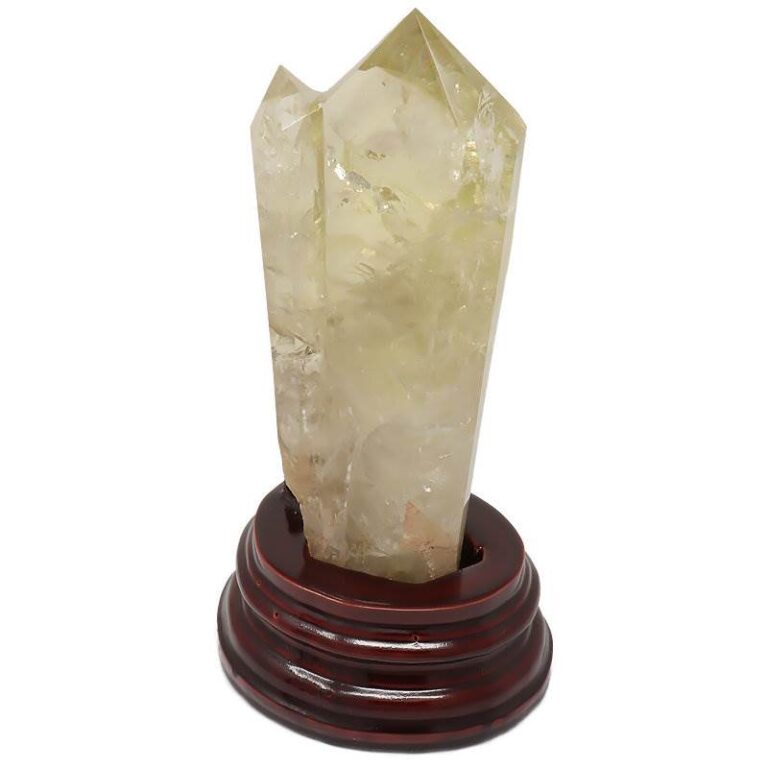
Like a sunbeam of yellow, Citrine is said to promote healing, inspiration, and self-improvement. As a cousin of Amethyst, it is also a variety of quartz. Chemical impurities give Citrine and Amethyst their colors; for Citrine, the iron content gives it its glorious yellow hue. Many feel that Citrine can help to increase energy and boost the spirit. When I see Citrine, it brings to mind the warm radiance of the Sun.
LABRADORITE
What it looks like: A smoky gray base with iridescent flashes that shift from green to blue to violet when you turn them.
Why it matters: Labradorite is revered for its protective qualities—particularly against negative energies—and its ability to inspire imagination and intuition. It’s a reminder that every creative idea, no matter how odd or unconventional, has value.
Home‑decor tip: Place a single labradorite slab on a study desk; the shifting colors will keep your mind alert and inspired as you write and compose.
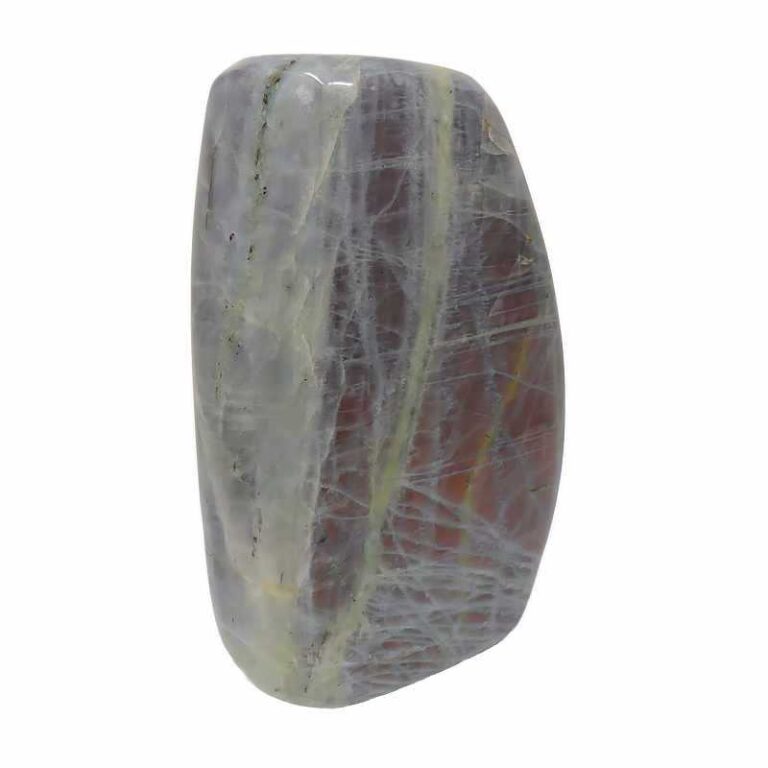
The beautiful colors of Labradorite range from cool grey-white to enchanting shades of pale green, and even to blue with flashes of decadent gold. Labradorite is a popular stone found in the USA and Mexico, as well as Madagascar, Russia, Scandinavia, and in Europe. I’ve used this beautiful stone in my mala and amethyst necklace designs. I regard it as quite a special element, symbolic of transformation, and consider it for its influence in helping us reach our full potential.
ROSE QUARTZ
What it looks like: A soft blush pink that seems to glow from within, with a subtle translucence that gives it an almost liquid feel.
Why it matters: Known as the stone of unconditional love, rose quartz encourages compassion toward yourself and others and helps release emotional baggage. For workers who often juggle supervisors’ expectations and personal duties, this stone is a gentle reminder to stay connected and kind.
Personal tip: Wearing this stone serves as a daily reminder to treat yourself kindly, encouraging healthier habits such as taking breaks, staying hydrated, and practicing gratitude.

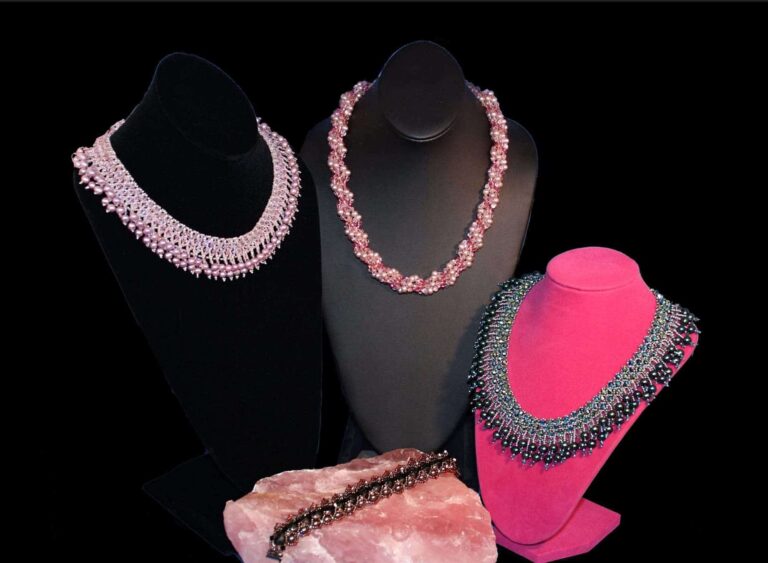
Known as the love stone, Rose Quartz radiates warmth, even at first glance. Known to instill love in the wearer and in those around them, Rose Quartz is highly regarded for its beauty and the influence it is said to have on the healing of relationships. Rose quartz is found in the US, Japan, Brazil, Madagascar, and South Africa.
TIGER EYE
What it looks like: A rich golden-brown banded stone with a silky sheen that resembles the eye of a tiger.
Why it matters: Tiger eye is famed for its grounding and balancing energies. It sharpens focus, enhances decision‑making, and helps maintain inner calm amid external chaos—an essential companion when you’re juggling multiple projects or deadlines.
Personal tip: The stone’s natural banding acts like a visual cue that helps keep the mind anchored, making it easier to deal with problem‑solving tasks.

The beauty of Tiger Eye is like a gaze from its namesake striding through the jungle. Its yellows and browns project in the stone’s deep, rich luster. Mined primarily in South Africa and Western Australia, and esteemed by cultures believing in its capacity to ward off the evil eye, Tiger Eye offers strength and protection to the wearer. It is a respected symbol of courage and confidence.
These are just a few of the gemstones that I’ve used in my designs. Now you can see why it’s impossible to love just one stone when there are so many wonderful choices.
The allure of these natural crystals lies in their beauty and ability to symbolize our aspirations. By adorning Amethyst, Carnelian, Citrine, Labradorite, Rose Quartz, and Tiger Eye into both my jewelry pieces and home décor, I invite a daily reminder that art is more than aesthetics—it’s a living philosophy. These stones can illuminate your path, inspire your designs, and transform your space into a sanctuary of color, balance, and boundless possibility in your own crystal life.