


|
Views: 1,416

Mother of Pearl Nacre Benefits: 50 Shades Of Pearl Jewelry
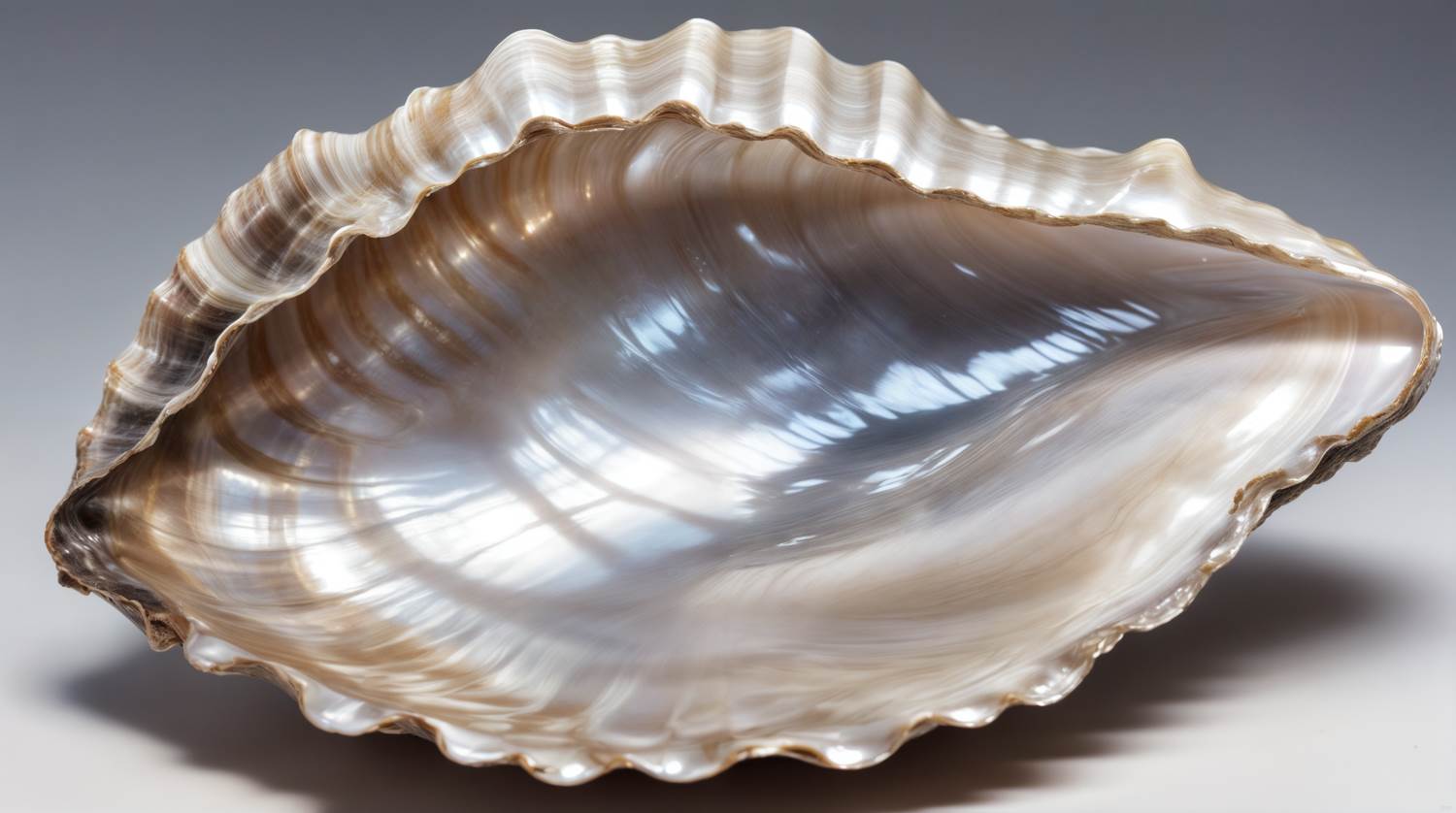
Mother Of Pearl: 50 Shades Of Nacre, Pearl Nacre Used In Jewelry. Shown: the nacre layer forming the surface of a sea shell

Discovering Mother of Pearl Benefits and the Role of Nacre in Jewelry

Discovering Mother of Pearl Nacre Benefits and the Role of Nacre in Pearl Jewelry

Mother of pearl, known scientifically as nacre, is a highly valued iridescent substance found within a mollusk shell, prized for its remarkable strength, resilience, and beauty, particularly in jewelry and decorative arts. Mother of Pearl nacre used in jewelry is formed through the secretion of aragonite crystals (Calcium carbonate),Ā commonly found in eggshells and chalk.

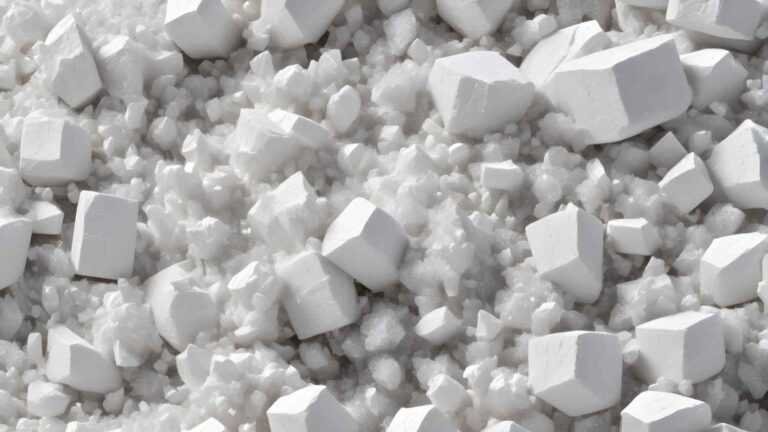
What is mother of pearl - Calcium Carbonate Crystals
Calcium Carbonate Crystals

Mother of pearl nacre benefits from an essential mineral, conchiolin, an important protein in the production of nacre. Its contribution to the flexible framework is vital in supporting the pearl’s smooth surface and protecting the mollusk’s shell.

What Is Mother Of Pearl - Conchiolin
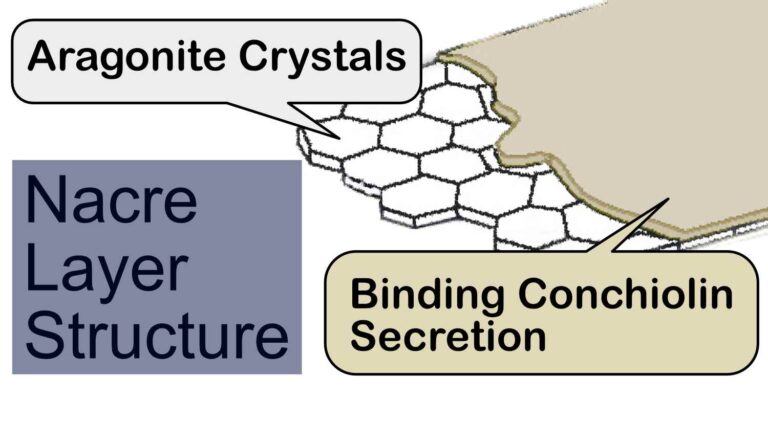
Mother of pearl nacre components and structure

Its iridescent properties result from the thin layers of tiny platelets. This exceptional material is not only aesthetically stunning but also exceptionally durable. Its uses in jewelry and art are both functional and decorative, capturing the imagination of humans for centuries, and it has long been a cultural symbol of purity and luxury.

Nacre Overview

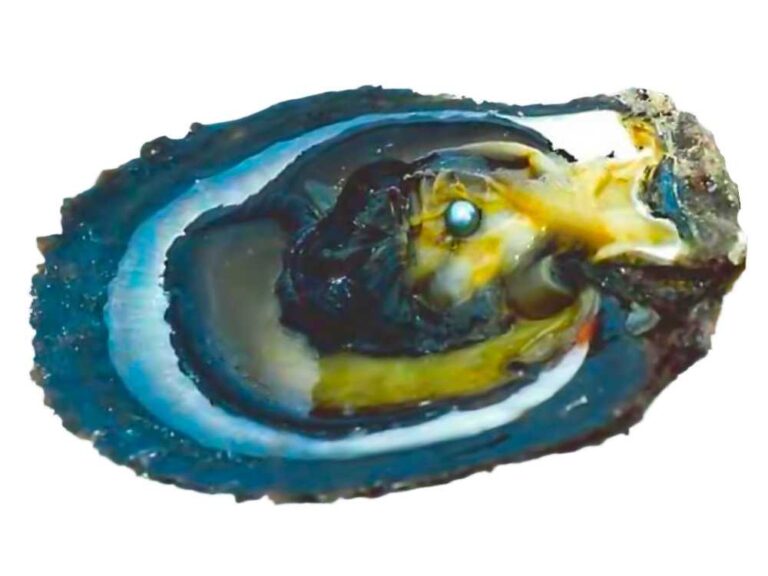
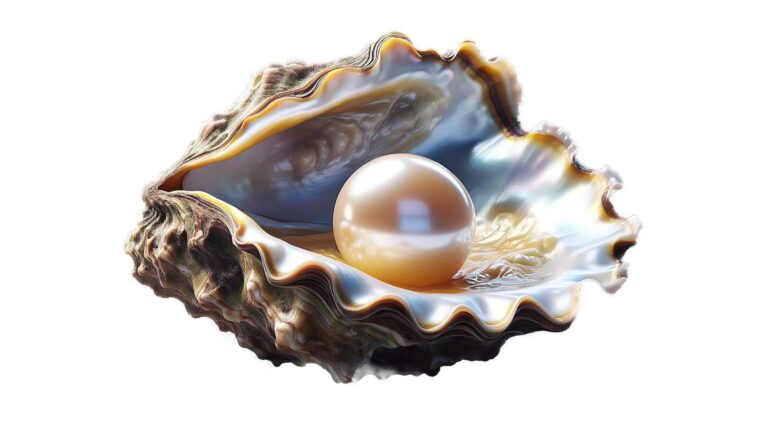
Open Black Lipped Oyster With Pearl

What Is Mother Of Pearl Nacre

Found inside the shells of some mollusks and mussels, the nacre, also known as mother of pearl, is an enchanting material that shines with an iridescent beauty, its shimmering appearance and lustrous surface making it highly prized in jewelry and decorative arts.

The nacre secreted within the body of the mollusk is a combination of aragonite crystals and conchiolin proteins. This unique organic-inorganic material combination gives nacre exceptional strength and resistance to abrasion and fractures, making it highly valued and responsible for the quality of each pearl’s structure, as well as for our fascination with the famous organic gemstone.

Nacre’s remarkable appearance is mainly responsible for what we see when light interacts with its thin layers. The specific wavelengths of light create different types of interference, resulting in the shimmering play of colors that makes nacre so visually appealing. The combination of this striking optical effect and its durability has led to the widespread use of mother of pearl, where it continues to play a significant role in our concept of beauty and luxury.

Formation Process

When mollusks secrete layers of conchiolin and aragonite to coat foreign objects trapped within the animal’s shell, the resulting nacre begins the long process of building the layers of the pearl’s anatomy. This includes the shimmering colors and exceptional strength that give the pearl its signature appearance.

The thick, lustrous layers can take several years to develop. The layers of aragonite and conchiolin create a smooth surface, protecting the mollusk’s delicate flesh from parasites and debris. As secreted layers accumulate over time, the material becomes resistant to abrasion and fracture.

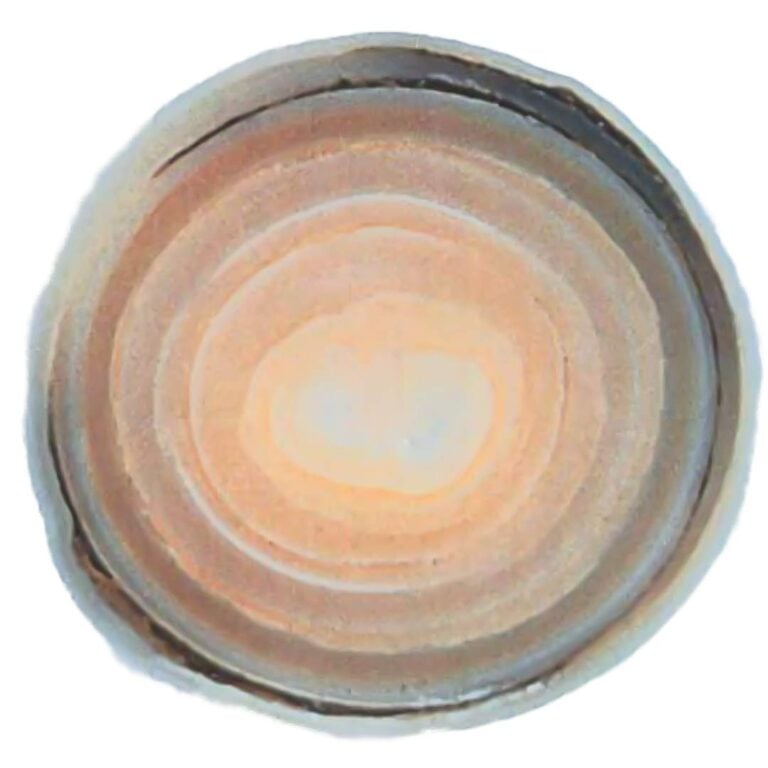
Mother of Pearl Nacre Used In Jewelry - Pearl Layer Cross Section mother of pearl
Mother Of Pearl Nacre Cross Section – Concholin, Calcium Carbonate Layers

Ironically, although a grain of sand is commonly said to be the nucleus at the center of a pearl, it can also be a result of other intruders, such as tiny ill-fated parasites. Making its way into the shell via the mollusk’s feeding or breathing, the irritant triggers a reaction that begins the pearl’s creation. In an act of self-preservation, the mollusk encases the intruder in layers of nacre, whether it’s sand, a foreign bit of shell, or the parasite itself.

And so, the miraculous process continues across oceans and freshwater mussel farms, resulting in the iridescent nacre-generated pearl, so beloved as a valued material. Whether used for pearl production or inlay work, mother of pearl nacre is treasured for the visual magic of its shifting hues, which radiate shimmering light.

Mother of Pearl Benefits: Applications in Jewelry

Nacre’s stunning iridescence and robust durability are key to its prominent role in a wide range of jewelry pieces and, thanks to its ability to enhance both functional and decorative items, virtually unlimited uses in apparel.

The variety of colors, inherited by each pearl from its host, is a product of the mollusk’s own shell coloring. The hues naturally decorating the mollusk’s lips, or rim, are prime indicators of the eventual color that will benefit its sparkling spawn.

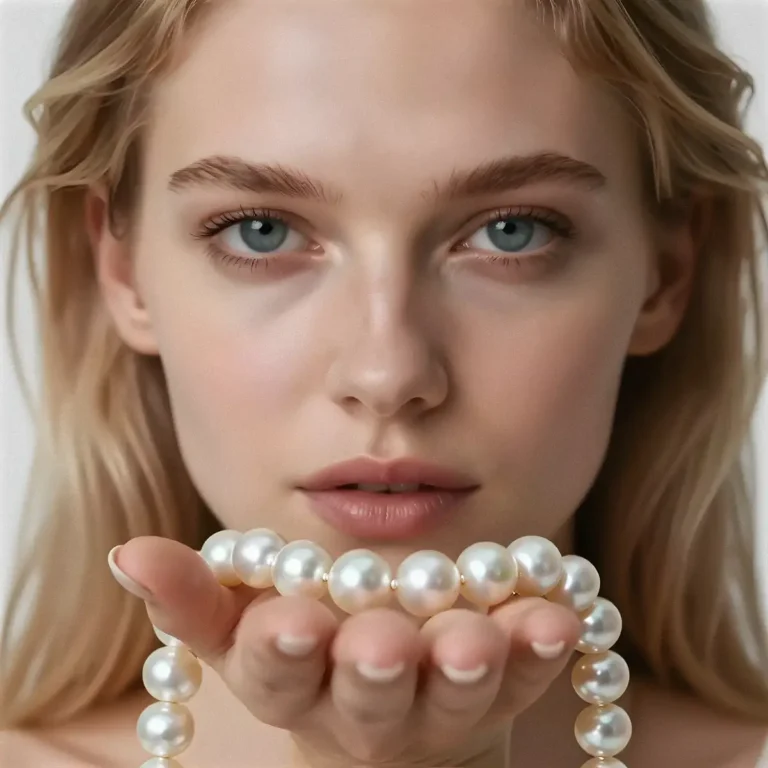
Mother of Pearl Benefits giving pearls their signature luster. Shown:  Freshwater Cultured Pearls - HerMJ.com

Across cultures, the shimmering colors of mother of pearl have captivated humans for centuries, inspiring its universal contribution to jewelry, art, and craftsmanship worldwide. This resilient material finds its way into an ever-increasing number of jewelry designs—not only for its beauty but also for its practical uses.

Throughout history, designers have experimented with methods to achieve similar iridescence on glass and ceramics, leading to the reliance on the pearl and mother of pearl for their natural beauty.

Today, mother of pearl adorns artifacts such as intricate inlays, jewelry, and small reliefs. From ancient Mesopotamia to modern jewelry, its luminescent beauty endures, sustaining its timeless appeal across generations and genders.

Cultural Significance

Globally, mother of pearl holds a deep cultural significance as a symbol of purity, radiating elegance, wealth, and status. Across various societies, nacre has long been valued for its silky beauty.

In many ancient cultures, mother of pearl benefits royalty and divinity, often enhancing adornments in jewelry and personal accessories of high-ranking political and spiritual leaders. The contribution of nacre continues to capture the imagination, inspiring astonishing works from artisans across many civilizations. Its stunning appearance has given it a prized status in traditional arts and jewelry, often reserved for special occasions and ceremonial objects.

Wedding Pearls

Today, it continues to find a place in modern jewelry and design, where its radiant colors symbolize the beauty and excitement of our most cherished ceremonies. Its cultural significance is evident in its use as a symbol of luxury and refinement, a practice that contributes to both culture and tradition.

Mother Of Pearl Nacre Formation Details

The process of nacre creation determines the quality of the pearl. Cultured pearls result from the introduction of an irritant seeded in the mollusk by human interaction, while natural pearls form without human intervention. The value of pearls is significantly influenced by factors such asĀ size, shape, color, and luster, with larger, rounder pearls typically commanding higher prices. Harvesting pearls requires delicate precision; later, the act of opening each oyster requires skill and care to retrieve each pearl. Once extracted, each gem is cleaned, graded, and sorted by quality.

Frequently Asked Questions

Can Mother of Pearl Be Grown in a Laboratory Setting?

Yes, mother of pearl can be grown in a laboratory setting. This process, known as biomineralization, mimics the formation of nacre by creating layers of aragonite and conchiolin on a substrate under controlled conditions. Laboratory-grown nacre exhibits properties similar to those of natural nacre, including strength, iridescence, and luster, providing a sustainable and ethical alternative to harvesting from mollusks.

What Is the Name for Fake Mother of Pearl?

The name for fake mother of pearl is ‘faux mother of pearl.’ This synthetic material effectively replicates the iridescent appearance of nacre, providing a cost-effective alternative for jewelry and decorative items. Faux mother of pearl can be fabricated from various materials, including plastic, glass, and acrylic.

Does Mother of Pearl Come Only in White?

Mother of pearl does not come only in white. In fact, it can appear in a range of colors, including pink, blue, green, and yellow, depending on the mollusc species and its environment. The unique color arc is created by the combination of aragonite crystals and conchiolin proteins, producing its iridescence. This natural beauty makes it a sought-after material.

Are Mother of Pearl and Shellac Related Materials?

Mother of pearl nacre and shellac are not related materials. While both have unique properties, they are derived from different sources, including mollusk shells, composed of aragonite and conchiolin, which gives them an iridescent appearance. Shellac, conversely, is a resin produced by the lac bug. The differing origins and compositions of these materials make them unrelated.

Is It Ethical to Source Mother of Pearl From Around the World?

Sourcing mother of pearl from around the world raises ethical concerns, particularly regarding sustainable harvesting practices and labor conditions. Regions like Southeast Asia and the Pacific Islands, known for mother of pearl production, have regulations to protect marine ecosystems. Certification programs, such as the Responsible Jewellery Council, promote responsible practices. Consumers can support ethical sourcing by choosing jewelry from sustainably sourced mother of pearl and seeking manufacturer transparency.

The Mother of Pearl Nacre in Unique Pearl Formation

Nacre Overview

The term nacre is another name for mother of pearl, a hard, iridescent, crystalline biomineral substance found in the inner layers of certain mollusk shells, such as oysters and abalone. Composed of platelets of aragonite (a form of calcium carbonate) separated by elastic biopolymer sheets, this material is formed through a unique blend of minerals secreted by mollusks and deposited inside their shells.

Pearl Science – From Mother Nature’s Laboratory

Oyster Shell WIth Pearl

Formation Process: What is Nacre Used For?

The formation of nacre involves a complex bio-mineralization (the creation of a mineral in the body of the living mollusk). The protein framework secreted from the pearl oyster, or other mollusk, plays a pivotal role in the development of nacre by the formation and stabilization of calcium carbonate. The process ultimately produces tiny aragonite platelets that confer remarkable strength and resilience to the resulting pearl.

Material Properties

Nacre is characterized by its remarkable iridescent colors, which result from its stacked platelets. These nacre layers provide the pearl with its durability and high fracture resistance. The resulting material is also lightweight due to the platelets’ unique organization, which is both strong and delicate.

Applications in Jewelry

Mother of pearl nacre is relied on for its iridescent colors and durability. This organic material can be shaped into various forms, such as beads and buttons, for use in diverse settings. In addition, mother of pearl is often associated with pearls, which are also formed from the same material as the mollusk’s shell.

Cultural Significance

Nacre has cultural and symbolic significance due to its rarity and the mythology surrounding the mollusc shells from which it comes. The material has been used for decorative purposes and as a symbol of wealth and royalty across many cultures. Additionally, its metaphysical associations include the association of mother of pearl with the divine feminine and nurturing qualities.

Pearl Formation Details

Pearls are formed when a foreign substance, such as a parasite, enters the mollusk. The mollusk responds by secreting layers of nacre to encase the intruder, which eventually requires months and years for the formation of a pearl. These layers of nacre continue to grow and are valued for their compelling iridescence. Irregularities based on inconsistent nacre layering over time and shifting in the mollusk’s pearl sack can cause grooves or circles around the gem.

Conclusion

Mother of pearl benefits jewelry with its shimmering layers of beauty, and its appeal remains a central component of apparel and jewelry we’ve loved for centuries, whether a classic pearl necklace or an ultra-modern pearl bracelet. Nacre and the beauty of mother of pearl are the sources of this signature gemstone’s iridescent luster.

HerMJ Design Boutique

The Beauty Of Natural Pearl Jewelry

See HerMJ’s exclusive collection of handcrafted pearl creations
Frequently Asked Questions

Pearl nacre is responsible for the beauty of natural pearl jewelry. It’s the shimmering shell that surrounds every pearl you admire in a piece of jewelry. At its core, nacre is a natural composite material made from two primary components—calcium carbonate and an organic protein matrix—arranged in a precise, microscopic pattern that gives pearls their lustrous sheen.

Calcium Carbonate (Aragonite or Calcite)
Tiny platelets of calcium carbonate form the bulk of the nacre. In most pearls, these plates are aragonite, which is slightly more flexible than calcite and contributes to a smoother, more reflective surface. The mineral plates act like a protective shell, building up layer by layer as the mollusk secretes them around an irritant (often a tiny grain of sand or a parasite). Each new layer adds thickness and brilliance.

Organic Matrix (Conchiolin)
A protein‑rich gel called conchiolin surrounds each calcium carbonate plate, forming a sticky, adhesive layer that holds the plates together. The matrix provides structural flexibility, allowing the pearl to withstand minor impacts without cracking. It also contributes to the pearl’s unique iridescent color when light hits the layered structure.

Layering Pattern (Brick‑and‑Mortar Arrangement)
The calcium carbonate plates and conchiolin layers stack in a ā€œbrick‑and‑mortarā€ pattern—flat, overlapping plates with thin organic bridges between them. The arrangement scatters light multiple times within the pearl’s surface, producing the rainbow sheen that pearls are celebrated for.

Thickness & Smoothness
The beauty of a pearl truly shines through the number of layers it possesses and the uniformity of its formation. Thicker, evenly layered nacre creates a stunning luster, while slight irregularities add captivating variations in color and shine, making each pearl a unique gem with its own special charm!

Color Influence
The hue of a pearl is determined by trace elements (such as iron or copper) that may be incorporated into the calcium carbonate plates during formation, and by the thickness of the layers themselves. A well‑controlled layering process can produce classic white pearls, while slight variations can lead to cream, pink, or even black pearls.

What is Nacre used for & Why It Matters for Jewelry Lovers
For those who adore the look of pearl jewelry, understanding nacre explains why a high‑quality pearl feels smooth and glistens so beautifully. For the scientifically curious, it’s fascinating how a mollusk’s secretions can create an elegant natural composite that rivals some engineered materials in terms of strength-to-weight ratio and optical performance.

Each pearl is the result of a living process: a microscopic mosaic of calcium carbonate plates glued together by protein, layered over time to produce a timeless work of nature’s design—ready to be turned into exquisite jewelry.

Color variations come from trace elements (iron, copper, manganese) in the calcium carbonate and differences in layer thickness.

Yes—nacre is non‑allergenic and biocompatible, which is why pearls are popular for hypoallergenic jewelry.

With the help of magnification, like a jeweler’s loupe or microscope, you can actually see the brick‑and‑mortar layering pattern.

Views: 1,416

Similar Posts