


What Is Heirloom Quality Jewelry? A Buyer’s Guide
The Edit
- Heirloom quality jewelry features durable precious metals and natural gemstones crafted with artisanal techniques to ensure lasting value across generations. These pieces are well-documented, repairable, and designed with timeless styles, setting them apart from mass-produced accessories. Recognizing key characteristics like material integrity, craftsmanship, provenance, and repairability helps in making informed investment or gifting decisions.
Heirloom quality jewelry is defined as pieces crafted from precious metals and natural gemstones, built with artisanal skill and designed to retain both monetary and sentimental value across generations.
The industry term most closely aligned with this concept is fine jewelry, though heirloom quality implies an additional layer: the piece must be durable enough to survive decades of wear, significant enough to carry meaning, and well-documented enough to hold its value.
Unlike fashion jewelry or mass-produced accessories, heirloom pieces are made to outlast trends, outlast their original owners, and grow more meaningful with time. Understanding what separates a true heirloom from an ordinary piece helps you make smarter decisions if you’re buying for investment, gifting, or building a personal collection.
What is heirloom quality jewelry, exactly?
Heirloom quality jewelry refers to pieces that combine superior materials, skilled craftsmanship, and lasting design into something worth preserving and passing down. It’s a standard, not a category. A pearl necklace, a sapphire brooch, or a gold bracelet can each qualify, provided they meet the core criteria.
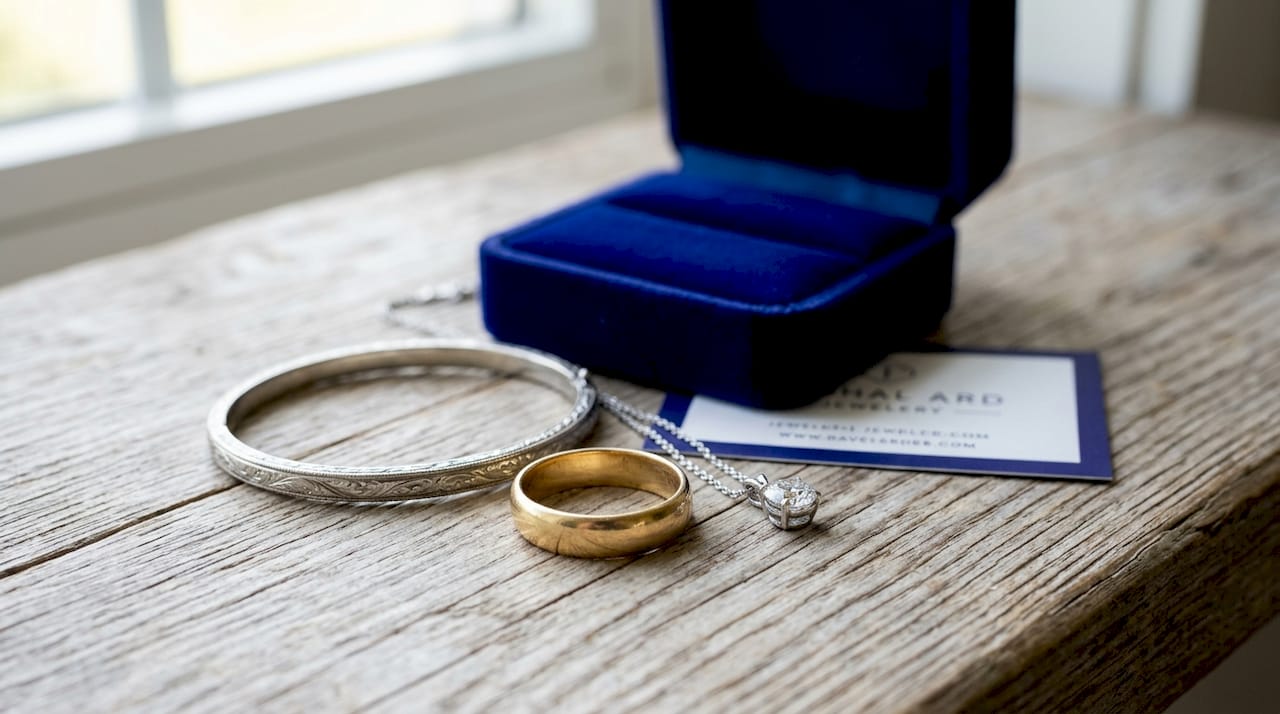
The foundation is material integrity. Solid gold (typically 14k, 18k, or 22k), platinum, and natural gemstones like diamonds, rubies, sapphires, emeralds, and pearls form the backbone of most heirloom pieces.
These materials have intrinsic value independent of design, so even if the style falls out of fashion, the raw materials retain their value. Pearls, which are organic gems formed inside living mollusks, carry their own category of value rooted in rarity, luster, and origin.
You can read more about pearl value factors to understand why certain pearls command prices comparable to precious stones.
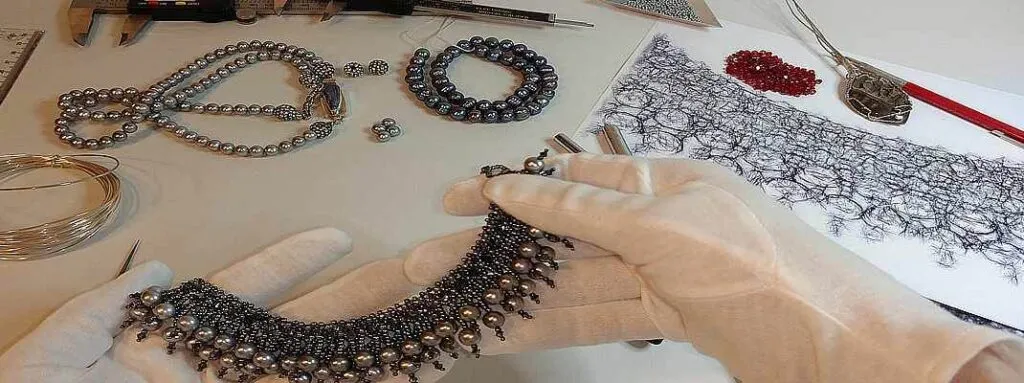
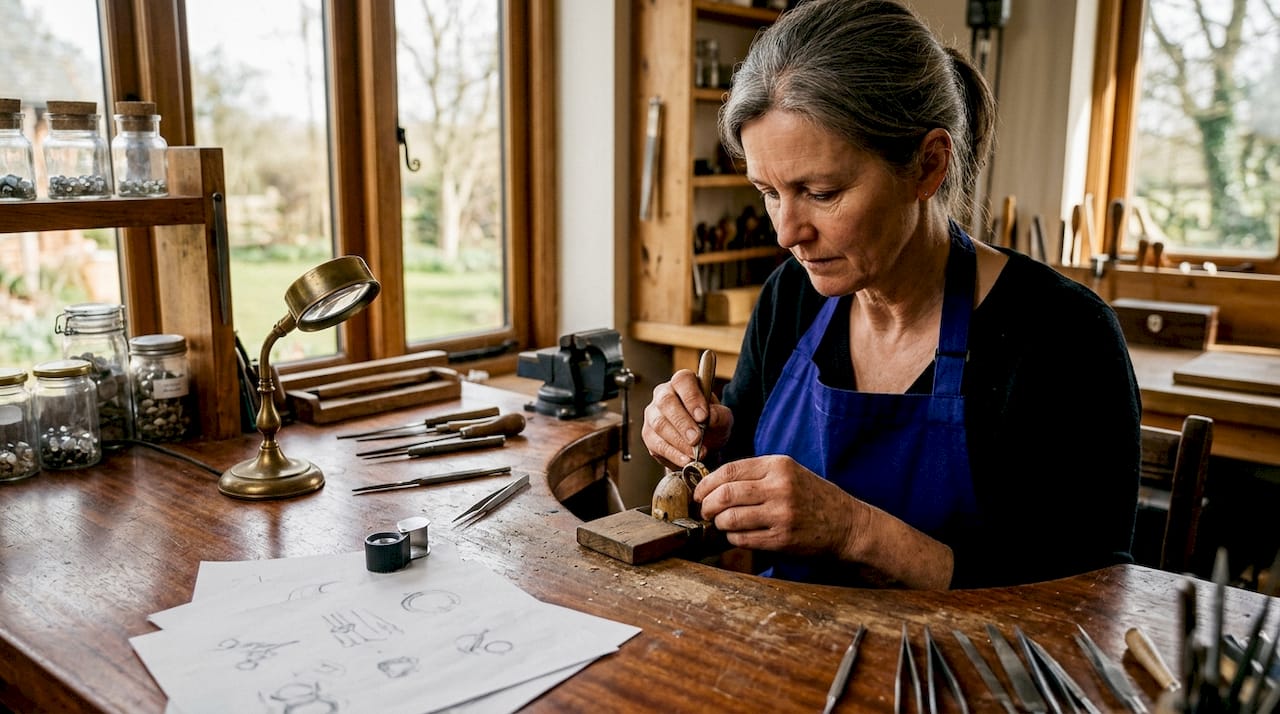
Craftsmanship is the second pillar. Artisanal techniques like hand-setting stones, hand-engraving, and hand-finishing details signal a level of care and skill that machine production cannot replicate. Each hand-finished piece carries subtle variations that make it unique, and that uniqueness contributes directly to its long-term desirability.
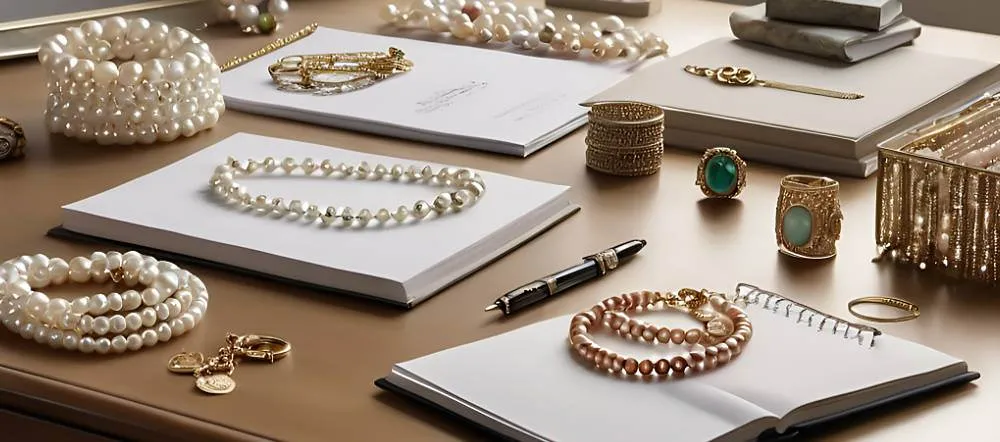
Design longevity rounds out the definition. Heirloom pieces favor classic forms over trend-driven shapes. A well-proportioned strand of Akoya pearls or a clean geometric gold pendant reads as beautiful in 1985, 2005, and 2026 alike. That timelessness is not accidental. It reflects deliberate design choices made with permanence in mind.
Key characteristics that define heirloom jewelry
Several concrete features separate a true heirloom from a piece that simply looks expensive. Knowing these characteristics protects you when buying and helps you recognize quality in pieces you may have inherited.
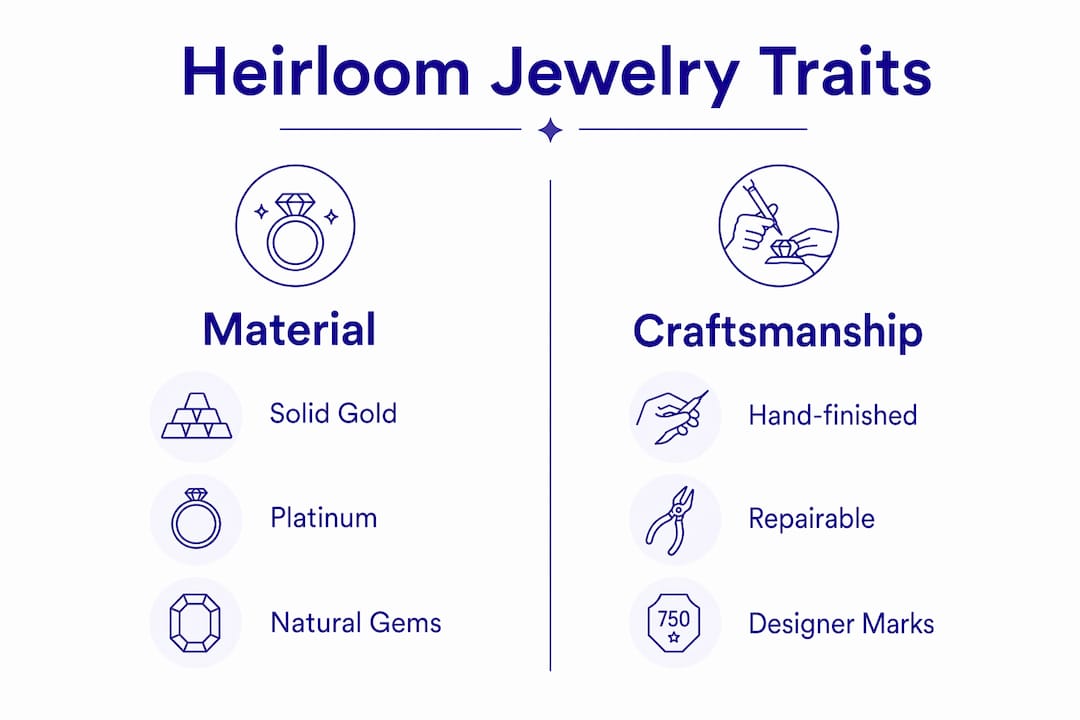
Materials that hold their integrity over time. Solid gold and platinum offer far better longevity and repair options than gold-filled or plated alternatives. Plated pieces lose their surface finish within years of regular wear, while solid precious metals can be polished, resized, and repaired indefinitely. Natural gemstones, unlike synthetic substitutes, carry geological rarity that supports long-term value.
Hand-finished construction. Heirloom quality jewelry is often handmade or hand-finished by skilled artisans, which contrasts sharply with mass-produced items built on assembly lines. Hand-set prongs grip stones more securely. Hand-soldered joins hold longer under stress. These details aren’t visible at first glance, but they determine whether a piece survives decades of daily wear.
Repairability. A piece worth passing down must be a piece that can be serviced. Solid metal construction allows a jeweler to re-tip prongs, replace clasps, resize settings, and restore surface finish without compromising the original design. This is a practical test you can apply when evaluating any piece.
Provenance and documentation. Designer signatures, hallmarks, and maker’s marks increase both the historical significance and the resale value of a piece. Recognized makers and antique status can make a piece substantially more marketable. Original appraisals, gemological certificates, and photographs form the paper trail that supports valuation for insurance, sale, or inheritance.
Emotional and historical significance. True heirlooms carry stories. A brooch worn at a grandmother’s wedding, a pearl strand gifted at a milestone birthday, a bracelet purchased during a meaningful trip abroad. These narratives don’t inflate a piece’s monetary value, but they deepen the reasons a piece gets kept, worn, and eventually passed on.
Pro Tip: When buying a piece intended as a future heirloom, ask the jeweler for a written description of the metal purity, stone grades, and construction method. This documentation becomes part of the piece’s provenance from day one.
How heirloom jewelry compares to mass-produced pieces
The difference between heirloom quality and mass-produced jewelry isn’t always visible to the naked eye, which is exactly why understanding the distinctions matters before you buy.
| Feature | Heirloom quality | Mass-produced |
|---|---|---|
| Metal construction | Solid gold or platinum | Gold-plated or gold-filled base metal |
| Stone quality | Natural, graded gemstones | Synthetic, simulated, or low-grade stones |
| Craftsmanship | Hand-finished, artisanal | Machine-assembled, uniform |
| Repairability | High, serviceable by any skilled jeweler | Low, often not worth repairing |
| Documentation | Appraisals, certificates, hallmarks | Minimal or none |
| Longevity | Decades to generations | Months to a few years |
Mass-produced items frequently use lower-grade materials and shortcut construction methods that deteriorate faster than the solid precious metals used in heirloom pieces.
A gold-plated bracelet may look identical to a solid gold one in a display case, but within two to three years of regular wear, the plating wears through at contact points, revealing base metal underneath. That piece cannot be meaningfully repaired or resold.
Heirloom pieces, by contrast, come with a clear paper trail. Current appraisals and grading reports replace outdated documentation to reflect market realities, and a piece with a current gemological report from a body like the IGI or GIA carries measurably better marketability than one without. This documentation gap is one of the most underappreciated differences between categories.
The repair-and-repurposing advantage also favors heirloom quality. When a solid gold clasp breaks, a jeweler can re-solder it for a modest fee. When a plated clasp breaks on a mass-produced piece, the repair cost often exceeds the piece’s value. That practical reality shapes the long-term economics of owning quality jewelry.
How to value heirloom jewelry for investment and gifting
Valuation is where most buyers and heirs encounter surprises. Heirloom jewelry carries multiple distinct value types, and confusing them leads to poor decisions when buying, insuring, or selling.
Intrinsic or scrap value is the lowest floor in jewelry valuation, counting primarily the melt value of gold and the loose stone value without any credit for design, condition, or provenance. This number tells you the absolute minimum a piece is worth if melted down and sold as raw material.
Replacement value is the cost to buy an equivalent piece at retail today, and it’s typically the highest valuation metric, used primarily for insurance purposes. A piece appraised at $4,000 replacement value might sell on the secondary market for $1,200. That gap surprises many heirs, and it’s why appraisal versus resale literacy matters before you make any financial decisions based on an appraisal figure.
Fair market value sits between those two extremes. It reflects what a willing buyer would pay a willing seller in an open market, accounting for condition, provenance, and current demand. This is the figure most relevant for estate planning and gifting decisions.
Liquidation value is what you’d receive in a forced or time-pressured sale, typically 20 to 50 percent below fair market value. Auction houses, estate buyers, and pawn shops operate closer to this number.
Rarity and designer provenance shift all of these figures upward. A signed piece by a recognized maker like Tiffany & Co., Cartier, or Van Cleef & Arpels commands a premium at every valuation tier. The same stone in an unsigned setting sells for less, even if the craftsmanship is comparable. This is why provenance documentation matters so much when you’re buying with investment intent.
Pro Tip: Before insuring any heirloom piece, get a current replacement value appraisal from a certified gemologist, not the jeweler who sold it to you. Independent appraisals carry more weight with insurers and provide an unbiased baseline.
Caring for and repurposing heirloom jewelry
Owning heirloom quality jewelry carries a responsibility that mass-produced pieces don’t demand. These pieces reward attentive care and thoughtful adaptation to modern life.
Store pieces individually. Gemstones scratch each other when stored together. Use separate pouches or compartmentalized jewelry boxes to prevent surface damage, especially for pearls, which are softer than most gemstones and susceptible to abrasion.
Clean gently and regularly. Warm water with a drop of mild dish soap and a soft brush handles most cleaning needs for gold and gemstone pieces. Pearls require even gentler handling. Avoid ultrasonic cleaners for organic materials like pearls, coral, or amber, as vibration can damage their structure. For detailed guidance on protecting your pieces, my HerMJ guide on preventing jewelry tarnish covers the most common threats to luster and finish.
Schedule professional inspections. A jeweler should check prong integrity, clasp function, and stone security every one to two years. Catching a loose prong before a stone falls out costs far less than replacing the stone afterward.
Consider a thoughtful redesign. Repurposing heirloom jewelry involves adapting a piece’s function to a modern lifestyle while preserving its emotional value. Common adaptations include lowering a ring’s profile for everyday comfort and converting brooches into pendants for wearability. These changes keep sentimental stones in daily use rather than locked in a drawer.
Document everything. Photograph each piece against a neutral background, record the metal purity and stone grades, and keep all certificates and appraisals in a fireproof location or digital backup. A lack of proper paperwork reduces marketability and significantly complicates insurance claims.
Heirloom redesign is less about aesthetics and more about adapting to the wearer’s lifestyle while respecting sentimental attachment. Many families delay this process out of guilt or uncertainty, but a skilled jeweler can honor the original piece while making it genuinely wearable for a new generation.
Pro Tip: If you’re inheriting a piece with no documentation, commission a current gemological report before making any decisions about selling, insuring, or redesigning. That report becomes the foundation of the piece’s new provenance record.
Key takeaways
Heirloom quality jewelry requires solid precious materials, artisanal craftsmanship, thorough documentation, and deliberate design to hold both monetary and sentimental value across generations.
| Point | Details |
|---|---|
| Material integrity matters most | Solid gold and platinum outlast plated alternatives and support decades of repair and wear. |
| Documentation drives value | Appraisals, certificates, and provenance records directly affect resale, insurance, and inheritance outcomes. |
| Valuation has multiple tiers | Scrap, fair market, replacement, and liquidation values differ significantly. Know which applies to your situation. |
| Repurposing preserves legacy | Converting brooches to pendants or updating settings keeps heirloom stones in active use. |
| Craftsmanship is the differentiator | Hand-finished construction and artisanal techniques separate true heirlooms from mass-produced lookalikes. |
Why heirloom quality is more than what meets the eye
I’ve spent years working with jewelry that carries history, and the most consistent lesson I’ve learned is this: the pieces that hold their value and meaning are rarely the flashiest. They’re the pieces built with intention, documented carefully, and worn with awareness.
What surprises most people when they start evaluating heirloom jewelry is how much of the value lives in the paperwork and the serviceability record, not just in the stone or the metal.
A thorough serviceability review, consistent repair records, and current certificates are often more important than visual appearance alone when assessing a piece for investment.
A stunning sapphire with no documentation and worn prongs is a liability. The same stone with a current IGI grading report and a clean service history is an asset.
I also think we underestimate how much emotional significance evolves over time. A piece you inherit at 30 may feel heavy with someone else’s story. At 50, after you’ve worn it through your own milestones, it carries yours, too. That layering of meaning is what makes a true heirloom irreplaceable, regardless of its market price.
My advice: balance your investment goals with your personal attachment. Buy pieces you genuinely love, from makers whose craftsmanship you can verify, and document everything from the start. The financial value follows the quality. The sentimental value follows the wearing.
— Veronique
Discover artisan craftsmanship built to last
If this guide has you thinking about what genuine heirloom quality looks like in practice, HerMJ’s resource on artisan jewelry craftsmanship breaks down exactly what to look for in hand-finished pieces, from stone-setting techniques to metal finishing standards.
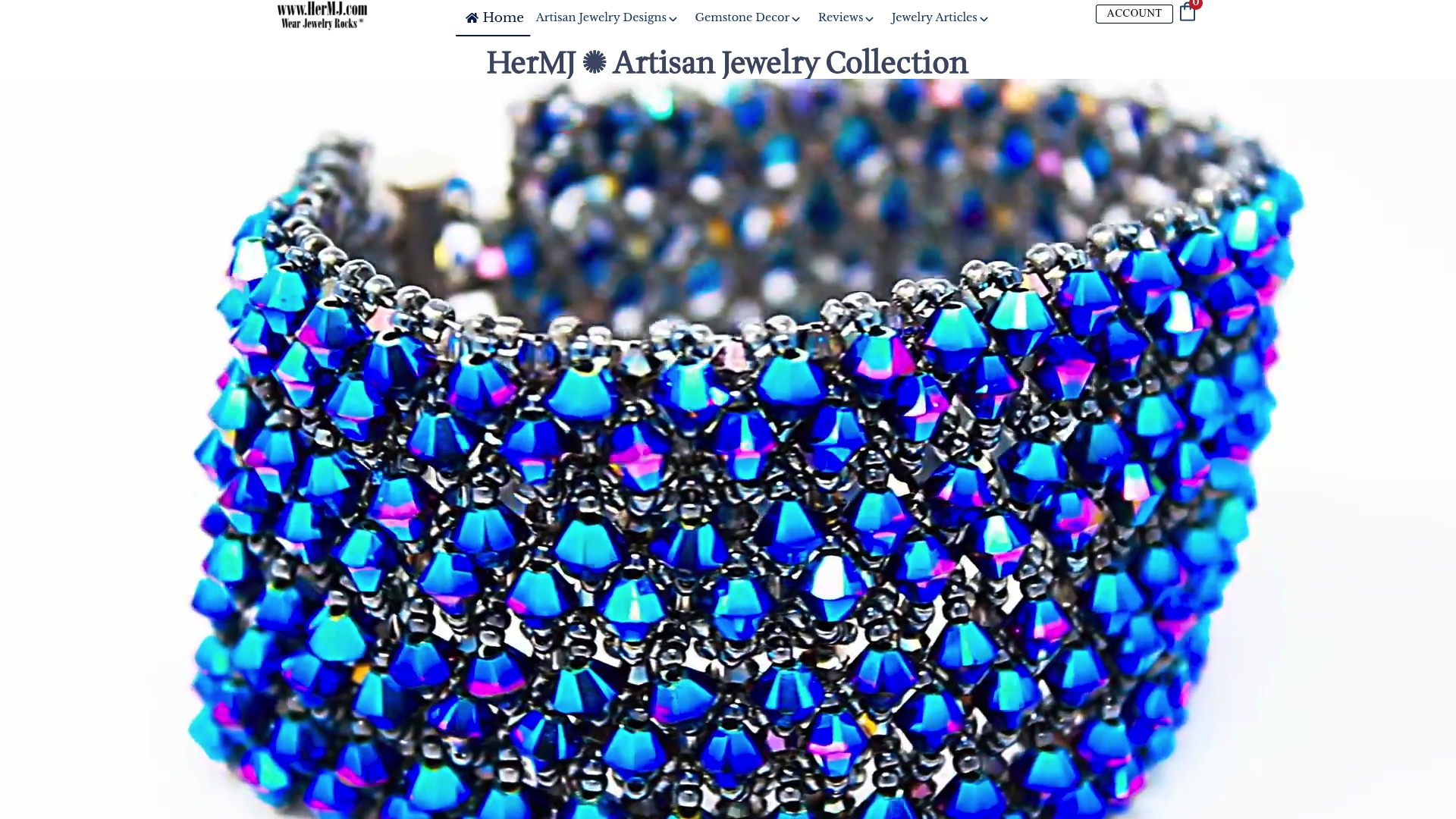
HerMJ specializes in handmade jewelry crafted from genuine pearls and natural gemstones, designed for both everyday elegance and special occasions. Each piece reflects the kind of deliberate craftsmanship that gives jewelry its staying power.
If you’re building a collection, selecting a meaningful gift, or simply looking for a piece worth keeping, you’ll find options that combine accessible pricing with the quality markers that define lasting jewelry. Browse the collection and see what artisan-made truly looks like up close. For a beautiful example of how pearl and gold details come together in a wearable, heirloom-worthy design, the pearl chain bracelet from JV London shows the standard well.
FAQ
What defines heirloom quality in jewelry?
Heirloom quality jewelry is defined by solid precious metal construction, natural gemstones, hand-finished artisanal craftsmanship, and thorough documentation, including appraisals and certificates. These features together support durability, repairability, and lasting monetary and sentimental value.
How is heirloom jewelry different from fine jewelry?
Fine jewelry is the standard industry term for pieces made from precious metals and genuine gemstones. Heirloom quality is a higher standard within that category, implying the piece is also durable enough to pass down, documented well enough to retain provenance, and designed with enough timelessness to remain desirable across generations.
What’s the difference between replacement value and resale value?
Replacement value is what it costs to buy an equivalent piece at retail today, typically used for insurance purposes and usually the highest valuation figure. Resale or fair market value reflects what a buyer would actually pay on the open market, which is often significantly lower than the replacement figure.
How do I know if an inherited piece qualifies as heirloom quality?
Have the piece evaluated by a certified gemologist who can assess metal purity, stone quality, construction integrity, and current market value. Establishing a current grading report is the most reliable way to confirm quality and create a provenance record for future generations.
Can mass-produced jewelry become an heirloom?
A piece becomes an heirloom primarily through sentimental significance and survival over time, but mass-produced jewelry made from plated metals and synthetic stones is unlikely to retain monetary value or survive decades of wear without deteriorating. True heirloom quality requires the material and construction standards that support long-term durability.
Recommended
- How to Appreciate Artisan Jewelry Craftsmanship Details
- How to Identify Truly Handcrafted Jewelry Pieces