



What Is Accessible Luxury? Your 2026 Guide
The Edit
- Accessible luxury blends genuine craftsmanship and authentic design within a $100 to $1,000 price range, emphasizing intentional consumption. It differs from mass-market and true luxury by prioritizing durability, real materials, and inclusivity, with brands like Coach and Polène leading the space. Smaller artisan makers often offer the most genuine accessible luxury through transparency, quality, and personalization.
Accessible luxury is a product category that combines elevated design, genuine craftsmanship, and intentional pricing to deliver quality and exclusivity without the premium cost of traditional luxury.
The industry term for this segment is “masstige,” a blend of mass-market reach and prestige appeal, and you’ll find it used interchangeably with accessible luxury across fashion, lifestyle, and consumer goods. Brands like Coach, Tory Burch, and Polène have built entire identities around this space, offering functional luxury focused on daily use and personal style rather than status signaling.
In 2026, the segment has matured well beyond price points. It now centers on authenticity, inclusivity, and intentional consumption, reshaping how consumers think about value.
What is accessible luxury, and how is it defined?
Accessible luxury sits between mass-market goods and true luxury in both price and perception. The accessible luxury handbag submarket is typically priced between $100 and $1,000 and relies heavily on discounts and promotions to drive volume.
That price range is meaningful because it signals a deliberate positioning strategy: quality materials and considered design, but without the artificial scarcity that defines true luxury.
The Federal Trade Commission gave this segment its clearest legal recognition when it blocked the Tapestry-Capri merger in 2024, citing the accessible luxury handbag market as legally distinct based on price, production methods, customer base, and pricing sensitivity.
That ruling matters because it confirmed what many consumers already sensed: accessible luxury isn’t just a marketing phrase. It’s a real, measurable market category with its own rules.
What makes the definition richer in 2026 is the shift away from logos and price tags as the primary markers of value. Authenticity and intention are now replacing price as the defining elements of modern accessible luxury.
A beautifully handcrafted piece that you’ll wear for a decade carries more meaning of accessible luxury than a logo-heavy item bought for social recognition.
How accessible luxury differs from mass-market and true luxury
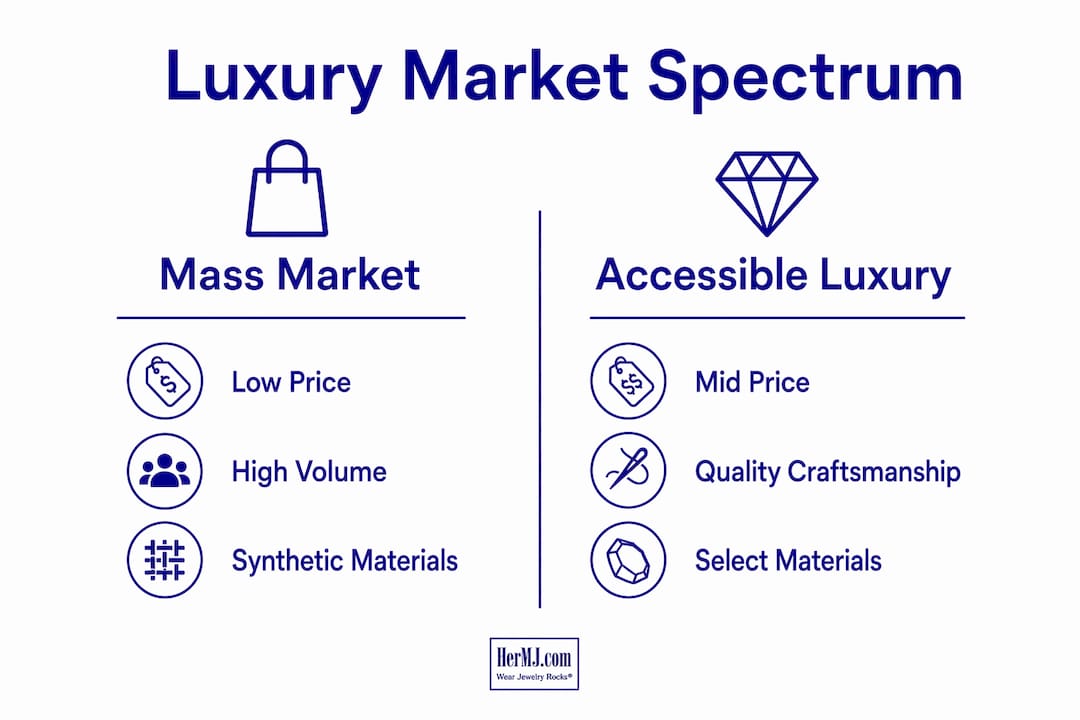
The clearest way to understand accessible luxury is to place it on a spectrum. Mass-market products prioritize volume and low cost, often sacrificing material quality and design longevity.
True luxury prioritizes rarity, heritage, and prestige pricing, with brands like Hermès and Chanel deliberately limiting supply to protect exclusivity. Accessible luxury occupies the space between these two poles with a distinct set of characteristics.
Production of accessible luxury is often outsourced to third-party manufacturers in Southeast Asia, using genuine materials such as leather, which contrasts sharply with true luxury’s in-house artisan production and prestige pricing models.
This production approach keeps costs manageable without abandoning material integrity. The result is a product that feels and performs like quality, even if it doesn’t carry the provenance story of a Parisian atelier.
| Category | Price range | Production | Exclusivity | Key driver |
|---|---|---|---|---|
| Mass-market | Under $100 | High-volume, synthetic materials | None | Price |
| Accessible luxury | $100–$1,000 | Third-party, genuine materials | Moderate | Design and craftsmanship |
| True luxury | $1,000+ | In-house artisan, heritage | High | Rarity and prestige |
Brand prestige is maintained in the accessible luxury segment through a consistent design language, rigorous quality control, and selective distribution rather than through artificial scarcity.
Coach, for example, operates hundreds of retail locations globally yet maintains a clear, aspirational brand identity. The tension, as we’ll discuss later, is that this scale can erode the very exclusivity that makes a brand desirable.
Pro Tip: When evaluating an accessible luxury purchase, look past the logo and examine the stitching, hardware weight, and material finish. These details reveal whether a brand is genuinely investing in craftsmanship or simply charging more for a name.
Why accessible luxury matters today: consumer trends and cultural shifts
The rise of accessible luxury isn’t accidental. It reflects a fundamental shift in how Millennials and Gen Z approach consumption. These generations are skeptical of conspicuous spending and drawn to products that reflect personal values rather than social status.
The buy less, buy better philosophy has pushed consumers toward longevity and quality materials like linen, cashmere, and heavy cotton over seasonal fast-fashion cycles. Buying one well-made bag that lasts five years beats buying five mediocre ones.
Personalization and functionality have become non-negotiable expectations. Consumers want pieces that work in their actual lives, not just on a runway. Polène’s structured totes and Mansur Gavriel’s clean-lined bucket bags succeed precisely because they’re beautiful and practical.
This dual demand for aesthetics and utility is the engine driving the accessible luxury segment forward.
Inclusivity has also emerged as a defining brand mandate. Luxury brands are embedding accessibility for diverse physical and sensory needs as a core brand pillar, not just a compliance checkbox. This extends the accessible luxury meaning beyond price to encompass who the brand is genuinely designed for.
A brand that makes beautiful products but ignores adaptive design or size inclusivity is only partially fulfilling the category’s promise.
Here are the core consumer values driving accessible luxury in 2026:
- Longevity over novelty. Shoppers prioritize pieces built to last seasons, not weeks.
- Functionality as a luxury. Practical design is now considered a premium feature, not a compromise.
- Personalization. Consumers expect customization options, whether in color, material, or fit.
- Sustainability signals. Ethical sourcing and transparent production are increasingly factored into purchase decisions.
- Inclusivity. Brands that design for diverse bodies, abilities, and aesthetics earn stronger loyalty.
Leading accessible luxury brands worth knowing
The brands that define this category share a common thread: they treat craftsmanship as a genuine commitment, not a marketing claim. Coach, Tory Burch, Polène, Mansur Gavriel, and Cult Gaia are recognized as emblematic accessible luxury brands owing to quality craftsmanship, design innovation, and reasonable pricing.
Each approaches the category from a slightly different angle, which is worth understanding before you shop.
- Coach has repositioned itself from a discount-heavy brand to a genuine leather goods house, investing in Stuart Vevers’ creative direction to restore its credibility as a craftsmanship-focused brand. Its Tabby bag is a case study in how accessible luxury can feel genuinely aspirational.
- Tory Burch blends American sportswear sensibility with refined materials, offering a range that spans everyday totes to occasion-ready clutches. Its pricing sits firmly in the $200 to $600 range for most accessories.
- Polène operates as a direct-to-consumer brand out of Paris, keeping prices lower by cutting out wholesale markups. Its textured leather and architectural silhouettes have earned a devoted following among consumers who want European design without European luxury pricing.
- Mansur Gavriel built its reputation on clean, minimalist bags made from vegetable-tanned leather. The brand’s commitment to considered design over trend-chasing is a textbook example of accessible luxury done with integrity.
- Cult Gaia and Staud represent the fashion-forward end of the spectrum, offering statement pieces that photograph beautifully and hold up in real wear. Both brands price accessories between $150 and $500, making them genuinely attainable for a broad audience.
What unites these brands is their response to the demand for affordable luxury products that don’t require you to compromise on design or materials. They’ve also been responsive to demands for sustainability and inclusivity, which have strengthened their standing with younger consumers.
How to find accessible luxury that’s genuinely worth it
Knowing how to find accessible luxury requires looking beyond the price tag and the brand name.
Accessible luxury is defined by craftsmanship, personal connection, and intentional consumption, and it’s often found in niche artisans rather than volume-driven mass-market players. This is where the category gets genuinely interesting.
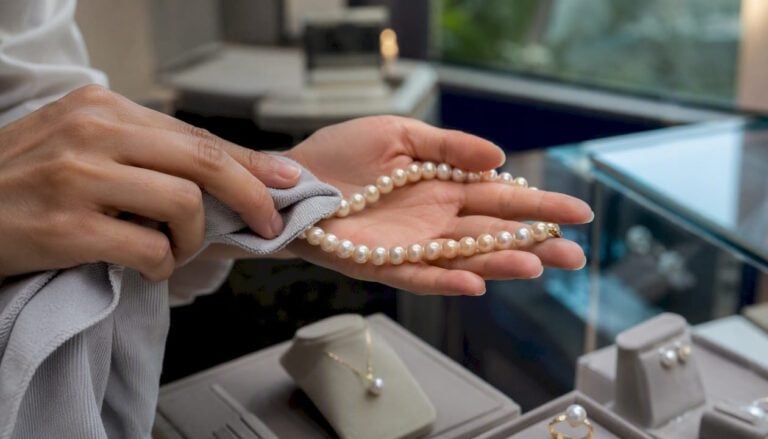
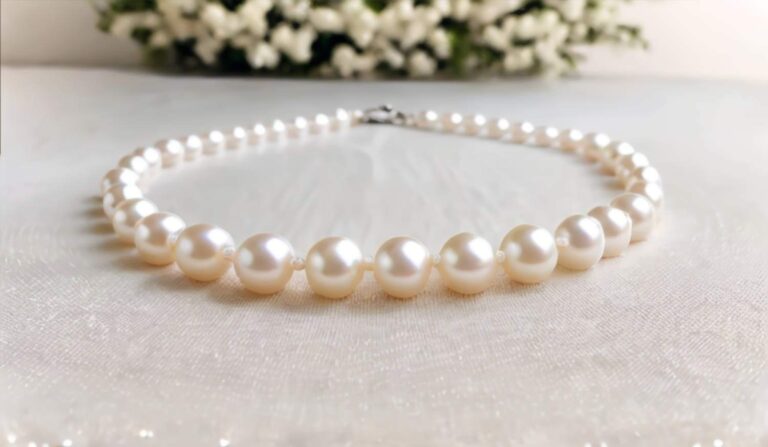
Start with materials. Genuine leather, freshwater pearls, solid brass hardware, and natural gemstones are markers of quality that hold up over time. Synthetic alternatives may look similar at first glance, but they age poorly and lack the tactile satisfaction of real materials.
When you’re evaluating a piece, ask yourself whether the material would still feel good to wear in three years.
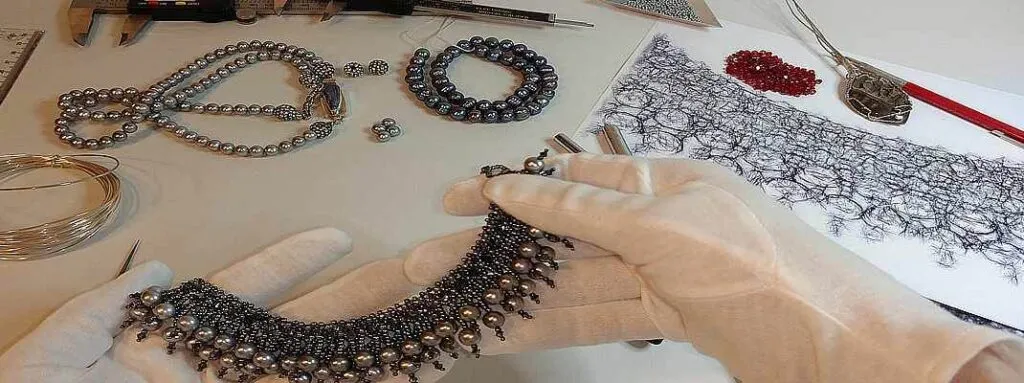
Craftsmanship details tell you everything. Hand-stitched seams, consistent hardware finishing, and clean interior linings signal that a brand is paying attention to the full product, not just the exterior presentation.
HerMJ’s approach to artisan jewelry craftsmanship is a useful reference point here: genuine pearls and gemstones, handmade construction, and pricing that reflects real material value rather than inflated brand premiums.
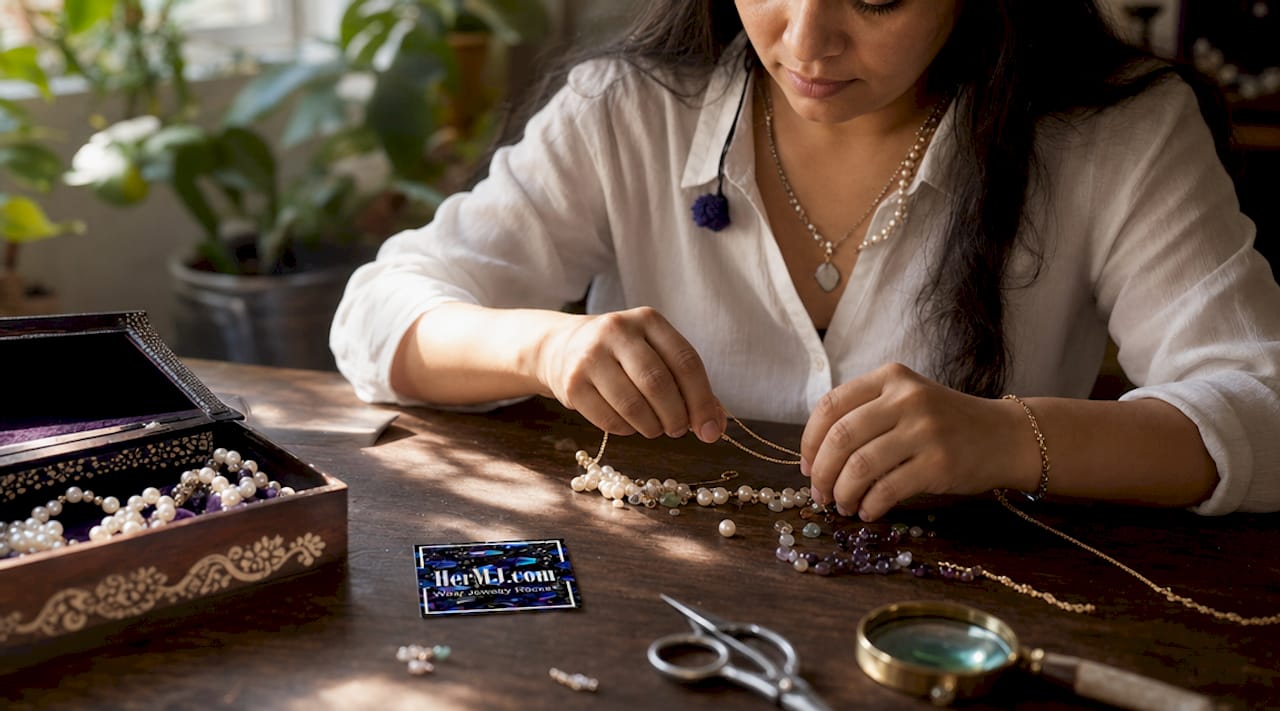
Direct-to-consumer and artisan brands are consistently underestimated as sources of accessible luxury. By removing wholesale and retail markups, these brands can invest more in materials and craftsmanship while keeping prices within an accessible range.
If you want to identify truly handcrafted pieces, look for evidence of hand-finishing, natural material variation, and maker transparency.
Pro Tip: Avoid brands that rely heavily on logo visibility as their primary design feature. Overexposure of a logo is often a signal that the brand is compensating for weaker underlying craftsmanship. The most enduring accessible luxury pieces tend to let material and form do the talking.
Key takeaways
Accessible luxury is best understood as a distinct market segment defined by craftsmanship, intentional pricing, and authentic design values, not simply by what falls between cheap and expensive.
| Point | Details |
|---|---|
| Clear price positioning | Accessible luxury typically spans $100 to $1,000, with genuine materials and considered design at every tier. |
| Legally recognized category | The FTC confirmed accessible luxury as a distinct market in 2024, based on pricing, production, and consumer behavior. |
| Authenticity over logos | Modern accessible luxury is defined by craftsmanship and intention, not brand name or price tag alone. |
| Inclusivity as a brand pillar | Leading brands now embed physical, sensory, and size inclusivity as core features, not afterthoughts. |
| Artisan brands offer real value | Direct-to-consumer and artisan makers often deliver superior craftsmanship at accessible prices by cutting out retail markups. |
Why the tension at the heart of accessible luxury is worth understanding
I’ve watched this category evolve for years, and the most honest thing I can tell you is that accessible luxury carries a genuine contradiction at its core. Brand oversaturation risks eroding exclusivity and brand equity despite accessibility.
When a brand becomes too available, too discounted, too ubiquitous, it loses the aspirational quality that made it desirable in the first place. Coach lived through exactly this cycle in the early 2010s and had to spend years rebuilding its credibility.
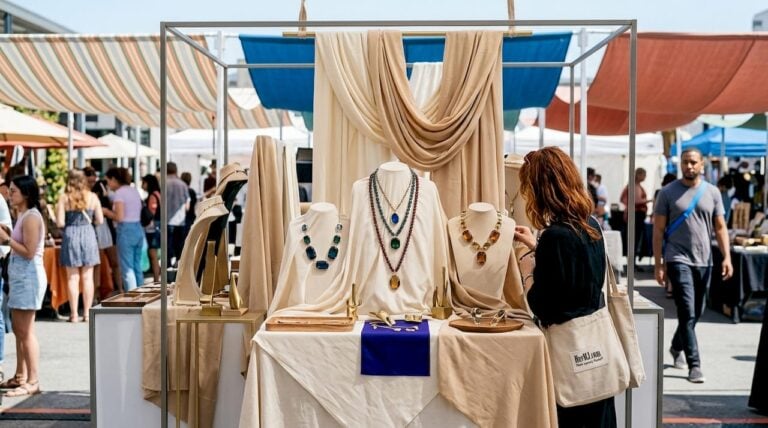
What I find more compelling than the big accessible luxury brands, honestly, are the smaller artisan makers who’ve never had to make that trade-off. A jeweler working with genuine freshwater pearls and hand-fabricated settings isn’t managing brand equity across 500 retail locations.
They’re just making something beautiful and pricing it honestly. That’s accessible luxury in its purest form, and it’s where I think the most interesting consumption is happening right now.
The future of this category belongs to brands that treat inclusivity and authenticity as genuine commitments rather than marketing language. Consumers in 2026 are sophisticated enough to tell the difference.
If a brand’s “accessible” positioning is just a discount strategy with better packaging, shoppers will quickly figure it out. The brands that will endure are the ones building real relationships with their customers through transparency, craftsmanship, and products that genuinely improve daily life.
My advice: spend more time with artisan makers and direct-to-consumer brands before defaulting to the names you already know. You’ll often find better materials, more personal design, and a stronger sense of intention in those spaces.
— Veronique
Discover HerMJ’s artisan jewelry: accessible luxury in every piece
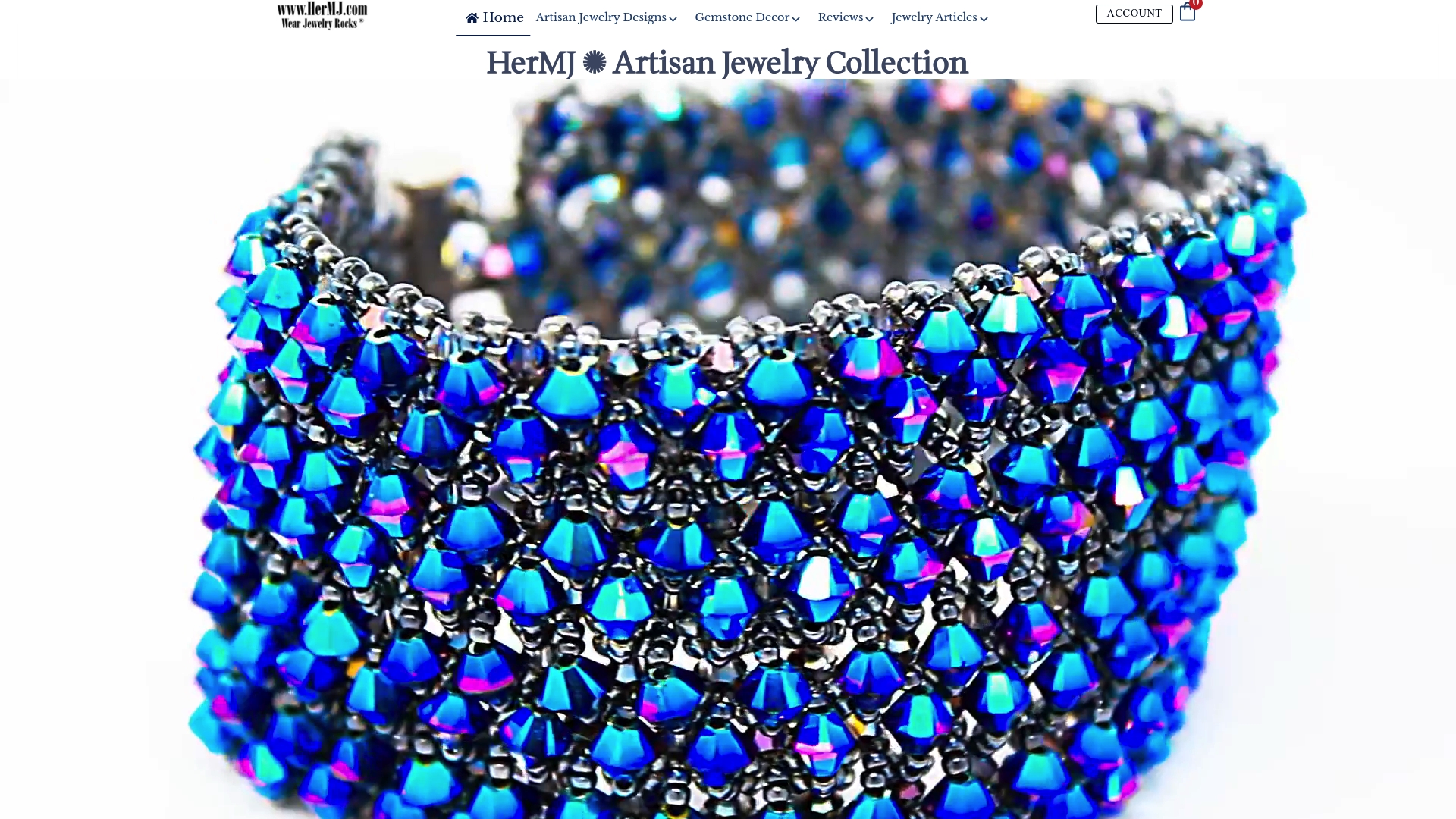
HerMJ embodies what accessible luxury looks like in jewelry: genuine freshwater pearls, real gemstones, and handmade construction at pricing that reflects honest craftsmanship rather than inflated brand premiums.
Every piece is made with the same attention to material quality and finishing details that define the best in this category.
If you want to understand what separates a truly well-made piece from a mass-produced imitation, HerMJ’s guide to artisan jewelry craftsmanship is the clearest starting point.
You can also explore HerMJ’s full collection of elegant pearl jewelry to see how accessible luxury translates into wearable, everyday pieces that carry genuine beauty and lasting value.
FAQ
What does accessible luxury mean?
Accessible luxury refers to products that combine genuine craftsmanship, quality materials, and elevated design at price points between mass-market and true luxury, typically $100 to $1,000. The category prioritizes authenticity and intentional consumption over brand prestige or artificial scarcity.
What are some well-known accessible luxury brands?
Coach, Tory Burch, Polène, Mansur Gavriel, and Cult Gaia are widely recognized as leading accessible luxury brands, each offering quality craftsmanship and considered design at attainable price points.
How is accessible luxury different from fast fashion?
Fast fashion prioritizes low cost and high volume using synthetic materials with short product lifespans. Accessible luxury uses genuine materials, considered design, and craftsmanship intended to last, making it a fundamentally different value proposition.
Is accessible luxury worth buying?
Yes, when you prioritize craftsmanship and materials over logo recognition. The best accessible luxury purchases are pieces made with genuine materials and skilled construction that you’ll use and appreciate for years, not seasons.
Can artisan jewelry be considered accessible luxury?
Absolutely. Artisan jewelry made from genuine pearls, gemstones, and hand-fabricated settings fits the definition of accessible luxury precisely: quality materials, skilled craftsmanship, and pricing that reflects real value rather than brand markup.
Recommended
- Affordable Luxury Fashion: Spectacular Crystal Jewelry
- What Is Avant Garde Jewelry? A Collector’s Guide
- Stop Calling Cultured Pearls “Fake”: Wild Pearls Hidden Cost