


Why Pearl Jewelry Is Undervalued: What Buyers Miss

The Edit
- Pearl jewelry is undervalued because buyers focus on size and brand rather than expert grading factors like luster and nacre quality. Understanding these criteria reveals opportunities to acquire high-value pearls that are often overlooked by most consumers. Certification, proper care, and knowledge of pearl types help collectors identify genuine value and long-term investment potential.
Pearl jewelry is undervalued because most buyers judge pearls by size and brand name rather than the expert criteria that actually drive rarity and price.
The result is a market where a small, mirror-bright strand can outperform a large, dull freshwater piece in value, yet shoppers routinely pay more for the latter.
Understanding why pearl jewelry is undervalued starts with knowing what experts look for and what the retail market consistently gets wrong. Once you see pearls through that lens, you’ll recognize opportunities that most collectors walk right past.
Why pearl jewelry is undervalued by most buyers
The core problem is a mismatch between how experts grade pearls and how consumers shop for them. Experts prioritize luster, nacre depth, surface quality, and matching.
Shoppers tend to prioritize size, brand recognition, and price as a proxy for quality. That gap creates a persistent undervaluation that benefits educated buyers.
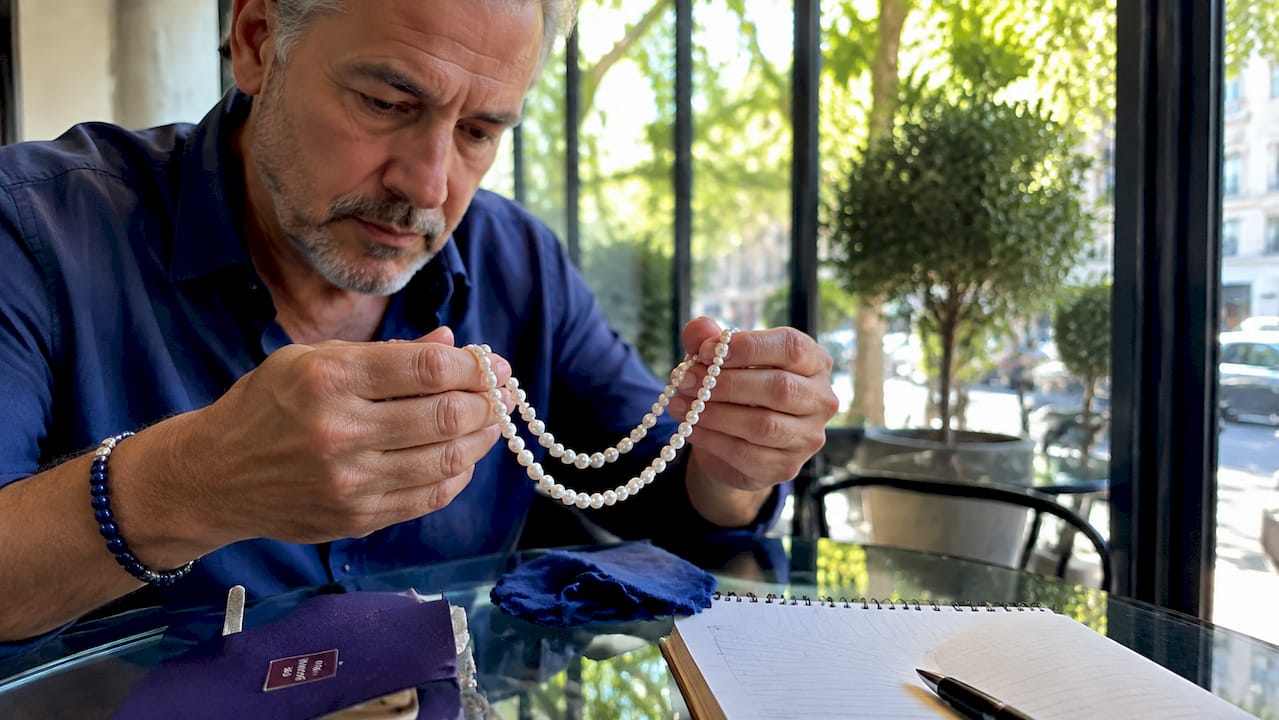
Pearl pricing varies drastically across types: freshwater pearls retail under $100, premium South Sea or Tahitian pearls cost $500–$3,000 or more, and rare natural strands exceed $1 million. That spread reflects genuine differences in rarity and nacre quality, not just marketing.
Most shoppers never learn to read those differences, so they either overpay for branded mediocrity or dismiss pearls entirely as inexpensive costume jewelry.
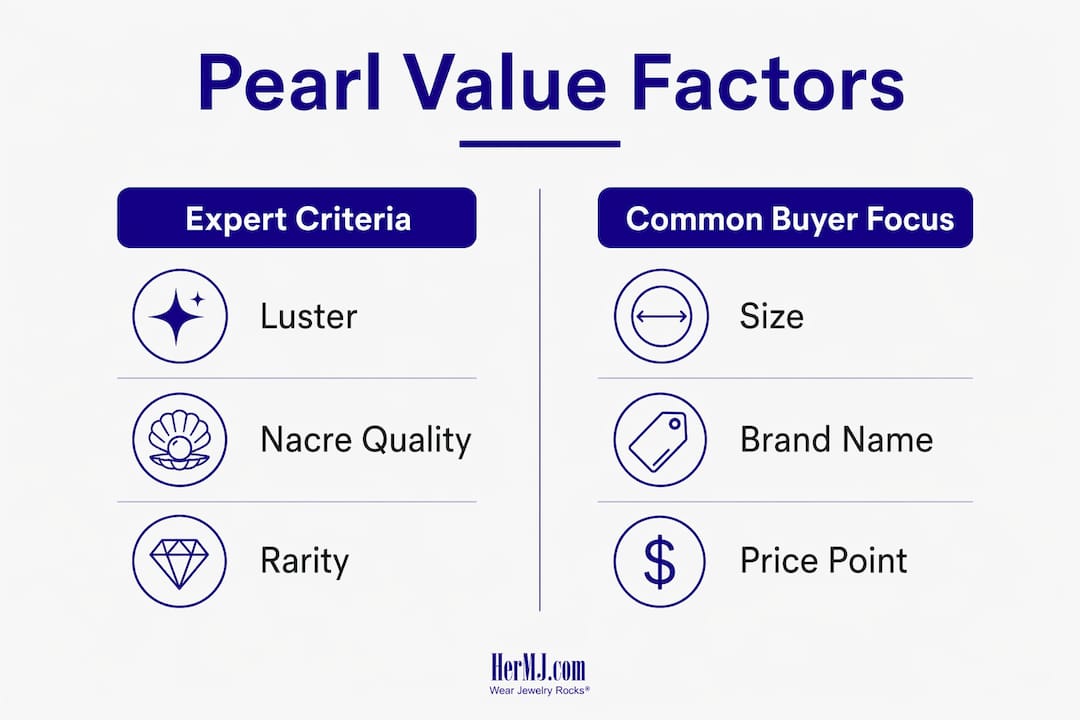
The industry term for this gap is perceived value, and it’s the single biggest force distorting the pearl market. The perceived value of pearls lags far behind their intrinsic quality because the education most buyers receive comes from retail marketing rather than gemological grading.
That’s a fixable problem, and fixing it starts with understanding what actually makes a pearl worth wearing.
What expert criteria actually determine pearl value?
Luster is the primary driver of pearl value. It refers to the sharpness and depth of light reflected from the pearl’s surface, that mirror-like glow that makes a fine pearl look almost lit from within. Luster outweighs size and shape in professional grading: a small pearl with sharp, reflective luster commands a higher price than a large pearl with a chalky, diffuse surface. This surprises most buyers, who instinctively reach for the bigger stone.
Beyond luster, five factors shape the value of pearl jewelry:
- Nacre quality: Thick, even nacre produces deep luster and durability. Thin nacre peels over time and loses its glow quickly.
- Surface quality: Fewer blemishes, pits, or spots mean a higher grade. No pearl is perfectly flawless, but the best specimens come close.
- Matching: In strands, consistent size, color, and luster across every pearl is extraordinarily difficult to achieve. Fine matching adds significant value.
- Shape: Round pearls are rarest and most prized, but baroque and drop shapes carry their own collector appeal when luster is exceptional.
- Color and overtone: Natural body color and overtone, such as the rose overtone in Akoya pearls or the green overtone in Tahitian pearls, are organic and irreproducible. These are undervalued by consumers who focus on white or cream as the only “classic” options.
Certification matters enormously at the high end of the market. Labs like GIA (Gemological Institute of America) and SSEF (Swiss Gemmological Institute) provide independent grading reports that establish provenance and quality for auction-level pieces.
Professional certification is the standard for major sales and gives collectors confidence that what they’re buying matches what they’re paying for.
Pro Tip: When you’re shopping for pearl jewelry, hold the strand under a single light source and look for a sharp, clear reflection of that light on the pearl’s surface. That reflection is luster. If the surface looks milky or the reflection is blurry, the nacre is thin regardless of how large or round the pearl appears.
| Factor | What Experts Prioritize | What Consumers Often Prioritize |
|---|---|---|
| Luster | Sharp, mirror-like reflection | Often overlooked in favor of size |
| Nacre depth | Thick, even layers | Rarely assessed at retail |
| Matching (strands) | Consistent color, size, luster | Assumed rather than verified |
| Certification | GIA or SSEF grading report | Seldom requested |
| Pearl type | South Sea, Akoya, natural | Brand name or price point |
Why do common misconceptions keep pearl prices low?
The mass production of cultured freshwater pearls from China has flooded the market with affordable options. That’s genuinely good news for buyers who want beautiful jewelry at low prices.
The problem is that it has blurred the line between entry-level freshwater pearls and high-quality Akoya, South Sea, or Tahitian pearls in most shoppers’ minds.
When someone sees freshwater pearls for $30 online, they assume all pearls are cheap. That assumption is one of the most persistent pearl jewelry misconceptions in the market today.
Brand premiums compound the confusion. Brand recognition can multiply a pearl strand’s price by 10x without any commensurate difference in pearl quality.
A strand sold under a luxury brand name may carry nacre no thicker and luster no sharper than a piece sold by an independent artisan jeweler at a fraction of the price.
Consumers mistake the brand premium for pearl quality, which means they’re often paying for marketing rather than the gem itself.
There’s also widespread confusion between natural pearls, cultured pearls, and shell pearls (also called imitation pearls). Natural pearls form entirely without human intervention and are extraordinarily rare.
Cultured pearls, including Akoya, South Sea, Tahitian, and freshwater varieties, are grown with a human-inserted nucleus but produce genuine nacre. Shell pearls are polished shell beads with no nacre at all. Treating these three categories as interchangeable is a fundamental misconception that suppresses the perceived value of genuine cultured pearls.
“Consumers often mistake brand premium for quality. Real value lies in rarity and expert grading.” — Marina Korneev, pearl specialist
Finally, many buyers believe pearls are fragile and high-maintenance, suited only for special occasions. That belief keeps pearls in jewelry boxes rather than on wrists and necklines, which ironically accelerates their decline.
Pearls are living gems that actually benefit from regular contact with skin. Storing them away is one of the worst things you can do for their condition.
How does wearing pearls affect their value and condition?
Regular wear is one of the best things you can do for pearl jewelry. Skin oils help maintain the moisture balance in nacre, keeping pearls supple and lustrous. Pearls stored in airtight containers or left unworn for years can dry out, crack, and lose their surface glow. This is the opposite of what most people expect, and it’s one of the most counterintuitive facts about pearl care.
Proper storage matters too. Pearls stored in airtight containers suffer nacre damage over time. The right approach is a soft, breathable pouch or a fabric-lined jewelry box with some air circulation. Keep pearls away from direct sunlight, heat sources, and other jewelry that can scratch their surface.
Here’s a practical care routine that keeps pearl jewelry in excellent condition:
- Wipe pearls with a soft, damp cloth after wearing to remove perfume, hairspray, or sweat residue.
- Store in a breathable fabric pouch, never in a plastic bag or airtight case.
- Keep pearls away from ultrasonic cleaners and steam cleaners, which damage nacre.
- Have pearl strands professionally restrung every two to three years if worn regularly.
- Schedule a professional appraisal every few years to track current market value.
Most daily pearl maintenance involves simple preventative steps. Pearls require slightly more attention than harder stones like diamonds or sapphires, but they’re far more durable than their reputation suggests. The “grandmother’s jewelry” stereotype that keeps pearls locked away is doing real damage to their condition and their perceived value.
Pro Tip: Put your pearls on last when getting dressed and take them off first. Perfume, hairspray, and cosmetics are the biggest threats to nacre. A few seconds of habit protection preserves years of luster.
How can collectors identify genuinely undervalued pearl jewelry?
The most reliable way to find undervalued pearl jewelry is to learn to assess luster yourself before you buy. Hold the piece under a single light source and look for a sharp, defined reflection. Then ask the seller about nacre thickness, pearl type, and whether there is any certification. Most retail sellers can’t answer those questions. That gap is your opportunity.
Professional pearl appraisals cost $100–$150 and are dramatically underutilized by buyers. For any pearl purchase above a few hundred dollars, an independent appraisal from a GIA-certified gemologist is worth every cent. It tells you what you actually own and gives you a baseline for insurance and resale.
Rare pearl types represent the clearest cases of undervaluation in today’s market. South Sea pearls, grown in Pinctada maxima oysters in Australia, Indonesia, and the Philippines, produce the largest and most lustrous saltwater pearls in the world.
Tahitian pearls, grown in Pinctada margaritifera oysters in French Polynesia, offer natural dark body colors that no other gem replicates. Both types are worth understanding for collectors who want to move beyond entry-level freshwater pieces.
Top-tier Akoya or White South Sea pearls retain desirability and investment potential in ways that mass-market freshwater pearls do not. Freshwater pearls often have little resale market and low secondary value.
That distinction matters if you’re buying with any eye toward long-term value. Knowing which pearl types hold their worth separates informed collectors from casual shoppers.
When you’re evaluating a seller, ask these questions directly:
- What type of pearl is this, and where was it cultivated?
- What is the nacre thickness, and how was it measured?
- Is the color natural or treated?
A seller who can answer these questions confidently is worth your trust. A seller who deflects or responds with brand names and marketing language is telling you something important about what they’re actually selling. You can also explore what makes pearls valuable in more depth to sharpen your eye before you shop.
Key takeaways
Pearl jewelry’s true value lies in luster, nacre quality, and rarity, not in size, brand name, or price point alone.
| Point | Details |
|---|---|
| Luster is the top value factor | A small pearl with sharp, mirror-like luster outvalues a large dull pearl every time. |
| Brand premiums mislead buyers | Brand recognition can inflate pearl prices by 10x without any difference in nacre quality. |
| Regular wear preserves pearls | Skin oils maintain nacre moisture; storing pearls unused accelerates deterioration. |
| Certification builds confidence | GIA or SSEF grading reports are the standard for high-value pearl purchases and resale. |
| Pearl type determines investment potential | South Sea and Akoya pearls hold long-term value; mass-market freshwater pearls typically do not. |
Pearls deserve a second look from modern collectors
I’ve watched pearl jewelry get dismissed at estate sales, passed over at auctions, and underpriced at retail for years. The pattern is always the same: buyers see a small pearl or an unfamiliar shape and assume low value. They walk away from pieces that a trained eye would recognize as exceptional.
What I find most encouraging right now is that younger collectors and fashion-forward buyers are starting to push back against that bias. Sotheby’s has reported growing collector interest in pearl jewelry, and the “grandmother’s jewelry” label is losing its grip on how people think about pearls. That shift is long overdue.
My view is that pearls are the most misunderstood gem in the market today, and that misunderstanding creates real opportunity. A strand of well-matched Akoya pearls with strong luster, purchased from an independent artisan jeweler rather than a luxury brand, can deliver beauty and quality that rivals pieces costing five times as much. The education gap between what experts know and what most buyers know is where the value hides.
Wear your pearls. Learn to read luster. Ask hard questions of sellers. The pearl market rewards the curious and the informed in ways that few other gem categories do right now.
— Veronique
Discover pearl jewelry that reflects real quality
If this article has shifted how you see pearls, HerMJ makes it easy to act on that new perspective. HerMJ’s collection of handcrafted pearl jewelry is built around genuine nacre quality and artisan craftsmanship, not brand markup. Every piece is made to wear, not to store.
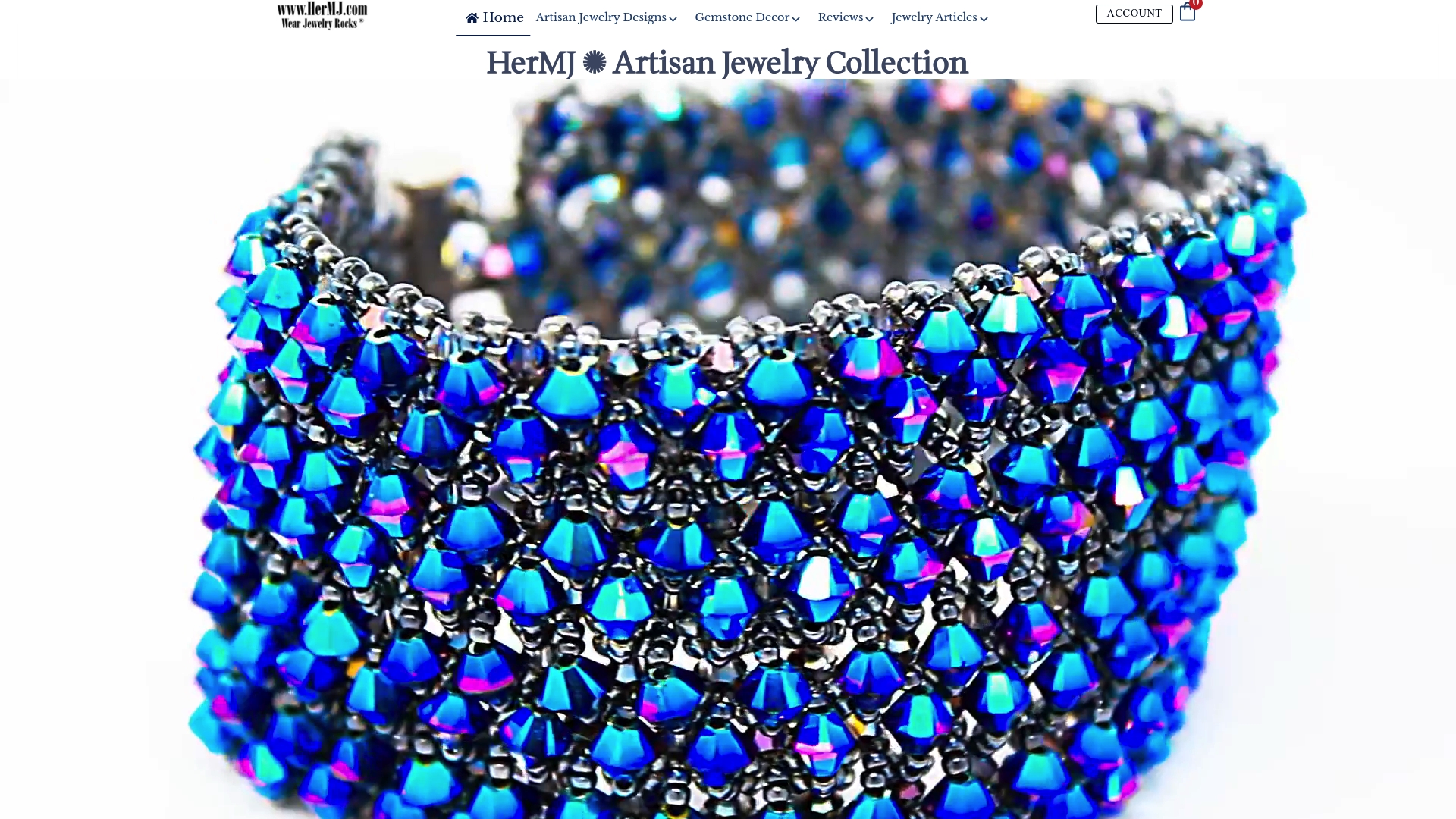
Start with the Elegant Freshwater Pearl Necklace, a beautifully matched piece that shows what quality freshwater pearls look like at an accessible price. Or browse the full freshwater pearl jewelry collection to find a style that fits your everyday wear or a special occasion. US orders ship free with no minimum. International orders ship free at $150 or more. Orders under $150 ship via USPS at the buyer’s cost.
FAQ
What makes pearl jewelry undervalued compared to diamonds?
Pearl jewelry is undervalued because consumers focus on size and brand rather than luster and rarity, the factors that actually drive price. Diamonds benefit from decades of marketing that established clear value signals; pearls have no equivalent consumer education framework.
Why are some pearls so cheap while others cost thousands?
Freshwater pearls retail under $100, while premium South Sea or Tahitian pearls cost $500–$3,000 or more. The difference comes down to nacre thickness, luster quality, rarity of the oyster species, and the difficulty of cultivation.
Are cultured pearls less valuable than natural pearls?
Cultured pearls produce genuine nacre and are graded by the same criteria as natural pearls. Natural pearls are rarer and command higher prices at auction, but a high-quality cultured South Sea pearl with GIA certification is a serious gem by any standard.
How do I know if a pearl strand is worth the asking price?
Assess luster under a single light source, ask for nacre thickness and certification, and consider a $100–$150 professional appraisal for any purchase above a few hundred dollars. An independent appraisal is the most reliable check against overpaying.
Do pearls hold their value over time?
Top-tier Akoya and South Sea pearls retain desirability and investment potential. Mass-market freshwater pearls typically have little resale value. Certification, pearl type, and luster quality are the key factors that determine long-term worth.
Recommended
- What Makes Pearls Valuable: Exploring The Origin of Elegance
- South Sea Pearls: What Collectors Need to Know
- Pearl Value: What is the most expensive pearl?