


Earring Backs Types: A Complete Guide to Every Style
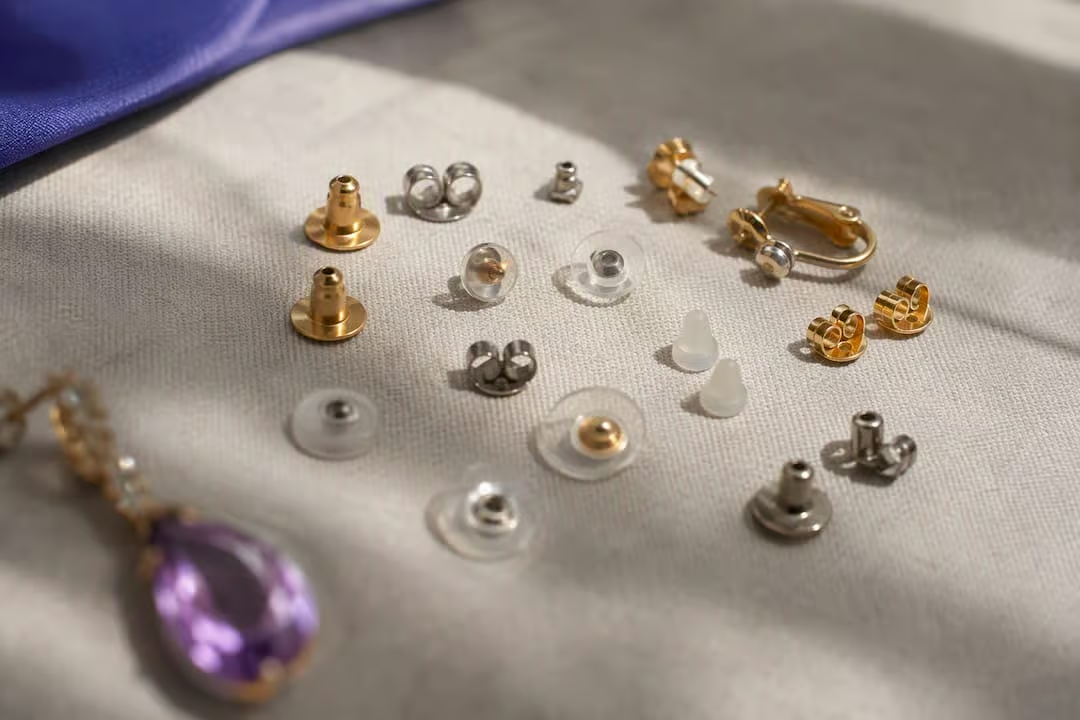
Every earring style relies on one of eight basic back groups: friction (push/butterfly), screw, locking (La Pousette or guardian style), flat/labret, attached backs (lever, latch, omega), French wire hooks, clip-on, and support backs like monster pads or silicone discs.
If you want maximum security, choose screw or locking backs, which are commonly recommended for valuable jewelry. For sleeping or sensitive ears, consider flat or silicone-covered options for improved comfort. For drops and hoops, lever, latch, or omega backs do the job right.
Material matters just as much as mechanism. A titanium post with a locking back solves two problems at once: it won’t irritate sensitive skin, and it won’t fall out on a busy day.
We’ll get into hypoallergenic choices in detail further down.
Quick reference for your next purchase:
- Push/friction (butterfly): the standard, everyday choice, easy on and off
- Screw backs: threaded for a tighter hold, better for valuables
- Locking (La Pousette/guardian): near screw-level security without threading
- Flat/labret: low profile, ideal for sleep and cartilage piercings
- Lever, latch, omega: built into the earring itself for drops and hoops
- French wire/hooks: simple hook shape, no back required
- Clip-on: for non-pierced ears
- Monster/comfort/silicone: cushioned support for heavy pairs
Key Takeaways
The right earring back depends on matching its mechanism, friction, screw, locking, flat, or attached, to your actual comfort, security, and weight needs, not just what came bundled with the earring.
| Point | Details |
|---|---|
| Security ranking | Locking and screw backs hold better than friction for valuables or active wear. |
| Sleep-friendly choice | Flat or labret backs sit low against the skin and resist snagging overnight. |
| Weight support | Omega and hinged clip backs distribute the weight of heavy drops and chandeliers. |
| Allergy-safe materials | Titanium, niobium, surgical steel, and solid gold reduce the risk of reactions compared with plated metals. |
| HerMJ’s approach | The Modern Drop Pearl Earrings ship with lever backs by default, with titanium or locking options available on request. |
Earring Backs Types Explained: Mechanics, Pros, and Cons
Knowing what each back looks like is one thing. Knowing how it actually behaves on your ear, in your jewelry box, or on a toddler’s wiggling head is another. Here’s what you’re really dealing with.
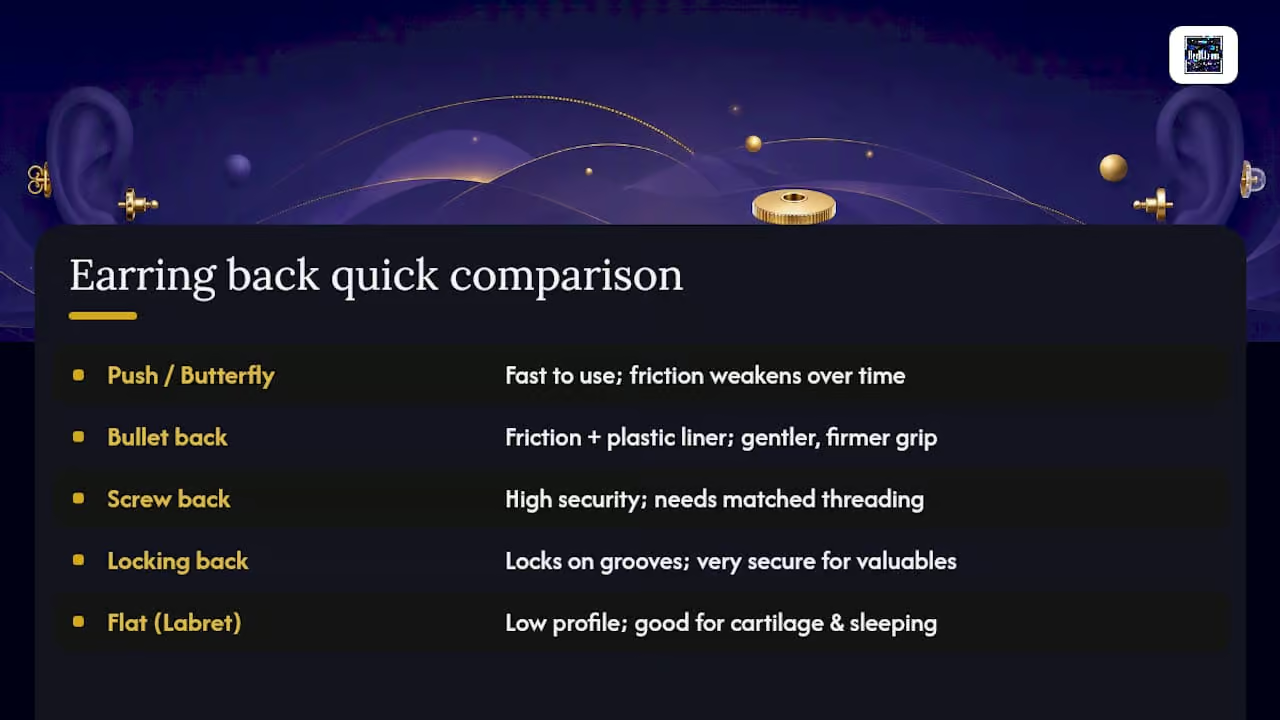
Push, friction, and butterfly backs are the ones you already know. A smooth metal post slides through the piercing, and a small clutch grips it by friction alone. There’s no thread, no lock, just pressure. They’re fast to put on and take off, which makes them the default for stud earrings sold everywhere.
The tradeoff is that friction weakens over time. The metal clutch stretches slightly with repeated use, and a back that once held snug can start slipping loose, especially on heavier earrings or active kids.
Bullet backs are a friction variant with a plastic liner inside the metal shell. That liner grips the post more evenly than bare metal, and it’s gentler against the skin behind the ear.
If you’ve ever had a metal clutch pinch or dig in, a bullet back solves that specific annoyance without asking you to switch to a completely different fastening system.
Screw backs use a threaded post that the back twists onto, similar to a nut and bolt. This is a meaningfully more secure setup than friction, which is why screw backs offer higher security than friction backs but require matched threading and a bit more dexterity to fasten correctly. The catch: the back has to match the post’s thread pitch exactly, and threads wear down over years of use.
Locking backs, sold under names like La Pousette, Alpha, or guardian backs, use a spring or pressure mechanism that clamps onto grooves cut into the post. You push the back into place until it locks, and it takes a deliberate release to remove it. Jewelry guides commonly recommend locking backs and screw backs for high-value studs because they cut loss risk compared with plain friction. This is one of the smartest upgrades you can make for a pair of diamond or pearl studs you’d hate to lose down a bathroom drain.
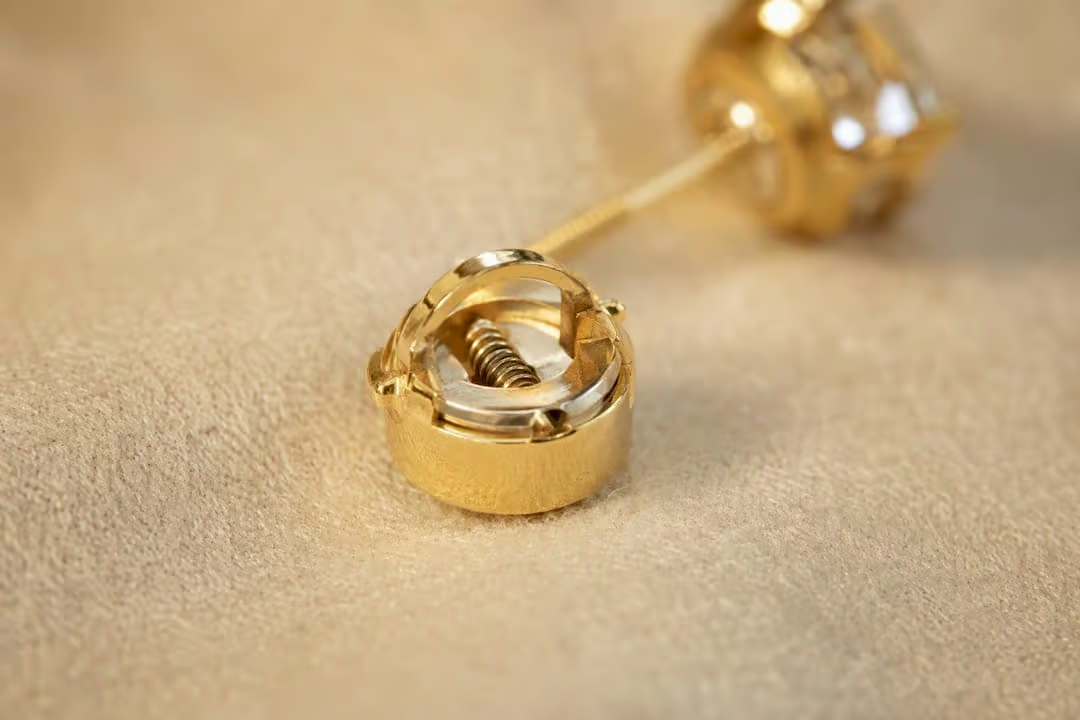
Flat backs, sometimes called labret backs, sit nearly level against the skin instead of sticking out behind the ear. That low profile is exactly why they’re a favorite for cartilage piercings and for sleeping without a metal disc pressing into your pillow all night.
Lever backs are hinged and permanently attached to the earring itself. A small lever swings open, the wire slides through the piercing, and the lever snaps shut against the back of the ear. This design is built for dangles and drops because it holds the earring’s angle steady instead of letting it spin.
Latch backs, also called hinged hoop closures, are how most hoop earrings fasten. A thin post swings into a small catch at the earring’s base. Sizing matters here more than people expect; a latch that’s slightly bent won’t seat all the way, and that’s when hoops go missing.
Omega and French clip backs are wider, flatter mechanisms built to support weight. Designers commonly prefer omega or hinged clip support for heavy chandelier and statement earrings because the broader surface spreads pressure across more of the earlobe instead of concentrating it on one small point.
French wire, or shepherd hooks, need no back at all. The wire itself curves through the piercing and hangs by gravity. They’re simple and comfortable, but without a rubber stopper at the tip, they can slide right back out if you tip your head or brush your hair.
Clip-on backs exist for people without pierced ears. A spring-loaded clip grips the earlobe from front and back, and better versions add a foam or silicone pad to soften the pressure point.
Monster backs, comfort pads, and silicone discs are add-ons rather than standalone fasteners. They slide over an existing post to add cushioned surface area, which helps distribute the weight of a heavy earring and keeps it from tilting forward all day.
Not every post accepts every back. Standard smooth posts work with friction, bullet, and most comfort discs, but threaded posts only pair with matching screw backs, and grooved posts are built specifically for locking mechanisms. Swapping across those categories usually means swapping the earring’s post, too, not just the back.
Pro Tip: Keep two or three spare friction backs and one locking back in your travel jewelry case. If you lose a back on the road, you’ll have a secure backup instead of scrambling for a hardware store substitute.
Best Earring Backs for Heavy Earrings, Sleep, Kids, and Sensitive Ears
Different situations call for different tradeoffs between hold and comfort. Here’s how to match the back to the moment.
Heavy chandeliers and statement drops. Omega and hinged clip backs spread weight across a wider surface, while locking and screw backs add security so gravity doesn’t win by the end of the night. Comfort pads help here too, cushioning the earlobe against a stud that would otherwise dig in.
Sleeping and double piercings. Flat or labret backs sit close to the skin, so jewelry guides recommend them for sleep and cartilage piercings since the low profile avoids snagging on pillows and reduces pressure overnight.
Kids and active wear. Screw or locking backs are worth the extra ten seconds of fastening time. A friction back can pop loose during a soccer game or a nap; a locked one generally won’t.
Sensitive ears. The back matters less here than the post material, but a silicone-lined comfort back adds a soft buffer if the metal clutch itself is the irritant, not the post.
The real tradeoff across all four scenarios is speed versus security. A screw or locking back takes longer to remove at the end of the day, which matters if you’re the type who wants earrings off the second you walk in the door.
For travel, pack the more secure options; a lost earring backing is a bigger hassle in a hotel room than at home.
How to Choose Earring Backs: A Shopping Checklist
If you’re buying new earrings or replacing a lost back, run through these checks before you commit.
- Security needs: Are these earrings for daily wear, an active toddler, or a special-occasion piece worth protecting? Match the value and use case to screw or locking backs before settling for basic friction.
- Comfort and profile: Will you sleep in these or wear them under a hat or headphones? A flat or labret-style back avoids snagging where a standard butterfly back won’t.
- Post compatibility: Check if the post is smooth, threaded, or grooved. A back has to match the post type exactly, since a screw back that fits loosely often signals worn threads or the wrong size back, and a mismatched fit is a genuine safety risk, not just an annoyance.
- Materials and allergies: If you or the recipient has sensitive ears, ask specifically for titanium, niobium, or 14k-plus gold posts rather than assuming “hypoallergenic” on the label means solid metal all the way through.
- Maintenance and replacement: Ask how easily the back can be replaced if it wears out. Screw threads and silicone discs both degrade eventually, and knowing where to get a matching replacement saves you from losing the earring itself.
Pro Tip: Bend test a friction back before buying a whole set: gently squeeze the clutch. If it feels loose or springs back slowly, the metal has already started to fatigue.
Watch for red flags before you buy: bent backs that no longer sit flush, silicone that feels sticky or brittle instead of soft, and threads that spin without ever tightening. Any of those three means the back has failed, even if the earring itself still looks brand new.
Hypoallergenic Materials and Allergy-Safe Earring Backs
The back’s shape matters less than what it’s made of if you’re prone to reactions. Nickel is the usual culprit behind itchy, red, or swollen earlobes, and it shows up in cheap plated metals more often than shoppers expect, since plating wears through with regular contact.
Safer choices include:
- Titanium and niobium, both known for corrosion resistance and biocompatibility that make them reliable choices for sensitive skin
- Surgical stainless steel, a common mid-range option
- Solid 14k-plus gold and platinum, for those without a metal budget constraint
Niobium in particular is worth asking for by name; its resistance to corrosion is exactly why it holds up so well against sweat and skin oils over years of wear. Silicone or rubber backs add another layer of protection since they don’t touch the piercing site directly, though they wear out and should be swapped once they feel tacky or lose their grip.
If you’re unsure if a reaction is metal related, a simple patch test with a known hypoallergenic post for a few days will usually tell you, and a piercer or dermatologist can confirm it if the irritation persists. HerMJ’s guide to hypoallergenic earrings for sensitive ears walks through the safest post and back combinations in more detail.
Caring for and Replacing Earring Backs
A loose friction back doesn’t always mean it’s ruined. Try these steps first.
- Tighten gently. Use your fingers, not pliers, to slightly pinch the clutch’s opening closed. Metal tools can crack or over-compress the clutch.
- Replace worn screw threads. If a threaded back spins without ever catching, the threads have likely worn down; a jeweler can refit the post rather than forcing a mismatched replacement.
- Measure before you replace. Note the post’s diameter and if it’s smooth, threaded, or grooved before ordering new backs, so the fit is exact.
- Clean regularly. Gentle cleaning keeps metal backs looking their best, and silicone should be swapped once it turns brittle or sticky rather than kept in service past its prime. HerMJ’s guide on caring for handmade gemstone jewelry covers the gentler cleaning methods that won’t dull metal finishes.
How HerMJ Chooses Backs for Pearl and Gemstone Earrings
We build every pair with comfort and hold in mind, not just looks. Our artisans favor hypoallergenic posts and offer customization on request for anyone with specific needs.
- Lever and omega backs are our usual pairing for dangle styles like the Modern Drop Pearl Earrings, since they support the pearl’s weight without letting it tilt or spin.
- Sensitive-ear customers can request titanium or niobium posts at checkout.
- Alternate backings, including locking styles for extra security, are available on request before your order ships.
What Most Guides Get Wrong About Earring Backs
Most jewelry advice treats the back as an afterthought, something you accept because it came with the earring. That’s backward. The back decides whether you keep the earring at all.
The conventional wisdom pushes screw backs as the universal upgrade from friction, and that advice undersells how often screw threads wear loose after a few years of daily twisting.
Locking backs hold up better over time precisely because they don’t rely on friction between two threaded surfaces; they clamp onto a groove and stay clamped until you release them. If I had to pick one upgrade for anyone buying a first pair of real studs, it wouldn’t be “go with screw backs.” It would be “ask if a locking back is available.”
The bigger gap I see is that people shop for the earring and treat the back as a footnote, when the two decisions should happen together. A stunning pair of drops with the wrong support back will sag, tilt, and eventually stretch the piercing itself. Prioritize the back’s job, security, comfort, or weight support, before you fall for the design.
— Veronique
Find Secure, Hypoallergenic Backs on HerMJ’s Pearl Drop Earrings
If you’ve been reading this guide because you want earrings that stay put and feel good all day, that’s exactly what we built the Modern Drop Pearl Earrings for. Every pair ships with a lever back as the default, chosen specifically because it holds the pearl’s weight steady without pinching or spinning throughout the day.
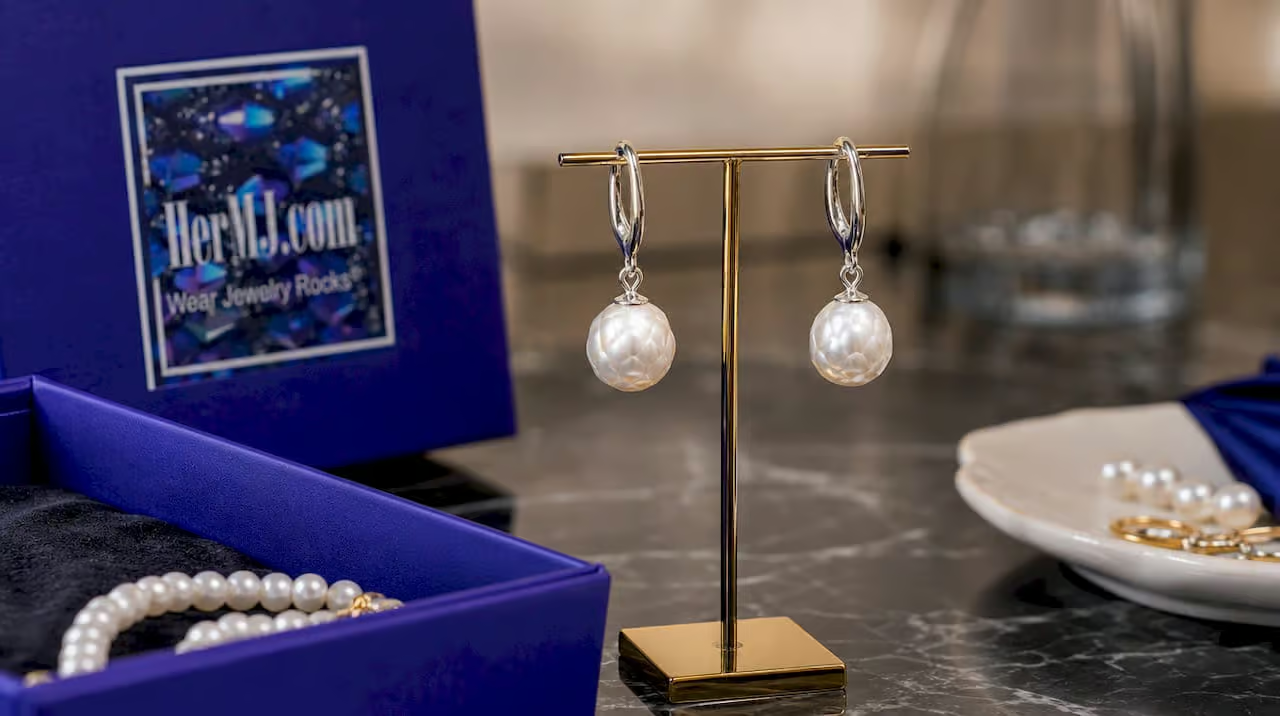
Sensitive ears or a preference for extra security? Just ask. We can swap in titanium posts or a locking back at purchase, no separate fitting required later. If you’re weighing a permanent option instead of a traditional back altogether, permanent jewelry services are worth a look for pieces you never want to remove. For everything else, visit the Modern Drop Pearl Earrings product page and note your back preference in the order comments before checkout. US orders ship free with no minimum and international orders ship free at $150+.
Sources
- 11 Different Types of Earring Backs and How They Work — Jewelers Mutual
- Guide to choosing the perfect earring backings — Steven Singer Jewelers
- Niobium — PubChem
- Gemsociety
- Your guide to different types of earrings and earring backs — Gabriel & Co.
Recommended
- Jewelry Styles Explained: Know What’s Important
- Hypoallergenic Earrings For Sensitive Ears and Kids
- Types of Jewelry Statement Pieces: Annual Style Guide
- Different Types of Pearls: Your Complete Visual Guide