


Cabochon vs. Faceted: GIA Optics and Maker Advice for Gem Design
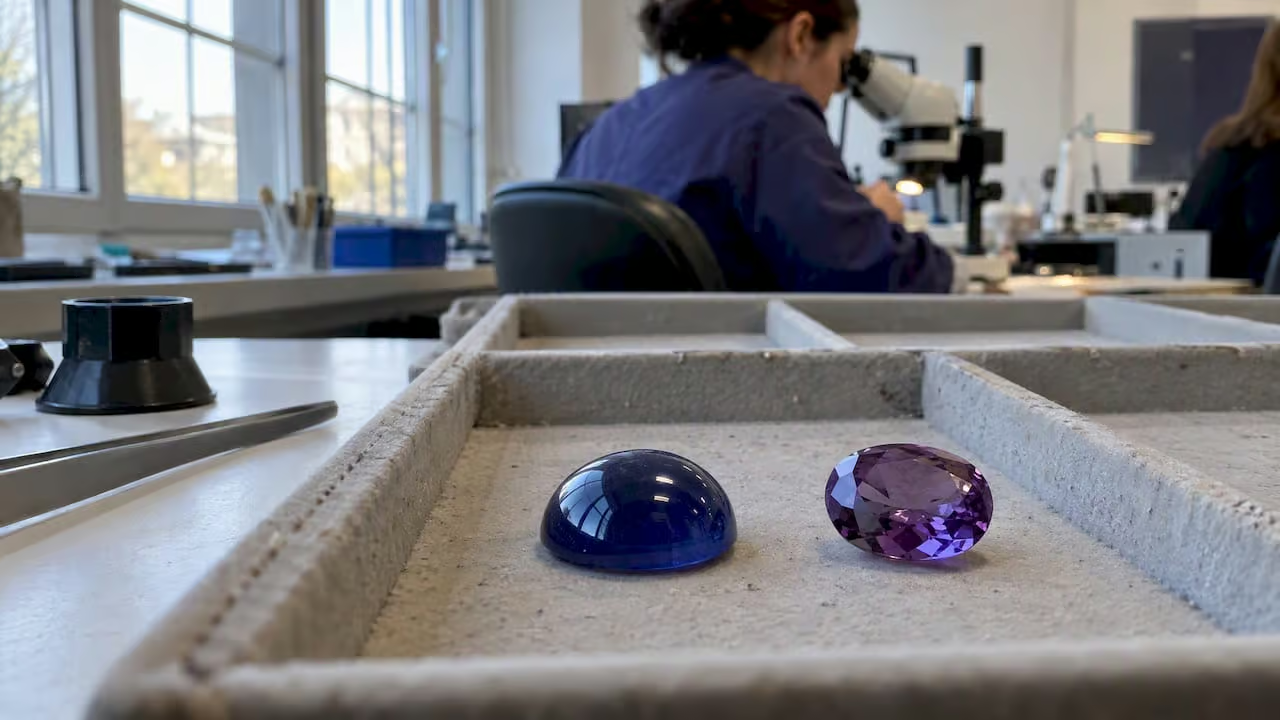
A cabochon is a smooth, polished dome that highlights color, pattern, and optical effects, while a faceted stone is cut with many flat planes designed to maximize sparkle and light return.
Choose a cabochon when you want to showcase a stone’s inner glow or hide small inclusions. Choose faceted when brilliance and fire matter most.
The Edit
- Opaque or inclusion heavy stones such as turquoise, moonstone, and sapphires with heavy silk often suit cabochons, which reveal optical effects and disguise flaws.
- For transparent, clean gems, faceting can increase brilliance, but proportions and crown to pavilion angles matter more than facet count; avoid visible windowing.
- Compare each stone under direct light and soft daylight, since focused lighting sharpens stars or cat’s eyes while color and sparkle can shift elsewhere.
- For daily wear, choose a bezel set cabochon to protect its edges; prongs admit more light to faceted stones but leave them less protected.
1. What is a cabochon and why cutters shape it this way
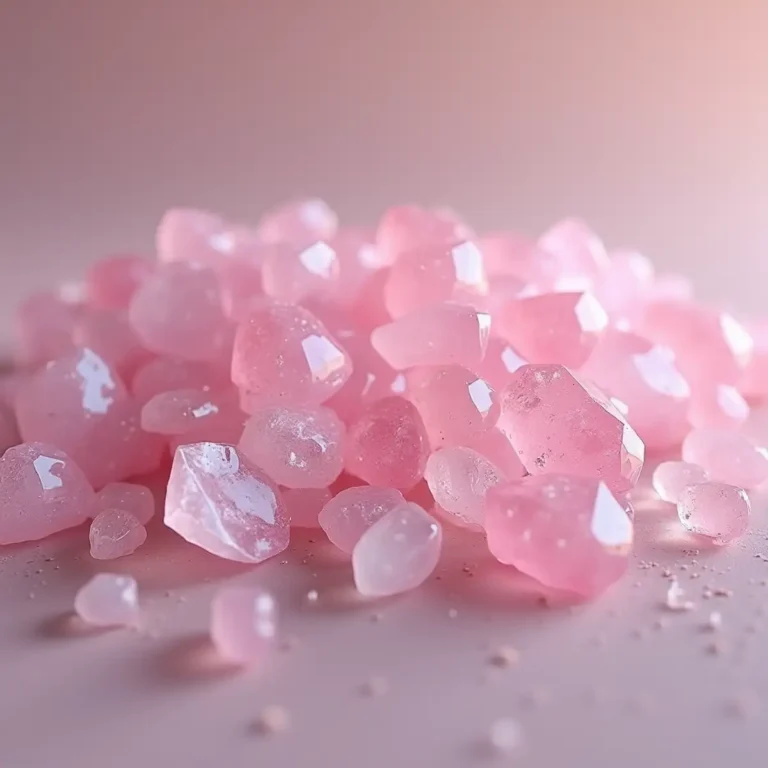
A cabochon starts as a rough stone shaped into a convex dome on top, with a flat, rounded base. No flat planes are cut into the surface. Instead, the entire piece gets polished into one smooth, continuous curve.
Lapidaries favor this shape for opaque stones or those with optical phenomena, since facets don’t create brilliance in materials light can’t pass through cleanly. We see this constantly in turquoise, moonstone, and star sapphire, where the rounded surface lets internal effects reach the eye instead of scattering light uselessly.
Dome height matters more than people expect. A taller dome deepens color saturation and can center a star or cat’s-eye effect right at the stone’s peak. A shallow dome keeps the piece lighter for everyday wear.
- Cutters often choose elliptical outlines over perfect circles because slight asymmetry reads as more natural to the eye.
- A well-centered dome is essential for phenomena like asterism, where the star pattern needs to align with the stone’s optical axis.
- Softer, more scratch-prone stones often get cabbed because a curved surface hides fine surface wear better than a flat one.
2. What is a faceted cut and how facets shape light
Faceting means cutting a series of flat, polished planes into a stone at calculated angles so light enters, bounces internally, and exits back toward the viewer’s eye.
The stone’s basic anatomy includes the table (the flat top), the crown (the upper faceted section), the pavilion (the lower section), and the girdle (the thin edge where crown meets pavilion).
Each facet cut onto the stone acts like a small mirror, and their combined geometry determines how much brilliance, fire, and scintillation the finished stone shows.
Facet and proportion changes matter more than most buyers assume. GIA’s modeling work on brilliant-cut diamonds found that star and lower-girdle facet lengths (not just the familiar crown and pavilion angles) materially affect how bright and fiery a stone appears. That’s a detail simplified cut grades often skip over.
- Transparent, visually clean rough is the best candidate for faceting, since facets reveal clarity flaws that a dome would otherwise obscure.
- More facets generally increase scintillation (the flash pattern you see as a stone moves), though proportions matter more than raw count.
- Precise angles between crown and pavilion determine whether light returns to the eye or leaks out the bottom, which is why cut quality varies so much even within the same gem species.
3. Optical effects and light interaction explained
The difference in how these two cuts play with light isn’t a matter of opinion.
It comes down to measurable optics. GIA’s research on faceting colored gemstones shows that facet arrangements create what’s called a contrast map, a pattern of light and dark zones that the eye reads as brightness.
Well-distributed contrast patterns prevent the washed-out “nail head” effect and keep a faceted stone looking lively even when it tilts, according to GIA’s contrast and ASET analysis.
That single finding explains why two stones with identical rough material can look completely different once cut.
Cabochons work through a different mechanism entirely. Because light travels through a continuous curved surface rather than bouncing between flat planes, internal structures inside the stone become visible as organized phenomena: a sharp six-rayed star in sapphire, a silky band of chatoyancy in cat’s-eye quartz, or the soft blue sheen of adularescence in moonstone.
Direct, focused light (like a single overhead bulb) tends to sharpen these effects, while diffuse daylight softens and spreads them, which is why the same stone can look dramatically different depending on where you view it.
A few practical signs help you judge quality in photos or in person:
- Look for a sharp, well-centered star or eye in cabochons rather than one that drifts off to one side.
- Watch for “windowing” in faceted stones, a washed-out see-through patch that signals poor proportions.
- Check color saturation under at least two light sources, since a cabochon’s color can shift noticeably between warm and cool light.
My guide to GIA optics and quick decision-making walks through four questions that make this call easier when you’re shopping.
4. Best gemstones for each cut and the material reasons behind it
Not every gem suits both cuts equally. Transparency, hardness, and inclusion patterns usually decide the matter before style preference even enters the conversation.
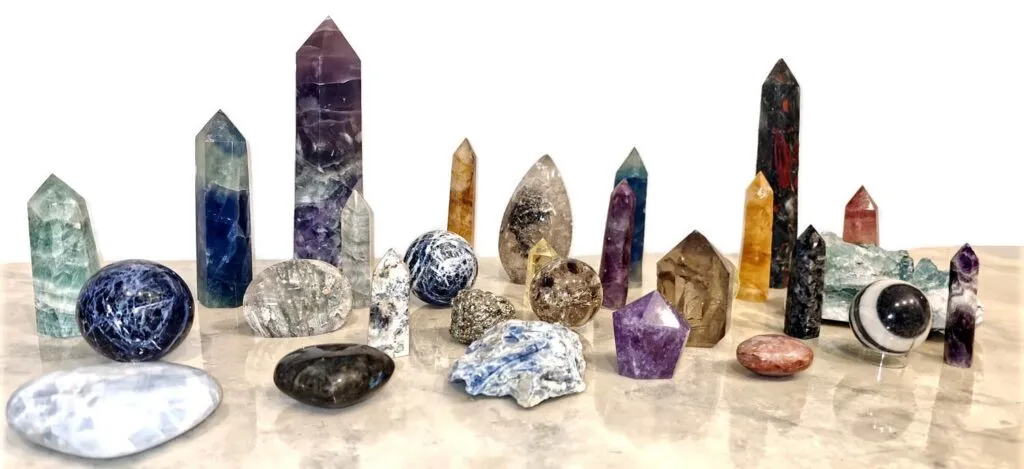
- Opal, turquoise, moonstone, star sapphire, and labradorite are classic cabochon choices because they’re opaque, translucent, or phenomenon-bearing. Facets would do nothing for their appearance and might even hide the effects that make them special.
- Sapphire, ruby, emerald, garnet, and diamond are the usual faceted candidates, prized for transparency, clarity, and a high refractive index that rewards precise faceting with real fire and brilliance.
- Exceptions exist within every species. A sapphire with heavy silk inclusions might get cabbed to preserve color while hiding clarity issues, a practice GemSelect notes is common when transparent rough simply isn’t clean enough to facet well.
The cutting decision almost always traces back to what the rough material can actually deliver, not just tradition.
5. Appearance, setting, and styling: pairing cuts with jewelry design
Cabochons tend to sit in bezel or low-profile settings, where a thin metal rim wraps the edge and protects the dome without blocking its curve.
Faceted stones usually go into prong or open settings instead, since open air around the facets lets more light reach the pavilion and bounce back out.
- Bezel settings protect a cabochon’s edges from chipping during daily wear.
- Prong settings expose more of a faceted stone’s surface, boosting brilliance but offering less physical protection.
- Pairing a cabochon centerpiece with faceted accent stones is a design choice we see often in vintage-inspired and bohemian pieces, since it balances color depth with sparkle in one piece.
Pro Tip: When shopping online, ask for a photo taken under a single direct light source and another under soft daylight. Together, the two images tell you far more about a stone’s true color and optical behavior than either one alone.
For more on how setting style affects the final look, my piece on gemstone cutting and jewelry design covers the design side in more depth.
6. Durability and care: hardness, scratches, and cleaning
Hardness, measured on the Mohs scale, plays a real role in which cut a stone usually gets.
Softer gems (often below 7) are frequently cabbed partly because a curved surface disguises the fine scratches that daily wear eventually causes.
Faceted stones show scratches differently: a scuff on a flat facet reads as a visible scrape, while the same mark on a dome blends into the overall curve.
- Clean most gemstone jewelry with a soft cloth and mild soap, avoiding ultrasonic cleaners for softer or treated stones.
- Store cabochons and faceted pieces separately to prevent facet edges from scratching a dome’s surface.
- A cabochon that’s lost its shine can often be re-polished, while a chipped facet usually needs a jeweler to re-cut and re-finish that section.
- If you’re holding onto higher-value pieces, a dedicated jewelry safe adds protection beyond a jewelry box.
7. Which should you choose? A decision checklist and quick scenarios
Start with what you want the stone to do: show color and movement, or throw light and sparkle. From there, weigh durability needs against your budget and how visible any inclusions might be once cut.
- For everyday, color-forward wear, choose a cabochon in a durable, opaque stone like turquoise or jasper, set in a protective bezel.
- Sparkle-forward, dress-up pieces: choose a faceted stone like garnet or sapphire in an open prong setting that lets light move freely.
- Mixed styling: pair a cabochon centerpiece with small faceted accents for a piece that reads as both textured and lively.
Before buying, ask the seller how the piece was photographed, whether any optical phenomenon (star, eye, sheen) is centered and visible from multiple angles, and whether the setting protects the stone’s edges for your intended wear pattern.
If you’re shopping for someone else, our holiday gifting guide walks through similar questions with gift-giving in mind.
8. Why trust this guide on cabochon and faceted stones
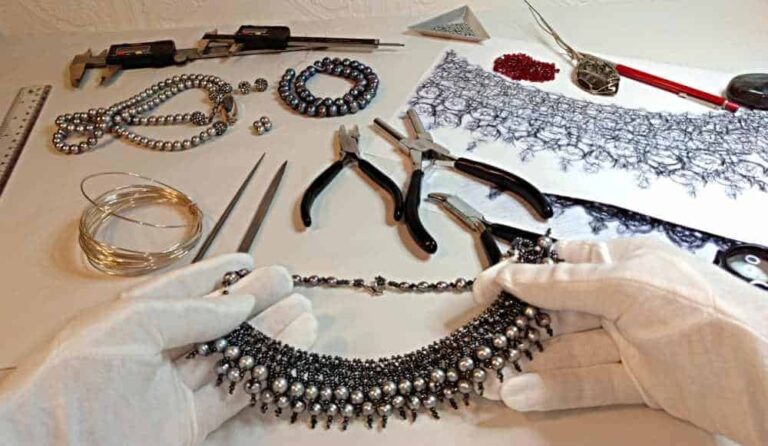
This comparison draws on GIA’s published optics research alongside maker-level experience from a team that works with genuine pearls and gemstones daily.
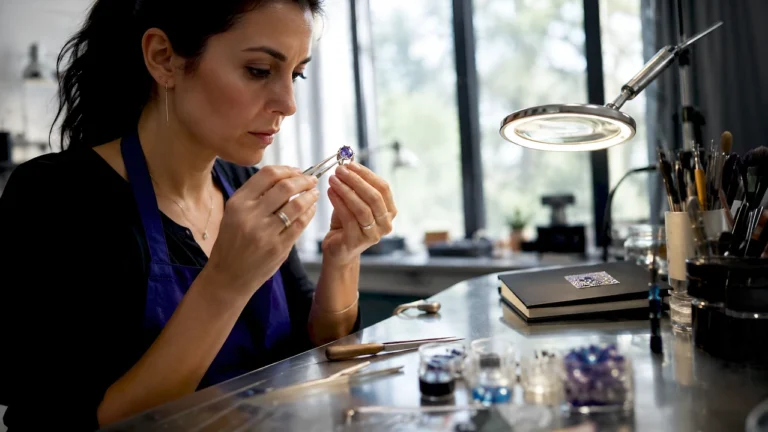
HerMJ’s artisan jewelry designer, Veronique, brings both the science and hands-on craftsmanship perspective to this piece.
9. What the cabochon vs faceted debate gets wrong
Most comparisons treat cabochon and faceted as a hierarchy, with faceted sitting at the top because it looks more “finished” or expensive.
That framing misses the point entirely.
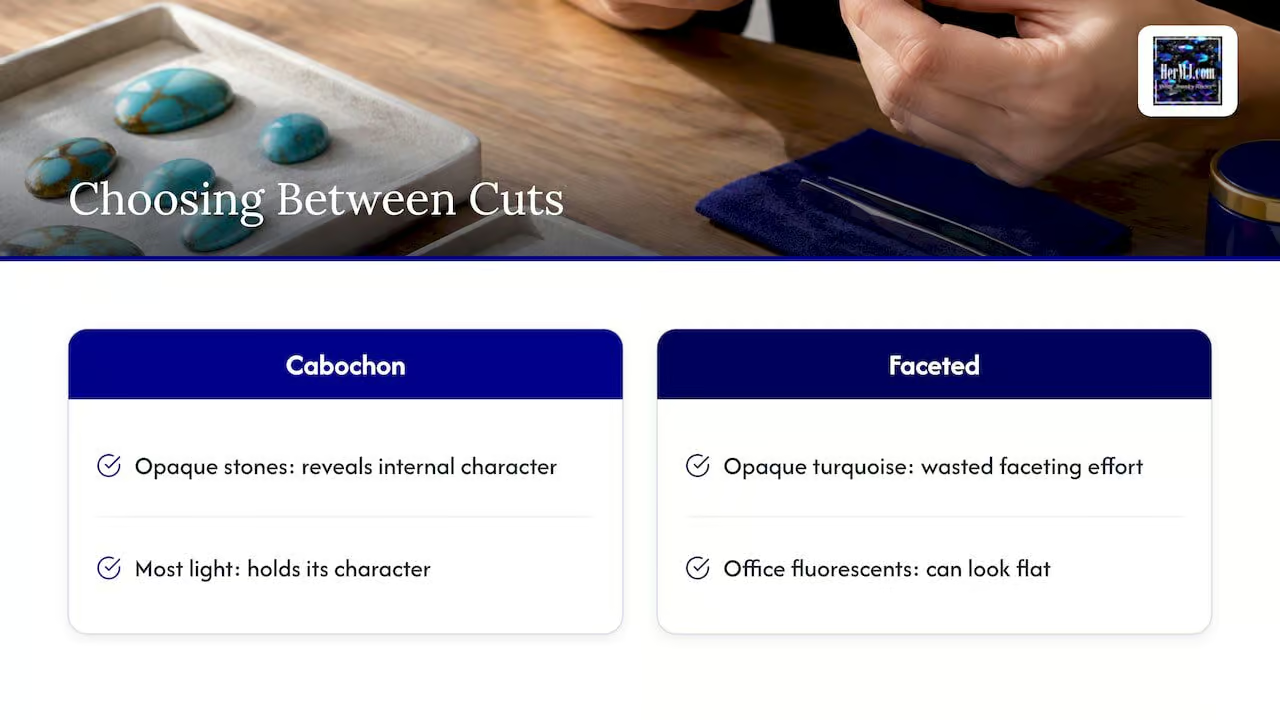
A cabochon isn’t a lesser cut used only when rough isn’t clean enough. It’s often the only cut that lets a stone’s internal character show at all. Facets on an opaque turquoise would be a wasted effort, not an upgrade.
What’s underrated is how much lighting conditions change your experience of either cut day to day.
A faceted stone that dazzles under a jewelry counter’s spotlights can look flat under office fluorescents, while a well-cut cabochon holds its character in almost any light. If you only evaluate a stone under ideal showroom conditions, you’re not getting the full picture.
My advice: decide first on how and where you’ll actually wear the piece, then let that guide the cut, not the other way around. The “better” cut is simply the one suited to the stone’s material and your daily light.
— Veronique
10. See the faceted look in a finished piece
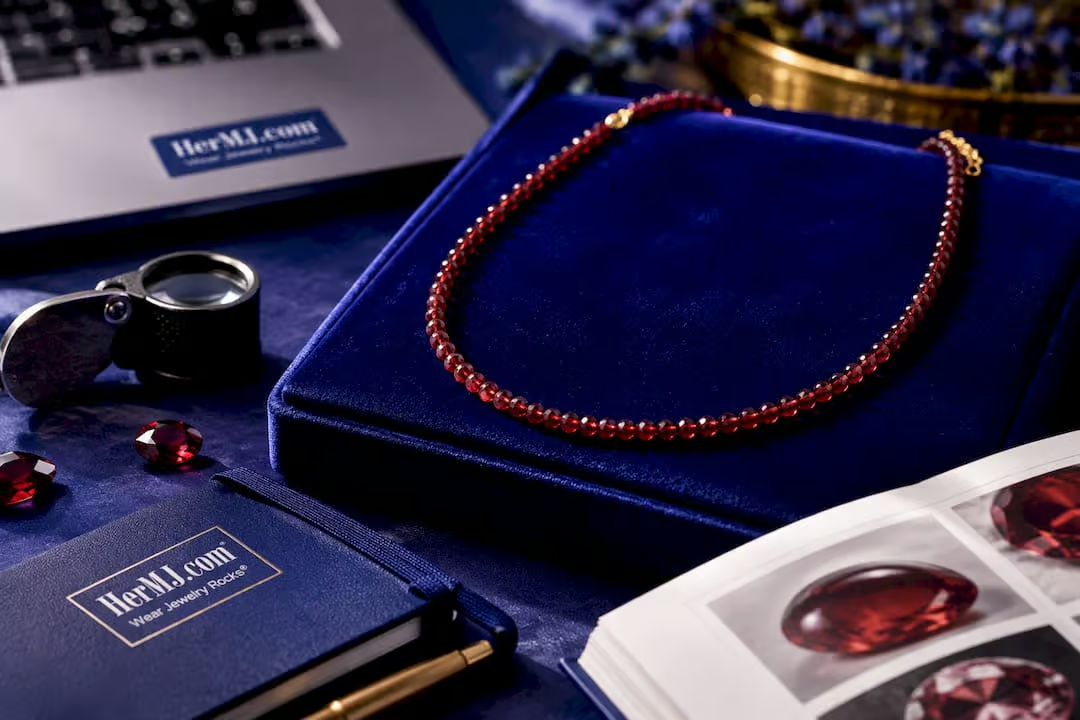
If the sparkle and brilliance of faceted cuts appeal to you, a Faceted Garnet Gemstone Necklace shows the effect in a finished, wearable piece. Browse the details and see it for yourself.
FAQ
Why are cabochons so cheap?
Cabochons are often less expensive because the shaping process is faster and the material used, like turquoise or agate, is typically more abundant than transparent gem-grade rough. Price also reflects the stone species itself far more than the cut, so a fine labradorite cabochon can still carry real value.
Are cabochons more expensive?
Not usually, though price depends far more on the specific gemstone than on the cut style. A rare opal cabochon with vivid play of color can cost more than a common, lower-quality faceted stone.
What are the different types of cabochons?
Cabochon types vary mainly by dome shape and height, including high domes for deeper color, flat-top cabochons for a modern look, and double cabochons polished on both sides for translucent stones like moonstone. The outline shape also varies, with oval and round being the most common.
What does it mean if a stone is faceted?
A faceted stone has been cut with multiple flat, polished planes arranged at precise angles to control how light enters and exits. This cutting style is used mainly on transparent, clean gem rough to maximize brilliance, fire, and sparkle.
Sources
- Modeling the Appearance of the Round Brilliant Cut Diamond — GIA
- Why are Some Gems Cut as Cabochons? – GemSelect
Recommended
- GIA Optics: 4 Questions to Choose Cabochon or Faceted
- How Gemstone Cutting Shapes Light and Jewelry Design
- How to Evaluate Gemstone Setting Handmade Quality
- What Is a Custom Gemstone Piece? Your Complete Guide