


Why You Should Consider Birthstone Alternatives

Beyond the Calendar: Why You Should Consider Birthstone Alternatives
Let’s be honest: we love traditions. There is something romantic about the idea that a specific stone was “meant” for you simply because of the month you were born. But as a designer, I’ve always felt that your jewelry should reflect who you are, not just who you were when you arrived.
If your official birthstone is not right for your budget, doesn’t match your wardrobe, or just doesn’t “feel” like you, there is a world of birthstone alternatives waiting to be explored. You aren’t bound by a calendar. You’re free to choose a stone that resonates with your energy, your style, and your life today.
Why Look for Birthstone Alternatives?
I often have clients come to me feeling that they want something… different. Maybe they were born in September but find sapphires too traditional, or maybe they love the color of an emerald but prefer a more budget-friendly option for a daily-wear ring.
Here are the three biggest reasons people seek out birthstone alternatives:
- Aesthetic Preference: You might love deep purples, but your birthstone is a pale yellow. Choosing an alternative allows you to wear colors that actually complement your skin tone and style.
- Budget & Accessibility: Some gemstones are incredibly rare or expensive. Alternatives allow you to achieve the same “look” (like using White Topaz instead of a Diamond) without the staggering price tag.
- Ethical & Sustainable Choices: Many people now look for lab-grown stones or ethically sourced minerals as an alternative to traditionally mined gems.
The Designer’s Cheat Sheet: Alternatives by Month
If you’re looking for a stone that mimics the color or energy of your birthstone but offers something different, here is my curated list of birthstone alternatives.
January (Garnet – Deep Red)
- The Luxury Alternative: Ruby. If you want more brilliance and prestige.
- The Modern Alternative: Red Spinel. It has a stunning, vivid red hue that feels fresh and contemporary.
- The Budget-Friendly Alternative: Red Zircon. Great for that “pop” of color without the high cost.
February (Amethyst – Purple)
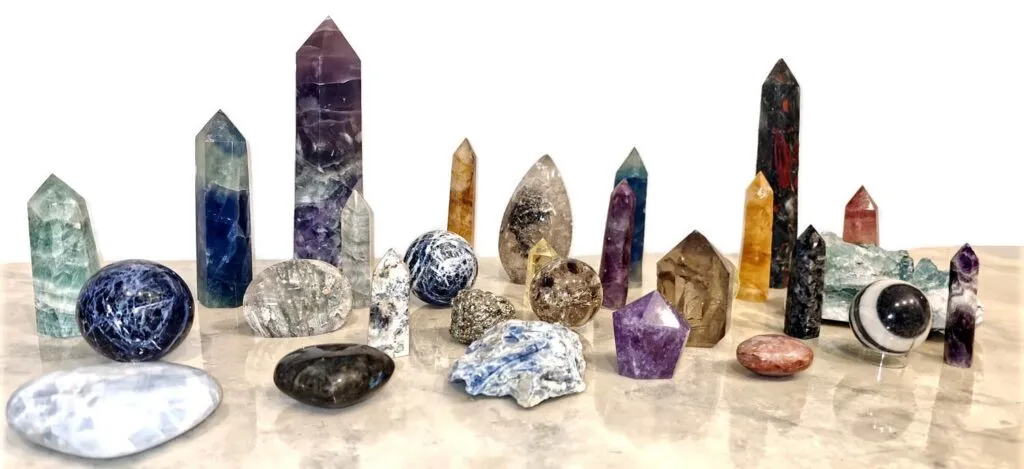
- The Ethereal Alternative: Fluorite. As I’ve mentioned before, fluorite is like a captured rainbow—perfect if you want something more unique than a solid purple.
- The Moody Alternative: Iolite. A deep, violet-blue that feels mysterious and sophisticated.
March (Aquamarine – Pale Blue)
- The Bright Alternative: Blue Topaz. It offers a more saturated blue that stands out more than the subtle glow of aquamarine.
- The Dreamy Alternative: Moonstone. While not strictly blue, its iridescent sheen captures the same “watery” essence.
April (Diamond – Clear)
- The Conscious Alternative: Lab-Grown Diamonds. Same chemistry, lower footprint.
- The Sparkle Alternative: Moissanite. It actually has more fire and brilliance than a diamond.
- The Minimalist Alternative: White Topaz or Quartz. Subtle, clean, and timeless.
May (Emerald – Vibrant Green)
- The Lush Alternative: Tsavorite Garnet. A stunning, vivid green that is often more durable for everyday wear.
- The Soft Alternative: Peridot. For those who prefer a lime-green, sunny vibe over the deep forest tones of emerald.
June (Pearl/Alexandrite – White/Color-Shift)
- The Modern Alternative: Moonstone. It captures that same creamy, luminous glow but feels more contemporary.
- The Bold Alternative: Labradorite. For those who love the color-shifting nature of alexandrite but want something earthier.
July (Ruby – Bright Red)
- The Edgy Alternative: Red Tourmaline. It has a sophisticated depth that feels less “traditional” than ruby.
- The Playful Alternative: Pink Sapphire. A softer take on the red spectrum.
August (Peridot – Lime Green)
- The Deep Alternative: Green Tourmaline. If you love green but want something more saturated and “expensive” looking.
- The Unique Alternative: Green Fluorite. Again, for that artistic, layered look.
September (Sapphire – Deep Blue)
- The Electric Alternative: Tanzanite. An exotic blue-violet stone that is a total showstopper.
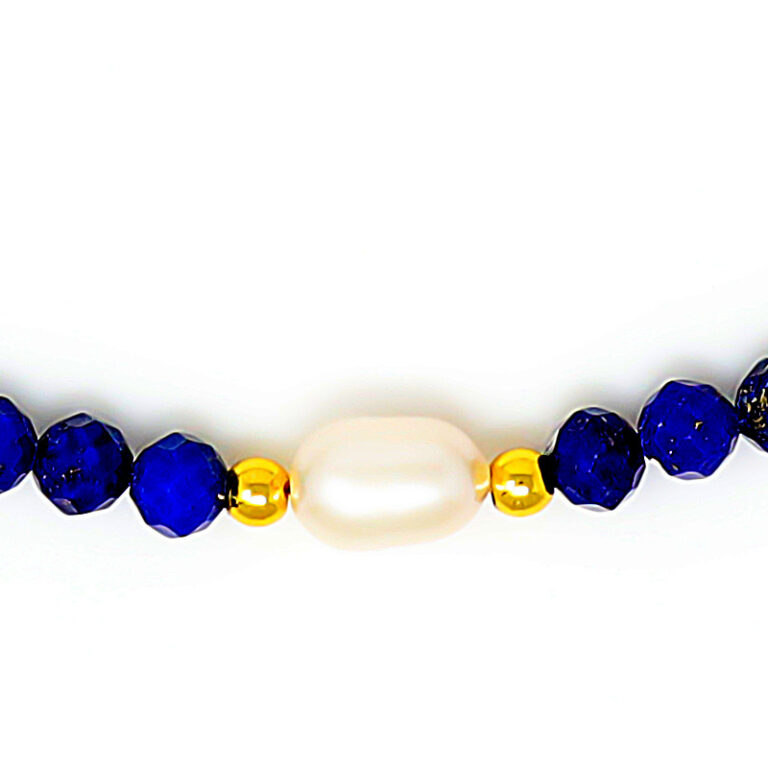
- The Classic Alternative: Lapis Lazuli. For a bold, opaque royal blue that feels ancient and powerful.
October (Opal/Tourmaline – Iridescent/Pink)
- The Shimmer Alternative: Moonstone. It mimics the “glow” of an opal but is generally more durable for daily wear.
- The Romantic Alternative: Morganite. If you’re drawn to the pinks of tourmaline, morganite offers a soft, peachy elegance.
November (Topaz/Citrine – Golden Yellow)
- The Sunny Alternative: Yellow Sapphire. High brilliance and incredible durability.
- The Earthy Alternative: Amber. For a warm, organic feel that tells a story of time.
December (Turquoise/Tanzanite – Blue)
- The Coastal Alternative: Amazonite. A gorgeous teal-green that feels like a tropical vacation.
- The Royal Alternative: Lapis Lazuli. When you want a deep, commanding blue instead of the bright turquoise hue.
How to Choose Your Own “Personal Stone”
If you’ve decided to move away from your birthstone entirely, how do you pick? I suggest these three steps:
- Follow the Color: Look at your wardrobe. Do you wear a lot of neutrals? A bold birthstone alternative like Tanzanite or Ruby can be your signature pop of color.
- Connect with the Energy: Are you seeking calm? Go for Moonstone or Aquamarine. Seeking power and confidence? Citrine or Ruby are your best bets.
- Consider the Lifestyle: If you’re active, choose a stone with a higher Mohs hardness (like Sapphires or Moissanite) so your jewelry lasts a lifetime regardless of where it sits on the calendar.
Your Jewelry, Your Rules
The beauty of jewelry is that it’s an expression of identity. If you decide to stick with the tradition or dive into the world of birthstone alternatives, the most important thing is that the piece makes you feel something when you put it on.
Don’t let a date in January or July dictate your style. Explore colors, experiment with textures, and find the stone that speaks to who you are now.
Ready to create a piece that truly represents you? Browse my collection of unique gemstones or contact me for a custom design that defies the calendar!
The Designer’s Guide to Birthstone Alternatives for a Truly Custom Look
Here’s a list of the traditional colors you can match. Each alluring hue results from its ingredients and their combination.

Garnet – The January Birthstone, for example, is from the silicate (or silicon) group of minerals. Its name, derived from early-century Middle English, means “dark red.” Beloved for this same characteristic, it is also considered a strong revitalizing force. Popularly used by warriors in the religious crusades, they were considered to instill safety and courage.

Amethyst – The February Birthstone is the beloved hearty violet quartz stone, whose name originates from the Greek term for “not”, for its reputation of protecting its owner from intoxication, is also known for bringing good luck, as well as warmth and clarity.

Aquamarine – The March Birthstone, known as “water of the sea,” possesses a rich history. It is in the beryl family and is primarily found in granite. Commonly used to assist with meditation, it is prized for its ability to bring tranquility.

Diamond – The April Birthstone is from the Greek word “adamas,” meaning unconquerable, and is known for its hardness and its luster. Born in the high-pressure environment 100 miles below ground, we have prized this carbon stone across centuries and countless civilizations. Also popularly prized for its symbolic link to love and healing powers to some, the diamond is one of the most popular stones.

Emerald – The May Birthstone, also of the beryl family, owes its color to trace amounts of chromium and sometimes vanadium. Termed from the Greek “smaragdos” or “green gem,” the emerald rivals the diamond in terms of its sheer popularity. It is considered to bring good luck and stability to its owner.

Pearl – The June Birthstone is a product of the living mollusk. The coveted pearl is composed of calcium carbonate, which is grown and is often manually cultured within the mollusk’s shell. Valued as highly as gemstones on some occasions when the resulting pearl is classified on the high end of the grading scale, the pearl, originally known as the Latin “perna” or leg, is based on the bivalve freshwater mollusk. Although the pearl shares its June birthstone distinction with alexandrite and moonstone, it is the most popular, with the moonstone steadily gaining. Prized as a symbol of purity and perfection, the pearl personifies grace.

Ruby – The July Birthstone for hundreds of years was a product of the Burmese Mogok valley. With its name derived from the Latin ruber or red, the stone owes its color to chromium (the main additive to stainless steel). Its color spans a spectrum from the most valuable hue, blood-red, to near colorless. It is considered a passion stone and is valued as a symbol of passion and success.

Peridot – The August Birthstone, also known as chrysolite, is a silicate rich in magnesium. Originally sourced from a tiny island in the Red Sea, the stone is now found in Burma (Myanmar), China, Afghanistan, and Pakistan. Its name, derived from the Latin Paederot, for a type of opal, is one of the few gem types found in a single color: green. Interestingly, along with its land-bound discovery, it is also occasionally found in meteorites. Along with its distinction of wealth and good luck, many considered it a healing stone.

Sapphire – The September Birthstone, as a result of its mineral composition of corundum (aluminum oxide), can be red (as well as occurrences of yellows and purples as well as oranges and greens), but the typical prized blue sapphire is a result of the presence of both titanium and iron, which yields the deep blue color. Its name is derived from the Sanskrit “padma ranga,” meaning “lotus color.” It is the most valuable blue gemstone. It is associated with integrity and power and is particularly favored by royalty.

Opal/Tourmaline – Twin October Birthstones, Opals, with a name originating from the Sanskrit Upala, or precious stone, can contain water within this silica stone, which can range up to 20 percent by weight, and is recognized for the iridescence of its rich play of colors. Treasured for its color in the diffraction of light, tourmaline radiates a variety of hues, ranging from iron-rich black to bluish-black to glorious green.

Topaz – The November Birthstone, prized for its transparency, is rich in aluminum and fluorine, making it one of the hardest of any in the silicate family. Its name, from the Greek word “topazion” (derived from Sanskrit), means “fire”. Considered the most traditional color for the November birthstone, orange topaz symbolizes love and passion.

Turquoise – The December Birthstone, with its blue-green color, owes its unique appearance to the copper and aluminum in its composition. Turquoise, as a gemstone, dates back to the 17th century, when it was referred to by its French name “turquois,” or “Turkish,” because of its original source from Persia via Turkey. Although the most valuable turquoise was previously found in Iran, today’s most valuable turquoise is sourced from the southwest United States. It is considered a grounded stone and a direct counter to negative energy. Many also believed to exemplify confidence and strength.
The colors of our birthday gemstones continue to shape how we regard jewelry. You can find the allure of these birthstone alternatives in many of HerMJ’s designs. Importantly, because your birthday should be the most important day of your life, celebrate it as a testament to all the glorious things that make you a true gem. Your birthstone is a beautiful physical statement of just how precious we are.
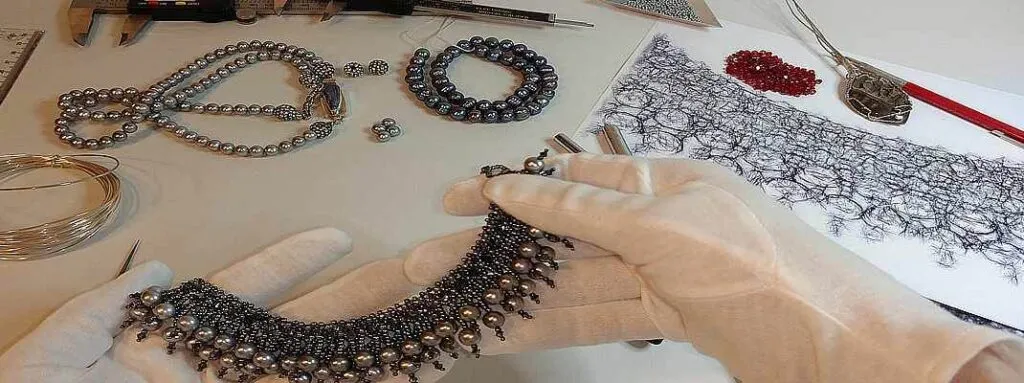
Our necklaces and bracelets reveal the time-honored magic of the birthstone while embodying the fresh originality of unique statement pieces. You’re invited to explore the dazzling range of colors in the crystals, gemstones, and freshwater pearl elements we hand-jewel into our designs. Have a look at HerMJ collection, including our amazing birthstone alternatives for someone special. The shopping guide is organized by month to help you find something that speaks directly to you.
Your New Birthstone Alternatives
See our Happy Birthday Jewelry birthstone alternative suggestions—we may have something special just for you!
Browse our exclusive Birthday Jewelry.
View our entire gallery.
Watch Our Designs On YouTube