


Skip the Guesswork: 5 Questions to Ask Before Buying Nickel-Free Jewelry

Yes, nickel-free jewelry can prevent most allergic reactions when you verify the materials rather than trust the label alone.
The safest categories are titanium, surgical-grade stainless steel, high-karat gold, platinum, niobium, and sterling silver that’s been confirmed through testing.
Pieces like the Strawberry Quartz Gemstone Bracelet, Elegant Freshwater Pearl Necklace, and Blueberry Gelato Collection Freshwater Pearl Necklace offer sensitive skin a stylish, low-risk solution that look great and avoids the issue.
The Edit
- Only jewelry tested for actual nickel release, such as those meeting European standards like EN 1811, can be reliably safe for sensitive skin.
- Titanium, surgical-grade stainless steel, niobium, platinum, and verified nickel-free sterling silver are the most trustworthy metals for nickel allergy.
- Avoid relying solely on labels or the term “hypoallergenic,” and instead request composition details and testing documentation from sellers.
- Replacing plated jewelry with solid, gold-filled, or gold-vermeil pieces significantly reduces nickel exposure and potential reactions.
- Proper care and handling, including cleaning, avoiding moisture, and using protective coatings, can minimize nickel release from safe metals.
What “nickel-free” and “hypoallergenic” really mean
Nickel allergy develops when nickel ions move from metal into skin, triggering an immune response that shows up as contact dermatitis.
It’s one of the most common metal allergies we hear about, and a recent meta-analysis found it affects roughly 20.1% of the general population, with rates running higher among people who have pierced ears.
Here’s where things get tricky: the word “hypoallergenic” carries no legal weight in the United States. The FDA has confirmed the term is unregulated for consumer products, so a brand can stamp it on a tag without any testing behind it.
What actually matters is nickel release, not just whether nickel is technically present in an alloy.
- A low-release metal can still contain trace nickel and remain safe for most wearers
- European testing standards like EN 1811 measure how much nickel leaches out over time, not simply whether it exists in the mix
- A “nickel-free” claim without composition details is worth far less than a seller willing to share exact metal content
Metals and materials safest for nickel-sensitive skin
Some metals are naturally inert, and others only behave well when made correctly.
Titanium sits at the top of the list: it’s biocompatible, lightweight, and y nickel-free by nature. Surgical-grade stainless steel (often marked 316L) is another dependable choice, though not every piece labeled “stainless steel” meets that surgical specification, so the grade matters as much as the metal name.
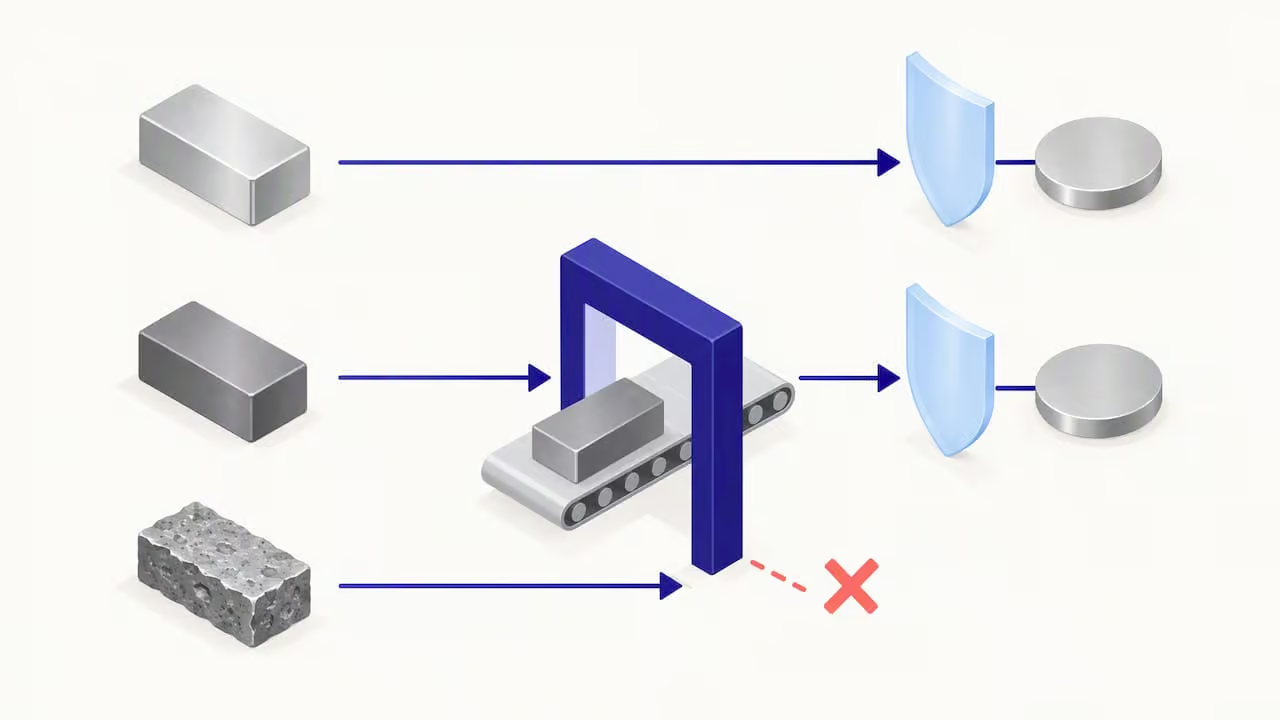
Niobium behaves like titanium and takes color beautifully through anodizing, making it a good solution for earrings.
Platinum is naturally hypoallergenic and dense, which is part of why dermatology sources recommend it alongside surgical steel and titanium for sensitive wearers.
Sterling silver can work too, but only when the seller confirms it’s genuinely nickel-free, since some silver alloys use nickel as a hardening agent. High-karat yellow gold, generally 18k or higher, contains less alloy metal overall and therefore less risk.
Construction matters as much as the base metal:
- Gold-filled pieces bond a thick layer of real gold to a base metal, offering years of protection against skin contact
- Gold-plated items carry only a thin layer that wears away, eventually exposing whatever metal sits underneath
- Vermeil falls between the two, using sterling silver as its core with a gold layer on top
For posts that touch pierced skin directly, medical-grade plastic or polymer options exist for people with extreme sensitivity who react even to inert metals.
Pro Tip: When you’re shopping for earrings specifically, my guide on hypoallergenic earrings for sensitive ears breaks down post materials in more detail.
How to verify jewelry is nickel-safe before you buy
Don’t take a product description at face value. Before you buy, run through a short set of questions and checks.
Ask the seller directly what metal the piece is made from, including the specific alloy or karat, not just a general category like “gold” or “silver.”
- Ask the seller directly what metal the piece is made from, including the specific alloy or karat, not just a general category like “gold” or “silver.”
- Ask whether the piece has been tested for nickel release and whether you can see documentation, rather than just a marketing claim.
- Ask if posts and clasps are passivated or treated to reduce surface corrosion, since rough or untreated surfaces release more nickel over time.
- For items you already own, use a DMG (dimethylglyoxime) spot test on the part that actually touches skin, such as the post or clasp, not a decorative outer surface.
- Request EN 1811 or lab testing paperwork for pieces meant for prolonged or permanent wear, like body jewelry.
A DMG test is useful but limited. Clinical guidance notes that DMG kits detect nickel release above a defined threshold but can miss lower-level release that still bothers highly sensitive skin, so a negative result is reassuring, not a guarantee.
Shopping checklist for pierced ears and sensitive skin
Product pages don’t always tell you what you need to know, so it helps to know what to look for before you check out.
- Confirm the exact post material rather than trusting a general “nickel-free” badge, and favor solid metal or gold-filled posts over plated brass
- Check whether the listing mentions plating thickness or coating type, since thin plating wears through faster with daily wear
- Look for smooth, well-finished posts and sealed seams, since rough spots and open joints create more surface area for corrosion
- Confirm the seller has a clear return policy, which signals confidence in their own composition claims
- Reach out to customer service directly if a listing is vague, and judge the response by how specific it is
A seller who can name the alloy and the post material without hesitation is generally more trustworthy than one who only repeats the word “hypoallergenic.”
Care, wear habits, and quick fixes to reduce nickel exposure
Even safe metals benefit from a little care, since moisture and friction accelerate any metal’s wear over time.
Clean pieces gently and dry them fully before storing, since trapped moisture speeds up corrosion and can increase ion release from lower-quality alloys.
If you want more detail on keeping finishes intact, my guide to preventing jewelry tarnish covers the basics.
Clear protective coatings or small plastic sleeves on posts can create a temporary barrier, though they wear down and need replacing rather than offering a permanent fix.
- Remove jewelry before swimming, since chlorine accelerates metal breakdown
- Apply lotion and perfume before putting pieces on, not after
- Avoid wearing sensitive pieces during heavy sweating, since sweat’s acidity speeds up nickel release
Pro Tip: If a piece has caused irritation before, retire it for high-sweat activities even if you still wear it occasionally elsewhere.
When to see a dermatologist and common symptoms
Nickel allergy usually announces itself clearly: an itchy, red rash right at the contact point, sometimes with small blisters or, over time, thickened and discolored skin.
Cleveland Clinic describes these as classic signs of nickel-related contact dermatitis, and they tend to worsen with continued exposure rather than fade on their own.
If you react to a 14-karat gold piece, the nickel used as a hardening alloy is often the real culprit, not the gold itself.
A dermatologist can confirm a nickel allergy through patch testing, the standard diagnostic tool. First-line management is simple: avoid the trigger metal and use topical treatment for active flares.
Persistent or spreading reactions warrant a referral rather than continued guesswork.
— Veronique
HerMJ picks: artisan options for sensitive skin
Handmade pieces are listed with material transparency as a starting point, not an afterthought, and I’m happy to share composition details for anything in our shop.
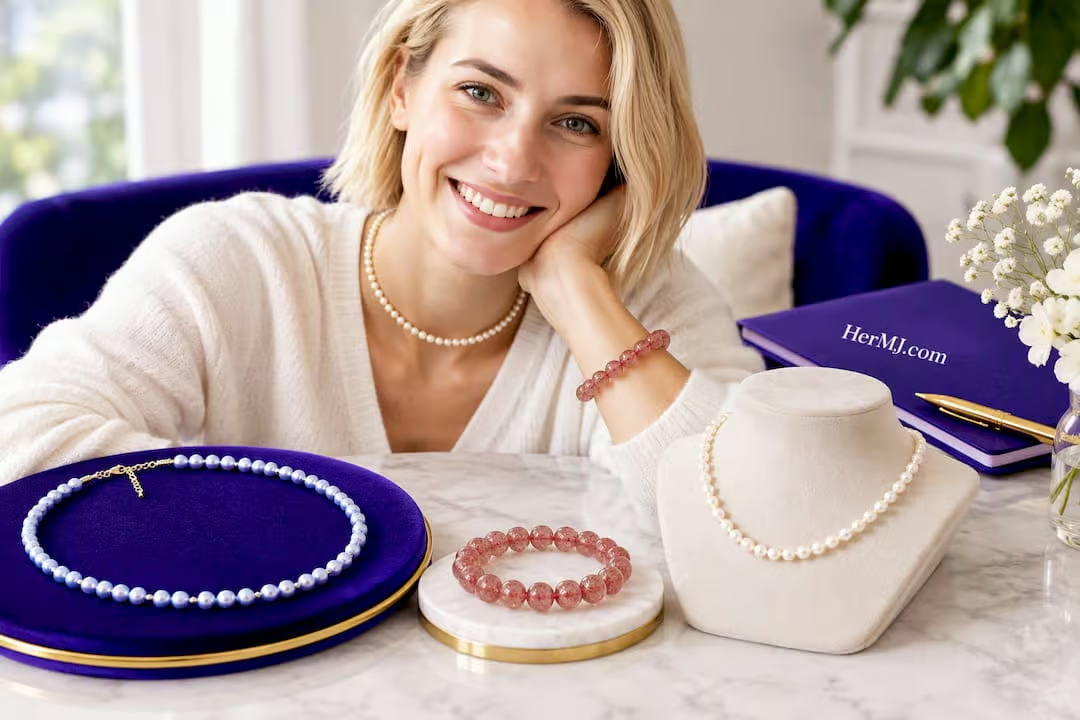
Our Strawberry Quartz Gemstone Bracelet pairs a genuine gemstone with settings chosen for comfortable, lower-risk daily wear.
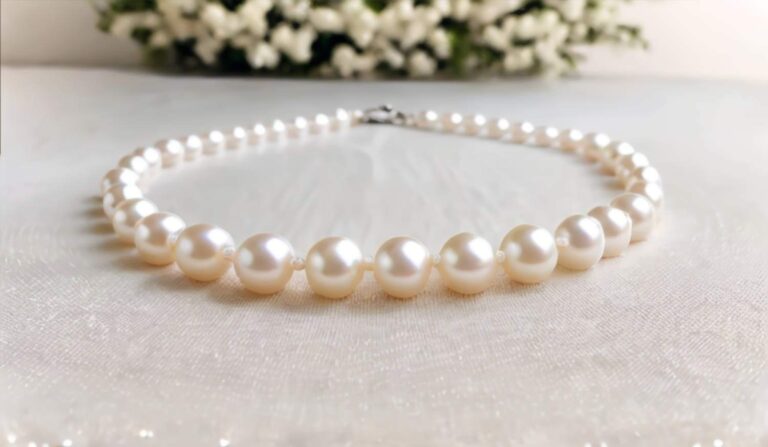
Our Elegant Freshwater Pearl Necklace suits anyone who wants the classic warmth of real pearls without guessing at what’s underneath the setting.
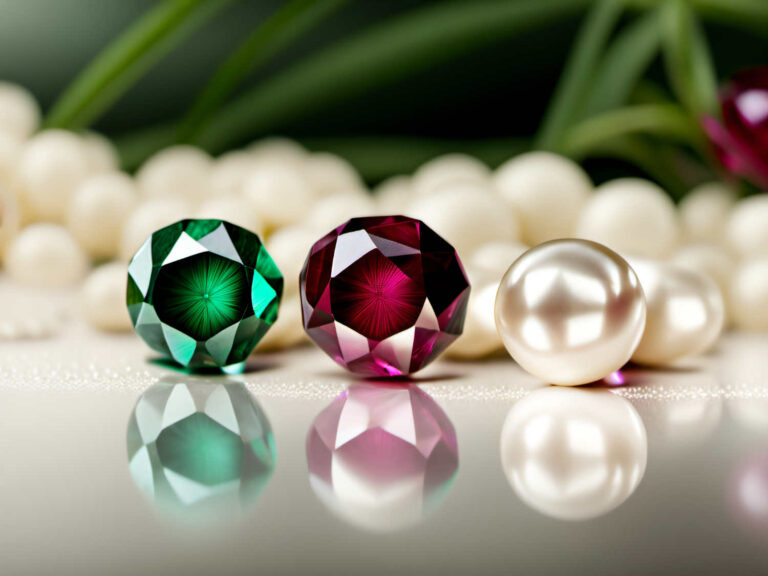
Our Blueberry Gelato Collection Freshwater Pearl Necklace brings a softer, modern colorway to that same pearl craftsmanship.
| Piece | Best for |
|---|---|
| Strawberry Quartz Gemstone Bracelet | Everyday color with a gemstone focal point |
| Elegant Freshwater Pearl Necklace | Classic styling for sensitive necks |
| Blueberry Gelato Collection Freshwater Pearl Necklace | Softer pastel tones with the same pearl comfort |
- Browse our full pearl and gemstone jewelry collection for more options
- Check our necklaces and bracelets categories for additional styles
US orders ship free with no minimum, and international orders ship free for orders of $150 or more.
If you have questions about a specific piece’s metal composition, reach out before you order. Start browsing today and find a piece that fits your skin and your style.
This article provides general information and is not a substitute for advice from a qualified doctor.
Consult a qualified healthcare professional about your own circumstances before acting on anything here.
FAQ
What jewelry can I wear if I’m allergic to nickel?
Titanium, surgical-grade stainless steel, niobium, platinum, and verified nickel-free sterling silver or high-karat gold are generally considered safer choices. Mayo Clinic lists these metal categories as better options for people with nickel sensitivity, though individual tolerance still varies.
What are the symptoms of a nickel jewelry allergy?
The most common symptoms are an itchy, red rash right where the metal touches skin, sometimes with blistering or, with continued exposure, thickened and darker patches. Cleveland Clinic notes that these reactions can become chronic if the trigger metal stays in contact with skin.
Is titanium 100% nickel-free?
Titanium used in jewelry is considered one of the safest options because it’s naturally low in nickel and highly biocompatible. It’s a different material from nitinol, a nickel-titanium alloy used in certain medical devices that contains significant nickel.
Can I have a nickel allergy if I have a 14k gold allergy?
Yes, a reaction to 14-karat gold is often caused by the nickel used as a hardening alloy rather than the gold itself. Choosing higher-karat gold or verified nickel-free white gold can reduce or eliminate that reaction for many wearers.
Sources
- Nickel Allergy and Piercings: A Systematic Review and Meta‐Analysis
- Nickel allergy – Cleveland Clinic
- Hypoallergenic cosmetics | FDA
- Nickel Allergy – StatPearls
- Nickel allergy – Mayo Clinic
Recommended
- Hypoallergenic Earrings For Sensitive Ears and Kids
- How to Identify Truly Handcrafted Jewelry Pieces
- Gold-Filled vs Gold-Plated: Key Differences Explained