


Precious vs. Semi-Precious Gemstones: What’s the Difference
At HerMJ, we’re frequently asked, “What makes a gemstone precious or semi-precious?” It’s a common question because most of us aren’t fully aware of the distinction between the two categories.
Although all beautiful stones can take our breath away, some fetch a premium to do it. Fortunately, and apart from their respective gemological pedigrees, we look to the designation as more of a means of managing them than a measure of how we ultimately feel about their allure. In other words, the classification itself is not set in stone.
Since ancient times and across civilizations, our beautiful colored gemstones have been admired and frequently coveted for their physical properties and even their monetary value (more on this later).
Some have even attributed their significance to various ethereal meanings and supernatural powers. In modern times, they remain a nearly universal indicator of social status and an enduring symbol of emotional dedication to our loved ones.
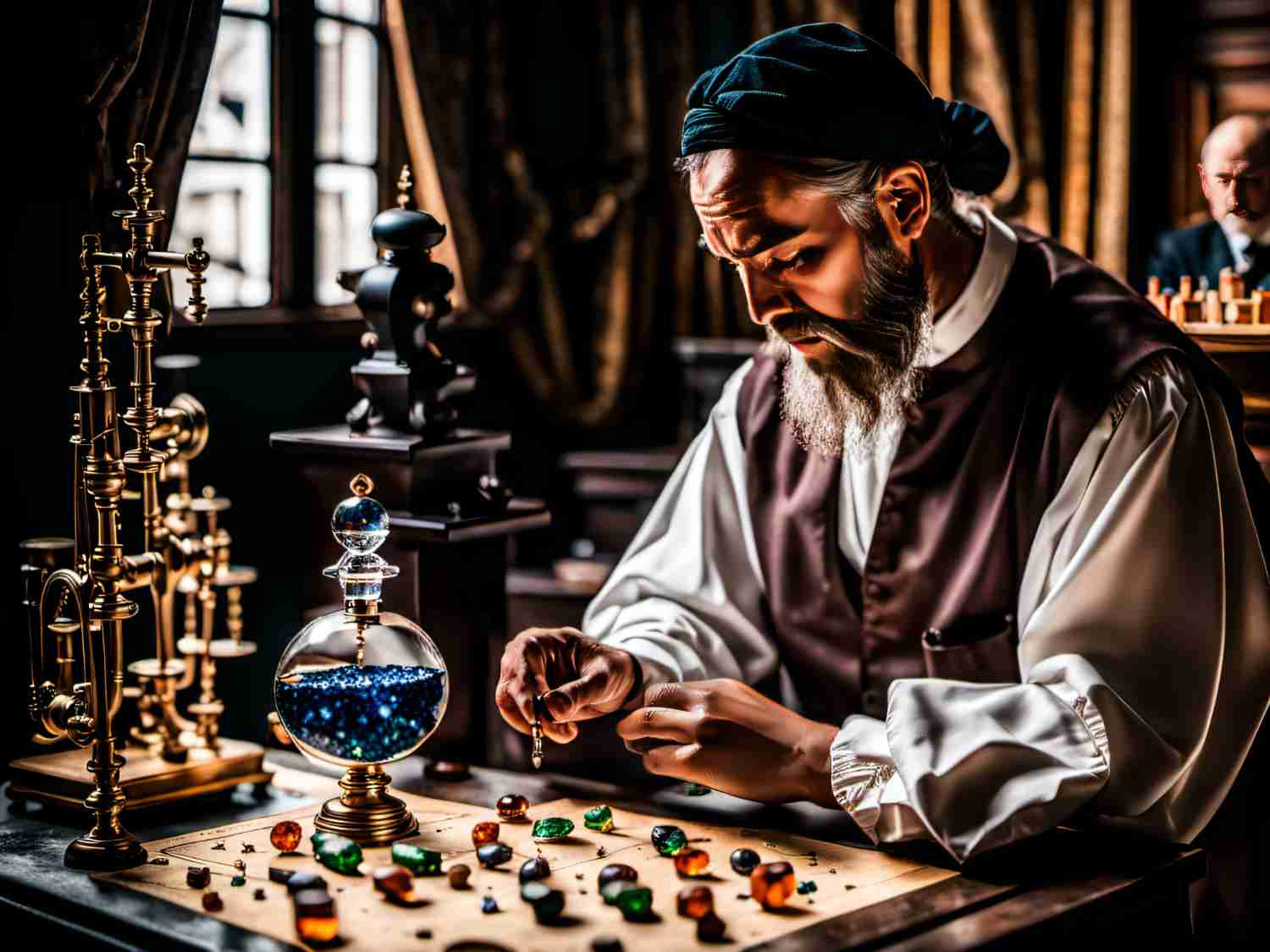
What are Gemstones and their significance?
We all know our beloved ornamental nuggets as mineral crystals cut and polished into beautiful shapes, colors, and sizes. Over the ages, their use in necklaces, bracelets, earrings, and other adornments has maintained astonishing appeal across ages, cultures, and entire civilizations, and for good reason.
Originating from the earth itself, in a process that can take longer than many human lifetimes, each stone is a miracle of science, formed by Mother Nature’s alchemy of chemicals and common mineral deposits that give rise to these fantastic colored stones.
We have relied on them as icons of status, tributes of love and affection, and symbols of our economic value. Historically, different cultures have even attributed various symbolic meanings and supernatural powers to gemstones.
The Difference: Semi-Precious vs Precious Gemstones
The classification of gemstones is a conventional segmentation based on their scarcity, beauty (heavily influenced by color and brilliance), and durability.
Originally, the term ‘precious’ was used to identify the four types of valuable gemstones – diamonds, emeralds, rubies, and sapphires.
The classification of semi-precious vs. precious gemstones is a conventional segmentation based on similar attributes, with the chief difference being their greater numbers and corresponding availability.
Precious Gemstones
In our world of gems and jewelry, precious gemstones are known for their exceptional rarity, hardness, beauty, and high market value. Unlike semi-precious gems, which are generally more common, precious gemstones are considered more desirable due to the unique qualities that determine their value.
Characteristics of the Rarest Precious Stones
The defining characteristics of a gemstone include its color, cut, clarity, and carat weight—commonly referred to as the “Four Cs” in gemology. Diamonds, emeralds, rubies, and sapphires possess remarkable hardness and durability, ranking high on the Mohs hardness scale.
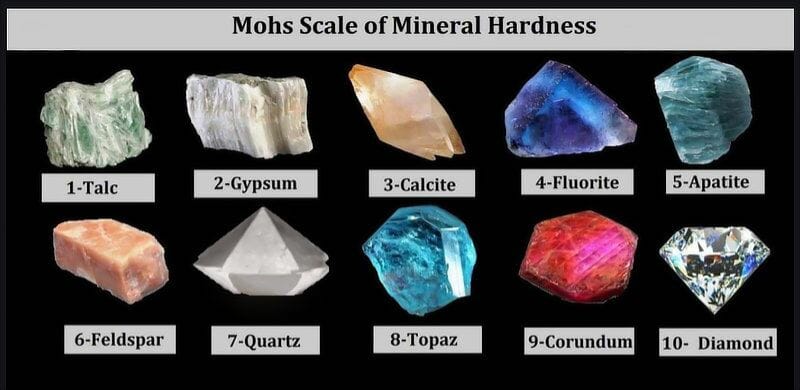
This is an essential aspect of their value, based on their ability to withstand real-world handling, storage, and contact with other objects that could otherwise compromise their pristine surface.
Another significant factor contributing to the precious status of these stones is their limited availability. Precious gemstones are less abundant in nature compared to the semi-precious variety.
This is a factor in the limited concentration of certain organic minerals (such as corundum, beryl, and manganese) at mining locations around the globe.
The amount of a contributing mineral that determines the gem’s identity depends on its availability during formation. Pressure from the earth’s formation of each stone, along with the signature amount of organic materials (commonly known as mineral contaminants) determines the identity of the final product.
The Precious Stones
We are all familiar with the spectacular allure of the most popular gemstones of the precious category. Originally considered most valuable above all other stones, and commonly determined by ceremonial or religious practices.
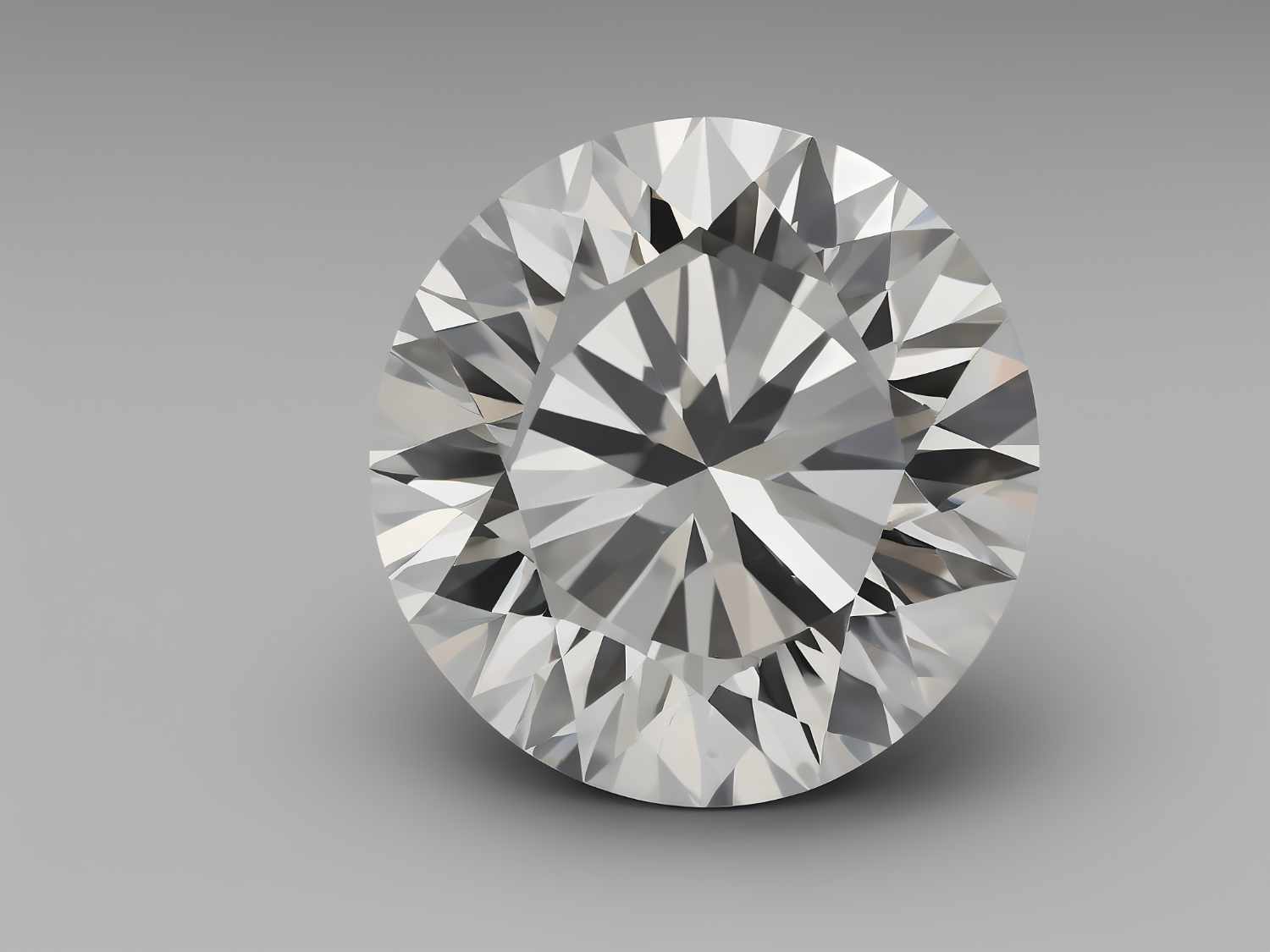
Diamonds: Perhaps the most popular precious gemstone, greatly valued for its unmatched hardness, brilliant sparkle, and symbolism of love, the diamond remains one of the most respected stones.
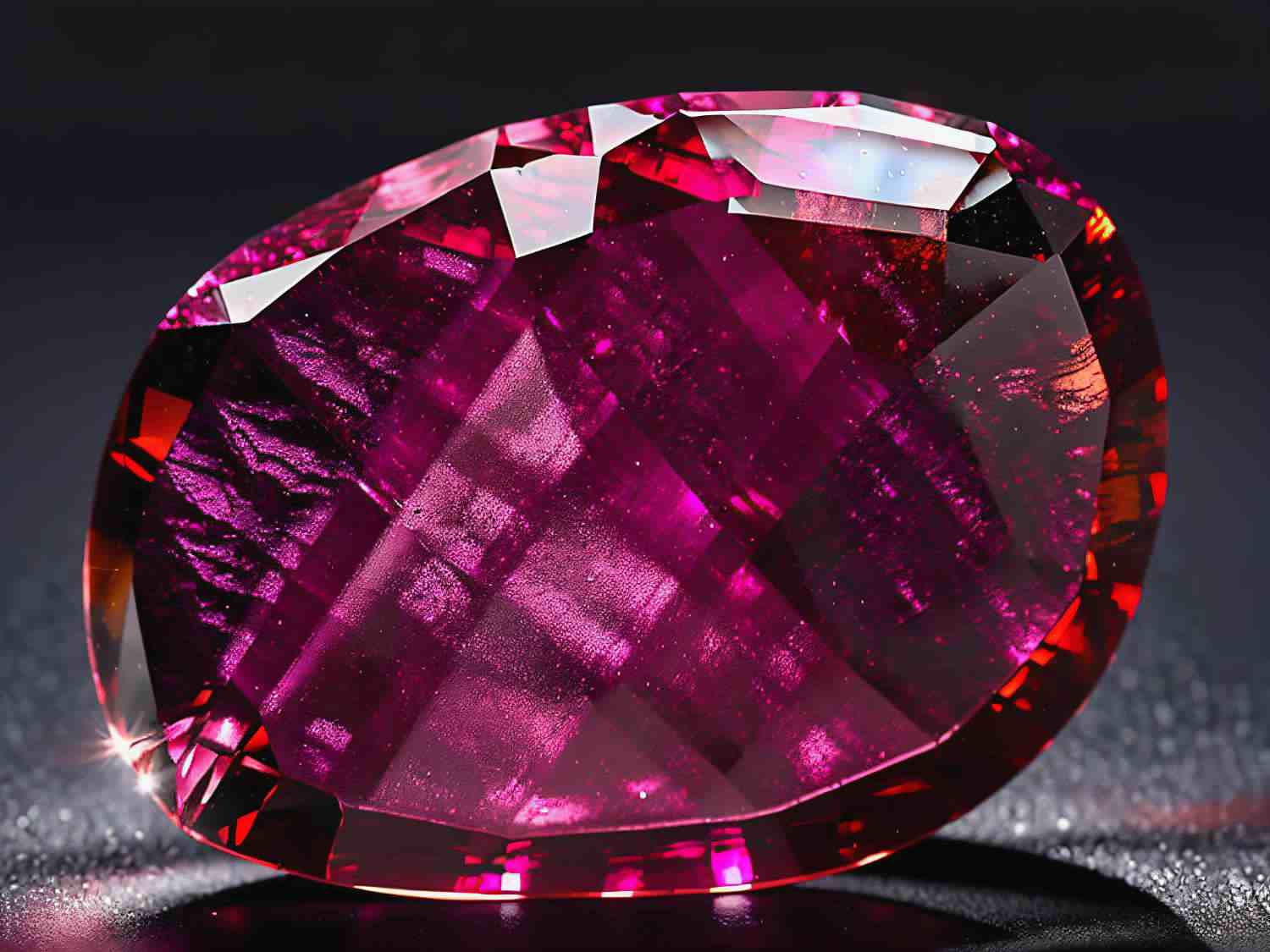
Rubies: Recognized for their rich red color, rubies symbolize love and passion, making them highly sought after.
Emeralds: Known for their deep, vibrant green color, emeralds are cherished for their rarity and association with fertility and rebirth.
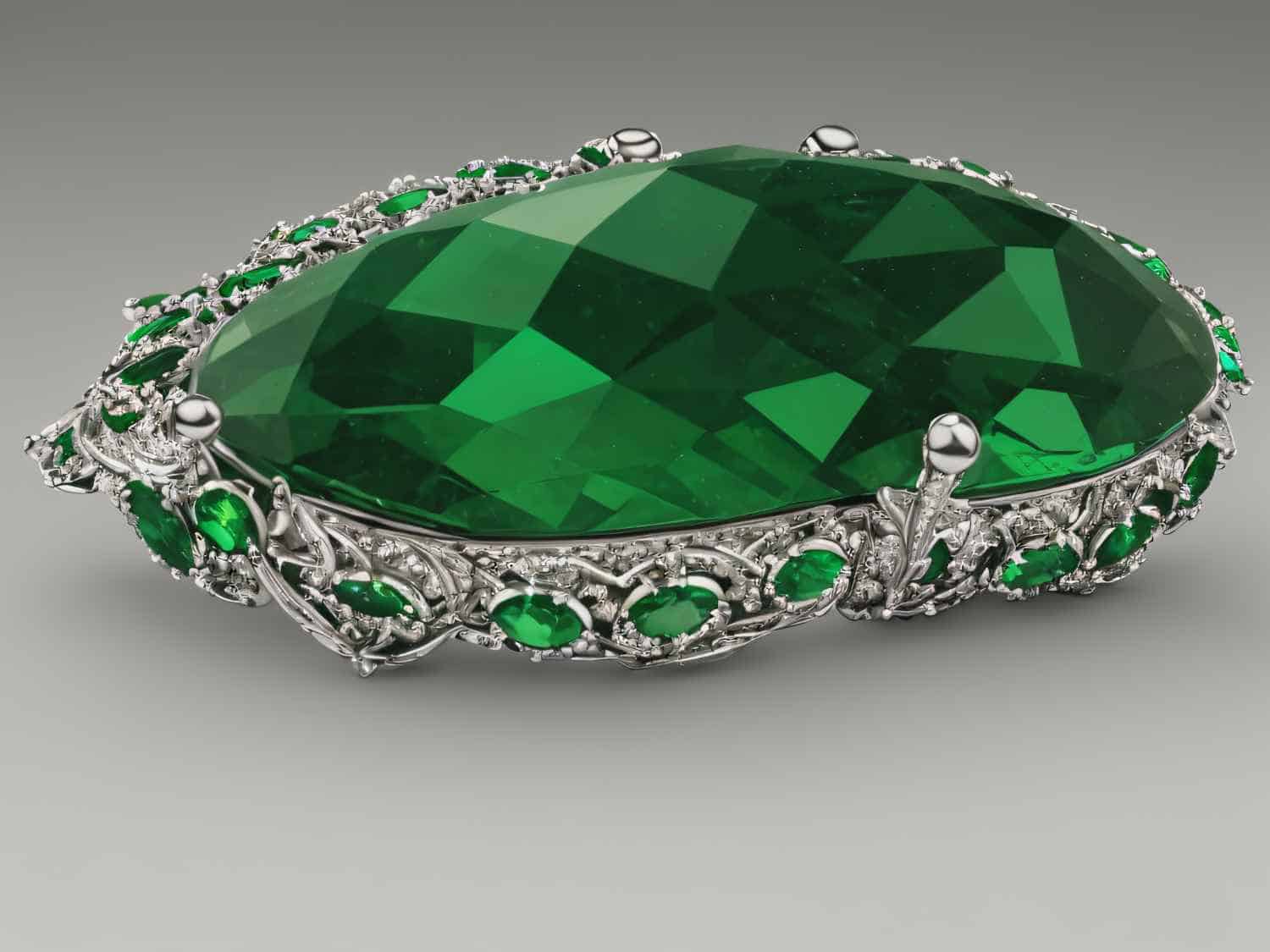
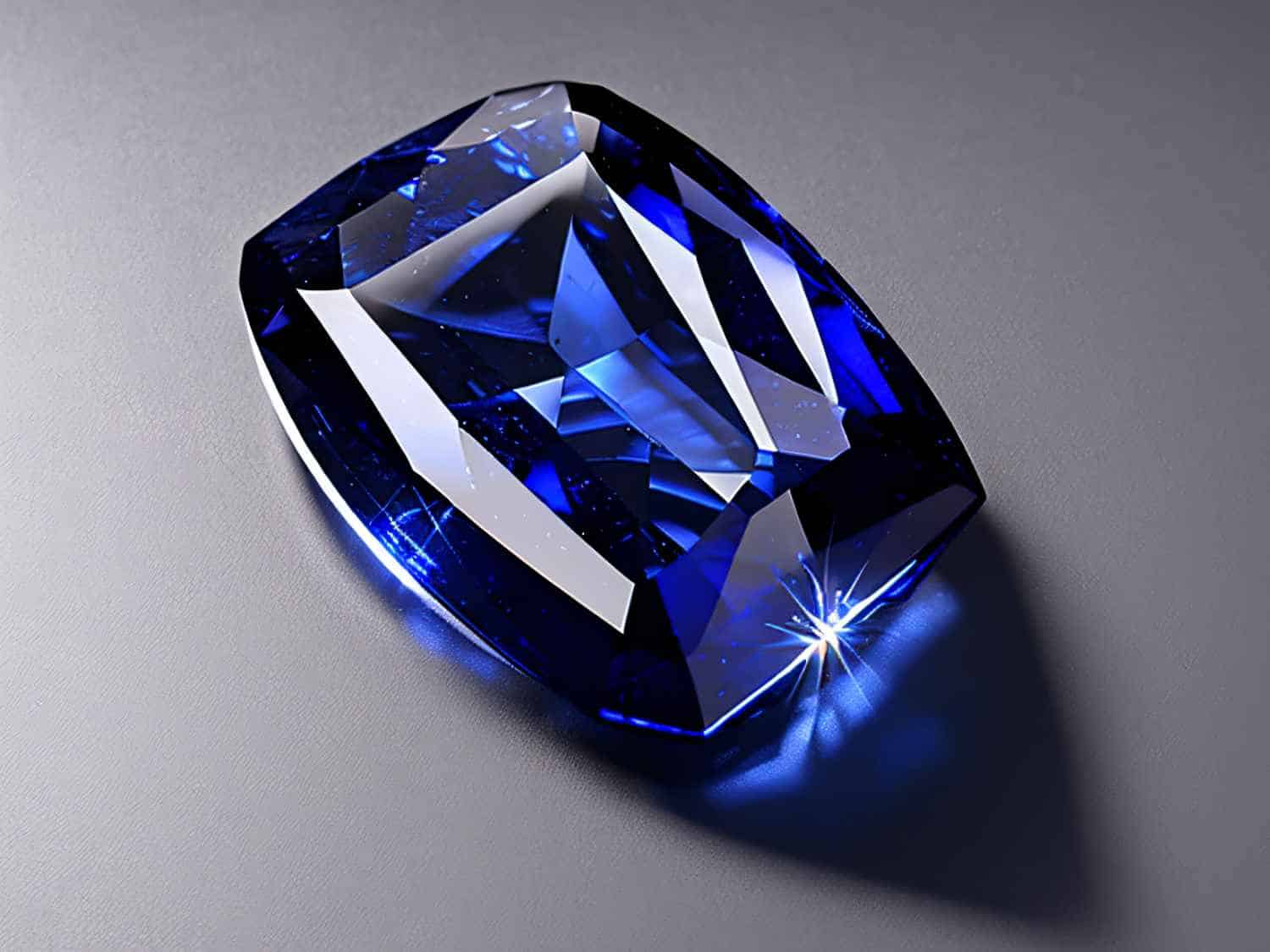
Sapphires: While most people are familiar with the blue sapphire variety, sapphires can come in a variety of vibrant colors, excluding red. We’ve come to know these additional colors are fancy sapphire varieties.
Semi-Precious Gemstones
In the world of gemology, all gemstones other than diamonds, emeralds, rubies, and sapphires are categorized as semi-precious.
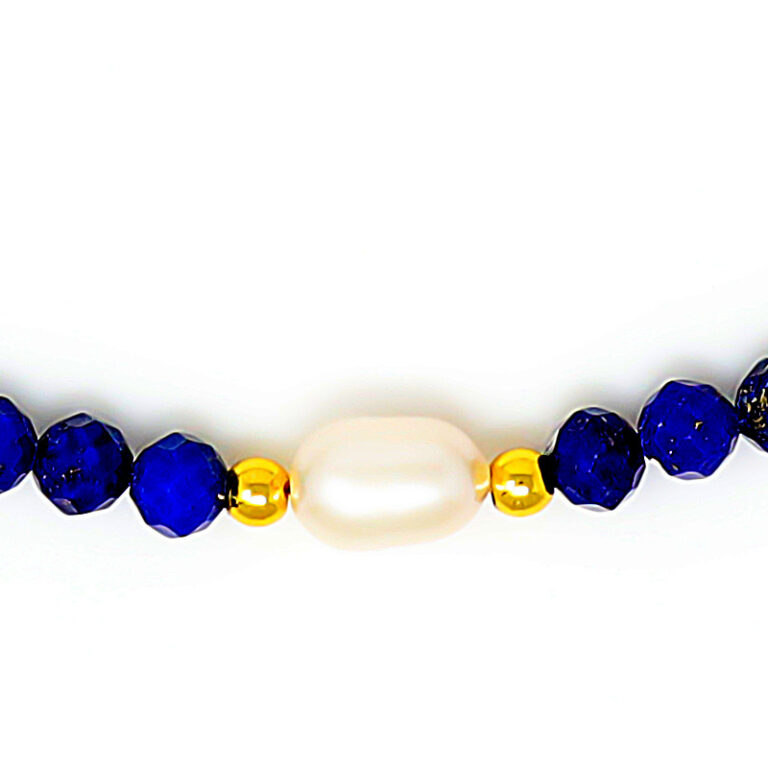
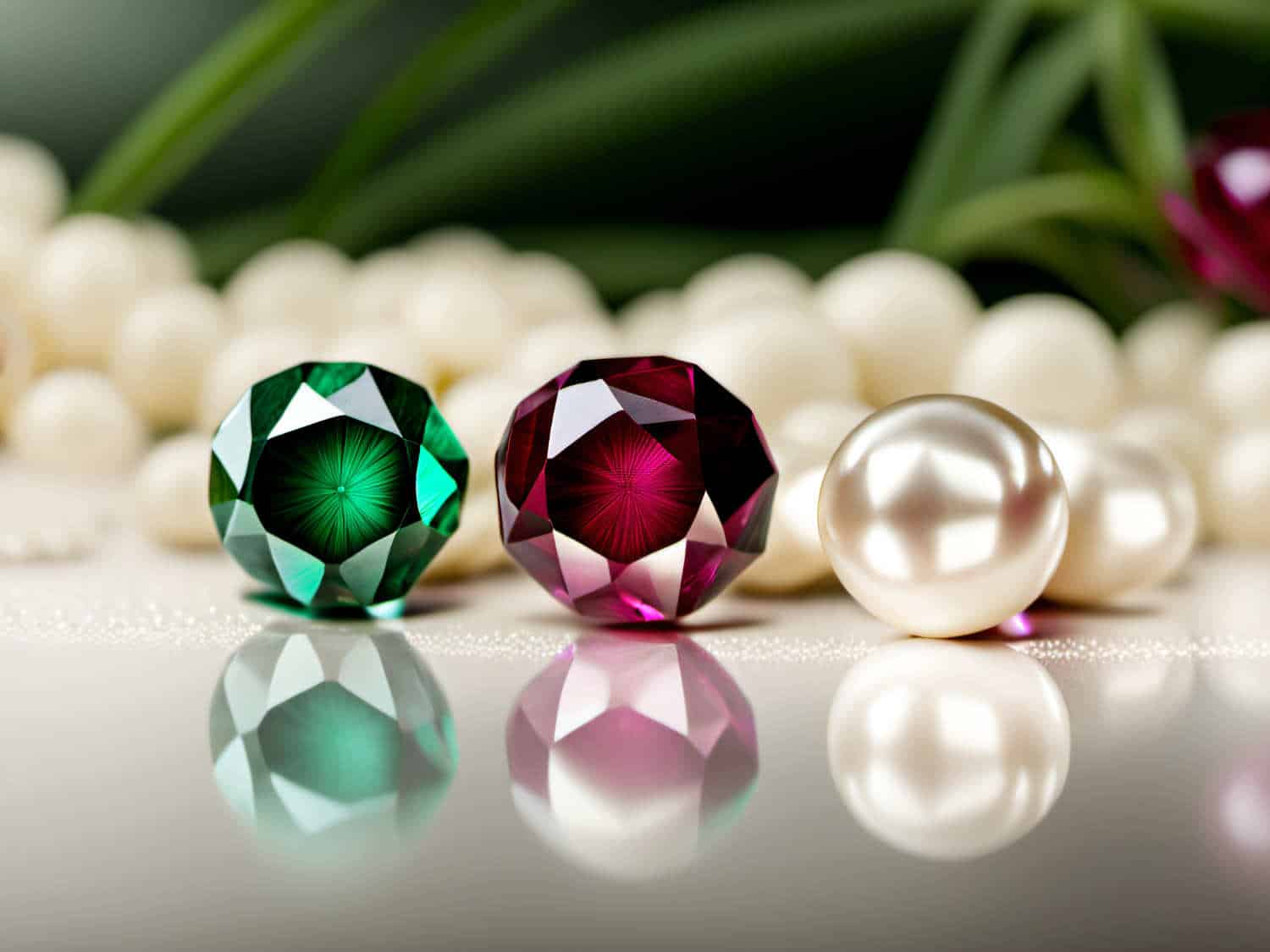
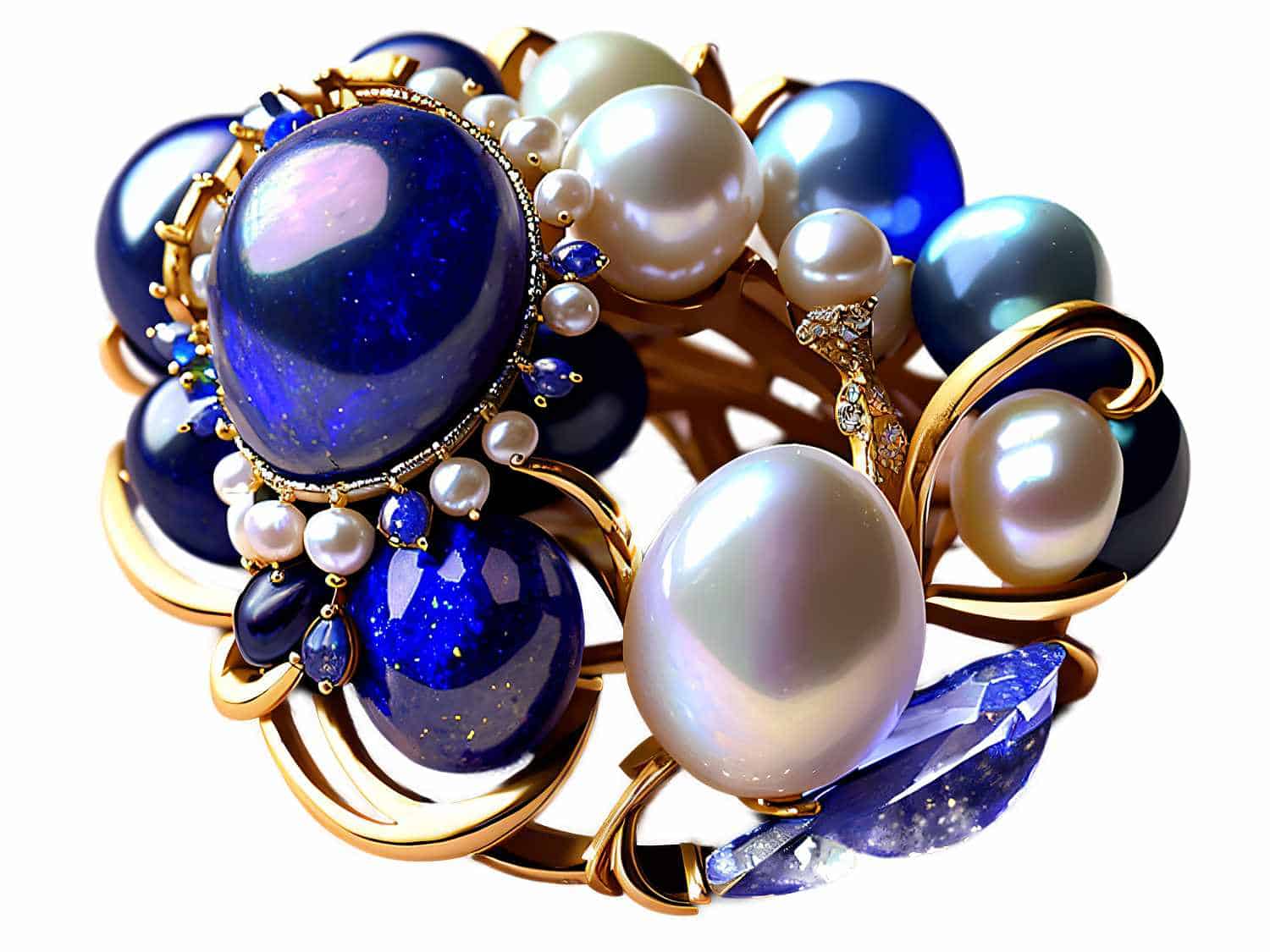
Within this variety, quartz, lapis lazuli, aquamarine, garnet, blue topaz, and tourmaline are magnificent stones in their own right. An often-overlooked member of this family is the pearl, which is absolutely worthy of the appellation for its signature luster.
Characteristics and Availability of Semi-Precious Stones
Semi-precious stones, known for their diversity and availability, come in hundreds of colors, shapes, and sizes. Their relative abundance and correspondingly affordable prices make them more affordable stones, and no less dazzling as jewelry centerpieces.
Importantly, affordability and beauty are not to be conflated or crowded onto the same scale. Quality semi-precious gemstone jewelry designs often command a high price, especially those of high clarity or exceptionally vivid color. Some varieties, like tanzanite or black opal, can be even more expensive than other precious stones.
Examples of Semi-Precious Stones
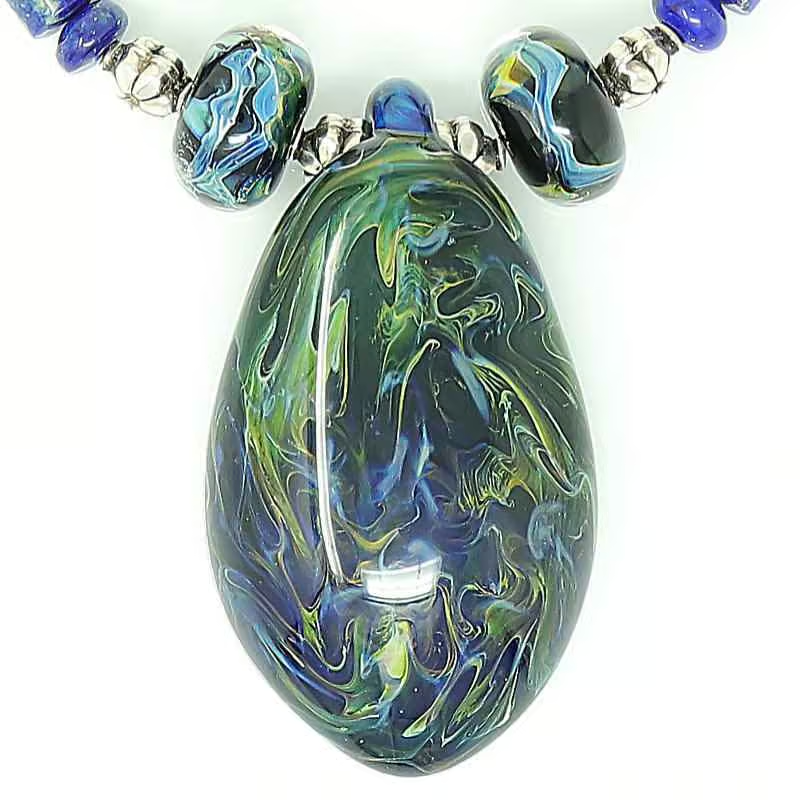
At HerMJ, our semi-precious gemstones include shimmering garnets, amethysts, citrines, peridots, topaz, and lapis lazuli. We believe their beauty represents some of the most appealing components we offer, independent of classification or cost.
Always consider that a stone’s classification can be a misleading indicator of its value. Case in point, the beautiful purple amethyst was once recognized as a precious gem before large deposits were found in Brazil, after which its increased availability relegated it to semi-precious status.
Meanwhile, the spectacular green-hued peridot is also categorized as semi-precious, although its lush hue and rarity make it quite coveted.
Overall, the designation of ‘semi-precious’ should never be defined as a lack of value or beauty, only as an indication of availability and traditional classification — but as we’ve seen, standards do occasionally change, so it’s always essential to make your choice on what catches your eye and complements your style, regardless of the industry’s imposed gemological rating.
Use of Precious and Semi-Precious Stones in History and Culture
Understanding the historical significance of precious and semi-precious gemstones enriches our appreciation for these natural treasures.
Whether for spiritual purposes, to showcase power and wealth, or simply to appreciate their natural beauty, they continue to be cherished and revered in various cultures and societies.
Precious gemstones: Traditionally, beautiful gemstones like diamonds, emeralds, rubies, and sapphires were used by royals and nobility as a sign of power and wealth.
For instance, the Crown Jewels of England are adorned with precious gemstones. Additionally, precious gems have been found in Egyptian tombs, proving their significance to the royals of ancient cultures.
Semi-precious gemstones: Likewise, amethyst, topaz, garnet, and turquoise have been highly valued for their sheer beauty and used in various cultures for their spiritual and purported healing properties.
| Variety | Significance | Use | Symbolism |
|---|---|---|---|
| Precious Stone meaning | Wealth, Prestige, & Power | Crown Jewels of England, Egyptian Tombs | Royal/Noble Iconography |
| Cultural & Spiritual Practices and Philosophy | Spirituality & Healing | Feng Shui & Native American Jewelry | Cultural & Spiritual Practices And philosophy |
Market Value, Pricing Recap, And Chemistry
Precious stones: Diamonds, sapphires, rubies, and emeralds are considered precious gemstones primarily because of their rarity, meaning they are harder to find and extract. This rarity significantly increases their market value. These spectacular rocks are also known for their exceptional durability and hardness, which further drives up their cost.
Semi-precious stones: While semi-precious gemstones such as amethyst, opal, garnet, and topaz are more common and less durable than precious gemstones, certain types can still command a high price based on their quality, color, and geographic origin.
Here’s a simple table illustrating the difference between precious and semi-precious gemstones:
| Group | Rarity | Durability | Cost |
|---|---|---|---|
| Precious | High | Higher | High |
| Semi-Precious | Low To Medium | Medium | Medium |
The structure of the stones derives from the natural chemistry driven by trace elements (contaminants) provided by the source earth. The anatomy of each stone is based on the following elements contributing to the gem’s chemical makeup over time. The table below illustrates the colors and compositions of some popular stones.
| Gemstone | Variety | Mineral Makeup | Color |
|---|---|---|---|
| Diamond | Precious | Metastable Carbon (hardest material) | Commonly yellow, brown, or gray to colorless. Less frequent, blue, green, black, translucent white, pink, violet, orange, purple, and red. |
| Ruby | Precious | Corundum (aluminum oxide) | Pinkish red, blood red, orange, yellow, green, blue, and violet. |
| Sapphire | Precious | Corundum | Iridescent “play-of-color” is a pseudo-chromatic optical effect from flashes of colored light interaction from certain minerals, as they are activated in white light. |
| Emerald | Precious | Beryl (trace amounts of chromium/vanadium) | Ranging from yellow-green to blue-green. Its primary hue is commonly green, with yellow and blue known as secondaries. |
| Amethyst | Semi-Precious | Iron and Manganese (quartz) | Commonly purple. |
| Opal | Semi-Precious | Silicon Dioxide (hydrated) | Ranging from white to powder-blue to sky-blue. Also, from a blue-green to a yellowish green. |
| Turquoise | Semi-Precious | Copper Aluminum Phosphate (hydrated) | A variety of colors, including golden yellow and blue. Natural pinks, reds, and golden orange hues are rare. |
| Lapis Lazuli | Semi-Precious | Feldspathoid Silicate (calcite, sodalite, and pyrite) | Intense blue. |
| Pearl | Semi-Precious | Calcium Carbonate (aragonite with a possible combination of calcite) | Various colors depend on the host mollusk. |
| Topaz | Semi-Precious | Aluminium and Fluorine | Ranging from white to powder-blue to sky-blue. Also from a blue-green to a yellowish green. |
Categorization in the Modern Era
In the modern era, many changes have been made to the way we categorize gemstones. Traditionally, natural gemstones were sorted into “precious” and “semi-precious” categories, but this is no longer a hard and fast rule.
Controversies surrounding the terms Precious and Semi-Precious
The use of the terms “precious” and “semi-precious” to describe gemstones has become somewhat inadequate. Gemstones such as diamonds, emeralds, rubies, and sapphires were traditionally classified as “precious”, based on their high value and rarity.
However, this classification has proved less reliable because some “semi-precious” stones are rarer and more valuable than traditional “precious” stones.
Valuable stones are determined by multiple factors, including their color, clarity, cut, and carat weight, all of which can significantly influence their cost.
With this in mind, many of us in the jewelry industry argue that the use of the terms “precious” and “semi-precious” should be abolished, citing it as an outdated and misleading system of categorization.
Emerging Trends in Categorization
Emerging trends are reshaping the existing gemstone conventions. Instead, our beautiful faceted stones are classified by mineral species or variety, making this a more accurate system. For instance, rather than referring to a ruby as a “precious” stone, it would simply be categorized as a variety of the mineral corundum.
Moving away from the semi-precious vs. precious gemstone divide not only promotes more accurate categorization of gemstones but also encourages a deeper appreciation of all types of gemstones, regardless of their traditional classifications.
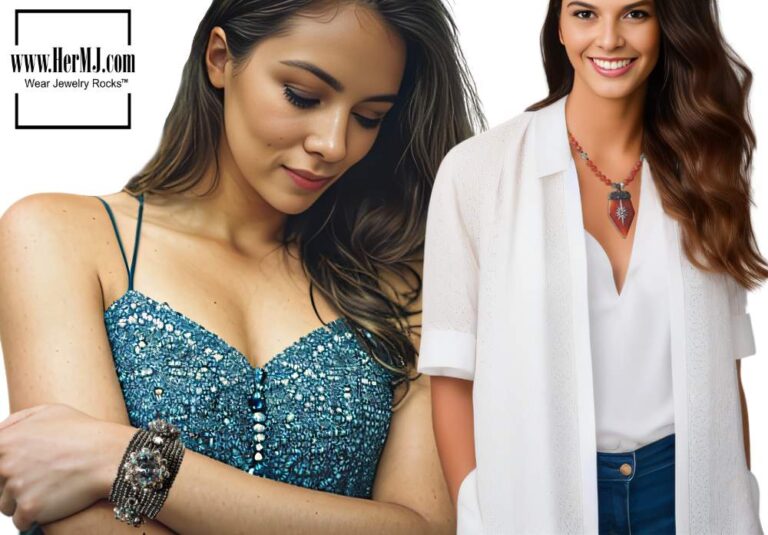
When all is said, the most vital aspect of a stone remains its relationship to its owner. Whether a birthstone, engagement stone, friendship offering, or home decor statement piece, the beauty and admiration for your piece depend on its personal connection to you.
No dollar figure can accurately capture the true satisfaction of your
valuable stone and the joy it brings to you and into your home.
To see some fantastic examples of beautiful gemstone jewelry, visit our online gallery.
And for gorgeous gemstones to spice up your home decor, explore limited-edition crystal Towers Geodes and lovely Carved Crystals.
Other Gemstone Stories To Enjoy