


Five Cultures, One Stone: Turquoise Meaning, Care, and Use
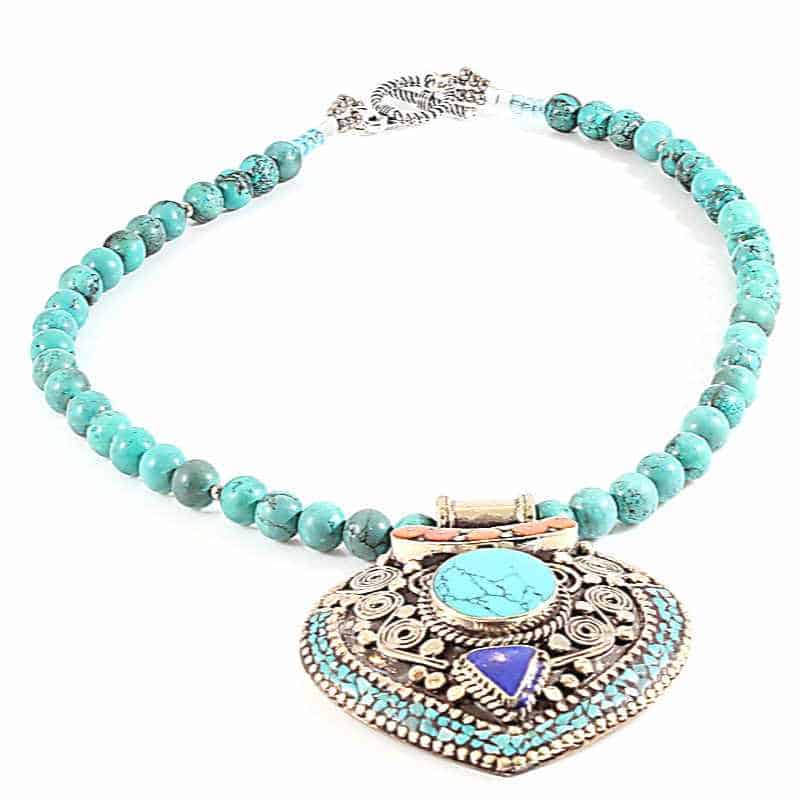
Turquoise is traditionally a stone of protection and clear communication, symbolizing wholeness where earth meets sky.
That meaning shows up across Egyptian, Persian, Native American, Tibetan, and Mesoamerican traditions, each reaching a similar conclusion through different eyes.
Because the stone is porous, how you clean and store it matters as much as the way you wear it.
Here, you’ll find the cultural history, spiritual uses, and the practical care that keeps a piece beautiful for decades.
The Edit
- Natural turquoise varies in color from blue to green depending on mineral content, and untreated stones are preferred for their authenticity and spiritual significance.
- Proper care involves avoiding exposure to perfumes, lotions, ultrasonic cleaning, and prolonged sunlight to preserve its color and integrity.
- The stone’s historical symbolism as a protector and communicator has remained consistent across cultures, from Egyptian burial practices to Native American jewelry.
- Its primary spiritual association is with the throat chakra, supporting honest speech, emotional balance, and calm confidence in stressful situations.
- Modern uses include wearing turquoise jewelry to enhance communication and protection, setting raw stones in home decor, and choosing pieces that reflect personal intention and cultural symbolism.
What Does Turquoise Symbolize?
Three ideas keep surfacing wherever turquoise appears in the historical record:
Protection, communication, and wholeness.
Protection because ancient traders and warriors carried it as a shield against harm.
Communication because its color sits at the throat, the body’s seat of expression, and because so many cultures link it to honest speech.
And wholeness because turquoise reads visually as a fusion of blue sky and green earth, a stone that seems to hold two elements in one breath.
These themes aren’t a modern marketing overlay grafted onto an old rock.
Early cultural burials used turquoise to protect the dead on their journey.
Eastern architecture used its blue as a spiritual color meant to ward off evil, a tradition still visible in mosque tilework today.
Some traditions incorporated turquoise into ceremonial jewelry associated with health and safe travel, and even carried it as a protective amulet. And some even reserved it for sacred mosaics worn only by nobility and priests.
Cultures, thousands of miles and centuries apart, converged on nearly identical symbolism, which cross-cultural gemstone research documents in detail.
Turquoise carries these recurring meanings across traditions:
- Protection from harm during travel, battle, or transition
- Communication and honest, confident self-expression
- Wholeness, blending sky and earth into one visual idea
- Status and sacredness, often reserved for rulers or priests
- Healing intention, tied to calm and balance in daily life
The first recorded use of turquoise as a color name in English dates back to the 16th century, borrowed from the Old French turquois, meaning “Turkish,” a reference to the Ottoman trade routes that carried Persian stones into Europe, according to the etymological record.
The name describes a trade route, not a deposit. Most of the material moving through those routes actually came from Persian mines, a detail that gets lost in casual retellings.
What Is the Spiritual Meaning of Turquoise?
Turquoise’s spiritual reputation centers on the throat, both literally and symbolically.
In chakra systems, the stone is most closely associated with the throat chakra, the energy center linked to speaking your truth, setting boundaries, and expressing yourself without fear.
Practitioners describe turquoise as a stone that steadies nerves before difficult conversations and supports honest expression under pressure, a use case echoed by practitioner-oriented sources on crystal work.
Some traditions extend its reach to the third eye for clarity and the heart chakra for emotional balance, though the throat connection remains the dominant one.
None of this is a substitute for medical or psychological care, and no reputable source should present it as scientific fact.
What these traditions describe is a cultural and personal practice, not a clinical treatment. Worn or held with intention, turquoise functions as many meaningful objects do: a physical reminder of an internal goal.
People typically work with turquoise in a few consistent ways:
Wearing it at the throat as a necklace before public speaking, interviews, or difficult talks
Holding a smooth stone during meditation, focusing on breath and honest self-expression
Placing a piece near the bed or workspace as a quiet, constant visual cue
Gifting it to someone entering a new chapter, as a protective gesture
Pro Tip: If you’re new to working with turquoise intentionally, start small. Wear a bracelet for a week and simply notice when you reach for words more easily. The habit matters more than the ritual.
How Turquoise Became Sacred Across Ancient Civilizations
Turquoise’s global reach traces back to real trade geography, not coincidence. Persian mines near Nishapur produced the saturated sky blue that later collectors would call “Persian blue,” a color standard so influential it shaped how gem historians still describe top-quality turquoise today.
Ottoman merchants brought Persian goods to Europe, which is exactly why a stone with no connection to Turkey ended up being named after it.
The cultural timeline reads almost like a relay race across continents:
- Egypt: Turquoise appears in royal burial jewelry as early as 3000 BCE, prized for protection in the afterlife
- Persia (modern Iran): Source of the finest historical material and the architectural blue used on mosques and palaces
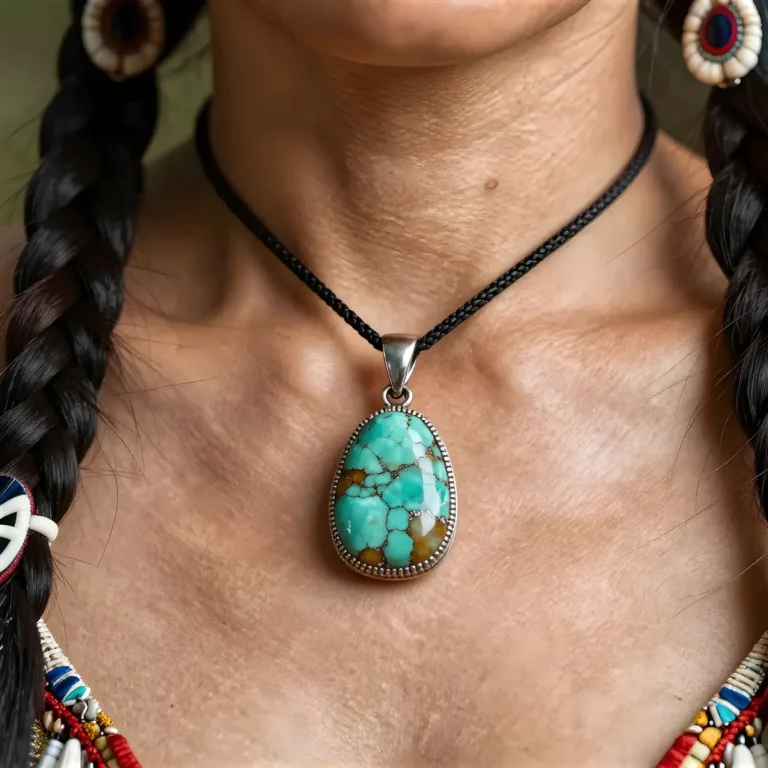
- Native American nations: Turquoise set into silver became central to Southwestern jewelry, tied to health, rain, and protection
- Tibet: Worn as protective amulets and used in religious objects, often paired with coral and silver
- Mesoamerica: Aztec and Mixtec artisans reserved turquoise mosaics for masks and ornaments worn by rulers and priests
Five civilizations, one stone, and remarkably similar conclusions about what it’s for.
The Mineral Chemistry Behind Turquoise’s Color
Turquoise owes its color to simple chemistry. It’s a hydrated copper aluminum phosphate, and copper is what generates that signature blue.
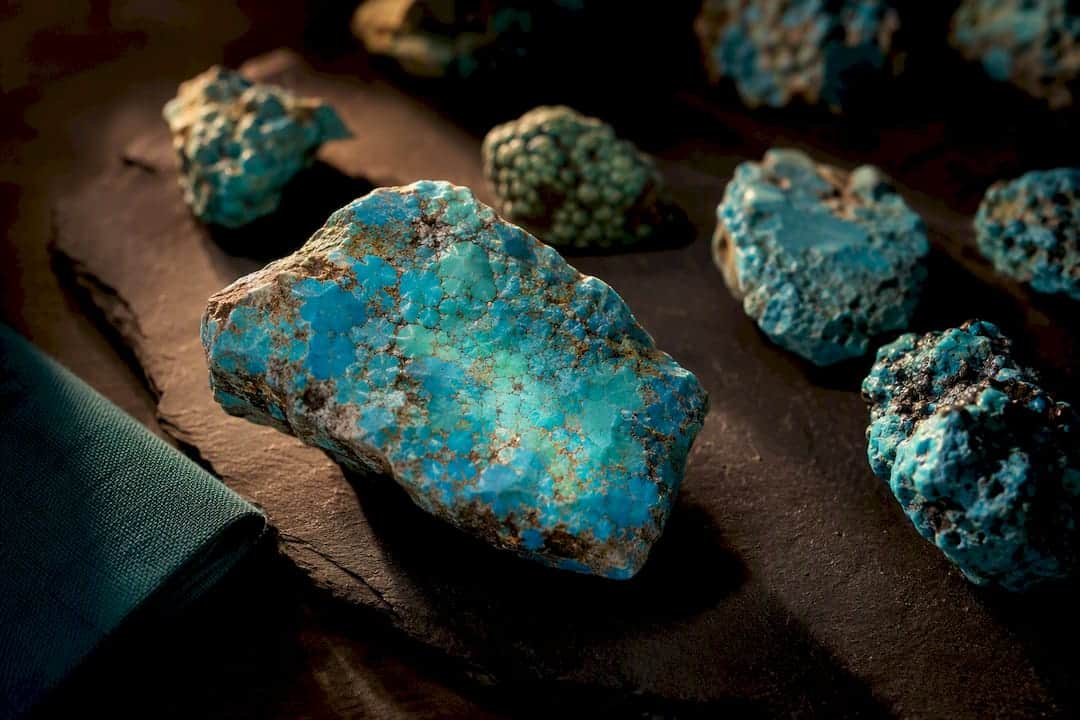
When iron or zinc substitutes into the structure, the color shifts toward green, which is why turquoise ranges from robin’s egg blue to a deep, mossy green, a variation GIA’s gemological reference attributes directly to trace mineral content.
That same structure makes turquoise porous and relatively soft, which explains almost everything about how you should care for it.
Its porosity means the stone can absorb oils, perfume, and lotion, dulling its color over time.
The stone’s softness means it scratches more easily than harder gems like sapphire or quartz.
Many older traditions specifically prized untreated, natural turquoise, since treatments applied to stabilize softer material change both its durability and, for some practitioners, its perceived authenticity and spiritual weight.
Treated turquoise isn’t fake. It’s simply stabilized, usually with resin, to withstand everyday wear, and reputable sellers disclose the practice.
How to Wear and Use Turquoise Today
Modern turquoise use hasn’t strayed far from its old logic: keep it close to the parts of you it’s meant to support. A pendant that sits at the throat echoes the stone’s traditional focus on communication.
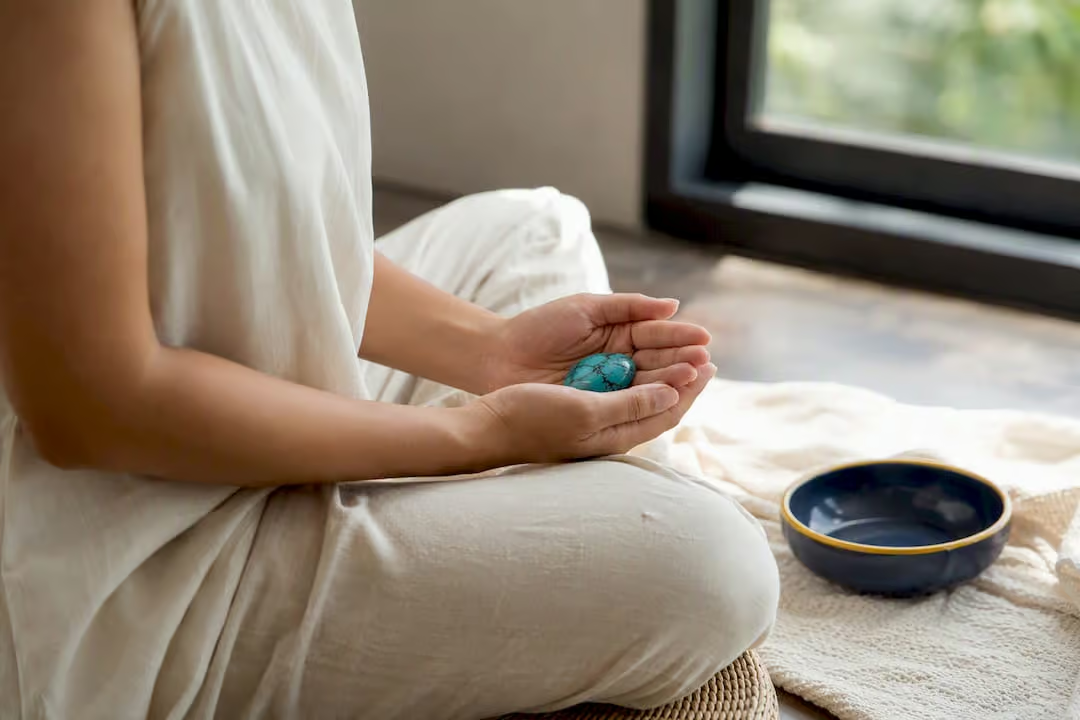
A bracelet worn on the dominant hand offers a steadying, grounding touch throughout the day. During meditation, holding a stone or setting it in your lap keeps the intention physically present without demanding attention.
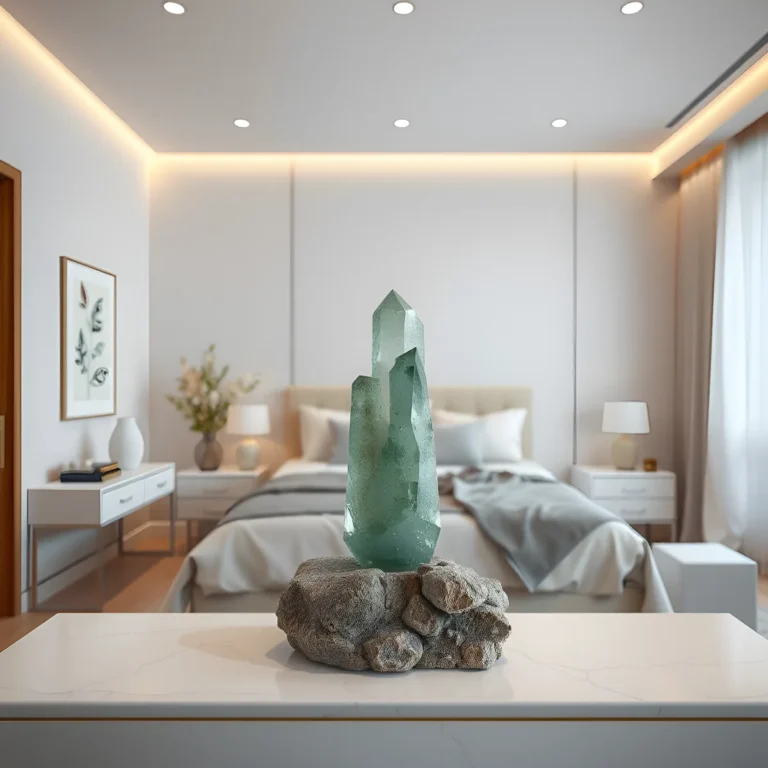
Turquoise also works beautifully outside jewelry. A cluster of raw turquoise on a shelf, or a piece of HerMJ’s room jewelry styled near a reading chair, brings that sky-and-earth motif into a space without saying a word.
Museums and cultural writers consistently connect turquoise to water and sky imagery, and that visual language translates naturally into home decor, not just personal adornment.
A few ways to incorporate the stone into daily life:
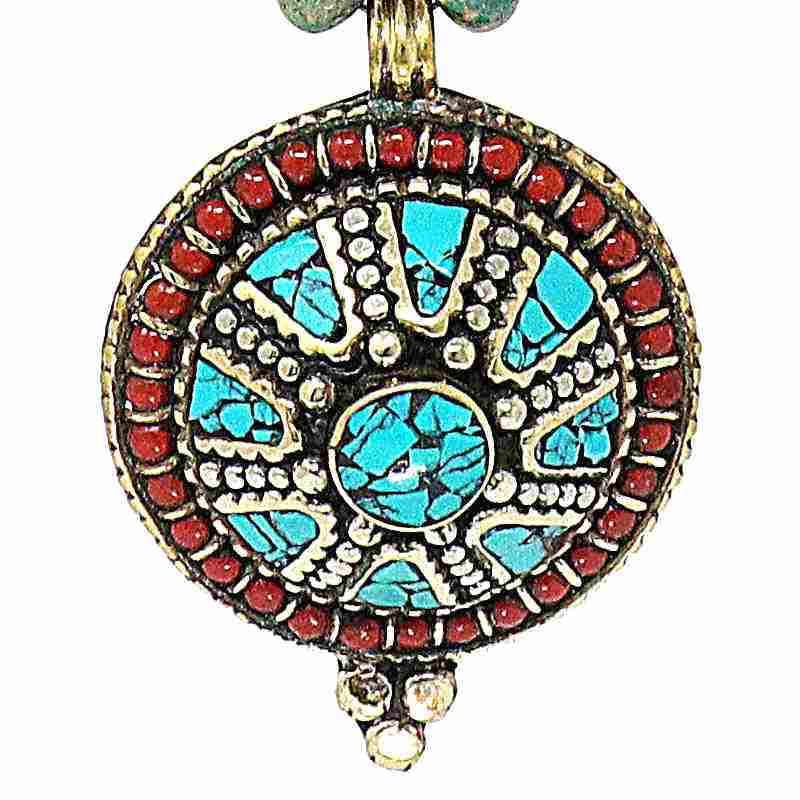
- Wear a turquoise pendant on days that call for a hard conversation
- Pair a turquoise bracelet with silver for a traditional, grounded look
- Set a raw turquoise piece on a desk or nightstand as a visual anchor
- Combine turquoise with warm metals like gold for a more contemporary palette
Pro Tip: Cleanse turquoise gently. Skip chemicals and ultrasonic cleaners entirely. A soft, dry cloth and occasional rest in indirect moonlight respects both the stone’s fragility and the traditions that treat it with quiet reverence.
Styling and Gifting Turquoise the Right Way
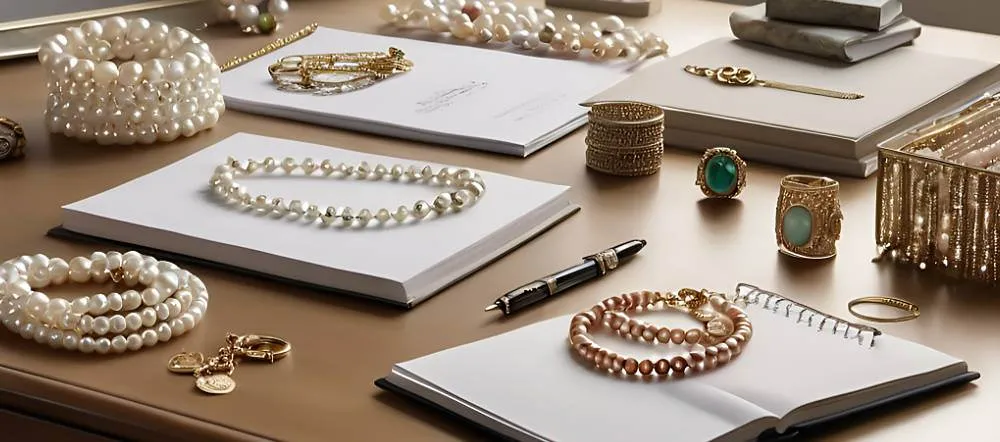
Turquoise pairs naturally with warm metals, cream pearls, and earthy neutrals, letting the stone’s blue-green tone carry the outfit instead of competing with it.
Layering a turquoise pendant with a strand of freshwater pearls plays on contrast, cool stone against warm luster, and reflects the same two elements, one whole idea the gem has always represented.
As a gift, turquoise carries built-in meaning. It’s the December birthstone, often chosen for protection, new beginnings, and milestone anniversaries, and giving it comes with a ready-made story attached, one HerMJ covers in more detail in its guide to turquoise as a December birthstone.
A piece given before a move, a new job, or a big trip leans directly into the stone’s protective reputation.
Because turquoise is porous, care deserves real attention:
- Remove turquoise jewelry before applying perfume, lotion, or hairspray
- Store pieces separately, away from harder stones that can scratch the surface
- Avoid prolonged sun exposure, which can fade color over time
- Bring fragile or antique pieces to a professional for cleaning rather than doing it yourself
HerMJ’s guide to caring for handmade gemstone jewelry walks through storage and cleaning steps in greater detail if you want a more specific routine.
Why Trust This Guide to Turquoise Meaning
This guide draws on gemological references such as GIA, cultural and museum sources, and well-documented cross-cultural symbolism rather than recycled internet folklore.
I wrote this piece, pulling those threads together into something readers can actually use, whether they’re shopping for a gift or trying to understand a stone they already own.
HerMJ’s own focus on handcrafted pearl and gemstone jewelry means care and styling advice here isn’t theoretical.
It reflects the same material knowledge that goes into pairing stones, choosing metals, and explaining why a porous gem needs different handling than a hard one. Every claim about symbolism or history in this guide traces back to a named cultural or gemological source, not a generic “many believe” statement.
Turquoise Symbolism Beyond History: Modern and Psychological Readings
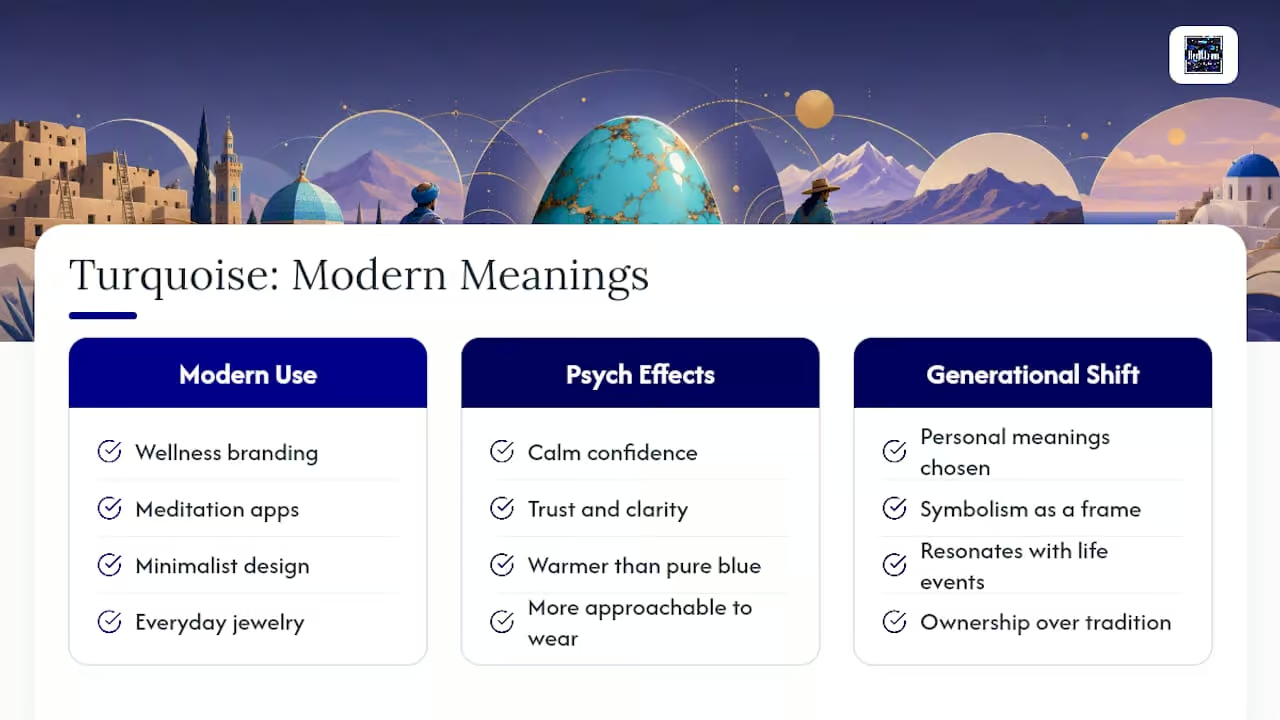
Turquoise’s meaning hasn’t stayed frozen in ancient contexts. Contemporary jewelry culture treats it as a color of calm confidence, the kind of blue-green that shows up in wellness branding, meditation apps, and minimalist design precisely because it reads as soothing without being cold.
That’s not accidental.
Color psychology consistently places blue-green tones in the “trust and clarity” family, which aligns with turquoise’s historical reputation.
Psychologically, people often describe turquoise as an easier color to wear than pure blue.
Turquoise, with its green undertone, is approachable, which is part of why it works so well in everyday jewelry rather than only ceremonial pieces.
Wearing it doesn’t require buying into any particular belief system. Plenty of people choose turquoise simply because it makes them feel more grounded before a presentation or a first date, treating the old symbolism as a helpful frame rather than a rulebook.
There’s also a generational shift worth noting.
First-time jewelry buyers increasingly treat gemstone meaning as personal rather than prescribed, picking turquoise because the story of protection and voice resonates with something specific in their own life. A promotion, a move, a hard conversation they’re finally ready to have.
The symbolism survives, but its ownership continues to grow, driven equally by inherited tradition and individual interpretation, and both readings coexist without contradiction.
What Different Shades of Turquoise Mean
Not all turquoise looks the same, and the color variation carries its own set of associations built up over centuries of trade and collecting.
The deep, saturated sky blue historically mined near Nishapur in Persia became the benchmark for quality, so much so that “Persian blue” is still used as shorthand for the most prized hue, a standard gemstone reference sources still cite when describing top grade material.
That blue is associated most strongly with clarity, sky imagery, and traditional protective use.
Greener shades, caused by iron or zinc replacing some of the copper in the mineral structure, lean toward earthier associations: grounding, growth, and connection to the land rather than the sky.
Southwestern and Native American traditions often favor these greener stones, and the color shift lines up naturally with themes of harvest and health found in regional symbolism.
Then there’s matrix turquoise, the kind veined with brown or black host rock rather than smooth and uniform.
Collectors read the matrix as a visual reminder that the stone formed within the earth itself, adding a layer of “raw, unpolished truth” to pieces that display it openly rather than cutting it away.
None of these color distinctions change the core symbolism of protection and communication.
They just shade the emphasis, sky versus earth, polish versus rawness, depending on which shade you’re drawn to.
Common Myths About Turquoise, Debunked
The biggest misconception is that all turquoise is treated or fake unless proven otherwise.
That’s not accurate.
Treatment is common because the stone is naturally soft and porous, but plenty of natural, untreated turquoise circulates in the market, and reputable sellers disclose treatment status rather than hiding it.
Another persistent myth claims turquoise changes color to warn its wearer of danger or illness.
The real explanation is much less mystical: turquoise absorbs oils, chemicals, and moisture over time because it’s porous, and that absorption gradually shifts its color or clarity.
It’s a chemistry problem, not a warning system, though the old belief clearly grew out of real, observable color change.
A third misconception treats “turquoise” as a single, uniform material worldwide.
In reality, color, hardness, and matrix patterns vary significantly depending on where a stone formed, which is why Persian, American Southwest, and other regional turquoise can look genuinely different from one another while sharing the same mineral name.
And finally, there’s a philosophy that assumes the spiritual meaning of turquoise belongs to a single tradition.
The historical record shows the opposite: independent cultures across three continents arrived at nearly identical symbolism without shared contact, which says more about the stone’s visual power than about any single belief system owning it.
Why Turquoise’s Meaning Still Holds Up
The conventional wisdom on turquoise tends to flatten it into a single “healing crystal” category, lumped in with dozens of other stones sold on vague promises.
That undersells what’s actually going on here. Turquoise has one of the most historically consistent symbolic records of any gemstone, cross-culturally recognized throughout Egypt, Persia, Tibet, and the Americas, not manufactured by a single modern wellness trend.
What gets overlooked is how much of turquoise’s meaning is genuinely practical rather than mystical.
The throat chakra association isn’t abstract.
It maps onto a real, observable human need: the courage to speak clearly under pressure. That’s a use case worth taking seriously regardless of whether you follow chakra systems literally.
Where I’d question is the obsession with color grading over care. Plenty of guides rank turquoise by how “Persian” the blue looks and stop there.
I believe that care matters more. A stone worn daily without ever being removed before applying lotion will look tired within a year, no matter how fine its original color was.
Protect the stone first. Let the meaning follow.
— Veronique
Bring Turquoise’s Meaning Into Your Everyday Collection
If turquoise’s blend of protection and clear communication speaks to you, HerMJ builds that same intention into handcrafted pieces meant for daily wear, not just display.
Our pearl and gemstone jewelry pairs naturally with turquoise tones if you’re layering a cool blue-green stone against warm luster or looking for pieces that carry their own symbolic weight.
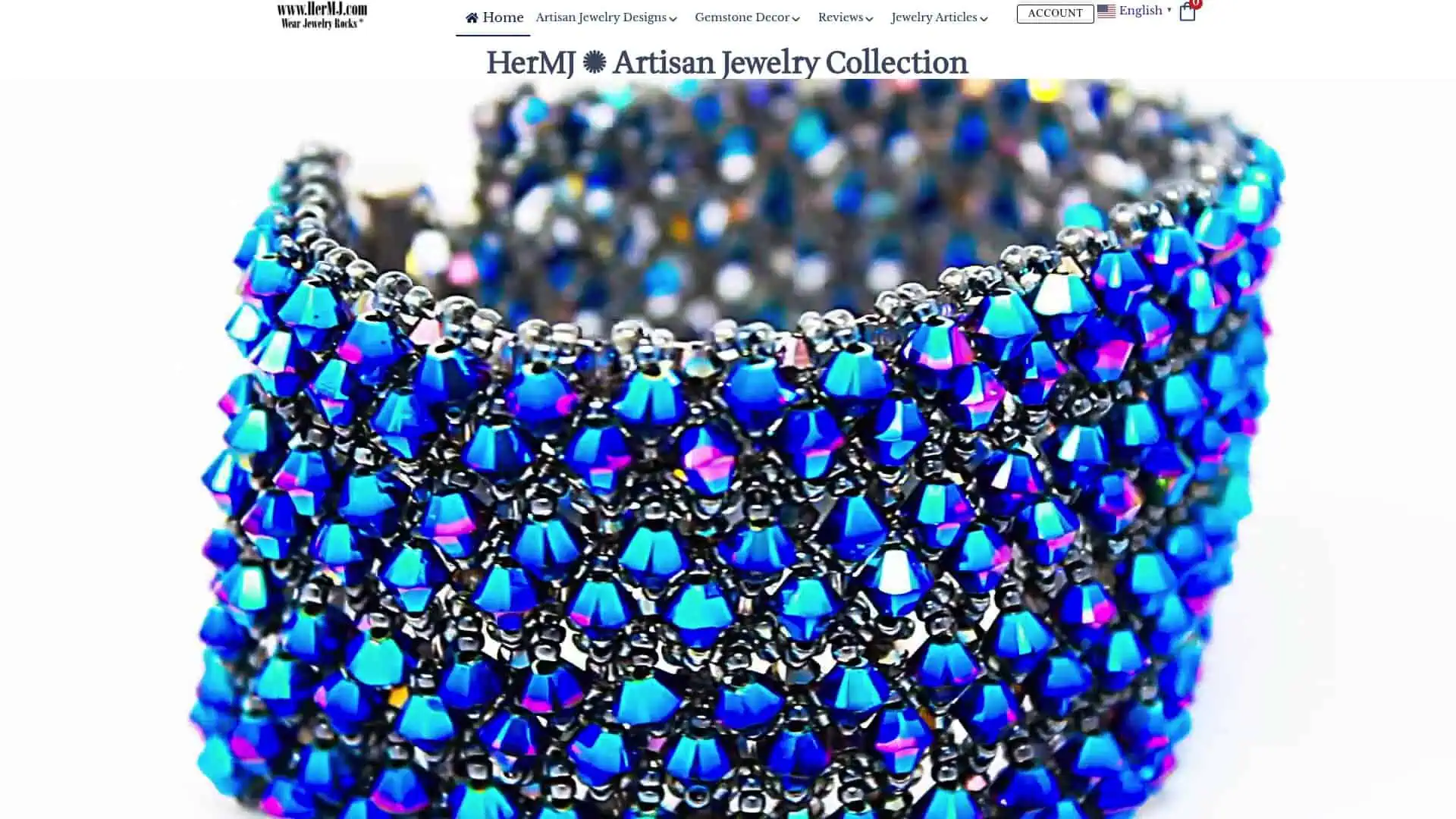
The Elegant Freshwater Pearl Necklace offers a warm, classic counterpoint to turquoise’s cooler palette, ideal for layering.
If you want a gemstone piece with its own grounding story, the Faceted Garnet Gemstone Necklace brings a protective, fire-toned energy that pairs well with a mixed-stone collection.
And for bringing that sky-and-earth symbolism into your home rather than your jewelry box, HerMJ’s Room Jewelry collection offers crystal decor pieces styled for shelves, desks, and quiet corners.
Our pieces are handmade with an eye toward both beauty and meaning, priced accessibly rather than marked up for a designer name.
Browse the collection, find the piece that matches your intention, and remember that US orders ship free with no minimum, while international orders ship free on orders of $150 or more.
Sources
This guide draws on GIA’s gemological reference, Wikipedia’s etymological history, CrystalDatabase’s cross-cultural overview, the Cambridge Dictionary, and New Mexico Department of Cultural Affairs for museum-backed cultural context.
- Turquoise Gemstone | Turquoise Stone – GIA
- Turquoise – Wikipedia
- Turquoise: Meaning, Properties, Benefits & more
- Turquoise Meaning: Healing Properties, Uses, and How to Work With It | Celesian
FAQ
What Is the Spiritual Significance of Turquoise?
Turquoise is traditionally associated with the throat chakra, supporting honest communication and calm self-expression, with secondary associations with the third eye and heart chakras in some practices.
Its spiritual reputation rests on centuries of cross-cultural use as a protective and communicative stone, from Tibetan amulets to Native American ceremonial jewelry.
What Does Turquoise Protect You Against?
Historically, turquoise was worn as protection during travel, battle, and major life transitions, a use documented across Egyptian, Persian, and Mesoamerican cultures.
Modern wearers often carry that same intention forward, choosing turquoise before a big move, a new job, or any moment that calls for extra steadiness.
What Are the Benefits of Wearing Turquoise Stone?
People wear turquoise for its associations with clear communication, emotional balance, and protective intent, as well as its versatility as a color that pairs well with silver, gold, and pearls alike.
These are cultural and personal practices rather than medical claims, so treat them as supportive rituals, not treatment.
What Emotion Does Turquoise Represent?
Turquoise most often represents calm confidence, the emotional steadiness needed to speak honestly without fear. That reading lines up with its throat chakra association and its long history as a stone meant to support communication under pressure.
How Should I Care for a Turquoise Piece?
Turquoise is soft and porous, so keep it away from perfume, lotion, and prolonged sun exposure, and store it separately from harder stones. HerMJ’s gemstone care guide walks through cleaning steps suited to porous stones like turquoise.
Recommended
- Lapis Lazuli Properties, History, And Meaning
- Learn the powerful Tiger Eye gemstone meaning Stone and benefits
- Citrine Meaning: Abundance, Chakra Links, and Care
- December Birthstone – Turquoise, the protection stone.