
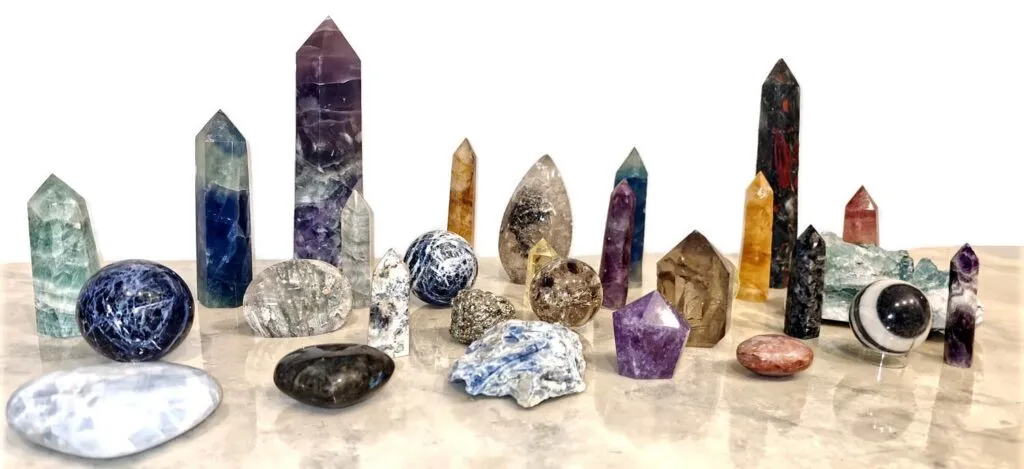



Crystal and Gem Owners: Cleansing Crystals
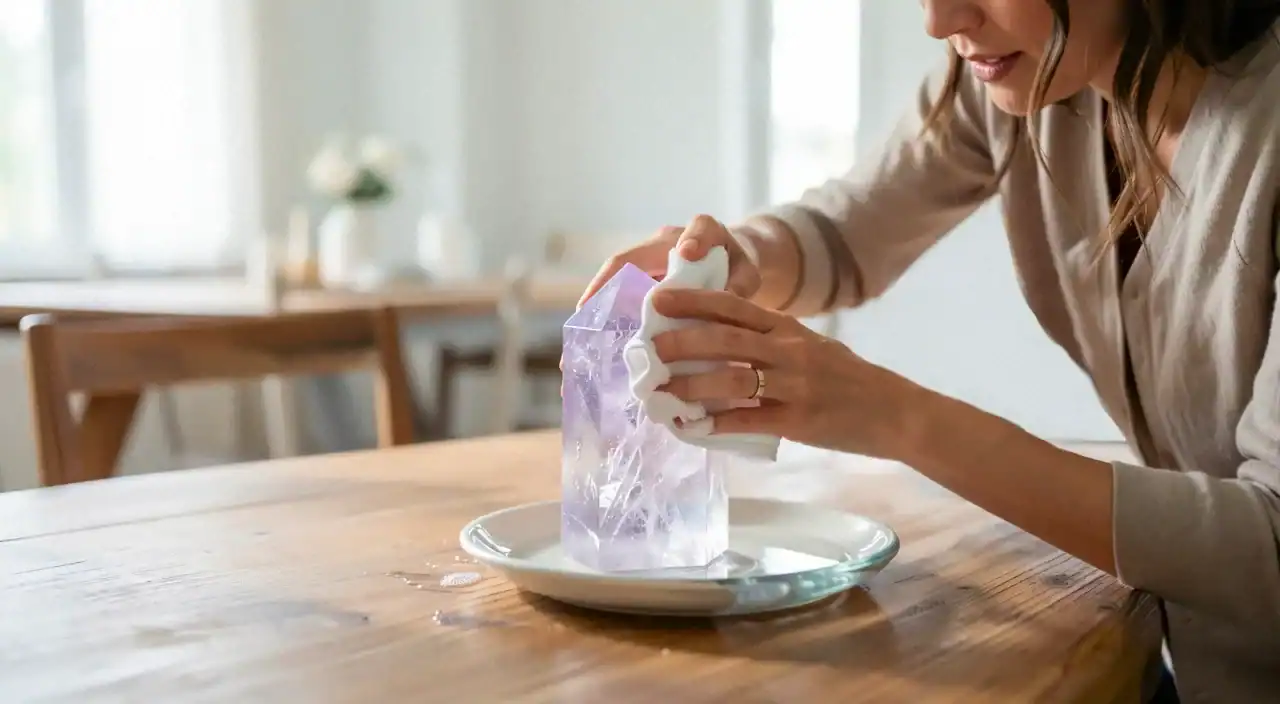
For cleansing crystals, start with lukewarm water, a drop of mild, fragrance-free dish soap, and a soft-bristled brush. That combination safely handles most gemstone jewelry and crystal decor.
The exceptions matter, though: pearls, opals, turquoise, and treated emeralds should never soak, and bleach, ammonia, and dishwashers can ruin a piece in minutes. Below, Veronique and the HerMJ walk through exactly which method fits which gem.
The Edit
- Only soak and brush gemstones like sapphires, rubies, and quartz, which are durable and resistant to water and chemicals.
- Wipe pearls, opals, turquoise, and treated emeralds with a soft, damp cloth to prevent damage from water absorption and degradation.
- Avoid ultrasonic and steam cleaning methods for fractured, filled, or porous stones, sticking instead to gentle hand washing.
- Never soak porous or organic stones in water or leave crystal decor in prolonged sunlight to prevent fading, cracking, or structural damage.
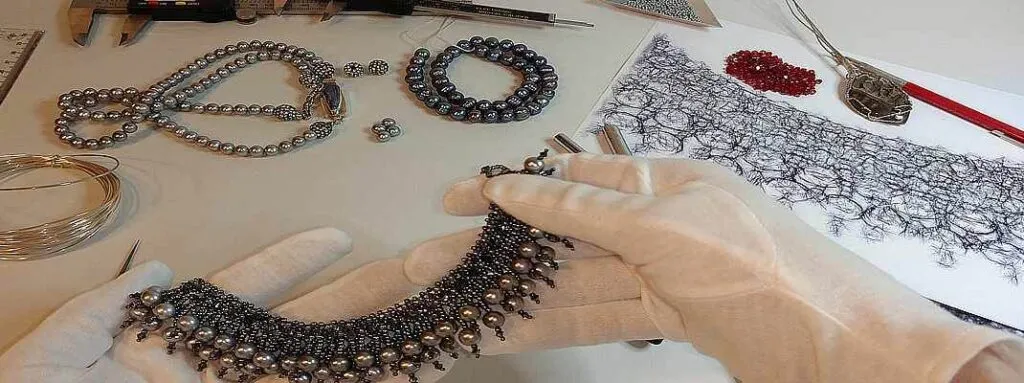
- Clean jewelry regularly through simple wiping and professional inspections, reserving deep cleaning and repairs for qualified jewelers.
How Do You Know Which Method Is Safe for Cleansing Crystals?
Not every stone in your jewelry box plays by the same rules. Hardness on the Mohs scale matters, but it’s only part of the story. Porosity and treatment history often decide whether water is your friend or your enemy.
A sapphire rates a 9 on Mohs and shrugs off a soak. A pearl, formed by a living mollusk, rates around 2.5 to 4.5 and absorbs water, oil, and acid the way a sponge absorbs anything nearby. Treated stones, like emeralds filled with oil to hide fractures, break the hardness rule entirely. They’re hard, but the treatment inside them is fragile.
Group your pieces this way before you clean anything:
- Durable, soak-safe: diamonds, sapphires, rubies, most quartz and amethyst, garnet
- Moderately durable, brief soak only: citrine, aquamarine, topaz, most untreated gemstones
- Delicate or porous, wipe only: pearls, opals, turquoise, emerald (treated), amber, coral
- Crystal decor: lead crystal, Swarovski-style crystal, and modern glass each need hand-washing, never a dishwasher, and any gold or platinum accents need extra caution around chemical cleaners.
What do you need for Cleansing Crystals at Home?
Check the setting before you touch a drop of water. Give the piece a gentle wiggle and look at the prongs under good light. If a stone shifts even slightly, skip cleaning altogether and get it to a jeweler first. Cleaning a loose stone is how earrings and pendants lose gems down the drain.
Once you’ve confirmed everything is secure, this method works for most soak-safe stones:
- Fill a bowl with lukewarm water and add one drop of mild, fragrance-free dish soap (many jewelers recommend plain Dawn as a safe, widely available option).
- Wet the piece if the stone is nonporous and water-safe.
- Brush gently with a soft-bristled brush, working into settings and under prongs where oil and lotion collect.
- Rinse using water at the same temperature you washed with.
- Pat dry immediately with a lint-free cloth.
This soak-and-brush sequence lines up with what most gemstone care guides recommend, and it’s gentle enough for daily-wear pieces that pick up sunscreen, hand cream, and everyday grime.
Ultrasonic and steam cleaners can work on hard, untreated stones like diamonds and sapphires, but they’re a gamble on anything fracture-filled, foil-backed, or porous. When in doubt, stick with the hand method.
Pro Tip: An old, soft toothbrush reserved just for jewelry gets into gallery wire and under prongs far better than a cloth, and it costs nothing extra.
Why Do Pearls and Opals Need Wipe-Only Care?
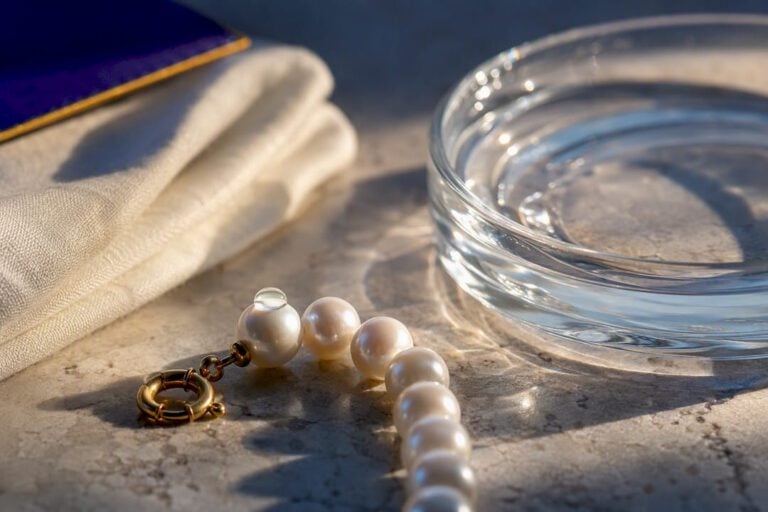
Pearls, opals, turquoise, and treated emeralds share one thing in common: water and chemicals get inside them, not just around them. Pearls are organic and layer nacre around a nucleus, so soaking softens that structure over time.
Opals naturally contain water and can craze or crack if that balance shifts too quickly. Turquoise is porous enough to absorb oils and dyes, and treated emeralds have man-made fillers that soaking can strip away.
The fix is simple: a barely damp, soft cloth, wiped gently after every wear.
- Wipe pearls after each wearing since they react to acids, perspiration, and perfume, and never let cosmetics touch them directly.
- Lay pearl strands flat to dry and store them flat rather than hanging, since the silk cord stretches over time.
- Have pearls restrung periodically if you notice the silk graying or stretching from regular wear.
- Skip ammonia entirely on soft or porous gems; it’s one of the fastest ways to damage pearls and amber.
- Never run these stones through an ultrasonic or steam cleaner, and keep them away from household acids like vinegar or lemon-based cleaners.
Pro Tip: Put your pearls on last when you’re getting ready and take them off first when you get home. Perfume and hairspray settle on jewelry before they settle on you, and pearls absorb both.
What Is the Right Way to Clean Crystal Decor and Chandeliers?
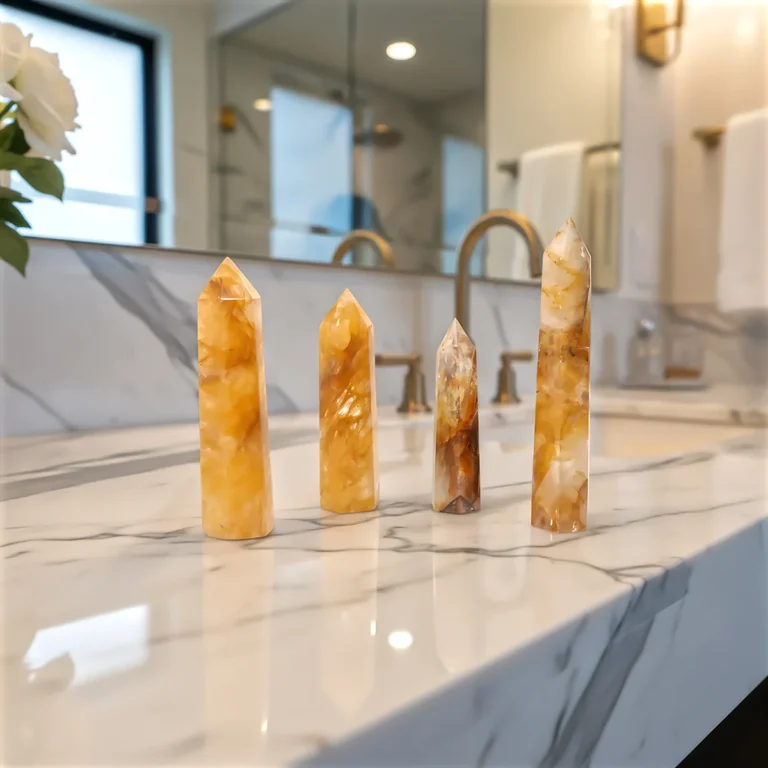
Crystal decor, from a single faceted paperweight to a full chandelier, responds well to hand-washing with lukewarm, pH-neutral soap and water. Skip the dishwasher entirely. Heat cycles and hard-water jets cause thermal shock, etching, and permanent clouding that no amount of polishing fixes afterward.
If plain crystal has developed a mineral haze from hard water, a brief soak in a mix of water and white vinegar can clear it. Save that trick for undecorated crystal only.
Vinegar can dull or corrode gold and platinum accents on mixed-metal pieces, so test any unfamiliar cleaner on a hidden spot first and steer clear of cleaners containing citrus or ammonia.
For chandeliers and larger fixtures:
- Turn off power at the breaker, not just the switch, before touching anything.
- Support each prism from underneath as you clean to avoid pulling against a delicate hook.
- Use a soft dust cloth to gently remove dust buildup from each crystal. Do not use force.
- If the fixture is too high to reach easily, a professional cleaner is your best option for safety and a thorough clean.
Swarovski’s own guidance echoes this: hand-polish with a lint-free cloth and avoid soaking or harsh cleaners that dull the finish over time.
Why Does Water Temperature Matter So Much for Crystal?
Thermal shock occurs when a gem or crystal moves too quickly between hot and cold, causing the surface to expand or contract faster than the interior can follow. That mismatch creates micro-cracks you can’t see until the piece eventually fails along that hidden line.
The fix is a simple habit: always rinse at the same temperature you used to wash the crystal. Never run boiling water over jewelry or crystal, even to “sanitize” it faster.
- Wash and rinse at matched, lukewarm temperatures every time.
- Dry with a lint-free cloth immediately rather than air-drying, which leaves water spots on facets.
- For large crystal pieces, a trick jewelers use is to place a few maple wood chips or a wood-based drying rack nearby to wick moisture without scratching.
Thermal shock is a common, often-overlooked source of long-term damage to jewelry and crystal, and it’s almost entirely preventable with one habit: match your temperatures.
What Storage Habits Keep Jewelry Cleaner Longer?
The less grime that builds up, the less aggressive your cleaning ever needs to be. A quick wipe after each wear, using the “last on, first off” rule for lotions and perfume, cuts down buildup before it starts.
Storage does the rest of the work:
- Keep pieces in separate compartments or soft pouches so stones don’t scratch each other.
- Skip the bathroom and windowsills; humidity swings and direct sun both stress gems and finishes over time.
- Drop anti-tarnish strips into drawers holding silver or gold pieces.
- Because of their inherent moisture content, store pearls and opals in a place with a little humidity rather than in bone-dry locations, and always lay them flat.
A simple wipe-and-inspect routine prevents most of the aggressive cleaning that damages pieces in the first place. Reserve the full soak-and-brush method for once every few weeks, and get an annual professional inspection to catch loose prongs or worn settings before they become a lost stone.
For a deeper look at day-to-day habits, our guide on caring for handmade gemstone jewelry covers routines by piece type.
When Should You Stop Cleaning at Home and Call a Jeweler?
Certain signs mean the smart move is to put the cloth down. Loose stones, visible cracks, or heavy built-up grime around a setting all call for professional attention rather than a home fix.
So do antique pieces and any stone with an unknown treatment history, since the wrong cleaner can permanently cloud a fracture-filled or dyed gem.
A jeweler can run lab identification on treated stones, retighten prongs, and restring pearls correctly. When you call, ask directly: “Has this stone been treated, and is it safe to clean at home?” That one question saves a lot of pieces from future damage.
What Are Spiritual and Energetic Cleansing Methods for Crystals?
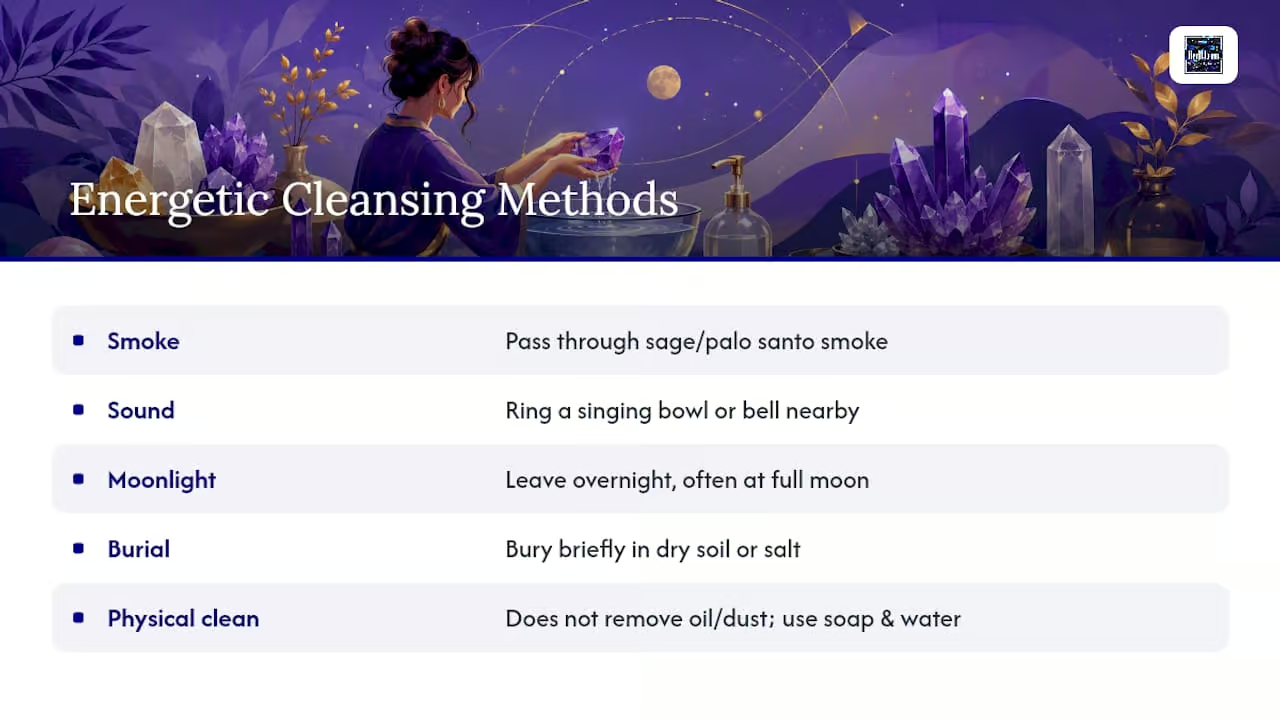
Beyond physical cleaning, many crystal owners also practice energetic cleansing, a separate tradition rooted in the belief that crystals absorb and hold energy from their surroundings and the people who handle them. This is distinct from washing away dirt or oils. It’s a philosophical practice, not a hygiene one.
Common approaches include smoke cleansing with sage or palo santo, passing the crystal through the smoke for a few seconds. Sound cleansing uses a singing bowl or bell, letting the vibration ring near the stone.
Moonlight cleansing involves setting crystals outside or on a windowsill overnight, often timed to a full moon, on the belief that lunar light “resets” the stone’s energy. Some practitioners even bury crystals briefly in dry soil or salt, though burial carries its own risks for softer or porous stones.
None of these methods double as physical cleaning. Smoke residue, moonlight, and sound waves don’t remove skin oil, lotion, or dust from a stone’s surface.
If a crystal looks dull or grimy, it still needs the soap-and-water approach covered earlier in this guide. Think of energetic cleansing and physical cleaning as two separate maintenance tracks that some owners choose to combine, not two ways of doing the same job.
How Do You Cleanse a Crystal After Metaphysical Use?
If you use crystals in meditation, energy work, or as personal talismans, many practitioners recommend a short energetic reset after each use, particularly if the crystal was handled by more than one person or used during an intense session.
The most common approach: choose one method (smoke, sound, or moonlight) and apply it briefly, then set the crystal somewhere quiet to “rest” before its next use.
A simple sequence some crystal owners follow looks like this: first, physically wipe the stone if it’s visibly dusty or oily, since energetic methods aren’t a substitute for basic hygiene.
Then apply whichever energetic method fits the stone’s care limits. A polished quartz point tolerates brief smoke exposure or a few seconds near a sound bowl without issue. A raw, unpolished specimen with visible fractures should skip smoke exposure near open flame and stick to sound or a few minutes of indirect moonlight instead.
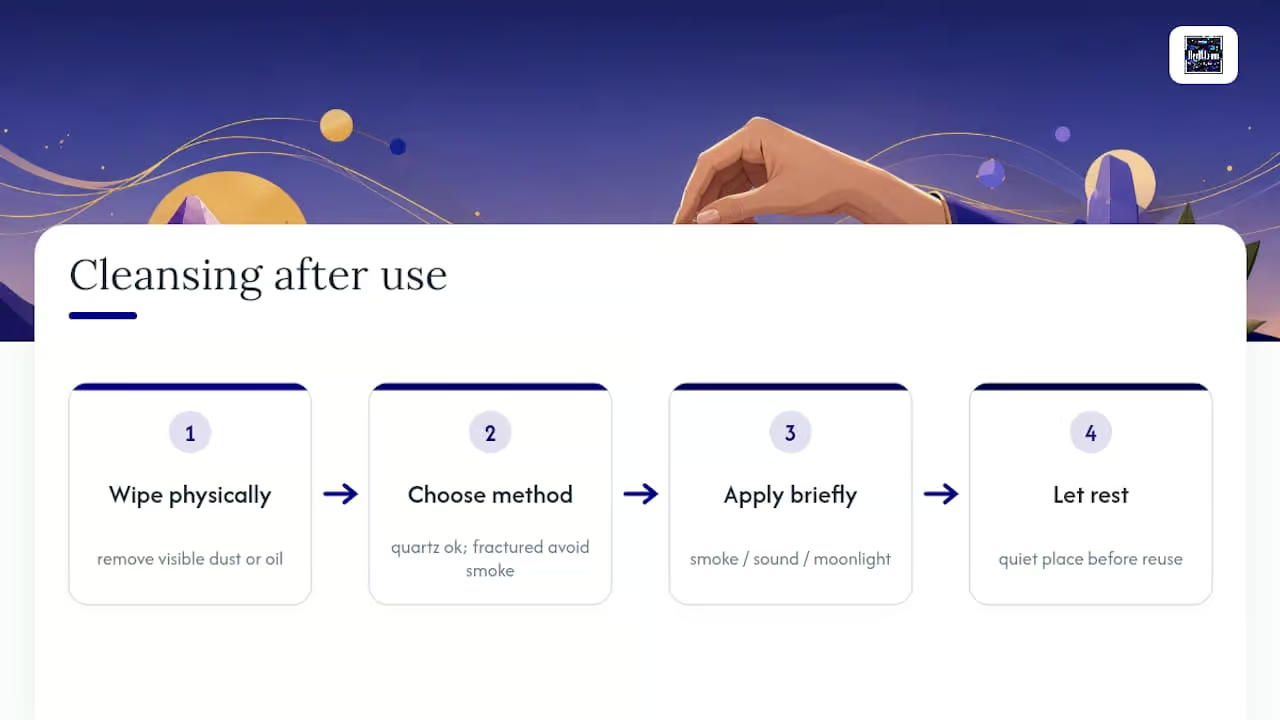
Timing varies by practitioner, and there’s no universal rule for how long an energetic cleanse should last. Most people keep it brief, a few seconds to a few minutes, rather than an extended process.
The physical safety limits still apply regardless of the ritual: a stone that can’t tolerate direct sun for hours doesn’t gain a special exemption because it’s being used for metaphysical purposes.
How Often Should You Cleanse a Crystal Based on How Often You Use It?
Frequency depends entirely on how the crystal gets used, not on a fixed calendar. A crystal that sits untouched on a shelf as decor rarely, if ever, needs energetic cleansing, since it’s mainly collecting dust rather than “absorbing” anything from handling.
A crystal carried daily in a pocket or used in regular meditation practice gets cleansed more often by most practitioners, often after each significant use or on a weekly basis.
Crystals used specifically for grid work, wellness healing sessions, or shared among multiple people tend to get cleansed most frequently, sometimes after every single session, since they’re believed to pick up energy from each person or intention involved.
Physical cleaning follows a completely different schedule, tied to actual dirt and oil buildup rather than energy use.
A quartz pendant worn daily might need a soap-and-water cleaning every few weeks, depending on visible buildup, regardless of how often it is energetically cleansed.
Physical Cleaning vs. Energetic Cleansing: What’s the Real Difference?
Physical cleaning removes dirt, oil, lotion residue, and mineral buildup from a stone’s actual surface. It’s measurable. You can see grime lift off a cloth or watch water run cloudy from a piece that hadn’t been cleaned in months. The tools are soap, water, and a soft brush (a new cosmetic brush works very well), and the goal is hygiene and preserving shine.
Energetic cleansing addresses something you can’t measure with a cloth or a rinse: the belief that a crystal holds or absorbs energy that needs periodic clearing. The tools are smoke, sound, or moonlight, and the goal is a ritual reset rather than a visible change to the stone’s surface.
The two practices don’t substitute for each other.
A crystal that’s been subjected to smoke-cleaning weekly but never physically washed will still show oil buildup and dust over time, because smoke doesn’t physically clean a surface the way soap does.
Likewise, a stone that’s spotless from regular washing hasn’t necessarily gone through any energetic reset if that’s part of your practice.
Owners who care about both tend to run them as parallel routines: wipe or wash on a schedule tied to visible grime, and cleanse energetically on a schedule tied to use and personal practice.
What Precautions Matter for Water and Sunlight Exposure?
Water and sunlight both pose real physical risks to certain crystals, independent of any energetic tradition, and these limits apply whether you’re washing a stone or leaving it out for a moonlight- or sun-based ritual.
Porous and organic materials, pearls, opals, turquoise, and treated emeralds, among them, should never be soaked in water for any reason.
A crystal left in a bowl of water overnight for an energetic cleanse carries the same risk of soaking as leaving it in dish soap water for too long. If a practice calls for water contact, a brief rinse rather than a soak protects the stone.
Sunlight exposure poses a different risk: fading.
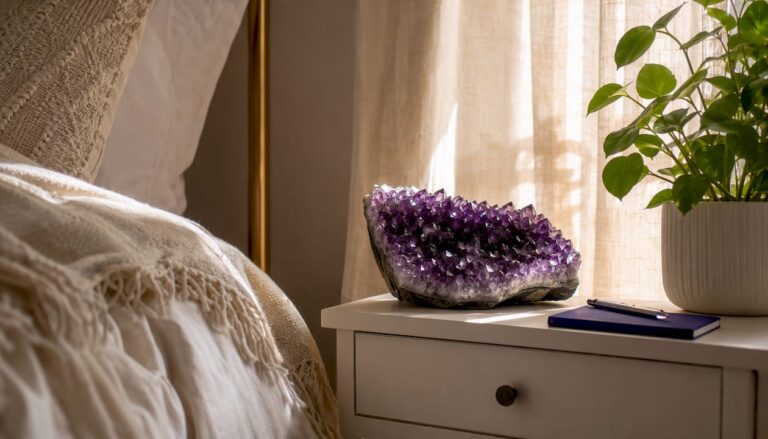
Amethyst, rose quartz, citrine, and several other colored stones lose their vibrancy after prolonged exposure to direct sunlight.
UV light breaks down the compounds responsible for their color. A crystal set on a windowsill for a few hours faces little risk, but one left for days at a time may fade noticeably.
Moonlight carries none of this fading risk since it doesn’t have meaningful UV intensity, which is why moonlight is the more commonly recommended light-based method among practitioners who want to avoid sun damage entirely.
A Note From Veronique on Caring for Gemstone Pieces
I’ve spent years watching how gemstone and crystal pieces age in real homes, not showrooms, and the pattern is always the same: gentle, consistent care beats occasional deep cleaning every time. A piece wiped after each wear rarely needs rescuing later.
That’s the philosophy behind how HerMJ designs and describes its pieces. I build for everyday wear, and want the habits in this guide to become second nature.
If you own a HerMJ piece, my care and cleaning guide walks through the specifics for your exact stone.
— Veronique
Ready to Add a Care-Friendly Crystal Piece to Your Collection?
Many artisan jewelry makers build their pieces from genuine pearls, natural gemstones, and crystals, with materials suited for gentle, at-home care.
That’s not a coincidence. Pieces designed for everyday wear tend to hold up best when made from stones that respond well to gentle, at-home care.
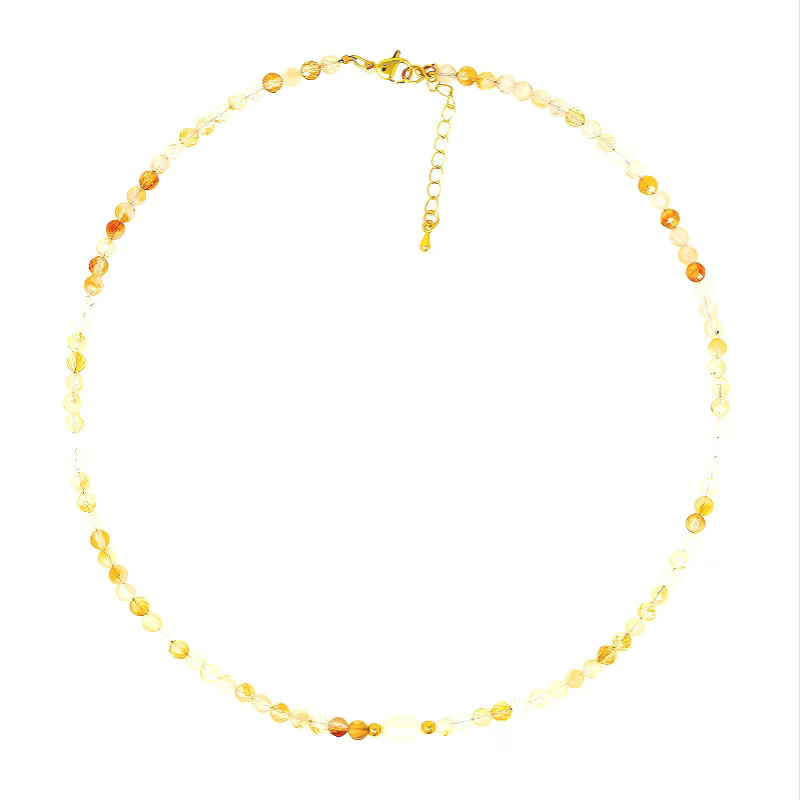
If you’re looking for a piece that fits right into the cleaning routine above, the Quartz Crystal Necklace is a solid place to start: quartz sits on the durable, soak-safe end of the spectrum, so it forgives a gentle wash without special handling.
Browse the full necklace collection or explore bracelets, drop earrings, European crystal jewelry, and room jewelry for decor pieces on the main HerMJ catalog.
US orders ship free with no minimum, and international orders ship free on orders of $150 or more.
Got a specific stone you’re unsure how to clean? Reach out before you try anything new on it.
Sources
- How to clean gemstone jewelry — Gem Society
- Care for soft, porous gemstones — Jewelers Mutual
- Crystal cleaning tips: expert care guide for homeowners — CrystalPlace
- How to care for and store your jewelry | AP News
FAQ
Is It Safe to Clean All Gemstone Jewelry the Same Way?
No. Durable stones like sapphires and diamonds can be soaked, but pearls, opals, turquoise, and treated emeralds should only be wiped with a barely damp cloth.
Can I Put Crystal Decor in the Dishwasher?
No, dishwashers expose crystal to heat cycles and hard water that cause thermal shock, etching, and permanent clouding. Hand-wash with lukewarm, pH-neutral soap instead.
How Often Should I Deep Clean My Jewelry?
Wipe pieces after each wear and reserve the full soak-and-brush method for every few weeks, depending on visible buildup, with an annual professional inspection to catch loose settings.
Does Cleansing a Crystal in Moonlight Clean It Physically?
No. Moonlight exposure is an energetic philosophical practice, not a physical cleaning method, and it won’t remove dirt, oil, or lotion residue from a stone’s surface.
What Does the Quartz Crystal Necklace Cost?
Current pricing for the Quartz Crystal Necklace and other gemstone designs is listed on the HerMJ product page.
Recommended
- Your Gemstone Home: Merge Enriching Crystal Room Decor
- Unique Crystal Centerpiece Ideas with Gemstone Accents
- Luxurious Gemstone Home Decor And Crystal Decoration