


Gemstone Meaning for Gifts Explained: Choose With Intent
The Edit
- Gemstone symbolism connects a stone’s color and history to specific emotional messages. Giving a stone with intention allows messages of love, protection, or confidence to resonate deeply. Natural, untreated gemstones carry authentic meaning and unique geological stories, making them especially valued as gifts.
Gemstone symbolism is the practice of matching a stone’s color, mineral composition, and cultural history to a specific emotional message. When you understand gemstone meaning for gifts explained in this way, you move far beyond picking something pretty. You pick something that speaks. Younger buyers in 2026 prioritize gemstones that tell personal stories or mark life milestones over retail price alone.
That shift means the most thoughtful gift you can give isn’t necessarily the most expensive one. It’s the one that says exactly what you mean.
What does gemstone meaning for gifts explained actually represent?
Gemstone gift meanings are symbolic traits tied to a stone’s color, mineral structure, and centuries of cultural use.
Red stones carry passion.
Blue stones carry calm.
Purple stones carry wisdom.
These aren’t arbitrary associations. They come from traditions spanning ancient Egypt, Ayurvedic practice, and European lapidary texts that linked specific minerals to human experiences.
Gifting jewelry symbolizes love, gratitude, protection, fidelity, and remembrance, depending on the piece, occasion, and relationship. That range shows how much context shapes meaning. A garnet necklace given to a new graduate reads as energizing and bold. The same stone given on a wedding anniversary reads as passionate and devoted. The stone doesn’t change. The intention does.
Understanding this distinction is what separates a forgettable gift from one that gets kept for decades. When you choose with intention, the recipient feels seen. That’s the real significance of gemstones in gifts.
How do gemstone colors connect to symbolic meaning?
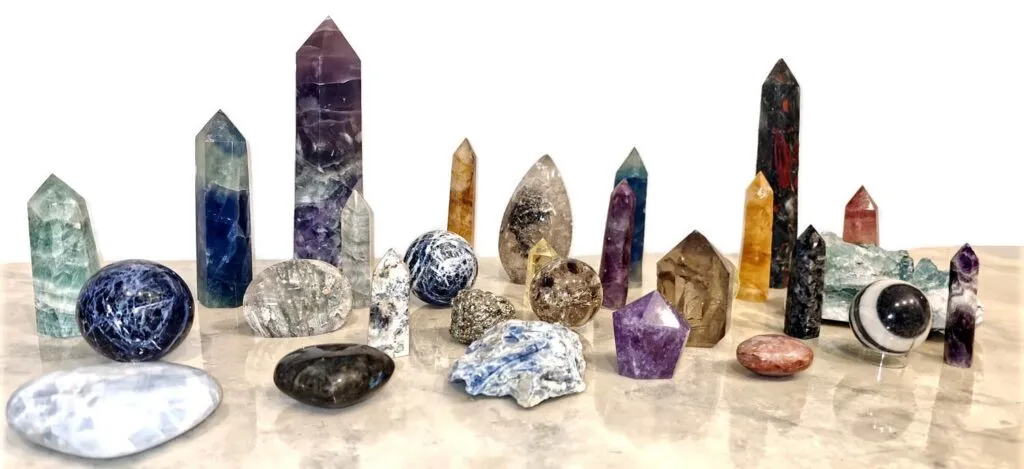
Color is the fastest signal a gemstone sends. Before anyone reads a card or hears an explanation, the stone’s hue communicates something. Stone color and mineral type link directly to cultural and emotional symbolism, which is why color is the best starting point for any gift shopper.
Here’s how the major color families break down:
- Red stones (garnet, ruby): passion, energy, vitality, and deep love. Best for romantic occasions or for celebrating someone’s drive and ambition.
- Blue and green stones (aquamarine, turquoise): calm, clarity, communication, and emotional balance. Ideal for someone navigating stress or starting a new chapter.
- Purple stones (amethyst): wisdom, intuition, and spiritual clarity. A strong choice for someone in a reflective or transitional period.
- Pink stones (rose quartz, strawberry quartz): love, gentleness, and emotional healing. Perfect for close friendships, new mothers, or anyone who needs comfort.
- Yellow and orange stones (citrine, carnelian): confidence, creativity, and abundance. Great for someone launching a project or stepping into a new role.
- Brown and gold stones (tiger’s eye, aventurine): grounding, courage, and luck. Well suited to someone facing a challenge or taking a calculated risk.
Pro Tip: If you’re unsure which stone to choose, think about the recipient’s current emotional state rather than the occasion itself. A birthday gift for someone going through a hard year calls for something grounding or comforting, not just celebratory.
Matching color symbolism to personality works because it shows you paid attention. That’s what makes a gemstone jewelry piece feel personal rather than generic.
How do you select a gemstone gift based on intention?
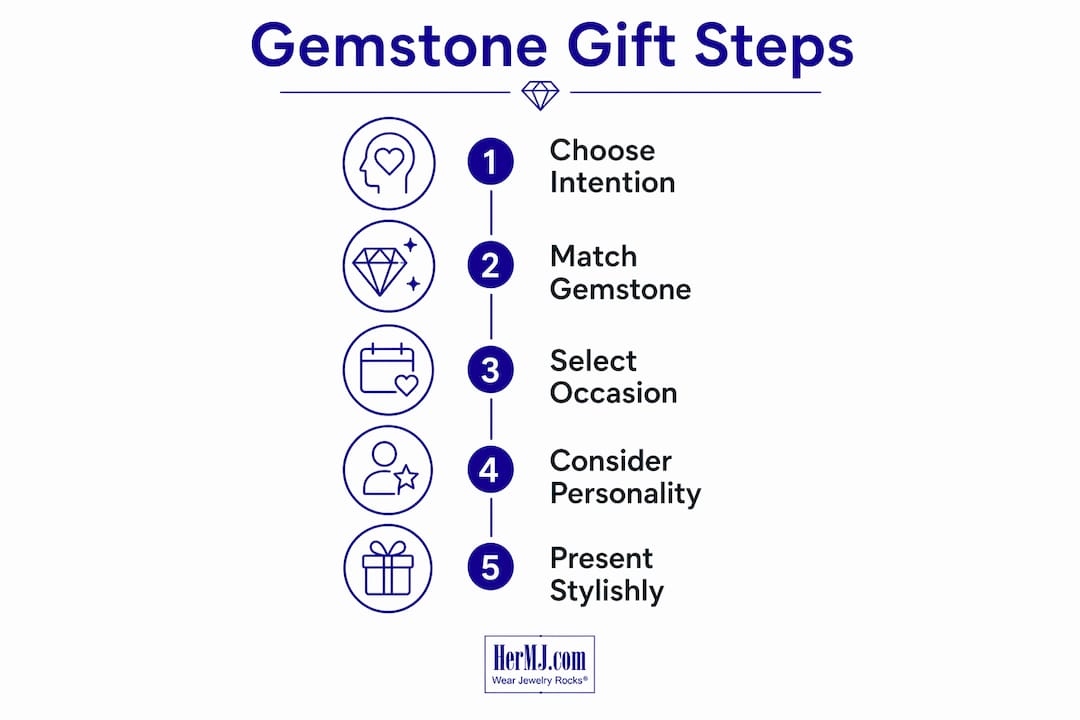
The clearest framework for choosing a gemstone gift is to start with your intention. Experts recommend matching the stone with one of eight core intentions: love, protection, confidence, peace, energy, luck, balance, or success. Each intention maps to specific stones with well-established symbolic histories.
Think about what your recipient needs most right now. A friend starting a new job needs confidence and energy. A parent caring for a sick child needs peace and grounding. A partner you want to celebrate needs love and abundance. Once you name the intention, the choice of stone becomes obvious.
Labradorite, for example, is the go-to stone for protection during life changes. Its iridescent flash reflects the complexity of transition, and its symbolic meaning centers on shielding the wearer from uncertainty. A labradorite necklace makes a genuinely meaningful gift for someone moving cities, changing careers, or stepping into a new relationship. Black tourmaline serves a similar grounding function, particularly for someone dealing with anxiety or chronic stress. You can find black tourmaline bracelets designed specifically for this purpose.
| Intention | Best Gemstone | Occasion Example |
|---|---|---|
| Love | Rose quartz | Anniversary, friendship, new baby |
| Protection | Labradorite, black tourmaline | Career change, relocation, recovery |
| Confidence | Tiger’s eye, carnelian | Graduation, job promotion, new venture |
| Peace | Aquamarine, amethyst | Grief, burnout, major life stress |
| Luck | Aventurine | New business, travel, fresh start |
| Success | Citrine | Milestone achievement, entrepreneurship |
| Balance | Garnet, moonstone | Relationship repair, personal growth |
| Energy | Ruby, carnelian | Athletic achievement, creative projects |
This table turns an abstract concept into a practical decision. You’re not just buying a stone. You’re sending a message that says, “I see where you are, and I chose this for you.”
Why do natural, untreated gemstones make better gifts?
Natural, untreated gemstones carry measurable, verifiable properties formed over millions of years. That geological history is tangible in a way that no synthetic or treated stone can replicate. When you give a natural stone, you’re giving something the earth made. That matters to the recipient in a way that’s hard to articulate but easy to feel.
Inclusions are a key part of this story. Natural inclusions in gemstones are evidence of their origin and add uniqueness, often reducing their price compared to flawless stones. A tiny feather-like inclusion inside an aquamarine isn’t a flaw. It’s a geological record. It’s what makes that specific stone unlike any other on the planet.
Here’s what to look for when reading a gemstone listing before you buy:
- Treatment disclosure: Look for terms like “heat treated,” “oiled,” or “irradiated.” These processes alter the stone’s natural color or clarity. Untreated stones are rarer and more meaningful.
- Origin information: Stones with named origins (Burmese ruby, Colombian emerald, Brazilian amethyst) carry greater provenance and a richer story.
- Inclusion notes: A listing that mentions “slight natural inclusions” is being transparent. That’s a good sign.
- Certification: Reputable sellers often include a gemological certificate from labs like GIA or AGL for higher-value stones.
Pro Tip: When shopping online, filter for “natural” and “untreated” in the description. If a listing doesn’t mention treatment status at all, ask before you buy. A seller who knows their stones will answer immediately.
Gifting loose gemstones lets recipients personalize their piece by choosing the setting and metal. This approach turns a gift into a collaboration, which deepens its meaning considerably.
Which gemstones are most popular for meaningful gifts?
Certain stones have earned their place as gifting staples because their meanings are clear, their beauty is accessible, and they suit a wide range of occasions. Here’s a quick reference for the stones gift shoppers reach for most often.
| Gemstone | Core Meaning | Best Gift Occasion |
|---|---|---|
| Rose quartz | Love, comfort, emotional healing | Valentine’s Day, friendship, postpartum |
| Amethyst | Wisdom, calm, spiritual clarity | Grief, meditation practice, milestone birthdays |
| Tiger’s eye | Confidence, courage, focus | Graduation, career change, new challenge |
| Aventurine | Luck, optimism, new beginnings | New business, travel, fresh start |
| Carnelian | Creativity, vitality, motivation | Artists, athletes, entrepreneurs |
| Citrine | Success, abundance, positivity | Achievement celebrations, goal setting |
| Garnet | Passion, energy, devotion | Romantic occasions, anniversaries |
| Aquamarine | Calm, clarity, communication | Stress relief, new journeys, healing |
Rose quartz is the go-to stone for expressing love and comfort, tiger’s eye instills confidence and courage, aventurine relates to luck and new projects, and citrine associates with success and abundance. Each of these stones carries a distinct symbolic identity that makes the gift feel intentional rather than decorative.
Pairing the stone with the recipient’s personality further sharpens the choice. A tiger’s eye bracelet lands differently on someone who’s been doubting themselves than it does on someone already thriving. The meaning amplifies what the recipient needs to hear.
How do you present a gemstone gift with style?
Meaning matters, but presentation shapes the first impression. The jewelry style you choose should match the recipient’s daily aesthetic, not just the stone’s symbolism. A person who wears minimal, modern jewelry will appreciate a clean bezel-set pendant. Someone with a bohemian wardrobe will love a layered bracelet stack.
A few practical points to guide your choices:
- Necklaces work for most occasions and body types. A gemstone necklace sits close to the heart, which reinforces emotional symbolism beautifully.
- Bracelets are visible throughout the day and serve as constant reminders of the intention behind the gift. They’re especially effective for grounding or confidence stones.
- Color coordination: Consider whether the stone’s color complements the recipient’s wardrobe. Aquamarine reads as cool and versatile. Carnelian reads as warm and bold. Both are beautiful, but they suit different personal palettes.
- Seasonal styling: Certain stones feel more at home in specific seasons. Citrine and carnelian feel warm and autumnal. Aquamarine and moonstone feel cool and summery. A seasonal style guide can help you match stone to moment.
- Care considerations: Natural gemstones vary in hardness. Softer stones like turquoise and opal need gentler handling than harder stones like garnet or sapphire. Including a brief care note with the gift shows real thoughtfulness.
The goal is a gift that the recipient actually wears, not one that sits in a drawer. Matching meaning to style to occasion is what gets a piece worn every day.
Key Takeaways
Choosing a gemstone gift with intention transforms a beautiful object into a personal message that resonates far beyond the occasion itself.
| Point | Details |
|---|---|
| Start with intention | Match the stone to one of eight core intentions: love, protection, confidence, peace, energy, luck, balance, or success. |
| Color signals meaning | Red stones carry passion, blue and green carry calm, purple carries wisdom, and pink carries love. |
| Natural beats treated | Untreated stones with natural inclusions carry more authenticity and story than mass-market treated alternatives. |
| Popular stones have clear roles | Rose quartz, amethyst, tiger’s eye, and citrine each suit specific occasions and emotional needs. |
| Style completes the gift | Match jewelry type and stone color to the recipient’s personal aesthetic so the piece actually gets worn. |
Why I think gemstone gifts are underrated as a category
I’ve watched the jewelry market shift noticeably over the past several years. Shoppers used to default to gold or diamonds because those felt “safe.”
Now I see something different. People want their gifts to mean something specific. They want to hand someone a stone and say, without words, “I thought about you. I thought about what you’re going through.”
That shift is real, and it’s not sentimental. Younger consumers find that gemstones carry deeper meaning as symbols of identity or significant milestones rather than just luxury. That’s a fundamental change in how people value objects.
What I’ve learned from working with gemstones is that the research phase is actually the most meaningful part of the process. When you sit with the question of what someone needs right now, you’re already giving them something. You’re paying attention. The stone just makes that attention visible.
My advice: don’t overthink the price. A $30 amethyst bracelet chosen with real intention will outlast a $300 gift chosen out of obligation.
The meaning is in the match, not the cost.
— Veronique
Artisan gemstone gifts from HerMJ, made with real stones
HerMJ handcrafts every piece from genuine gemstones and freshwater pearls, which means the symbolic meaning you choose is backed by authentic materials. Each piece is made to be worn, not just to be displayed.
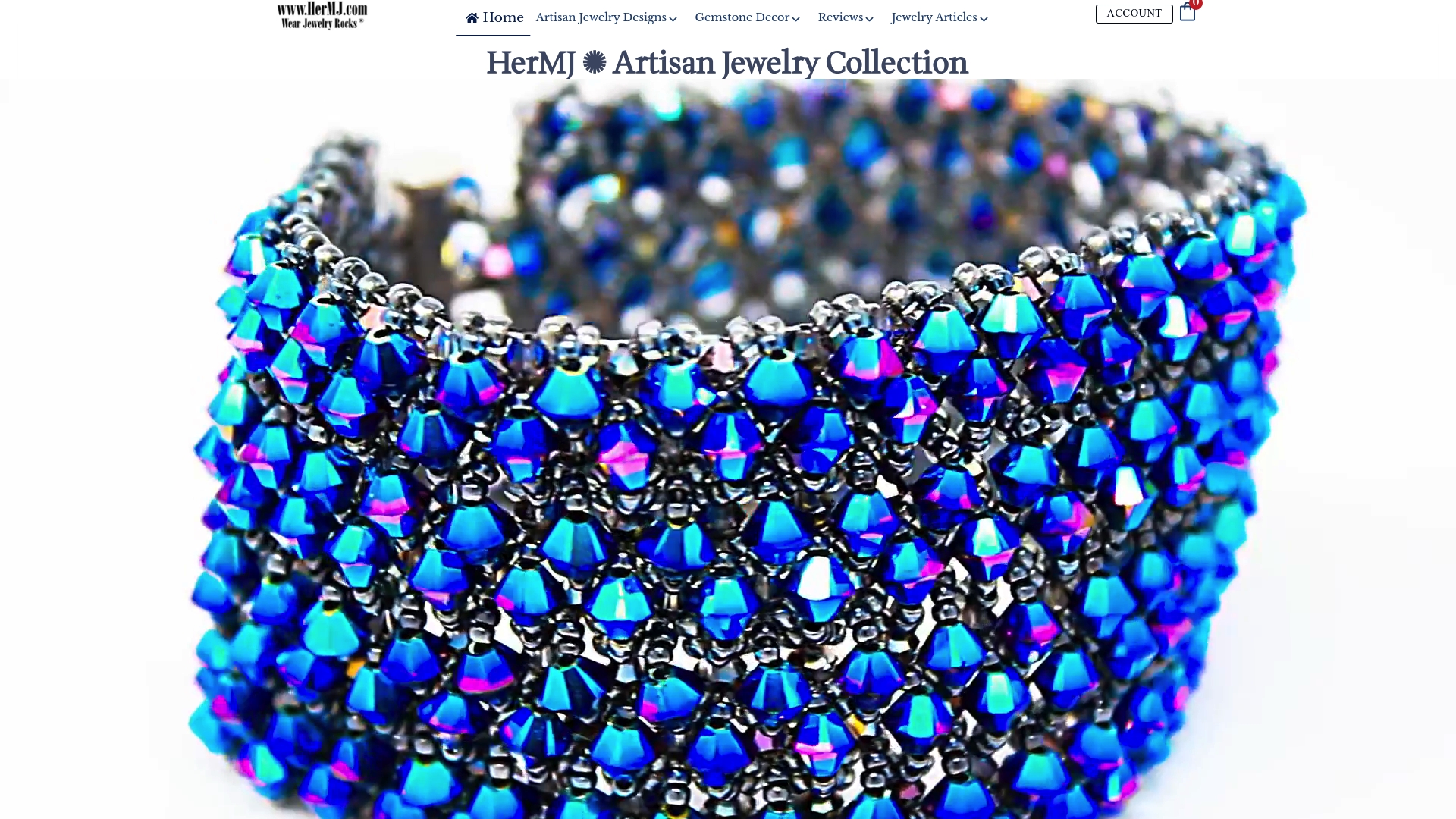
For a gift rooted in passion and energy, the Faceted Garnet Necklace is a standout choice. For love and comfort, the Strawberry Quartz Bracelet captures that warmth beautifully. If confidence is the message, the Tiger’s Eye Bracelet delivers it with quiet authority. US orders ship free with no minimum. International orders ship free for orders of $150+. Every piece arrives ready to give.
FAQ
What do gemstones symbolize when given as gifts?
Gifting jewelry symbolizes love, gratitude, protection, fidelity, and remembrance, depending on the piece, occasion, and relationship. The chosen gemstone further sharpens that message through its color and cultural history.
How do I choose the right gemstone for a gift?
Match the stone to your core intention, whether that’s love, protection, confidence, peace, energy, luck, balance, or success. Then consider the recipient’s current life stage and personal style.
Are natural gemstones better gifts than treated ones?
Natural, untreated gemstones carry verifiable geological histories that treated or synthetic stones can’t replicate. That authenticity adds meaning and makes the gift feel genuinely unique.
What is the best gemstone to give for love?
Rose quartz is the most recognized stone for love and emotional comfort, making it ideal for romantic occasions, close friendships, and postpartum gifts. Pink stones, as a category, consistently carry this symbolism across cultures.
Can I give a loose gemstone as a gift?
Gifting loose gemstones lets the recipient choose their own setting and metal, turning the gift into a collaborative and deeply personal experience. It’s an insider practice that considerably elevates the stone’s meaning.
Recommended
- Gemstone Jewelry Outfit Pairing: Style It Right
- Gemstone Jewelry for Every Season: Style Guide
- Alternative Birthstones | Handmade Gemstone Jewelry by Month