


Saltwater vs Freshwater Pearls:
A Tale of Two Pretties
Saltwater vs Freshwater Pearls
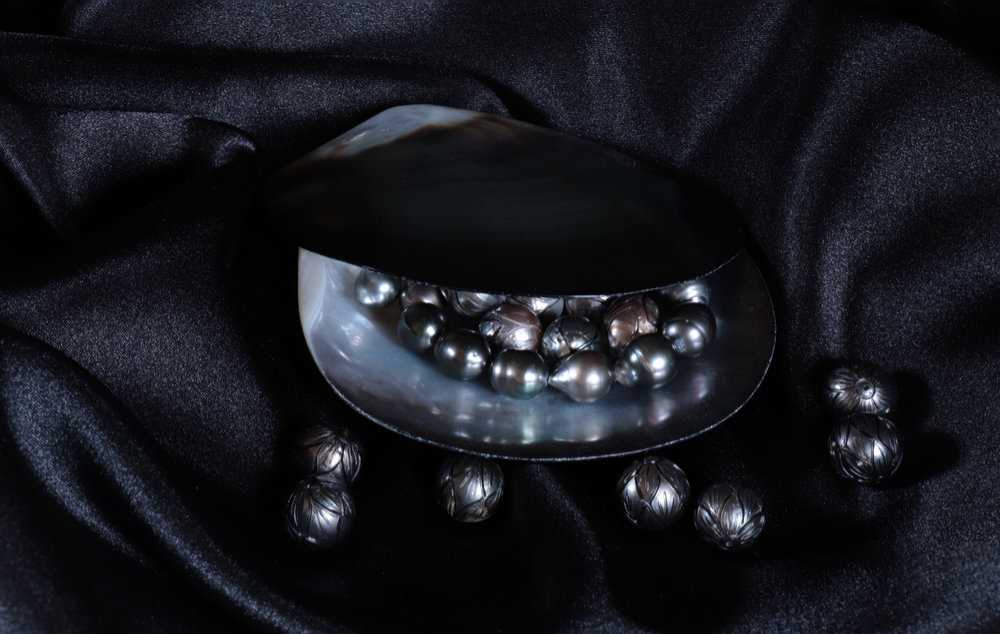
The exquisite Tahitian pearls from the South Pacific remain among the most sought-after varieties in the world. Their luxurious dark sheen and iridescent beauty make them extremely valuable to collectors and vanguard jewelry designers.
But why?
What places these saltwater pearls in such high demand (making them more expensive) compared to other types of cultured pearls? And what is the distinction between saltwater vs freshwater pearls?
What Is A Pearl?
First, and to make the distinction, it’s important to understand just what makes a pearl. Unlike other gemstones that originate from the Earth itself, these gems (and, yes, they are considered gemstones), are made by living beings.
Cultured pearls, which are produced by an oyster (for saltwater pearls) or mussel (for freshwater versions) start with a fascinating and natural process.
Because the iconic gem has become such an essential part of our lives, beloved across many cultures and traditions, we humans have developed a process to help Mother Nature increase her pearl yield.
The Birth Of The Pearl
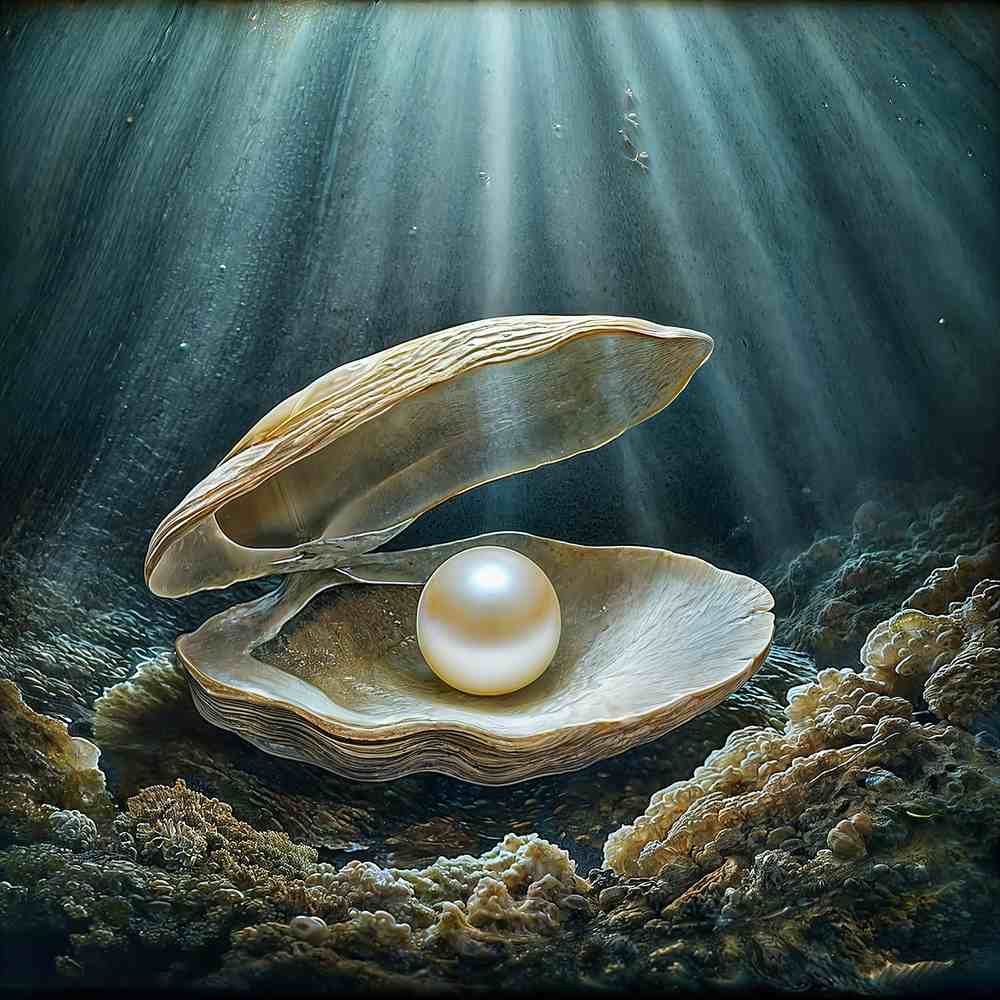
The mollusk’s implant causes it to secrete special compounds called nacre as its defense against the newly implanted irritant. Over time, layer upon layer of nacre builds up around the implanted object, and the result is what we know as a pearl.
It starts when a pearl farmer implants what the live host considers an irritant or foreign object inside its shell.
The mollusk, such as an oyster or mussel, takes the process forward from there, with a bit of influence exerted through human interaction, which involves implanting the early beginnings of the pearl’s anatomy.
This is known as nucleation, which involves a human, a pearl seed, and the act that brings them all together to implant the nucleus of what will later become the pearl itself.
Saltwater vs Freshwater Pearls: Origins
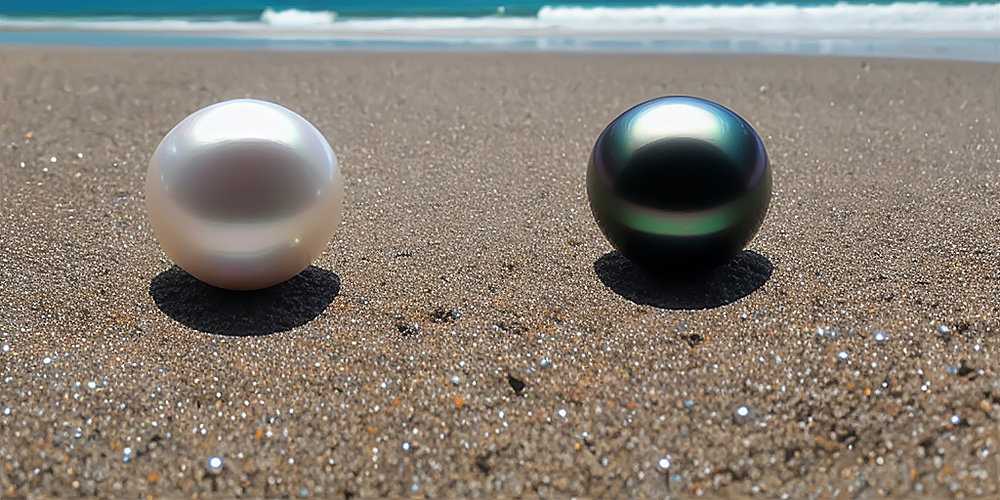
In terms of their origins, there are two types of pearls competing for our attention: saltwater vs freshwater pearls.
On the one hand, the most common types of cultured freshwater pearls are grown in rivers, lakes, and ponds, and are generally less expensive than saltwater pearls. They primarily grow within freshwater pearl mussels as their host.

Since freshwater pearls are grown in relatively still waters, they are more manageable for the pearl harvester.
Cultured saltwater pearls, on the other hand, originate in the seas, such as the South Sea waters, estuaries, and other bodies of saltwater.
They are also more expensive due to their limited availability and labor-intensive cultivation process.
The South Sea Pearl, more commonly referred to as the Tahitian pearl, is a product of saltwater oysters living in the warm waters of the South Pacific.
Additionally, since saltwater pearls are cultivated in waters agitated by waves and currents, they are at higher risk of damage or loss during harvest, as waves and currents can entangle them in nets or other debris.
The Amazing Story of The Tahitian Pearl

How Are Pearls Cultured?
Have you ever wondered precisely how cultured pearls, like Tahitian pearls, are created?
This process is quite fascinating! Pearl production involves carefully inserting a tiny seed pearl, crafted from a mollusk shell, into the internal structure (often referred to as a pearl sack) of an adult Pinctada Margaritifera oyster.
The technician, known as a gaffer, must take extra care not to harm the oyster during their delicate work.
Cultured South Pacific Pearls: The Growing Years
Just as important, and to ensure that the process concludes with a pearl of superior color and shape, they scrupulously sand and shape the nucleus so that it is smooth and uniform in order to encourage a round and natural pearl as much as possible.
This is a labor-intensive process that requires adding a piece of mantle tissue from another donor oyster to reduce the recipient mollusk’s risk of rejection.
This task marks the beginning of the next phase in the pearl’s creation, which can take two years or more before the contributing oyster’s product reaches maturity and yields the glorious, dark body color of its amazing gemstone.
And there is one other important factor. This one also involves time; it is essential that the oyster is not removed from its watery home for too long, as a mollusk requires water to breathe. Because of this, the oyster is quickly returned to its long wait in its South Sea home.
What Makes A Pearl Unique?
Pearls are a unique gemstone, often seen as a symbol of beauty and elegance.
But what makes them so special? What is true of its freshwater relative, the saltwater mollusk, is the benefactor of some fantastic, and very natural magic.
It takes place inside the oyster’s body during the layering of the nacreous substance. The pearl increases in size because of the secreted coating over the pearl’s nucleus. The process can take years to reach full size.
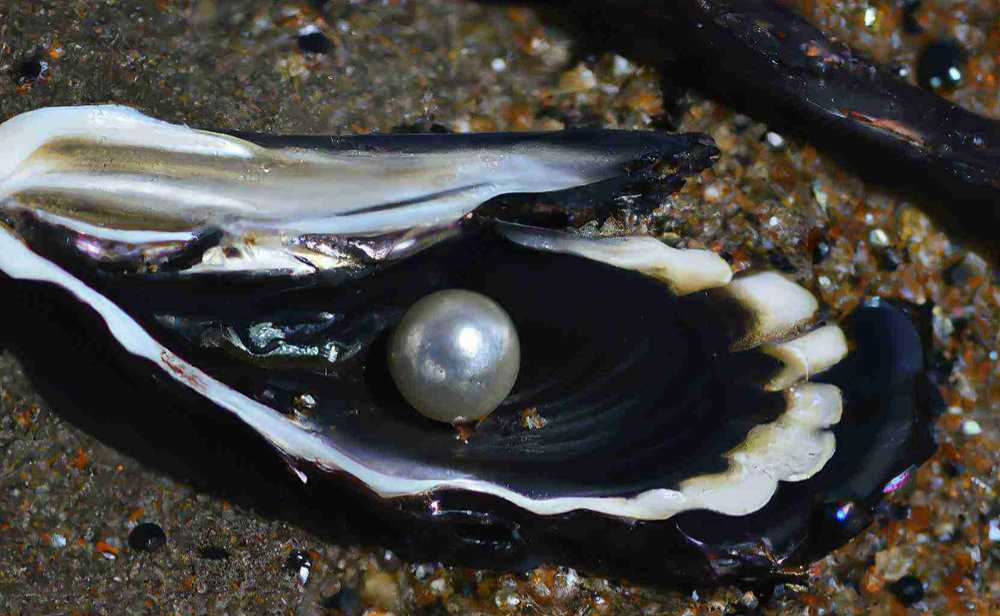
This is what makes our lustrous pearls so unique and valuable; they are a product of nature, crafted over time and perfected through the mollusk’s delicate process. As a result, each pearl is an exceptional product of nature’s organic engineering and truly a one-of-a-kind gemstone.
The beauty of each pearl lies in its individual character, from shape and size to color and luster. To add to its uniqueness, each pearl has its own story from the creature that created it, making them an exciting and special addition to any jewelry collection, unlike any other gemstone.
How Does A Cultured Freshwater Pearl Compare To A Tahitian Pearl?
One of the most sought-after types of cultured pearls is the Tahitian pearl, also known as a black pearl.
These beautiful gems are produced by the Pinctada Margaritifera, the black-lip pearl oyster found in the warm waters around French Polynesia.
Growing as large as 12 inches (305 mm) in diameter, these mollusks are credited with growing the largest pearls in the world.
For that reason, these pearls, often referred to as black pearls, are often larger than their non-Tahitian counterparts. The most expensive pearls can grow up to well over an inch in diameter (25.4 mm) and fetch thousands of dollars.
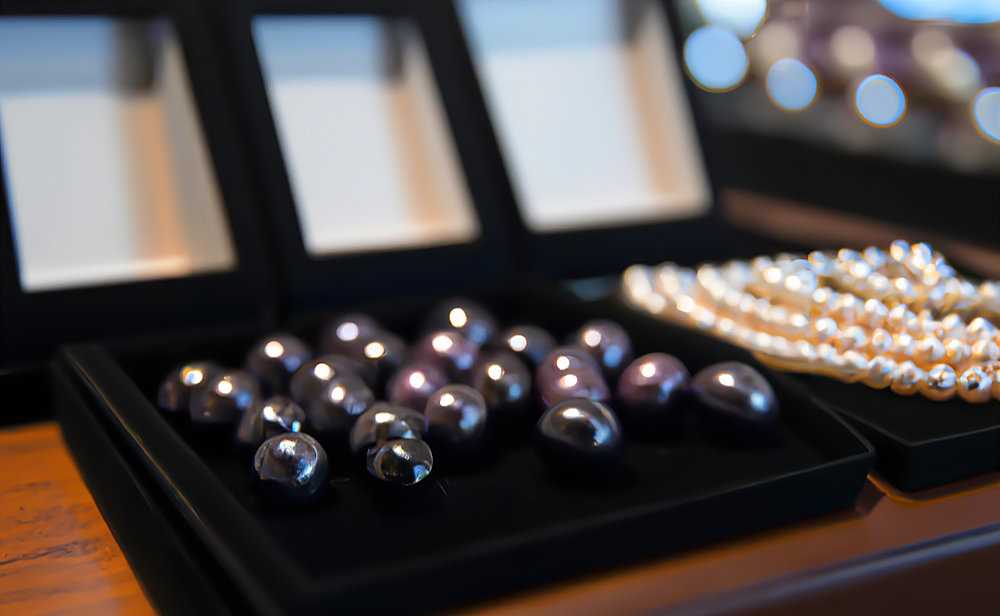
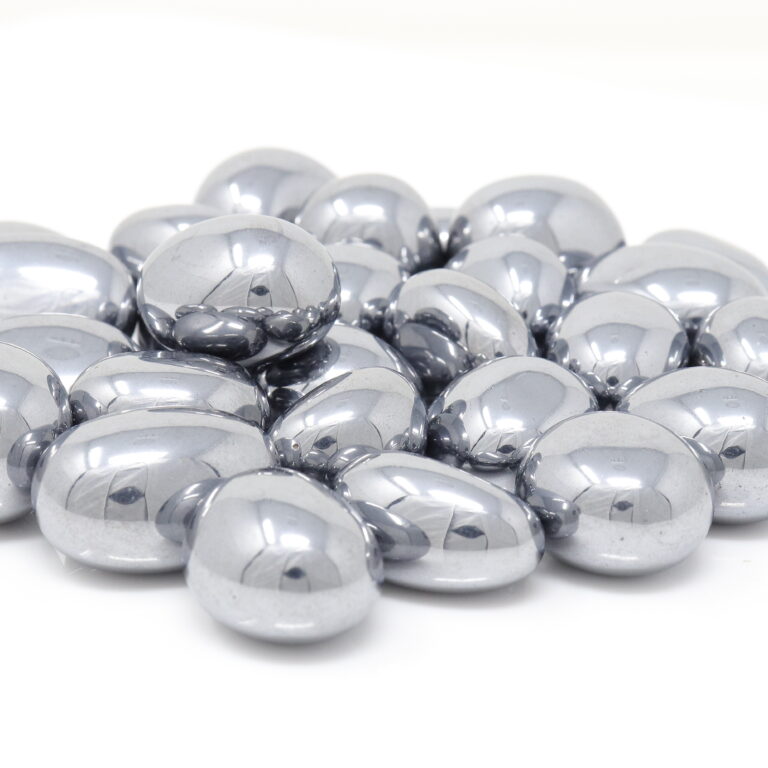
While traditional cultured white pearls come in a variety of shapes and sizes, Tahitian black pearls are highly distinctive due to their dark body color and iridescent sheen.
These unique gems range from light to dark grey with hints of blue, green, purple, or shimmering aubergine.
In comparison to other pearls, a Tahitian pearl has a higher luster and greater durability because of the thickness of its nacre layers.
Cultured pearls from freshwater habitats have much softer hues than Tahitian cultured pearls.
While freshwater pearls may not have the same dramatic natural colors and exotic tones as their saltwater counterparts, they offer an array of delicate whites and pastel shades.
But, ultimately, when comparing each pearl type, it comes down to preference.
Whether a lover of the gemstone prefers the exotic appeal of Tahitian black pearls or the subtle beauty of freshwater pearls, both varieties will add a special touch to any piece of jewelry.
Why Are Tahitian Pearls So Popular?
The signature luster of the Tahitian pearl makes it one of the most prized gemstones in the world, beloved for its striking, unique hues, a trait owed to the Pinctada Margaritifera black-lipped oysters that thrive in lagoons across French Polynesia.
Ironically, it’s almost impossible to find a truly black specimen — a distinction that makes them so highly valued by gemstone and Tahitian pearl jewelry lovers.
Despite the differences between black and non-black shades, they are unmistakably beautiful with dazzling coloration that sets them apart from freshwater pearls, whether in the shimmering greyish tones, smoky charcoal, the somewhat mysterious silver hues, or even other exquisite variations, including the exotic greenish variety.
Where Do You Buy Tahitian Black Pearls?
There are endless ways to get your hands on these treasures. You can find stunning examples by trusted boutiques offering these types of pearls in most major cities all over the world.
Here at HerMJ, you can find exquisite examples of freshwater pearls and affordable Tahitian pearl prices for necklaces, bracelets, and earrings that are specially selected and carefully integrated into our limited-edition designs.
Whether you’re looking for a one-of-a-kind piece or want to add an extra glimmer of luxury to your everyday look, a Tahitian pearl necklace, bracelet, or earring is an excellent, timeless classic.
When we pair them with modern designs and take advantage of their unique luster, we’re always amazed by the effect they create through their luxurious, mysterious range of colors.
These gems are one of the most consistent ways to make an amazingly grand statement.
How To Care For Your Tahitian Pearl Jewelry
Caring for your remarkable Tahitian pearl jewelry will ensure years of the signature luster and radiance of your pearl necklace, bracelet, or earring. These are some quick tips to help keep your South Sea pearls well-preserved!
Tips: Quality Care Means Quality Wear
So, ladies — and men — whether you’re looking for freshwater pearls or Tahitian South Sea pearls, be sure to explore HerMJ for a range of beautiful pieces.
There are differences when it comes to saltwater vs freshwater pearls, but in terms of elegant fashion statements, they both have exceptional qualities for anyone looking for beautiful, real pearl jewelry.
HerMJ™ Exclusive – Tahitian Pearl Signature Edition
Tahitian pearls at an unbelievable price.
-

-


-


-

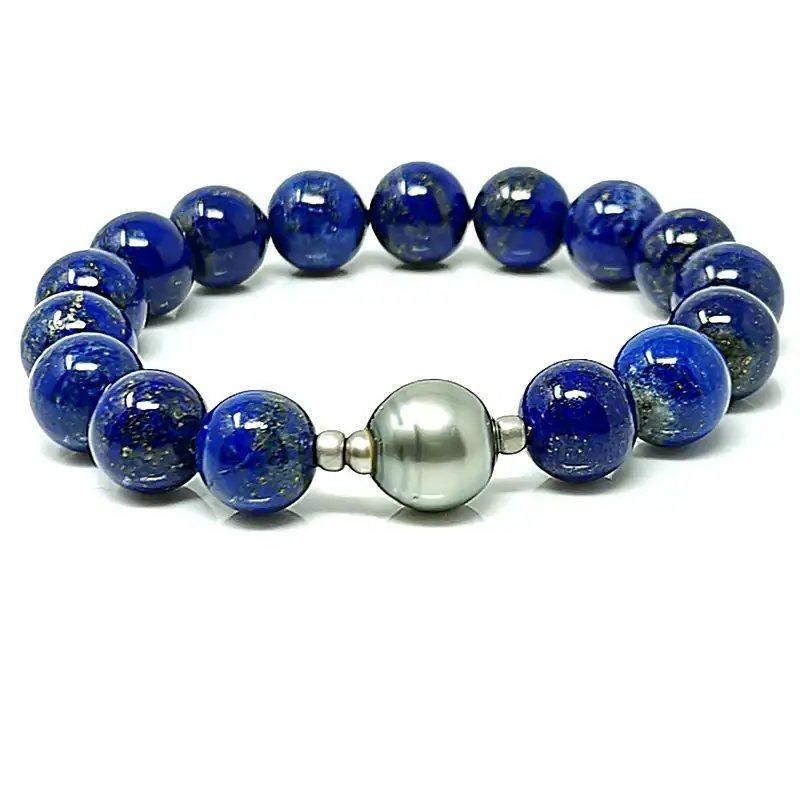
 Tahitian Pearl Pendant Necklace$125.00
 -


-

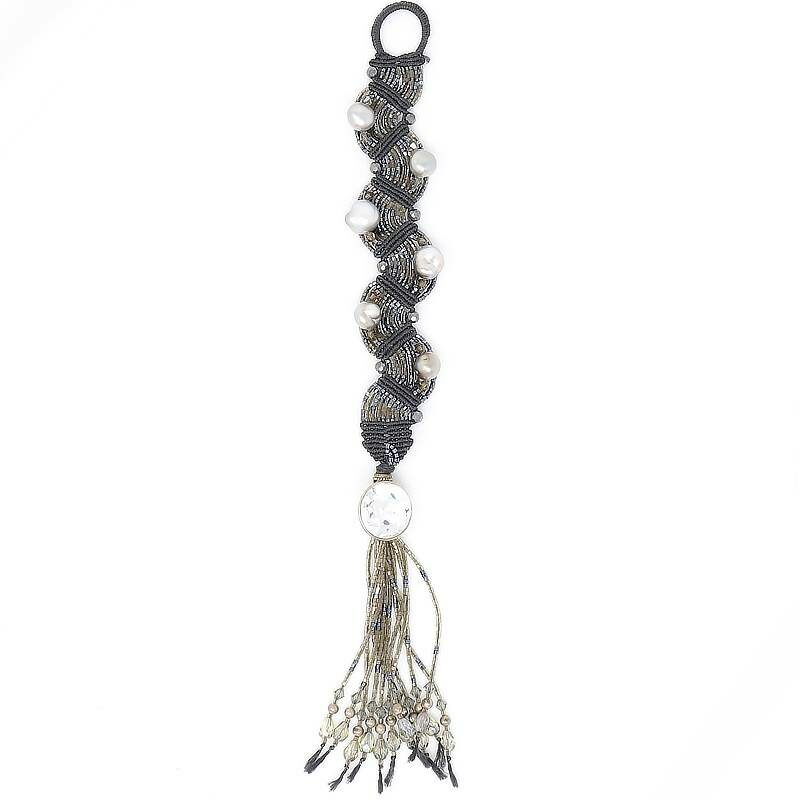 Tahitian Pearl Black Bracelet$585.00
 -


Fine Cultured Pearl Jewelry
The Beauty Of Handmade Jewelry: The Art Of Pure Expression
See HerMJ’s exclusive collection of Pearl creations